Yes, potato grow bags genuinely work, and they can produce solid yields even in a small space like a patio or balcony. The key is getting a few fundamentals right: bag size, soil depth, consistent watering, and the hilling technique. When those come together, grow bags are not just a novelty option but a legitimate, practical way to grow potatoes at home. If you want a proven option, compare brands and sizes through a gardener's supply company that sells gardener's best potato grow bag styles. If you want to buy potato grow bags, look for them at major garden retailers and online seed and gardening shops, and compare bag size and fabric quality before you order where to buy grow bags for potatoes.
Do Potato Grow Bags Work? Guide, Setup, Care, and Results
Marcus Holloway
28 May 2026
Do potato grow bags really produce good yields?
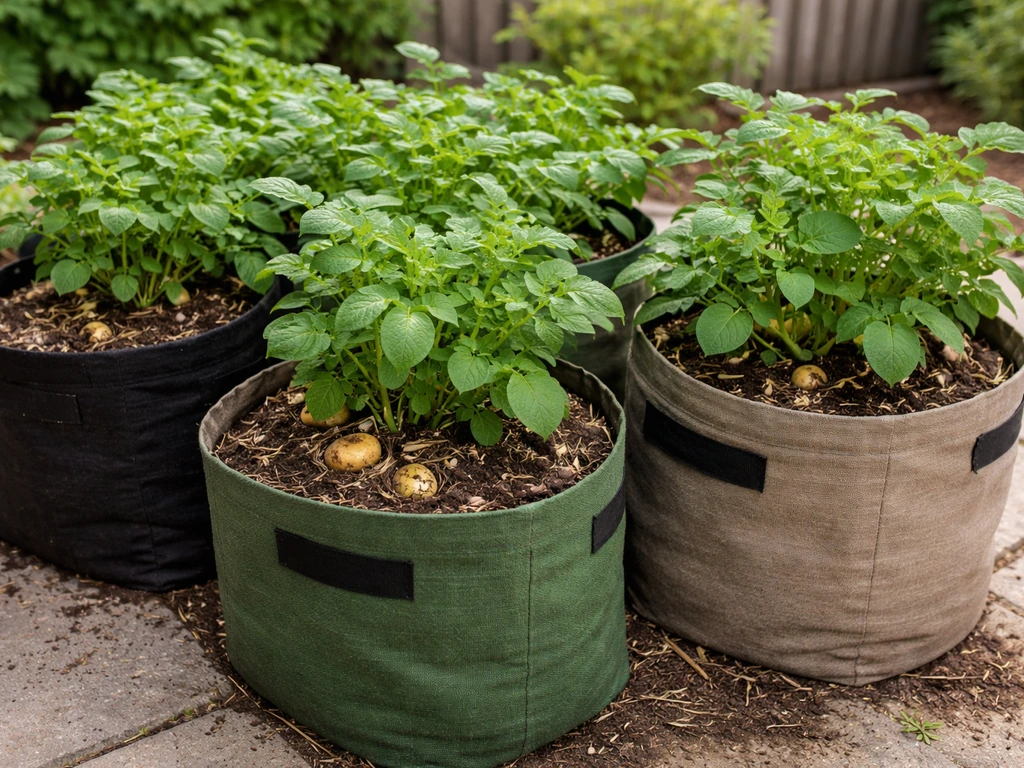
The honest answer is: yes, with realistic expectations. Fabric grow bags won't match the output of a well-maintained in-ground potato bed in a long growing season, but they are surprisingly productive for a container method. A 10-gallon bag with 2 to 3 seed potatoes planted correctly can yield 2 to 4 pounds of potatoes, sometimes more with vigorous varieties and good care. Smaller 5-gallon bags planted with 3 seed potatoes as recommended by UC Davis can still deliver a useful harvest, especially for quick-maturing or fingerling types. UC Davis recommends planting 3 seed potatoes in a 5-gallon bag or container, then watering so it is not soggy and covering with 3 to 4 inches of soil, pressing it down.
Where people run into disappointment is usually not the bag itself but how it's managed. Grow bags that dry out repeatedly, have inadequate soil depth, or get planted with too many seed potatoes in too little volume consistently underperform. Fix those things and the yields jump noticeably. The method is proven enough that university extension programs treat it as a practical alternative to in-ground growing.
How potato grow bags work vs. traditional planting
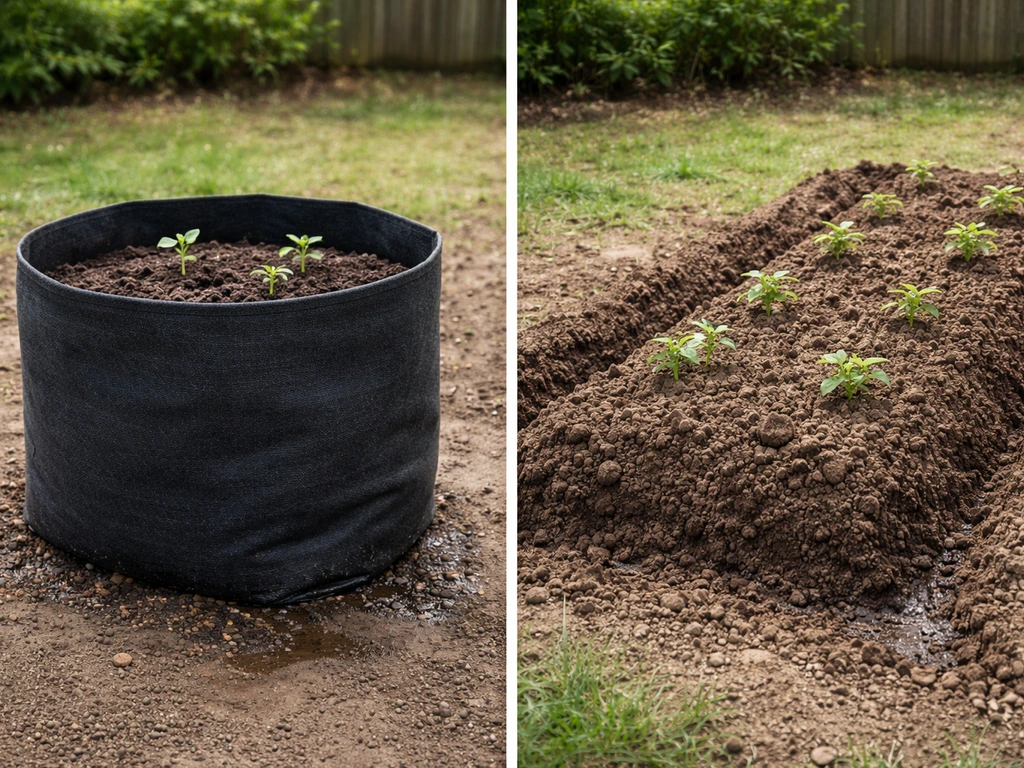
Understanding what the bag is actually doing differently from a garden bed helps you make better decisions throughout the growing season.
Drainage
Fabric grow bags drain from the sides and bottom simultaneously, which is one of their biggest advantages for potatoes. Potatoes hate sitting in wet soil and are prone to rot if drainage is poor. A fabric bag lets excess water escape quickly and evenly, which is harder to achieve in solid-sided plastic containers or even raised beds with compacted soil.
Air pruning
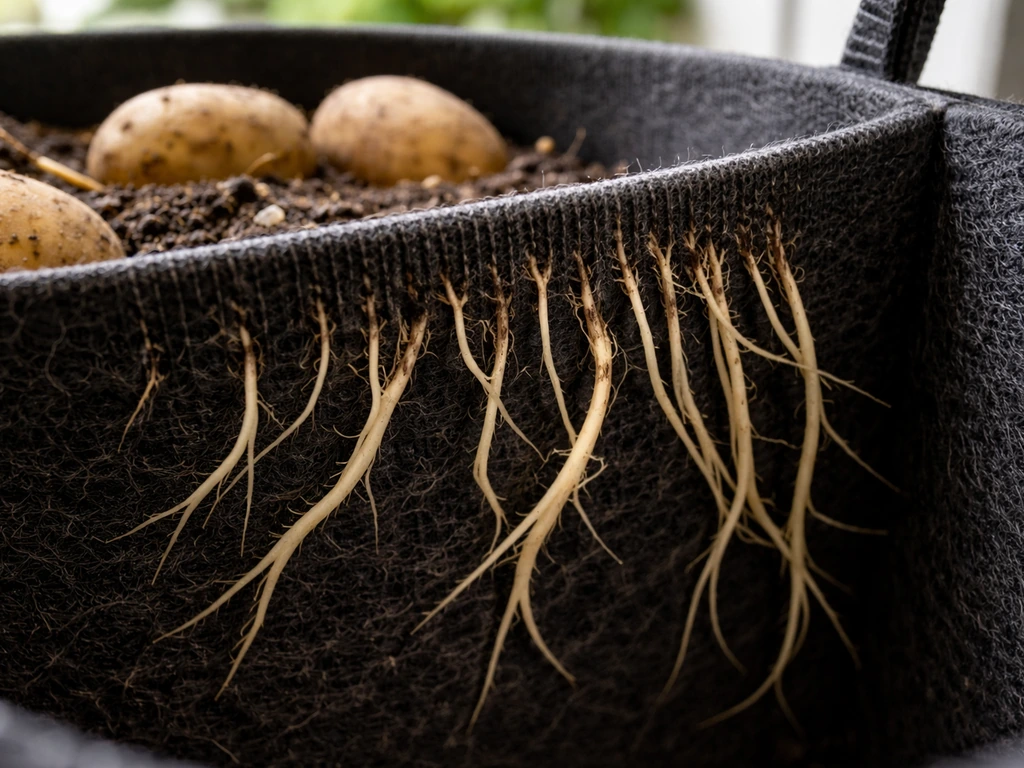
This is the feature that separates fabric bags from plastic pots most dramatically. When potato roots reach the wall of a fabric bag, the air exposure naturally prunes the root tip. Instead of circling the container and becoming rootbound, the plant puts energy into developing a denser, more branched root structure. More root mass means more surface area to absorb water and nutrients, which supports better tuber development.
Space and temperature
Grow bags are genuinely compact and moveable, which matters if you're working with a patio, rental garden, or limited space. The tradeoff is that the root zone heats up and cools down faster than in-ground soil. University of Maryland Extension research confirms that container-grown plants experience greater temperature fluctuations and the growing medium dries out more quickly than in-ground planting. For potatoes, which prefer cooler soil during tuber formation, this means you may need to position bags strategically in summer heat, move them into shade during heat spikes, or use a light-colored bag to reflect some heat.
What to buy: choosing the right fabric grow bag for potatoes
Size matters more than anything else
For potatoes, go bigger than you think you need. A 10-gallon bag is the sweet spot for home growers. It gives you enough soil depth to hill properly as the plant grows, enough volume to buffer moisture and temperature swings, and enough room for 2 to 3 seed potatoes to develop without competing too aggressively. You can use a 5-gallon bag with 3 seed potatoes as a compact option, but you'll need to water more frequently and the yield ceiling is lower. If you want more guidance on the best potato grow pots for your space and variety, compare bag sizes and fabric features before you buy 5 gallons. Bags under 5 gallons are generally not worth attempting for potatoes.
Some specialty potato grow bags go up to 15 or 20 gallons, and those work well for larger varieties or if you want to plant more seed potatoes per bag. The tradeoff is weight when fully loaded with moist soil, which makes moving them difficult.
Fabric type and quality
Look for thick, non-woven polypropylene or felt fabric. Cheap, thin bags collapse under the weight of moist soil, which can damage roots and make hilling impossible. A good bag holds its shape when filled and has reinforced handles sturdy enough to lift a full bag without tearing. Bags marketed specifically for potatoes sometimes include a flap or roll-down design at the top, which makes it easier to add soil as the plant grows, and a small side or bottom opening for checking tubers without fully emptying the bag. These features are genuinely useful, not just marketing gimmicks.
| Bag Size | Seed Potatoes | Best For | Watering Demand |
|---|---|---|---|
| 5 gallon | 2-3 | Fingerlings, quick varieties, tight spaces | High (dries fast) |
| 10 gallon | 3-4 | Most home growers, standard varieties | Moderate |
| 15-20 gallon | 5-6 | Larger varieties, longer seasons | Lower (buffers moisture better) |
Step-by-step setup and planting
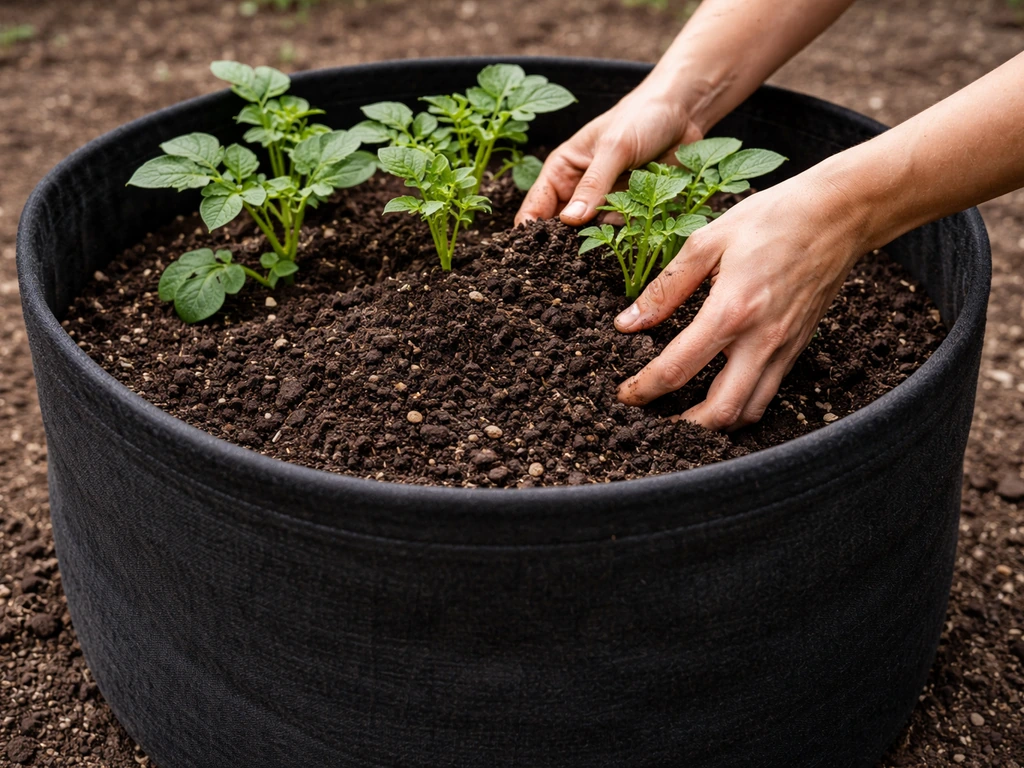
- Choose a location with at least 6 to 8 hours of direct sun. Set the empty bag in position before filling it, because a fully loaded 10-gallon bag is heavy to move.
- Mix your growing medium. Potatoes prefer a loose, well-draining mix. A good starting point is about 50% quality potting mix and 50% compost, with optional additions of perlite (10 to 20%) to improve drainage and prevent compaction. Avoid using straight garden soil, which compacts badly in containers and drains poorly.
- Fill the bag about one-third full with your soil mix, which should leave roughly 4 to 6 inches of soil in a 10-gallon bag.
- Place your seed potatoes on top of the soil, spaced evenly. UC ANR recommends placing about 5 to 6 potato pieces per bag when using a larger bag, while the UC Davis guidance specifies 3 seed potatoes per 5-gallon bag. Scale accordingly: 3 to 4 for a 10-gallon bag is a reasonable target.
- Cover the seed potatoes with 3 to 4 inches of soil and pat it down gently. Do not fill the bag completely at this stage. Leaving headroom is intentional.
- Water thoroughly until moisture drains from the base of the bag. The soil should be evenly moist but not waterlogged.
- As shoots emerge and grow to about 6 to 8 inches tall, add another 3 to 4 inches of soil mix, burying the lower portion of the stems. This is the hilling step and it is critical. Buried stem sections will develop into additional tuber-bearing roots, which is what builds your yield.
- Repeat the hilling process every time shoots reach 6 to 8 inches above the soil surface, until the bag is filled to within 2 to 3 inches of the top.
- Once the bag is full and the plant is in full leaf, focus shifts entirely to watering, feeding, and waiting for harvest signals.
Care basics: watering, sunlight, fertilizing, and pest management
Watering
Watering is where most grow bag potato attempts succeed or fail. Oregon State University Extension advises keeping soil damp but not soaking wet, which is solid general guidance but can be tricky in a fabric bag that drains aggressively. In warm weather, a 10-gallon bag may need watering every 1 to 2 days. A 5-gallon bag can dry out in a single hot afternoon. The practical test is to push a finger 2 to 3 inches into the soil. If it feels dry at that depth, water thoroughly. If it's still moist, hold off. There's more detail on watering frequency in grow bag potato growing that's worth reading through separately, because it genuinely varies by bag size, climate, and stage of growth. In this guide, you will see how often to water potatoes in grow bags based on bag size, weather, and growth stage.
Sunlight
Potatoes grow best in full sun. OSU Extension notes they'll tolerate some shade, but reduced sun directly reduces yield. Aim for a minimum of 6 hours of direct sun, and 8 or more is better. The moveable nature of grow bags is an advantage here: you can reposition them as the season changes to chase the best light.
Fertilizing
Because grow bags drain so frequently, nutrients leach out of the soil faster than in an in-ground bed. A balanced slow-release fertilizer worked into your initial soil mix is a good foundation. Supplement with a liquid fertilizer every 2 to 3 weeks during active growth. Switch to a lower-nitrogen, higher-potassium formula once the plant starts flowering, which signals that tuber bulking has begun. Too much nitrogen late in the season pushes leafy growth at the expense of tuber size.
Pests and disease
Grow bags offer some natural isolation from soil-borne potato diseases because you're starting with fresh potting mix rather than potentially infected garden soil. That's a genuine advantage, especially if your garden has a history of blight or scab. Common above-ground pests like aphids, Colorado potato beetles, and flea beetles still show up. Check the undersides of leaves weekly and knock off beetles and their egg masses by hand. Aphids can be blasted off with water or treated with insecticidal soap. Keep foliage dry by watering at the base of the plant, not overhead, to reduce the risk of late blight, which spreads quickly in wet conditions.
Common issues and how to fix them
The bag dries out too fast
This is the most common complaint and usually means the bag is too small, the soil mix has too much perlite or sand relative to compost, or you're in a hot, dry climate without a watering routine. Solutions: move to a 10-gallon or larger bag, add more compost to the mix, mulch the top of the soil with straw or wood chips to slow evaporation, and consider placing the bag on a saucer to catch some drainage for the roots to reabsorb.
Overwatering and soggy soil
Soggy soil in a fabric bag usually points to a drainage problem rather than overwatering. Check that the bag isn't sitting in a pool of collected water. If the soil mix is too dense (too much compost, not enough perlite or coarse material), it may not drain freely through the fabric. The fix is to improve your soil mix on the next planting and elevate the bag slightly on bricks or a pot stand to allow airflow underneath.
Bag collapse
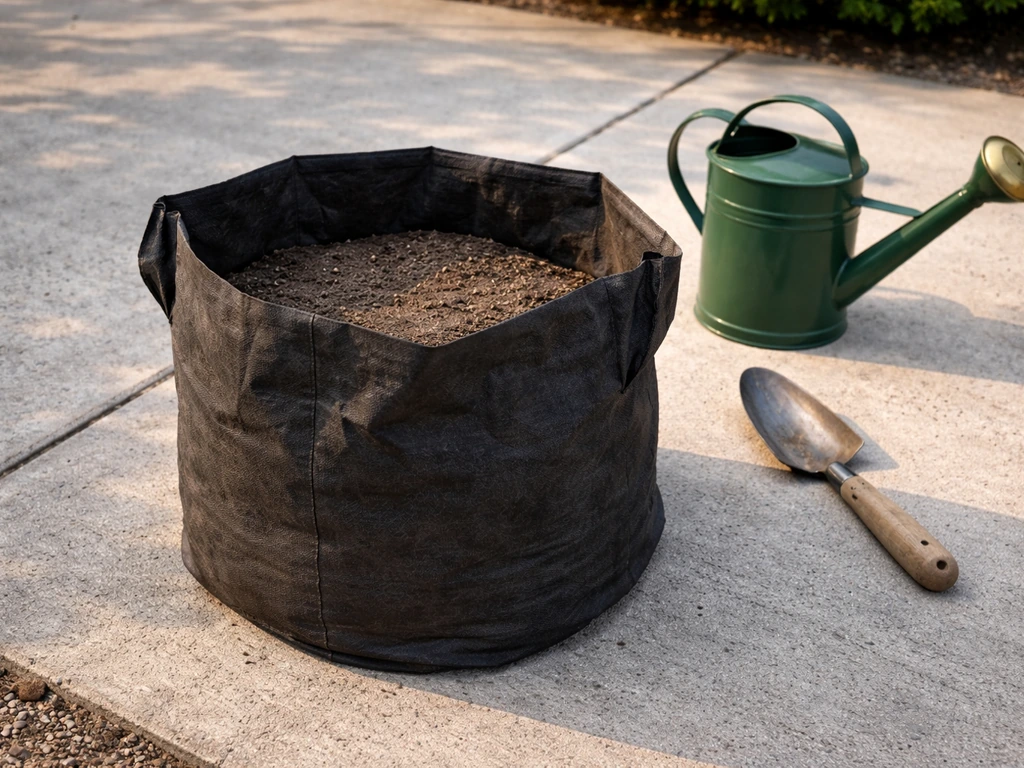
Thin, cheap fabric bags collapse inward when the soil settles or when the bag is picked up. This can uproot plants or compress the root zone. The solution is straightforward: buy better bags with thick felt or reinforced non-woven fabric. If a bag you already have is collapsing, support it by placing it inside a slightly larger plastic container or a ring made from chicken wire.
Low yields
Low yields in grow bags almost always trace back to one or more of these factors: not enough soil depth for hilling (planting into a bag that's already full leaves no room to mound soil over growing stems), using too many seed potatoes in too small a volume, inconsistent watering causing the plant to stress during tuber formation, or a nutrient crash in mid-season from inadequate fertilizing. Work through the list systematically rather than assuming the method itself doesn't work.
Compaction and poor drainage developing mid-season
Heavy watering over weeks can compact even a well-constructed soil mix. If you notice water pooling on the soil surface rather than absorbing quickly, the mix has compacted. Gently loosen the top inch or two with a finger or small fork, taking care not to disturb roots. Adding coarse perlite or bark to your next soil mix will reduce this problem from the start.
Are potato grow bags worth it?
Cost and reuse
A decent 10-gallon fabric grow bag costs between $3 and $10 depending on brand and quality. If you want a simple starting point, look for a gardener's best grow bag designed for potatoes so you have the right size and fabric quality. The growing medium (potting mix and compost) for one bag runs another $5 to $15. Over two or three seasons of reuse, the per-harvest cost drops considerably. Good quality fabric bags can last 3 to 5 seasons if you rinse them after use, let them dry fully before storing, and avoid leaving them outside full of wet soil all winter. Cheap bags often shred after one season, so spending a little more on quality makes financial sense over time.
Convenience
Grow bags genuinely shine for people without a garden bed. Using the right setup is also why bulbs are easy potato grow bag plants to work with when you want consistent home harvests Grow bags genuinely shine. Apartment balconies, concrete patios, rooftop spaces, and rental properties where you can't dig up the ground are all situations where a few 10-gallon bags give you a real growing option. Harvest is also easy: tip the bag over onto a tarp or wheelbarrow and sort through the soil. No digging, no missed tubers hiding in garden beds.
Who should and shouldn't use them
Grow bags are a great fit for beginners because the setup is forgiving and the process is easy to understand. They're also a good option for experienced growers who want to try early or specialty varieties in a controlled environment, or who want to start potatoes early in spring by keeping bags in a sheltered spot before moving them outside. They're less ideal if your goal is maximum bulk yield from a single growing season, if you're in an extremely hot climate with no way to manage temperature, or if you simply have plenty of in-ground space and good soil. In those situations, traditional planting will outperform bags on raw yield per dollar invested.
For most home growers, though, potato grow bags are a legitimate, satisfying, and surprisingly productive method. If you want to grow orchids too, you’ll find similar container-friendly principles that help you better grow orchids in a bag. Get the bag size right, mix your soil well, hill consistently, and water on a reliable schedule. Do those things and you'll get a real harvest.
FAQ
Can I reuse potato grow bags from one season to the next, and how should I clean them?
Yes, you can reuse potato grow bags, but only if you clean and dry them well. After harvest, rinse out old soil, remove plant debris, let the bag dry fully, then store it in a dry place. If the bag stayed outdoors all winter wet or develops tears, replace it, because collapsed fabric can ruin hilling and drainage next season.
What happens if I fill the potato grow bag too full when I plant?
Use the same soil-depth logic you would for hilling. If the bag is already filled to the top when you plant, you leave no room to add soil as stems grow, which reduces tuber numbers and size. Plant with a few inches of mix under the seed potatoes, then mound or add soil gradually during growth.
Can I just use compost in the grow bag soil mix?
Generally, skip “top dressing” with pure compost or garden soil. Compost-heavy mixes hold water unevenly and can compact in a fabric bag, which increases rot risk. Instead, start with a potting-mix based blend and use compost as a proportion, keeping enough structure (like perlite or coarse material) for steady drainage.
How do I handle heat stress in potato grow bags during hot weather?
Potato leaves can survive some heat, but tuber formation suffers when the root zone runs too hot. Practical fix: move the bag to morning sun and afternoon shade during heat spikes, water earlier in the day, and use a mulch layer on top of the soil to slow evaporation and moderate temperature.
My grow bag soil stays soggy, what should I check first?
If soil stays wet at the 2 to 3 inch depth for more than a day or two, don’t just water less. Check that the bag isn’t sitting in a runoff puddle, confirm the mix drains (no dense compost-only blend), and elevate the bag on pot feet or bricks to improve airflow under the fabric.
Do potato grow bags eliminate blight and other potato diseases completely?
They’re not automatically “disease free,” but using fresh potting mix reduces the chance of bringing in soil-borne problems. Above-ground issues still happen, so keep a weekly leaf check routine, water at the base, and remove any heavily diseased foliage promptly to reduce spread.
Can I plant more seed potatoes in the bag to get more yield?
Start with correct numbers for the bag size. In a small bag, adding extra seed potatoes increases competition for space and nutrients, leading to smaller or fewer tubers. As a rule of thumb, follow the bag-size guidance for 10-gallon versus 5-gallon setups rather than trying to “maximize” seeds per bag.
When should I harvest potatoes from a grow bag, and can I harvest early?
You can harvest gradually, but don’t pull young tubers too early if you want full size. Wait until plants start yellowing and die back, then harvest. If you want small “new potatoes,” scoop a little soil from the top carefully and replace it rather than emptying the whole bag immediately.
Is it okay to move potato grow bags around during the season?
Yes, but do it strategically. If you must move the bag, move it during cooler parts of the day, and handle it gently to avoid collapsing fabric or disturbing the mound. Don’t relocate repeatedly during tuber bulking if it causes constant dry and wet cycles.
What’s the best way to water potato grow bags to avoid problems?
For most home situations, avoid overhead watering. Wet foliage increases foliar disease risk, and consistent moisture at the root zone matters more than soaking the plant. Water at the base until the soil is evenly damp at a few inches deep, then let it drain before the next watering.
What should I do if my grow bag starts collapsing or tearing mid-season?
If the bag collapses or the fabric tears, supports the plant or replace the bag, because compression limits both drainage and root expansion. Temporary fixes like placing it inside a larger container can help short-term, but persistent inward collapse is a sign to upgrade to thicker, reinforced fabric.
My bag gets partial shade, will the potatoes still produce and how much sun is enough?
Some gardeners increase light by using reflective surfaces nearby, but the bigger win is relocating for consistent direct sun. Aim for at least several hours of direct light, and rotate the position if one side is consistently shaded by a wall, railing, or nearby plants.
Next Articles
How Often to Water Potatoes in Grow Bags
Practical watering schedule for potatoes in grow bags: how to water, avoid soggy soil, and when to stop before harvest.
Best Potato Grow Bag UK Guide: Top Picks by Size
UK guide to the best potato grow bag picks by size, plus top bag-suitable varieties, setup, and troubleshooting tips.
Best Mulch for Grow Bags: Top Picks for Vegetables & Flowers
Find the best mulch for fabric grow bags: top picks, how-to apply, crop & climate advice, and troubleshooting.