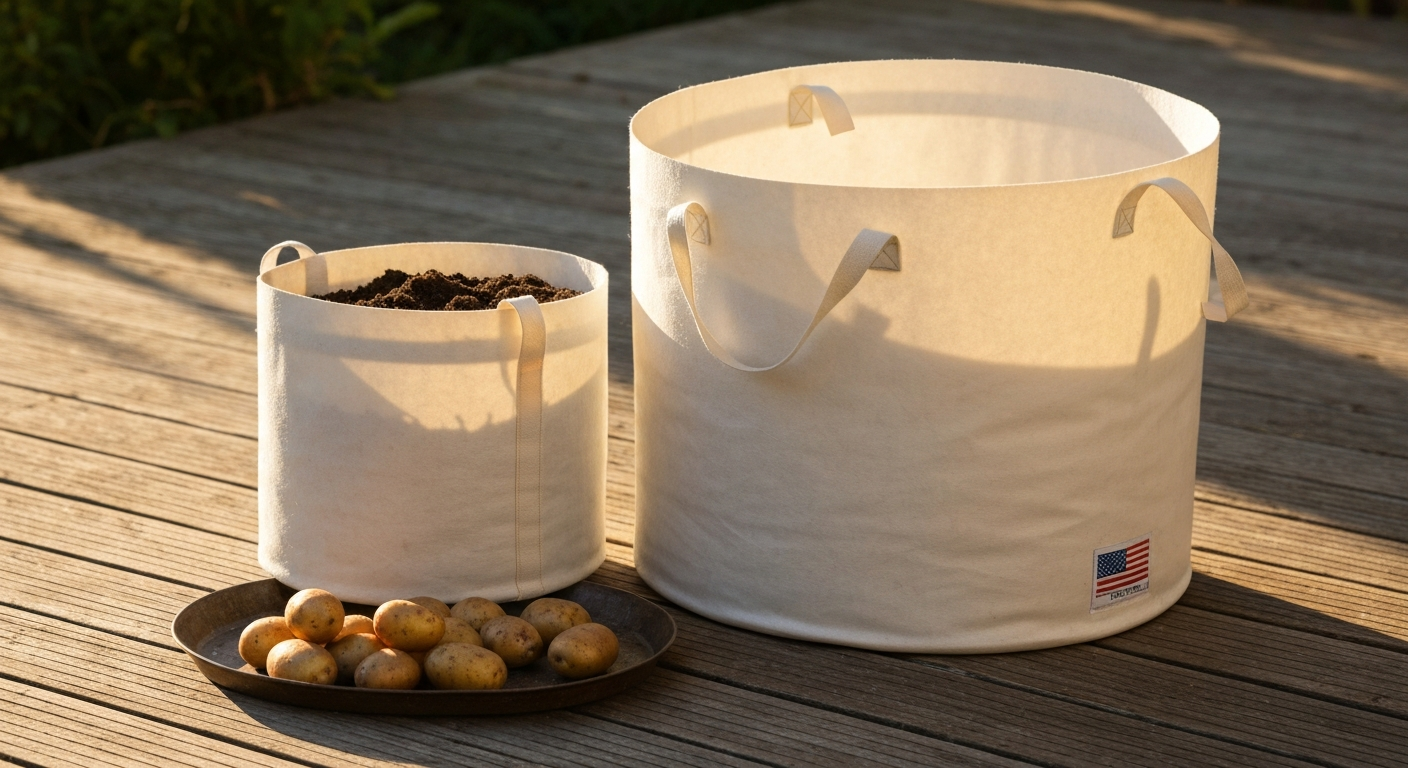
The Gardener's Supply Company Gardener's Best potato grow bag is a well-built, USA-made fabric bag that delivers a realistic harvest of 7 to 13 lbs of potatoes per bag, depending on your variety, soil mix, and growing conditions. It comes in two sizes: the standard 50-quart bag (16" diameter x 16" high, SKU 12988, around $22.99) and the Jumbo 120-quart bag (25" diameter x 14" high, SKU 12254, around $29.99). Both are made from BPA-free polypropylene fabric with reinforced nylon handles and are backed by the company's 100% lifetime guarantee. If you're trying to decide whether these bags are worth buying, the honest answer is: yes, for most home growers, they're one of the more thoughtfully designed options on the market. For a broader comparison and recommendations, see our guide to the best potato grow bag for top-rated options and buying tips.
Gardener's Supply Company Gardener's Best Potato Grow Bag Review
Who this guide is for
This review is written for home growers who are seriously considering the Gardener's Best bag as their potato-growing container. Whether you're growing potatoes in containers for the first time or you've already tried buckets or pots and want to know if fabric bags actually improve on them, this guide covers everything you need: construction quality, size and capacity, soil setup, planting steps, hilling technique, and honest expectations about yield. For a focused look at effectiveness and common outcomes, see our guide titled "do potato grow bags work.". I've grown potatoes in a range of fabric grow bags and rigid containers, and I'll flag where the Gardener's Best bags stand out and where you should keep your expectations realistic.
Quick product snapshot
This review covers both current SKUs sold by Gardener's Supply Company under the Gardener's Best line. Here's a fast reference to keep the two options straight before we go into detail.
| Feature | Standard Bag (SKU 12988) | Jumbo Bag (SKU 12254) |
|---|---|---|
| Dimensions | 16" diameter × 16" high | 25" diameter × 14" high |
| Soil capacity | 50 quarts | 120 quarts |
| Seed potatoes | 3–5 pieces | 7–10 pieces |
| Potting mix needed | ~3 bags (20 qt each) | ~6 bags (20 qt each) |
| Material | BPA-free polypropylene | BPA-free polypropylene |
| Handles | Reinforced nylon | Reinforced nylon |
| Origin | Made in USA | Made in USA |
| MSRP | $22.99 | $29.99 |
| Guarantee | 100% lifetime | 100% lifetime |
A few practical notes before buying: item 12988 (standard bag) cannot ship to AE, AK, GU, HI, PR, or VI, so check the product page if you're in one of those locations. The Jumbo may have separate shipping restrictions, so verify at checkout.
Materials, construction, and what you're actually getting
The Gardener's Best bags are made from BPA-free polypropylene fabric, which is a non-woven material similar in concept to what you'll find in many grow bags, but the key differentiator here is the reinforced nylon handles and the fact that these are manufactured in the USA under quality controls Gardener's Supply specifically calls out. The polypropylene fabric is porous enough to allow air pruning of roots, where roots that reach the bag wall are naturally stopped and redirected rather than circling. This matters for potatoes because dense, fibrous root systems compete with tuber development. The fabric also allows passive drainage through the sides and bottom, which reduces waterlogging risk significantly compared to solid-walled containers.
The handles are a detail worth paying attention to. Nylon reinforcement means they won't fray or tear under load the way thin stitched fabric handles do on cheaper bags. This becomes important when you're moving a fully-loaded 50-quart bag, which can weigh 40 to 60 lbs when the soil is wet. The bags fold flat for storage between seasons, and Gardener's Supply states they are designed for multi-year reuse. In practice, polypropylene fabric does degrade with prolonged UV exposure, so storing bags out of direct sun during the off-season significantly extends their useful life.
Sizes, soil capacity, and how many potatoes fit
The standard bag holds 50 quarts of planting mix, which works out to roughly 12.5 gallons. University extension guidance from UNH recommends planning approximately 5 gallons of soil volume per potato plant, which means this bag is appropriately sized for 3 to 5 seed potato pieces, exactly what Gardener's Supply recommends. The 16-inch depth gives you enough vertical room to do multiple hilling rounds before the bag is full, which is the core of how container potato growing works.
The Jumbo bag at 120 quarts (30 gallons) and 25 inches in diameter gives you substantially more growing real estate and accommodates 7 to 10 seed potato pieces. It's notably wider but somewhat shorter at 14 inches compared to the standard's 16 inches. That reduced depth is worth thinking about: the hilling method depends on being able to progressively bury the stem as it grows, so a shallower bag means you have less room to layer in additional soil. In practice, the larger diameter compensates by giving you more lateral root space, but it's something to factor in if you're growing a variety known for deep tuber sets.
What to check before you buy
Fabric grow bags vary enormously in quality, and not all of them are worth your time or money. Here's what to evaluate when looking at the Gardener's Best bags (or any grow bag you're comparing them against).
- Fabric weight: Heavier, denser polypropylene handles UV exposure better and holds its shape under the weight of moist soil. Bags that feel thin or flimsy when empty will deform under load, which can compromise drainage and root distribution.
- Seam and handle stitching: Handles are the failure point on most cheap grow bags. On the Gardener's Best bags, reinforced nylon handles are double-stitched, which matters when you're lifting or repositioning a filled bag. Inspect the stitching where handles attach to the bag wall.
- Drainage design: The Gardener's Best bags drain through the fabric walls and base rather than through drilled holes or grommets. This passive drainage system is effective as long as the fabric stays porous and isn't clogged with fine soil particles over time.
- Warranty: Gardener's Supply offers a 100% lifetime guarantee, which is one of the stronger commitments in this product category. Customers are generally responsible for return shipping unless the item is defective or damaged, so keep your receipt and original packaging if possible.
- Shipping restrictions: The standard bag (SKU 12988) cannot ship to AK, HI, GU, PR, VI, or APO addresses. Check your location before ordering.
Setting up your grow bag: soil mix and preparation
This is where most beginner mistakes happen, and it's worth getting right before you ever put a seed potato in the ground. The single biggest error is using garden soil. University of California Agriculture and Natural Resources extension guidance is clear on this: garden soil compacts in containers and drains poorly, which creates the exact waterlogged, anaerobic conditions that cause potato rot. You need a purpose-mixed container medium.
Two reliable soil mix options
- 50/50 soilless potting mix and compost: UNH Extension recommends a blend of quality soilless potting mix (peat or coir-based) and mature compost. This combination drains freely while retaining enough moisture and nutrients to support tuber development through a full growing season. For the standard 50-quart bag, you're looking at roughly 25 quarts of each.
- Straight bagged potting mix: Gardener's Supply recommends using three 20-quart bags of quality potting mix for the standard bag. This works well if you're using a mix that already contains compost or slow-release fertilizer. For the Jumbo bag, plan on six 20-quart bags.
Whichever mix you use, moisten it before adding it to the bag. Dry potting mix is hydrophobic and will shed water rather than absorb it during the first few waterings. Thoroughly moisten your mix in a tub or bucket before filling the bag, squeezing out any excess so it's damp but not saturated. Then fold a 4-inch cuff down around the top of the bag before you begin filling. This cuff will be unfolded progressively as you hill, so it needs to be in place from the start.
Optional amendments worth adding
- Perlite (10–15% by volume): Improves drainage and aeration in dense mixes. Especially useful if your compost-to-potting-mix ratio leans heavily toward compost.
- Slow-release granular fertilizer: Work a granular balanced fertilizer into the initial fill layer at the manufacturer's recommended rate. Container potatoes are heavy feeders and the frequent watering that fabric bags require leaches nutrients faster than in-ground growing.
- Agricultural lime (if using peat-heavy mix): Peat lowers pH over time. Potatoes prefer a soil pH of 5.8 to 6.5. A light addition of lime when building a peat-heavy mix keeps pH in range without much effort.
Planting potatoes step by step
Choosing and preparing your seed potatoes
Always start with certified seed potatoes, not potatoes from the grocery store. Grocery store potatoes are frequently treated with sprout inhibitors and may carry diseases not present in your local soil. Certified seed potatoes are disease-tested and variety-labeled, which matters if you're comparing yields across growing seasons. For the Gardener's Best standard bag, you want 3 to 5 seed pieces. For the Jumbo, plan for 7 to 10.
If your seed potatoes are larger than about 2 ounces (roughly the size of a lime), cut them into pieces with at least one eye per piece. After cutting, let the pieces sit in a dry, shaded spot for 24 to 48 hours. UNH Extension recommends using certified seed potatoes and allowing cut seed pieces to callus for 24–48 hours before planting to reduce the risk of rot. This allows the cut surfaces to callus over, which significantly reduces the risk of the seed piece rotting in the soil before it sprouts. Skipping this step is a common cause of failed germination in containers.
Planting depth and spacing
With your 4-inch cuff folded down and your moistened mix ready, add approximately 4 inches of soil to the bottom of the bag. Distribute your seed potato pieces evenly across the surface, spacing them roughly 12 inches apart (this naturally limits you to 3 to 5 pieces in the standard bag). Cover the seed pieces with about 3 inches of soil mix. At this stage, the bag should be partially filled, the cuff should still be folded down, and the tops of your seed pieces should be around 3 inches below the soil surface.
Timing your planting
Plant after your last frost date, once soil temperatures have consistently reached at least 45°F (7°C). Potato foliage is frost-sensitive, and while the tubers themselves tolerate cooler soil, cold and wet conditions at planting increase rot risk significantly. One advantage of grow bags is that you can start them indoors or in a protected space and move them out once conditions are right. The Gardener's Best bags are manageable enough to shift around when partially filled, though you'll want to plan their final location before they're completely full.
Hilling and growth management in a fabric bag
Hilling is the process of progressively burying the growing potato stem as it grows upward. Each buried section of stem produces additional stolons, and stolons produce tubers, so more buried stem generally means a better yield. In a fabric bag, hilling is done by adding soil mix rather than pulling soil from around the plant.
When and how much to add
Once the potato stems reach approximately 8 inches above the current soil surface, add about 4 inches of moistened soil mix and unfold part of the cuff to accommodate the increased volume. Leave the top few inches of foliage exposed. Repeat this process every time the plants grow another 8 inches, adding another 4-inch layer each time, until the bag is full and the cuff is completely unfolded. At that point, you stop adding soil and allow the plants to grow to their full height and begin dying back naturally.
Keeping tubers covered: why light exposure is a problem
Any tuber that gets exposed to light will turn green and develop solanine, a mildly toxic compound that makes potatoes bitter and unpalatable. In a bag system, this can happen if the fabric is very thin (light penetrates) or if tubers push up near the soil surface. The polypropylene fabric on the Gardener's Best bags is opaque enough to block light from the sides, which is a meaningful advantage over some cheaper bags that use lighter-weight materials. Still, make sure your soil layer is always at least 3 to 4 inches deep above any developing tubers, and never let soil wash away from the surface to the point where tubers are visible.
A practical hilling timeline
| Growth Stage | Stem Height Above Soil | Action |
|---|---|---|
| Initial planting | N/A | 4" base soil layer, cover seeds with 3" soil, fold down 4" cuff |
| First hill | ~8" above surface | Add 4" moistened soil mix, unfold cuff slightly |
| Second hill | ~8" above new surface | Add another 4" layer, continue unfolding cuff |
| Third hill (if room) | ~8" above new surface | Add final 4" layer, fully unfold cuff |
| Bag full | Plants growing freely | Stop adding soil; water and wait for die-back |
| Harvest | Foliage yellowed and died back | Tip bag or remove soil to harvest tubers |
Watering: how often and what to watch for
Fabric grow bags dry out faster than solid containers because moisture evaporates through the fabric walls in addition to through the top. In mild weather, you may need to water every two to three days. In hot, dry, or windy conditions, daily watering is common, and in extreme heat, Virginia Tech extension guidance notes that twice-daily watering may be necessary. The key check: stick your finger 1 to 2 inches into the soil. If the top 2 inches feel dry, water thoroughly until water runs freely from the bottom of the bag. Virginia Tech extension recommends watering until water runs from drainage holes and then allowing the top ~2 inches to dry before watering again (blank" rel="noopener noreferrer">Vegetable Gardening in Containers | VCE Publications (Virginia Tech)). Do not water again until the top 2 inches dry out again. For a focused guide on how often to water potatoes in grow bags, consult the detailed watering schedule and troubleshooting tips in this resource.
The most common watering mistake with fabric bags is underwatering during hilling stages when the bag is heavy and you assume it's still moist from the last watering. Newly added soil mix dries faster than the established lower layers, so after each hilling, increase your check frequency for a few days until the new layer settles into the moisture cycle. On the flip side, if water is not visibly running from the bottom of the bag after thorough watering, your soil mix may have become compacted or water-repellent, and you may need to aerate it gently with a stick or chopstick.
Realistic yield expectations
Gardener's Supply's own guidance sets the expectation at around 7 lbs per bag as a typical harvest, with a high of approximately 13 lbs in a good year. That range is consistent with what I've seen from well-managed container potato growing. To hit the higher end of that range, you need: a variety suited to container growing (fingerlings and early-season varieties generally perform well), a consistently moist but never waterlogged soil environment, three or more successful hilling rounds, and a full growing season without significant heat stress or pest damage.
If you're comparing this to in-ground growing, a healthy in-ground potato plant can yield 1 to 2 lbs per plant under good conditions, so 3 to 5 plants in a bag should theoretically yield 3 to 10 lbs, which tracks closely with the 7 to 13 lb range. The advantage of the bag system is that it's cleaner, requires no digging at harvest, and works on patios, balconies, and other hard surfaces where in-ground growing isn't possible.
Comparing the standard bag to the Jumbo: which one should you buy?
The $7 price difference between the standard and Jumbo bag is small, but the Jumbo requires twice as much soil (six 20-quart bags vs. three), which is where the real cost difference lives. If bagged potting mix runs $8 to $15 per 20-quart bag, the Jumbo setup could cost $50 to $90 in soil alone, compared to $25 to $45 for the standard bag. The Jumbo makes economic sense if you want to grow enough potatoes to store for a season, have outdoor space for a 25-inch-diameter container, and can commit to the watering frequency a larger bag requires.
For most beginners or growers with limited space, I'd recommend starting with the standard 50-quart bag. It's more manageable, easier to move, and gives you a realistic test run before committing to the larger setup. If your first season goes well, scaling up to the Jumbo or buying multiple standard bags is straightforward.
How the Gardener's Best bags compare to other potato-growing containers
| Option | Drainage | Air Pruning | Weight when full | Reusability | Approx. cost |
|---|---|---|---|---|---|
| Gardener's Best fabric bag (standard) | Excellent (passive through fabric) | Yes | Moderate (40–60 lbs) | Multi-year | ~$22.99 |
| Gardener's Best Jumbo fabric bag | Excellent | Yes | High (100+ lbs) | Multi-year | ~$29.99 |
| Standard plastic nursery pot (15 gal) | Good (drainage holes) | No | High | Multi-year | $10–$20 |
| Fabric smart pot (generic, 15 gal) | Excellent | Yes | Moderate | Multi-year | $8–$18 |
| 5-gallon bucket with drilled holes | Adequate | No | Moderate | Multi-year | $5–$10 |
| Grow pot with side pockets (tower) | Variable | Partial | Moderate | Limited | $15–$35 |
The Gardener's Best bags sit in a comfortable middle ground: better drainage and root management than plastic pots or buckets, comparable to generic fabric grow bags but with USA manufacturing, reinforced handles, and a lifetime guarantee that cheaper alternatives don't offer. If pure cost-per-bag is your main concern, generic fabric grow bags will do a similar job at lower upfront cost, but without the quality assurances or warranty backing.
Troubleshooting common problems
Root rot and soggy soil
Root rot in a fabric bag almost always comes back to the soil mix, not the bag itself. If you used garden soil or a very heavy mix with poor drainage, the fabric walls can't compensate. The fix is preventative: use a soilless mix with good porosity from the start. If you're already mid-season and plants look waterlogged (yellowing, mushy stems at the base), stop watering and let the bag dry out for two to three days before reassessing. There is no reliable recovery from advanced root rot, but catching it early and letting the bag dry can save a partially affected plant.
Poor drainage through fabric walls
Over time, fine soil particles can partially clog the fabric, reducing passive drainage. After each season, rinse the empty bag thoroughly with a hose and allow it to dry completely before storing. If a bag shows noticeably reduced water flow-through during the season, try aerating the soil gently and reducing watering frequency to compensate.
Temperature stress
Dark-colored fabric bags absorb heat, and in very hot climates, soil temperature in a black bag placed on a concrete surface can exceed 85°F (29°C), which slows tuber development. Potatoes prefer soil temperatures between 60°F and 70°F (15–21°C) for tuber set. In hot conditions, move bags to morning sun only, set them on a wooden surface rather than concrete, or wrap the outside of the bag with a light-colored burlap cover to reflect heat.
Colorado potato beetle
Gardener's Supply specifically flags the Colorado potato beetle as a pest to watch for. Adults are yellowish-orange with black stripes; larvae are red-orange with black spots. Both the adults and larvae defoliate plants rapidly. Inspect the undersides of leaves regularly for bright orange-yellow egg clusters and crush them before they hatch. For adult beetles, hand-picking into a bucket of soapy water is effective at small scale. Container-grown potatoes are somewhat easier to manage because the plants are accessible from all sides.
What else can you grow in these bags?
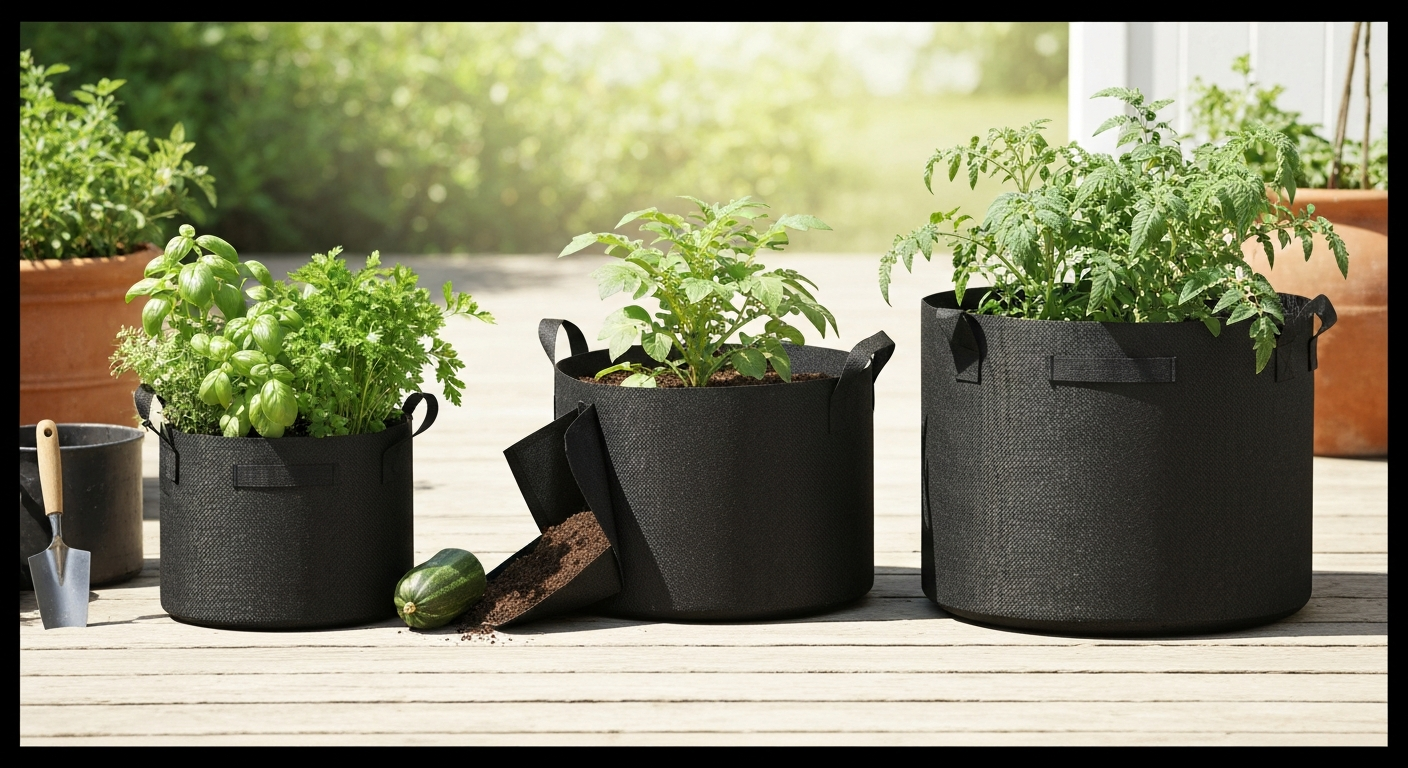
The Gardener's Best bags aren't exclusively for potatoes. If you're interested in using fabric grow bags for other plants, see our guide on how to better grow orchids in a bag. The standard 50-quart bag works well for other root vegetables like sweet potatoes, carrots, and beets, as well as for tomatoes, peppers, and large herbs. The Jumbo's 120-quart capacity is substantial enough for a small shrub or a combination planting of multiple crops. Flower bulbs, including tulips, dahlias, and alliums, do well in fabric bags because the drainage reduces bulb rot risk. Many gardeners find that bulbs are easy to grow in potato grow bags, making them a convenient option for spring flowers. Mushrooms are not a good fit for these bags, since mushroom cultivation requires a specific, controlled substrate and moisture environment that open fabric bags can't provide. Large trees are also not appropriate for these sizes: the root volume needed for even a semi-dwarf tree exceeds what a 120-quart bag can support over multiple growing seasons.
Where to buy and what you'll actually pay
The most reliable source for the Gardener's Best bags is directly through Gardener's Supply Company's website, where you'll have access to the current SKUs, the lifetime guarantee, and their customer service if there's a problem. For product details, sizing, and current pricing, see the Gardener's Best grow bag product page. The standard bag lists at $22.99 and the Jumbo at $29.99 as of this writing. Third-party retailers sometimes carry these bags, but purchasing directly through Gardener's Supply ensures you have warranty coverage. For a quick list of retailers and tips on where to buy grow bags for potatoes, see our buying guide. For more options and comparisons, see our guide to the best potato grow pots for container gardening. Keep in mind the shipping restrictions on the standard bag (no shipping to AK, HI, GU, PR, VI, or AE addresses) before you complete your order.
In terms of value, the Gardener's Best bags sit at a slight premium over generic fabric grow bags but well below specialty garden pots or elevated planters. Given the USA manufacturing, reinforced handles, and lifetime guarantee, the premium is justifiable for most growers. If you're buying multiple bags, the cost adds up, but the bags are reusable across many seasons if properly cared for, so the per-season cost drops significantly over time.
FAQ
What exact product specifications should I verify for the Gardener’s Best potato grow bag and Jumbo variant?
Verify physical dimensions (diameter × height), nominal soil volume (quarts or liters), material composition (e.g., BPA‑free polypropylene), handle type and reinforcement, country of manufacture, claimed lifespan/reusability, drainage properties (fabric vs. holes), SKU numbers, MSRP/typical retail price, and any shipping or regional restrictions. Authoritative sources: Gardener’s Supply product pages and SKU listings (manufacturer product pages listed in the research data).
Which manufacturer instructions and planting metrics must be cited and included exactly?
Include the manufacturer’s stepwise planting instructions: recommended cuff fold, initial fill depth, seed piece size and preparation, planting depth and spacing, number of seed potatoes per bag (regular vs Jumbo), recommended soil mix volume (e.g., how many 20‑quart bags of mix), hilling increments and frequency, and the company’s yield expectations per bag. Authoritative source: Gardener’s Supply how‑to article and product pages (blog and product pages from Gardener’s Supply).
What university/extension guidance should be used to support soil mix and watering recommendations?
Cite recommendations from university extension programs for container potato culture: preferred soilless potting mixes and compost ratios (commonly 50:50 or similar), container volume per plant (approx. 5 gallons/plant), use of certified seed potatoes and seed piece preparation (cut size, callusing), drainage and watering frequency guidance (water until drainage, allow top 1–2" to dry), and warnings about using garden soil. Authoritative sources: UNH Extension, UC ANR, Virginia Tech extension, Oklahoma State extension (links provided in research).
What specific, testable watering regimen ranges and adjustment signs should the article include?
Provide practical ranges and triggers: general watering frequency—every 1–3 days in mild conditions and possibly once or twice daily in hot/windy weather for 50–120 qt bags; water thoroughly until excess drains, then allow top 1–2" to dry before next irrigation. List signs to increase watering (wilting foliage, quickly drying topsoil, shriveled tubers at harvest) and signs to reduce watering (yellowing lower leaves, soggy soil, slow growth, foul smell indicating anaerobic conditions). Support with Virginia Tech, Oklahoma State, and UNH extension guidance.
What yield and performance claims need source backing and how should realistic expectations be framed?
Report both manufacturer yield ranges (e.g., Gardener’s Supply: ~7 lb average, up to 13 lb in a good year per regular bag) and university/experimental findings on container yields. Frame expectations by noting factors that influence yield: seed potato variety, seed piece count/spacing, growing season length, soil fertility, water and heat stress, pest/disease pressure, and bag volume. Cite Gardener’s Supply yield statement and applicable applied‑horticulture/grow‑bag trials or extension estimates.
What comparative data is needed to evaluate Gardener’s Best vs. other grow bags and pots?
Collect side‑by‑side specs: volume (qt or L), dimensions, material (nonwoven vs. woven polypropylene, breathable fabric), handles and stitching quality, price, reusability/lifespan claims, drainage and aeration properties, insulating/temperature performance, and typical plant capacities. Also assemble real‑world pros/cons: portability, storage, durability, susceptibility to UV, and cost per usable season. Sources: competitor product pages (fabric grow bag brands and common plastic/rigid container specs), university container guidance on ideal container volumes, and peer‑reviewed grow‑bag trials if available.
Gardener's Best grow bag buyer's guide: choose sizes, fill mix, watering, potato hilling, care & where to buy.
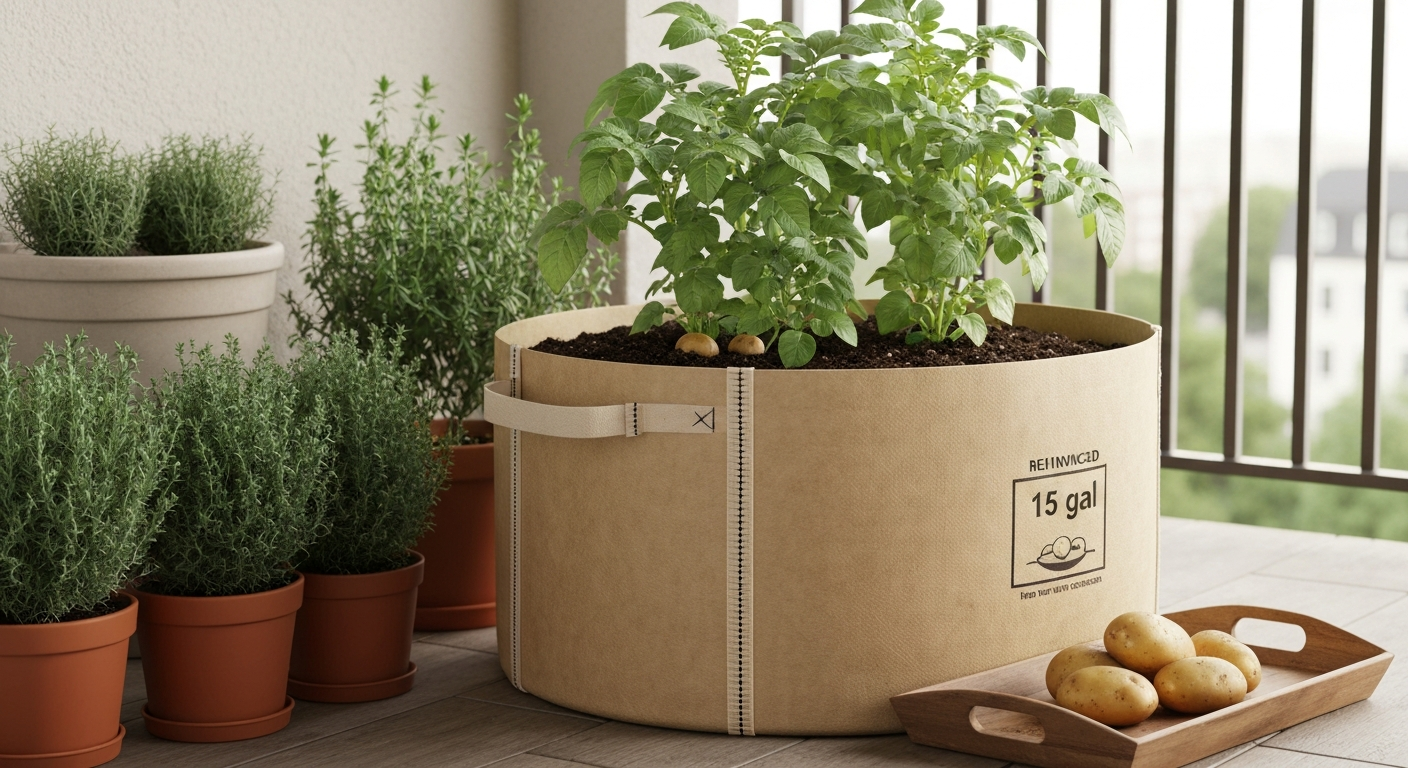
Best potato grow pots: compare fabric grow bags vs plastic, sizes, planting, watering schedule & top product picks.
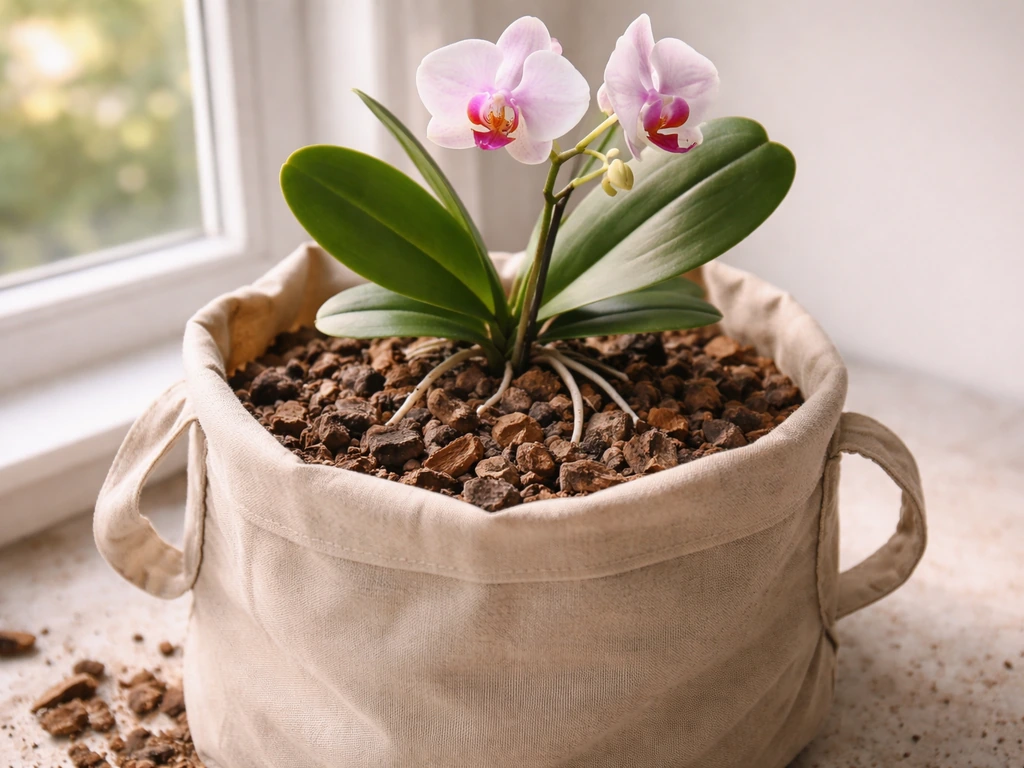
Step-by-step to better grow orchids in a bag: choose bag, mix, drainage, airflow, watering, then fix rot, pests, poor bl