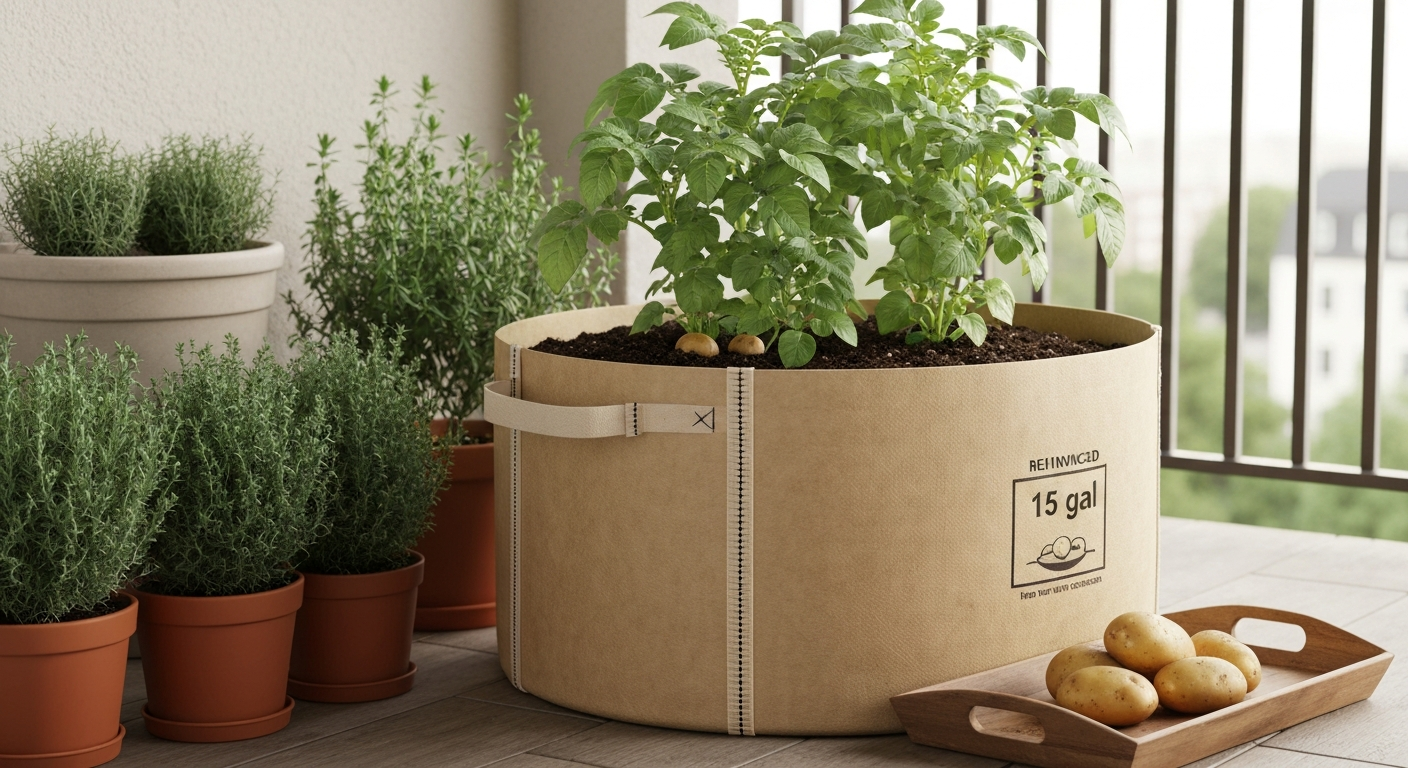
For most home growers, a 10–15 gallon fabric grow bag is the best potato grow pot you can use. That size gives each plant enough root volume to form a decent crop, drains well enough to prevent rot, and is light enough to move around a patio or balcony. If you only have room for one container, go with a 15-gallon nonwoven fabric bag, plant 2–3 seed potato pieces inside, and you'll have everything you need to grow a useful harvest. For an easy, compact option, consider a dedicated grow bag, see bulbs are easy potato grow bag for tips on small-container potato growing. If you're asking whether do potato grow bags work, see our detailed guide on how and why fabric grow bags perform for potatoes.
Best Potato Grow Pots: Top Fabric Grow Bags & Pots Guide
Marcus Holloway
14 Jul 2026
Quick answer and buying checklist
Before diving into comparisons and product details, here's a practical checklist of what a good potato grow pot actually needs. Run any container you're considering against this list before buying.
- Capacity: 10–15 gallons minimum per 2–3 plants; aim for ~5 gallons of soil volume per seed potato piece
- Height: at least 12–18 inches to allow progressive hilling as stems grow
- Material: nonwoven fabric (300 GSM or heavier) for best drainage and air-pruning; opaque plastic or thick felt if budget is tight
- Drainage: multiple drain holes at the base if using plastic; fabric bags drain naturally through the walls and base
- Handles: reinforced stitched handles rated for the filled weight — a 15-gal bag filled with wet soil weighs 25–35 lbs
- Color: lighter colors or tan/brown reduce root-zone heat in summer; dark black fabric can overheat in full sun
- UV resistance: look for UV-stabilized fabric or treated plastic if the bag will sit in direct sun all season
- Price vs. durability: entry-level bags at ~150–200 GSM degrade after one or two seasons; mid-range 300 GSM lasts several seasons; 400–500+ GSM is worth it if you plan to reuse year after year
Fabric grow bags vs plastic pots: pros, cons and when to choose each
This is genuinely not a one-size-fits-all answer, and I'd push back a little on anyone who says fabric bags always win. They have real advantages for potatoes specifically, but plastic has legitimate use cases too.
Fabric bags (nonwoven felt, geotextile or woven polypropylene) let air reach the roots on all sides. When roots hit the porous fabric wall, they stop elongating and branch outward instead, a process called air-pruning. Research on fabric containers published in Arboriculture & Urban Forestry confirms this produces a higher percentage of lateral roots compared to conventional black plastic, where roots tend to circle the inside wall and eventually girdle. A peer‑reviewed study, Container Type Affects Root Development of Chanticleer® Pear During Landscape Establishment (Arboriculture & Urban Forestry, 2018), found fabric (porous) containers produced more lateral branching and a higher percentage of roots outside the original root ball versus black plastic. For potatoes specifically, that healthier fibrous root architecture translates to better nutrient uptake and more sites for tuber initiation along buried stems. Fabric also drains aggressively, which almost completely eliminates the overwatering and waterlogging risk that kills more container potatoes than any pest or disease.
The downsides are real though. Fabric bags dry out fast, sometimes twice as fast as plastic in hot, windy conditions. In a heat wave, a 10-gallon fabric bag in direct sun may need watering every day. They also degrade over time; cheap bags may only last one season. And dark-colored fabric in direct sun can heat the root zone to levels that inhibit tuber development.
Rigid plastic pots or hard-sided grow pots hold moisture longer, which can actually be an advantage in drier climates where daily watering isn't practical. They're also generally cheaper upfront and more durable over many seasons. The catch is drainage: plastic pots need adequate drain holes at the base (at minimum 4–6 holes in a 15-gallon pot), and if roots hit the wall they will circle. For potatoes grown for a single season and harvested completely, circling roots are less of a long-term problem than they'd be for a perennial shrub, so plastic is a more reasonable choice here than it would be for, say, a fruit tree.
| Feature | Fabric Grow Bag | Rigid Plastic Pot |
|---|---|---|
| Drainage | Excellent — drains through walls and base | Depends on hole quantity and placement |
| Aeration | Superior — air-pruning on all sides | Minimal — roots only prune at drain holes |
| Root health | More lateral branching, less circling | Circling common if pot-bound |
| Moisture retention | Low — dries quickly | Higher — retains moisture longer |
| Heat in direct sun | Can overheat in dark colors | Depends on color and material |
| Durability | 1–5+ seasons depending on GSM | 5–10+ seasons typical |
| Weight when empty | Very light, foldable | Heavier, rigid |
| Price range | $5–$25 per bag (10–15 gal) | $3–$20 per pot (10–15 gal) |
| Best for | Active growers wanting max root health; containers in wet climates | Drier climates, infrequent waterers, long-term reuse |
My recommendation: if you're growing potatoes on a patio or balcony and can water consistently (or set up a drip line), go with fabric. If you're in a hot, dry region and watering is a daily struggle, a light-colored plastic pot with good drainage is a perfectly valid choice.
How to choose the right container: sizes, materials, drainage, handles and durability
Size matters more than almost anything else
University of New Hampshire Extension and multiple other university extension programs recommend containers in the 10–15 gallon range as the practical minimum for growing potatoes. The logic is simple: potatoes need about 5 gallons of soil volume per plant for healthy root development and tuber set. A 10-gallon bag holds 2 plants comfortably; a 15-gallon bag holds 2–3. Going smaller (say, a 5-gallon bucket) is possible and sometimes used in demonstrations, but you'll sacrifice yield and need to water more aggressively. Going larger, a 20- or 25-gallon bag, gives you room for 4–5 plants and a bigger harvest, but the bag gets very heavy when filled and harder to manage.
Height is the other dimension people overlook. Because container potato growing relies on progressive hilling (adding soil as the plant grows to encourage more tubers along the buried stem), you need vertical space. A container that's at least 12 inches tall is workable; 16–18 inches is better. Some specialty potato bags are tall and narrow specifically for this purpose.
Fabric weight (GSM) and what it actually means
GSM stands for grams per square meter and is the primary indicator of fabric thickness and durability. Buyer-guide testing and commercial product comparisons consistently show: bags at 150–200 GSM are entry-level and often degrade within a season or two, especially under UV exposure. Mid-range bags at around 300 GSM hold up for several seasons with basic care. Heavy-duty bags at 400–500+ GSM resist puncture, maintain their shape under the weight of wet soil, and survive multiple years of outdoor use. For potatoes specifically, which are harvested by dumping out the entire bag, the seams take a lot of stress, look for bags with reinforced or double-stitched seams, not just glued ones.
Drainage, handles and other practical details
For fabric bags, drainage is largely self-managing, the porous walls and base let excess water escape freely. For plastic pots, check that holes are at the base (not just the sides) and that there are enough of them. Four to six holes of at least half an inch diameter in a 15-gallon pot is a workable minimum. Handles are worth checking carefully: a 15-gallon bag filled with wet potting mix and compost weighs somewhere between 25 and 35 pounds. Flimsy single-strap handles or bags where the handle is only attached at a single point will tear. Look for handles that run under the bag or are stitched through multiple layers.
Top grow bags and pots compared
The table below covers the most commonly recommended and widely available options for potato grow pots. Prices are approximate and will vary by retailer and region.
| Product / Type | Size Options | Material / GSM | Drainage | Durability | Approx. Price |
|---|---|---|---|---|---|
| Smart Pot (fabric bag) | 10, 15, 20 gal | BPA-free nonwoven fabric, ~300 GSM | Excellent — porous walls and base | 3–5+ seasons with care | $8–$18 |
| Root Pouch (fabric bag) | 10, 15, 20 gal | Recycled nonwoven fabric, ~300–400 GSM | Excellent | 3–5+ seasons; UV-treated | $10–$22 |
| Gardener's Supply Potato Grow Bag | ~18 gal tall design | Nonwoven felt, handles included | Excellent | 2–3 seasons typical | $14–$20 |
| Generic nonwoven grow bag (budget) | 5, 10, 15, 20 gal | Nonwoven, ~150–200 GSM | Good | 1–2 seasons | $3–$8 |
| Heavy-duty fabric bag (premium) | 15, 25 gal | Nonwoven, 400–500+ GSM, UV-treated | Excellent | 5+ seasons | $18–$30 |
| Black plastic nursery pot | 10, 15, 25 gal | HDPE plastic, rigid | Depends on holes — add extra if needed | 10+ seasons | $4–$15 |
| Light-colored plastic grow pot | 10, 15, 20 gal | HDPE or polypropylene, rigid | Same as above | 10+ seasons | $5–$18 |
| 5-gallon bucket (DIY) | 5 gal | HDPE plastic | Drill 4–6 holes in base | Many seasons | $4–$7 |
Recommended products and brands: where to buy
Smart Pot and Root Pouch are the two brands that consistently come up in both grower communities and independent product testing, and for good reason: both use quality nonwoven fabric, both have been on the market long enough to have established durability records, and both are available through multiple retailers so you're not locked into one supplier. Smart Pot bags (made in the USA) are widely stocked at garden centers and online. Root Pouch (made from recycled plastic bottles) is popular among environmentally motivated growers and has good UV treatment for outdoor use. If you need help finding retailers, see where to buy grow bags for potatoes.
Gardener's Supply Company sells a purpose-designed potato grow bag in a tall format that's worth looking at specifically for potatoes, the extra height supports more hilling cycles. For a purpose-built tall option that supports extra hilling cycles, consider gardener's best grow bag (product: 6b8dd946-c56d-4cb9-9c58-c4877ba0425a). If you want to understand what makes that product design work and how it compares to standard bags, it's worth researching the Gardener's Supply Gardener's Best Potato Grow Bag specifically, as the design is genuinely optimized for the progressive hilling method.
For budget options, Amazon and home improvement stores like Home Depot and Lowe's carry generic nonwoven grow bags that work fine for one or two seasons. Buy the heaviest GSM option available within your budget. For premium bags, specialty hydroponics retailers and dedicated grow-bag suppliers often stock 400+ GSM options that are hard to find in mainstream garden centers.
- Smart Pot: Amazon, local garden centers, smartpots.com
- Root Pouch: Amazon, hydroponics retailers, rootpouch.com
- Gardener's Supply Potato Grow Bag: gardeners.com
- Generic grow bags: Amazon, Home Depot, Walmart garden section
- Heavy-duty premium bags: HTG Supply, Growace, specialty hydroponics shops
- 5-gallon buckets: Any hardware store — just drill your own drain holes
One buying tip: avoid bags sold purely on price with no GSM listed. Sellers who don't disclose fabric weight are usually hiding the fact that it's entry-level material. A legitimate 300 GSM bag at $10 is a better investment than a mystery-weight bag at $4.
Container-friendly potato varieties: best potatoes to grow in pots
Not all potato varieties perform equally well in containers. The best container varieties tend to be compact-growing, early-maturing (less time in the pot means less irrigation and fertilizer management), and suited to producing tubers in a tighter root zone. Fingerlings and small-salad types are particularly well-suited because their smaller tubers form more readily in the limited space available.
| Variety | Type | Maturity | Why It Works in Containers |
|---|---|---|---|
| Yukon Gold | Yellow, medium | Mid-season (~70–80 days) | Compact growth, reliable yields, widely available as seed potato |
| Red Norland | Red, small-medium | Early (~70 days) | One of the earliest varieties, compact, good for small containers |
| Fingerling (French/Russian Banana) | Fingerling | Mid-season (~80 days) | Small tubers form densely, ideal for 10–15 gal bags |
| Charlotte | Salad/waxy | Early-mid (~70–75 days) | Compact, waxy texture, excellent container performer |
| Nicola | Salad/waxy | Mid-season (~80 days) | Low-vigor top growth, good tuber set in limited volume |
| Chieftain | Red, medium | Mid-season (~80 days) | Reliable in containers, holds shape well after harvest |
| Swift | White, early | Early (~60–65 days) | Very fast maturing, ideal for short seasons or balcony growing |
Late-season maincrop varieties like Russet Burbank or King Edward can be grown in containers, but they need more time, more water, and more fertilizer to compensate for the restricted root zone. They're not impossible, but for most container growers the early and mid-season varieties above will give a better return for the effort.
How many seed potatoes per container and spacing by pot size
The core principle here is roughly 5 gallons of soil volume per seed potato piece. UC Davis container growing guidance and UNH Extension both support planting 2–3 seed pieces in a 5-gallon container as a practical maximum for a demonstration planting, though a 10–15 gallon container is genuinely better for yield. The table below translates this into practical numbers across common container sizes.
| Container Size | Recommended Seed Pieces | Spacing Notes |
|---|---|---|
| 5 gallon | 1–2 | Tight; expect modest yield; works for fingerlings or small early varieties |
| 10 gallon | 2 | Comfortable for 2 seed pieces; good starting point for beginners |
| 15 gallon | 2–3 | The practical sweet spot for most home growers |
| 20 gallon | 3–4 | Good yield potential; bags get heavy when filled |
| 25 gallon | 4–5 | Larger harvest but very heavy; best on a stable surface |
| Tall potato-specific bag (~18 gal) | 2–3 | Height allows more hilling cycles; vertical space is the advantage here |
When spacing within a container, distribute seed pieces evenly across the base layer rather than clustering them. In a 15-gallon round bag about 14–16 inches in diameter, two pieces should sit roughly 6–8 inches apart; three pieces form a loose triangle. Each seed piece should have at least one or two healthy eyes (sprouts). Pieces smaller than a golf ball can be planted whole; larger pieces should be cut and allowed to dry/cure for 24–48 hours before planting so the cut surface calluses over and resists rot.
Planting depth and the hilling method
Start with 4–6 inches (10–15 cm) of your potting mix in the bottom of the container. Place seed pieces eyes-up on top of this base layer. Cover with another 3–4 inches of mix. As shoots grow and reach about 6–8 inches tall, add more potting mix until only the top 4–6 inches of foliage remain exposed. Repeat this process each time the plant grows another 6–8 inches, until the container is nearly full. This progressive hilling encourages rhizome formation along the buried stems and gives you multiple layers of tubers rather than just one at the base. Penn State Extension specifically recommends this method for container potato growing as the primary strategy for maximizing yield in limited soil volume.
Soil mix and potting fill for grow bags: recipes, volume and pH guidance
Do not use garden soil in containers. This point comes up in virtually every university extension guide on container potatoes, and for good reason: garden soil compacts heavily in pots, dramatically reduces drainage and aeration, and can introduce soil-borne pathogens including those that cause common scab. In a fabric grow bag where good drainage is one of the primary advantages, filling it with dense garden soil completely cancels that benefit.
UNH Extension and Penn State Extension both recommend a soilless potting mix plus compost as the foundation. A practical recipe that works well in fabric bags is roughly 50–60% quality soilless potting mix (peat- or coir-based), 30–40% mature compost, and 10–20% additional drainage amendment such as perlite or coarse horticultural grit. The compost provides a starter charge of nutrients and improves water retention just enough to offset the fast-draining nature of fabric bags, while the perlite keeps the mix from compacting as it gets watered repeatedly over the season.
pH target and adjustments
Potatoes prefer a slightly acidic growing medium. Penn State Extension recommends targeting pH 6.0–6.5 specifically for potatoes, partly because this range limits common scab (Streptomyces scabiei) and partly because it optimizes nutrient availability. Most quality potting mixes are in this range already, but if you're using a compost that has a higher pH (some manure-based composts run above 7.0), check the final mix with an inexpensive soil pH meter before planting. To lower pH, add a small amount of sulfur or use a peat-based mix (peat is naturally acidic). To raise it, add garden lime, though this is rarely needed for potato containers.
How much mix you actually need
A 15-gallon container holds roughly 57 liters (about 2 cubic feet) of mix at full capacity, but remember that for hilling you start with only 4–6 inches in the base and add more progressively. In practice, plan on having about 1.5–2 cubic feet of mix on hand per 15-gallon bag so you can top up in stages without running short mid-season. Potting mix compresses over time as it's watered, so bags that look full at planting will settle noticeably after a few waterings.
Watering container potatoes: frequency and scheduling
The basic UNH Extension rule for container potatoes is to water when the top 1–2 inches of mix are dry, and water thoroughly enough that some drainage runs from the base of the bag. That second part is important: shallow watering in a deep container leaves the lower root zone and developing tubers dry even when the surface feels moist. Water until you see it drain from the bottom, then stop.
In practice, a 15-gallon fabric bag in warm weather with moderate sun may need watering every 1–2 days during active growth. For regional schedules and ET-based watering charts, see the guide how often to water potatoes in grow bags. In cooler weather or a shadier spot, every 3–4 days may be enough. The variables that push watering frequency up are: hotter temperatures, more sun exposure, wind, darker bag color, and earlier maturity (smaller plants in proportionally more soil need less water). A 5-gallon bag will dry out roughly twice as fast as a 15-gallon bag all else being equal.
Rather than following a fixed calendar schedule, a practical approach is to use evapotranspiration (ET) data for your region as a guide, ET-based calculators translate local weather into actual crop water demand in gallons or inches, which is far more accurate than any calendar rule. For an ET₀-based tool that converts local weather into crop water demand in inches or gallons per area to tailor irrigation, see Evapotranspiration Calculator: Instant Crop Water Targets, TheYieldGrid Evapotranspiration Calculator: Instant Crop Water Targets — TheYieldGrid. Check once or twice a week in the shoulder seasons and daily during heat waves. The finger test (stick your finger 2 inches into the mix) remains the most reliable low-tech method.
Feeding and fertilizing potatoes in grow bags
Because fabric grow bags drain aggressively, nutrients leach out of the mix faster than in a conventional garden bed or plastic pot. This means your initial soil charge from compost won't last the whole season, and regular feeding is necessary, especially from tuber set onward.
UNH Extension recommends a higher-phosphorus formula for tuber set, citing a 5-10-10 (N-P-K) balanced soluble fertilizer as an example. The logic is that phosphorus (middle number) supports root and tuber development, while nitrogen (first number) at lower levels avoids pushing excessive leafy growth at the expense of tubers. Begin feeding once shoots are a few inches tall and actively growing.
A practical two-phase feeding plan: at planting, use a slow-release granular fertilizer mixed into the potting medium, or rely on the compost component for the initial nutrient charge. Once active growth begins, supplement every 1–2 weeks with a liquid or soluble feed. Organic options that work well in containers include fish emulsion (good nitrogen and micronutrients), kelp meal (potassium and trace elements), and compost tea. As the plants approach flowering and early tuber set, shift toward lower-nitrogen, higher-potassium feeds to support bulking.
Common pests and problems in container potatoes
Colorado potato beetle
The Colorado potato beetle (Leptinotarsa decemlineata) is the primary insect pest of potatoes across most of the US, and it will find container-grown plants just as readily as in-ground ones. Virginia Tech Extension IPM guidance emphasizes monitoring rather than calendar spraying: check plants regularly for the distinctive yellow-and-black striped adults and clusters of orange eggs on the undersides of leaves. Hand-picking adults and egg masses into soapy water is effective at low population levels and avoids resistance issues. If populations get ahead of you, rotate insecticide modes of action because this beetle has documented resistance to most insecticide classes. Spinosad (an organic option) and pyrethrin-based sprays work at low infestations; for heavier infestations, consult current extension IPM guidance for your region.
Common scab
Common scab is caused by soil bacteria (Streptomyces scabiei) and produces rough, corky patches on the skin of tubers. It's more of a cosmetic than a food-safety issue, but it reduces marketability if you're sharing or selling. The most practical prevention in containers is to maintain pH in the 6.0–6.5 range (scab is more prevalent above 7.0), use certified disease-free seed potatoes rather than saved tubers from previous scabby crops, and avoid using lime in your potting mix unless you've confirmed it's needed.
Overwatering and root rot
Even in fabric bags, overwatering is possible if the mix has poor structure or if bags are sitting in a saucer or tray that holds water. Symptoms include yellowing lower leaves, stems that look soft or slimy at the base, and a foul smell from the mix. The fix is to improve drainage (don't let bags stand in standing water), let the mix dry out more between waterings, and check that the fabric walls aren't clogged with compacted fine particles. If you're consistently overwatering, adding 10–15% more perlite to your mix will help.
Nutrient deficiency
Pale yellowing of older leaves (nitrogen deficiency) or purple-tinged foliage (phosphorus deficiency) are the most common signs of nutrient depletion in container potatoes. Both are more likely in small bags or bags that have been heavily watered all season. Address nitrogen deficiency with a diluted fish emulsion or balanced liquid feed; phosphorus issues often reflect low pH locking nutrients out of solution rather than an actual lack of phosphorus in the mix, check pH before adding more fertilizer.
Yield expectations, harvesting and storing your potatoes
Realistic yield from a 15-gallon fabric bag with 2–3 seed pieces, good management, and a suitable variety is roughly 3–6 pounds of potatoes per bag. Some growers report more with ideal conditions and larger bags; some get less with poor drainage, wrong variety choice, or irregular watering. Container yields are generally lower per seed piece than in-ground production, but the quality is often excellent because you control the growing medium completely.
Harvest timing: most container varieties are ready when the foliage yellows and dies back, usually 70–90 days from planting depending on variety. You can do a test dig earlier (called 'new potatoes') for small, waxy tubers about 2–3 weeks after flowering. For full-sized tubers, wait until the tops have fully died back, then tip the bag onto a tarp or into a wheelbarrow and sort through the mix by hand.
Post-harvest curing and storage: Penn State Extension recommends curing freshly harvested potatoes at 50–60°F for 2–3 weeks before long-term storage. Curing allows minor skin damage from harvest to heal over. For long-term storage, keep cured potatoes at 40–46°F with high humidity (around 90%) in the dark. Do not refrigerate potatoes below 40°F as it converts starch to sugar and affects flavor and cooking quality.
Cleaning and storing your grow bags between seasons
One underappreciated advantage of fabric grow bags is how easy they are to clean and store. After harvest, shake out all the spent potting mix (compost it, it's well-broken-down by season's end and makes excellent garden amendment). Turn the bag inside out and brush off any remaining debris. Wash with a mild bleach solution (1 part bleach to 9 parts water) to kill any residual fungal spores or bacterial pathogens from the season. Rinse thoroughly and allow to dry completely in the sun before folding, storing damp fabric bags encourages mold and degradation. Once dry, fold flat and store in a cool, dry place out of direct sunlight. A well-made 300+ GSM bag handled this way should give you several seasons of reliable use. A dry, cleaned heavy‑duty grow bag can also be repurposed to better grow orchids in a bag, since the breathable fabric improves root aeration and prevents waterlogging common in rigid pots.
FAQ
What are the best types of containers for growing potatoes at home — fabric grow bags or plastic pots?
Both work. Fabric grow bags (Smart Pots, Root Pouch) give superior drainage, aeration and air‑pruning of roots (healthier fibrous root systems) but dry faster and vary in durability by fabric weight (GSM). Rigid plastic pots retain moisture longer, are often cheaper and more durable, but can encourage root circling and poorer aeration. Choose fabric if you want better root health and drainage and can water more often; choose plastic if you need lower maintenance and longer service life.
What container size is recommended for potatoes?
Aim for roughly 10–15 gallons (≈38–57 L) or a container about 12–18 in (30–45 cm) diameter and 12–24 in (30–60 cm) deep for 2–4 seed potatoes. University extensions commonly recommend ~5 gallons of soil per plant as a planning rule. Smaller 5‑gal containers can work for 1–2 seed pieces but will produce lower yields and require more frequent watering.
What fabric weight (GSM/oz) should I look for in a grow bag?
For multi‑season use, target mid‑range to heavy fabric: ~300 GSM or higher (roughly 3–5 oz/yd² and up). Entry‑level bags (~150–200 GSM) are fine for a single season but degrade faster. Also check seam and handle construction and whether the fabric has UV treatment.
Which potato varieties are best for container growing?
Choose compact, early or day‑length adaptable varieties and those known to perform well in containers: 'Yukon Gold', 'Red Pontiac'/'Red Norland', 'Charlotte', 'Purple Majesty', fingerlings (e.g., 'French Fingerling'), and early reds or fingerlings. Early/second‑early varieties generally produce quicker harvests and suit limited container volumes.
How many seed potatoes should I plant per container?
Use about 1–3 seed pieces in a 5‑gal container, 2–4 in a 10–15 gal container. Space seed pieces 6–8 in (15–20 cm) apart within the container. For towers or layered hilling systems you can plant 2–4 spaced around the circumference depending on diameter.
What planting medium should I use — garden soil, potting mix, or compost?
Use a high‑quality soilless potting mix amended with compost (common guidance: ~20–40% compost into potting mix) or a roughly 50:50 potting mix:compost ratio. Avoid heavy garden soil (it compacts, drains poorly and can carry pathogens). Ensure mix is light, well‑draining and slightly acidic (pH ~6.0–6.5).
Next Articles
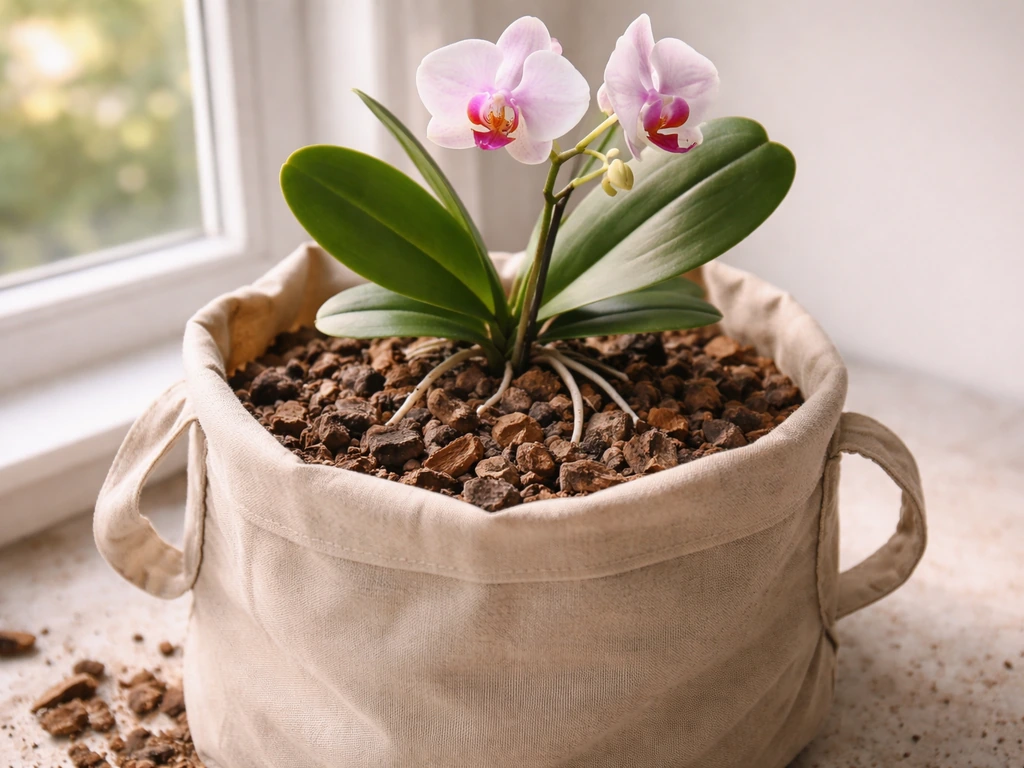
Better Grow Orchids in a Bag: Step by Step Setup
Step-by-step to better grow orchids in a bag: choose bag, mix, drainage, airflow, watering, then fix rot, pests, poor bl
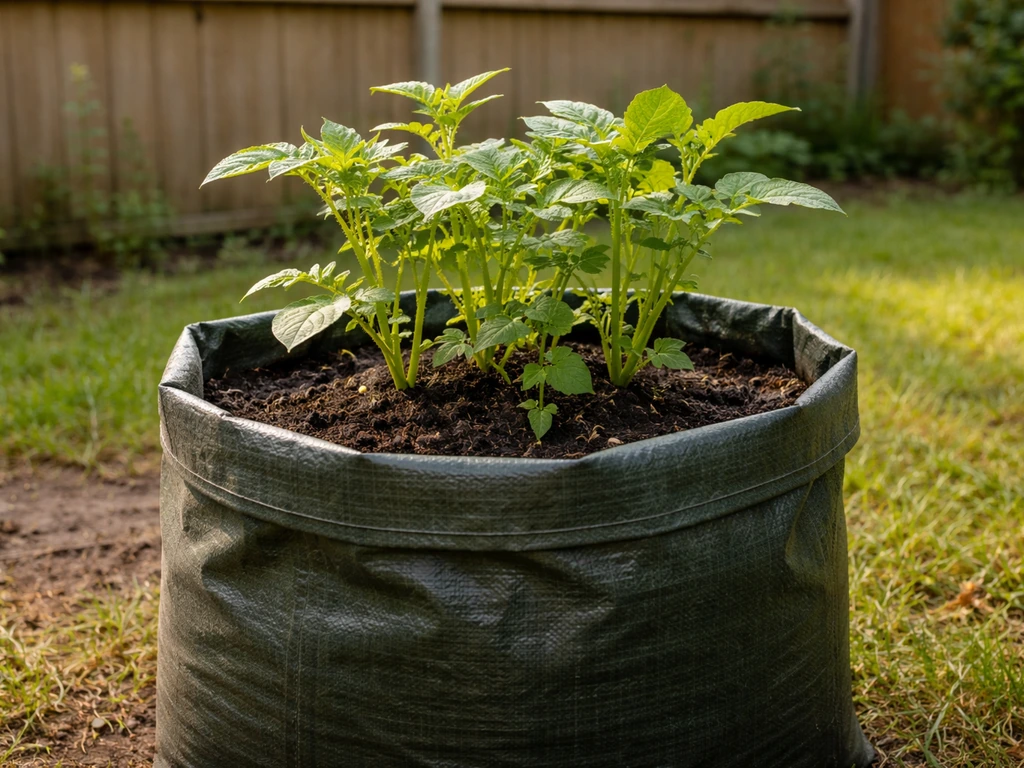
Where to Buy Grow Bags for Potatoes or Make One
Buy or DIY potato grow bags: where to shop, what to check, and steps to make, fill, plant, and troubleshoot.
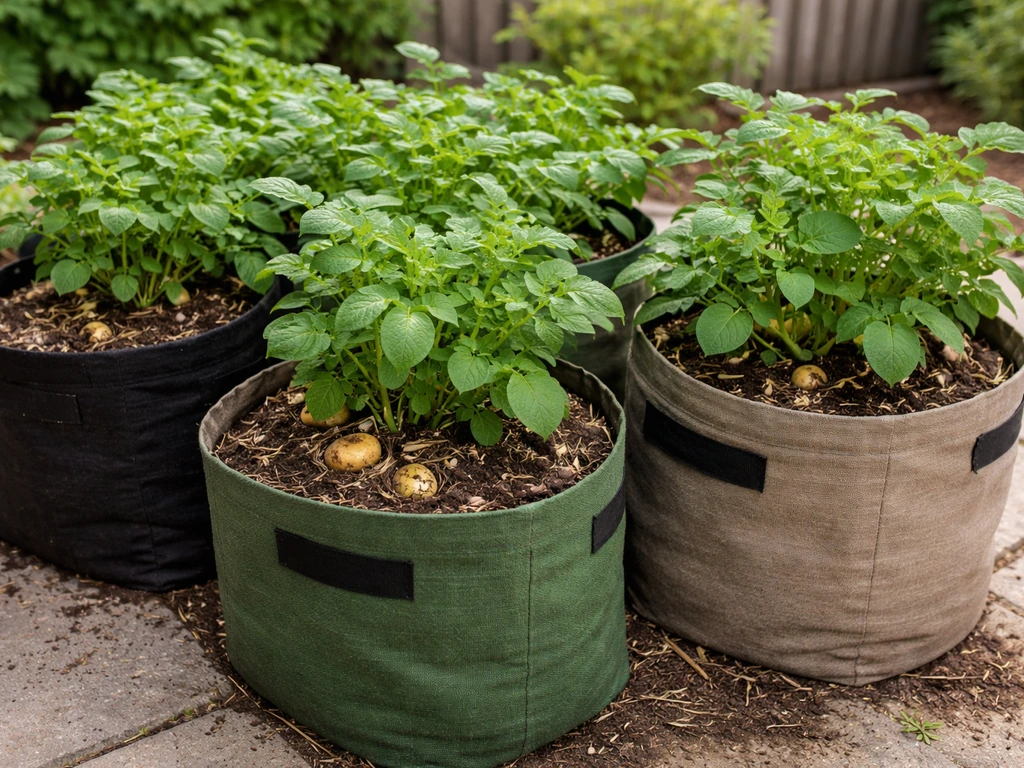
Do Potato Grow Bags Work? Guide, Setup, Care, and Results
Know if potato grow bags work, plus bag choice, soil depth, hilling steps, care, troubleshooting, and yield expectations