The best potato grow bag for most UK gardeners is a fabric bag in the 35 to 50 litre range, made from breathable nonwoven polypropylene. That size gives you enough room for two or three chitted tubers, proper soil depth for earthing up, and the drainage and airflow that stop the roots from cooking or sitting in standing water. If you want a named product, the Gardener's Supply Company Gardener's Best Potato Grow Bag is one of the most consistently recommended options and holds around 50 quarts of soil, which translates to roughly 47 litres. But choosing the right bag is only half the job. Pairing it with the right potato variety and setting it up correctly is what actually determines your yield.
Best Potato Grow Bag UK Guide: Top Picks by Size
Marcus Holloway
3 Apr 2026
What a potato grow bag is and how it works
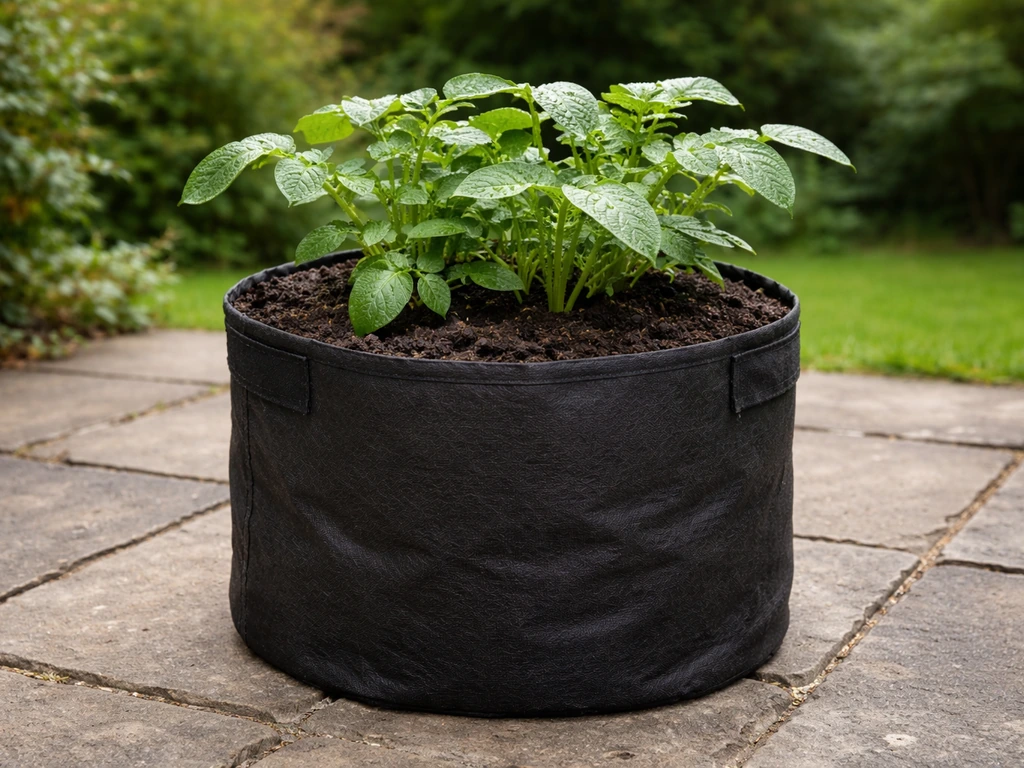
A potato grow bag is exactly what it sounds like: a container made from fabric or heavy-duty plastic that you fill with compost, plant seed potatoes into, and grow on a patio, balcony, or any outdoor space without needing a dedicated bed. The format has been around for decades in UK horticulture, but the modern fabric version is a genuine upgrade over the old woven polypropylene sacks.
The reason fabric works so well for potatoes comes down to what happens to roots when they hit the bag wall. In a solid pot, roots circle and become root-bound. In a breathable fabric bag, they hit the air at the edge and stop growing, a process called air pruning. The plant then sends out new lateral roots instead of a tangled ball of circling ones. More active root tips mean better nutrient uptake, which generally means better yields. The Gardener's Best bag, for example, is specifically designed to aerate the soil, prevent heat build-up, and allow excess water to drain away, and those three functions work together rather than independently.
If you are still deciding whether this method is worth the effort at all, there is a detailed breakdown of whether potato grow bags actually work that is worth reading before you commit to buying anything. The short answer is yes, with the right setup, but there are trade-offs with watering demands and temperature management that are worth knowing upfront.
How to choose the best grow bag for potatoes
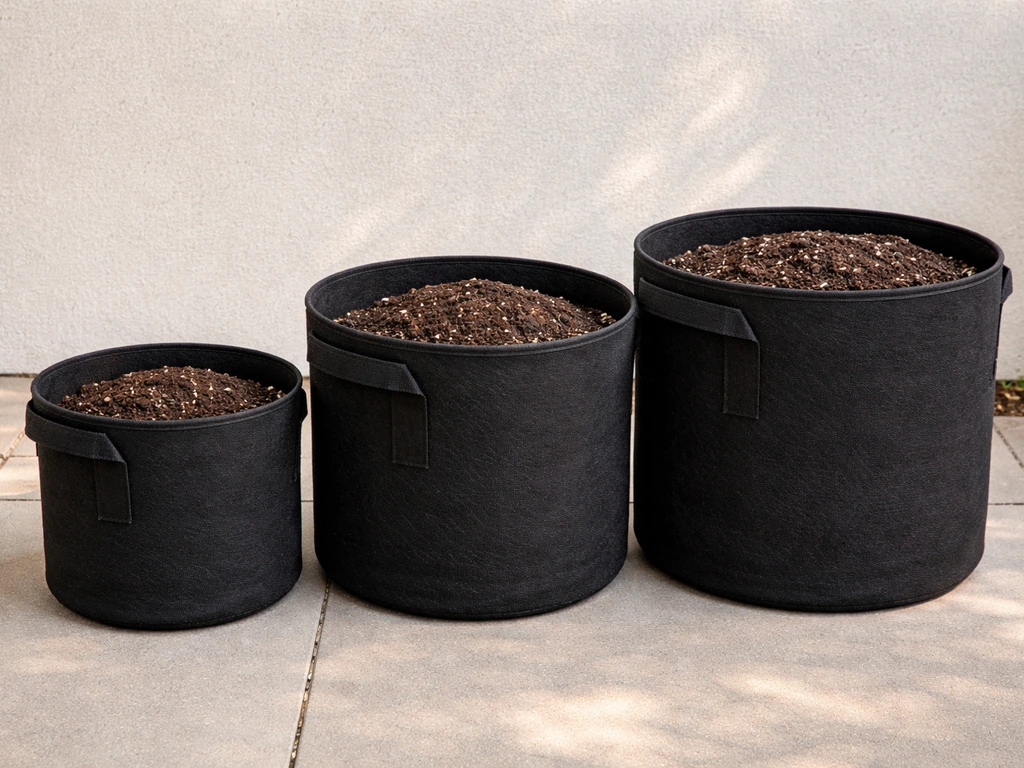
There are four things that actually matter when you are comparing potato grow bags: size, fabric type, drainage, and whether the bag will last more than one season.
Size and capacity
Size is the most important factor. Too small and you can't earth up properly, which directly cuts your yield. Thompson and Morgan's technical trials found that blank" rel="noopener noreferrer">planting a single tuber per 8-litre bag gives a high number of small potatoes, and they report a 186% increase in yield when you follow a one-tuber-per-8-litre rule. That tells you something important: density matters more than most beginners expect. A 35 to 50 litre bag lets you plant three tubers at that ratio and still leave enough headroom to mound up soil as the haulm grows. For larger maincrop varieties, go even bigger: 70 to 90 litres is not excessive.
Fabric type and build quality
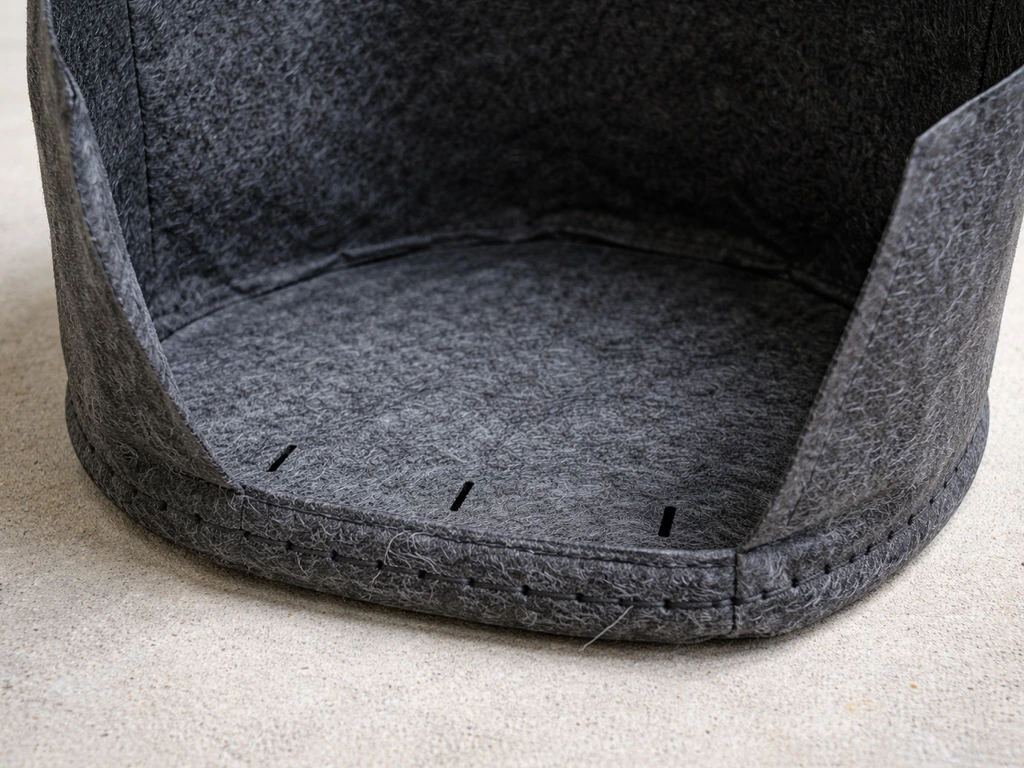
Look for nonwoven geotextile fabric, usually listed as 300g/m² or heavier. Lighter fabrics work for one season but degrade in UV light and tend to tear at the handles. The stitching on the handles is the first thing that fails on budget bags, so check that before you buy. Bags sold specifically as potato grow bags (rather than generic fabric planters) tend to have reinforced bases and, importantly, darker coloring that helps retain some heat early in the season when soil temperatures are still low.
Drainage and modifications
Good fabric bags drain through the walls and base naturally, but UK growers in wetter regions often add drainage slits to the base to prevent the bag sitting in standing water after heavy rain. This is worth doing even with quality fabric bags if you are placing them on a solid surface like paving. A simple cross-cut with a sharp knife in the lower corners is enough. If you are buying a plastic or heavy-duty polypropylene sack-style bag, drainage holes are non-negotiable since those materials don't breathe.
Reusability
Quality fabric bags can last three to five seasons if you wash them after use and store them out of direct sunlight. Budget bags from pound shops or generic online sellers rarely survive more than one growing season in decent condition. If you are planning to grow potatoes in bags year after year, spending a bit more on a reputable brand upfront is genuinely better value.
Fabric grow bags vs. other container options for potatoes
| Container type | Drainage | Air pruning | Heat management | Reusability | Best for |
|---|---|---|---|---|---|
| Fabric grow bag (nonwoven) | Excellent through walls and base | Yes | Good, fabric dissipates heat | 3–5 seasons with care | Most home growers, balcony and patio growing |
| Plastic bucket or pot | Only if holes drilled | No, roots circle | Poor, heats up quickly | Many years | Growers who want low-maintenance containers |
| Traditional jute/hessian sack | Good but degrades fast | Partial | Moderate | 1–2 seasons | One-off or decorative use |
| Polypropylene woven sack | Poor without modification | No | Poor | 2–3 seasons | Budget growing, bulk production |
| Terracotta pot | Good with drainage hole | No | Good, breathable walls | Indefinite | Ornamental use, small varieties |
Fabric is the clear winner for yield and root health. The only reason to choose plastic is if you genuinely never want to think about watering, since plastic retains moisture longer. But for potatoes specifically, that extra moisture retention often causes more problems than it solves.
Best potato varieties for grow bags
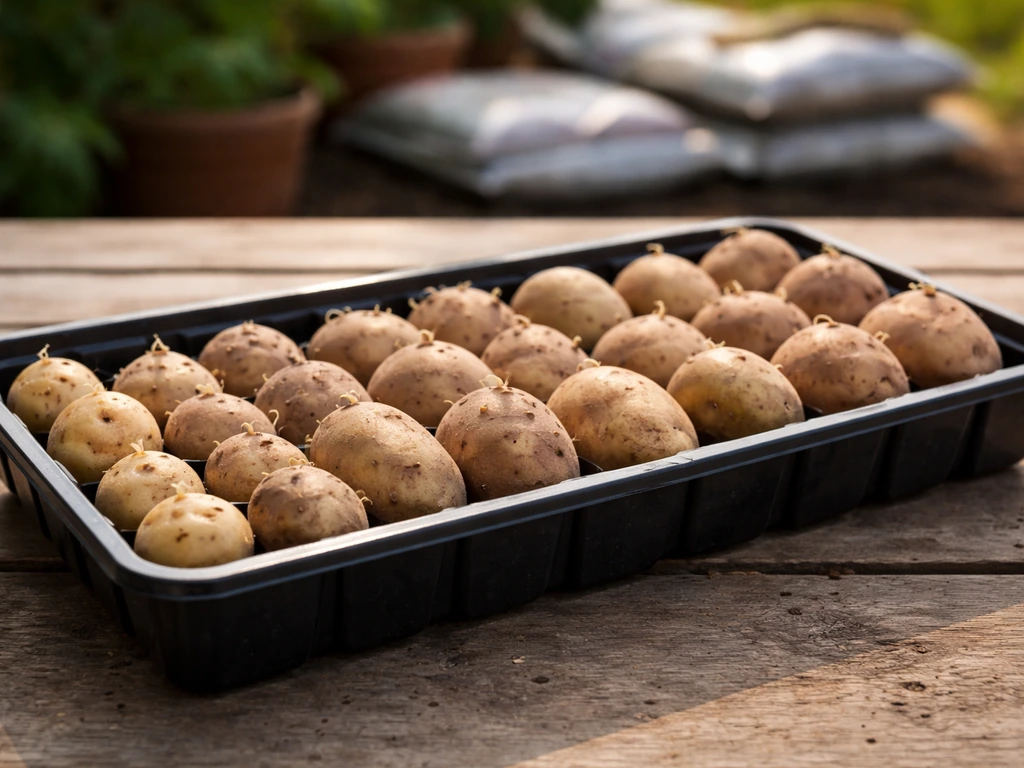
First and second earlies are consistently the best options for grow bag gardening. They mature faster (10 to 13 weeks for most first earlies), which means they spend less time in the bag competing with their own foliage for moisture and nutrients. They also tend to produce tubers higher in the soil column, which suits the earthing-up method that grow bags are built around.
Maincrop potatoes can be grown in bags, but only if the bag is large enough, typically 70 litres or more, and you are prepared for a significantly higher watering commitment through a longer growing season. For most patio or balcony growers, first earlies are simply the more practical choice.
- Rocket: one of the fastest first earlies, ready in as little as 10 weeks, compact haulm suits smaller bags
- Swift: very early, smooth-skinned, good yields for the size of bag required
- Charlotte: a second early with waxy, salad-type tubers, excellent flavour and reliable in containers
- Maris Peer: another second early, compact plant, consistently good in fabric bags
- Jazzy: small salad potato, productive in bags, and the tubers stay a manageable size for container growing
- Nicola: second early, waxy and versatile, performs well even if watering is slightly inconsistent
- Orla: good blight resistance for a first early, useful if your growing season runs long
Avoid large maincrop varieties like King Edward or Desiree unless you have very large bags and reliable irrigation. They simply need more space and time than most grow bag setups are designed for. If you are curious about how a specific ready-to-use kit handles planting, the Bulbs Are Easy potato grow bag is one pre-configured option worth looking at, especially if you want a beginner-friendly starter pack.
Top potato grow bag picks and who they suit
Rather than ranking by a number, it is more useful to match bags to different grower situations. Here are the categories that actually matter and which bag type fits each.
Best overall: Gardener's Best Potato Grow Bag
The Gardener's Best grow bag holds 50 quarts (around 47 litres) and is one of the few products designed specifically for potatoes rather than adapted from a generic planter. It aerates the soil, manages heat, and drains effectively. The product page for Gardener’s Best Potato Grow Bag states the bag holds 50 quarts of soil. The bag also has a velcro inspection window at the base, which lets you check tuber development without disturbing the plant. Suited to: growers who want a reliable, purpose-built bag and are happy to spend slightly more for something that will last multiple seasons.
Best for small spaces: 8–15 litre bags, one tuber per bag
If you have a small balcony or just want to trial the method, Thompson and Morgan's own-brand 8-litre potato bags work well when you follow the one-tuber-per-bag rule. You get a high density of small tubers, which is actually great for salad potato varieties like Jazzy or Charlotte. Suited to: apartment growers, beginners testing the method, anyone with limited outdoor space.
Best for bulk growing: 70–90 litre heavy-duty fabric bags
For maincrop varieties or anyone wanting a serious yield from a single bag, larger heavy-duty fabric planters in the 70 to 90 litre range are available from garden centres and online retailers. These are often sold as general fabric planters rather than potato-specific bags, but they work well if the fabric weight is at least 300g/m². Suited to: experienced growers, anyone with space to accommodate larger containers, and those growing maincrop varieties.
Best budget option: reinforced polypropylene sacks
The traditional woven potato sack is still sold widely and works fine for one or two seasons. The key modification is cutting drainage slits in the base and, if possible, the lower sides. They don't offer air pruning benefits, but they are inexpensive and widely available. If you are searching for the best place to pick up any of these options, the guide on where to buy grow bags for potatoes covers UK retailers and online sources in detail. Suited to: first-time growers who want to test the concept before investing in quality fabric bags.
How many potatoes to plant and how to set up your bag
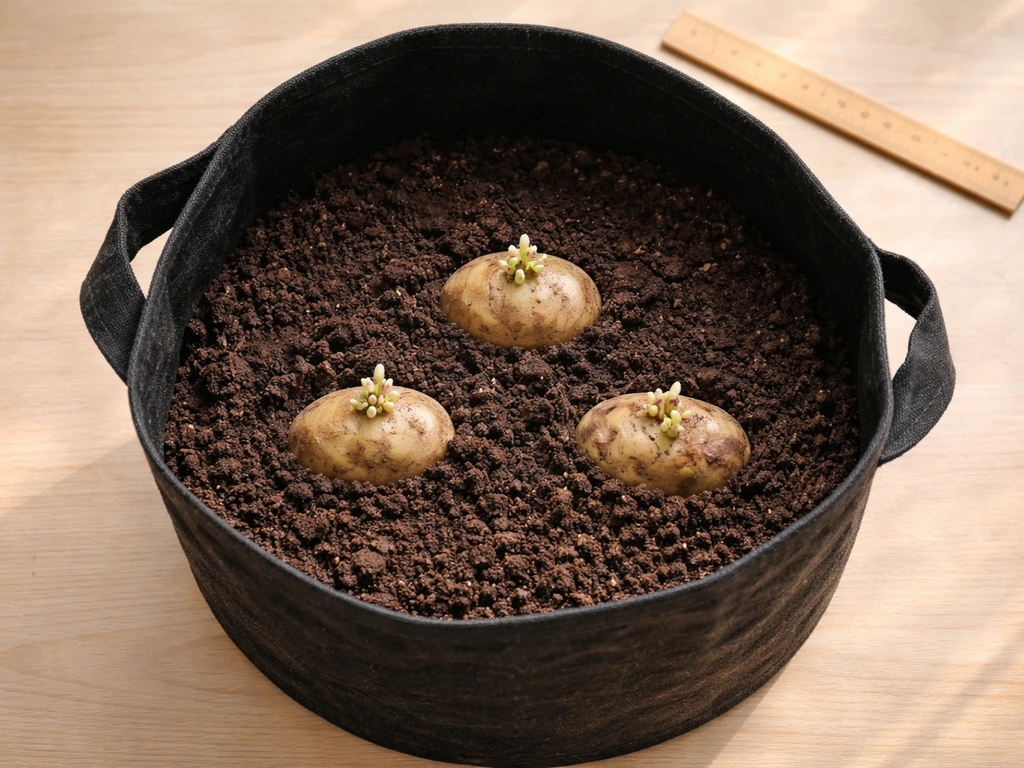
The planting density rule is simple and worth repeating: one chitted tuber per 8 litres of bag capacity. A 40-litre bag takes five tubers at most, but three is often more practical since it leaves room to earth up properly. A 50-litre bag suits three tubers comfortably. Do not be tempted to overcrowd the bag to get more potatoes from a single container. Overcrowding reduces yield per tuber and stresses the plants into producing tiny, underdeveloped tubers.
- Chit your seed potatoes for two to four weeks before planting, placing them rose-end up in a cool, light spot until the sprouts are around 1–2 cm long
- Fill the bag one-third full with a good quality multi-purpose or potato-specific compost, mixed with a handful of general-purpose granular fertiliser
- Place the chitted tubers on top of the compost, sprout-side up, spacing them evenly
- Cover with another 10–12 cm of compost and water in gently
- As the haulm grows, keep adding compost to cover the stems, leaving just the top leaves exposed, until the bag is nearly full
- Place the bag in a sunny, sheltered spot with good airflow around the sides
If you are comparing grow bags to more traditional pot-style containers as part of your setup decision, the article on the best potato grow pots is a useful read alongside this one, especially if you have specific space constraints that might suit a rigid container.
Care checklist for bag-grown potatoes
Watering
Fabric bags dry out faster than plastic containers, and in a UK summer that can mean watering every day during hot spells. The practical test is to press your finger into the top few centimetres of compost: if it feels dry, water thoroughly until it drains from the base. Do not water on a fixed daily or weekly schedule. Compost moisture depends on temperature, rainfall, and how developed the plant is. For a more detailed look at how often to water potatoes in grow bags, there is a full guide that covers this in practical detail, including what to do during heatwaves and wet spells.
Feeding
From weeks four to eight after planting, give the plants a high-nitrogen liquid feed to support leafy growth. After that, switch to a balanced or higher-potassium feed (a tomato feed works well here) to encourage tuber development. Apply liquid feed fortnightly when you water. Granular slow-release fertiliser added to the compost at planting gives a useful background nutrient supply, but it won't replace liquid feeding through the season.
Earthing up
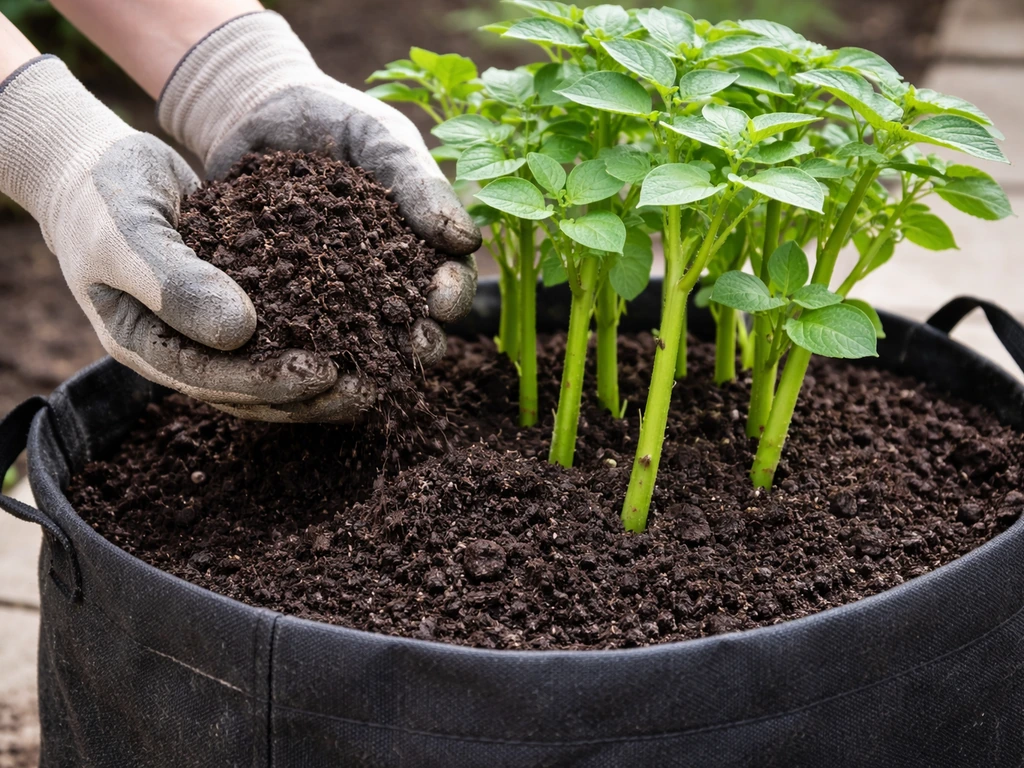
Keep earthing up as the haulm grows, adding compost in stages until the bag is full. This encourages more underground stem, which means more tubers. It also prevents light from reaching developing tubers, which would cause them to turn green and become toxic.
Harvest timing
First earlies are ready when the flowers open, usually around 10 to 12 weeks after planting. You can harvest by tipping the bag on its side and emptying the compost, or by using the inspection window on purpose-built bags. Second earlies take 13 to 15 weeks. Maincrop takes 15 to 20 weeks and is best harvested after the haulm dies back completely.
Common problems and how to fix them
Poor or patchy growth
If plants are slow to emerge or look pale and stunted, the most common causes are cold soil, insufficient light, or poor-quality seed potatoes. Fabric bags warm up faster than ground soil in spring, which is an advantage, but if you plant before mid-March in most UK regions the compost can still be too cold for good sprouting. Move the bag to a warmer spot or cover with fleece for the first few weeks. Pale leaves usually indicate nitrogen deficiency: start liquid feeding earlier.
Waterlogging and drainage problems
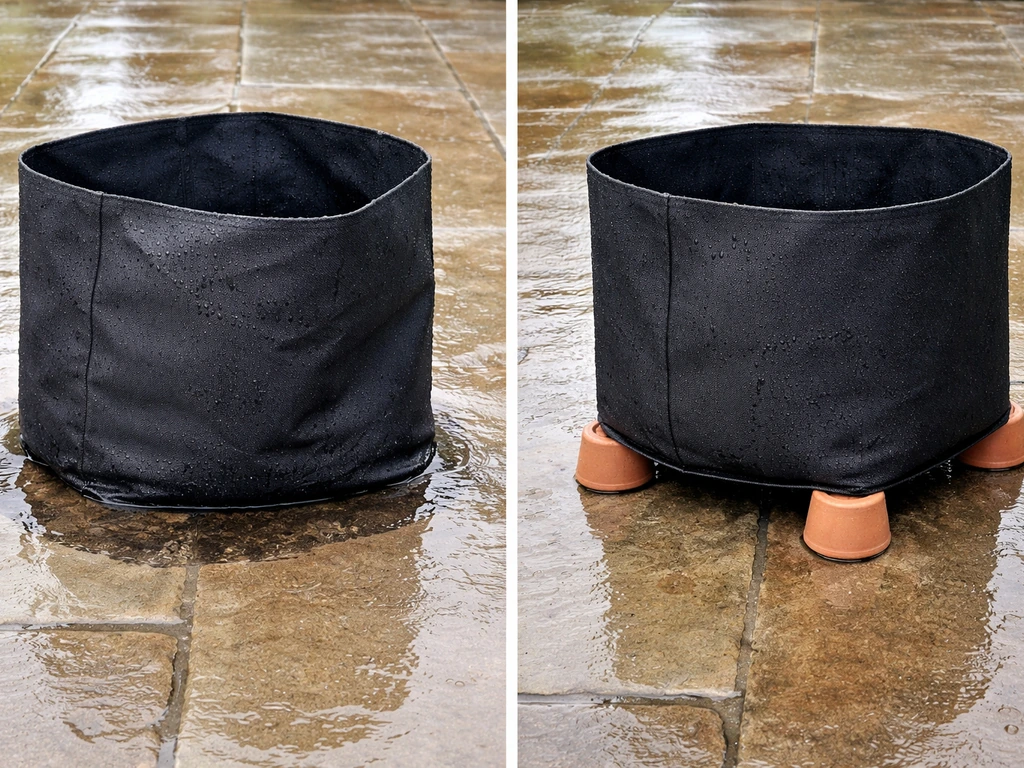
If your bag is sitting in a pool of water after rain, the drainage is not working. On solid surfaces, elevate the bag on pot feet or a wooden pallet to allow water to escape freely. If you are using a non-fabric bag, cut drainage slits in the base if you haven't already. Persistent waterlogging causes anaerobic conditions in the compost, which leads to root rot and significantly reduced yields.
Slug and pest damage
Slugs are the most common pest for bag-grown potatoes. The advantage of bags is that you can use copper tape around the outside rim, which acts as a physical barrier. Biological control with nematodes applied to the compost is also effective and safe for use in containers. Aphids on the foliage are common too: a dilute washing-up liquid spray or neem oil deals with them quickly without harming the plants.
Leggy or yellowing foliage
Yellowing leaves mid-season usually indicate a nutrient deficiency, most often potassium or magnesium. Switch to a high-potassium liquid feed and consider a dilute Epsom salt drench (one tablespoon per litre of water) to address magnesium deficiency. Leggy growth with lots of leaf and no tuber development usually means too much nitrogen and not enough sun. Reduce nitrogen feeding and move the bag to a sunnier spot if possible.
Small or hollow tubers
Hollow heart in tubers is usually caused by irregular watering, where the tubers grow rapidly after rain or heavy watering following a dry period. Consistent moisture is the fix. If you are getting very small tubers even with consistent care, the most likely issue is overcrowding: too many tubers in too small a bag. Remember the one-tuber-per-8-litres rule, and don't exceed it. It is also worth noting that some grow bag formats are genuinely not suited to potatoes at all, in the same way that you would not try to grow orchids in a standard fabric planting bag: matching the crop to the container type matters.
If you follow the setup steps above, choose a first or second early variety, and use a good quality fabric bag of at least 35 litres, you are set up for a genuinely good harvest from a very small space. The next step is simply to get your seed potatoes chitting now if you haven't already, and order your bags so you are ready to plant by late March to mid-April depending on your location in the UK.
FAQ
Can I start a best potato grow bag early in the UK, before mid-March?
Yes, but only if you keep control of temperature and moisture. On cold or windy patios, start the bag in a sheltered spot and use horticultural fleece for the first few weeks if frosts are still likely, then remove it as soon as shoots are established so the compost can warm up and dry slightly between watering.
Should I put as many seed potatoes as possible into a big bag to get more harvest?
Use the same one-tuber-per-8-litres rule even if the bag is “potato-specific.” If you want to maximise total potatoes, you still need headroom for earthing up, so in a 40-litre bag aim for about three tubers, not five, to avoid tiny yields and stressed plants.
How long do best potato grow bags usually last in UK conditions, and can I reuse them next year?
If you want a try-before-you-buy approach, do it with a temporary setup, but don’t expect fabric to last. Wash after use, store fully dry out of direct sunlight, and expect most bargain bags to degrade quickly at the handles and seams. For year-on-year growing, buy heavier fabric (around 300g/m²) and reinforced handle and base.
What’s the best way to position a potato grow bag on paving to prevent waterlogging?
Aim for a bag that’s stable and can drain freely. If it sits on paving, elevate it on pot feet or a wooden pallet so runoff doesn’t pool under the base. In rainy regions, add drainage slits at the lower corners if your bag has fabric walls, because even good bags can trap water on solid surfaces.
Are plastic potato grow bags still worth it if I struggle to water every day?
If you have to use a plastic bag, you need extra attention to watering and drainage. Plastic doesn’t air-prune roots, and it retains moisture, so only use bags with drainage holes, don’t let the compost stay wet, and water based on finger-snap moisture checks rather than a routine schedule.
How do I convert bag size measurements, and how does that affect tuber spacing in a best potato grow bag?
Measure bag capacity by litres, not by marketing terms like “quarts,” since manufacturers sometimes round. For example, a bag listed at 50 quarts is roughly 47 litres, which affects how many tubers you can fit while still allowing proper earthing up.
Which potato type is most forgiving in a potato grow bag, first earlies, second earlies, or maincrop?
For most UK patio growing, first and second earlies are the practical choice, because they finish before bags become too dry or you get long stretches of cold wet weather. If you grow maincrop, plan on longer watering attention, larger capacity (typically 70 litres or more), and be prepared for a longer period of pest pressure.
My potatoes are slow to emerge in a grow bag, what are the most common causes and fixes?
Early in the season, slow emergence often comes from cold compost and low light rather than the bag itself. Move the bag to a warmer, brighter spot and consider fleece protection for the first few weeks; also ensure the seed potatoes are properly chitted before planting.
Can I harvest in stages (like lifting some potatoes early) from a potato grow bag?
Yes, but do it in a way that doesn’t disturb developing tubers. If your bag has an inspection window, use it to check rather than fully digging. If you don’t have a window, harvest by tipping the bag, but then don’t expect to “replant in place” because the compost structure will be disrupted.
What nutrient problem does yellowing mid-season leaves usually indicate in grow-bag potatoes?
If leaves yellow mid-season, it’s often potassium or magnesium shortage rather than general starvation. Switch to a higher-potassium liquid feed and consider a dilute Epsom salt drench (about one tablespoon per litre) once, then reassess growth before repeating.
How can I tell if my drainage is failing, and what should I do immediately?
Don’t cut drainage corners even with fabric. If after heavy rain you see a persistent puddle or the compost smells sour or stays very wet for more than a day, elevate the bag and confirm base drainage, then check that drainage slits are present if the bag design allows them.
What causes hollow heart in grow-bag potatoes, and how do I prevent it?
Hollow heart is strongly linked to irregular watering, where tubers expand rapidly after a dry spell. The fix is consistent moisture, water thoroughly when the top few centimetres dry out, and avoid skipping watering during hot spells then compensating with a big soak later.
Next Articles
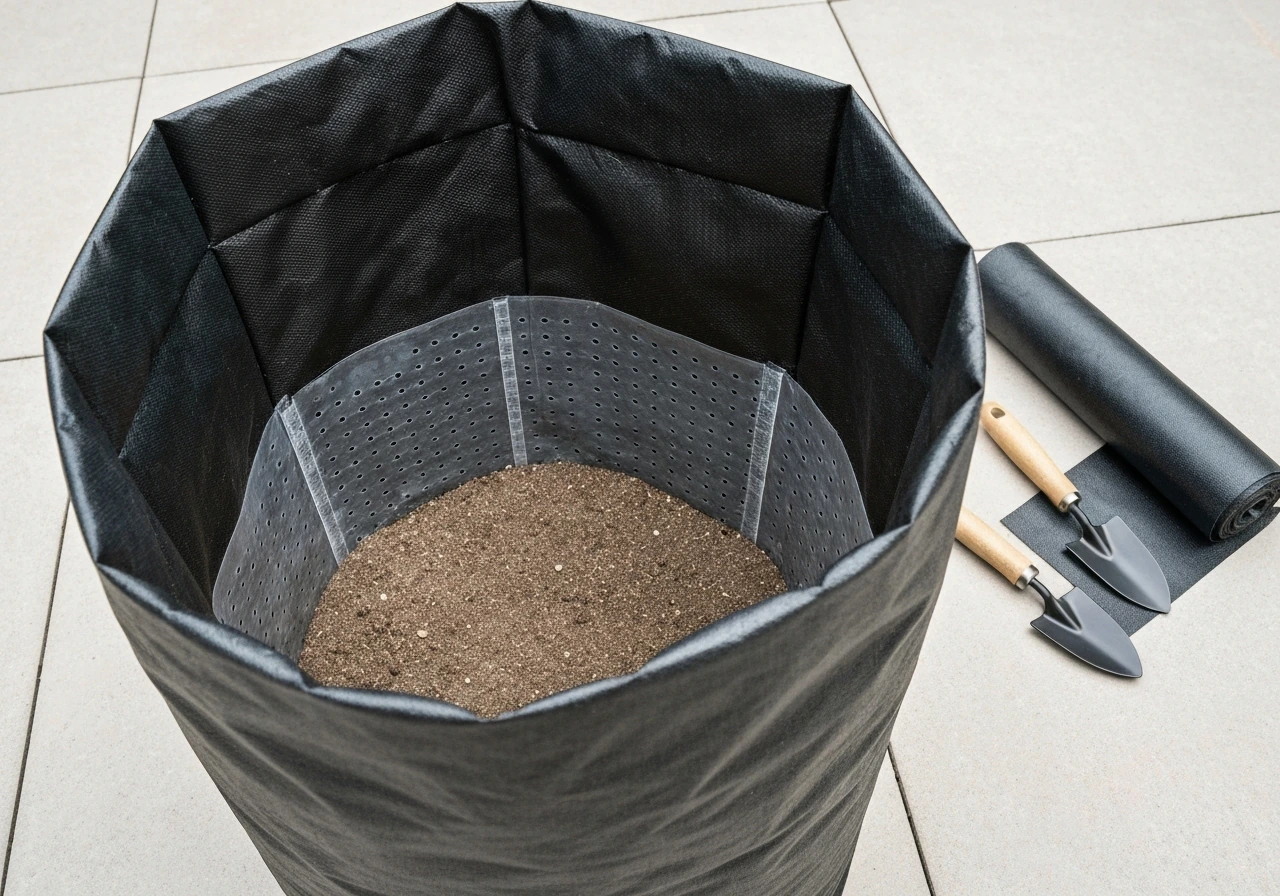
Best Landscape Fabric for Grow Bags: Buy and Install Guide
Choose the best landscape fabric for grow bags with weed-blocking, drainage and aeration tips plus DIY install steps.
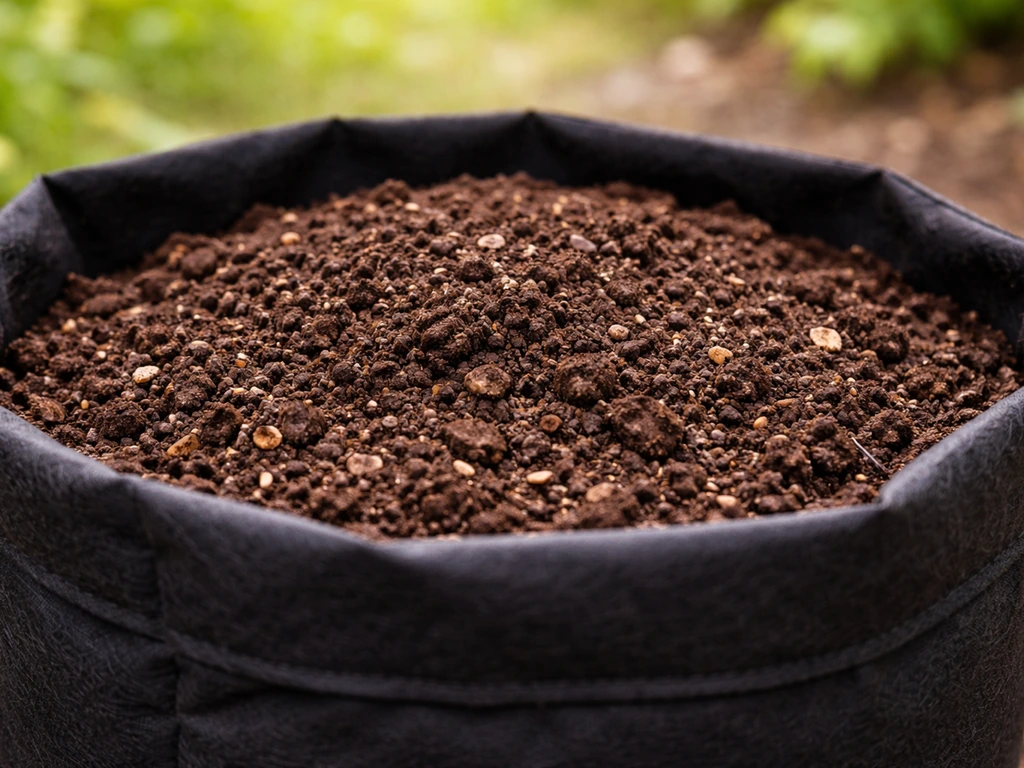
Best Soil for Grow Bags: Mix Recipes and How Much to Add
Best soil for grow bags: mix recipes, how much to add by bag size, and vegetable tweaks for strong drainage and yield.
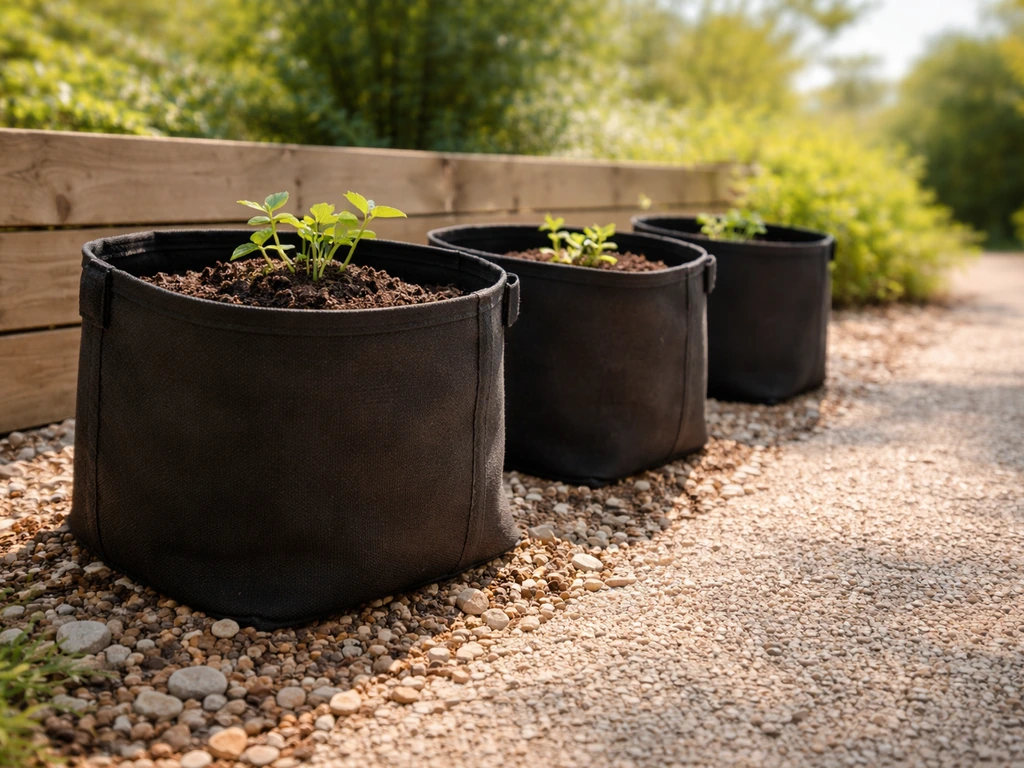
Where to Put Grow Bags: Best Location, Sun, Drainage
Find the best spot for fabric grow bags: sun, wind, drainage, spacing, surfaces, and fixes for heat and root-rot issues.