Most fabric grow bags are made from non-woven polypropylene, which is essentially the same geotextile material used in landscape fabric and weed barriers. Some premium bags use woven polypropylene or recycled plastic fibers, and a small number are made from natural materials like jute. The fabric is stitched into a bag shape using reinforced seams, sometimes with handles made from the same material or from nylon webbing, and that's basically it. No magic, just breathable plastic fabric shaped into a pot.
Grow Bags Are Made Of What Fabric and Components
Marcus Holloway
8 Jun 2026
What people actually mean by 'grow bags'
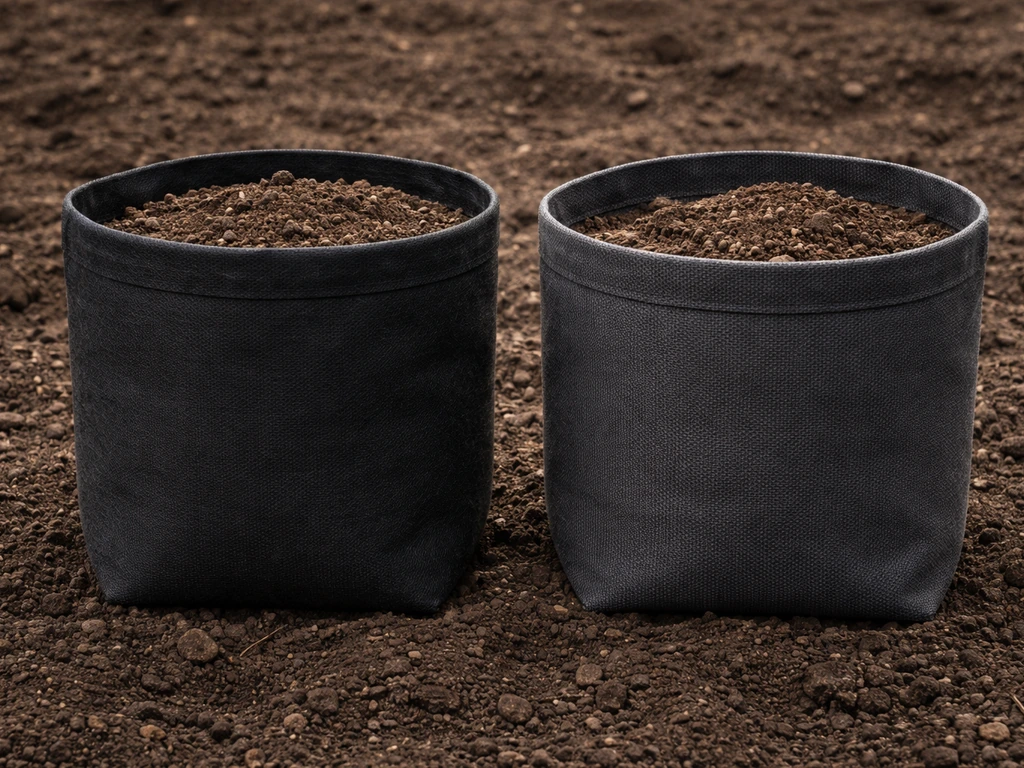
The term 'grow bag' covers a few different things depending on who's using it. In the UK and in older gardening guides, a grow bag often means a flat plastic bag filled with compost that you cut open and plant directly into. That's not what we're talking about here. Fabric grow bags are reusable, breathable containers made from geotextile-style fabric, designed to replace plastic pots. They come in round or square shapes, range from 1 gallon to well over 100 gallons, and the entire point of the design is that roots can interact with the container wall. There are also some hybrid versions with plastic bases and fabric sides, plus specialty grow bags designed for trees, mushrooms, and raised-bed-style setups. When you're shopping or researching, it helps to know which type you're actually looking at, because the plastic bag-in-a-box version and the breathable fabric pot version behave completely differently as growing containers.
The main materials fabric grow bags are made from
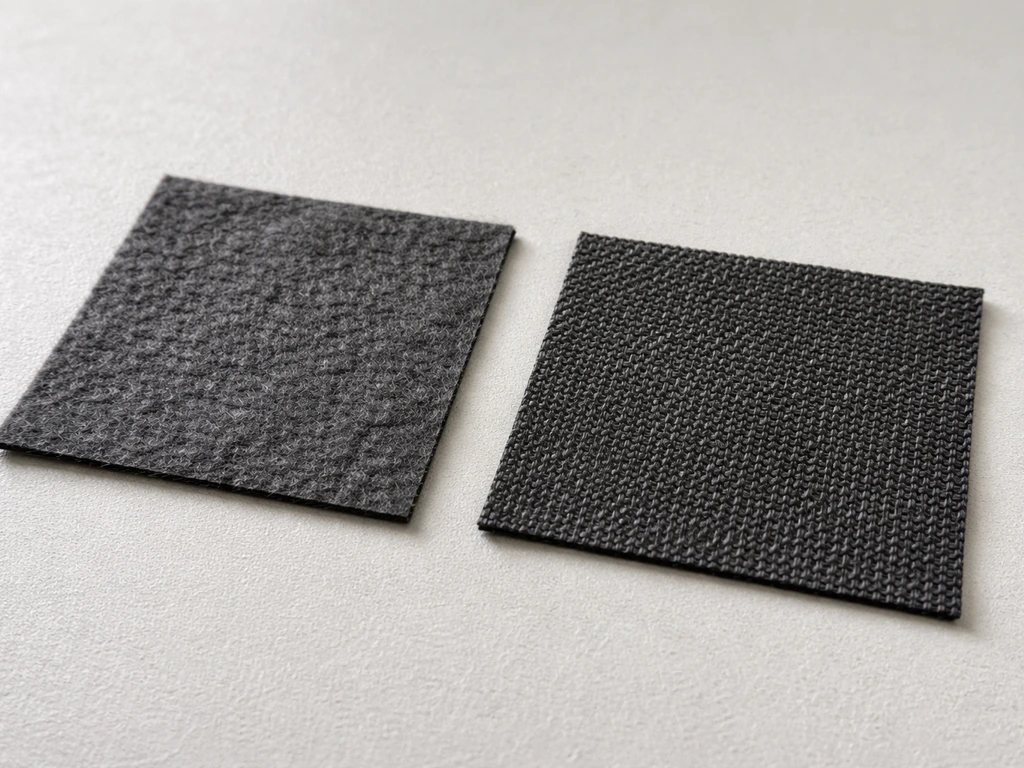
Non-woven polypropylene is by far the most common material. It's inexpensive to produce, holds up reasonably well outdoors, and has the porous structure that makes fabric bags work. You'll also see it described as 'geotextile fabric' or 'landscape fabric,' and functionally it's the same thing. The fibers are bonded together rather than woven, which gives the material a felt-like texture and creates the thousands of tiny pores that allow air and water to pass through.
Woven polypropylene bags are less common but do exist. They tend to be stiffer and slightly more durable, but they're also less breathable because the tightly woven structure leaves fewer air pathways. Some manufacturers blend recycled plastic fibers into their fabric to improve sustainability credentials, and brands like GeoPot specifically market their bags as BPA-free and made from recycled plastics using marine-grade thread for the seams.
Natural fiber options like jute are available, but they're a small niche. Jute is genuinely biodegradable and looks great, but it breaks down quickly outdoors, especially when kept consistently moist. If you're growing a single season and want to avoid any synthetic material concerns, jute works. For anything multi-season, polypropylene is the practical choice.
| Material | Breathability | Durability | Best For | Reusable? |
|---|---|---|---|---|
| Non-woven polypropylene | High | 3–5 seasons outdoors | Vegetables, flowers, general use | Yes |
| Woven polypropylene | Moderate | 4–6 seasons | Trees, long-term plantings | Yes |
| Recycled plastic fiber blend | High | Similar to non-woven PP | Eco-conscious growers, vegetables | Yes |
| Jute / natural fiber | High | 1 season | Single-season crops, transplants | No |
How bags are constructed (it matters more than you'd think)
Beyond the base fabric, construction details make a real difference. Seam quality is one of the biggest factors in how long a bag lasts. Bags using marine-grade or UV-resistant thread hold up much better than those with basic polyester stitching. Handles are typically made from either a double layer of the same fabric or nylon webbing, and the attachment points are where bags most often fail under load. Some bags have reinforced bases or an extra fabric layer at the bottom to reduce thinning from constant moisture contact. A few designs include small drainage holes or slits, though most rely on the fabric's porosity for drainage rather than discrete holes.
How the material actually affects your plants
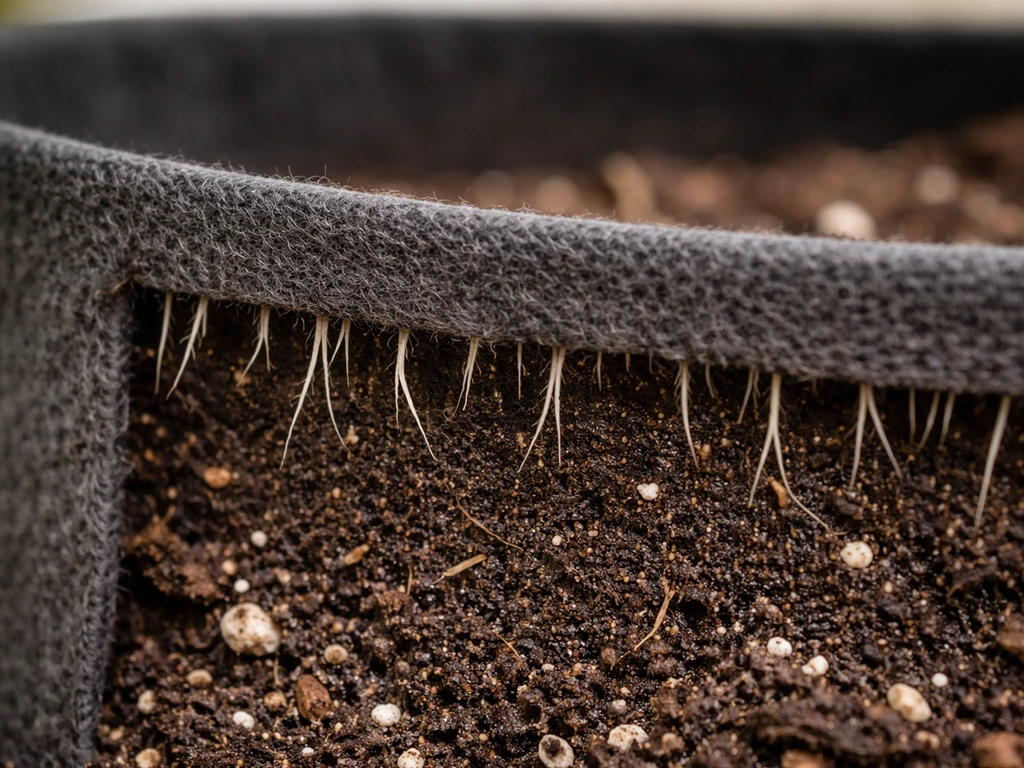
The whole reason fabric grow bags exist is airflow to the root zone. When a root tip reaches the wall of a fabric container, it's exposed to air, which causes the tip to stop growing and triggers the plant to branch new roots instead. This is called air pruning, and it's the reason plants in fabric bags tend to have much denser, healthier root systems than plants in plastic pots where roots circle around the inside wall. More feeder roots means better access to water and nutrients, which translates to more productive plants.
That same porosity has trade-offs, though. Fabric bags dry out faster than plastic containers, sometimes significantly faster in hot or windy conditions. This is manageable with consistent watering, but it's not a minor thing. In peak summer heat, small fabric bags (5 gallons and under) may need daily watering. If you're growing in a hot climate or full sun, this is one of the main practical realities of the material choice.
Drainage is generally excellent in new fabric bags, since water moves freely through the porous walls and base. Over time, if the fabric gets clogged with soil particles, mineral deposits, or algae, airflow and drainage can both degrade. A bag that looks fine from the outside but has its pores partially blocked may actually behave more like a plastic pot than a fabric one, with reduced air pruning and slower drainage.
Heat management is where fabric bags genuinely outperform dark plastic pots. The breathable walls allow some evaporative cooling, which keeps the root zone temperature lower on hot days. Fabric grow bags are described as blank" rel="noopener noreferrer">breathable geotextile pots that let air move through the sides and provide drainage, which helps prevent overheating compared with some traditional containers. That said, fabric bags in direct sun still heat up, especially dark-colored ones. If you're growing heat-sensitive crops or are in a region with intense summer heat, a lighter-colored bag or some afternoon shade can make a real difference. The debate between black and tan grow bags is worth its own look if this is a concern. If you want the short version, darker black grow bags generally absorb more heat than tan ones, which can matter for root temperature in hot weather black and tan grow bags.
Food safety and chemical concerns
This is a legitimate question, especially for edible crops, and it deserves a straight answer. The vast majority of fabric grow bags are made from polypropylene, which is considered food-safe in its base form. However, dyes, coatings, UV stabilizers, and chemical treatments added during manufacturing can introduce compounds that may not be safe for food contact. The FDA does regulate colorants for polymers in food-contact applications, and the general standard is that they shouldn't migrate into food in detectable amounts. That's a sensible baseline, but it assumes responsible manufacturing.
The phrase to look for when buying is 'BPA-free and food-safe.' Reputable brands will state this clearly. If a bag has no safety claims on its packaging or product listing, that's not automatically a problem, but it is worth contacting the manufacturer to ask about the fabric composition and whether it's been tested for food-contact use. For vegetables and herbs especially, I'd stick to bags that explicitly claim food-safe status.
There's a separate category of concern for root-control fabrics. Some commercial root-barrier products are chemically treated with herbicides (like trifluralin) to prevent root penetration. These are not grow bags in the traditional sense and are explicitly not appropriate for food crops. If you encounter a product marketed for 'root control' that mentions a herbicide-impregnated design, don't use it for edibles. Plain geotextile grow bags for home growing don't use these treatments, but it's worth knowing the distinction exists.
How long they last and how to keep them going
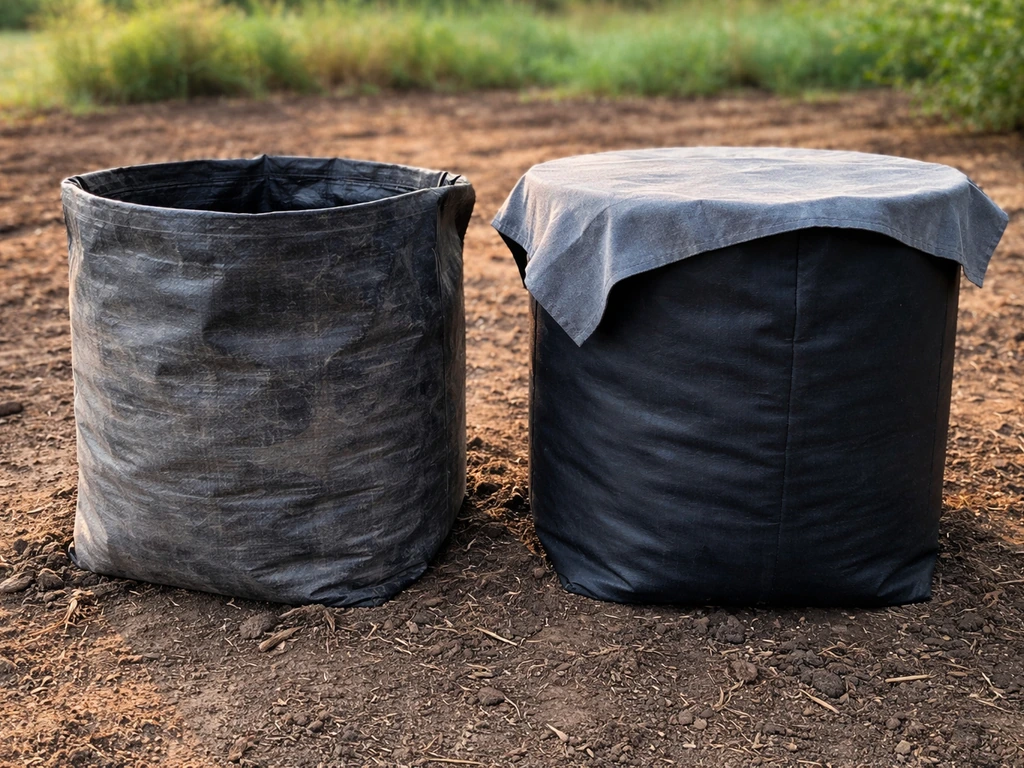
A well-made polypropylene grow bag will typically last 3 to 5 growing seasons outdoors, sometimes longer if it's stored away from direct sunlight during the off-season. UV radiation is the main thing that breaks polypropylene down. Unprotected polypropylene can lose around 50% of its tensile strength after about 6 months of continuous sun exposure, while UV-stabilized versions retain most of their strength over 2 years or more. This is why bags marketed as 'UV-resistant' are worth the small extra cost if you're planning to reuse them.
Signs that a bag has reached the end of its useful life include brittleness or chalkiness in the fabric (it crumbles slightly when you flex it), visible fraying at the seams or top edge, and noticeable thinning at the base from constant moisture and weight. If you're seeing any of these, the bag's structural integrity and porosity are both compromised. Time to retire it.
Cleaning between seasons is simple but important. Shake out as much dry soil as possible, then rinse the bag thoroughly. A soak in a dilute hydrogen peroxide or bleach solution (1 part bleach to 9 parts water works) for 20 to 30 minutes will sanitize the fabric and kill off any fungal spores or pest eggs. Rinse again, then air dry completely before storing. This prevents disease carryover into your next growing season, which is especially relevant if you had any root rot or soil-borne pest issues. Store bags folded in a shed or garage away from sunlight, not draped over a fence where UV exposure continues between seasons.
Matching the material to your crop
The material and construction that work best depend on what you're growing. Here's how I think about it for the main crop categories:
Vegetables
Non-woven polypropylene is the standard and it works well for tomatoes, peppers, potatoes, and most other vegetables. The air-pruning effect is genuinely beneficial for heavy-feeding crops like tomatoes. For edible crops, make sure the bag is explicitly food-safe. Sizes in the 5 to 15 gallon range cover most vegetables. The faster-drying nature of fabric bags means you need a consistent watering routine, or a drip system if you're growing through summer heat.
Flowers and herbs
Most flowers and herbs do fine in standard non-woven polypropylene bags. Herbs especially benefit from the excellent drainage, since overwatering is a common killer. Lighter-colored bags help if you're growing Mediterranean herbs like rosemary or thyme that prefer cooler roots. Flowers grown for aesthetics may look better in a woven bag with cleaner lines, but functionally either works.
Trees and woody plants
For fruit trees, ornamental trees, or any woody plant you're growing for more than one season, a heavier-weight woven or thick non-woven fabric is worth the investment. You want structural integrity that holds up to repeated waterings and the weight of a mature root ball. UV stability matters more here too, since the bag will be in continuous outdoor use. Larger sizes (25 to 100 gallons) are typical, and reinforced handles are important if you'll ever need to move the container.
Mushrooms
Mushroom grow bags are a completely different product. They're typically made from polypropylene but are designed to be sealed, sterilized, and used once rather than reused repeatedly. The polypropylene in mushroom grow bags needs to withstand autoclaving temperatures (around 121°C / 250°F), so they're a thicker, heat-stable variant. Standard garden grow bags are not suitable for mushroom cultivation because they can't be properly sterilized and lack the filter patches used to allow gas exchange while keeping contaminants out.
Common problems that come back to the material
Drying out too fast
This is the most common complaint about fabric grow bags, and it's a direct result of the breathable material doing its job. Small bags in full sun can dry out within a day. Solutions include moving to a larger bag (more soil volume holds moisture longer), adding a layer of mulch to the top of the soil, grouping bags together so they shade each other, or switching to a self-watering insert. If your current bag is drying out faster than it used to and you haven't changed your watering or conditions, check whether the fabric is clogged with mineral deposits. A clogged bag can actually wick moisture out unevenly.
Root problems
Root circling shouldn't happen in a fabric bag because air pruning stops roots at the wall. If you're seeing circling roots when you remove a plant, it usually means either the bag's fabric is too dense (not actually breathable), the bag was significantly too large for the plant for a long period, or the plant was left in the bag far past its productive life. A bag that has degraded fabric with blocked pores can functionally behave like a plastic pot and allow circling to begin.
Fabric breakdown and UV failure
If your bag is going brittle, chalky, or starting to shed small fibers, UV degradation is the cause. There's no fix for this. The polypropylene polymer chains have broken down and the structural and functional properties of the fabric are compromised. Retire the bag rather than continuing to use it. Next time, prioritize bags labeled UV-stabilized and store them out of direct sunlight in the off-season.
Nutrient and watering imbalances
Because fabric bags drain and dry faster than plastic pots, nutrients can leach out more quickly with each watering. Plants in fabric bags often need more frequent fertilizing, particularly water-soluble nutrients. If your plants look deficient despite regular feeding, the faster drainage cycle may be flushing nutrients before roots can absorb them. Slow-release fertilizers or top-dressing with compost can help balance this out.
What to check before you buy (or before you reuse)
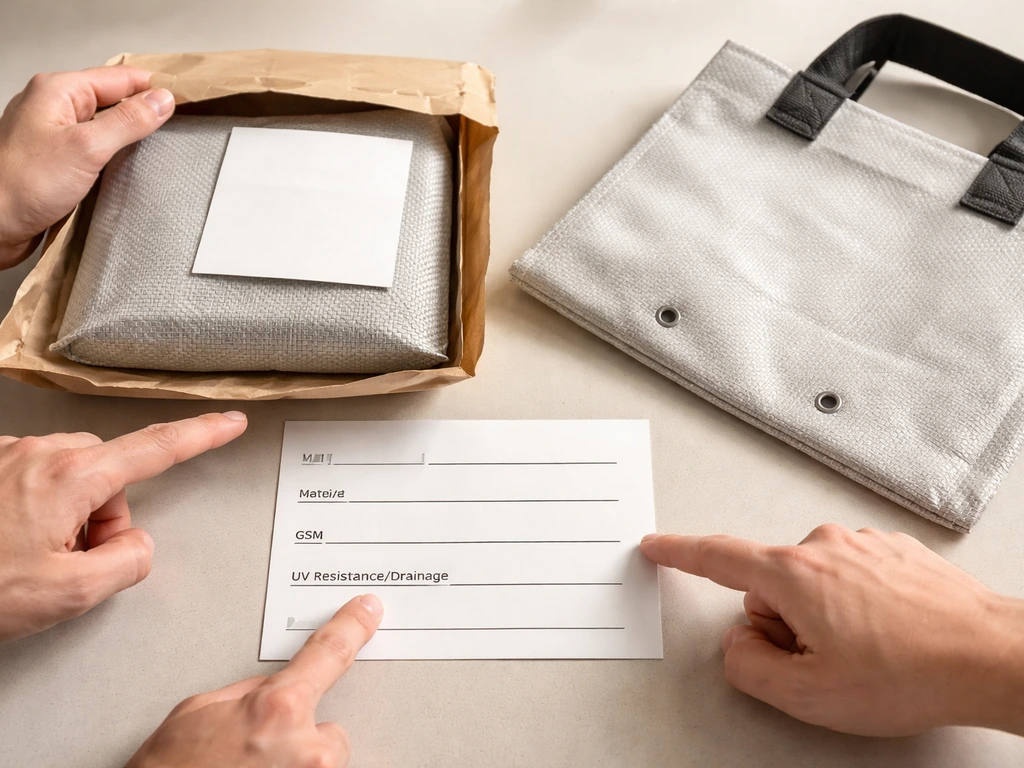
If you're buying new bags, look for these things on the product listing or packaging:
- Material listed as non-woven polypropylene (preferred for breathability) or woven polypropylene (for heavier/longer-term use)
- GSM (grams per square meter) rating, which indicates fabric weight and thickness. For most vegetables, 150–200 GSM is a reasonable range; for trees, go heavier
- Explicit 'BPA-free' and 'food-safe' claims for any edible crop use
- UV-resistant or UV-stabilized designation if the bag will be in continuous outdoor use
- Seam and handle construction: reinforced or double-stitched seams and sturdy handle attachment points
- No mention of herbicide treatment or root-barrier chemical impregnation for food crops
If you already have a bag and aren't sure about its material, do a quick physical check. Flex the fabric: it should feel soft and slightly fuzzy (non-woven) or stiff and woven (like thick burlap). If it's brittle or discolored, it's degraded. Hold it up to light to check porosity. Look for any printed product information or manufacturer markings on the base. If you can't find any material claims and you're planning to grow edibles, reaching out to the manufacturer directly is the quickest way to get a straight answer. Most reputable brands are upfront about this because food-safe status is a genuine selling point.
When comparing grow bags to other container options like air pots or traditional plastic pots, the material really is the core differentiator. Fabric grow bags are especially different from traditional containers because the breathable fabric changes how roots, water, and nutrients behave traditional plastic pots. If you’re comparing grow bags versus air pots, the key difference comes down to how each container manages airflow around roots. The fabric is what makes air pruning possible, what drives the drainage behavior, and what determines how long the container will perform. Getting clear on what your bag is made of isn't just a curiosity, it's the most direct path to understanding how to water it, when to fertilize, how long to expect it to last, and whether it's safe for the plants you're growing. Choosing grow bags best for your crop and conditions helps you get the right balance of airflow, drainage, and durability.
FAQ
Are all fabric grow bags made of polypropylene, or do some use other base materials?
Most are made from non-woven polypropylene (geotextile style), but there are occasional alternatives, including woven polypropylene blends and limited natural-fiber options like jute. If the listing does not explicitly name the fiber, assume it could be a mix and verify the material before growing edibles.
How can I tell if my grow bag is non-woven versus woven without reading the label?
Non-woven polypropylene typically feels soft and slightly fuzzy and looks more like a felted web. Woven polypropylene feels stiffer and more structured, closer to a tight fabric or heavy burlap. A simple bend test helps, non-woven usually stays flexible while woven feels more rigid.
Do “UV-resistant” or “UV-stabilized” grow bags use different materials?
They usually use the same polypropylene base, but include UV stabilizers (additives) to slow polymer breakdown. The practical difference is durability, a UV-stabilized bag retains strength much longer, so it keeps both structure and porosity for more seasons.
Is a BPA-free claim enough to assume a grow bag is safe for vegetables and herbs?
BPA-free is a helpful signal, but it is not the whole story. For food crops, look for explicit “food-safe” or food-contact suitability, because dyes, UV stabilizers, and manufacturing coatings can still vary. If there is no food-safety claim, contact the manufacturer and ask what additives are used.
Can algae or mineral buildup make a fabric grow bag stop working like a breathable container?
Yes. Even if the fabric looks intact, clogged pores can reduce airflow and slow drainage. If you notice faster wilting than usual, check for white mineral crust, dark algae staining, or a loss of “soft porosity,” then clean between seasons thoroughly.
Should I avoid grow bags with any chemical treatments entirely, especially for edibles?
For root-control products that mention herbicide-impregnated designs, you should avoid them for food crops. Home-use fabric grow bags typically do not include herbicide treatments. If you see “root barrier,” “root control,” or herbicide names, do not use the bag for vegetables or herbs.
Do the handles being nylon webbing versus fabric affect how long the bag lasts?
Handles affect usability and failure points. The bag most often fails at seam and attachment stress areas, especially when lifting full containers. Look for reinforced stitching and sturdy attachment points, because nylon webbing handles can outlast the fabric body but still tear away if the seams are weak.
Do grow bags ever have discrete drainage holes?
Some do, but many rely on fabric porosity for drainage instead of cut-out holes. Discrete holes are not always a positive, because holes can clog and create localized wet pockets. If drainage is critical for your crop, prioritize bags known for consistent porosity and cleanability.
Why do my plants dry out so quickly in a fabric grow bag even if I water daily?
Fast drying is common, especially with small sizes in hot or windy sun. Also check for blocked pores from mineral deposits, because a clogged bag can wick unevenly and mimic faster drying. If the bag is old or chalky, UV degradation can also reduce performance even before it fully fails.
When roots are circling in a fabric grow bag, does that mean the material is wrong?
Usually it indicates a limiting condition. Common causes are blocked or degraded pores (the bag behaves more like plastic), insufficient breathability, keeping a plant in an oversized bag too long, or letting it remain past its productive phase. If the fabric feels dense, brittle, or visibly degraded, retire it and switch to a newer, UV-stabilized bag.
How should I clean a grow bag to protect the material and keep it breathable?
Shake out dry soil, rinse thoroughly, then sanitize briefly and rinse again. Avoid prolonged soak times or harsh abrasion that can tear pores, and let the bag dry completely before storage. Store folded away from sunlight so UV does not continue damaging the polypropylene off-season.
Next Articles
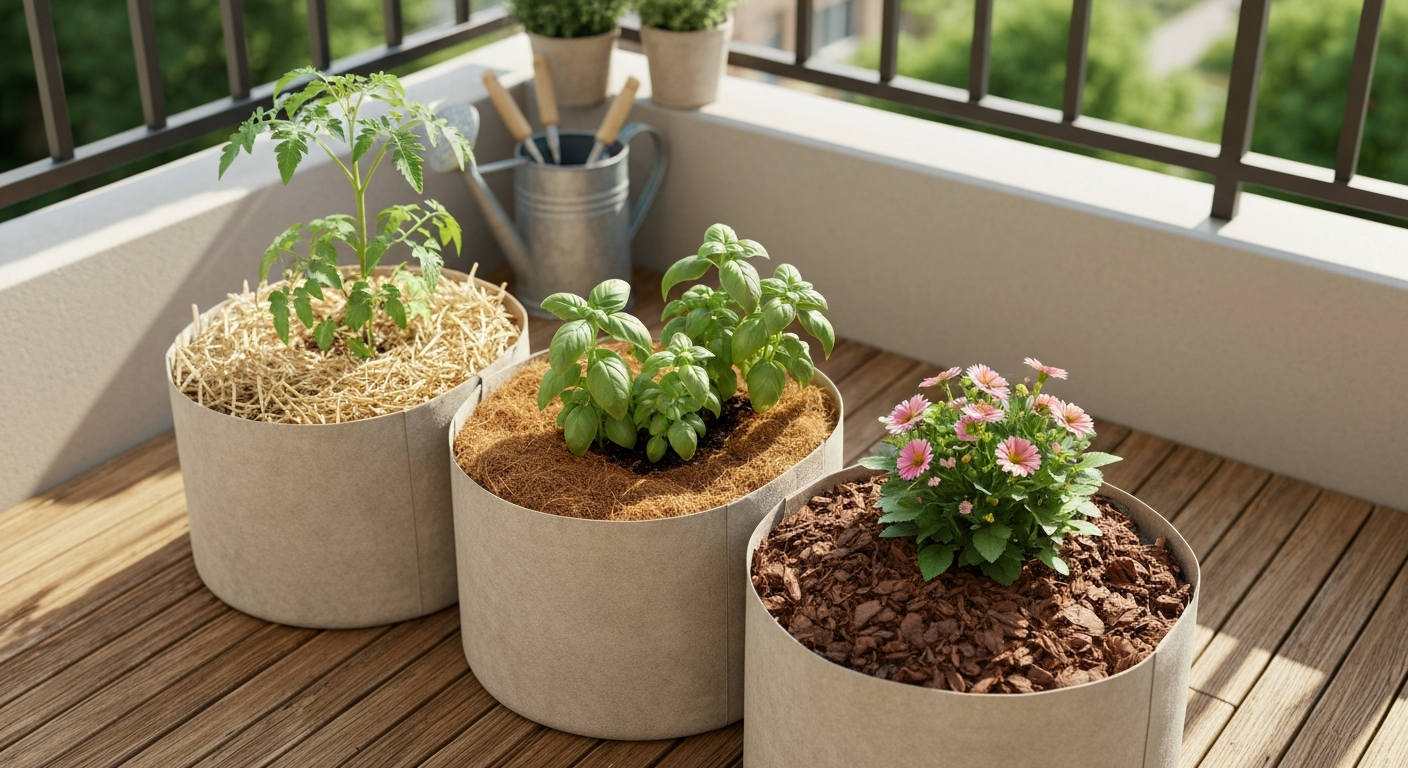
Best Mulch for Grow Bags: Top Picks for Vegetables & Flowers
Find the best mulch for fabric grow bags: top picks, how-to apply, crop & climate advice, and troubleshooting.
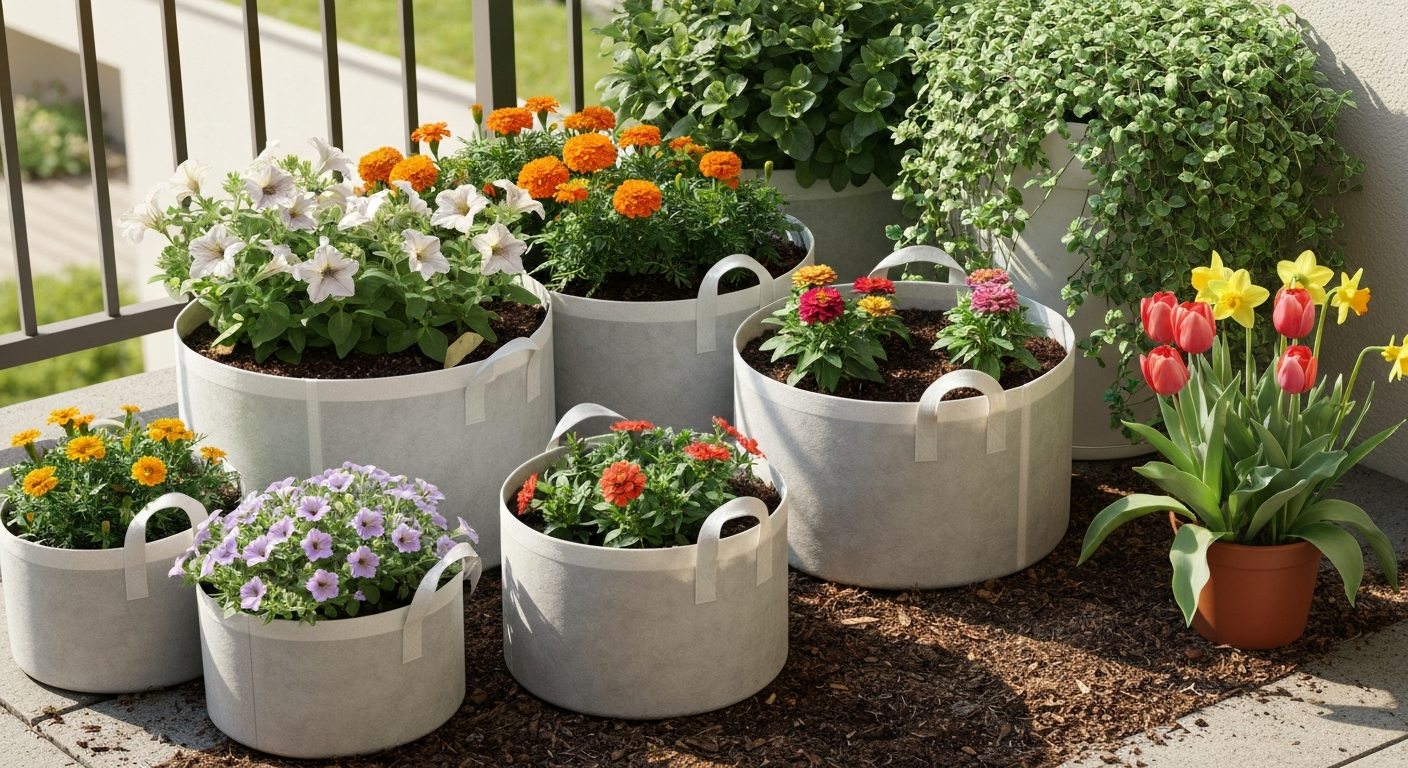
Best Flowers for Grow Bags: Top Picks, Soil & Care Guide DIY
Best flowers for grow bags: top annuals, perennials, bulbs & trailers; soil, fertilizer, planting and care checklists.
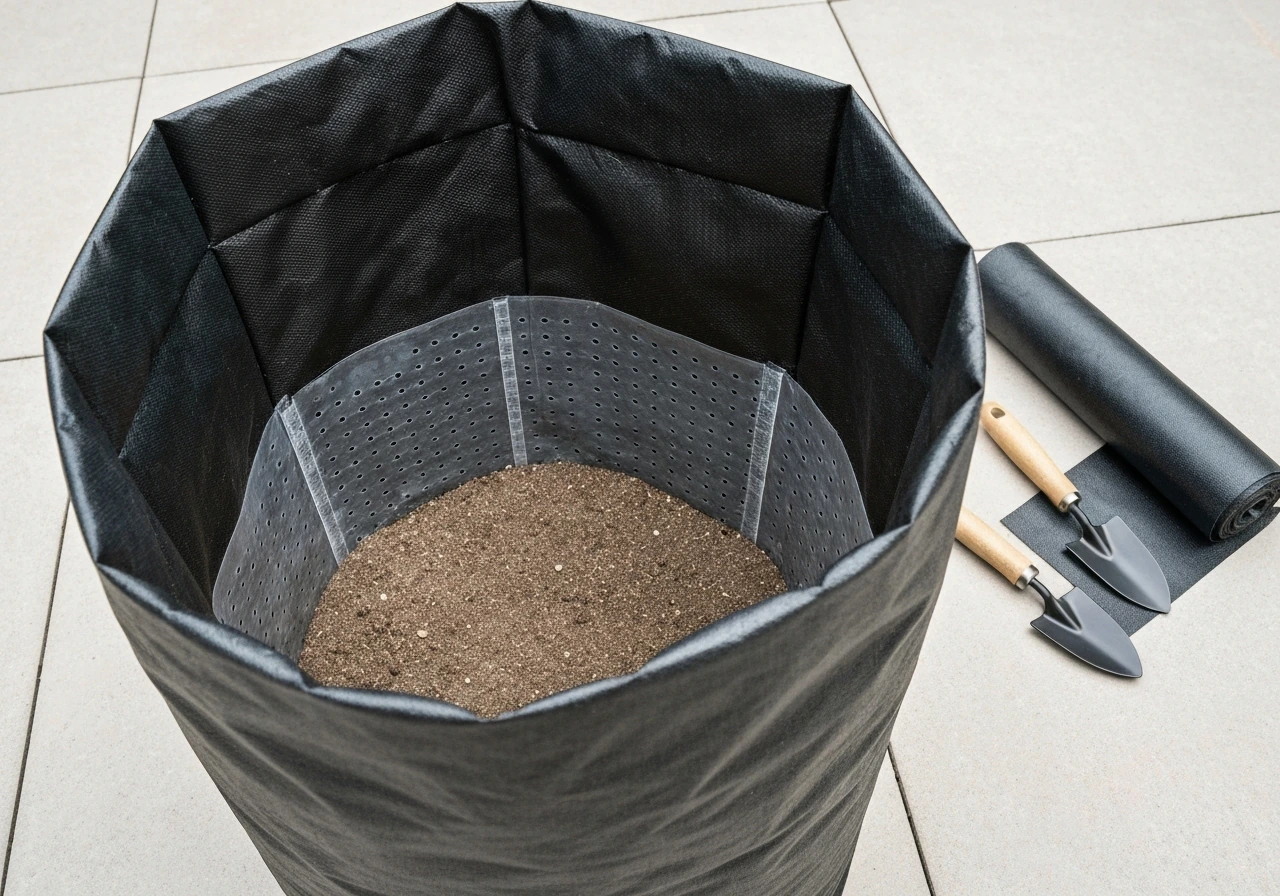
Best Landscape Fabric for Grow Bags: Buy and Install Guide
Choose the best landscape fabric for grow bags with weed-blocking, drainage and aeration tips plus DIY install steps.