You cannot use a fabric grow bag as compost, and a grow bag is not a substitute for compost either. They are two completely different things. A grow bag is a container, and compost is a material you put inside it. That said, the question usually means one of two things: either someone wants to know whether they can fill a grow bag with compost and grow in it (yes, with some caveats), or they want to know whether a grow bag can function as a composting system for breaking down organic waste (technically possible in a limited way, but not practical or efficient). This guide covers both interpretations so you can figure out exactly what to do today.
Can You Use Grow Bags as Compost Instead of Compost?
Marcus Holloway
6 Jun 2026
Grow bags vs compost: what each one really is
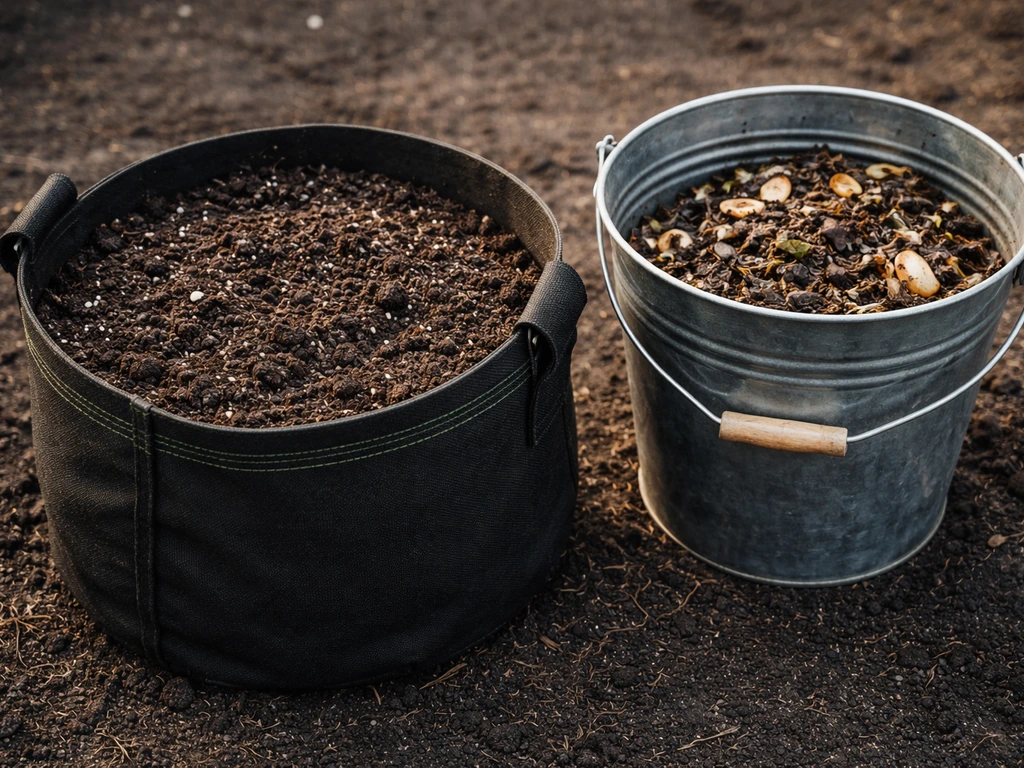
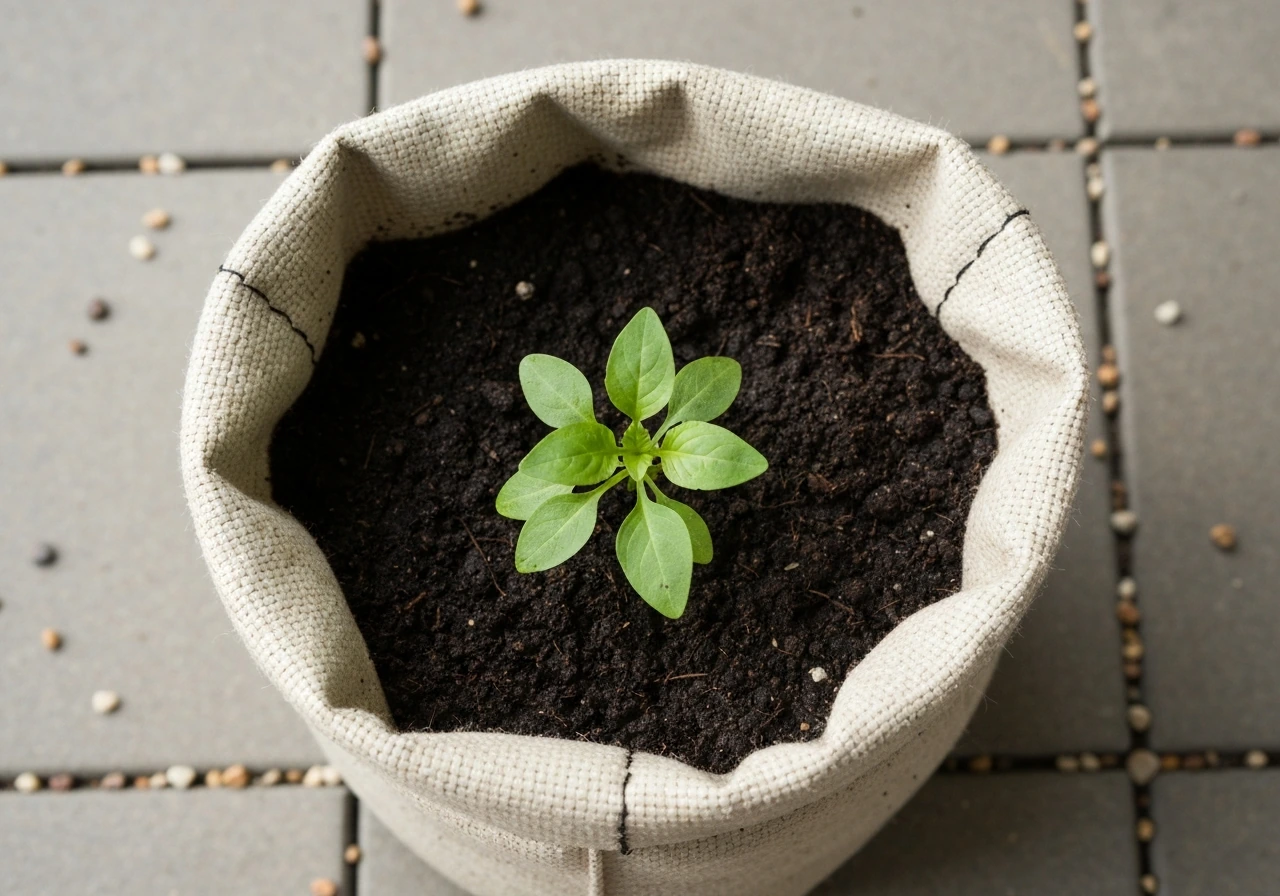
A fabric grow bag is a breathable container, usually made from non-woven polypropylene or felt-like fabric, designed to hold a growing medium while promoting air pruning at the root tips. The fabric lets oxygen reach the roots and prevents circling root growth, which is the core reason growers choose bags over rigid plastic pots. The bag itself does nothing to feed or decompose anything. It is purely a vessel.
Compost is a material produced by the aerobic decomposition of organic matter: food scraps, plant waste, cardboard, and so on. Composting is an active biological process that requires oxygen, moisture in the 40 to 60 percent range, a carbon-to-nitrogen ratio around 30:1, and enough mass (typically a pile 3 to 5 feet wide) to generate the heat needed to kill pathogens and weed seeds. The end product, finished compost, can then be used as an ingredient in a growing medium.
In UK horticulture, the word 'compost' is also used to describe bagged potting or seed-starting mix, which can cause real confusion. When you buy a bag labeled 'multipurpose compost' at a garden center, that is a ready-to-use growing medium, not the same as garden compost you'd make in a heap at home. Grow bags sold specifically for tomatoes and salad crops in the UK are often pre-filled with this kind of material. Understanding this distinction matters, because the advice for each situation is completely different.
Can you use grow bags as compost? The direct answer
No, a grow bag is not compost and cannot replace compost as a material. If you want to keep grow bags over winter, it is better to protect them from freezing and drying, and to avoid using them as composting systems leave grow bags out all winter. If someone asks 'can I use a grow bag instead of buying compost,' the answer depends on what they mean.
If they mean 'can I skip buying a bag of potting compost and just plant directly into an empty fabric bag,' then no, that does not work at all. The bag needs to be filled with something.
If they mean 'can I use a grow bag as the system where I make my own compost from kitchen scraps,' the answer is: sort of, but it is awkward, and you will likely be disappointed with the results unless you manage it carefully.
The core problem with using a fabric grow bag as a composting vessel is oxygen and moisture management. Successful aerobic composting requires oxygen levels above 5 percent in the large pore spaces of the pile. When moisture exceeds about 60 percent, oxygen movement gets inhibited and the process turns anaerobic, which means slow decomposition, bad smells, and no pathogen kill. A grow bag is not designed to be turned, aerated, or monitored the way an active compost pile needs to be. You can dump organic waste into one, but what you will mostly get is a slow, patchy, potentially smelly anaerobic breakdown rather than true finished compost.
The other limit is scale. Compost piles need mass to generate heat. A 3 to 5 foot wide pile is the standard minimum recommendation for thermophilic composting, where temperatures reach around 130 to 160 degrees Fahrenheit (55 to 71 degrees Celsius) long enough to sanitize the material. A typical 5 to 15 gallon grow bag simply cannot hold enough material to sustain those temperatures. Weed seeds and pathogens may survive, which creates problems if you then use that material to grow food.
Can you use a grow bag instead of a compost bin as a container for growing?
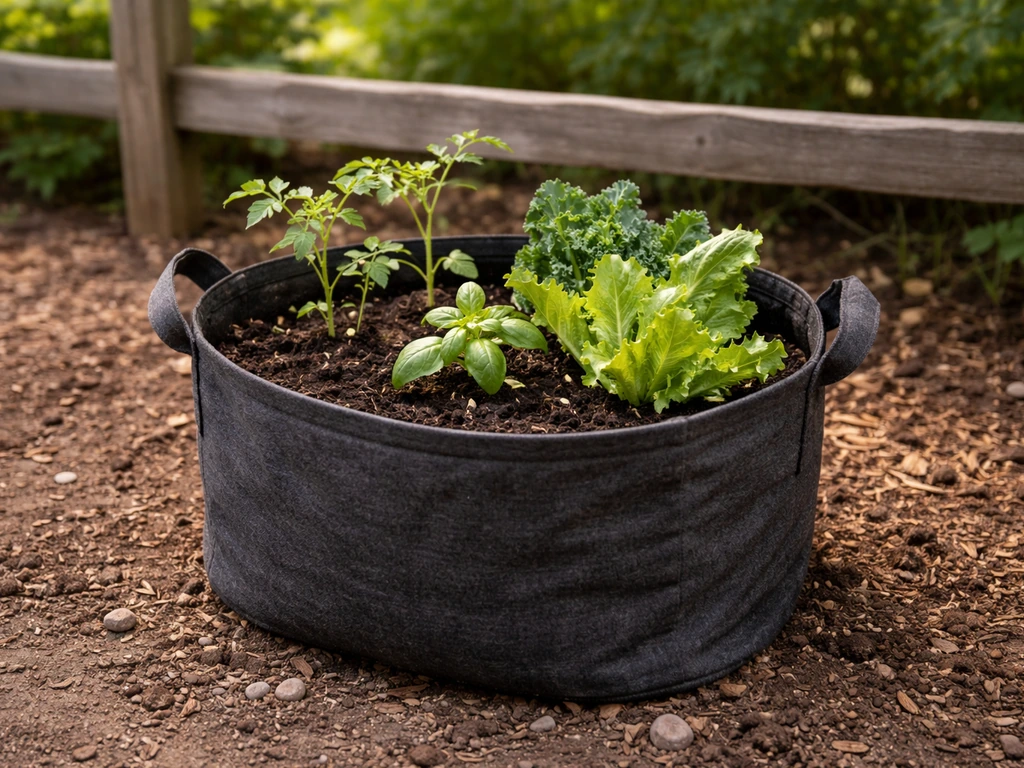
Yes, absolutely. This is exactly what grow bags are for. If your question is really 'can I use a grow bag as a container to grow plants in, instead of buying a traditional planter or raised bed,' the answer is a firm yes, and in many situations a fabric bag outperforms a rigid pot. Because grow bags are designed for plant growing, the compost-style use has different requirements can you use grow bags outside. The breathable walls improve root structure, the drainage is excellent, and the bags are easy to move and store.
Almost anything you would grow in a container works well in a grow bag: tomatoes, potatoes, peppers, herbs, strawberries, dwarf fruit trees, and flowering plants. For mushrooms, the situation is different because mushroom 'grow bags' are a specialized product filled with a pasteurized substrate like straw or wood chips, not general garden compost. Products like the pasteurized straw mushroom grow bag substrate from Exit15 are examples of this specialized, pasteurized substrate concept blank" rel="noopener noreferrer">mushroom 'grow bags' are a specialized product filled with a pasteurized substrate like straw or wood chips. The bag is just the sterile environment for the mycelium to colonize, not a composting system.
The main thing you need to sort out is what to fill the bag with. That is where the compost question becomes genuinely useful.
What to put in a grow bag: compost, mixes, or alternatives
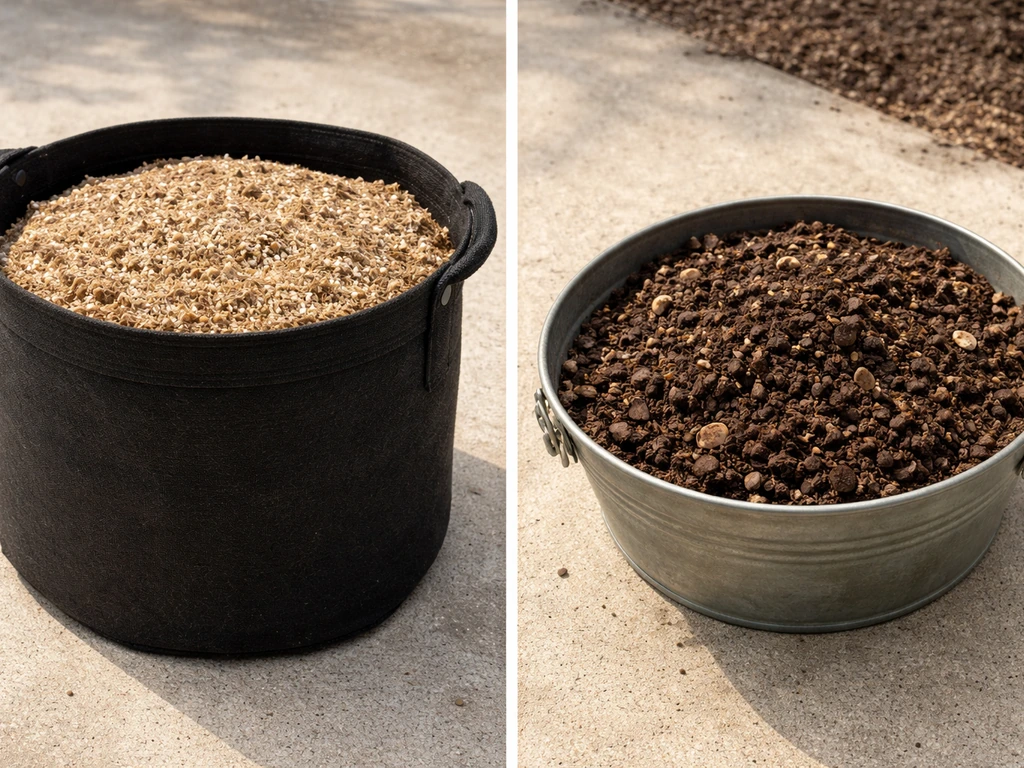
The ideal grow bag fill is a well-structured, lightweight soilless mix, not straight garden soil or raw compost on its own. Avoid using field soil or clay-based soil in any container because it compacts, drains poorly, and can suffocate roots. The standard ingredients in a high-quality container medium are sphagnum peat moss or coconut coir, perlite or vermiculite for drainage and aeration, composted bark or wood chips, and sometimes a small amount of finished compost for organic matter and slow-release nutrition.
Compost can absolutely be part of your grow bag mix, but NC State Extension guidance suggests limiting it to between 15 and 40 percent of the total volume. Many composts have a pH above 7.0, which can cause nutrient lockout in acid-loving plants. Straight compost also holds too much moisture and lacks the pore structure roots need. A well-balanced mix typically aims for a pH around 6.2.
| Growing goal | Recommended fill | Notes |
|---|---|---|
| Vegetables (tomatoes, peppers, potatoes) | Peat or coir + perlite + 20–30% compost + slow-release fertilizer | Tomatoes are heavy feeders; supplement with liquid feed every 1–2 weeks once flowering starts |
| Herbs and salad crops | Multipurpose potting compost or coir-based mix + perlite | Herbs prefer good drainage; avoid mixes that stay wet |
| Flowers | Quality potting mix + 15–25% compost | Include a starter fertilizer; most bagged potting mixes already contain some |
| Dwarf fruit trees | Loam-based mix (e.g., John Innes No. 3 style) + 20% compost | Heavier mix provides stability; top-dress with compost each season |
| Mushrooms | Pasteurized straw or hardwood sawdust substrate | Not standard compost; substrate must be sterilized before inoculation |
If you are making your own mix rather than buying a bagged potting medium, a reliable starting ratio is 50 percent coir or peat, 30 percent perlite, and 20 percent finished compost. Add a slow-release granular fertilizer according to the bag's rate because compost alone rarely provides enough immediately available nutrition for plants in a confined container.
Managing moisture, drainage, and nutrients in your grow bag setup
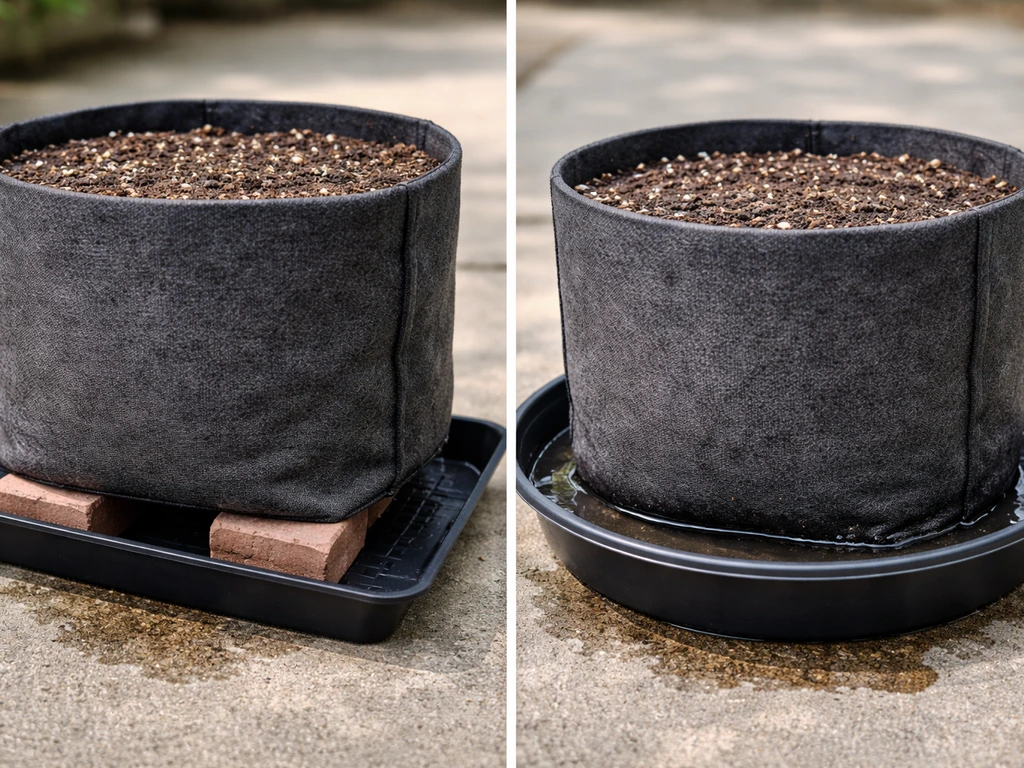
Grow bags dry out faster than rigid pots because the fabric walls allow evaporation from all sides, not just the top. In summer, a 5 gallon bag with tomatoes may need watering every day or every other day. Check moisture by lifting the bag (light means dry) or pressing your finger about an inch into the medium. You want it consistently moist but never waterlogged, roughly the feel of a wrung-out sponge.
Do not sit grow bags in saucers of standing water. That defeats the drainage advantage of the fabric and can cause root rot. If you are on a hard surface, raise the bag slightly or use a saucer that you empty after watering. The fabric is meant to allow excess water to pass through, not to keep roots sitting in it.
Nutrients wash out faster in a grow bag than in ground soil, especially with frequent watering. If your mix includes a slow-release fertilizer, it usually covers the first 4 to 6 weeks. After that, supplement with a balanced liquid feed or a compost tea every 1 to 2 weeks for heavy feeders like tomatoes and peppers. Leafy greens and herbs are less demanding but still benefit from a light feed monthly.
One thing to watch with pre-fertilized potting mixes: if the bag gets very wet early on, the fertilizer can release all at once and concentrate enough to burn young roots. Let seedlings establish for a week or two before heavy watering, and if you are transplanting into a richly fertilized mix, water gently at first.
If you want to compost in a grow bag: do's, don'ts, and realistic expectations
Some people genuinely want to use a fabric grow bag as a small composting vessel, especially if they lack space for a traditional bin. It can work, but with serious limitations you need to go in knowing about.
What can work
- A larger fabric bag (25 to 45 gallons) gives you more mass and better insulation than a small one, improving your chances of getting some decomposition activity
- Layering 'browns' (cardboard, dried leaves, straw) and 'greens' (kitchen scraps, fresh clippings) at roughly a 3:1 brown-to-green ratio by volume helps maintain the carbon-to-nitrogen balance needed for aerobic breakdown
- Keeping the bag in a warm, sheltered spot and watering occasionally to keep the contents damp (not soaking) gives microbes better conditions to work
- Using the fabric bag as a 'cold composting' vessel over several months, then emptying the partially decomposed material into an actual compost heap to finish, is a reasonable middle step if you are short on space
What will not work
- Reaching the thermophilic temperatures (130 to 160°F) needed to kill weed seeds and pathogens: a small bag lacks the insulating mass for this, meaning what comes out may not be safe to use directly on food crops
- Turning the pile properly: composting needs regular aeration to stay aerobic, and a bag is not designed for this; you can stir the contents but it is awkward and limited
- Adding meat, dairy, or cooked food: this attracts pests and creates anaerobic odor problems even faster than vegetable scraps would
- Expecting finished compost quickly: without heat and turning, cold composting in a bag takes 6 to 12 months or longer to produce anything usable
- Using the resulting material directly in another grow bag without testing or aging it further: unfinished compost can burn roots and may contain viable pathogens or weed seeds
If you are seriously interested in composting at home rather than just container growing, a dedicated compost bin or heap is the better tool. Grow bags are worth it for growing, not for waste processing. That said, if you have an old grow bag that has reached the end of its useful growing life, using it as a temporary cold-compost collection vessel before transferring to a proper heap is a perfectly sensible way to extend its use.
Quick troubleshooting and next steps for getting results fast
If you are trying to grow plants in a grow bag and your results have been poor, the problem is almost always one of three things: the wrong fill material, inconsistent moisture, or running out of nutrients mid-season. Here is a fast diagnostic and fix for each.
| Problem | Likely cause | Fix |
|---|---|---|
| Plants are wilting despite watering | Mix is too dense and holding moisture unevenly, or bag is waterlogged from sitting in a tray | Check the mix structure; add perlite if it feels heavy and compacted; empty any standing water under the bag |
| Yellowing leaves after first few weeks | Nutrients exhausted in starter mix | Begin a weekly liquid feed with a balanced fertilizer (e.g., 10-10-10 or a tomato-specific feed) |
| Slow growth from the start | Mix is mostly raw compost or poor-quality fill with no structure | Replace or dilute with a proper soilless mix; add perlite at 20–30% of total volume |
| Bad smell from a composting grow bag | Anaerobic conditions from excess moisture or wrong materials | Add dry carbon material (shredded cardboard, dry leaves), stir if possible, and move to a sunnier spot to aid drying |
| Trying to compost in a bag but nothing is breaking down | Too dry, or too cold, or pile is too small to generate activity | Add moisture, ensure a mix of greens and browns, and accept that results will be slow without turning and pile mass |
If you are just getting started with grow bags, buy a quality bagged potting mix or make your own coir-perlite-compost blend, choose the right bag size for what you are growing (at least 5 gallons for most vegetables, 10 to 15 for tomatoes and potatoes), and plan your watering and feeding schedule before you plant. Getting those basics right will take you most of the way to a successful harvest without needing to overthink the composting side of things.
For growers thinking longer term, it is worth considering how long your bags will last and whether the same bags can be reused next season, since both affect how you manage and refresh your growing medium year to year. If you are trying to estimate how long do grow bags last in real conditions, look at the fabric type, how often you water, and whether the bag gets full sun exposure how long your bags will last. The relationship between what you fill your bags with and how that material performs over multiple growing seasons is worth planning for, especially if you are investing in larger or more expensive bags.
FAQ
Can I put kitchen scraps directly into a grow bag to make compost faster?
You can add scraps to a grow bag, but it is not true composting. Without turning, consistent aeration, and enough mass, it often becomes slow, smelly, and uneven (more anaerobic breakdown than finished compost). If you try it, use it only as a temporary collection step, then transfer the contents to a proper compost bin or heap to complete the process.
Will using a grow bag for compost kill weeds and pathogens?
Not reliably. Thermophilic composting needs enough volume for sustained heat, the typical guideline being a pile about 3 to 5 feet wide. Most grow bags (even 5 to 15 gallons) do not generate or hold that heat, so weed seeds and pathogens may survive.
If my grow bag “compost” looks dark and crumbly, is it finished compost?
Not necessarily. Visual breakdown can happen even when conditions were too wet or too oxygen-poor for active aerobic composting. If it still smells sour or putrid, or contains recognizable food bits, treat it as not-finished and blend it into a real compost pile to mature further.
Can I use garden compost or raw compost straight inside a grow bag for planting?
Usually no. Straight compost can be too dense and moisture-holding for containers, and many composts are higher in pH than ideal for vegetables. A better approach is to mix compost into a soilless container medium (for example, coir or peat plus perlite, then a limited portion of compost) rather than using it alone.
What percent compost is safest to put in a grow bag planting mix?
As a practical ceiling, keep compost as a minority ingredient (commonly in the range of 15 to 40 percent by volume). If you are using pH-unknown compost, start on the lower end, especially for acid-loving crops like tomatoes are less tolerant of high pH than leafy greens.
How do I prevent root burn if my grow bag mix already has compost?
Avoid heavy watering immediately after transplanting into a rich mix, and consider using a slow-release fertilizer rather than relying on compost for early feeding. If the mix came pre-fertilized, give seedlings a week or two to establish before you increase watering and feeding intensity.
Do grow bags need a different compost-style mix than raised beds or in-ground gardening?
Yes. Containers behave like a closed system, nutrients wash out faster, and air space is critical for roots. Even if your in-ground recipe works, you will usually need more perlite or aeration and a controlled nutrient source when using grow bags.
Can I reuse the same grow bags next season if I used compost in the mix?
You can reuse the bags, but you should refresh the medium. Typically, you remove most of the spent mix, then top up with a new component or rebuild with a fresh coir or peat base plus a limited amount of compost. Also inspect the fabric for thinning or pinholes, since damaged fabric can alter drainage and drying speed.
What is the best use for an old grow bag that is no longer good for growing?
A sensible option is to use it as a temporary cold-compost collection container, then empty it into a proper bin or heap to finish composting. This extends the bag’s usefulness without expecting it to function like a properly managed compost system.
How can I tell if my grow bag mix is too wet when using compost?
Check moisture by feel (aim for consistently moist, not waterlogged) and ensure free drainage. If the mix stays wet for long periods, compacts, or smells sour, reduce the compost fraction and increase aeration (more perlite) so oxygen can reach roots.
Next Articles
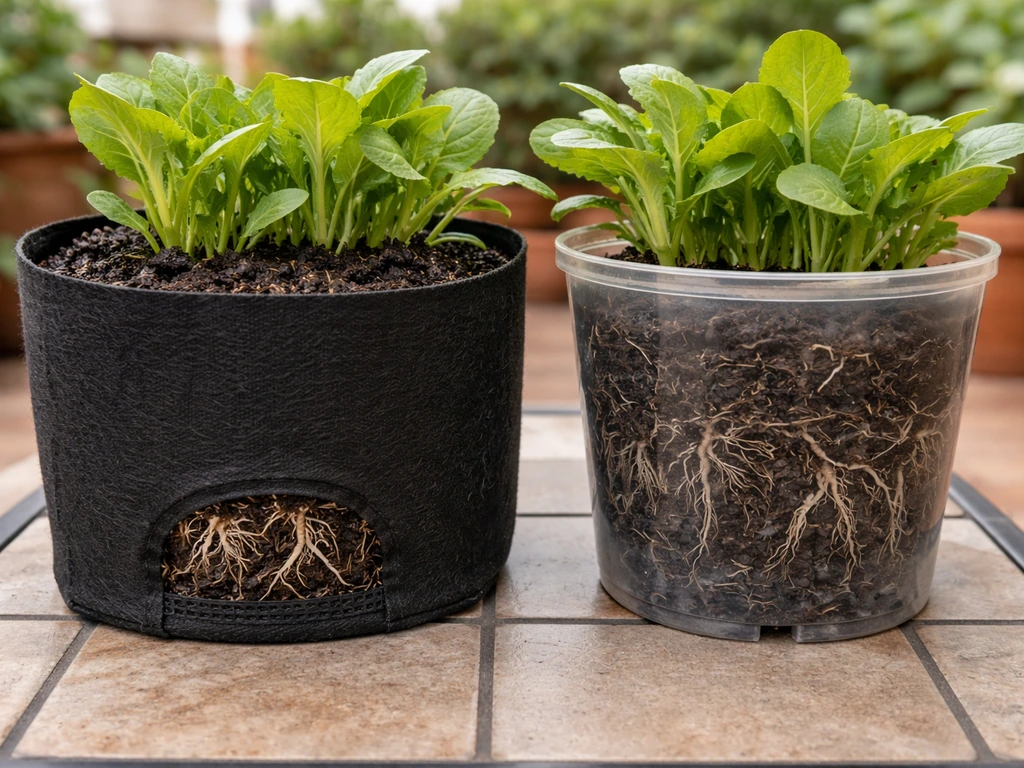
Are Grow Bags Worth It? When They Work and When They Don’t
See when grow bags are worth it: fabric drainage, root health, yields, watering needs, and setup tips for veggies, flowe
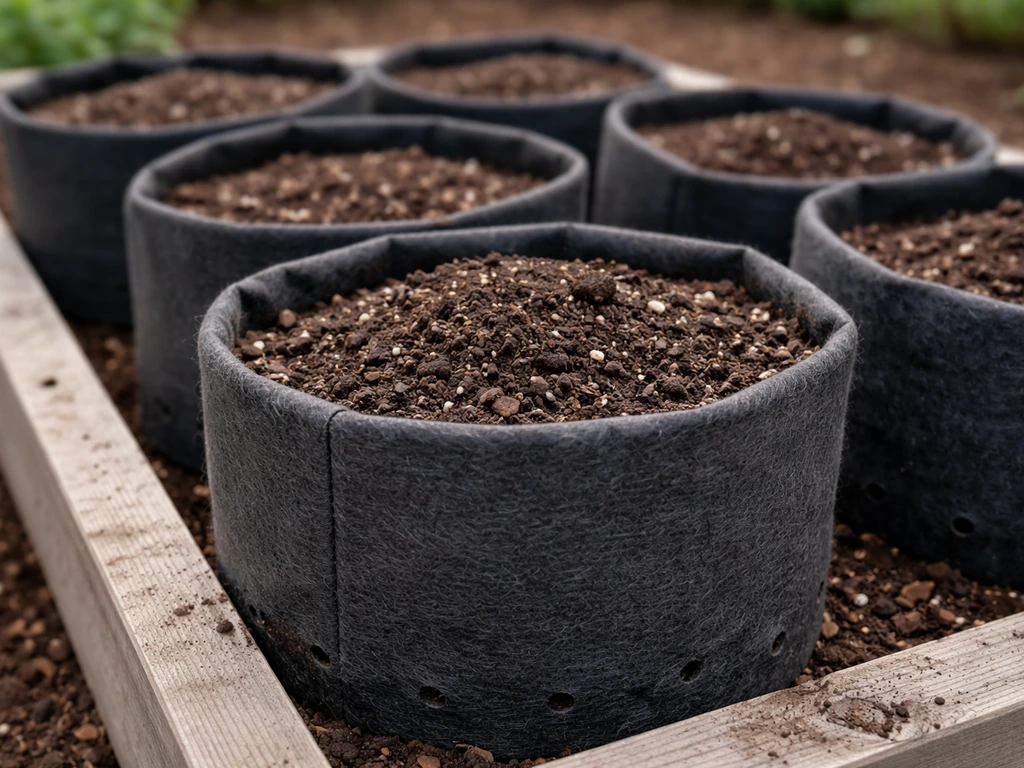
Can You Reuse Grow Bags? Safe Steps and Soil Advice
Learn if you can reuse grow bags safely, how to clean fabric bags, refresh soil, and handle pests or disease risks.
Are Grow Bags Reusable? How Many Seasons and How to Reuse
Learn how many seasons fabric grow bags last, if they’re reusable or biodegradable, and how to clean, sanitize, and reti