Yes, fabric grow bags are reusable. Most quality bags from reputable brands will give you 3 to 5 growing seasons with reasonable care, and some hold up even longer. But there are real limits, material differences matter, and the word "biodegradable" gets thrown around loosely in this space. Here is a straight answer to all of it, plus exactly what to do between crops to get the most out of the bags you already own.
Are Grow Bags Reusable? How Many Seasons and How to Reuse
Marcus Holloway
15 Apr 2026
What 'reusable' really means for grow bags
When someone says a grow bag is reusable, they mean it can be emptied, cleaned, stored, and refilled for another crop. In practice, how long grow bags last comes down to the quality of the fabric, the stitching, and the handles, and how hard those components get worked across seasons.
A solid fabric grow bag from a reputable brand can easily last 3 to 5 seasons. The failure points are predictable: seams fray, handles pull away from the body of the bag, and the drainage fabric at the base can wear out or become chronically clogged even after cleaning. You might also notice the fabric itself thinning, especially if it has had prolonged exposure to intense sunlight.
Several things accelerate wear faster than normal use. UV exposure is a big one. Bags left in full sun year-round degrade noticeably faster than those stored indoors between seasons. Constant wet-dry cycling stresses the fabric and stitching over time. Aggressive liquid fertilizers, especially high-salt synthetic feeds applied frequently, can break down fabric fibers and clog the pore structure that makes these bags work. And plant roots, particularly from vigorous crops like tomatoes or perennials, can push through stitching at the base if the bag stays damp for long periods.
Are grow bags actually biodegradable? A material-by-material reality check
Here is where marketing and reality split. Most fabric grow bags sold for home gardening are made from nonwoven polypropylene (PP), which is a plastic. Some use recycled PET (plastic bottles), and a smaller number use natural fibers like jute, coir, or felt made from wool. Each material behaves very differently when it comes to biodegradability.
| Material | Biodegradable? | Typical Lifespan | Notes |
|---|---|---|---|
| Nonwoven polypropylene (PP) | No | 3–7+ seasons | Most common; durable but petroleum-based plastic |
| Recycled PET fabric | No | 3–5 seasons | Made from plastic bottles; more sustainable sourcing but still plastic |
| Jute / burlap | Yes | 1–2 seasons | Breaks down in soil; not ideal for reuse |
| Coir fiber | Yes | 1–2 seasons | Naturally compostable; limited reuse potential |
| Wool felt | Yes (slow) | 2–3 seasons | More durable than jute; does eventually biodegrade |
Polypropylene bags are by far the most popular, and they are genuinely not biodegradable. They will sit in a landfill for a very long time. Some bags are marketed as "eco-friendly" or "biodegradable" but use polypropylene with an oxo-degradable additive, which just breaks the plastic into smaller fragments. That is not the same as biodegrading. If true biodegradability matters to you, look for bags explicitly made from jute, coir, or certified compostable materials, and understand you are trading longevity for end-of-life impact.
There is also a meaningful difference between what a grow bag is made from and what it is filled with. The difference between grow bags and compost is often confused by newer growers, partly because both terms get used loosely. The bag itself is the container; the growing medium inside is a separate question entirely.
Eco-friendly vs. actually low-impact: how to think about the life cycle
"Eco-friendly" is a marketing term. Life-cycle impact is the more useful frame. A polypropylene grow bag that you reuse for five seasons and then repair with a needle and thread is genuinely lower impact than a "natural" jute bag you buy every single year. The math on plastic versus natural materials gets complicated fast when you factor in manufacturing energy, shipping, water used in washing, and landfill versus compost at end of life.
The most environmentally sound approach for most home growers is to buy the highest-quality bag you can afford, care for it properly, reuse it as many seasons as possible, and then find the best disposal route at end of life. Dumping a polypropylene bag after one season because you did not bother cleaning it is the worst possible outcome, ecologically and economically.
If you are using your bags outdoors year-round, material durability is especially important. Using grow bags outside puts them through more UV stress and weather cycling than indoor setups, so UV-treated or UV-resistant fabric matters more than the label on the bag. Some manufacturers spec their fabric as "UV-resistant flash-spun nonwoven," which is worth looking for if you are buying new bags intended for permanent outdoor use.
How to clean and sanitize grow bags between crops
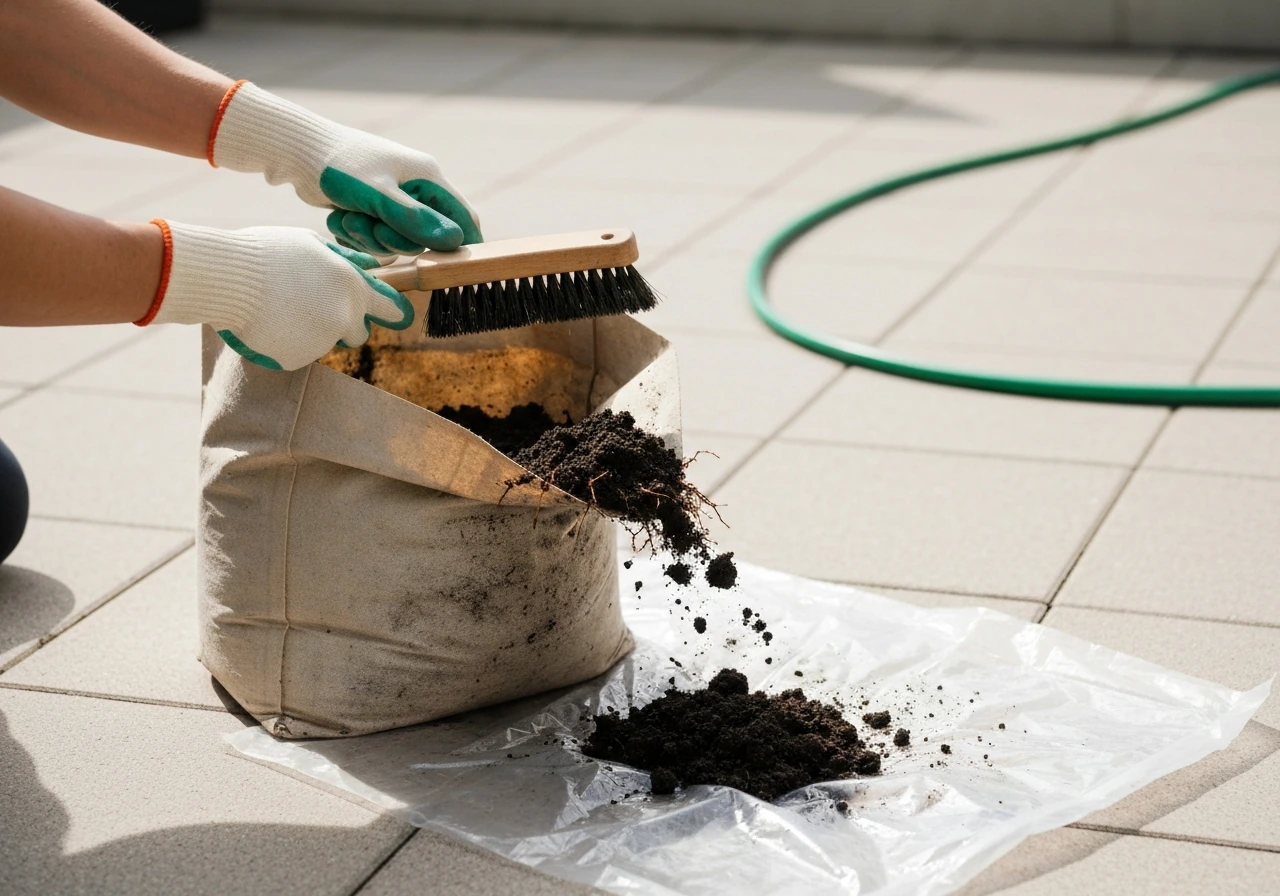
Cleaning your bags properly between seasons is what actually makes reuse safe. Oregon State University’s Safe Production guidance also emphasizes washing containers first to remove media and debris, and notes that disinfectant effectiveness depends on proper contact time Cleaning your bags properly between seasons is what actually makes reuse safe.. Used grow bags carry residual fungal spores, bacteria, insect eggs, and root debris. Skipping this step and just refilling with fresh soil is how you transfer disease from one crop to the next.
- Empty the bag completely. Shake out as much growing medium as possible and check the base for compacted root mats. Remove them by hand.
- Rinse with a garden hose. A strong spray from the inside out pushes debris through the fabric pores. Do this until the water runs clear.
- Hand-wash with a mild cleaning solution. A dilute bleach solution (1 part bleach to 9 parts water) or a hydrogen peroxide spray works well. Work the fabric gently, paying attention to seams and the base. Avoid harsh scrubbing that can damage fabric fibers.
- Rinse thoroughly. Any residual bleach or cleaning agent can harm your next crop's root zone. Rinse until you smell nothing.
- Dry completely before storage. This is the most important step. Set bags on pavers, a plant stand, or a drying rack where air can circulate on all sides. Folding a damp bag away is an invitation for mold and mildew.
- Store in a cool, dark, dry location. UV exposure during storage degrades the fabric even when there is no soil in it. A shed, garage, or storage bin works well.
If you are growing anything particularly disease-susceptible, like brassicas or nightshades that had visible pest or disease issues during the season, consider a longer soak in your bleach solution and a second rinse cycle. If you need to disinfect outdoor grow bags, follow Crevin’s care and cleaning guidance for applying a blank" rel="noopener noreferrer">bleach solution and then doing a second rinse cycle. For mushroom cultivation specifically, reuse is a much more sensitive topic because contamination can wipe out an entire batch. If you are exploring that use case, read up separately on whether you can reuse grow bags for specialty crops before assuming standard cleaning is sufficient.
When to stop reusing and what to do with an old bag
There are clear signs that a bag has reached the end of its useful life. Do not talk yourself into one more season if you are seeing these.
- Fraying seams or handles that are pulling away from the body of the bag
- Fabric that tears or develops holes under normal handling
- Poor drainage even after thorough cleaning, which suggests the pore structure is permanently clogged or the base fabric has failed
- A persistent musty smell after washing and drying, which indicates deep mold colonization in the fabric fibers
- Visible thinning or stiffening of the fabric where UV degradation has occurred
If you are leaving bags out through cold months, that also accelerates the deterioration timeline. Leaving grow bags out all winter can stress seams through freeze-thaw cycles and leave fabric brittle by spring, so factor in your climate when estimating how many seasons you will realistically get.
For disposal, the options depend on material. Natural fiber bags (jute, coir) can go into a compost pile or be buried in a garden bed where they will break down over a season or two. Polypropylene bags cannot be composted. Some municipal recycling programs accept PP plastics, so check locally before landfilling. A creative alternative: worn-out polypropylene bags with failing drainage but intact sides can be repurposed as storage, as liners for raised beds, or cut into weed-suppression strips. If the bag is truly done, using grow bag material as compost liner is one option worth considering to squeeze out one final use before disposal.
Choosing the right grow bag based on how you plan to use it
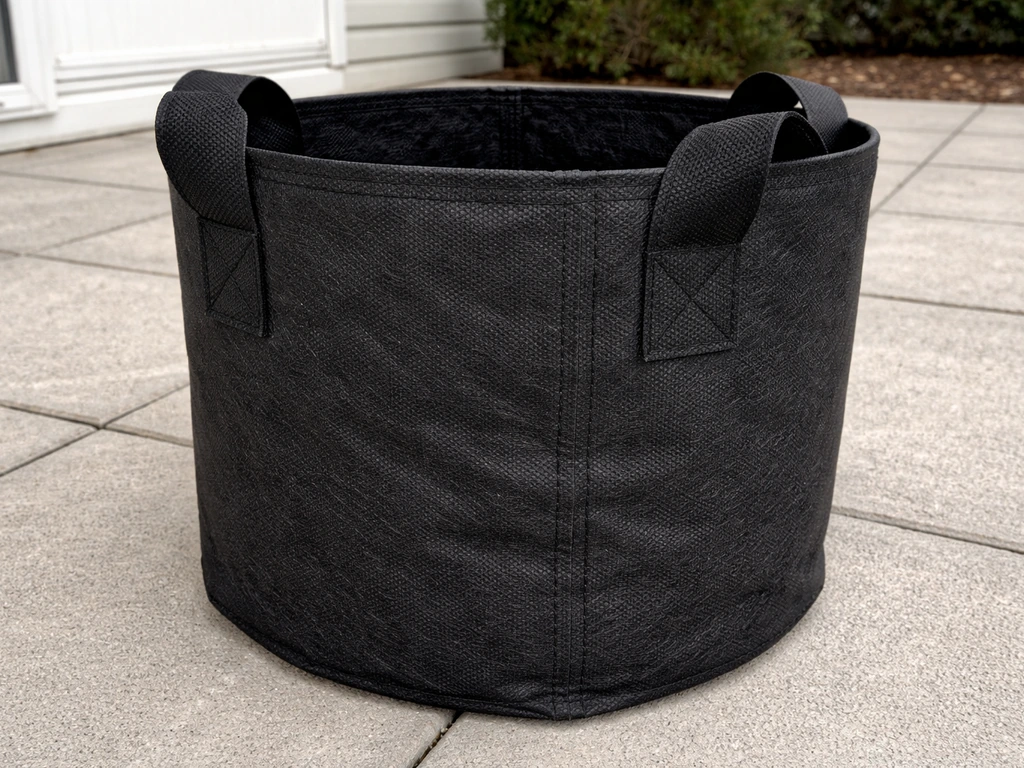
Not every growing situation calls for the same bag. Here is how to match the bag to your priorities.
If maximum reusability is your priority
Look for thick nonwoven polypropylene (usually 300 gsm or higher), reinforced handles, double-stitched seams, and UV-treated fabric. Lined grow bags with a UV-treated liner give extra protection and are worth the premium if you plan to use the same bags for 4 or more seasons. Avoid very cheap, thin bags sold in bulk, even if the price per bag looks attractive. They rarely survive more than two seasons and often fail at the handles first.
If you are growing vegetables or flowers
Heavy feeders like tomatoes, peppers, and squash do best in 5-gallon bags or larger, and the aggressive root systems mean you want strong seam construction at the base. For flowers, the material question is less about root stress and more about aesthetics and portability. Using grow bags for flowers works especially well with fabric that breathes well and a size that allows you to move pots around for sun optimization, typically 2 to 5 gallons for most annuals.
If you are growing trees or long-lived plants
Trees and shrubs that stay in the same bag for multiple years put constant stress on seams and handles. Go with the heaviest gauge fabric available, at least 300–400 gsm, and prioritize bags with welded or double-stitched reinforced handles. UV resistance is critical here since the bag will be in sun continuously for years.
If you are growing mushrooms or specialty crops
Reuse is much harder to do safely for mushroom cultivation because contamination risk is high and standard cleaning protocols may not be sufficient to sterilize fabric at the microbial level. Many serious growers treat mushroom grow bags as single-use. If reuse matters, consider whether a different growing container is more appropriate for that specific crop.
Is the whole thing worth it?
Fabric grow bags genuinely earn their keep when you treat them as a multi-season investment rather than a disposable product. The air-pruning root zone benefit, the drainage advantage over plastic pots, and the flexibility of moving bags around all hold up across multiple crops. Whether grow bags are worth it depends partly on how you manage them, and the difference between someone who gets two seasons from a bag and someone who gets five is almost entirely cleaning and storage discipline, not the bag itself.
Buy quality, clean thoroughly, dry completely, store out of UV, and retire bags on the signs above. Do that, and you will get every season of value the material can offer, while keeping your plants healthy and your soil free from season-to-season contamination.
FAQ
Can I reuse a grow bag for a different crop than the one it held before?
Yes, but only if the bag was cleaned and fully dried between crops. If the previous crop had visible pests or disease, switch to a stronger disinfection routine and consider retiring the bag sooner, because repeated infestations usually damage the base drainage and seams first, making safe reuse harder.
Is it safe to reuse grow bags indoors if they stayed dry most of the time?
Often yes, because the wet-dry cycling that stresses fabric is reduced. Still, you need to remove root debris and residual material and let the bag dry completely, since fungal spores and insect eggs can remain even when plants seemed “healthy” toward the end of the season.
What’s the biggest mistake people make when trying to get more seasons from grow bags?
Skipping thorough cleaning and just topping off with fresh potting mix. That transfers disease and pest eggs and can also leave nutrient-salt residues that keep clogging the base drainage fabric over time, which then looks like “the bag is bad” rather than “the bag was never decontaminated and flushed.”
How do I know whether my grow bag is starting to fail before it looks obviously damaged?
Check the handles and base first. If the handles loosen, seams show fraying at the stress points, or water starts to pool longer than it used to, the drainage fabric is likely degrading. Thinning fabric that becomes translucent in bright sun is another early indicator.
Should I store grow bags empty, or can I store them filled with soil for the next season?
Store them empty (and dry) to prevent mold, odors, and microbial buildup. If you must keep soil in them temporarily, treat it like a storage system, not a “bag of convenience,” and be aware that salts and clinging roots can create stubborn contamination in the fabric pores.
Can I reuse grow bags if I used high-salt fertilizers?
You can, but expect faster wear and more frequent drainage clogging. Use a thorough rinse or soak step that flushes salts through the base, and if you see persistent slow drainage even after cleaning, retire the bag instead of continuing to grow in it.
How should I handle grow bags that were left outside during winter?
Plan for shorter lifespan. Freeze-thaw cycles can make fabric brittle and weaken seam areas, even if the bag looks fine. If you notice cracking, stiffness, or seam separation after cold weather, reduce reuse expectations and consider replacing.
Are “biodegradable” grow bags reusable the same way as non-biodegradable ones?
Not necessarily. Many products labeled eco-friendly use plastic formulations or additives that fragment rather than fully biodegrade. Reuse depends on the actual fiber or polymer makeup, so if you care about end-of-life, verify it is made from true natural fibers or certified compostable materials rather than assuming the label guarantees it.
What’s the safest reuse approach for bags used for disease-prone crops like brassicas or nightshades?
Use a longer soak and a second rinse cycle, then dry completely before refilling. Also consider that even perfect cleaning may not fully restore base drainage if it has been repeatedly damp or clogged, so monitor pooling and thinning closely, and retire earlier if problems recur.
Can I disinfect and reuse a grow bag for mushrooms?
Reuse is much higher risk for mushrooms because contamination can ruin an entire batch. If you are determined to reuse, don’t assume “standard cleaning” is enough, and consider treating mushroom grow bags as single-use unless you have a dedicated sterilization protocol appropriate for that system.
If the grow bag is no longer reusable for growing, can I repurpose it for other tasks?
Yes, especially if the sides are still intact. Common repurposes include storage liners, raised-bed liners, or cutting strips for weed suppression. If the base drainage fabric is the failing point, you still may get value from it for non-drainage uses.
Do I need to replace the entire growing medium between seasons, or can I reuse some soil?
Reuse of the bag does not automatically mean the medium is safe. In most cases you should discard old soil and replace with fresh mix, because residues, roots, and pathogens build up in the growing medium even when the bag is cleaned.
Next Articles
How Long Do Grow Bags Last and How to Make Them Last Longer
Fabric grow bag lifespan, what shortens it, and step-by-step care, cleaning, storage, and end-of-life tips.
Best Mulch for Grow Bags: Top Picks for Vegetables & Flowers
Find the best mulch for fabric grow bags: top picks, how-to apply, crop & climate advice, and troubleshooting.
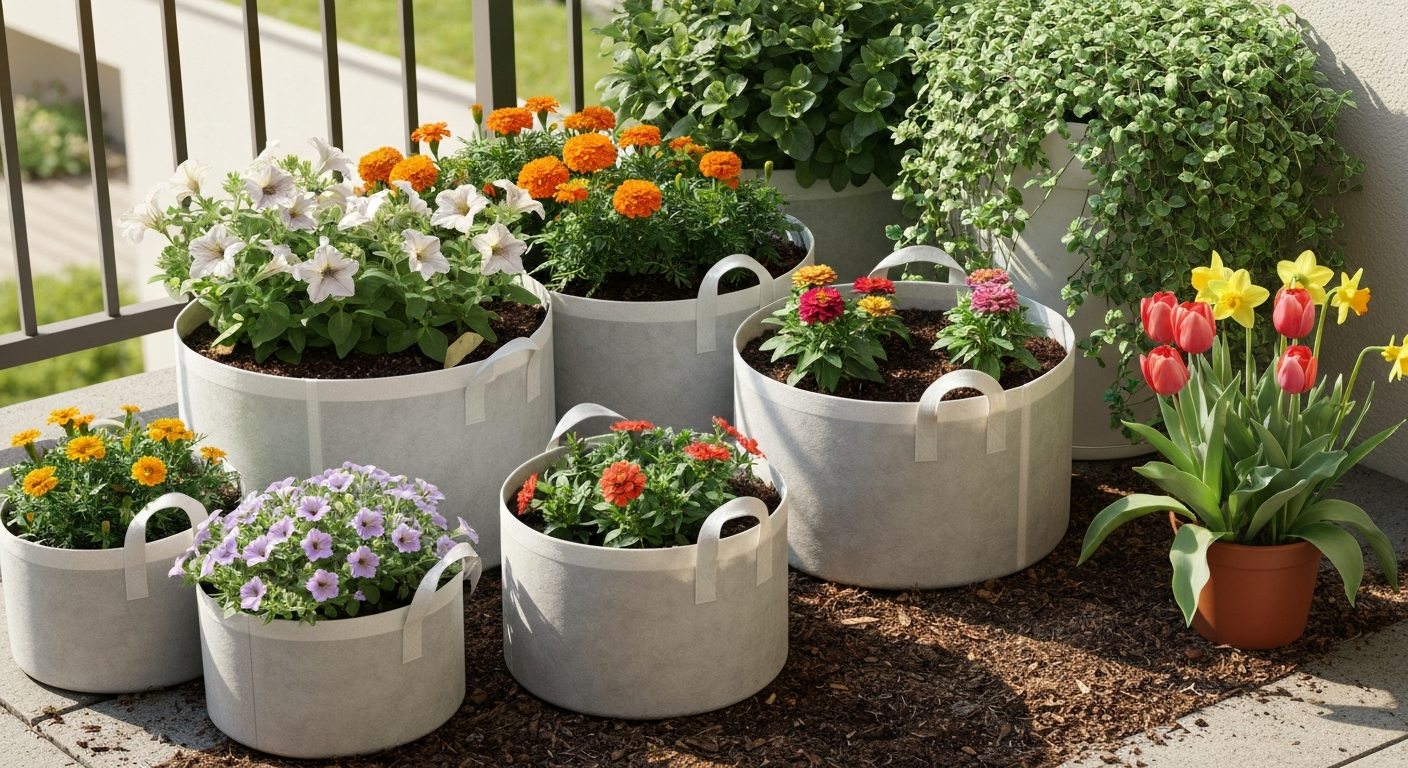
Best Flowers for Grow Bags: Top Picks, Soil & Care Guide DIY
Best flowers for grow bags: top annuals, perennials, bulbs & trailers; soil, fertilizer, planting and care checklists.