
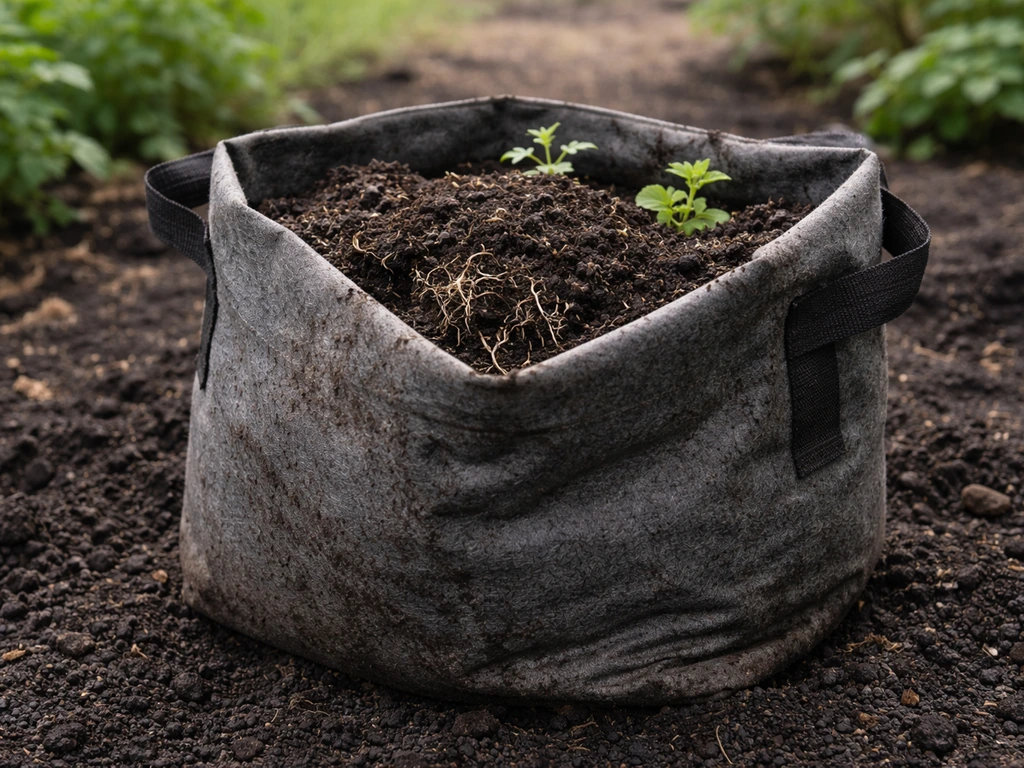
A quality fabric grow bag, used and stored with reasonable care, will typically last anywhere from 3 to 7 years for most home growers. Some bags push past a decade. Others fall apart after a single season. That range isn't vague, it reflects real differences in material, construction, how hard you're pushing the bag, and whether you take a few basic care steps. The good news is that the factors that shorten bag life are almost entirely within your control.
How Long Do Grow Bags Last and How to Make Them Last Longer
Marcus Holloway
10 Apr 2026
Typical lifespan of fabric grow bags
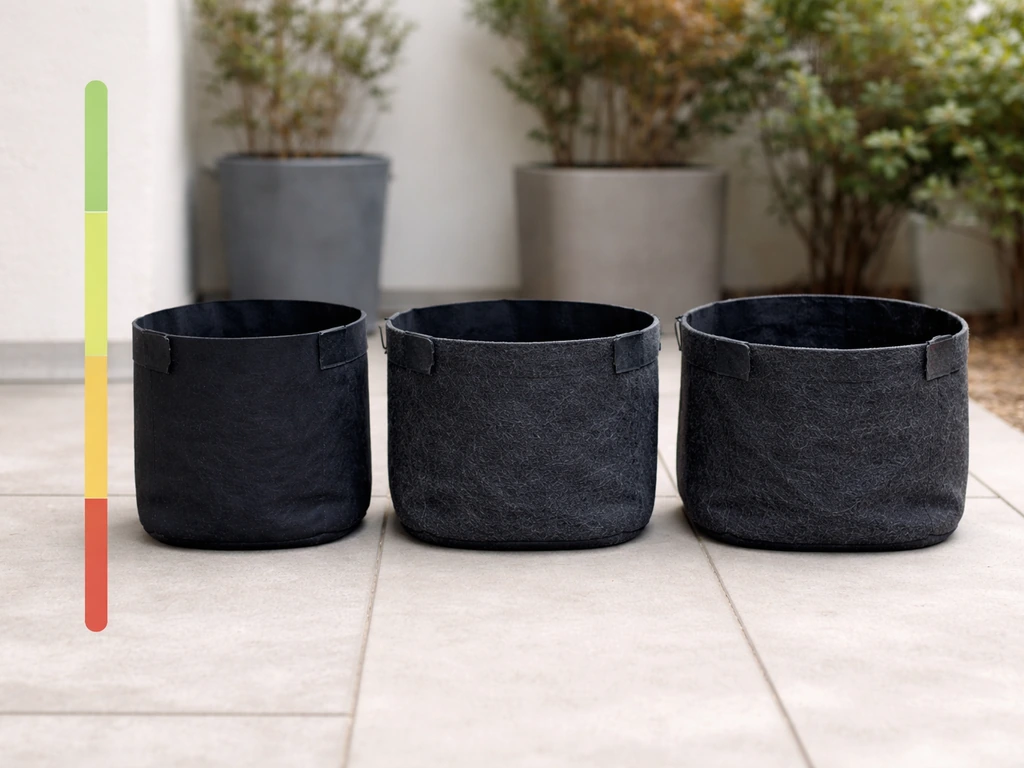
Most fabric grow bags sold for home growing are made from nonwoven polypropylene geotextile, the same general material class used in civil engineering and landscaping applications. In those contexts, geotextile fabrics are rated for service lives ranging from 25 years in medium-term outdoor applications to over 100 years when buried and shielded from UV and oxidation. That context matters because it tells you the underlying material, when it's protected, is genuinely durable. The reason your grow bag probably won't see 25 years isn't the fabric itself, it's everything else: UV exposure, repeated wet-dry cycles, physical stress from roots and soil weight, and the fact that grow bags spend a lot of their life sitting in full sun.
In practical home growing terms, here's a realistic lifespan breakdown by bag quality tier:
| Bag Quality Tier | Typical Lifespan | Example Use |
|---|---|---|
| Budget (thin, light PP, no UV treatment) | 1–2 seasons | One-off vegetable crops, trial growing |
| Mid-range (standard nonwoven, basic seams) | 3–5 years | Annual vegetables, herbs, flowers |
| Heavy-duty (thick fabric, reinforced seams, UV-stabilized) | 5–10+ years | Perennials, small trees, intensive reuse |
| Premium/branded (e.g., Smart Pots, Root Pouch) | 7–12+ years | Long-term container plants, repeated seasons |
These ranges assume reasonable seasonal care. Push a budget bag into year-round outdoor use without ever drying or storing it, and it won't make it to year two. Treat a mid-range bag well and it can outlast some plastic pots.
What actually shortens (or extends) a grow bag's life
Fabric type and thickness
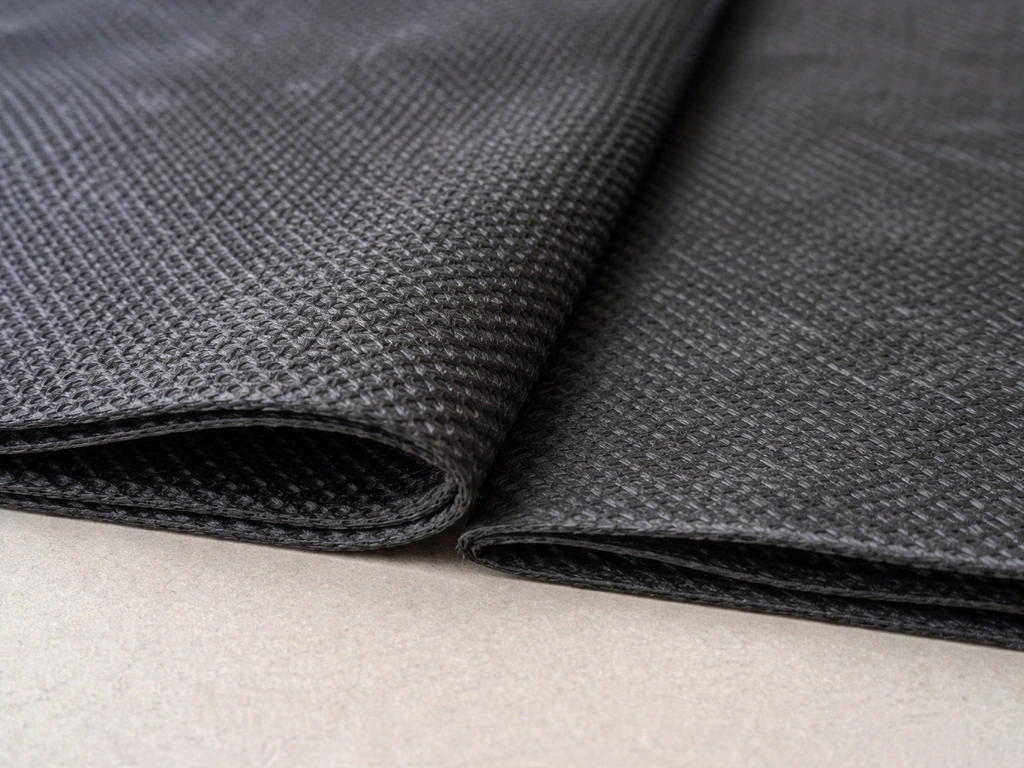
Not all grow bag fabric is equal. Thicker nonwoven polypropylene (measured in grams per square meter, or GSM) holds up better under root pressure, soil weight, and repeated handling. A 300 GSM bag is noticeably more durable than a 100 GSM bag. Woven polypropylene bags are a different story, they're often cheaper and lighter, but the woven structure can unravel at cut edges and is more vulnerable to abrasion. If you're buying bags you plan to reuse for years, look for nonwoven fabric with a listed GSM of at least 200–300 and UV stabilization noted on the product spec.
UV exposure and outdoor conditions
UV radiation is the single biggest enemy of polypropylene grow bags used outdoors. Research on PP geotextiles consistently shows that blank" rel="noopener noreferrer">UV exposure significantly reduces tensile strength over time, with unprotected fabric losing meaningful structural integrity within a few seasons of continuous sun exposure. In field exposure, unstabilised polypropylene (PP) geotextile degradation happens relatively fast, with tensile-strength reductions close to or greater than 50% after about 6 months blank" rel="noopener noreferrer">tensile strength reduction close to or greater than 50% after 6 months. UV stabilizers built into the fiber slow this process considerably, but they don't eliminate it. If your bags sit in full sun all summer, every summer, that's compounding degradation. Using grow bags outside year-round without any shade or rotation is probably the fastest route to premature bag failure.
Seams, handles, and vents
The fabric itself usually outlasts the stitching. Seam failure, especially at the base where soil weight concentrates, is the most common way grow bags die. Bags with double-stitched or reinforced seams last significantly longer. Handles are the second weak point: lifting a fully loaded 20-gallon bag by a poorly sewn handle puts enormous stress on a small area of fabric. If you regularly move your bags when they're full of wet soil, handle quality matters a lot. For drainage vents or reinforced holes, check that grommets are properly sealed, since water wicking into raw cut edges accelerates deterioration.
Watering habits and soil chemistry
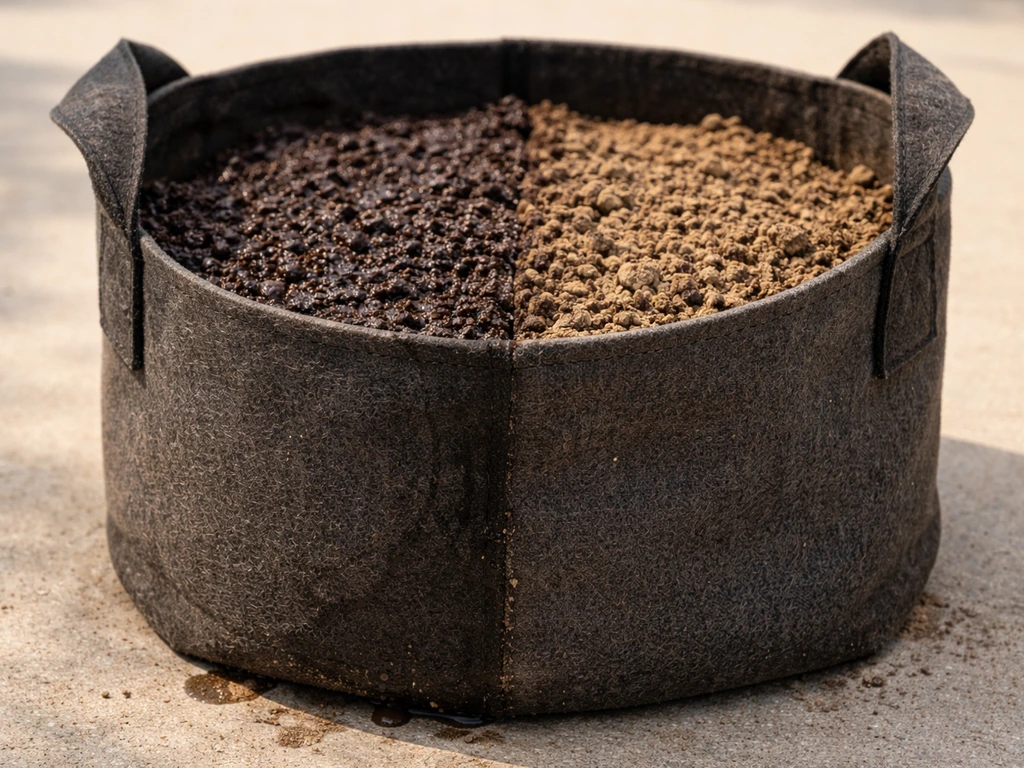
Fabric bags are breathable by design, which is great for roots but means the fabric is constantly cycling between wet and dry. That stress is manageable, but overwatering habits that keep bags perpetually soggy accelerate mold and fiber breakdown. Fertilizer salt buildup is a related problem: repeated heavy feeding deposits mineral salts in the fabric weave, which can be abrasive over time and also affects the porosity that makes fabric bags valuable in the first place. Flushing bags with plain water occasionally during the season helps prevent this.
Root impact and soil weight
One of the defining features of fabric bags is air pruning, roots hit the bag wall, sense the air, and stop growing outward. This is healthier for roots than circling in a hard container, but it does mean root tips are constantly in contact with the fabric. Over multiple seasons, aggressive root growth can weaken fabric from the inside, particularly in bags used for trees or perennials where roots have years to work into seams and corners. Heavy plants also just put more dead load on bag bases, which is why reinforced bottoms matter more in large-format bags.
How to make your grow bags last longer
Most of what extends grow bag life is simple and takes very little time. Here's what actually makes a difference:
- Dry them out completely before storing. This is the single most impactful step. Fabric left folded and damp through winter develops mold and mildew that breaks down fiber. After harvest, empty the bag, shake out as much soil as possible, and let it air dry completely — ideally in the sun for a day or two — before folding and storing.
- Store bags indoors or in a shed, away from UV. Even off-season UV exposure adds up. A bag folded in a garage for five months doesn't age much; a bag left outside in the elements does.
- Rotate bag placement during the season. If you have multiple bags, rotating which ones get full sun and which get partial shade spreads out UV wear more evenly.
- Avoid dragging bags across rough surfaces. Abrasion from concrete or gravel damages the fabric and seams more than most growers realize. Lift bags rather than dragging them, or use bag stands/trays.
- Don't overfill past the bag's rated capacity. A 5-gallon bag stressed with 7 gallons of heavy, wet soil puts extra pressure on base seams every time it's watered.
- Flush out fertilizer salts mid-season. Every few weeks during heavy feeding periods, water thoroughly with plain water to flush accumulated salts through the bag.
If you're growing in a climate with harsh winters, the storage question becomes more specific. Leaving grow bags out all winter without protection accelerates UV degradation and can cause fabric to become brittle through freeze-thaw cycles, especially if there's residual moisture in the weave when temperatures drop hard.
How to tell when a grow bag is done (and when it can be saved)
Grow bags don't usually fail catastrophically, they degrade gradually, and knowing the difference between 'worn but usable' and 'actually done' saves you from both premature replacements and from bags that fail mid-season with a plant inside.
Signs the bag is worn but salvageable
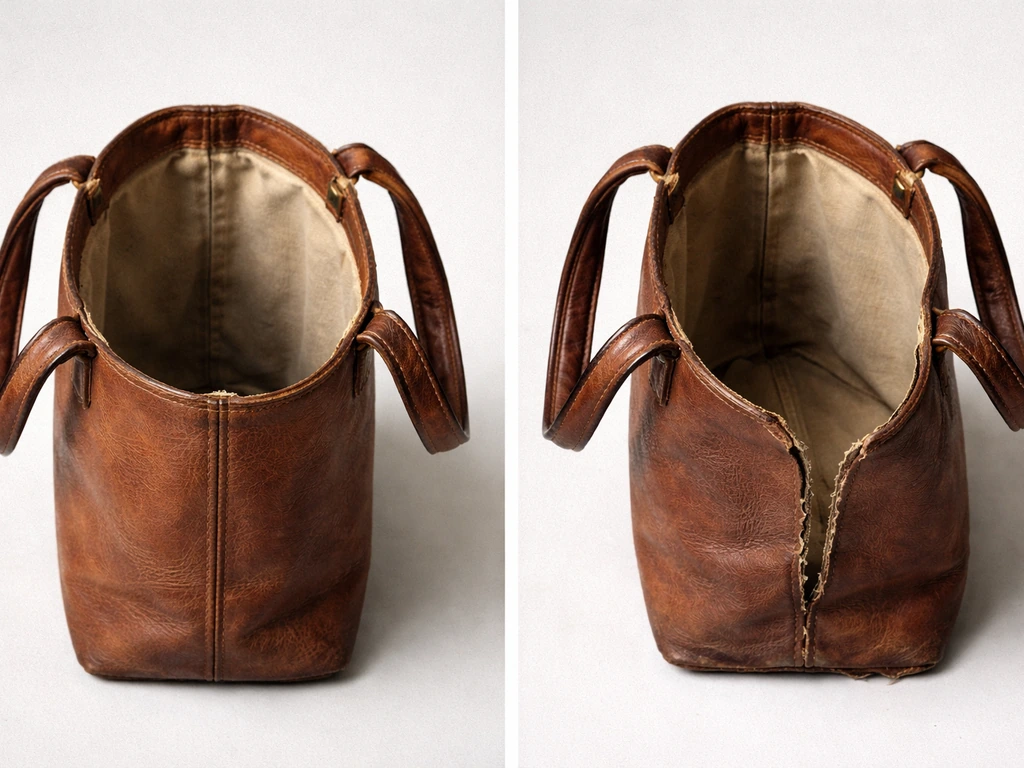
- Minor fraying at the top rim — usually cosmetic, doesn't affect function
- Light surface discoloration or staining — aesthetic only
- One handle showing wear — can be reinforced with a few stitches or the bag can be used without lifting it
- Slightly reduced porosity from salt deposits — usually cleared up with a good soak and scrub
Signs the bag actually needs replacing
- Seam separation at the base or sides — this will fail under load and there's no reliable fix
- Fabric tearing or thinning to the point of tearing when you stretch it lightly — the fiber is compromised
- Stiff, brittle texture that crumbles or cracks when you fold the bag — UV degradation is advanced
- Persistent mold growth that doesn't clear with cleaning — the fiber structure is harboring disease
- Handle attachment failure with no solid fabric left to restitch into
For minor seam separation, a few stitches of heavy polyester thread can extend bag life for another season, but treat this as a temporary fix rather than a permanent repair. A bag with a compromised base seam carrying a heavy plant is a mess waiting to happen. If you're questioning whether it's worth the effort, consider that a decent replacement bag costs $2–15 depending on size, often less than you've spent on the plant inside it. You might also think about what happens to the old fabric: using grow bags as compost material or in the garden isn't always straightforward, since synthetic polypropylene doesn't biodegrade, though some brands market bags made from natural or recycled fibers that can be composted.
Cleaning and reusing grow bags safely
Reusing grow bags across seasons makes good financial and environmental sense, but there are a few real risks to manage: soil-borne disease carryover, pest eggs and larvae in old root material, and salt or nutrient residue that can affect new plantings. Done correctly, cleaning is straightforward. If you want a deeper dive on the topic, reusing grow bags comes with specific considerations worth understanding before you just refill and plant.
Step-by-step cleaning process
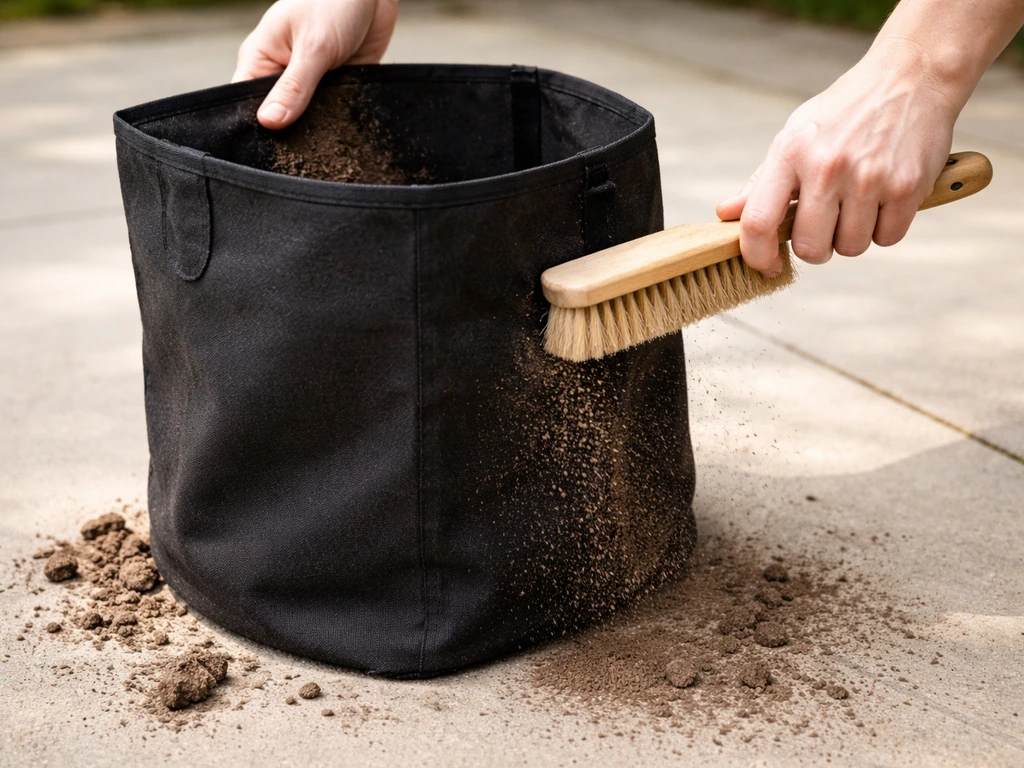
- Remove all plant material and shake out as much dry soil as possible. Don't leave root masses inside — pull them out by hand.
- Knock or brush off remaining soil from outside the bag. A stiff brush works well for this.
- Soak the bag in clean water for 20–30 minutes to loosen embedded soil and root fragments, then rinse thoroughly with a hose.
- Scrub the interior with a stiff brush to remove compacted soil from the fabric weave, paying attention to corners and the base seam area.
- For disinfection, prepare a dilute bleach solution — approximately 1 part household bleach (sodium hypochlorite) to 9 parts water is a commonly used ratio. Submerge the bag or thoroughly wet all surfaces and allow a contact time of at least 10 minutes. Wear gloves and work in a ventilated area; bleach is toxic and can cause skin and respiratory irritation.
- Alternatively, hydrogen peroxide solutions (3% concentration, full strength from a pharmacy bottle) can be used as a less harsh sanitizer, particularly if you're concerned about bleach residue affecting plant roots in subsequent use. Organic matter significantly reduces the effectiveness of both bleach and peroxide, so thorough physical cleaning before chemical treatment is essential — not optional.
- Rinse the bag very thoroughly after any chemical treatment to remove all residue. Multiple rinses with clean water are worth the extra few minutes.
- Allow the bag to dry completely in the sun before storing or reusing. Sunlight also provides some additional UV disinfection of surface pathogens.
One important crop-to-crop consideration: if your previous plant had a known disease problem (fusarium wilt, pythium, clubroot, or similar soil-borne pathogens), be cautious about reusing that same bag for the same crop family the following season, even with thorough disinfection. Moving to a different plant family in a cleaned bag is the safer approach. The question of whether grow bags are truly reusable gets more nuanced when disease history is involved.
Lifespan expectations by what you're growing
The 'how long does a grow bag last' question has a genuinely different answer depending on what you're putting in it and how long that plant will be in there.
Annual vegetables (tomatoes, peppers, potatoes, squash)
Annual vegetable crops are the most common grow bag use case, and they're also the most forgiving on bags. A single season of vegetable growing puts moderate mechanical stress on a bag, the plant is typically in there for 3 to 6 months, removed at end of season, and the bag gets cleaned and rested. Under this pattern, even mid-range bags routinely last 5 to 7 seasons. The bigger lifespan variable here is how well you clean and store the bag between seasons, not how tough the crop is on the material.
Flowers and ornamentals
Annual flowers are roughly equivalent to vegetable crops in terms of bag wear. Perennial flowers and ornamentals are a bit different, if you're leaving a bag planted through multiple seasons, the root system has more time to work into the fabric and seams. Growing flowers in grow bags works very well for both annuals and perennials, but for perennials left in the same bag for 2 or more years, check the bag's seam condition annually since you're asking more of the construction than a single-season annual crop demands.
Trees and long-term shrubs
This is where you need the best bag you can buy. Trees and large shrubs may live in the same bag for 3 to 10+ years, with root systems that are actively pressing against and growing into fabric walls the entire time. For this use, heavy-duty bags (300+ GSM, reinforced base and seams, UV-stabilized) are genuinely worth the premium. Expect a budget bag to fail within 2 to 3 years under a tree. A well-made heavy-duty bag in good conditions can reasonably last 8 to 12 years with a long-lived plant. Regularly inspect the outside of the bag for root escape through seam areas, and note that the bag-to-tree relationship makes it harder to remove and clean between seasons.
Mushrooms
Mushroom cultivation uses grow bags very differently from plant growing. Mushroom grow bags (typically polypropylene with filter patches) are generally designed as single-use or limited-reuse containers. The substrate inside is sterilized and colonized, and the bag is usually either opened for fruiting and discarded, or reused for a second flush in some methods. The sanitation requirements for mushroom growing are strict enough that most cultivators don't attempt multi-year reuse of mushroom bags the way you might with vegetable grow bags, contamination risk is too high. Plan for mushroom bags to be single-season or single-cycle items and budget accordingly.
Is the investment actually worth it across multiple seasons?
Spread across 5 to 7 seasons of use, a $10 mid-range grow bag works out to less than $2 per growing season, cheaper than most plastic pots of equivalent size when you factor in root health benefits, drainage performance, and the fact that fabric bags store flat and take up almost no space. The math gets even better when you think about what you're gaining in root zone performance. If you're still deciding whether to commit to fabric containers, whether grow bags are worth it is worth a proper look, but for most vegetable and flower growers the answer leans strongly toward yes.
One thing worth understanding is what actually distinguishes grow bags from the bagged compost and growing media you buy at the garden center. The difference between grow bags and compost trips up beginners fairly often, since both are sold in flexible bags and sometimes confused at the garden center, but they're completely different things serving different functions.
Bottom line: buy the best bags your budget allows for plants you intend to keep for multiple seasons, store them dry and indoors when not in use, clean them properly between crops, and they'll almost certainly outlast your expectations. Treat them like disposables, and they'll perform like disposables.
FAQ
Do grow bags last longer if they are only used for indoor growing?
Yes, indoor use usually extends lifespan because UV exposure is the main driver of polypropylene strength loss. If you keep the bags out of direct sunlight and avoid leaving them saturated long-term, many bags that would typically be replaced after 3 to 5 outdoor seasons can often stretch closer to the high end of the normal range.
How can I tell if my grow bag is failing before it blows out?
Look for early seam separation at the base and for thinning or fuzzing of the fabric where roots pressed most. When you can pinch the fabric and it feels brittle or tears easily, it is no longer safe to keep a heavy plant inside, especially if the base seam is even slightly open.
Is it worth patching a grow bag with tape or glue?
In most cases, temporary patching is only a stopgap. Tape or non-rated adhesives tend to fail when the fabric flexes and stays wet, and they can trap moisture at the patch edge. If you do patch, reinforce with stitches first (heavy polyester), then keep the bag off the ground so abrasion is reduced.
Can I reuse grow bags for the same plant without problems?
It depends on whether the last crop had disease. For healthy crops, reusing a cleaned bag is generally reasonable, but if you had known soil-borne disease, switching to a different plant family in the next season is the safer approach even after disinfection, because some pathogens can persist in residues and fabric pores.
What is the biggest cleaning mistake people make between seasons?
Refilling right after dumping out soil, without removing residual salts and fine root material. Those residues can keep the fabric abrasive and change water movement. A practical approach is to shake out old media thoroughly, rinse, then let the bag dry completely before storage.
Do I need to remove and replace the soil each year to make a bag last longer?
Not necessarily, but keeping the same soil indefinitely is not ideal. Reusing soil without amendment and without addressing nutrient imbalance can lead to persistent salt buildup, which accelerates fabric abrasion and affects porosity. At minimum, flush and refresh nutrients, and avoid leaving fertilizer-heavy, constantly wet conditions.
Will freeze-thaw damage grow bags even if I store them in winter?
Yes, if they have residual moisture and then freeze, the fabric can become brittle and seams can weaken from expansion and contraction. Drying the bags thoroughly before cold weather storage is the key detail, then store them off the ground and away from direct sun to minimize UV exposure.
How should I store grow bags to maximize their life?
Store them dry, indoors or under full cover, and avoid long contact with wet soil or standing water. Folding and stacking is fine as long as you prevent constant abrasion at fold edges. For long storage, keep them in a place that stays cool and not in direct window light.
Do different plant types change how quickly a bag degrades?
Yes. Heavy root users and long-lived plants increase stress at seams and corners, especially if the same bag stays planted for multiple years. If you use bags for trees or shrubs, inspect the base seam more frequently because concentrated soil weight can start a failure there even if the sides look fine.
Are mushroom grow bags reusable, and will that affect how long they last?
They are often treated as single-cycle containers, even if the fabric itself could physically survive longer. The high sanitation requirement and contamination risk make extended reuse risky, so practical lifespan is usually measured in cycles rather than years for edible mushroom production.
What should I do if a seam begins to split mid-season?
Remove the plant if it is light enough to safely handle, or at least reduce loading if possible (for example, avoid moving a fully wet, heavy bag). If the split is at the base and you cannot secure it reliably, replacing the bag is usually the safer option because a growing plant increases root pressure and can turn a small seam issue into a sudden failure.
Next Articles
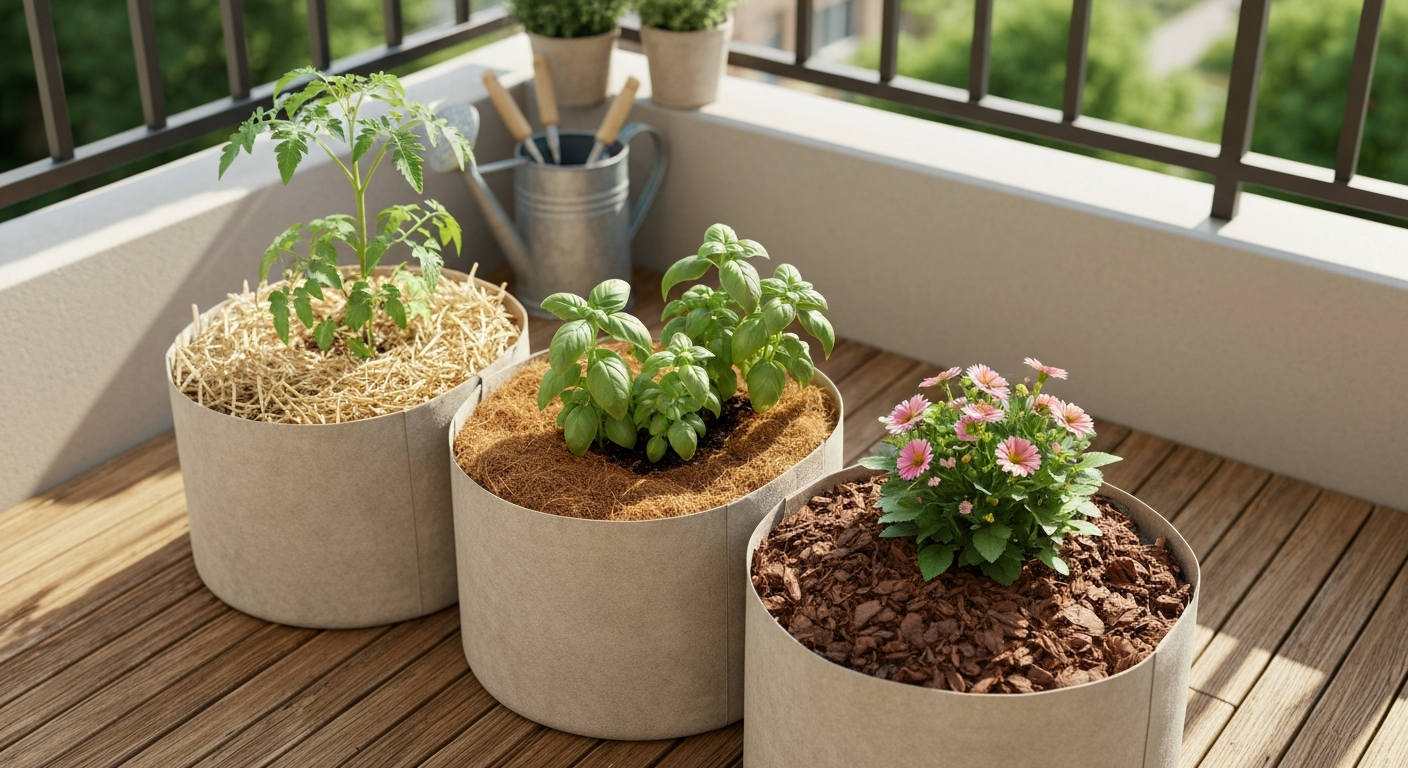
Best Mulch for Grow Bags: Top Picks for Vegetables & Flowers
Find the best mulch for fabric grow bags: top picks, how-to apply, crop & climate advice, and troubleshooting.
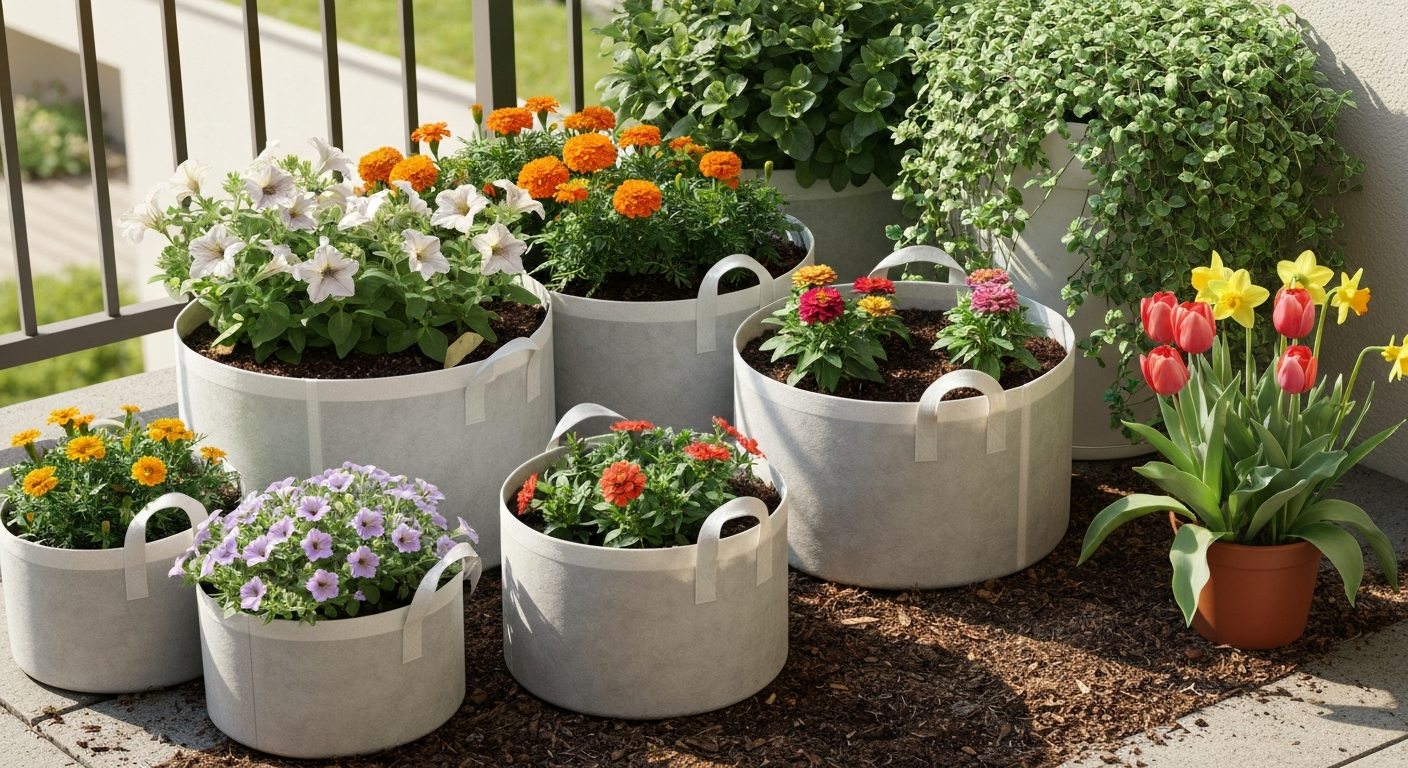
Best Flowers for Grow Bags: Top Picks, Soil & Care Guide DIY
Best flowers for grow bags: top annuals, perennials, bulbs & trailers; soil, fertilizer, planting and care checklists.
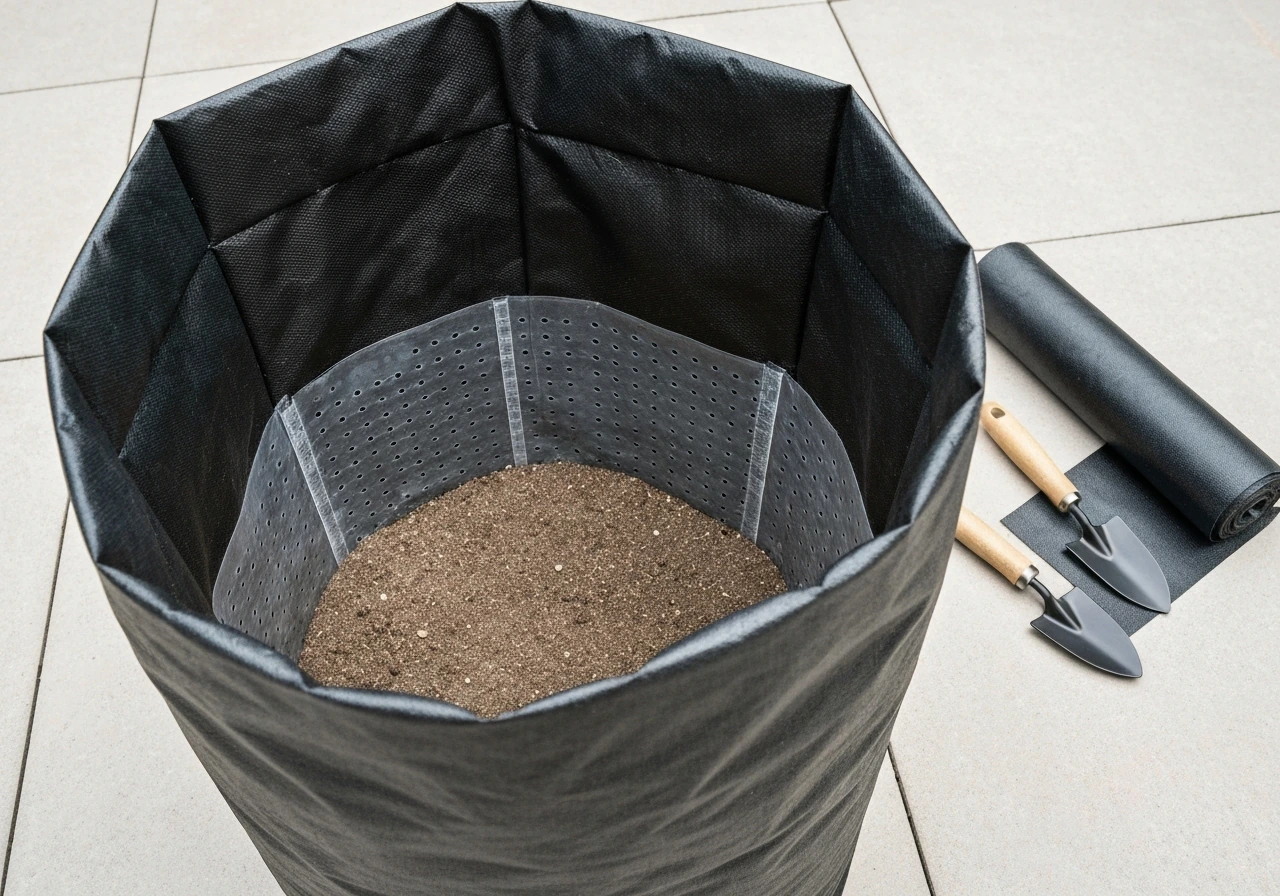
Best Landscape Fabric for Grow Bags: Buy and Install Guide
Choose the best landscape fabric for grow bags with weed-blocking, drainage and aeration tips plus DIY install steps.