A grow bag is a flexible container filled with a growing medium and used to grow plants in place of a traditional pot or raised bed. The term covers a wide range of products, but on this site we focus specifically on fabric grow bags, which are made from breathable, porous material rather than rigid plastic or ceramic. That single difference in construction changes how roots behave, how water drains, and ultimately how well your plants perform. If you're trying to figure out whether grow bags are right for you and how to use them well, here's everything you need to know.
What Is Grow Bags? Types, Materials, and How to Use Them
Marcus Holloway
5 Apr 2026
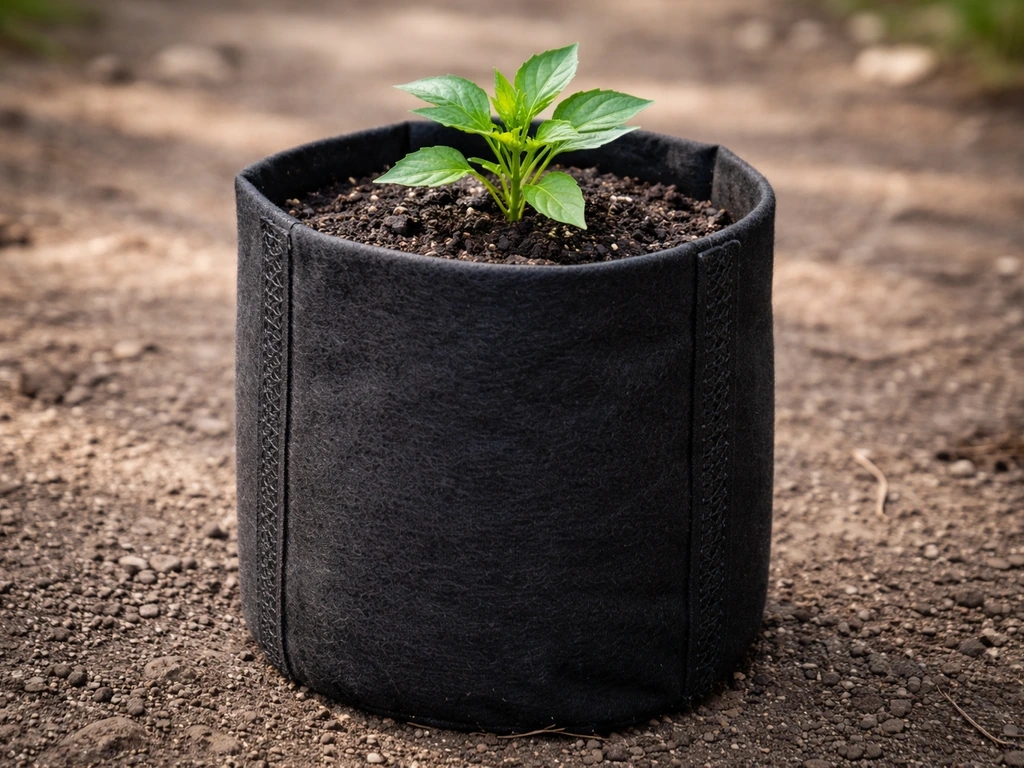
What a grow bag actually is (and why it exists)
At its core, a grow bag is just a planter. You fill it with a growing medium, put a plant in it, water it, and the plant grows. Simple. The reason fabric grow bags exist is to solve specific problems that rigid pots create, particularly root circling and poor aeration. When roots hit the wall of a rigid plastic container, they keep growing and start spiraling around the inside of the pot. In a fabric container, when roots reach the porous wall, they contact air, which stops their growth and triggers lateral branching. This is called air pruning, and it produces a dense network of smaller, fibrous roots rather than one long root circling the pot. Better root structure means better nutrient and water uptake, which means healthier plants.
The concept is proven enough that commercial nurseries and cannabis growers adopted fabric pots years before home gardeners caught on. Today, fabric grow bags are a legitimate container gardening method used for everything from tomatoes on a balcony to dwarf fruit trees in a suburban backyard. If you want to dig into whether they're worth the switch, the full breakdown of benefits of grow bags covers the advantages in more detail.
What grow bags are made of
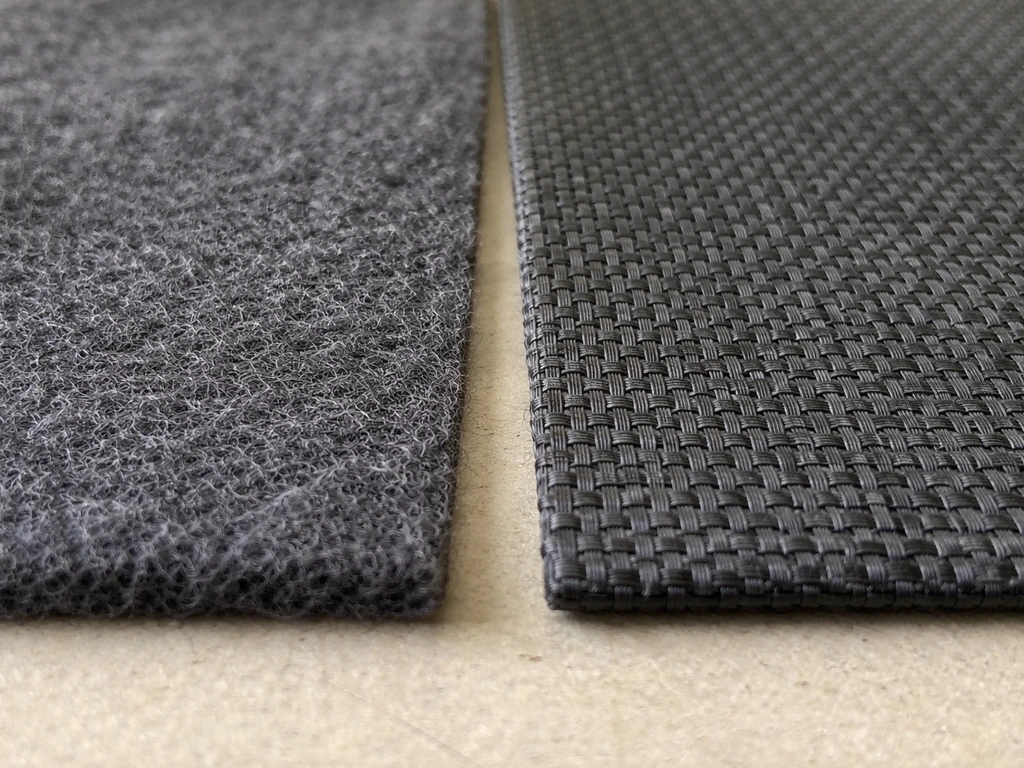
Most fabric grow bags on the market today are made from one of two materials: nonwoven polypropylene felt or woven polypropylene fabric. Nonwoven polypropylene is the more common option. It's made by bonding or needle-punching polypropylene staple fibers together into a porous, felt-like sheet. This is the same class of material used in geotextiles for landscaping and drainage, and it's designed from the ground up to allow water and air to pass through while remaining structurally stable. Some nonwoven geotextile fabrics have demonstrated UV resistance ratings of 500 hours under standardized testing (ASTM D-4355), which gives you a sense of how durable the material can be when it's UV-treated for outdoor use.
Woven polypropylene is also used in some grow bags and landscape fabric products. It tends to be stronger and more resistant to tearing, but it's generally less breathable than a needlepunched nonwoven. For grow bags specifically, breathability matters a lot, because that's the mechanism behind air pruning and improved root aeration. Some higher-end grow bags use a blend of materials or a reinforced construction to balance durability and airflow. The short version: look for nonwoven felt fabric if root health and breathability are your priorities, and make sure any bag you buy for outdoor use is labeled UV-treated or UV-resistant.
Older grow bags were commonly made from plastic. You still see basic plastic planter bags used in nursery production, and they work fine for short-term growing. But plastic doesn't breathe, doesn't air-prune roots, and can overheat in direct sun. Fabric is the upgrade worth making for home growing.
What goes inside a grow bag
The growing medium you put inside a grow bag is just as important as the bag itself. Most growers use a soilless or near-soilless mix rather than garden soil. Common options include peat moss, coco coir, composted green waste, composted bark, and composted wood chips, either alone or blended. Garden soil is too dense for containers; it compacts, drains poorly, and suffocates roots. A loose, well-aerated mix lets roots breathe and lets water drain at the right rate.
Coco coir is a popular choice for fabric grow bags because it's engineered to balance air porosity and water retention. Ready-to-use grow bags pre-filled with a coco coir blend are sold specifically for this reason. Peat-based mixes are widely available and inexpensive, though coir is considered a more sustainable alternative. For vegetables and herbs, a quality potting mix blended with perlite (for drainage) is a reliable starting point.
Drainage is handled differently in fabric bags than in rigid pots. In a traditional pot, water exits through a hole at the bottom. In a fabric bag, excess water can weep through the sides of the fabric itself, which is why some growers use catch trays and why these bags are so forgiving of slight overwatering. Some fabric grow bags also come with pre-cut drainage holes at the base. If you're growing in an area with heavy rainfall or limited drainage, both options (fabric weeping plus a bottom hole) give you extra insurance against waterlogging.
Some bags also use an internal liner, usually a thin plastic or fabric layer, to help retain moisture in dry climates or to protect against fabric breakdown from certain growing media. Liners are optional and depend on your climate and plant needs. For most vegetables and herbs in temperate conditions, you won't need one.
What you can actually grow in them
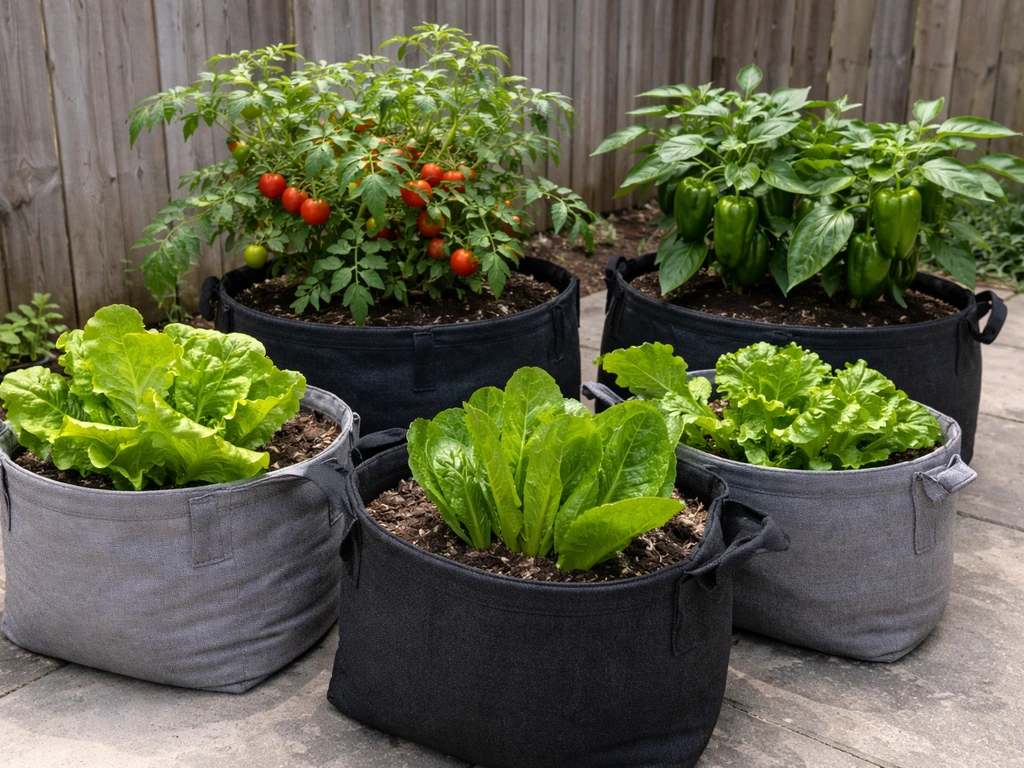
Grow bags are used across a wide range of growing scenarios. Here's where they genuinely shine:
- Vegetables: Tomatoes, peppers, cucumbers, potatoes, squash, and salad crops are all commonly grown in fabric bags. Tomatoes in particular benefit from the improved root health that air pruning provides.
- Herbs: Basil, mint, rosemary, thyme, and most culinary herbs do well in smaller grow bags, especially for growers with limited outdoor space like balconies or patios.
- Flowers: Annual flowers and even some perennials thrive in fabric bags when placed in good light. The breathable fabric helps prevent root rot in rainy seasons.
- Mushrooms: Substrate-filled grow bags are the standard method for cultivating oyster mushrooms, shiitake, and other edible fungi. The bag controls moisture and contamination during colonization.
- Trees and shrubs: Dwarf fruit trees (apple, citrus, fig), blueberries, and ornamental shrubs can be grown long-term in large fabric bags (25 gallons and up). Air pruning is especially valuable here because it prevents the root circling that would otherwise stunt a tree.
- Potatoes: One of the most popular use cases. You can add growing medium in layers as the plant grows, and harvest by simply tipping the bag over.
Grow bags are particularly well-suited to container gardening in limited spaces, urban settings, and rental situations where you can't dig into the ground. They're also portable, which matters if you need to move plants to shelter them from frost or extreme heat. Thinking through where to put grow bags before you start is worth doing, since placement affects watering frequency, light exposure, and how often you'll need to move them.
Picking the right grow bag for your plant
Size is the most important decision. Too small and roots get cramped, yields suffer, and you'll water constantly. Too large and the medium stays wet too long, increasing rot risk. Here's a practical starting point by plant type:
| Plant Type | Recommended Bag Size | Notes |
|---|---|---|
| Herbs (basil, mint, thyme) | 1–3 gallon | Smaller bags dry out faster; check moisture daily in hot weather |
| Lettuce / salad greens | 3–5 gallon | Shallow roots; width matters more than depth |
| Tomatoes (determinate) | 5–7 gallon | Indeterminate varieties need 10+ gallons for best yields |
| Tomatoes (indeterminate) | 10–15 gallon | Larger volume supports heavy fruiting and root mass |
| Peppers | 5–7 gallon | Consistent moisture is key; fabric helps prevent overwatering |
| Potatoes | 10–15 gallon | Depth is important for hilling; taller bags work best |
| Cucumbers / squash | 10–15 gallon | Vigorous feeders; large volume reduces stress |
| Blueberries | 15–20 gallon | Acidic mix required; long-term planting benefits from durable fabric |
| Dwarf fruit trees | 25–45 gallon | Air pruning especially valuable; invest in heavy-duty UV-resistant fabric |
| Mushrooms | Varies by substrate volume | Use purpose-made mushroom grow bags with appropriate filter patches |
Beyond size, fabric quality matters more as your investment in the plant increases. For annual vegetables, a basic nonwoven polypropylene bag is perfectly adequate. For perennial crops like fruit trees or blueberries where the bag will be in use for several years, spend more on a thicker, UV-treated fabric that won't degrade within a season or two. Check the bag's weight (measured in grams per square meter, or GSM) if the seller lists it: heavier GSM generally means a more durable bag.
It's also worth comparing fabric grow bags against traditional pots before committing to a full setup. The honest take on pros and cons of grow bags lays out where fabric bags win and where they don't, which is useful if you're deciding between systems.
Day-to-day care: watering, feeding, and transplanting
Watering
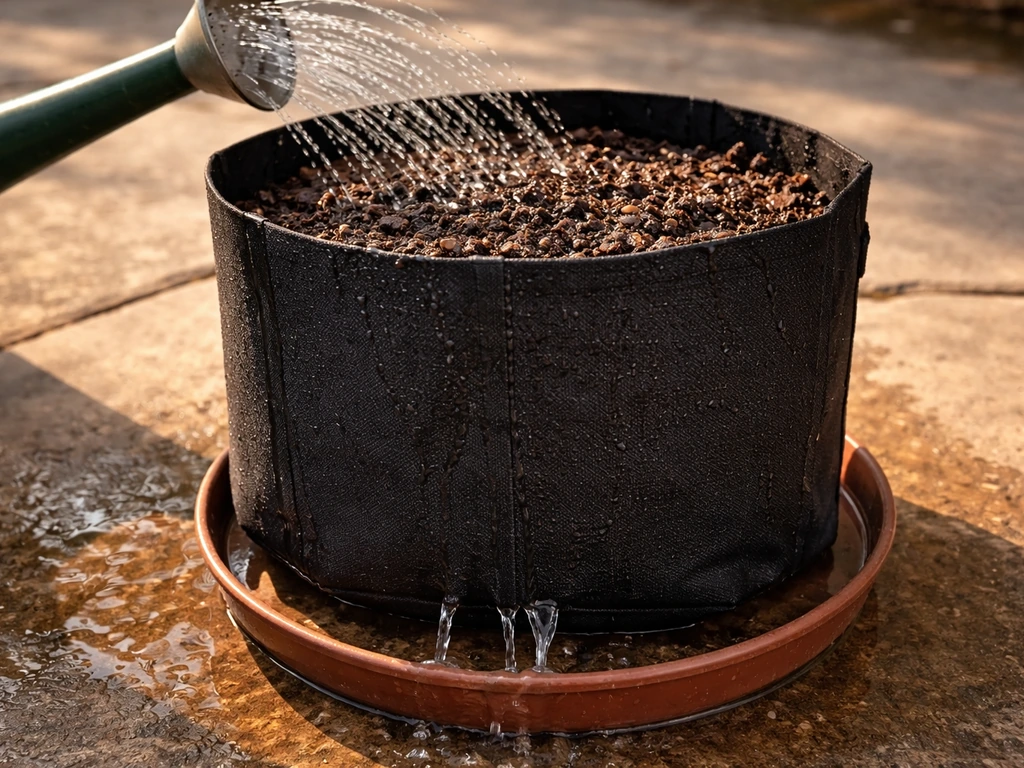
Fabric bags drain and breathe, which means they dry out faster than rigid plastic pots. In warm weather, you may need to water daily or even twice daily for smaller bags. The simplest way to check: lift or press the side of the bag. If it feels light and the fabric sides are dry to the touch, it needs water. If it still feels heavy and the fabric is damp, hold off. Because excess water weeps through the fabric rather than pooling at the base, overwatering is less catastrophic than in sealed pots, but it can still happen, especially in cool, low-light conditions.
Feeding
The same drainage that makes fabric bags forgiving with water also means nutrients leach out faster. Every time you water, some fertilizer washes through the medium and out of the bag. In a container system, this nutrient runoff is normal, but it means you need to feed more consistently than you would in ground soil. Use a balanced liquid fertilizer every one to two weeks during the growing season, or incorporate a slow-release granular fertilizer into your growing medium at planting. Reducing how much water runs out each session (without leaving the medium waterlogged) helps conserve nutrients.
Transplanting
When moving seedlings into grow bags, handle roots gently and try to transplant during cooler parts of the day (morning or evening) to reduce stress. Seedlings can experience transplant shock after the move, caused by changes in light intensity, temperature, and humidity. Water well immediately after transplanting and keep the bag in a sheltered spot for a day or two if possible. If you started seeds in a smaller fabric pot before moving to a larger bag, the transition is usually smoother because the root system arrives intact.
Common problems and how to fix them
Drying out too quickly
This is the most common issue, especially in hot climates or on exposed patios. Solutions: move the bag to a spot with afternoon shade, add a layer of mulch on top of the growing medium to slow evaporation, switch to a larger bag (more volume retains moisture longer), or double up by placing a saucer underneath to slow drainage slightly. Consistent watering is more manageable with a drip irrigation system if you're growing multiple bags.
Nutrient deficiency
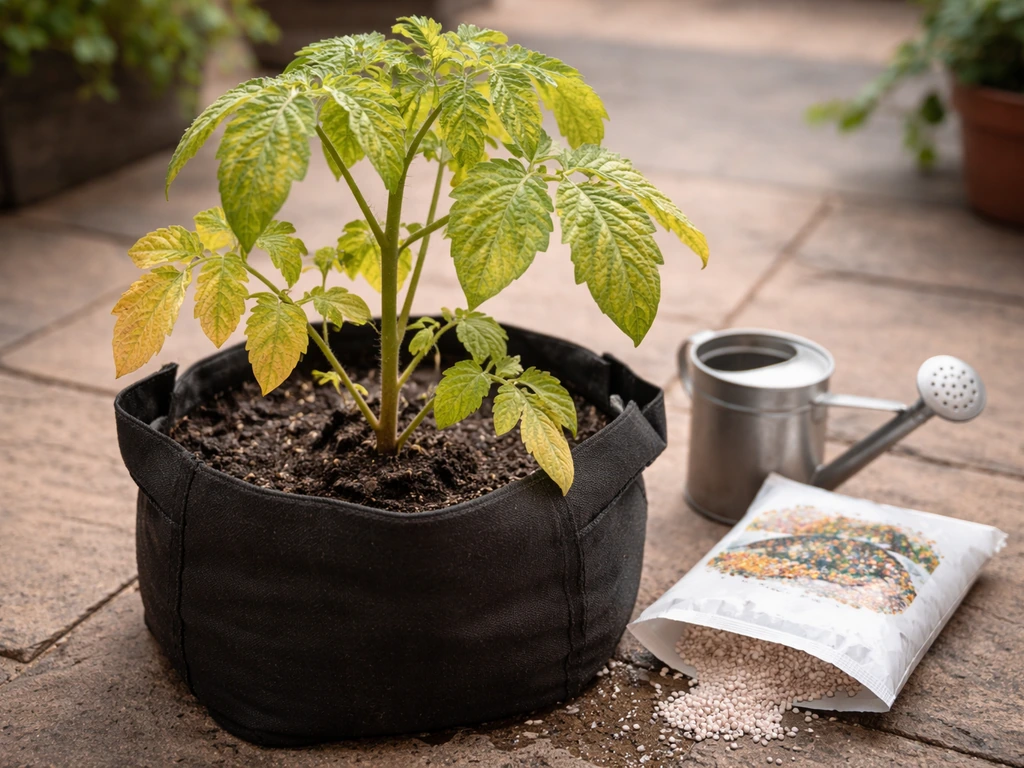
Yellowing leaves, poor growth, and weak flowering are often signs of nutrient depletion. Because fabric bags leach nutrients through drainage, this happens faster than in-ground growing. Increase feeding frequency, switch to a higher-quality fertilizer, or top-dress with compost mid-season. If you're seeing specific deficiency symptoms (purple leaves for phosphorus, yellow between veins for iron/magnesium), adjust your fertilizer formula accordingly.
Fungus gnats
Fungus gnats are tiny flies whose larvae live in moist growing medium and damage roots. They thrive in consistently damp conditions, so the fix starts with letting the top inch or two of the medium dry out between waterings. Clean any catch trays or saucers regularly, since gnats lay eggs on moist, dirty surfaces. If you're mixing new potting medium, keep opened bags of soil or coco coir sealed and dry, because gnats can colonize stored growing media. Sticky yellow traps and hydrogen peroxide soil drenches (one part 3% hydrogen peroxide to four parts water) can knock back an existing infestation.
Fabric degradation
Cheaper bags can break down within one season, especially if they're left in direct sunlight year-round. Signs include fabric thinning, fraying at seams, or the bag losing its shape and collapsing. Prevention is straightforward: buy UV-treated bags, store empty bags out of direct sun in the off-season, and inspect bags before reusing them. A bag that's structurally compromised will leak medium and won't support plant roots properly.
Root escape through the fabric
In looser-weave fabrics, you may occasionally see fine roots poking through the sides. This is normal and is actually the air-pruning process working correctly. Those roots will dry off and die back, triggering the lateral branching response. It only becomes a problem if roots grow into a surface below the bag (like a wooden deck) and start anchoring the plant. Keep bags elevated on a rack or tray to prevent this.
Where to get grow bags
Fabric grow bags are widely available online through major retailers, garden centers, and specialty growing supply companies. Prices range from under a dollar per bag for basic nursery-grade polypropylene to several dollars each for thick, reinforced fabric containers designed for multi-year use. If you're just starting out, buying a small set of mid-range bags lets you test the method without a large upfront cost. For guidance on specific retailers and what to look for, the article on where to buy grow bags covers your options in detail. If you're based in India and sourcing locally, there are also dedicated resources on where to buy grow bags in Bangalore and even how to access subsidized bags through government agricultural programs, including how to get grow bags from Krishi Bhavan if that's relevant to your situation.
Grow bags are a genuinely practical growing tool, not just a trendy alternative to pots. Once you understand what they're made of, how they work, and what plants benefit most from them, getting started is straightforward. Pick the right size for your plant, use a quality soilless medium, stay on top of watering and feeding, and the fabric does the rest.
FAQ
Can I use grow bags indoors or on a balcony without making a mess?
Yes, but it is usually easier to keep things stable by using a nursery-grade potting mix with added perlite (or a coco coir blend), and by placing the grow bag on a waterproof surface so the fabric weeping does not stain patios or decks. If you plan to run a drip line, choose a bag with a bottom drainage outlet or use a catch tray to prevent pooling around the base.
How do I know when my grow bag needs water?
Start by watering thoroughly until you see water come through the fabric or out of any drainage holes, then wait before the next watering. A practical rule is to feel 2 to 3 inches (5 to 7 cm) down, if that layer is dry, water again. Because fabric bags dry faster, avoid watering on a strict schedule during cool, cloudy stretches.
What growing medium mix works best in a fabric grow bag?
For most vegetables and herbs, a typical ratio is 70 to 90% quality potting mix or coco coir blend plus 10 to 30% perlite (or another coarse drainage amendment). If you use composted materials, increase aeration because compost can compact. The goal is a medium that stays light and fluffy, not one that holds water like a sponge.
Do I need bottom drainage holes, or is fabric weeping enough?
If your bag has no bottom holes, you will rely on side weeping, which is more tolerant but still can lead to low-oxygen conditions if the bag sits in a cold, constantly wet area. For heavy rainfall or low temperatures, choose a bag with pre-cut drainage holes or add a saucer plus an off-base stand so water can escape.
What happens if my grow bag is too small?
Air-pruning works best when roots can reach the fabric wall without being constantly waterlogged. If you keep the bag too small, roots fill the container early and you will see faster nutrient depletion and more frequent wilting. In warm weather, going one size up (more volume) often reduces stress more effectively than just watering more.
Are roots growing out of the sides of my grow bag normal?
Some roots poking through the sides is normal in looser-woven fabrics, but don’t let them become anchored to the ground. Elevate the bags using a rack, pot feet, or a breathable stand, and if roots do reach a surface, reposition the bag promptly to prevent future strain.
Why are my leaves yellowing even though I’m fertilizing?
Fertilizing more often is usually required, because water carries nutrients out of the bag each time you irrigate. If you are seeing yellow leaves or weak growth, first check that the medium is not staying overly wet, then switch to a complete fertilizer at the label’s rate and consider a slightly higher frequency (for example, every week during peak growth) rather than only increasing the dose.
Can I use mulch or top dressing in a grow bag?
Yes, but use them carefully. Plan on removing and refreshing the top 1 to 2 inches (2 to 5 cm) of medium at least once a season, because slow-release sources can accumulate salts when drainage and evaporation are reduced. Also keep mulch off the stem base to reduce rot risk.
When should I transplant seedlings into grow bags?
You can, but you will want a crop schedule and a plan for timing transplanting. Many growers move seedlings when they are sturdy and the root ball is intact, usually after the first true leaves and when daytime temperatures are stable. Transplant during morning or evening, then maintain consistent moisture for several days while avoiding heavy midday sun.
How long do grow bags last for fruit trees or blueberries, and when should I refresh the setup?
If you are growing perennials like fruit trees, the bag lifespan matters. Choose thicker, UV-treated fabric designed for multi-year use, and re-pot or refresh the medium at least every couple of seasons because structure breaks down and nutrient capacity drops. Also protect the bag from extreme sun and winter freeze-thaw if you live in a cold climate.
What are the best ways to prevent fungus gnats before they become a problem?
To prevent fungus gnats, let the top layer dry, don’t keep saucers full, and avoid overwatering during cloudy periods. For an ongoing approach, use yellow sticky traps near the soil surface and remove any decaying plant matter. If you repot, keep bags of medium sealed to prevent adult gnats from laying eggs in stored media.
Can I reuse grow bags, and how do I tell if they’re still safe to use?
Typically, no. Most standard grow bag fabrics degrade over time, so reusing them is best only if they still hold shape and don’t have thinning spots. If you do reuse a bag, inspect for seam fraying, patch any leaks, and avoid using it if previous plants had persistent diseases, because residues can carry over in the medium.
Next Articles
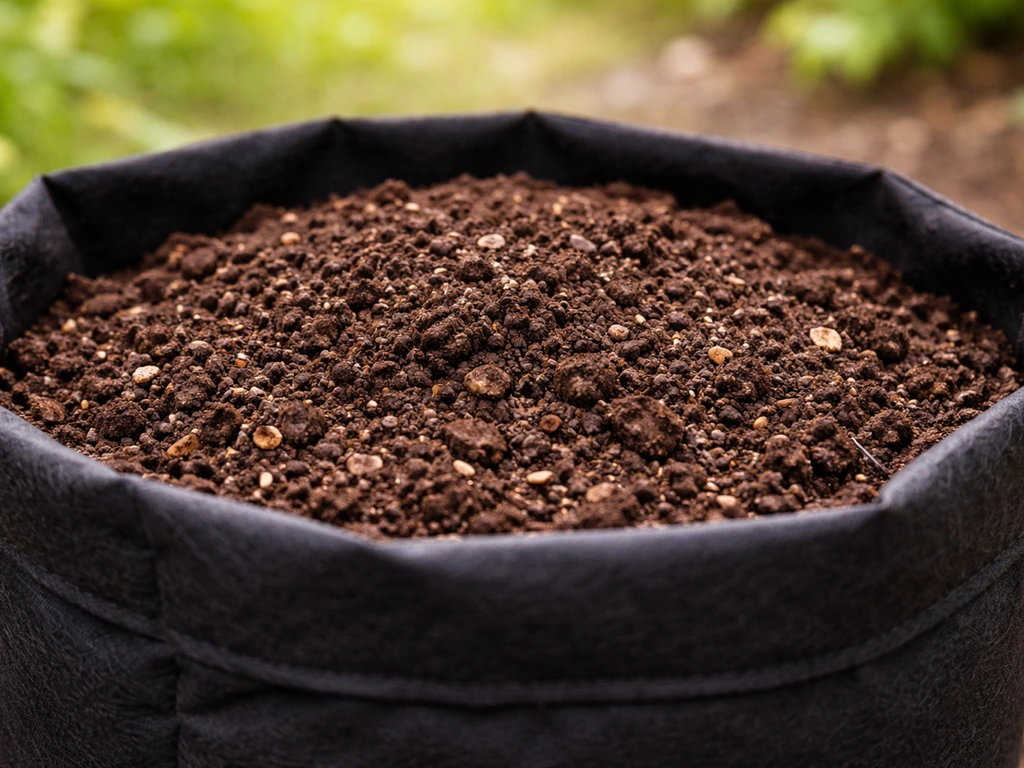
Best Soil for Grow Bags: Mix Recipes and How Much to Add
Best soil for grow bags: mix recipes, how much to add by bag size, and vegetable tweaks for strong drainage and yield.
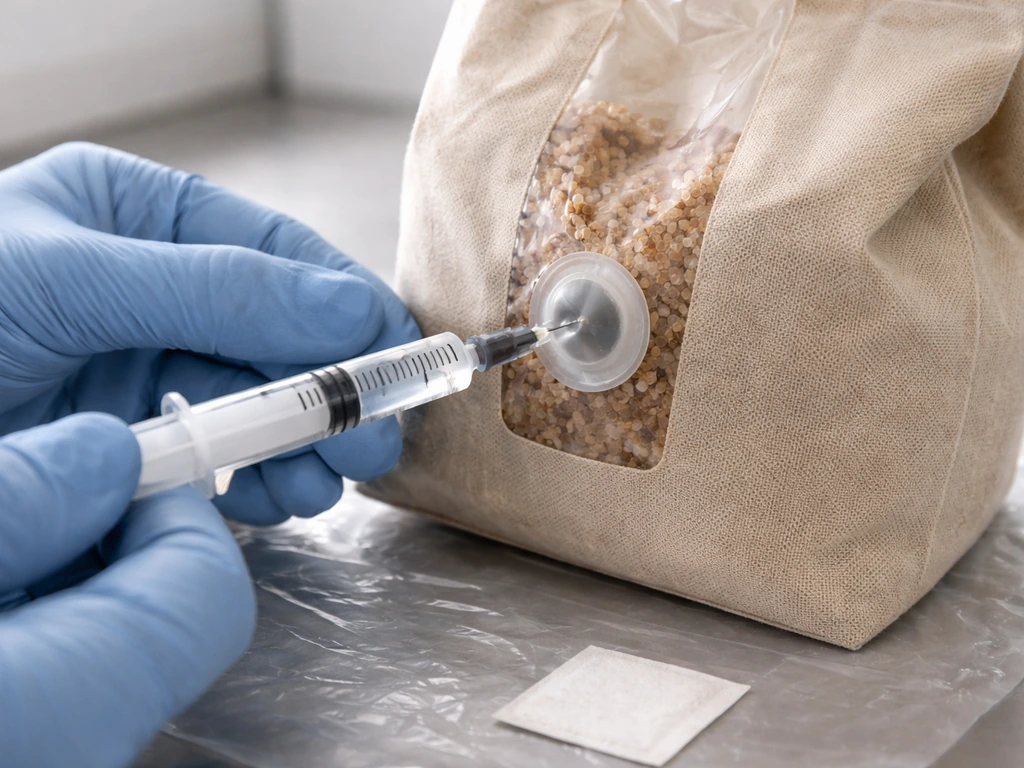
How to Inject Spores Into a Grow Bag Step by Step
Step-by-step how to inject mushroom spores into fabric grow bags, avoid contamination, verify colonization, then move to
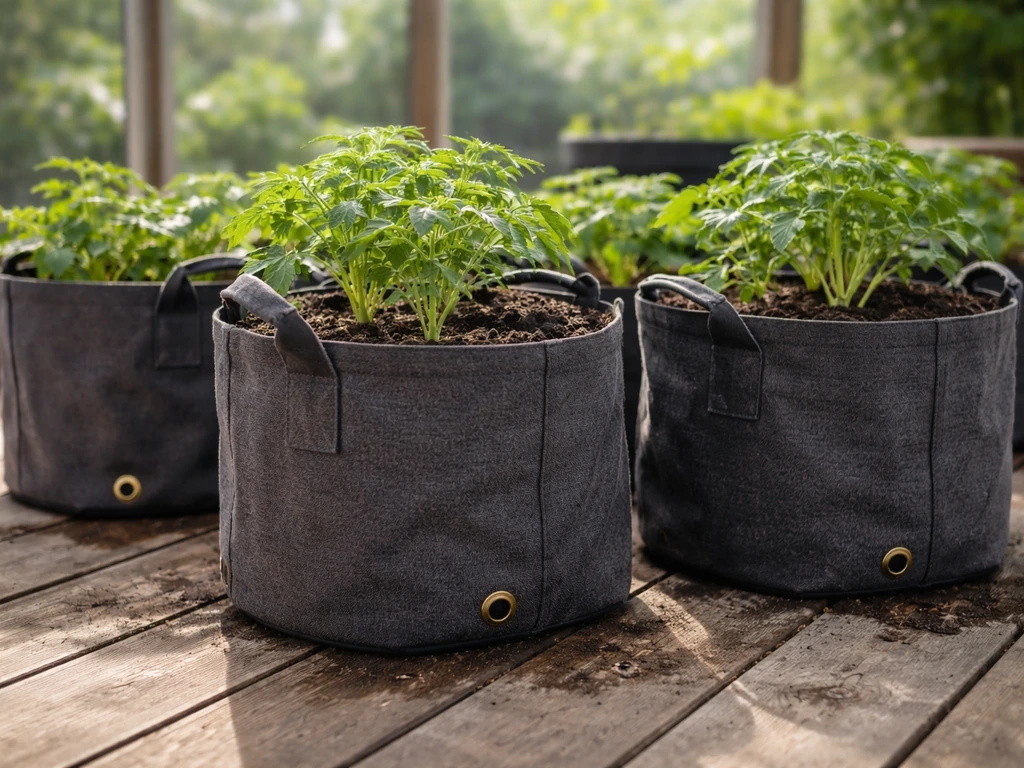
Vivosun Grow Bags Reviews: Build Quality, Use Tips, and Best Sizes
Real Vivosun grow bag review: build quality, drainage, air pruning, best sizes, setup and troubleshooting for healthy pl