Yes, fabric grow bags genuinely work and are worth buying for most home growers. They outperform standard plastic pots in root health, drainage, and temperature management, and for many vegetables and container trees they produce better yields than in-ground growing in poor or compacted soil. That said, they are not universally the best choice for every plant or situation, and getting results depends on using the right size, the right potting mix, and a consistent watering routine. If you nail those three things, grow bags are one of the most practical and cost-effective container systems available.
Are Grow Bags Worth It? When They Work and When They Don’t
Marcus Holloway
27 Apr 2026
How fabric grow bags actually work
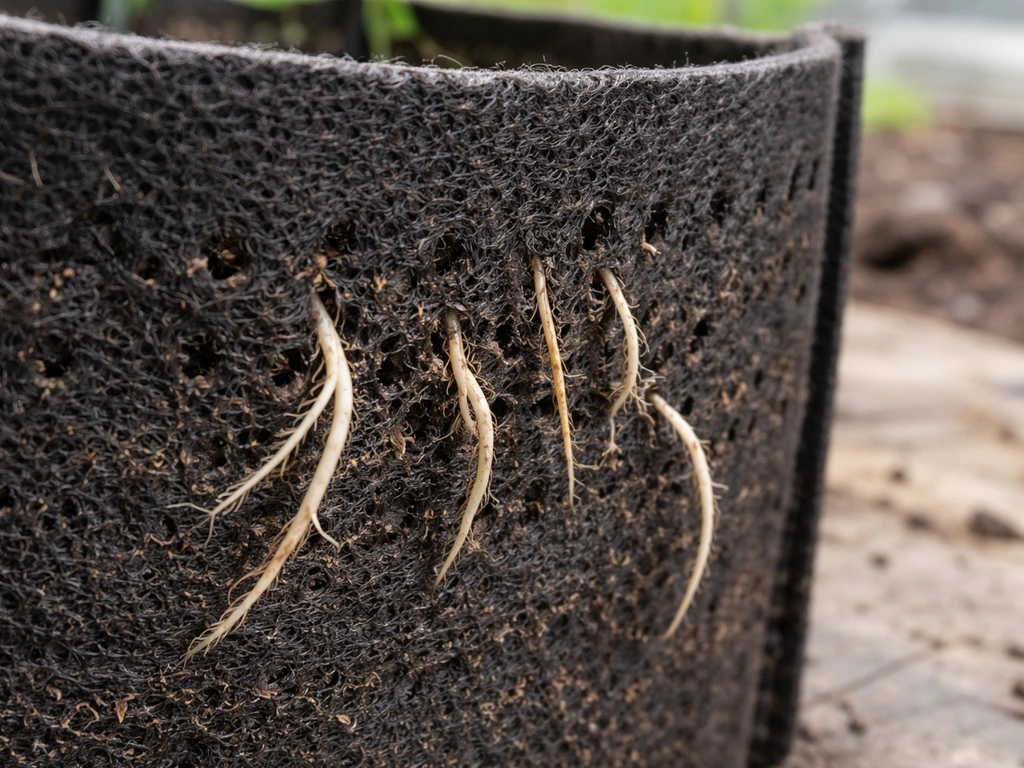
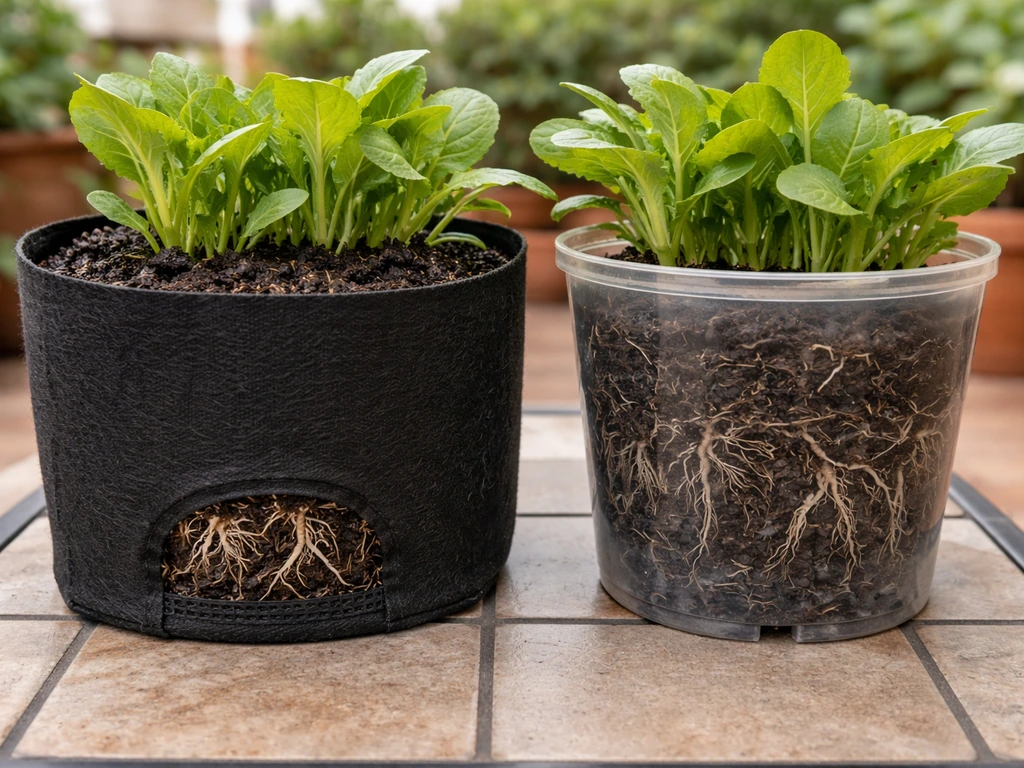
The core mechanic that separates a fabric grow bag from a plastic pot is air pruning. When a root tip grows outward and reaches the porous fabric wall, it hits a boundary of warm, relatively dry air. That exposure dehydrates the root tip, stopping its growth. The plant responds by branching new lateral roots behind the stopped tip, and the cycle repeats throughout the growing season. The result is a dense, fibrous, evenly distributed root system instead of the circling, tangled mass you get in smooth rigid containers.
Side-by-side nursery and university trials referenced by Smart Pot found that plants grown in fabric containers with air pruning developed larger, more balanced root systems and reached marketable size faster than those grown in standard rigid plastic containers. University of Washington propagation research also uses air-pruning pots specifically to eliminate root circling in tree production, and UF/IFAS includes air-root-pruning containers as a standard practice in professional woody plant production. This is not a niche or unproven concept. It has been used commercially in nursery production for decades.
Beyond air pruning, the breathable fabric does two other useful things. First, it drains aggressively through the entire base and sides, preventing the waterlogged conditions that rot roots in sealed containers. Second, that same breathability allows heat to escape from the root zone, which matters enormously in summer when a black plastic pot sitting in direct sun can cook roots at temperatures well above what any plant tolerates comfortably.
When grow bags beat pots or in-ground (and when they don't)
Grow bags win over plastic pots in almost every measurable category for active-season vegetable growing: root health, drainage, temperature regulation, and portability. They also win over in-ground growing when your native soil is compacted, poorly draining, or contaminated, because you control the growing medium entirely. For a patio gardener, a balcony grower, or anyone with clay-heavy or rocky ground, grow bags are a straightforward upgrade.
They are also genuinely useful for any plant where root control changes the outcome. Container-grown fruit trees and blueberries, for example, benefit from root restriction that keeps vigor manageable and encourages earlier fruiting. Michigan State University Extension research confirms that restricting root volume through root pruning measurably reduces canopy size and vigor, which is actually desirable for dwarf fruit trees in a home garden setting.
But grow bags are not always the right call. Their biggest weakness is moisture loss. The same breathability that prevents root rot also means fabric bags dry out significantly faster than plastic pots, especially in hot, windy weather. University of Illinois Extension notes that potting mix in container types such as fabric and unglazed ceramic dries faster than in plastic or glazed pots, which can change how often you need to water fabric bags dry out significantly faster than plastic pots. If you cannot water consistently (at least once a day in peak summer for most vegetable-sized bags), plants will stress and underperform. For low-maintenance situations, a sealed pot or in-ground bed with mulch is more forgiving.
They also underperform for permanent plantings you want to leave in place for many years without repotting. The fabric does degrade over time, and while good-quality bags last several seasons, they are not a forever solution the way a ceramic pot or a raised bed is. If overwintering perennials in containers matters to you, it is worth knowing whether your grow bags can handle repeated freeze-thaw cycles before committing. That connects to questions about reusability and lifespan that are worth thinking through before you buy. You may also be able to reuse grow bags across seasons if the fabric is still intact and you refresh the potting mix.
| Situation | Grow Bags | Plastic Pots | In-Ground |
|---|---|---|---|
| Root health (air pruning) | Excellent | Poor (circling risk) | Good if soil is right |
| Drainage | Excellent | Moderate (depends on holes) | Variable |
| Summer heat stress | Low (breathable) | High (heat builds in walls) | Low |
| Watering frequency needed | High | Moderate | Low to moderate |
| Portability | Good (handles) | Good | None |
| Cost | Low to moderate | Low to moderate | Variable |
| Longevity | 2–5+ seasons | 5–10+ years | Permanent |
| Best for | Vegetables, seasonal crops, container trees | Houseplants, low-maintenance perennials | Permanent beds, large gardens |
Choosing the right grow bag: size, fabric, and features
Size guidelines
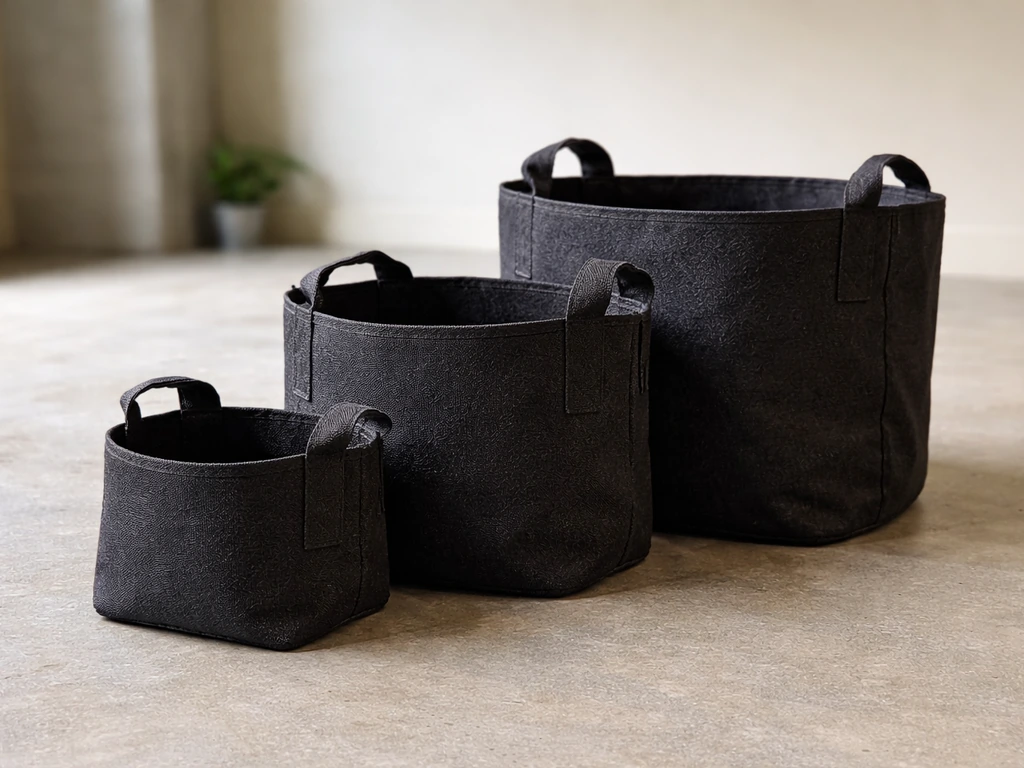
Size is the most common mistake new grow bag growers make. Going too small stunts plants and forces you to water multiple times a day. A general rule of thumb is to give each plant roughly the same root volume you would in a pot, then size up slightly to compensate for faster moisture loss. For herbs, a 1 to 3 gallon bag is fine. Tomatoes, peppers, and eggplants need at least 5 gallons, and 10 gallons is better for indeterminate tomato varieties. Potatoes do well in 10 to 15 gallon bags. Dwarf fruit trees need 15 to 25 gallons to perform well long-term. If you are growing multiple smaller plants together (lettuce, spinach, annual flowers), a large 20 to 30 gallon bag lets you treat it like a raised bed.
Fabric type
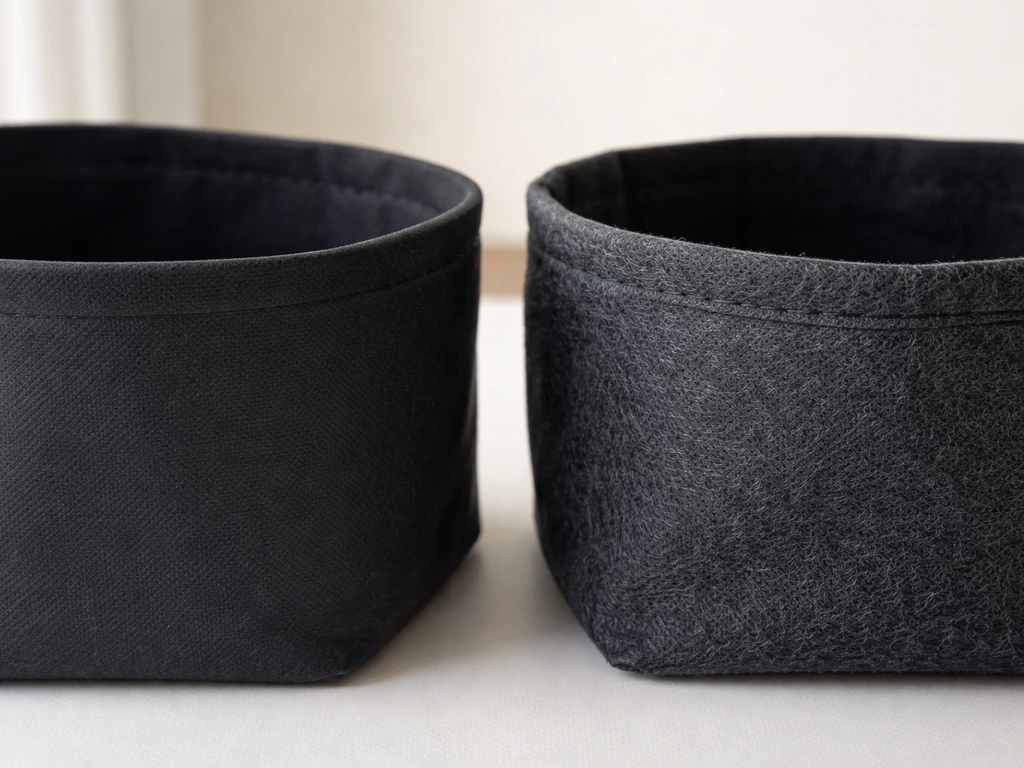
Most consumer grow bags are made from nonwoven polypropylene felt, which is the standard and works well for most purposes. Thicker fabric (typically described as 300g to 400g weight) is more durable and holds its shape better when filled. Thinner, cheaper bags are fine for annual crops you replace each season but tend to break down faster with repeated use and UV exposure. If you are growing trees or shrubs you plan to keep in bags for multiple years, invest in a heavier-duty option. Some bags are made from recycled PET fabric, which tends to be more UV-resistant and holds up better outdoors over multiple seasons.
Features worth paying for
- Sturdy handles: essential for actually moving a filled bag without destroying it
- Reinforced base stitching: prevents blowouts when bags are heavy and wet
- Velcro or zipper access panels: useful for potatoes and root vegetables so you can harvest without emptying the whole bag
- Felt color: lighter colors (tan, gray, green) reflect heat better than black in full-sun positions; black absorbs heat faster in spring but can overheat roots in mid-summer
Setting up for success: soil, watering, and fertilizing
Potting mix
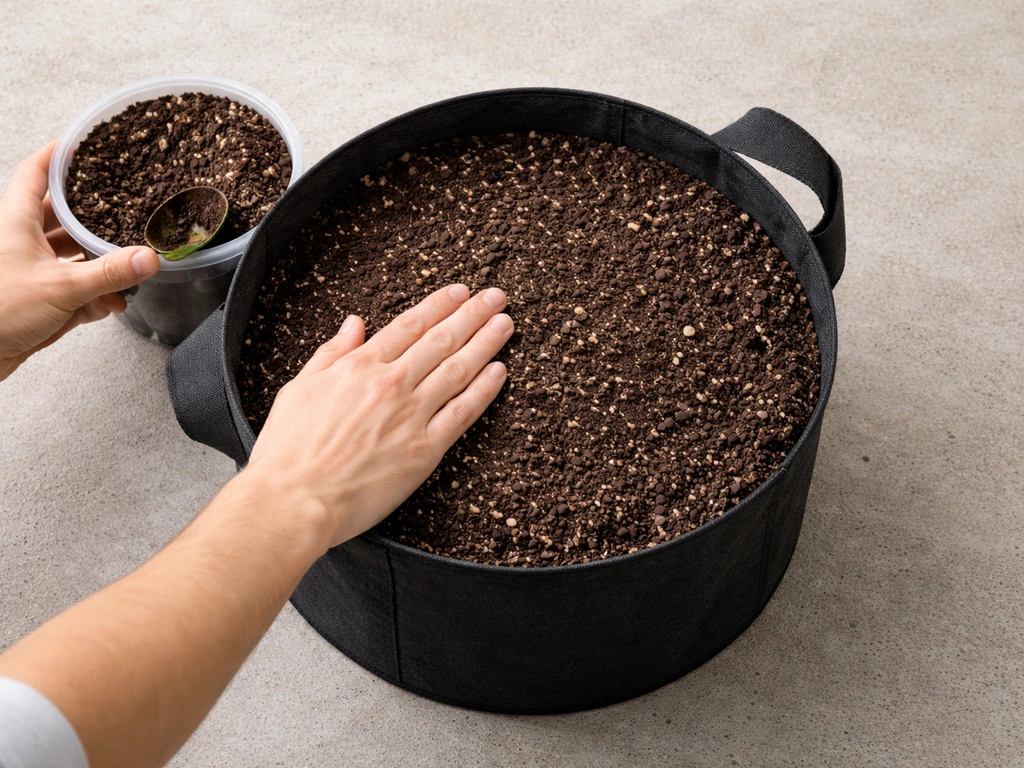
Never fill a grow bag with <a data-article-id="3143A003-7641-4336-B86E-A1BF6EBDA8B5">garden soil or straight compost. If you are deciding between a grow bag and using compost or soil straight, it helps to understand the difference between grow bags and compost so you do not accidentally defeat the bag’s drainage benefits garden soil or straight compost. </a> Both compact over time, restrict drainage, and defeat the purpose of the breathable fabric. Use a quality peat- or coir-based potting mix, ideally one with added perlite (20 to 30 percent by volume) to keep the mix airy and fast-draining. A mix that stays loose and crumbly when squeezed lightly is what you want. If you buy a bagged potting mix that clumps into a solid wet mass, add perlite before filling your bags.
Watering routine
Plan to water more often than you would with plastic containers. Yes, but you need to plan for faster drying and choose the right watering routine for your outdoor conditions can you use grow bags outside. In warm weather, most vegetable grow bags need watering at least once a day, sometimes twice for smaller bags in full sun. The practical test is simple: push a finger 2 inches into the mix. If it feels dry at that depth, water thoroughly until you see runoff from the base and sides. During the establishment period and in high temperatures, Gardeners Supply guidance recommends watering from the top regularly rather than relying solely on any reservoir system. Drip irrigation on a timer is worth considering if you have more than four or five bags, because consistency matters more than quantity.
Fertilizing
Fabric bags drain aggressively, which means water-soluble nutrients leach out faster than in sealed containers. Ohio State University research confirms that phosphates and nitrates are particularly prone to leaching in containers, and this effect is amplified in fast-draining systems like fabric bags. For this reason, controlled-release granular fertilizer (blended into your potting mix at planting) is the most reliable base nutrition strategy. It delivers a steady supply without the feast-famine cycle of periodic liquid feeding. One important caveat from Yara and PT Horticulture: controlled-release fertilizer barely releases below 50°F (10°C) and can release excessively above 90°F (32°C), so supplement with a dilute liquid feed during very hot spells when controlled-release may spike and during cool spring weeks when it is barely working. A balanced liquid fertilizer every 7 to 10 days works well as a supplement throughout the season.
What to grow and how to set it up
Vegetables
Vegetables are where grow bags shine most obviously. Tomatoes, peppers, cucumbers, zucchini, and eggplants all benefit from the improved drainage and root health. Use at least a 5 gallon bag per plant for compact varieties and 10 gallons for anything indeterminate. Potatoes are a particularly good fit for grow bags because the fabric sides let you feel how full the bag is and the harvest-panel feature (if your bag has one) makes digging easy. Start with 4 to 6 inches of mix, plant your seed potato, and keep topping up as the foliage grows, building up a deep rooting zone over the season in a 10 to 15 gallon bag.
Flowers
Annual flowers do well in grow bags, especially larger statement plantings like mixed pollinator beds or cut-flower patches. If you are wondering can you use grow bags for flowers, the short answer is yes, especially for annual blooms and cut-flower beds. A 10 to 20 gallon bag works like a mini raised bed and can hold several plants at once. Perennial flowers can be grown in bags too, but think carefully about overwintering since fabric bags expose roots to freeze damage more than buried or thick-walled containers do. Tender perennials in bags are best moved to a sheltered spot or unheated garage for winter.
Dwarf trees and fruiting shrubs
Container fruit trees (apples, figs, citrus, dwarf peaches) are an excellent grow bag application. The air-pruning effect keeps root systems structured and manageable, which actually encourages earlier fruiting in young trees. Use a minimum 15 gallon bag and ideally 25 gallons for anything you want to keep for multiple seasons. The root restriction research from Michigan State University supports this approach: controlled root volume moderates canopy vigor, which suits dwarf or semi-dwarf varieties well. Blueberries are another standout candidate because you can fill the bag with an acidic peat-heavy mix tailored to their pH needs without affecting your native soil.
Mushrooms
Grow bags for mushrooms work quite differently from those used for plant-based growing. Mushroom cultivation bags are typically made of polypropylene plastic (not nonwoven fabric) and are heat-sterilizable, used to pasteurize or sterilize the substrate before inoculation with spawn. They are sealed or filter-patch bags, not breathable fabric containers. If you are looking at fabric grow bags for outdoor mushroom beds, they can be used to contain straw or wood chip substrate for species like wine caps, but this is a niche application. The general-purpose fabric grow bag sold for vegetables is not the primary tool for mushroom cultivation.
Troubleshooting common problems
Plants wilting despite regular watering
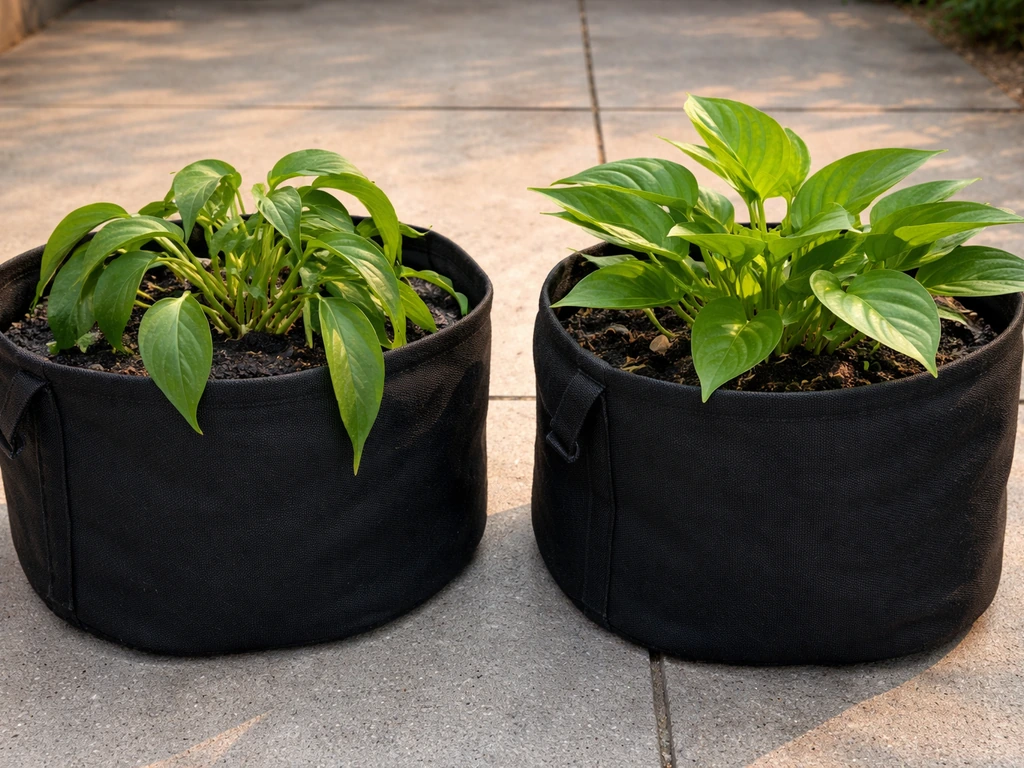
If the potting mix looks moist but the plant still wilts mid-afternoon, feel the outside of the bag. If it is warm to hot, root zone heat is the problem. Move the bag to a position where it gets afternoon shade, or place it inside a slightly larger decorative pot to create an insulating air gap. Lighter-colored bags also help significantly in full-sun positions.
Soil drying out too fast
This is the most common complaint with fabric bags and the most predictable. Grouping bags together reduces moisture loss from the sides. Adding a layer of mulch (straw, wood chips, or even a thin layer of compost) over the top of the bag slows evaporation dramatically. Larger bags hold moisture longer than small ones, so if you are battling constant dryness in a 3 gallon bag, consider sizing up. Self-watering inserts with a reservoir at the base can also make a meaningful difference for balcony and patio growers.
Yellowing leaves and nutrient deficiency
Because grow bags drain so freely, nutrients (especially nitrogen) leach out faster than you expect. If plants yellow between veins or show general pale coloring mid-season, supplement with a dilute balanced liquid fertilizer even if you used controlled-release granules at planting. In hot weather above 90°F (32°C), controlled-release granules can overdose plants and then deplete quickly, leaving you with a deficiency gap a few weeks later. Consistent liquid feeding as a top-up prevents this.
Bag tipping or instability in wind
Tall plants in grow bags tip more easily than the same plants in heavy ceramic or terracotta pots. Stake indeterminate tomatoes directly into the bag and tie to a fence, wall, or trellis. For freestanding bags with no nearby support, filling the bottom few inches with gravel before adding potting mix lowers the center of gravity enough to help. Grouping bags together so they lean on each other also works in practice.
Fabric deteriorating after one season
Thin, cheap nonwoven bags can break down within a single season when exposed to full UV. If your bags are tearing, fading to a crumbly texture, or losing their shape, the material quality is insufficient for multi-season use. Invest in heavier-weight (300g or above) or UV-treated fabric. Washing bags between seasons and storing them dry (not in direct sun) extends their life considerably. The question of how long grow bags last and whether they are worth reusing across seasons is worth thinking about before you buy in bulk.
Root-bound appearance or poor growth despite correct size
If a plant looks stunted or roots are visibly growing out of the bag's fabric sides in large numbers, it has been in the same bag too long or the bag is undersized. Roots exiting the sides is normal and is actually the air-pruning process working correctly, but a continuous mat of roots clinging to the outside means the bag is exhausted for that plant. Repot up a size or start fresh with new potting mix. Old potting mix compacts over successive waterings and loses its drainage structure, so refreshing the medium each season is good practice regardless.
The honest verdict and where to start
For most home growers, fabric grow bags are absolutely worth it. The air-pruning mechanism is real, well-documented, and produces measurably better root systems than standard plastic containers. The drainage and temperature benefits are meaningful in practice, not just on paper. The main trade-off is that they demand more attentive watering and more consistent fertilizing than sealed containers, and they are not the right tool if you want to set something up and largely leave it alone.
The clearest cases where grow bags are worth every penny: tomatoes and peppers on a patio, potatoes anywhere, dwarf fruit trees in a rental garden where you cannot plant in the ground, and any situation where your native soil is poor or compacted. The clearest cases where something else is better: low-maintenance perennials, houseplants, anything you want to overwinter without moving to shelter, and situations where watering daily is genuinely not feasible.
Start here checklist
- Pick the right size: 5 to 10 gallons for most vegetables, 15 to 25 gallons for trees and shrubs, 1 to 3 gallons for herbs
- Buy a heavier-weight fabric (300g or above) if you plan to reuse bags across multiple seasons
- Fill with a peat- or coir-based potting mix cut with 20 to 30 percent perlite, not garden soil
- Mix in a slow-release granular fertilizer at planting, and plan to supplement with liquid feed every 7 to 10 days
- Water when the top 2 inches of mix feel dry, and expect to water at least once a day in warm weather
- Group bags together and mulch the surface to reduce moisture loss in hot, sunny positions
- Stake tall plants directly in the bag and tie to a fixed support
- At season end, empty bags, wash them, and store dry to extend lifespan for next year
FAQ
Are grow bags worth it if I only water every other day?
Usually no for vegetable-sized bags. Fabric bags dry faster, especially in full sun and wind, so aim for daily watering in peak summer. If you cannot, choose larger bags, add a mulch layer, or use a drip line on a timer so moisture stays consistent.
Can I put a grow bag on a patio or balcony, and will it leak?
It will drain, so treat it like an open container. Place it on a tray, saucer, or waterproof surface to catch runoff, and expect nutrient-rich water to exit the base. If runoff annoys you, consider fewer larger bags or an irrigation timer to reduce waste.
Should I use a saucer or base reservoir under a fabric grow bag?
Not as a primary strategy. Fabric containers must drain freely to prevent root issues, so a saucer should be for catchment only. If you use a reservoir-style insert, only choose one designed for grow bags, otherwise you can defeat the breathable drainage benefit.
How do I know when to water without constantly checking?
Use the finger test at about 2 inches deep, then water thoroughly until you see runoff from the sides and base. For busy schedules, set a simple routine (same time daily in hot weather) and adjust based on how fast the mix dries at that depth.
Do grow bags need fertilizer even if I use compost or slow-release pellets?
Yes, typically. Fast drainage can leach nutrients faster than sealed pots, so expect mid-season yellowing and plan a liquid feed top-up. If your slow-release fertilizer is temperature-sensitive, supplement during very hot weeks and early cool spells.
What potting mix should I use with grow bags, and can I reuse it?
Start with a peat- or coir-based potting mix that stays loose and add perlite (about 20 to 30 percent by volume). Reusing can work only if the mix still drains well and is not compacted, but refreshing with new mix each season is usually what keeps performance consistent.
Are grow bags worth it for long-term plants, like shrubs or perennials?
They can be, but the “worth it” part depends on winter risk and bag durability. Fabric degrades and roots are more exposed to freeze-thaw, so pick heavier-duty bags and plan winter shelter or moving the bag to a protected area.
Can grow bags be reused across seasons, or should I replace them?
If they are still intact, not brittle, and the fabric holds shape, reusing is reasonable. Wash and store them dry out of sun, and refresh the potting mix because older mix loses airy structure. If the bag tears or turns crumbly, replace rather than risk failures mid-season.
Why are my plants wilting even though the soil looks wet in the bag?
Warm root-zone heat can cause afternoon wilting even when the surface seems moist. Feel the outside of the bag, then move it to afternoon shade or use lighter-colored bags, and consider insulating with a larger decorative pot or mulch to reduce heat buildup.
How long should I keep a plant in the same grow bag before repotting?
When you see a dense mat of roots clinging to the outside, the bag is effectively “spent” for that plant, or the bag is undersized. For many vegetables, fresh mix each season is simplest, and for longer crops, step up a size if roots repeatedly crowd the fabric sides.
Are grow bags worth it for plants like carrots or other deep-root vegetables?
They can be, but you must use enough depth and consistent moisture. Shallow bags restrict taproots and can lead to forked or stunted growth, so choose a deeper bag size and avoid letting the mix dry out between waterings.
Do fabric grow bags work the same for blueberries or acid-loving plants?
They work well because you control the growing medium pH inside the bag. Use an acidic peat-heavy mix formulated for blueberries, and water consistently since leaching can remove nutrients and alter what remains in the root zone over time.
What’s the biggest mistake that makes grow bags not worth it?
Undersizing or inconsistent watering. Small bags dry out so fast that plants repeatedly stress, and that cancels the root benefits. If you are unsure, size up and add mulch to reduce evaporation, because you can always manage a larger bag with correct pruning or plant spacing.
Next Articles
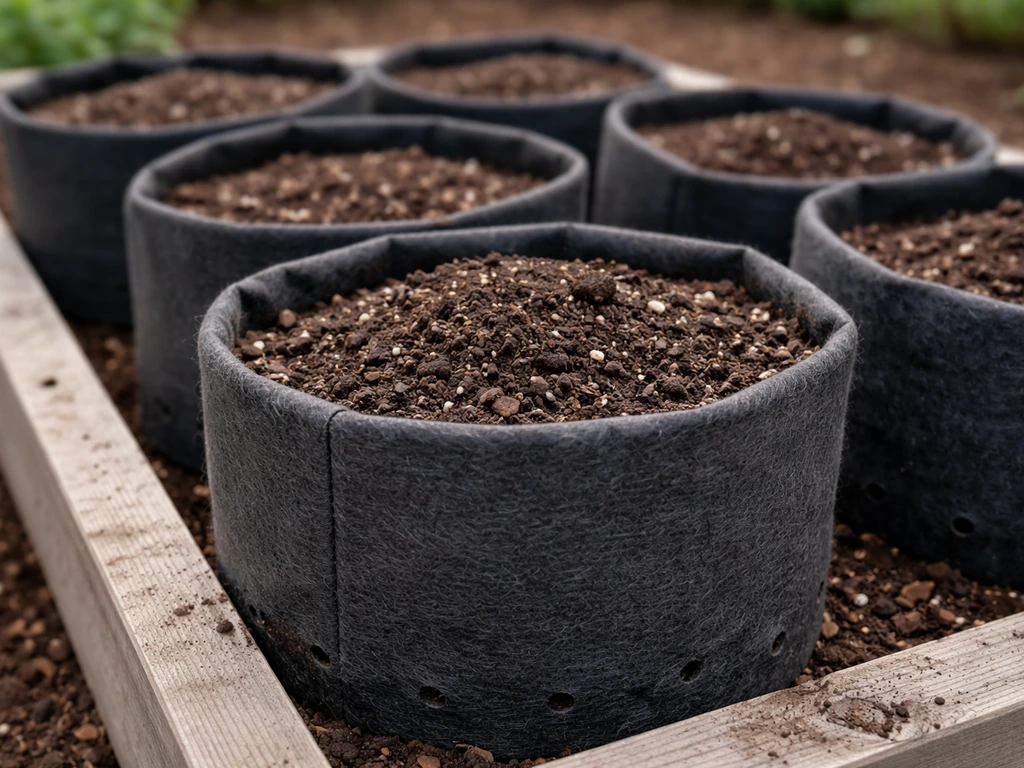
Can You Reuse Grow Bags? Safe Steps and Soil Advice
Learn if you can reuse grow bags safely, how to clean fabric bags, refresh soil, and handle pests or disease risks.
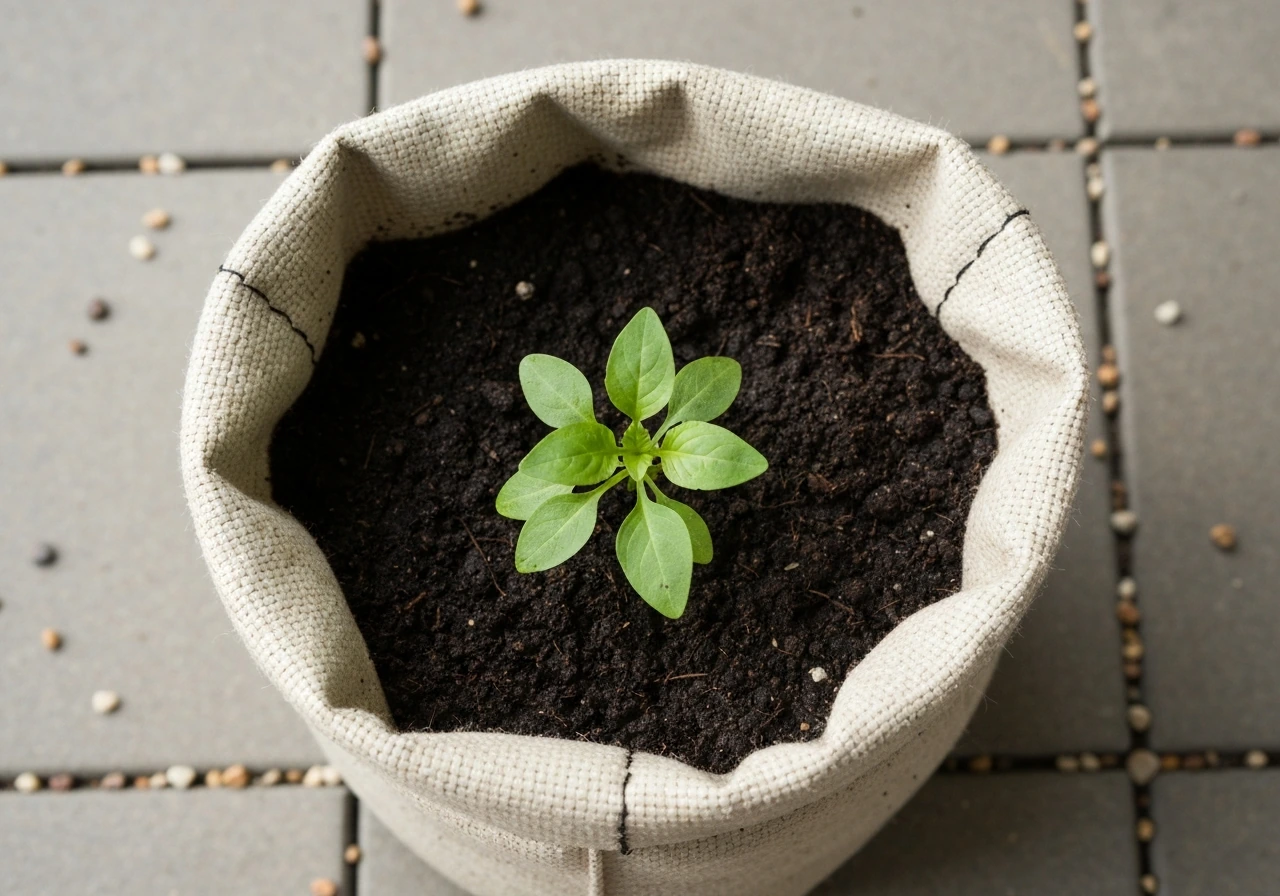
Are Grow Bags Reusable? How Many Seasons and How to Reuse
Learn how many seasons fabric grow bags last, if they’re reusable or biodegradable, and how to clean, sanitize, and reti
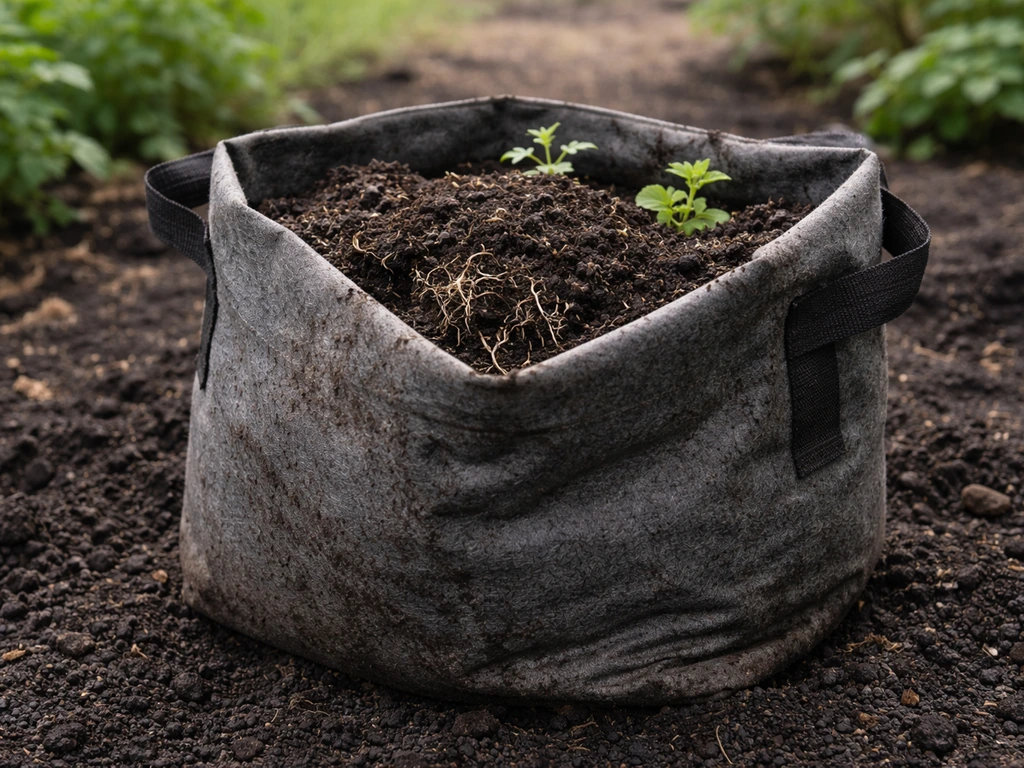
How Long Do Grow Bags Last and How to Make Them Last Longer
Fabric grow bag lifespan, what shortens it, and step-by-step care, cleaning, storage, and end-of-life tips.