
Yes, you can absolutely reuse fabric grow bags, and most quality bags are built to handle multiple seasons. The key isn't whether you can reuse them, it's whether you do it safely. Reusing a bag that harbored disease or pests without proper cleaning is how problems compound from one season to the next. Do it right, though, and a good fabric grow bag can serve you for three to five years, sometimes longer, which goes a long way toward answering the question of whether grow bags are worth the investment in the first place.
Can You Reuse Grow Bags? Safe Steps and Soil Advice
Marcus Holloway
16 Apr 2026
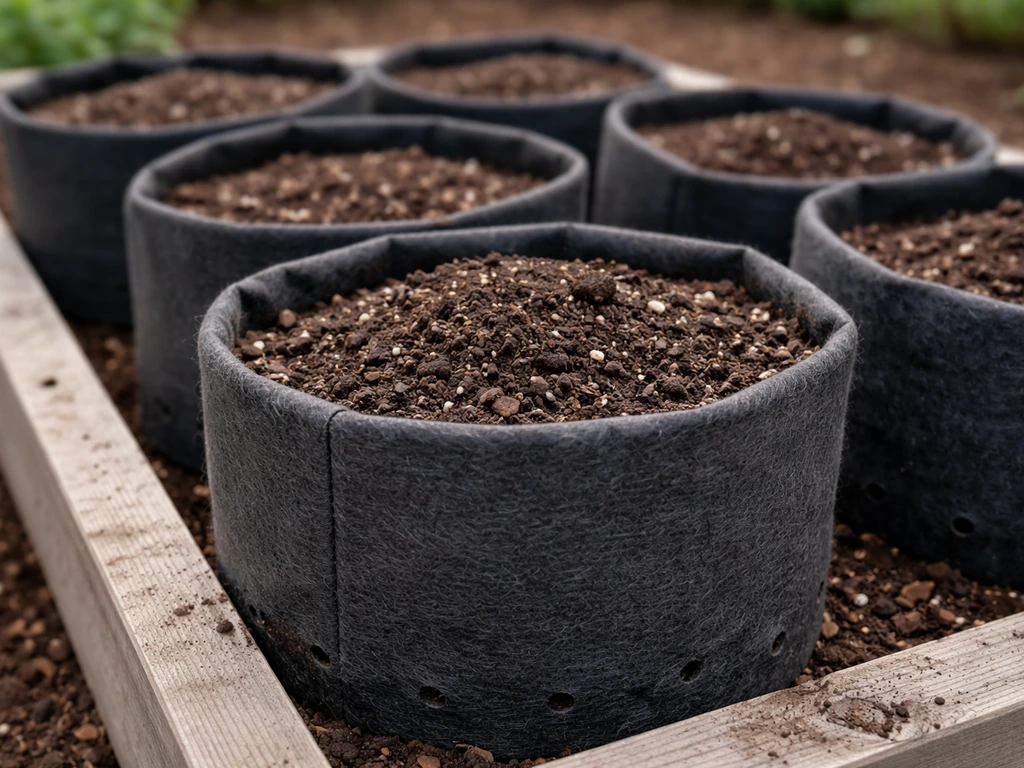
Can fabric grow bags actually be reused?
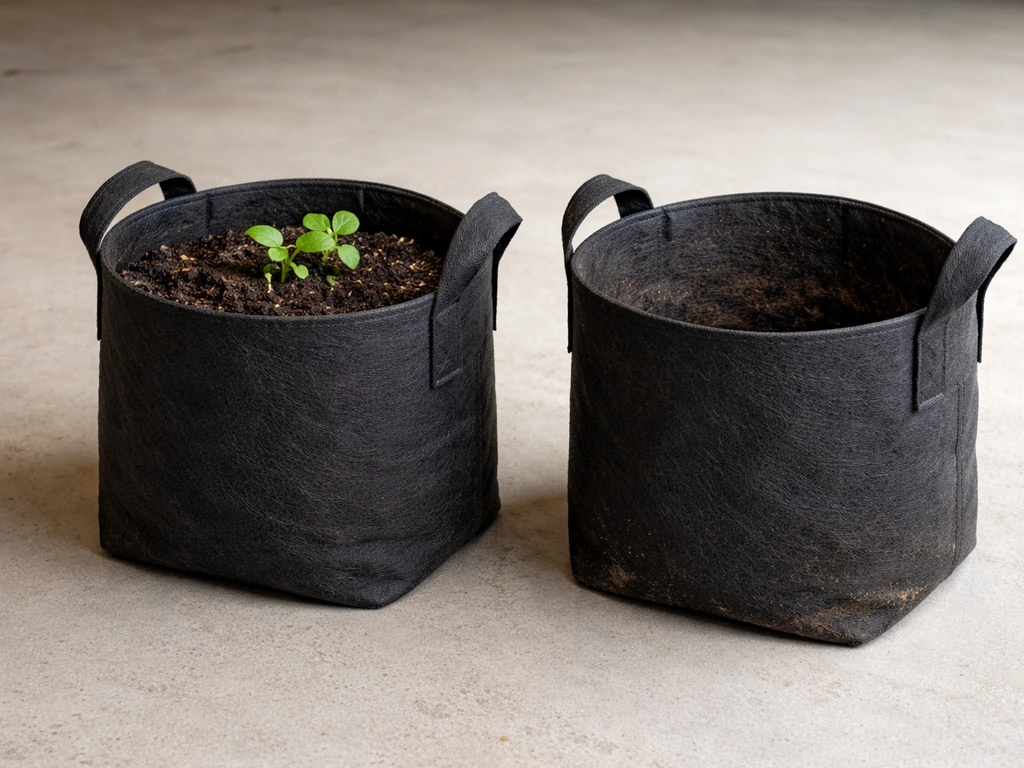
The short answer is yes, with caveats. Most fabric grow bags are made from nonwoven polypropylene felt, which is durable enough to survive multiple grow cycles when handled carefully. With proper care, you can realistically expect three to five years of use from a quality bag, and some growers push that to seven or eight years if the bag is stored well and never left exposed to prolonged direct sun when empty. UV exposure is the main enemy here: polypropylene degrades under extended sunlight, and even bags made with UV inhibitors will eventually break down. So reuse is practical, but the bag itself has a finite lifespan.
The bigger variable isn't the bag material, it's the soil and what was growing in it. Pathogens, pest eggs, and nutrient imbalances stay in the growing medium long after you pull the plant. That's the real reuse question: can you clean the bag and refresh the soil well enough to start fresh? In most cases, yes. In some cases, the right move is to discard the soil entirely and start over.
How to clean and prep a grow bag for reuse
The cleaning process matters a lot here. Disinfecting a dirty bag doesn't work because organic matter (old roots, soil particles, dried compost) physically protects pathogens from bleach or any other disinfectant. You have to clean first, then disinfect.
- Empty the bag completely. Shake out as much loose soil as possible, then use a stiff brush to scrub off root debris and compacted material clinging to the interior fabric.
- Wash with soapy water. Use warm water and dish soap, scrubbing both inside and out. Rinse thoroughly until the water runs clear.
- Soak in a 10% bleach solution. Mix one part household bleach with nine parts water. Submerge the bag or thoroughly saturate it and let it soak for at least 30 minutes. This is the step that kills pathogens, fungal spores, and pest eggs that survived the wash.
- Rinse very well with clean water. This step is not optional. Bleach residue on the fabric can damage seedling roots, so rinse multiple times until you can't detect any bleach smell.
- Dry completely before storing. Hang the bag inside out in a well-ventilated area out of direct harsh sun. Any residual moisture trapped in the felt invites mold during storage.
If you'd rather avoid bleach, hydrogen peroxide at 3% concentration is a reasonable alternative disinfectant. It's less harsh on the fabric and breaks down into water and oxygen, so rinsing requirements are lighter. It's not quite as broad-spectrum as bleach, but for standard end-of-season sanitizing it works well.
One practical note: fabric grow bags are usually machine-washable on a gentle cycle, which makes the cleaning step easier. Follow that with the bleach soak (or a hydrogen peroxide soak) and you're in good shape.
What to do with the soil between cycles
The soil that comes out of a grow bag at the end of the season is often depleted of nutrients but still structurally useful, especially if it was a quality potting mix to begin with. You have a few options depending on what was growing and whether any disease showed up.
Refreshing and reusing the soil
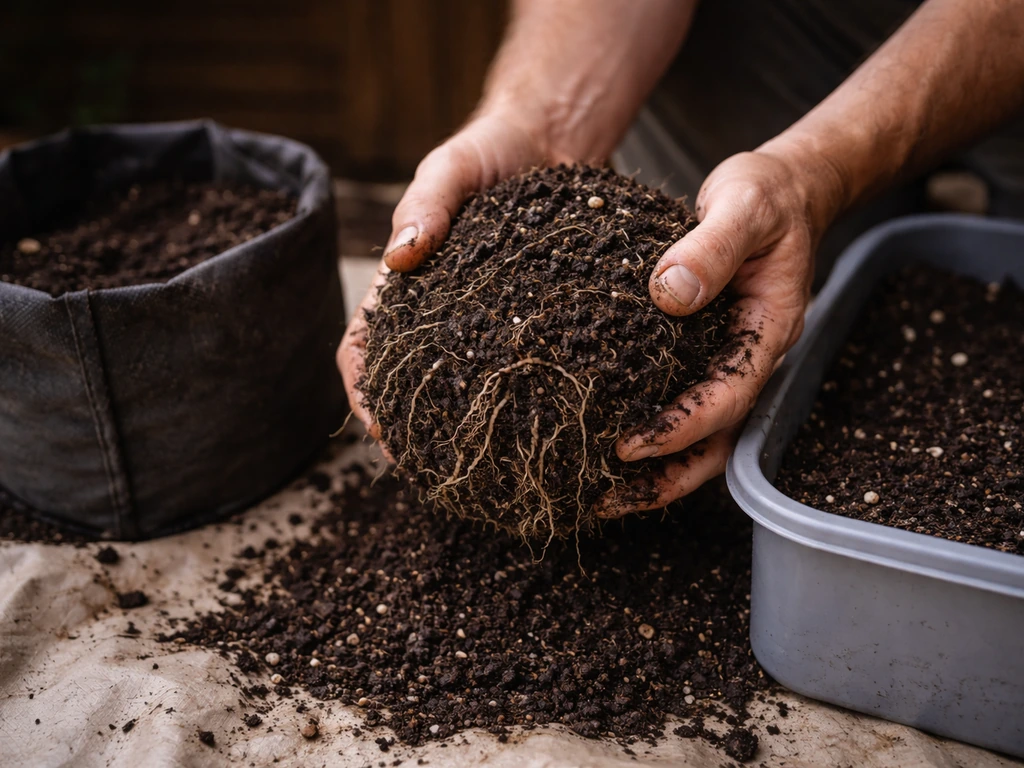
If the previous crop was healthy and you didn't notice pests or disease, used grow bag soil can often be refreshed and reused. Mix it with fresh compost (roughly 20 to 30 percent by volume), add a slow-release fertilizer or top-dress with worm castings, and it's serviceable again. The goal is to restore both nutrition and microbial life that gets depleted over a season. You might wonder about the difference between a dedicated growing medium and compost here, which is worth looking into if you're deciding how to top up your mix: what is the difference between grow bags and compost covers that ground in more detail.
Using old grow bag soil elsewhere in the garden
Even if you're not reusing the soil in the same bag, old potting mix from healthy plants is excellent as a garden bed amendment or mulch layer. If you're thinking about whether that spent mix qualifies as compostable material, the answer is essentially yes for healthy soil: you can use grow bags as compost material in the right circumstances, though you'd want to hot-compost any soil that had anything suspicious going on.
Solarizing the soil instead of discarding it
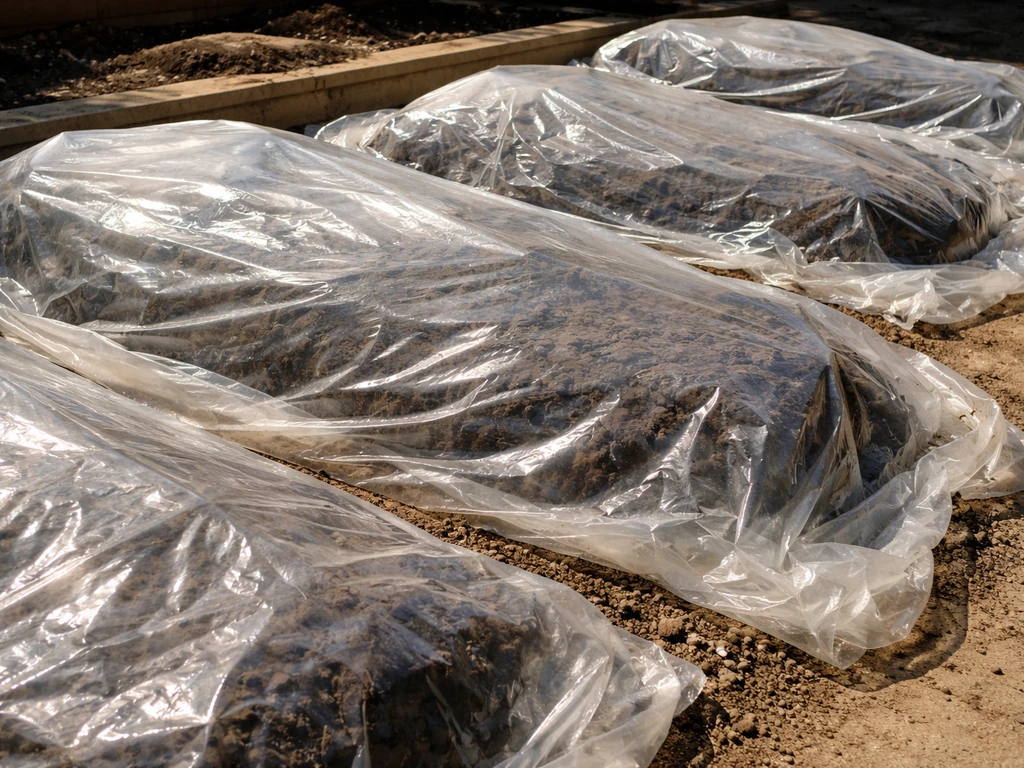
If you suspect low-level pest or pathogen presence but the situation wasn't serious enough to warrant throwing the soil away, solarization is a practical middle ground. Spread the damp soil thinly in a pile, cover it with clear plastic sheeting, seal the edges, and leave it in full sun for four to six weeks during the hottest part of summer.
UMN Extension notes that solarization works by placing clear plastic over soil to heat it, with typical durations often about 2, 3 weeks in hot summer conditions in dry climates clear plastic sheeting. The trapped heat can push soil temperatures high enough to kill most disease-causing organisms, nematodes, and weed seeds.
Clear plastic works better than black for this because it lets sunlight penetrate while trapping heat, and UC IPM data shows most soilborne pests are controlled after about four weeks under suitable summer conditions. After solarizing, amend as normal before reuse.
Same plant again or something different?
This is a real decision point, and the honest answer is that you should usually grow something different in the same bag the following season. Crop rotation reduces the risk of soilborne pathogens that survive in the growing medium between cycles. Verticillium wilt, for example, can survive in soil for years and is a serious problem for tomatoes, peppers, and eggplant. If you grew tomatoes last year and plant tomatoes again in the same soil, you're giving any lingering pathogen exactly the host it needs.
Rotating plant families is a simple habit that makes reuse much safer. Follow heavy feeders like tomatoes or squash with lighter feeders or nitrogen-fixers like beans or herbs. If you're planning to grow flowers next cycle, that's actually a great rotation choice after vegetables: grow bags work well for flowers and using them in rotation helps break pest and disease cycles that are vegetable-specific.
If you insist on growing the same plant again, at minimum replace the soil entirely with fresh potting mix rather than refreshing what's already there. The bag itself can be sanitized, but the soil is where carryover disease lives.
Can you use reusable grocery bags as grow bags?
This comes up a lot, and the honest answer is: sort of, but with real limitations. Reusable grocery bags are made from woven polypropylene or nonwoven fabrics similar to grow bags, so in principle they can hold soil and support plant growth for a short period. In practice, they fall short in a few important ways.
| Feature | Fabric Grow Bags | Reusable Grocery Bags |
|---|---|---|
| Drainage | Excellent, water passes through the entire fabric wall | Poor to none, most have sealed or coated bottoms with no drainage holes |
| Root aeration | Air-pruning through breathable sides prevents root circling | Little to no aeration; roots can circle and become root-bound |
| Material durability | Designed for outdoor UV exposure and repeated wet/dry cycles | Not UV-stabilized; degrades faster outdoors |
| Depth and shape | Sized and shaped for root development of specific plants | Shallow and wide, unsuitable for deep-rooted crops |
| Structural integrity when wet | Maintains shape under soil weight | Often collapses or deforms when filled with wet soil |
| Reusability | 3 to 5+ years with proper care | 1 season at most before material fails or handles tear |
The single biggest issue is drainage. Fabric grow bags work partly because water drains through the entire wall surface rather than relying on a single bottom hole: grow bags used outside handle rain and overwatering better than hard containers for exactly this reason. Grocery bags have sealed or coated bottoms that trap water, which sets up root rot quickly. If you want to experiment with one, poke multiple drainage holes in the bottom and line the inside with landscape fabric to slow soil loss through any weave gaps. But honestly, for anything beyond a very short-term test, a purpose-built fabric grow bag is a better use of your time and money.
When reusing a grow bag is the wrong call
There are situations where the right answer is to discard the soil and, in some cases, the bag itself. Don't reuse the soil if:
- The previous plant showed clear signs of fungal disease (wilting despite adequate water, yellowing or spotted leaves, root rot when you unpot).
- You dealt with a serious pest infestation, especially anything that lays eggs in soil like fungus gnats, root aphids, or vine weevils.
- You found visible mold throughout the root zone (not just on the surface, which is usually harmless).
- The plant was infected with a soilborne pathogen like Fusarium or Verticillium wilt.
- The bag has structural tears that can't be repaired, or the fabric has become brittle and crumbling, which is a sign of UV degradation.
If disease was the issue, MSU Extension's guidance is direct: blank" rel="noopener noreferrer">it's best not to reuse containers when disease was problematic. The risk of carryover to the next crop isn't worth it. If you want to understand more about how long your bags will realistically hold up before reaching this point, it's worth understanding how long grow bags last under different conditions so you can plan replacements ahead of time rather than being caught mid-season.
Diseased soil shouldn't go directly into your garden beds either. Hot composting it is the safer disposal route: active thermophilic composting can reach 131 to 170 degrees Fahrenheit, which kills most pathogens and weed seeds at those temperatures, but you have to maintain that heat throughout the pile for at least three full days and make sure the edges reach temperature too, not just the center.
Your reuse workflow from harvest to next planting
Here's the practical step-by-step process to follow right now, depending on where you are in the season.
Just finished harvesting (healthy season)
- Pull the plant and shake out as much soil as possible into a tarp or bin.
- Inspect the roots and soil for any signs of pests or disease. Smell the root ball: healthy soil smells earthy; diseased roots often smell musty or sour.
- Set the soil aside in a bin or bag to amend later. Add compost and a slow-release fertilizer before reusing it.
- Scrub the grow bag with soapy water, rinse, then soak in a 10% bleach solution (1 part bleach to 9 parts water) for 30 minutes.
- Rinse the bag thoroughly, at least twice, then hang it to dry completely inside out.
- Store the dry bag folded in a cool, dry place out of direct sun. A garage shelf or storage bin works well.
- When you're ready to replant, fill with the refreshed soil mix and choose a different plant family than the previous season.
Bag had pests or disease this season
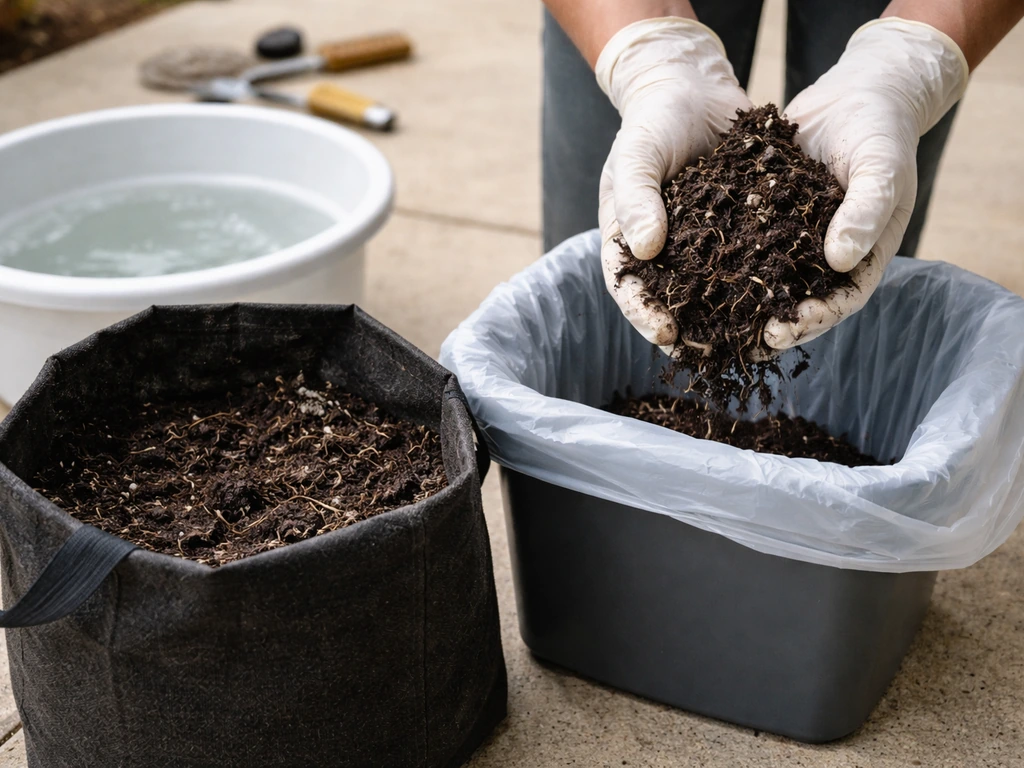
- Bag the old soil immediately and dispose of it in the trash or hot compost pile. Do not reuse it or spread it in garden beds.
- Scrub the bag thoroughly, then extend the bleach soak to the full 30 minutes minimum, using fresh solution.
- Consider whether the bag is worth saving. If the fabric is in good shape and the disease was limited to the soil, a thorough sanitization is usually sufficient. If the bag itself shows mold growing through the fabric fibers, discard it.
- Rinse extremely well, dry completely, and start fresh next season with brand-new potting mix.
Mid-season or partially used bag
If you're mid-cycle and pulling a plant early (a failed start, a diseased specimen, or something that just didn't take), the same logic applies. Remove the plant, inspect the soil, and decide whether the remaining mix is worth keeping based on what you find. If the rest of the bag looks healthy, top it up with fresh mix and replant something else. If there are signs of trouble, empty, clean, and start over. The bag is reusable regardless: the question is always about the growing medium and what was in it.
One final thought: if you're considering growing through winter or leaving bags outside between seasons, that's a separate question worth thinking through carefully. Whether you can leave grow bags out all winter depends on your climate, what's planted, and how the bag is protected, and getting that wrong shortens bag life fast. Also, if you've been wondering whether the broader claim that grow bags are reusable in a general sense holds up across different bag types, the short version is yes, though the specifics vary by material and construction. Clean, dry, and store correctly, and your bags will be ready to go again next season.
FAQ
If my grow bag soil came from a healthy plant, do I need to sterilize it before replanting?
If you reuse a bag that held a healthy crop, you can usually get good results by refreshing the mix rather than sterilizing it. A practical baseline is to top it up with about 20 to 30% fresh potting mix or compost, then re-amend with slow-release fertilizer and, if you have it, worm castings to restore biology. If you see recurring issues, switch to a different crop family next season or solarize the mix before reuse.
Can I disinfect a grow bag without doing a thorough cleaning first?
Yes, but you should not disinfect the fabric “as is.” First remove all roots and visible soil, wash the bag to remove organic matter, then disinfect. Organic debris shields pathogens from bleach or peroxide, so a disinfectant step done without cleaning can leave risk behind.
Which is better for sanitizing reusable grow bags, bleach or 3% hydrogen peroxide?
For end-of-season sanitizing, 3% hydrogen peroxide is generally a safer fabric-friendly alternative, and it tends to require less aggressive rinsing because it breaks down into oxygen and water. Bleach can be very effective, but it is harsher and can accelerate fabric breakdown if you use it repeatedly without careful handling and thorough follow-up rinsing.
What should I do if I only had minor pests in the bag, can I still reuse the soil?
If you had pests, don’t assume “they’re gone” means the bag is safe. Eggs, pupae, or damaged plant residue can remain in the medium. Safest practice is to discard the soil for serious pest problems, and if the infestation was mild, consider solarizing the spent soil for 4 to 6 weeks during the hottest part of summer before reusing.
Can you reuse grocery bags instead of grow bags?
You can, but only if you understand the tradeoffs. Grocery bags typically hold water poorly because their bottom is often sealed or coated, which increases the chance of root rot. If you try it anyway, add multiple drainage holes and line with landscape fabric to slow loss through any weave gaps, but for anything beyond a short experiment, a purpose-built grow bag is a better long-term choice.
Can you reuse the same grow bag after a disease outbreak, like wilt or blight?
Not safely as a rule. If disease was the main issue, extension guidance generally recommends not reusing containers when disease was problematic, because carryover risk is not worth it. Even if the bag is sanitized, the growing medium is where lingering pathogens can survive.
How strict does crop rotation need to be when reusing grow bags?
If you plan to keep using the bag, crop rotation is the key decision. After heavy feeders like tomatoes or squash, rotate to lighter feeders or nitrogen-fixers like beans or herbs, and if you grew a vegetable family with known soilborne risks, avoid planting that same family again in the same bag unless you completely replace the soil with fresh mix.
When is solarization worth it, and what conditions make it work best?
When reuse is allowed, soil should be refreshed and the bag sanitized, then you can replant with a different crop family. If there were signs of trouble, solarization is a useful middle ground, but it takes full 4 to 6 weeks in strong summer heat, with damp soil spread thinly and covered with clear plastic sealed at the edges.
Can you leave grow bags outside between seasons without damaging them?
Yes, but only for short-term storage and with protection. Leaving bags outside without cover can significantly shorten fabric lifespan due to UV degradation, especially when the bag is empty and exposed. Store dry, out of direct prolonged sun, and keep them protected so the fabric and seams don’t degrade between cycles.
Do all grow bags hold up equally well for reuse, or are some types easier to reuse than others?
Mostly yes, but not universally. Reuse depends on material and construction, and the most important weak spot is UV exposure over time. If your bag is thin, poorly stitched, or shows fraying or brittle spots, retire it and replace it, even if it was only used for a couple seasons.
Next Articles
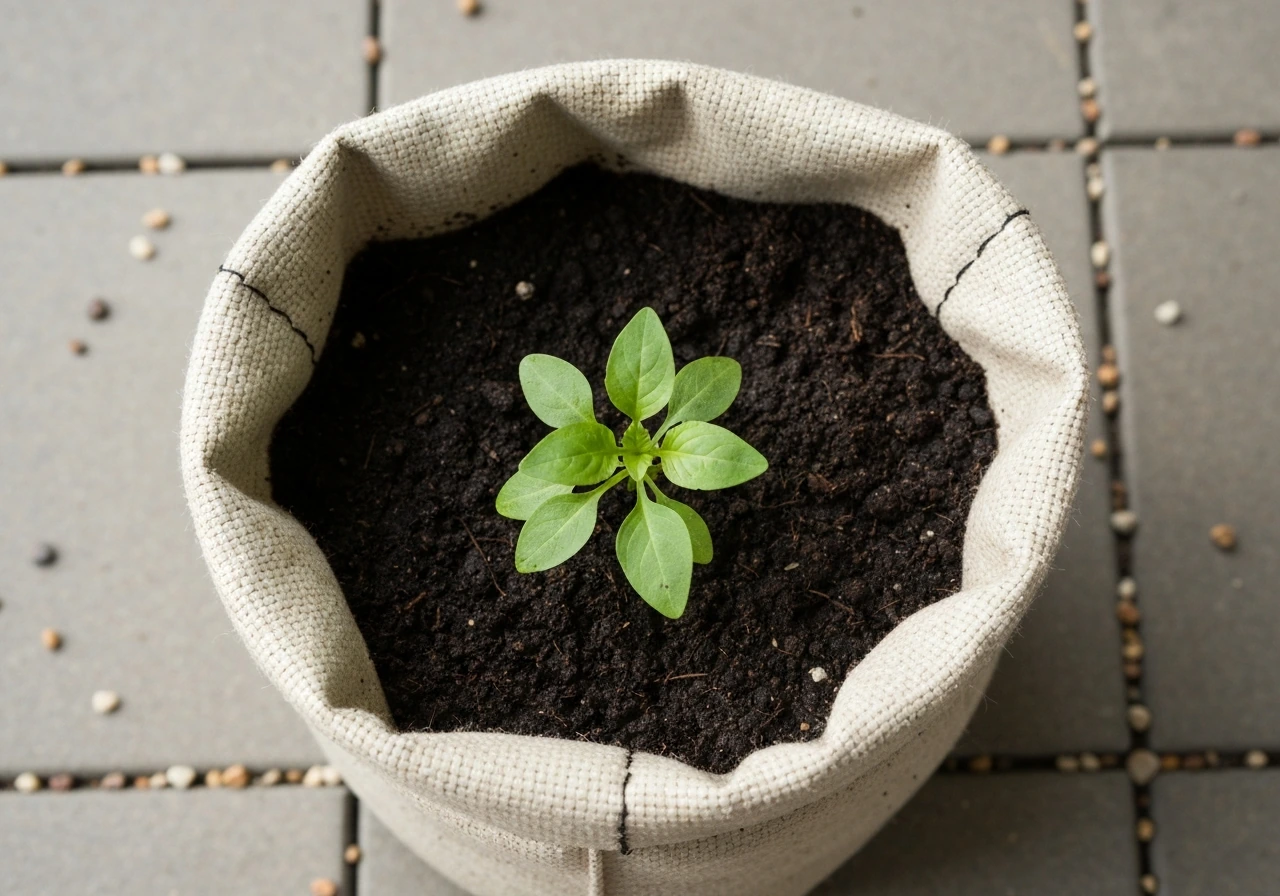
Are Grow Bags Reusable? How Many Seasons and How to Reuse
Learn how many seasons fabric grow bags last, if they’re reusable or biodegradable, and how to clean, sanitize, and reti
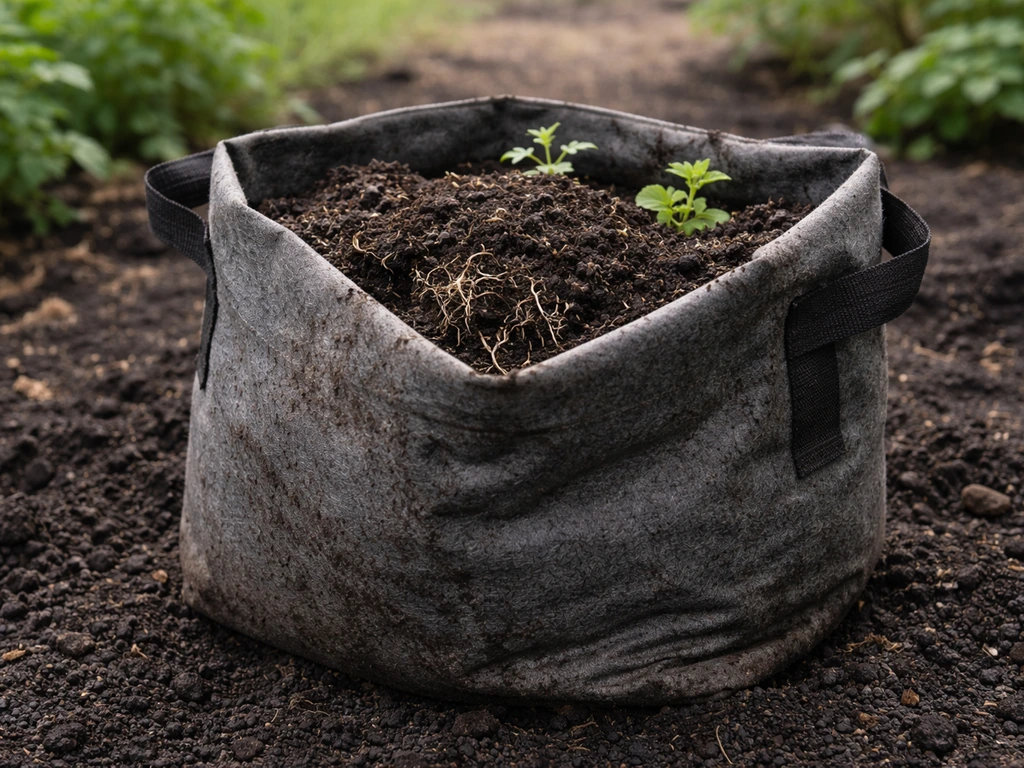
How Long Do Grow Bags Last and How to Make Them Last Longer
Fabric grow bag lifespan, what shortens it, and step-by-step care, cleaning, storage, and end-of-life tips.
Best Mulch for Grow Bags: Top Picks for Vegetables & Flowers
Find the best mulch for fabric grow bags: top picks, how-to apply, crop & climate advice, and troubleshooting.