The best plants for hanging fabric grow bags are ones with shallow root systems, compact growth habits, and a reasonable tolerance for the faster drying that comes with any suspended container. That means herbs like basil, thyme, and parsley; trailing or compact vegetables like cherry tomatoes, lettuce, and trailing cucumbers; small fruits like alpine or everbearing strawberries; and flowering annuals like petunias, nasturtiums, and lobelia. Mushrooms are a special case (more on that below). The plants to avoid are anything with deep taproots, heavy vining stems that need ground-level support, or root systems that demand consistently moist soil that a small hanging bag simply can't hold.
What to Grow in Hanging Grow Bags: Best Plant Picks
Marcus Holloway
7 Jun 2026
Best beginner-friendly plants for hanging grow bags
If you're just starting out, pick plants that forgive minor watering inconsistencies, grow quickly enough to reward your effort early, and don't need precise pruning or trellising to succeed. The following are genuinely forgiving in a hanging fabric grow bag setup.
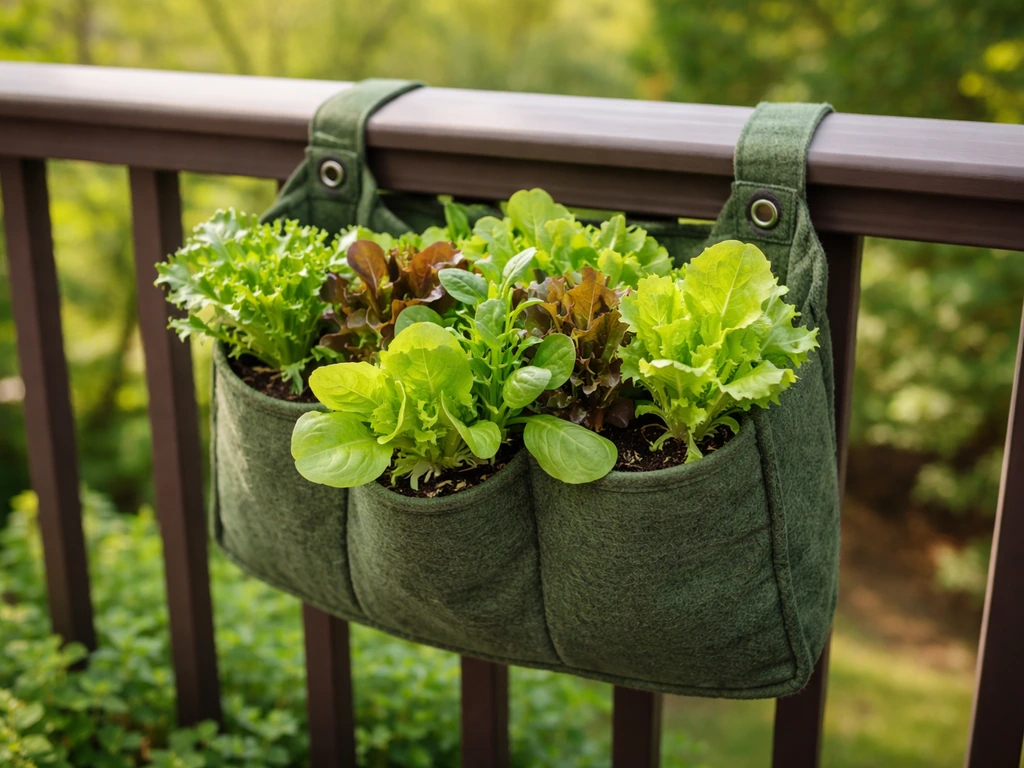
- Lettuce and salad mix: fast-germinating, shallow-rooted (a 6–8 inch deep bag is plenty), and harvestable as baby leaves within a few weeks. Start picking individual outer leaves when they're a few inches tall.
- Basil: loves the warmth and drainage that a fabric bag provides. A 2-gallon bag supports one healthy plant. Pinch flowers early to keep it producing.
- Cherry tomatoes (compact/determinate varieties): choose 'Tumbling Tom', 'Tiny Tim', or 'Tumbler'. These are bred for container and hanging-basket use. A 5-gallon bag is the minimum; larger is better.
- Trailing nasturtiums: edible flowers, zero fuss, thrive in poor-ish soil, and trail beautifully over bag edges. Sow directly into the bag after the last frost.
- Alpine strawberries: small, no runners to manage, and root systems that sit comfortably in 6–8 inches of soil depth.
- Herbs like chives, parsley, and mint: quick to establish, useful in the kitchen, and tolerant of the slightly variable moisture in a hanging container. Note that mint is vigorous, so give it its own bag rather than mixing it.
The main thing that trips beginners up with hanging grow bags isn't plant choice, it's watering. Fabric is breathable by design, which is great for root health (more on that in the care section) but it also means the bag dries out faster than a plastic pot of the same size. Check the soil daily in summer, especially on hot or windy days.
Vegetables that thrive in bags (and which ones to avoid)
Hanging grow bags favor vegetables with compact root systems and manageable above-ground size. The following table gives you a practical snapshot of what works, what needs careful management, and what to leave in a ground-level bed.
| Vegetable | Bag Size | Notes | Verdict |
|---|---|---|---|
| Cherry tomatoes (compact varieties) | 5–7 gallon | Use determinate/trailing types; stake or cage if needed | Excellent |
| Lettuce and salad greens | 2–3 gallon | 6–8 inches depth is sufficient; harvest as baby leaves | Excellent |
| Radishes | 2–3 gallon | Fast crop; needs 4–6 inches depth minimum | Good |
| Dwarf kale or cut-and-come-again spinach | 3–5 gallon | Cool-season crops; struggle in intense summer heat | Good |
| Trailing cucumbers | 5–7 gallon (one plant) | Must trellis; one plant per 5-gallon bag | Manageable with effort |
| Peppers (compact varieties) | 3–5 gallon | Love warmth; do well if wind protection is offered | Good |
| Bush beans | 3–5 gallon | Compact varieties preferred; space 3 inches apart | Good |
| Standard/indeterminate tomatoes | 10+ gallon | Gets very heavy (40–50 lbs when watered); hard to hang safely | Avoid for hanging |
| Courgettes/zucchini | 10+ gallon | Too large and top-heavy for hanging bags | Avoid |
| Root vegetables (carrots, beets, parsnips) | Deep bags only | Need 12+ inches of depth; most hanging bags are too shallow | Avoid |
A filled 10-gallon fabric grow bag can weigh 40 to 50 pounds after watering, depending on your potting mix. That's a lot to hang safely, and it rules out most standard hanging hardware. For hanging setups, 5 to 7-gallon bags hit the sweet spot: enough soil volume to support reasonable crops without becoming a structural problem. If you want to grow something larger like a full-size cucumber or a standard tomato plant, those crops are better served in a ground-level or raised-bed grow bag rather than a suspended one.
Cucumbers deserve a special mention because they can work in a hanging setup with the right variety and a trellis directly above the bag. One cucumber plant per 5-gallon bag is the rule. Space any transplants 12 to 15 inches apart if you're doing multiple bags side by side on the same structure. Trellising keeps fruit off the soil, improves airflow, and prevents the vine from collapsing the bag's hanging system under its own weight.
Herbs and small fruit for vertical spaces
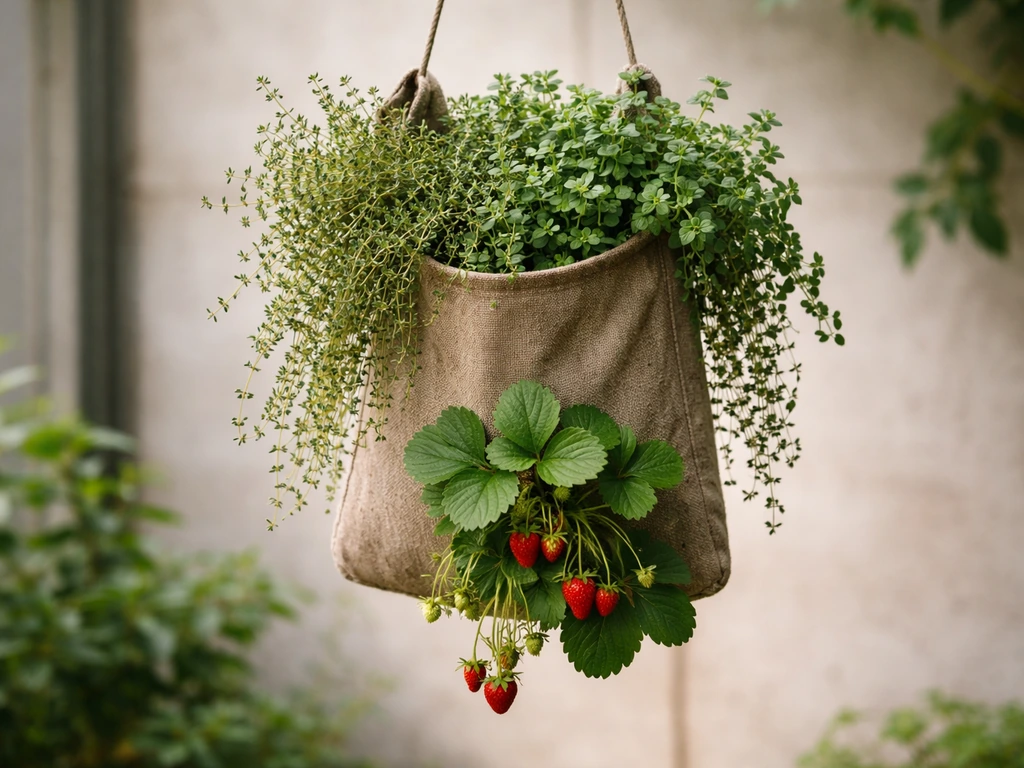
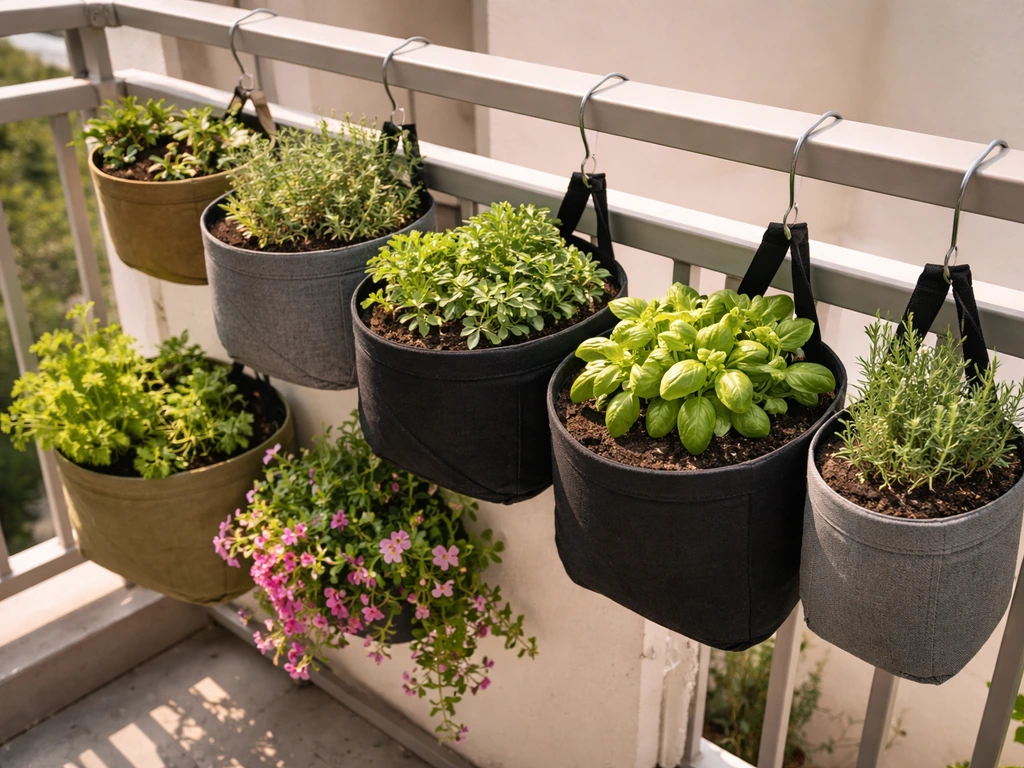
Herbs are probably the most reliable and rewarding thing you can grow in a hanging fabric grow bag. Mediterranean herbs like thyme, oregano, and rosemary genuinely prefer the fast-draining, slightly drier conditions that fabric containers create. Basil, chives, parsley, and coriander all perform well too. A 5-gallon bag can support a mixed herb planting: think three or four compatible herbs together with some trailing varieties at the edges. Just keep mint separate since it will outcompete everything else.
Strawberries are the standout small fruit for hanging fabric grow bags. The key is variety selection. Day-neutral and everbearing types (like 'Albion', 'Seascape', or 'Mignonette' alpine) are ideal because they fruit continuously through the season without sending out the long runners that make June-bearing types a tangled mess in a basket.
Garden Guides recommends compact strawberry types for hanging baskets, noting that compact day-neutral and alpine strawberries work best because they don’t spread with runners like June-bearing Day-neutral and everbearing types.
Strawberry roots average about 6 inches deep, so a bag with 8 inches of depth is entirely workable. These plants also look great trailing over the bag's edges while fruiting, which makes them a win aesthetically as well as practically.
If you're growing for the UK or cooler climates, RHS guidance confirms that thyme and other Mediterranean herbs alongside salad leaves are well-suited to grow bags, which maps directly onto hanging fabric bags. There's more detail on UK-specific crop choices in the guide covering what to grow in grow bags in the UK, which is worth reading alongside this one.
Flowers, ornamentals, and pollinator-friendly options
Hanging grow bags loaded with flowering plants are a genuinely effective way to attract pollinators to a balcony, patio, or garden. The plants that work best follow the classic 'thriller, filler, spiller' structure: one upright feature plant, compact fillers in the middle, and trailing varieties that hang over the edges. Fabric bags handle this well because the breathable walls encourage compact, branching root systems rather than long roots searching for space.
- Petunias: classic trailing performers, excellent for pollinators, and available in sun and partial-shade varieties. Deadhead faded flowers at least weekly to keep them blooming continuously.
- Nasturtiums: edible, pollinator-friendly, drought-tolerant, and trailing. One of the easiest choices for a beginner.
- Lobelia: compact, shade-tolerant, covered in small flowers that bees love. Use as a filler or edging plant.
- Calibrachoa (million bells): similar to petunias but self-cleaning (doesn't need deadheading), which makes it a lower-maintenance choice.
- Bacopa: delicate trailing white or lilac flowers, excellent for edges and shade-tolerant spots.
- Marigolds (dwarf varieties): pollinator magnets, deer and pest resistant, and their scent can deter some pests from nearby edibles.
- Verbena: drought-tolerant once established, long-blooming, and attractive to butterflies and bees.
- Sweet alyssum: low-growing, honey-scented, and a magnet for beneficial insects including predatory wasps.
For flowering baskets, feeding matters more than most people realize. If your plants start looking leggy or sparse mid-season, apply a water-soluble balanced fertilizer once a week. Deadheading at least weekly (removing spent flower heads by snipping just below the old bloom) is the single most effective way to keep flowering plants producing rather than going to seed. Petunias in particular need consistent deadheading in hot weather or they'll slow down significantly.
When you're placing hanging bags with flowers and ornamentals, hang them after the last frost date in your area. Wind exposure is the other factor that catches people out: a south-facing wall that gets afternoon sun and wind will dry a hanging bag far faster than a sheltered north-facing spot. Match your plant variety to the actual conditions of the spot, not just the sunlight.
Mushrooms and fungi: what works in fabric grow bags
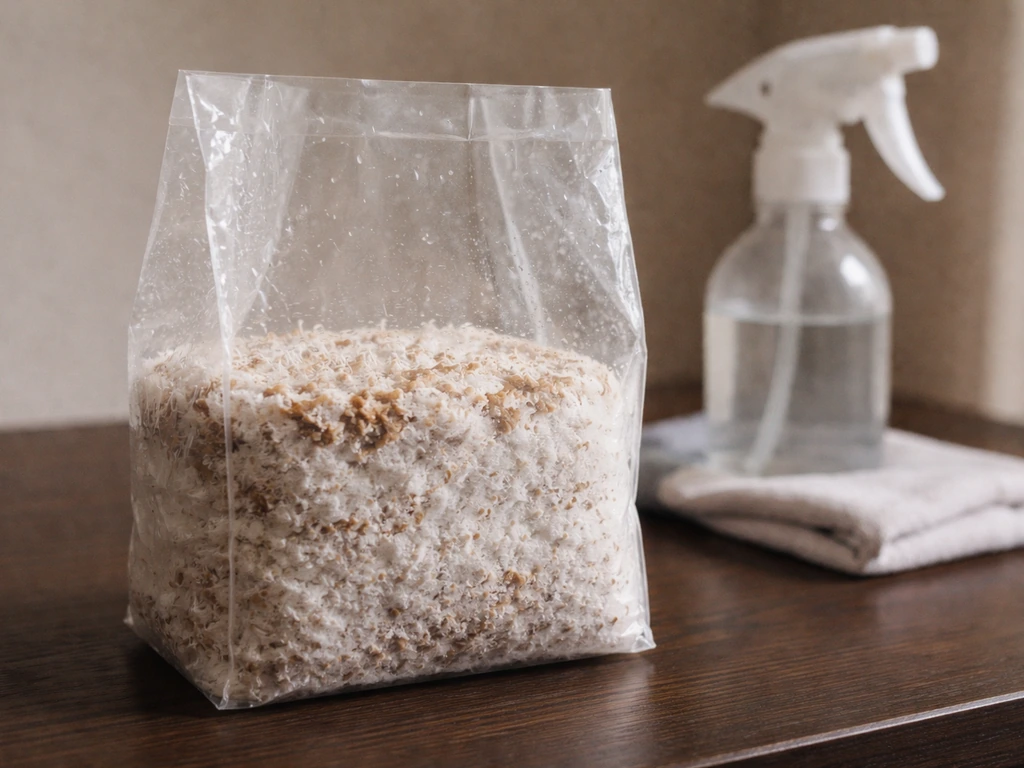
Here's the honest answer: you can't grow most edible mushrooms in a hanging fabric grow bag the way you grow plants. Mushrooms aren't soil-based crops. They're fungi that colonize specific substrates (straw, hardwood sawdust, coffee grounds) and need sustained high humidity (around 85 to 95%), fresh air exchange, and contamination-controlled conditions that a standard hanging bag setup simply can't reliably provide.
That said, fabric grow bags do have a role in mushroom cultivation, just not as a hanging container. Specialized mushroom growing uses sterilized or pasteurized substrate packed into breathable plastic or filter-patch bags as a contained fruiting environment. This is a different technology from the hanging grow bags used for plants. If you want to grow oyster mushrooms or other edibles at home, the most practical approach is a pre-inoculated kit (often called a fruiting block or grow kit) that comes with the substrate already colonized. You mist the exposed fruiting surface two to four times a day, ensure fresh air circulation, and avoid letting water pool on the substrate surface since standing water encourages rot and bacterial contamination.
If your goal is mushrooms, focus on getting the right kit rather than trying to adapt a hanging grow bag. Fabric grow bags remain excellent for their intended purpose: plants with root systems. Mushrooms need a different setup entirely.
Care basics that determine plant success
The fabric material that makes grow bags so good for root health (the air-pruning effect that produces denser, healthier root systems instead of circling roots) also makes them faster to dry out than plastic or ceramic containers. That's the central care challenge with any hanging fabric grow bag, and it shapes everything else.
Watering
In warm weather, plan on checking your hanging bags daily. The practical moisture check is simple: push a finger about an inch into the soil. If it feels dry at that depth, [water thoroughly until it drains freely from the bottom of the bag](https://yardandgarden. extension.
iastate. edu/how-to/care-plants-growing-containers). In hot summer weather, you may need to water daily, but always check first rather than watering on a schedule. Smaller bags (2 to 3 gallon) will dry out faster than larger ones (5 to 7 gallon) because there's simply less soil volume to retain moisture.
If a bag has dried out completely and is repelling water, you can re-wet it gradually by sitting it in a shallow container of water for 20 to 30 minutes, though this is easier to do with ground-level bags than hanging ones, which is another reason to stay on top of daily checks.
Light
Most vegetables and fruiting plants need at least 6 hours of direct sun. Herbs vary: Mediterranean types (thyme, rosemary, oregano) want full sun, while parsley, coriander, and mint tolerate partial shade. Salad greens and spinach actually prefer some afternoon shade in summer since it prevents bolting. Flowers like petunias and calibrachoa need full sun to flower at their best; lobelia and bacopa cope with partial shade. Hang your bags where they match these requirements rather than picking a spot purely for visual effect.
Feeding
Potting mix in a small volume gets depleted quickly because frequent watering leaches nutrients out through the base. For leafy greens and herbs, a balanced liquid fertilizer every two weeks is usually enough once you're a month into the growing season. For fruiting crops like tomatoes, peppers, or strawberries, switch to a higher-potassium liquid feed once flowers appear to support fruit development. For flowering ornamentals, a balanced water-soluble fertilizer weekly when plants are in full growth will keep them looking their best. If plants look pale or leggy, feed first before assuming it's a light or watering problem.
Drainage and stress management
Fabric grow bags drain naturally from every surface, so waterlogging is rarely an issue. The opposite problem (too dry, too fast) is what to watch for. Wind exposure accelerates drying significantly. If your hanging bags are in a windy spot, consider a windbreak or move them to a more sheltered position during hot, dry spells. Blossom-end rot on tomatoes and peppers is a sign of inconsistent watering, not just underwatering, so irregular dry-wet cycles are worth avoiding by sticking to a daily check routine.
Size, fabric, and setup tips for each plant type
Matching bag size to plant type is one of the most important decisions you'll make, and it directly affects how often you need to water and how well your plants perform. Use the following as a practical reference.
| Plant Type | Recommended Bag Size | Fabric Notes | Hanging Setup Tip |
|---|---|---|---|
| Salad greens / lettuce | 2–3 gallon | Standard nonwoven fabric; breathable sides fine | 6–8 inch depth sufficient; hang in partial shade in summer |
| Herbs (Mediterranean) | 1–2 gallon per plant or 5 gallon mixed | Standard breathable fabric; fast drainage suits these plants | Full sun; sheltered from strong wind |
| Herbs (soft: basil, parsley, chives) | 2–3 gallon | Standard fabric | Partial to full sun; keep consistently moist |
| Compact/trailing cherry tomatoes | 5–7 gallon minimum | Heavier bag: use strong hooks rated to 30+ lbs | Full sun; cage or stake above the bag |
| Alpine/everbearing strawberries | 3–5 gallon | Standard breathable fabric | Full sun to partial shade; trail over bag edges |
| Trailing cucumbers | 5–7 gallon (one plant) | Standard fabric; ensure good drainage | Full sun; fix trellis above or beside bag |
| Flowering annuals (petunias, nasturtiums) | 3–5 gallon mixed planting | Standard breathable fabric | Full sun for most; deadhead weekly |
| Shade-tolerant flowers (lobelia, bacopa) | 3–5 gallon | Standard fabric | North or east-facing spots; partial shade |
| Bush beans | 3–5 gallon | Standard fabric | Full sun; space plants 3 inches apart in bag |
| Peppers (compact) | 3–5 gallon | Standard fabric | Full sun; protect from wind for best fruiting |
On fabric quality: most standard nonwoven polypropylene grow bags work fine for everything in this list. Thicker fabric (300g or above) retains slightly more moisture and holds its shape better when hung, which matters when you're filling a 5 to 7-gallon bag. Thinner bags (under 200g) are more prone to tearing at the hanging points under weight, especially after a season or two of UV exposure. If you're building a permanent hanging setup, invest in bags with reinforced handles or eyelets at the hanging points.
A note on the air-pruning effect that makes fabric bags worth using in the first place: when roots reach the breathable wall of a fabric grow bag, they stop elongating and branch into a denser fibrous system. This keeps the root mass compact and active within the available soil volume, which is exactly what you want in a small hanging container. It's why plants grown in fabric bags consistently outperform the same plants in plastic containers of the same size, provided you match watering attention to the faster-drying nature of the fabric.
From here, the practical next step is simple: pick a plant category from above, match it to the right bag size, hang it where the light conditions fit, and commit to daily moisture checks during warm weather. If you're branching into beans or want a deeper look at which specific bean varieties work best in grow bag setups, that's covered in more detail in the guide to the best beans to grow in a bag.
If you want the details on which specific bean varieties perform best in a bag, check the guide to the best beans to grow in a bag. If you want to know whether green beans are a good match for grow bags, focus on compact varieties and plan for frequent watering in warm weather green beans in grow bags.
And for the full process of how to get plants established and thriving in grow bags from seed to harvest, the guide on how to grow plants in grow bags covers all of that step by step.
FAQ
Can I grow tomatoes or peppers in hanging grow bags, or should I stick to smaller plants?
Yes, but treat it as a full watering and feeding commitment. For each hanging bag, use a fresh, high-quality potting mix (not garden soil), add a mulch top layer if the fabric dries quickly, and expect to check soil moisture at least once daily in hot or windy weather. For fruiting crops (tomatoes, peppers, strawberries), switch to a higher-potassium liquid feed once flowering starts, then keep watering consistent to avoid issues like blossom-end rot.
What’s the best way to recover a hanging fabric grow bag that has dried out completely?
If the bag has fully dried, re-wetting from the surface often leaves dry pockets because fabric wicks moisture unevenly. Instead, lower the entire bag into a shallow container of water (for stability, do this on the ground first), soak for about 20 to 30 minutes, then hang again and resume finger-check watering. After a deep dry-out, you may need slightly more frequent checks for several days to confirm the mix has rehydrated evenly.
What potting mix should I use in hanging grow bags, and can I use regular compost?
For most edible plants, compost or homemade mixes can compact in small volumes and can also hold irregular moisture, which makes hanging bags harder to manage. Use a bagged potting mix designed for containers. If you want improved moisture buffering, mix in a small amount of water-holding additive (for example, coco coir or a soil conditioner) and avoid adding heavy garden compost on its own, since it can become dense and reduce oxygen around roots.
How can I tell if my problem is watering, not the plant variety?
Early signs of inconsistent watering include curling leaves, crispy edges, and fruit drop, not just wilting. A more specific clue for tomatoes and peppers is blossom-end rot, which is tied to irregular water availability even when leaves look “mostly okay.” The fix is to stop following a calendar schedule and return to finger-depth checks (about 1 inch down) before watering again.
Can I mix herbs, greens, and fruiting plants in the same hanging grow bag?
Yes, but choose the right strategy. For strawberries, day-neutral and everbearing types work best because they keep producing without long runner tangles. For summer salads, combine loose-leaf lettuce and other shallow-root greens, then plan for partial shade during the hottest hours to reduce bolting. For both, rotate crops if you want continuous harvest, since hanging bags can exhaust quickly in peak summer.
How do I decide where to hang the bags when my balcony has sun but also strong wind?
It depends on the light and the crop. As a practical rule, most herbs and flowering plants need at least around 6 hours of direct sun, while some salad greens benefit from afternoon shade. If your balcony is windy, prioritize sun-tolerant, faster-drying crops (like thyme or petunias) in the hottest spot, and move moisture-sensitive plants to more sheltered areas on the structure.
What bag size is easiest for beginners, and how does bag size change watering frequency?
Choose based on expected plant size and the ability to handle daily checks. Smaller bags (around 2 to 3 gallons) are great for herbs and compact greens but dry so fast that missing even a single hot-day check can stress plants. Bags around 5 to 7 gallons are the easiest starting point for beginners because they hold more water and are structurally more stable. Anything larger than that can become heavy quickly after watering, so verify your hardware load rating before hanging.
My hanging bags dry out too fast even in warm weather, what should I change?
Wind makes hanging bags act like they have a “constant drying fan.” Add a windbreak (a panel, nearby wall placement, or moving the bags under a ledge) and consider thicker fabric bags if you want better shape retention. Also use thorough watering rather than small top-ups, then reassess with a finger check after a few hours to ensure the mix absorbed water, not just the surface.
Can I grow cucumbers or other climbing plants, and how do I prevent the bag from getting overloaded?
Often, yes, but only if you manage pruning and training. Trailing plants can work, compact vegetables need airflow, and cucumbers require a trellis directly above the bag because the vine weight can pull down the system. For any climbing crop, always confirm you can secure the trellis to a structural support, not just the hanging hardware of the bag.
What are common pest problems in hanging grow bags, and how do I prevent them?
To reduce pests, focus on the “microclimate” created by hanging: good airflow, consistent watering, and avoiding stressed plants. Aphids and spider mites often show up when plants are stressed by drying cycles. If you see pests, start by spraying the undersides of leaves and then correct the watering rhythm, since recurring stress can make infestations return even after treatment.
How often should I fertilize hanging grow bag plants, and what signs show I need to adjust feeding?
Yes, for the plants you grow in them. Deadhead weekly for continuous bloomers to keep them from going to seed, and feed based on growth stage rather than guessing. If plants look leggy or pale, feed first because container nutrients wash out quickly. For fruiting crops, don’t overdo nitrogen early, because it can push leaf growth at the expense of flowers.
When should I hang new transplants outside, and do I need to acclimate them?
Begin after the last frost date, but also pay attention to your balcony’s temperature swings. Even after frost risk ends, hanging bags can chill faster at night than ground pots, which slows transplant establishment. Harden off seedlings for about a week before hanging them outdoors, then keep a close watch for slow growth and adjust watering since cool nights reduce water uptake.
Can I grow oyster mushrooms or other edible mushrooms in these hanging fabric grow bags?
If you’re asking about edible mushrooms, the practical answer is no, a hanging fabric grow bag is not a reliable mushroom-growing container. Mushrooms need a substrate-based fruiting environment with high humidity and fresh air exchange, usually done with pre-inoculated kits or specialized filter bags. A hanging fabric bag can dry too quickly and does not provide the controlled conditions mushrooms require.
Next Articles
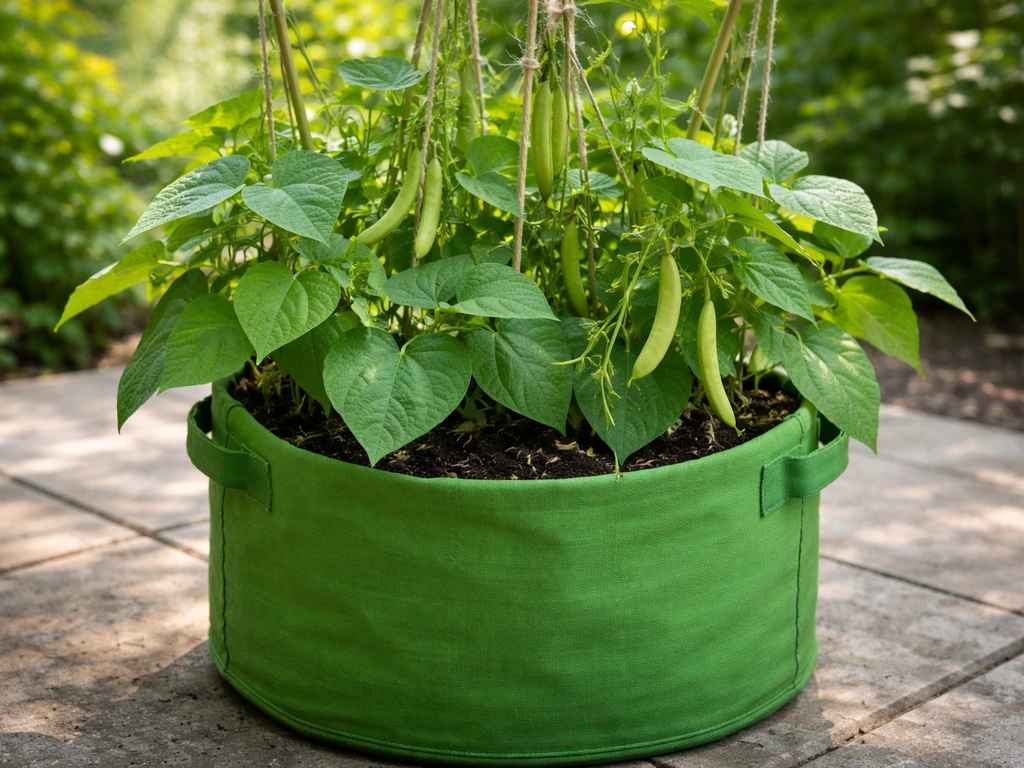
Best Beans to Grow in a Bag: Top Varieties and How-To
Top bush and pole bean picks for fabric grow bags plus planting, care, feeding, pest tips, and harvest timelines.
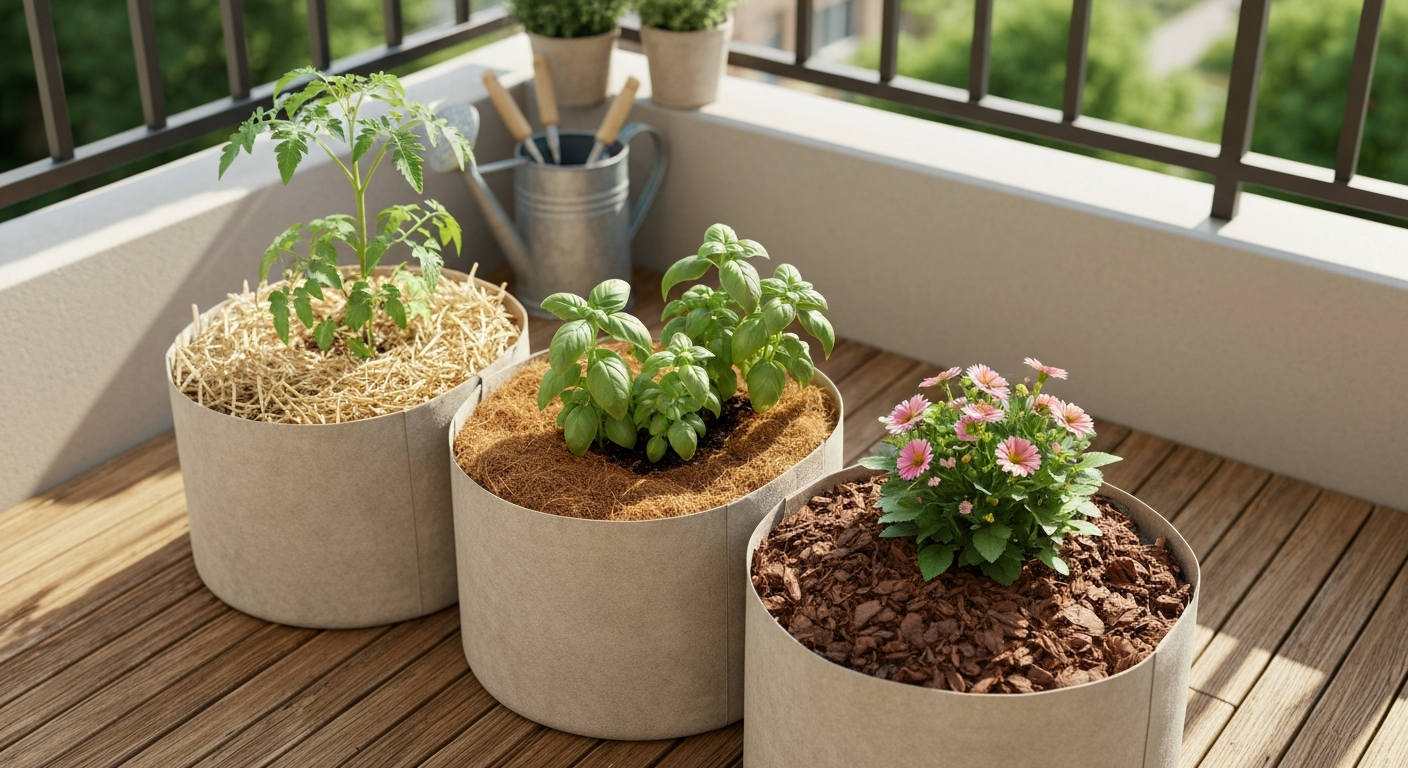
Best Mulch for Grow Bags: Top Picks for Vegetables & Flowers
Find the best mulch for fabric grow bags: top picks, how-to apply, crop & climate advice, and troubleshooting.
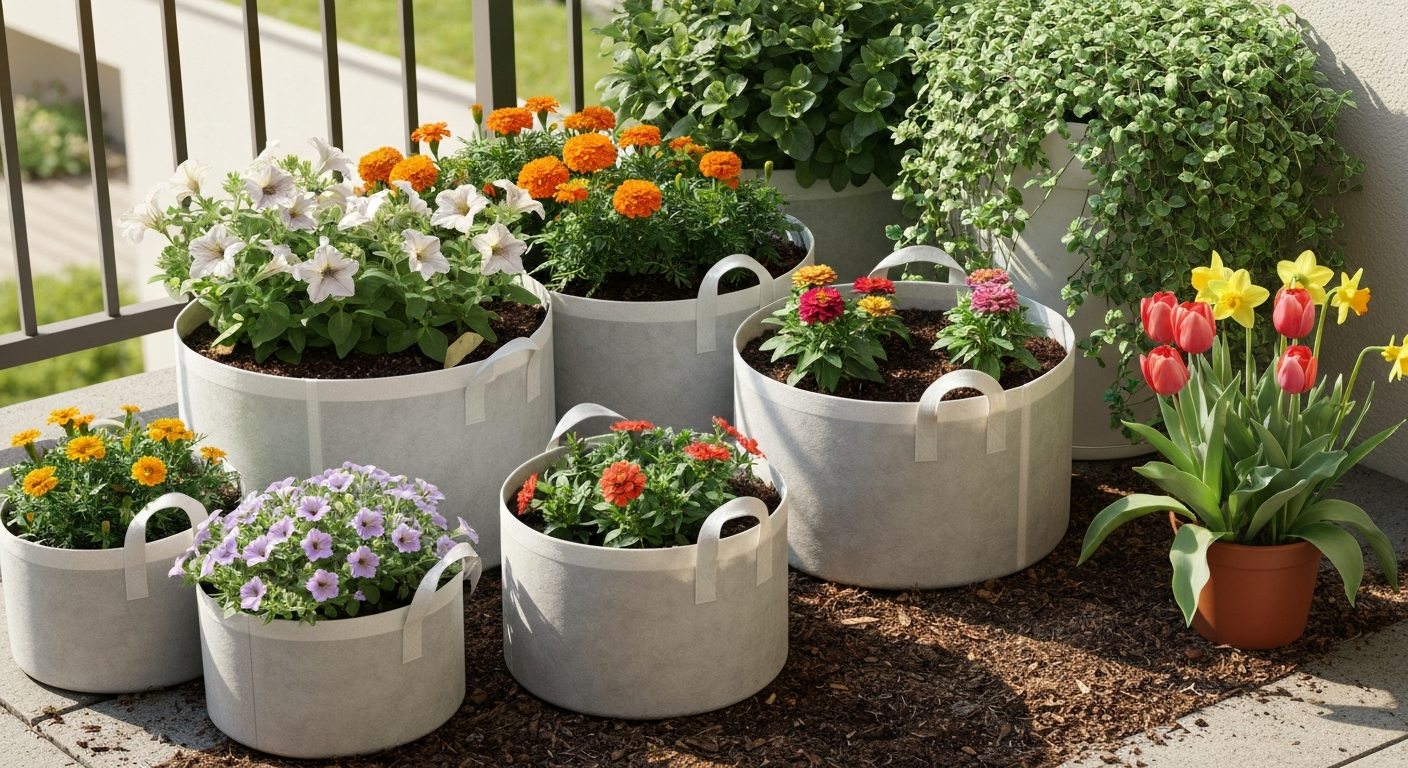
Best Flowers for Grow Bags: Top Picks, Soil & Care Guide DIY
Best flowers for grow bags: top annuals, perennials, bulbs & trailers; soil, fertilizer, planting and care checklists.