
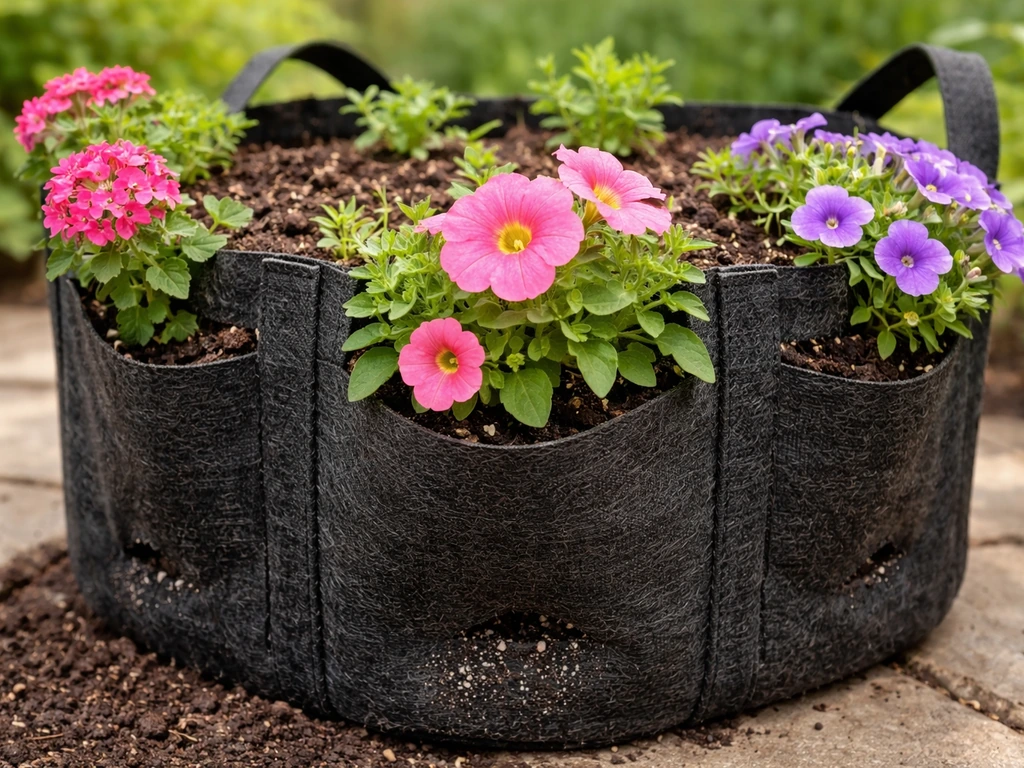
Yes, you can absolutely use tomato grow bags for flowers, and they work surprisingly well. The bags themselves don't care what you plant in them. What changes is how you set them up: the soil mix, the feeding schedule, and how often you water. Get those three things right, and most flowering plants will thrive in a tomato-labeled bag just as happily as a tomato would. If you are also wondering can you use tomato grow bags for other veg, the same basics of bag size and drainage apply.
Can You Use Tomato Grow Bags for Flowers? Tips
Marcus Holloway
21 Jun 2026
Can tomato grow bags grow flowers?
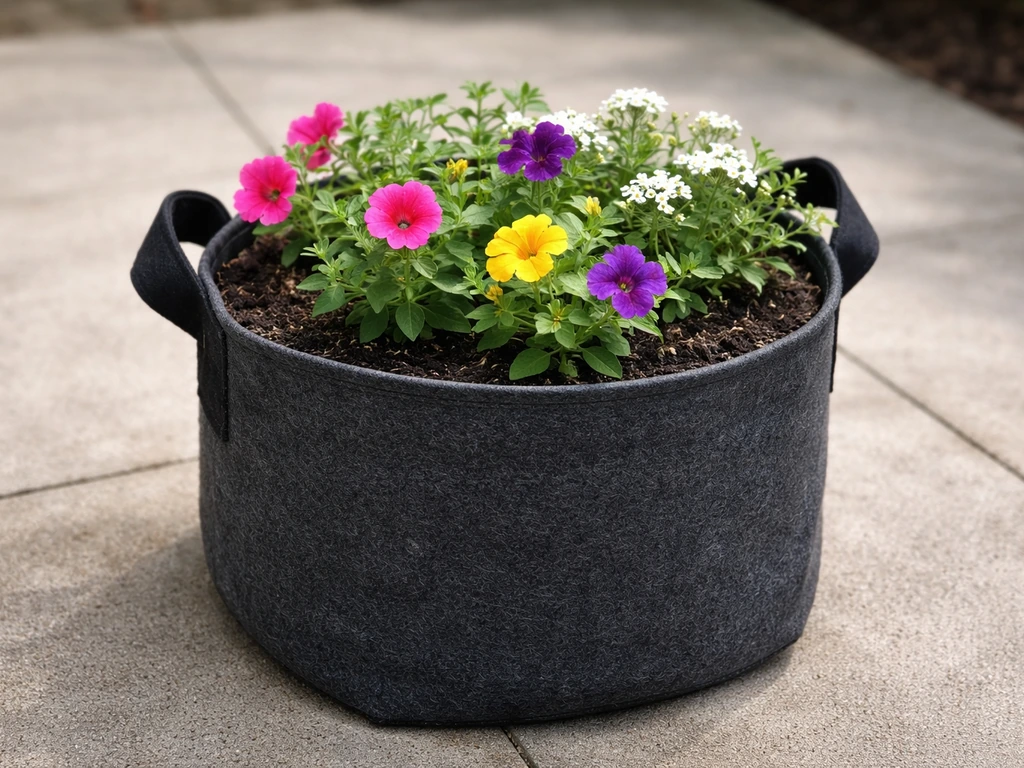
The label "tomato grow bag" is mostly a marketing label, not a technical specification. Whether it's a fabric smart pot, a polypropylene woven bag, or a felt-style container, the bag itself is a neutral vessel. A 10-gallon fabric grow bag designed for tomatoes has the same breathable walls, the same air-pruning effect, and the same drainage characteristics regardless of whether you fill it with tomatoes or dahlias. The "tomato" part just signals the typical size range (often 7 to 20 gallons) and the fact that it's been marketed toward heavy-feeding, large-root crops.
The more interesting question is whether the size and setup are a good match for the flower you have in mind. A 15-gallon bag is overkill for petunias but ideal for a large dahlia. A 7-gallon bag is fine for most annuals but too small for a shrub rose. That size-matching is where the real decision lives, not in the bag material itself.
One place where tomato grow bags genuinely shine for flowers is their air-pruning design. Fabric walls allow oxygen to reach the root zone constantly, which prevents the root circling you get in hard plastic pots. For flowering plants that are container-sensitive, like dahlias or patio roses, that fuller, more fibrous root system translates directly into more blooms.
What matters most: bag material, drainage, size, and airflow
All fabric grow bags drain well by design. There are no dedicated drainage holes to worry about because the breathable walls and base handle it naturally. That's useful for flowers, since most ornamentals are even more sensitive to waterlogging than tomatoes are. If you're used to checking the drainage holes on a plastic pot, with a fabric bag you're trusting the fabric itself, and it works.
The tradeoff is that fabric bags dry out faster than plastic or glazed ceramic containers. Illinois Extension specifically flags fabric containers as drying faster and recommends daily checks. For tomatoes, that fast-drying tendency is manageable because you're watering heavily anyway to fuel fruit production. For flowers, especially shade-tolerant or moisture-loving types like impatiens or astilbe, it means you need to be more attentive, not less.
Airflow through the bag walls also benefits soil microbes and root respiration, which supports overall plant health. This is particularly relevant if you're using a richer organic mix, since the oxygen exchange keeps beneficial microbial activity going rather than creating the anaerobic conditions that cause root rot.
| Factor | Tomato Use | Flower Use |
|---|---|---|
| Bag material | Fabric (felt or woven poly) | Same, no change needed |
| Drainage | Excellent via fabric walls | Excellent, but dries faster for moisture-lovers |
| Typical size range | 7–20 gallons | 1–15 gallons depending on species |
| Airflow/air pruning | Beneficial for fruit production | Beneficial for bloom quality and root health |
| Risk of waterlogging | Low | Very low, monitor for drying out instead |
Soil and nutrients: what to use for flowers vs tomatoes
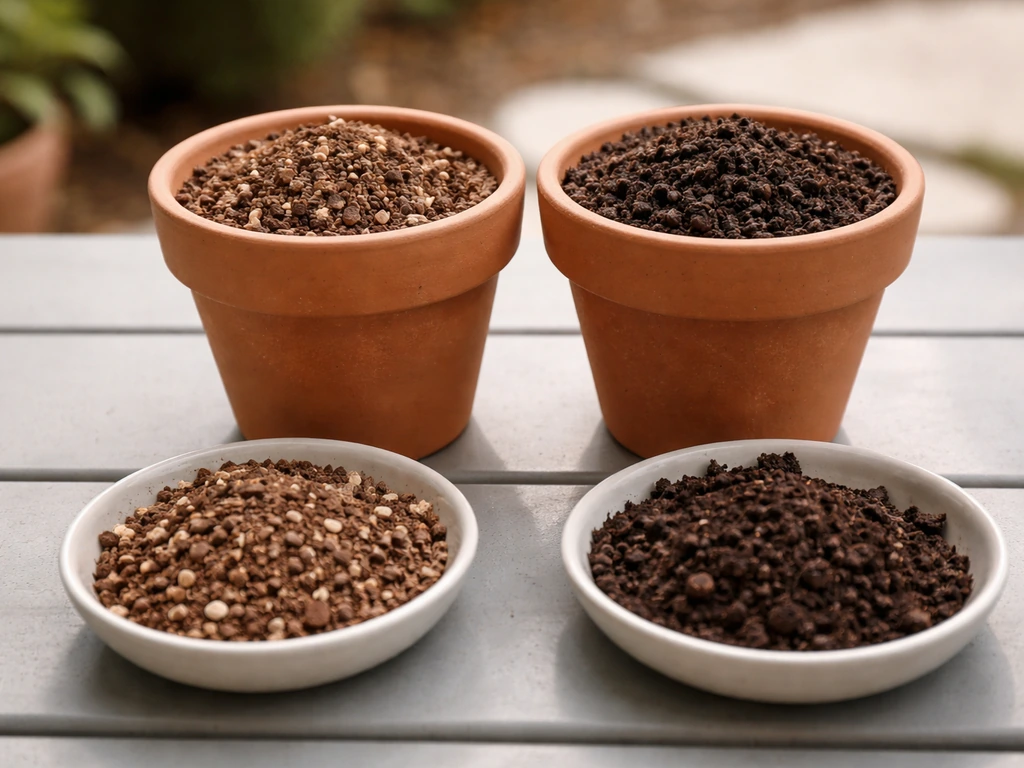
This is where you do need to make a real change. Tomatoes are heavy feeders that want a nutrient-dense mix and regular high-potassium feeding to support fruiting. Most flowering plants, especially annuals, want a lighter, more airy mix and a different fertilizer profile: higher phosphorus to drive blooms rather than the high-potassium formulas pushed at fruiting crops.
For your soil mix, look for a quality potting mix that contains peat moss, pine bark, or coir combined with perlite or vermiculite. That lightweight, well-aerated structure is what flowers in containers actually need. Avoid using heavy compost-dominant mixes on their own, since those can stay too wet in a fabric bag and release nutrients unevenly. A pre-fertilized potting mix with slow-release fertilizer is a solid starting point for annuals and perennials alike, with some products feeding for up to six months.
On the feeding side, most container flowers benefit from a fertilizer with a higher middle number (phosphorus) to encourage blooming. A 10-60-10 type is sometimes cited for maximum annual bloom production. The target soil pH for most flowers sits around 6.5, with a workable range of roughly 5.5 to 7.0. If you're using a pre-fertilized mix, hold off on additional feeding for the first four to six weeks, then switch to a regular liquid feed. Because fabric bags drain so freely, nutrients leach with every watering, so you'll likely need to feed more consistently than you would with a plastic pot.
One important note: don't use the leftover soil from a previous tomato crop without amendment. That mix will be depleted of nutrients and may have a salt buildup from prior feeding. You can blend it 50:50 with fresh lightweight potting mix and some compost, but going with mostly fresh mix gives you a cleaner start and better results.
Watering and sun care differences in grow bags
Tomato growers tend to develop a heavy watering habit because large fruiting plants in warm weather can drain a 10-gallon bag in a single hot day. That same instinct applied to, say, a pot of lavender or succulents in a grow bag will kill them. You need to recalibrate based on the flower's actual moisture needs, not what the tomatoes trained you to do.
The practical rule is to check your grow bags daily in warm weather and water when roughly half the moisture is gone from the mix. Stick your finger two inches into the soil. If it feels barely damp or dry, water thoroughly until it runs out through the fabric base. If it still feels moist, wait. University of Illinois Extension specifically recommends this half-moisture approach for fabric containers because the walls accelerate evaporation in a way that hard-sided pots don't.
For sun placement, most tomato grow bags end up in full sun, which is fine for sun-loving flowers like zinnias, marigolds, and dahlias. But if you're planting shade-tolerant annuals, the combination of full sun and a fabric bag's fast-drying walls can create a real drought stress problem. Either move the bag to a shadier spot or plan on more frequent watering, possibly twice a day in peak summer heat. The mobility of grow bags actually makes this easy to manage, which is one of their genuine advantages over fixed beds.
Thorough, deep watering matters more than frequent shallow watering. Watering until moisture reaches the bottom of the bag ensures the lower root zone stays active. Shallow watering encourages surface roots that are the first to dry out and stress under heat.
How to prep and reuse a tomato grow bag
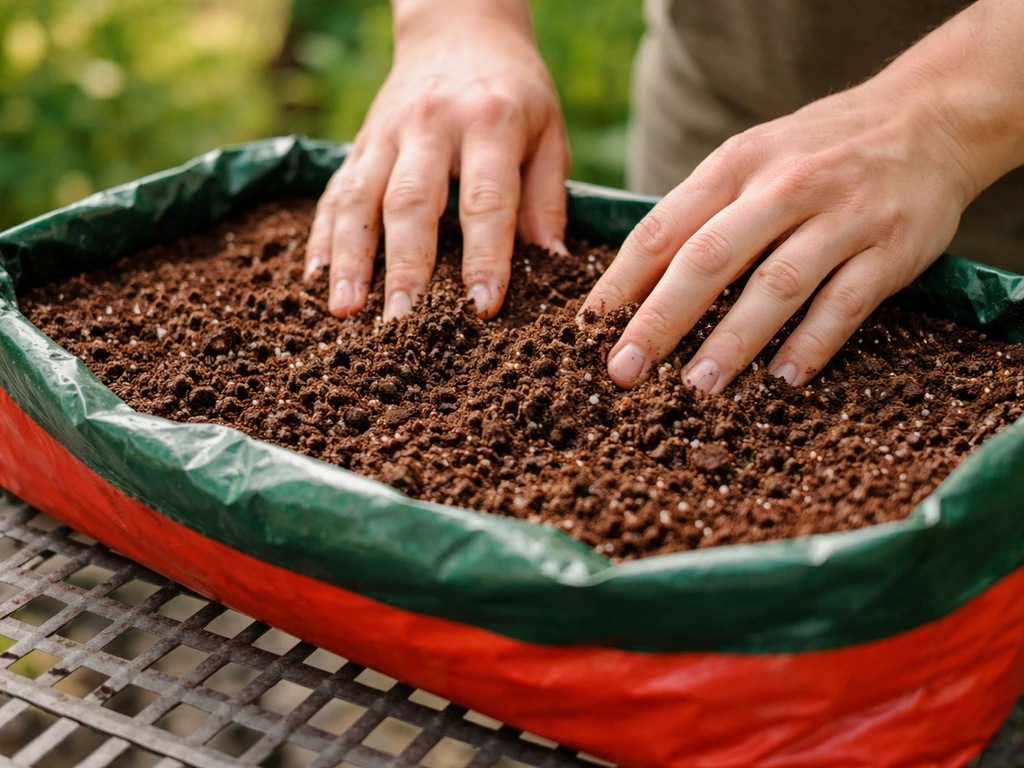
Starting with a new bag
If the bag is new, prep is simple. Fill it with a fresh, lightweight potting mix suited to flowers (not a vegetable-specific mix loaded with heavy compost), leave a couple of inches of headspace at the top, and plant at the same depth you would in any container. If you're using a pre-fertilized mix, no additional starter feed is needed. Water it in thoroughly on day one so the mix settles and makes full contact with the roots.
Reusing a bag that had tomatoes
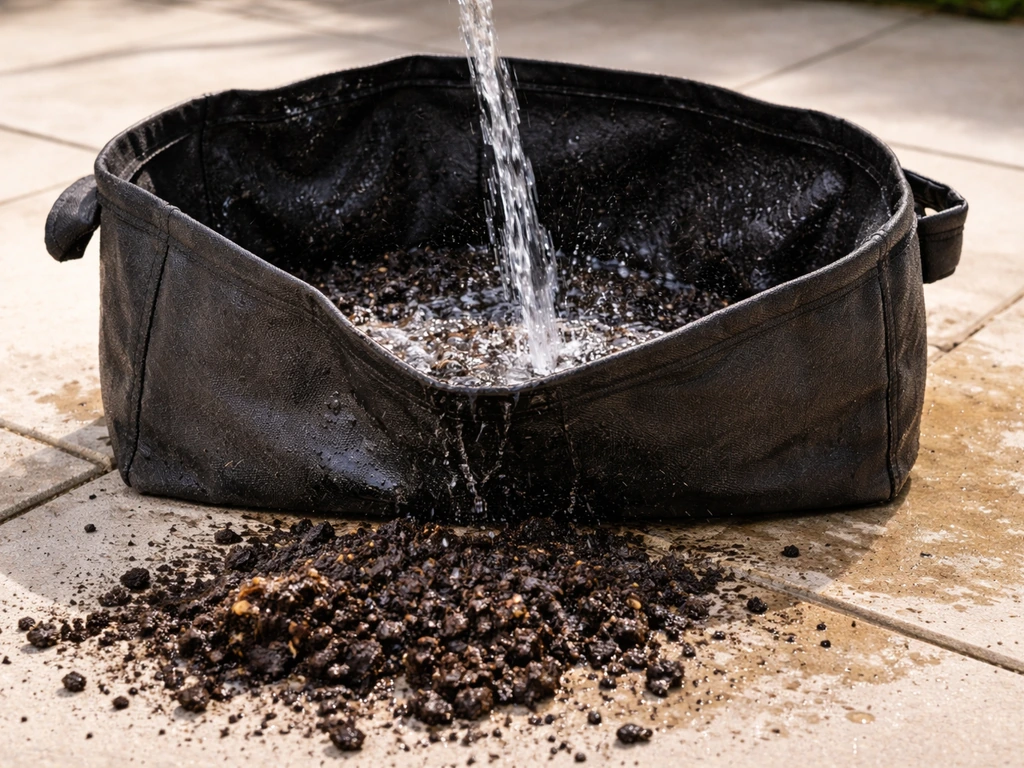
Reusing is absolutely possible, but it takes a bit more care. Tomato crops can leave behind salt buildup, spent nutrients, and the potential for soilborne pathogens like Fusarium, Pythium, and root-knot nematodes. These don't necessarily mean your bag is ruined, but they do mean you shouldn't just top it up with a new plant and hope for the best.
- Empty the bag completely and knock out as much old soil as possible.
- Rinse the inside of the bag thoroughly, then scrub gently to remove salt and mineral deposits from the fabric walls.
- Soak the bag in a 10% bleach solution (1 part bleach to 9 parts water) for 10 minutes to address soilborne pathogens.
- Rinse again thoroughly and let the bag air dry completely before refilling.
- Inspect the old soil before deciding whether to reuse it. If the tomato plants showed signs of disease, nematode damage (look for galls on roots), or persistent pest pressure, discard it. Otherwise, blend it 50:50 with fresh potting mix and a little compost.
- Fill, plant, and start with a clean nutrition program suited to your flower type.
The salt buildup point is worth emphasizing. Smart Pot notes that salt and mineral deposits can appear as a whitish or mildew-like look on the outside of the bag, and washing addresses this. That same salt accumulation inside the bag can burn flower seedling roots, so don't skip the rinse step even if the bag looks clean.
Common problems and fixes
Drying out too fast
This is the most common issue with fabric grow bags, especially in summer. Symptoms are wilting in the afternoon even after morning watering, dry soil an inch below the surface, and stress bleaching on leaves. Fix it by watering more frequently, moving the bag to a slightly less exposed spot, or mulching the top of the bag with a thin layer of bark or straw to slow evaporation. You can also place the bag inside a slightly larger decorative container (without drainage holes) to act as a buffer, just don't let it sit in standing water.
Overwatering and root oxygen stress
Fabric bags make overwatering harder but not impossible, especially if you're using a heavy, peat-dominant mix that retains water. Signs are yellowing lower leaves, a sour smell from the soil, and wilting despite wet soil. The fix is better mix (add more perlite), let the bag dry down between waterings, and check that nothing is blocking the base of the bag from draining freely. Root oxygen is critical, and waterlogged fabric bags lose the primary advantage the design offers.
Root stress from previous crops
If you skipped the sanitizing step and planted directly into a used bag, you might see slow establishment, stunted growth, or yellowing that doesn't respond to feeding. This can be soilborne disease or nematode damage from the previous tomato crop. At that point, your best option is to pull the plant, sanitize the bag, replace the soil, and start fresh. It's frustrating but faster than trying to nurse a diseased plant back to health.
Pests
Fabric grow bags don't magically prevent pests, but their portability helps. If you spot aphids, spider mites, or fungus gnats, you can move the bag to an easier treatment location. Fungus gnats in particular thrive in consistently moist soil at the surface, so allowing the top inch to dry between waterings, which fabric bags encourage naturally, helps break their cycle. Check for root-knot nematode galls when you empty old bags. For more confirmation, MSU Extension recommends inspecting roots for root-knot nematode galls and notes that its Extension lab services can help diagnose nematode presence inspect roots for root-knot nematode galls. If galls are present, don't reuse that soil anywhere in your garden.
Nutrient imbalance
Flowers show nutrient problems as pale new growth (nitrogen deficiency from leaching), poor or absent blooms (phosphorus shortage), or leaf edge scorch (salt toxicity from over-feeding). Because fabric bags leach nutrients quickly with each watering, a steady, moderate fertilizer schedule beats occasional heavy doses. Start liquid feeding four to six weeks after planting and adjust based on how the plant looks.
Choosing the right bag for specific flower types and setups
The broad size guidance from the tomato-growing world maps onto flowers fairly well if you think in terms of root mass. Larger, deeper-rooted flowers need bigger bags. Compact annuals can go small. Here's a practical guide: If you want a quick starting point, look for a tomato grow bag review that matches the bag size you need and your flower's watering tolerance tomato-growing world.
| Flower Type | Recommended Bag Size | Notes |
|---|---|---|
| Petunias, marigolds, pansies | 1–3 gallons | Small annuals; great for massed plantings in multiple small bags |
| Zinnias, snapdragons, cosmos | 3–5 gallons | Mid-size annuals; need room for root development and frequent watering |
| Geraniums, begonias | 3–5 gallons | Watch watering closely; these prefer even moisture |
| Dahlias (small to medium varieties) | 5–7 gallons (minimum 12 inches deep) | Need depth; a standard tomato bag in this size range works well |
| Dahlias (large dinner-plate varieties) | 10–15 gallons | More root volume means more bloom output |
| Patio/miniature roses | 7–10 gallons | Need good air circulation; fabric bags help prevent fungal issues |
| Cannas, elephant ears | 10–15 gallons | Large rhizomes need space; standard tomato bags in this range are perfect |
When to choose a different bag: if you're growing very small, delicate annuals like lobelia or alyssum, a standard 10-gallon tomato bag is simply too large. The excess soil volume stays wet too long and creates root oxygen problems. Go smaller. Conversely, if you want to grow a climbing flower like a sweet pea or a large shrub rose, a 7-gallon tomato bag is too cramped. Choose a 15-gallon or larger. If you’re shopping specifically for tomorite grow bags best price, compare bag size, fabric thickness, and whether the mix is already pre-fertilized before you buy.
For setups on patios, balconies, or decks, the mobility of fabric grow bags is a real benefit. You can reposition sun-lovers to track light through the day, or move moisture-sensitive plants under cover during heavy rain. If you're already using grow bags for tomatoes and wondering whether to run flowers in the same setup, the answer is yes with the adjustments above. For the practical side, the right tomato cages for grow bags will help keep taller plants supported as they grow run flowers in the same setup. The system transfers well, and the same watering and feeding habits you've developed are a solid foundation. You just need to tune them to what each flower type actually wants.
If you're already deep into the tomato grow bag ecosystem, the same principles apply when you're branching out. You might notice that the watering accessory tools you use for tomatoes can pull double duty for flowers too, and sizing choices you make for tomatoes translate almost directly for larger flowering plants like dahlias. If you are shopping for a Hozelock grow bag waterer, compare offers to find the hozelock grow bag waterer best price before you place your order. The investment in fabric grow bag infrastructure really does pay off across more than just vegetable crops.
FAQ
Can you use tomato grow bags for cut flowers like zinnias or gladiolus, not just ornamentals in containers?
Yes, they work well for cut-flower production, but choose a larger bag for long-stem varieties. In practice, aim for deeper-rooting flowers (for example gladiolus bulbs or large zinnia plants) in the 15-gallon range, because shallow bags can dry out too fast and shorten stems.
Do tomato grow bags require drainage holes or should you leave them as-is?
Leave the base as designed. For fabric grow bags, you generally do not add extra drainage holes, because the breathable fabric and base allow runoff. If you set the bag on a saucer, use it as a catchment only and empty it regularly so the bag is never sitting in pooled water.
Is it safe to reuse a tomato grow bag for flowers right after harvesting tomatoes?
It’s possible, but not the best shortcut. You should remove old soil completely, rinse the bag to reduce salt residue, and sanitize the bag before refilling. If you suspect soilborne disease or nematodes, discard the soil and consider replacing the bag rather than replanting into it.
Should I use tomato-specific potting mix in a tomato grow bag for flowers?
Usually no. Tomato-focused mixes tend to be formulated for heavier fertility and different watering expectations. For flowers, use a lightweight potting mix with good aeration (peat/pine bark/coir plus perlite), and start with a pre-fertilized mix only if you can delay added feeding for the first several weeks.
How often do you water flowers in a tomato grow bag in hot weather?
Check daily, then water based on moisture remaining in the mix, not the calendar. A good rule is to water thoroughly when the soil is about half-dry at the 2-inch depth. Expect to water more often than you would in plastic, sometimes twice per day during peak heat for moisture-sensitive flowers.
Why do my flowers look wilted even though the bag feels moist?
Two common causes are a waterlogged mix (roots lack oxygen) or inconsistent drying from an overly heavy soil blend. If the bag stays damp for too long, switch to a more aerated mix (add perlite), ensure nothing blocks the base, and allow a controlled dry-down between waterings.
Can I plant shade-loving flowers in tomato grow bags outdoors?
Yes, but manage sun and drying risk. Shade plants can suffer if the bag is in full sun during part of the day, since fabric dries quickly. Move the bag to more consistent shade or use a lighter mulch layer on top of the mix to slow evaporation and stabilize moisture.
What fertilizer should I use for bloom-heavy flowers in tomato grow bags?
Use a bloom-supporting fertilizer pattern rather than a fruiting mix. Many gardeners choose formulations with a higher middle number (phosphorus) for flowering, and start liquid feeding a few weeks after planting, then adjust to the plant’s response because fabric bags leach nutrients quickly.
Will tomato grow bags work for roses, and what bag size is realistic?
They can work, especially for patio roses, but bag size matters. For shrub-style roses, a 15-gallon bag is typically the safer starting point, because smaller bags can dry too fast and limit root volume, leading to weak growth and poor flowering.
Do tomato grow bags attract pests differently than other container pots?
They do not inherently repel pests, but mobility can help you respond faster. If you see aphids or mites, moving the bag to treat is easier than with fixed beds. For fungus gnats, let the top inch dry between waterings because the larvae thrive in consistently moist surface conditions.
Is it okay to top-dress the bag with compost or garden soil to refresh it?
Top-dressing with heavy compost or garden soil can cause uneven moisture and compaction in fabric bags. If you want to add material, use a thin layer compatible with potting mixes (for example fine compost blended into potting mix) and keep it light enough that the mix still drains and aerates well.
Next Articles
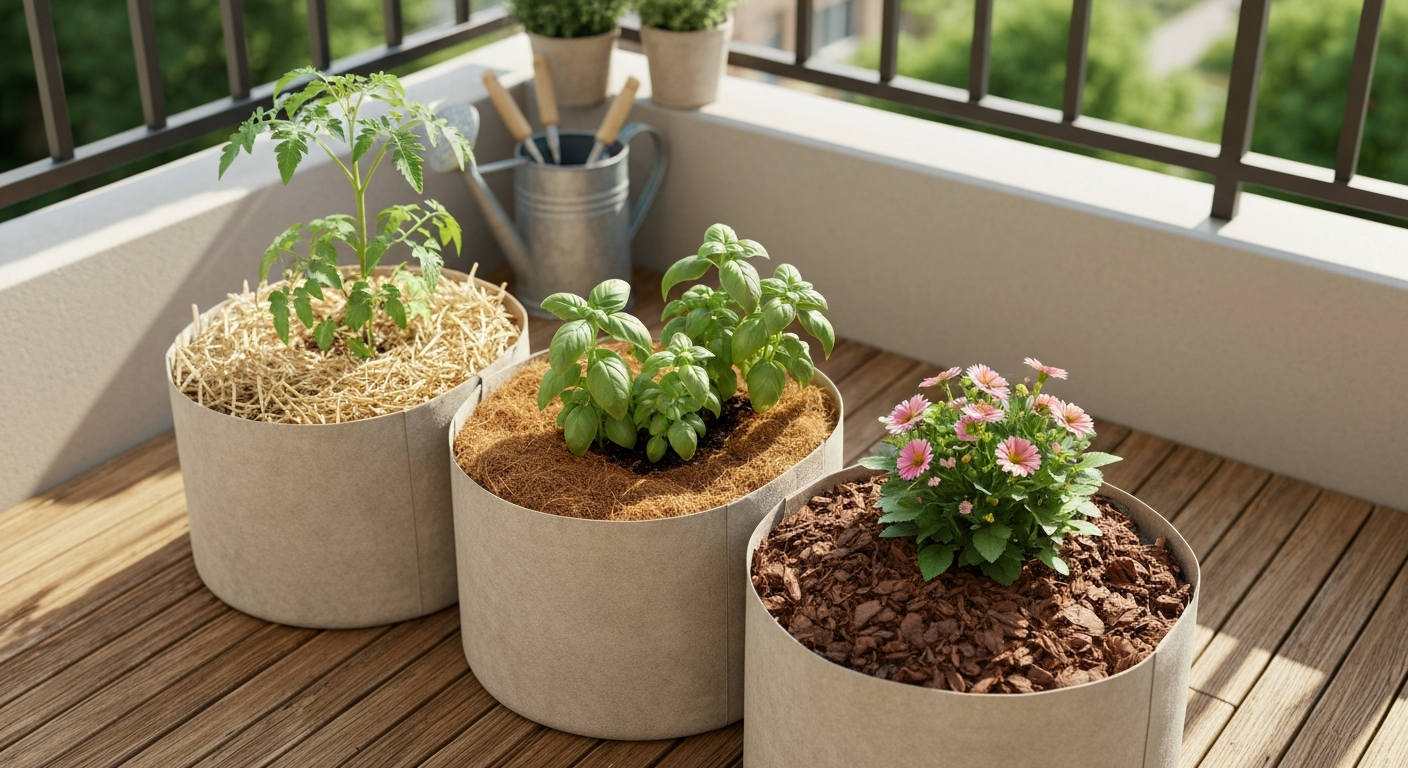
Best Mulch for Grow Bags: Top Picks for Vegetables & Flowers
Find the best mulch for fabric grow bags: top picks, how-to apply, crop & climate advice, and troubleshooting.
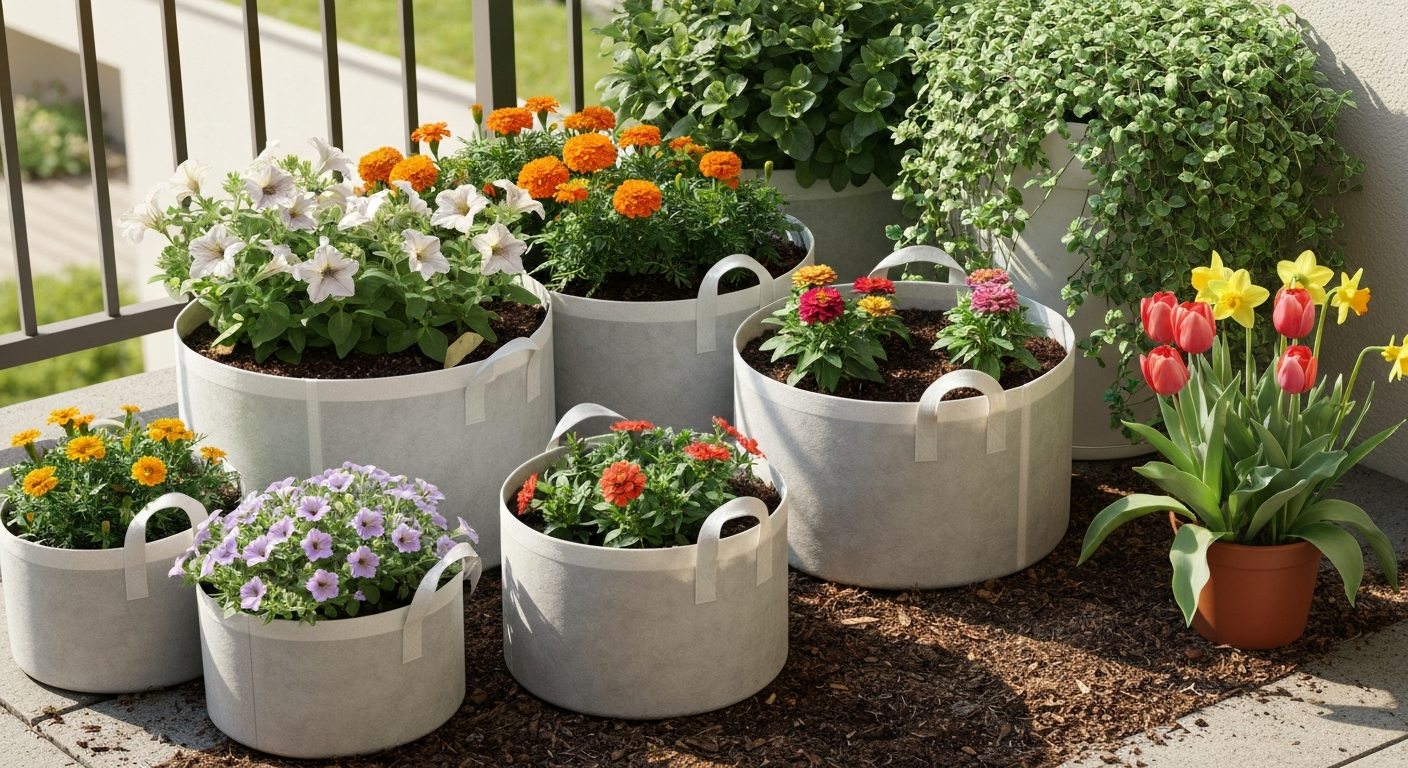
Best Flowers for Grow Bags: Top Picks, Soil & Care Guide DIY
Best flowers for grow bags: top annuals, perennials, bulbs & trailers; soil, fertilizer, planting and care checklists.
Best Landscape Fabric for Grow Bags: Buy and Install Guide
Choose the best landscape fabric for grow bags with weed-blocking, drainage and aeration tips plus DIY install steps.