Fabric grow bags work best when you match the bag material, size, and drainage to the specific plant you're growing. A 5-gallon spunbond polypropylene bag suits a compact pepper plant; a 25-gallon or larger bag is the minimum you should consider for an indeterminate tomato. Get those two things right, size and breathable fabric, and you'll sidestep the most common problems: root circling, waterlogging, and overheating. The rest of this guide covers everything else: how to compare materials, what TOG ratings mean for insulation, crop-specific size charts, setup steps, and what to do when things go wrong. For a focused walkthrough on using spawn bags specifically, see our spawn bag grow guide. For step-by-step planting instructions and a printable checklist, see the grow bag planting guide.
Grow Bag Tips: Complete Guide to Choosing, Planting & Care
What grow bags actually are (and when they make sense)
A fabric grow bag is a porous, flexible container, usually made from nonwoven polypropylene, designed to hold growing substrate while allowing air and water to move freely through the walls. The USDA Risk Management Agency defines them as porous fabric bags (sometimes with a fabric or plastic bottom) that provide adequate drainage and appropriate root volume for the plant. The ANSI Z60.1 nursery stock standard adds that they can function as root-control bags, meaning the porous wall physically restricts root circling and encourages lateral branching, a mechanism called air pruning. When a root tip reaches the fabric wall and encounters drier air on the other side, apical growth stops and the root branches back inward, building a denser, more fibrous root system than you'd get in a rigid plastic pot.
For home growers, that matters because healthier roots mean better nutrient and water uptake. Grow bags make the most sense when you're working on hard surfaces like patios or balconies, when you want portability (moving frost-sensitive plants indoors), when you need to avoid soil-borne diseases that build up in permanent beds, or when you're renting and can't dig in. They're less ideal if you're growing deep-rooted trees long-term or if you can't water frequently, the breathable walls that make them great also mean they lose moisture faster than solid pots.
Honest pros and cons for home growers
I've grown tomatoes, peppers, potatoes, and dwarf fruit trees in fabric bags over several seasons, and the advantages are real but so are the trade-offs. University of Maryland Extension research confirms the core benefits: improved aeration, lighter weight, portability, and faster drainage compared to rigid containers. Studies in the Journal of Environmental Horticulture back this up, showing that plants in fabric containers develop more fine fibrous roots, less root circling, and sometimes greater shoot growth than plants in conventional black plastic pots. On hot days, fabric bags can also keep roots dramatically cooler, one Texas A&M study measured substrate surface temperatures hitting around 55°C inside black plastic pots versus only about 36°C inside fabric (Smart Pot) containers on a 41°C ambient day. That's the evaporative cooling effect of moisture wicking through the walls.
The downsides are just as real. Faster drainage means you can easily water twice a day in hot weather. Budget bags made from thin or low-UV-stabilized polypropylene degrade within one or two seasons. Bags with no handles become awkward to move once filled. And if you're overwintering perennials or trees in them, roots are much more exposed to freezing air temperatures than they'd be in the ground, the insulating TOG value of the fabric wall is very low unless you specifically buy insulated bags.
| Factor | Advantage | Disadvantage |
|---|---|---|
| Root health | Air pruning prevents circling; more fibrous roots | Roots near wall dry out if watering is inconsistent |
| Temperature | Evaporative cooling lowers root zone temp in heat | Thin walls offer minimal frost protection in winter |
| Drainage | Excellent — reduces waterlogging risk | Dries out faster; needs more frequent watering |
| Portability | Lightweight, collapsible, easy to store off-season | Larger bags (25+ gal) are heavy when wet and filled |
| Disease management | Fresh substrate each season; no soil-borne pathogen buildup | Substrate needs replacing or sterilizing more often |
| Cost | Cheaper upfront than quality rigid pots | Low-quality bags degrade fast; quality bags cost more |
| Environmental impact | Reusable polypropylene; biodegradable coir/jute options available | Standard PP bags are not easily recyclable at home |
How to choose the right grow bag: material, size, drainage, TOG, and handles
There are five things I check before buying a grow bag: material and weight (gsm), size and volume for the crop, drainage performance, thermal resistance (TOG) if I'm growing into cooler months, and handle construction. Getting all five right for your situation makes a bigger difference than any brand name.
Material and fabric weight
The heavier the fabric (measured in grams per square meter, gsm), the more durable and longer-lasting the bag. Budget bags often use 80–100 gsm spunbond polypropylene; mid-range bags run 150–200 gsm; heavy-duty options reach 300+ gsm. UV stabilizer quality matters just as much as thickness. Manufacturer technical data sheets measure tensile strength per ASTM D4632 and UV resistance as percentage tensile retention after 500–2000 hours of ASTM G154/G155 accelerated exposure. A bag that retains 70% or more tensile strength after 2000 hours of UV exposure will realistically last 3–5 seasons outdoors. Ask for datasheets or look for that spec when buying from commercial horticultural suppliers.
Drainage
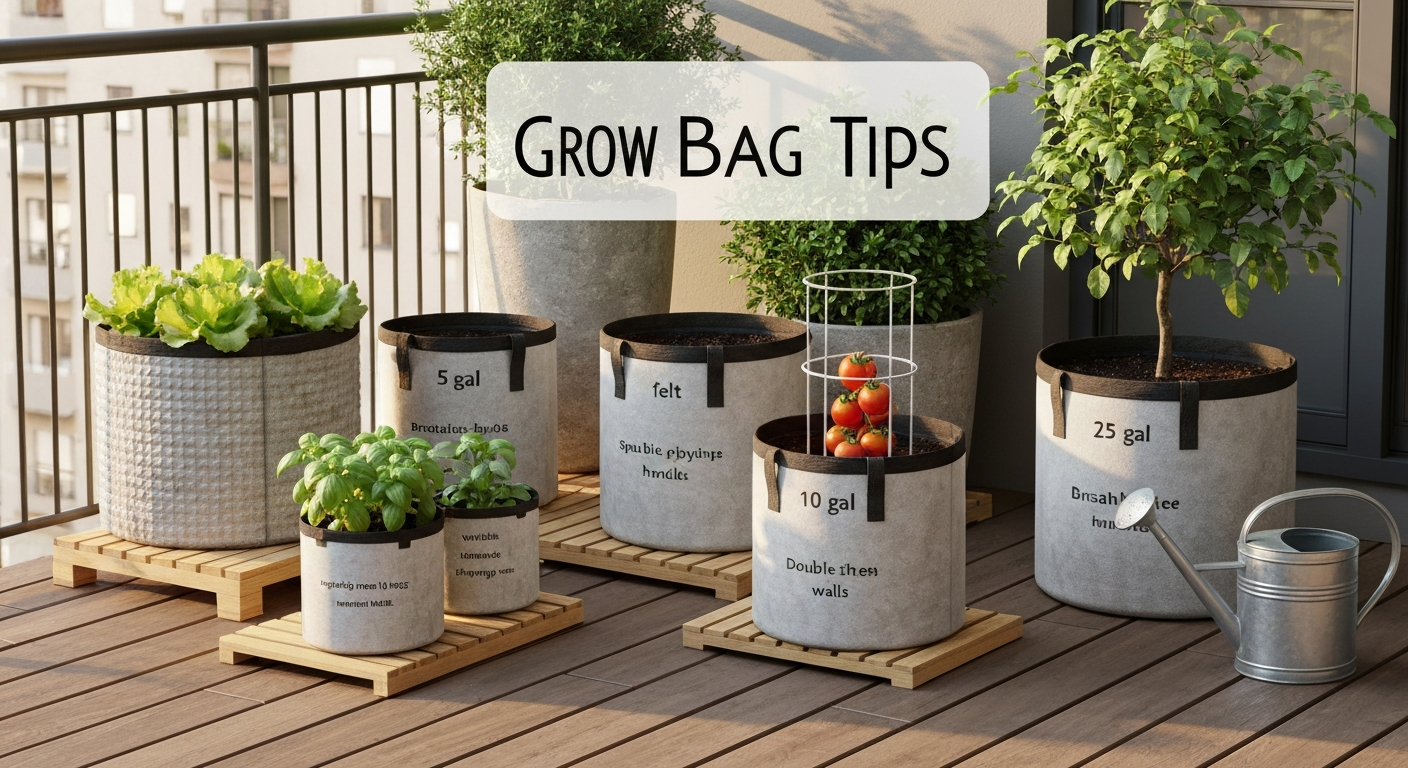
All fabric grow bags drain from both the bottom and the walls, which is their main structural advantage over solid containers. However, bags placed directly on solid surfaces like concrete can partially seal the base and slow bottom drainage. I always raise bags on a slatted tray, wooden pallet strips, or pot feet so the base stays clear. If you're using a liner bag inside a decorative outer bag, make sure the liner has drainage holes at the base, otherwise you've recreated all the problems of a solid container.
TOG and thermal insulation
TOG is a textile thermal resistance unit: 1 TOG equals 0.1 m²·K/W (from blank" rel="noopener noreferrer">British Standard BS 8510 and ISO 5085). The higher the TOG, the better the insulation. Standard single-layer spunbond polypropylene grow bags have very low TOG values, typically 0.5 to 1.5 TOG depending on fabric weight, which is fine for summer growing but means roots in those bags freeze almost as quickly as roots exposed to open air in winter. Insulated double-walled grow bags (often marketed for overwintering trees or cold-climate growing) can reach 3–5 TOG and meaningfully delay frost penetration. If you're overwintering containerized trees or growing into shoulder seasons in a cold climate, the TOG value is worth checking. For summer-only annuals, it's largely irrelevant. There's a dedicated grow bag TOG guide on this site if you want to dig into the numbers.
Handles and durability
Double-stitched handles with reinforced attachment points are non-negotiable for anything 10 gallons and above. Single-layer fabric handles on cheap bags tear under the weight of wet substrate. For bags over 25 gallons, I prefer bags with four handles rather than two, it makes moving them with another person much safer and spreads load across the seams.
Grow bag materials compared
Most grow bags on the market fall into three material categories: spunbond nonwoven polypropylene, felt (recycled PET or wool-blend), and natural fiber (coir or jute). Each has a different breathability profile, lifespan, and environmental footprint. Biodegradable PLA-composite bags are also emerging, academic work published in MDPI Polymers demonstrates that PLA and PLA/spent coffee grounds blends can meet mechanical requirements for nursery bags while biodegrading under composting conditions, though they're not yet widely available at retail.
| Material | Breathability | Typical Lifespan | Moisture Retention | Best Use Case | Notes |
|---|---|---|---|---|---|
| Spunbond polypropylene (PP) | High | 3–7 seasons (UV-stabilized) | Low — dries fast | Most vegetables, general use | Most common; look for 150+ gsm and UV-resistant spec |
| Felt (recycled PET) | Moderate–high | 2–5 seasons | Slightly higher than PP | Flowers, herbs, moderate watering conditions | Softer feel; PET felt less prone to tearing at seams |
| Coir (coconut fiber) | Moderate | 1–2 seasons outdoors | Higher moisture retention than PP | Short-season crops, eco-focused growers | Biodegradable; IJERT research confirms faster breakdown outdoors |
| Jute | Moderate | 1 season outdoors | High | Single-season annuals, transplanting | Biodegrades rapidly; useful for direct in-ground transplanting |
| PLA / biocomposite | Moderate | Compostable within 1–2 seasons under composting conditions | Moderate | Sustainability-focused use; still emerging at retail | Meets mechanical specs per MDPI Polymers research; check for commercial availability |
For most home growers, UV-stabilized spunbond polypropylene at 150–200 gsm is the practical default. It balances price, durability, breathability, and availability. Felt bags are a good choice if you want something that handles rough treatment a bit better and tolerates slightly less frequent watering. Coir and jute are worth considering if composting the bag at end of life matters to you, but factor in that you'll be buying new bags more often.
Size guide and capacity: picking the right volume for each crop
Bag volume is the single most consequential decision after material. Too small and you restrict root development, accelerate drying, and cap yield. Too large on a balcony and you create a structural load problem, a 30-gallon bag filled with moist substrate weighs roughly 35–45 kg. Volume for a cylindrical bag follows the standard formula V = π × r² × h; once you know the bag's diameter and depth, you can calculate exact volume and convert using 1 US gallon = 3. Gallons to liters conversion (NIST based), 1 US gal = 3.785411784 L Gallons to liters conversion (NIST based) — 1 US gal = 3.785411784 L. 785 liters (NIST). But for practical purposes, the chart below covers the most common home-growing scenarios.
| Crop | Minimum Volume (gal) | Minimum Volume (L) | Recommended Volume (gal) | Notes |
|---|---|---|---|---|
| Leafy greens (lettuce, spinach, kale) | 0.5–1 gal | 2–4 L | 2–3 gal | Shallow roots; wider bags better than deeper ones |
| Herbs (basil, parsley, cilantro) | 1 gal | 4 L | 2–3 gal | Cluster multiple plants in a wider bag |
| Radishes / compact root crops | 2 gal | 7.5 L | 3–5 gal | Need depth; 12–14 inch depth minimum |
| Bush beans / peas | 3 gal | 11 L | 5 gal | Benefit from good depth for nitrogen-fixing roots |
| Peppers (compact/determinate) | 3–5 gal | 11–19 L | 7–10 gal | More volume increases fruit set |
| Tomatoes (determinate) | 5 gal | 19 L | 10 gal | NC State Extension minimum is 5 gal; 10 gal performs better |
| Tomatoes (indeterminate) | 10 gal | 38 L | 15–25 gal | University of Maryland recommends checking both depth and volume |
| Cucumbers / squash | 5 gal | 19 L | 15 gal | Vigorous feeders; more volume = more consistent moisture |
| Potatoes | 10 gal | 38 L | 30 gal | NC State Extension recommends 30 gal for good yields; hilling needs depth |
| Strawberries | 1–2 gal per plant | 4–7.5 L | 5 gal (3–5 plants) | Runners need space or regular trimming |
| Dwarf fruit trees / shrubs | 15 gal | 57 L | 25–45 gal | Larger is always better for multi-year growing |
| Mushroom spawn bags | 1–5 lb substrate | — | See spawn bag guide | Polypropylene filter patch bags; different sizing criteria apply |
Weight and placement deserve equal attention. A filled 25-gallon bag of moist potting mix can weigh 25–35 kg. Always confirm your surface load capacity before placing large bags on balconies, decks, or flat roofs. Use a wheeled plant caddy under any bag above 10 gallons if you'll ever need to move it, trying to drag a heavy wet bag will damage the handles and, more importantly, your back.
Choosing the right bag for vegetables
Tomatoes
Tomatoes are the most popular grow bag crop and also the most commonly under-sized. I see 5-gallon bags used for indeterminate varieties constantly, and the results are always the same: rapid drying, blossom drop in heat, and disappointing yields. For determinate (bush) varieties, a 10-gallon bag is a realistic minimum; 15 gallons gives noticeably better results. For indeterminate varieties like a Brandywine or any cordon type, I'd use 25 gallons as my baseline. Use a free-draining peat-reduced mix or a compost/perlite blend; never use garden soil in grow bags because it compacts badly and kills drainage. Stake or cage before the plant gets established, not after, and push the support into the bag at planting time to avoid root damage later.
Peppers
Peppers tolerate slightly smaller volumes than tomatoes but still reward extra space. A compact chili variety can do well in a 5-gallon bag; a large sweet bell pepper benefits from 10 gallons. They're sensitive to cold roots, so dark-colored bags help in spring by absorbing heat, but that advantage flips in peak summer when pale or insulated bags become preferable. The evaporative cooling that fabric bags provide in extreme heat is particularly valuable for peppers, which stop setting fruit above around 32°C, having root zone temperatures 15–20°C lower than a black plastic pot makes a real difference.
Root crops
Carrots and parsnips need depth, at least 12–14 inches (30–35 cm) of growing depth to form straight, usable roots. Look for bags advertised as 'deep' or 'potato bags' rather than standard squat designs. Potatoes are the standout root crop for grow bags: a 30-gallon bag allows three to four layers of hilling, gives tubers room to form, and lets you harvest by simply tipping the bag rather than digging. The breathable walls also help prevent the waterlogging that can cause tuber rot.
Leafy greens
Lettuce, spinach, chard, and kale are the easiest grow bag crops. Their shallow roots mean you can use 2–5 gallon bags, and a single wide 10-gallon bag can hold 6–8 lettuce plants as a cut-and-come-again planting. The key is consistent moisture, leafy greens bolt or turn bitter if the substrate dries out and then floods repeatedly. A thin layer of perlite or horticultural grit on the substrate surface slows evaporation without restricting airflow.
Choosing the right bag for flowers and ornamentals
Flowers are more forgiving on bag size than vegetables, but the same drainage-first principle applies. Annual bedding plants (petunias, marigolds, nasturtiums) perform well in 3–5 gallon bags. Larger flowering plants like dahlias, which develop substantial tubers, need at least 5–10 gallons depending on the cultivar. I've had good results with canna lilies in 10-gallon bags and they come out easily for overwintering by simply upending the bag.
For ornamentals, aesthetics matter alongside horticulture. Felt bags in neutral tones or woven-look covers are worth considering for visible display areas. The lower surface temperature of fabric bags compared to dark plastic containers also helps prevent heat stress on shallow-rooted ornamentals displayed in full sun on paved surfaces. If you're growing fragrant herbs and flowers together in a patio arrangement, grouping multiple 3–5 gallon bags on a slatted tray makes watering and maintenance much easier without sacrificing individual drainage for each plant.
Climbers like sweet peas or morning glory grown in grow bags need early staking and a bag deep enough to anchor support canes without them tipping, 5 gallons minimum, and a large stone or heavy grit layer at the base helps stability. Wall-mounted bracket systems with a fabric bag insert are also available and work well for vertical spaces.
Choosing the right bag for trees and shrubs
Growing trees in fabric bags is a legitimate long-term strategy, not just a temporary measure. Commercial nurseries have used root-control fabric bags for decades precisely because air pruning produces better-structured root balls and healthier transplant outcomes. For home growers, the main challenge is sizing correctly for multi-year growth and ensuring the bag stays stable.
The general guideline from university extension sources is to use a container that allows at least 2–3 inches of substrate around the root ball on all sides, and then to size up every 2–3 years as the plant establishes. For a young dwarf apple or pear, start at 15–20 gallons and plan to move to 25–45 gallons within three years. Citrus in containers generally perform best in 15–25 gallon bags. Ornamental shrubs like dwarf conifers or Japanese maples can thrive long-term in 20–30 gallon bags if watered consistently.
Stability is a real concern. A tall tree in a fabric bag with no rigid structure will tip in wind. I use three or four bamboo canes anchored in the substrate and tied together above the canopy, or I place the bag inside a rigid outer pot or a wire cage for the first two seasons. For permanent placement, setting the bag on a non-slip rubber mat and weighting the perimeter with a ring of gravel prevents toppling. TOG value becomes important here: in USDA hardiness zones 6 and below, standard thin-walled PP bags expose roots to damaging freeze-thaw cycles. An insulated double-walled bag (3–5 TOG) or wrapping the bag in horticultural fleece for winter is essential for anything other than cold-hardy shrubs.
Tree and shrub sizing reference
| Plant Type | Starter Size (gal) | Mature Container Size (gal) | Key Support Need | Overwintering Note |
|---|---|---|---|---|
| Dwarf apple / pear | 15–20 gal | 30–45 gal | Stake + tie; trellis or wall support | Insulate or move to unheated shelter below zone 6 |
| Citrus (lemon, lime, orange) | 15 gal | 20–25 gal | Stable base; windbreak in exposed sites | Bring indoors below 5°C |
| Fig | 10–15 gal | 25–30 gal | Minimal if compact; stake young plants | Hardy to -10°C when established; fleece wrap helpful |
| Japanese maple (dwarf) | 10–15 gal | 20–25 gal | Windbreak essential; fragile branches | Protect from hard frost with fleece or shelter |
| Blueberry | 5–10 gal | 15–20 gal | Minimal; multi-stem self-supporting | Hardy; acidic mix (ericaceous compost) essential |
| Dwarf conifer | 10 gal | 15–20 gal | Minimal | Generally cold-hardy; watch for root freeze in thin bags |
| Ornamental shrub (general) | 5–10 gal | 15–25 gal | Stake for first 1–2 seasons | Species-dependent; insulate where marginal |
Setting up your grow bags: a practical checklist
Good setup takes 15 minutes and saves hours of troubleshooting later. Before you fill any bag, work through these steps. For step-by-step grow bag instructions, see our detailed grow bag instructions guide. For a step-by-step grow bag garden setup checklist, see our dedicated guide on grow bag garden setup.
- Choose your location before filling — moving a full bag is much harder than moving an empty one, and sun/wind exposure affects watering frequency significantly.
- Raise the bag off the surface. A slatted wooden board, pot feet, or a drainage tray with raised ridges keeps the base clear so bottom drainage isn't blocked.
- Pre-wet your growing mix before filling. Dry peat-based or coir-based mixes can be hydrophobic and water runs off the top without soaking in. Add water gradually and mix until the substrate holds together when squeezed but doesn't drip.
- Fill to within 2–3 inches of the top, not to the brim. This leaves space for watering without overflow and gives room to add mulch or top-dress with compost later in the season.
- Install any support stakes, cages, or canes at this stage, before the plant goes in. Pushing stakes in after planting tears roots.
- Plant at the same depth as the nursery pot for most crops. Tomatoes are the exception — bury the stem up to the lowest leaves to encourage extra root development along the buried stem.
- Water thoroughly immediately after planting until water drains freely from the base. This settles the substrate around roots and eliminates air pockets.
- Label each bag if you're growing multiple varieties — it sounds obvious but mid-season they all look the same.
Watering, feeding, and maintenance
Fabric bags need more consistent watering than rigid pots because moisture evaporates through the walls as well as from the surface. In warm summer weather, I check bags daily and most 5–10 gallon bags need watering once or twice a day during peak season. The finger test works reliably: push your finger 2 inches into the substrate, if it's dry at that depth, water. A soil moisture meter is worth the small investment if you're growing in multiple bags.
Drip irrigation is the most practical solution for anyone growing more than 4–5 bags. A simple timer-controlled drip system keeps moisture consistent and dramatically reduces losses from missed waterings. For individual bags, a slow-release granular fertilizer mixed into the substrate at planting provides baseline nutrition for 3–4 months, after which liquid feeding (a balanced NPK plus trace elements every 7–14 days) keeps plants productive. Tomatoes and peppers benefit from switching to a high-potassium feed once flowering starts.
Substrate in grow bags compresses over the season as organic matter breaks down. Top-dressing with a thin layer of homemade compost or worm castings midseason improves both nutrition and moisture retention without needing to repot. At end of season, the spent substrate makes excellent garden bed amendment, empty the bags, brush them clean, and fold flat for storage.
Troubleshooting common grow bag problems
Water running straight through without soaking in
This is hydrophobicity, the substrate has dried out completely and repels water. Fix it by submerging the bag in a bucket or trough of water for 20–30 minutes to fully re-wet the substrate. Adding a few drops of dish soap to the bucket water helps break surface tension. Prevent recurrence by watering more frequently and adding perlite or water-retaining gel crystals to the mix.
Yellowing lower leaves and slow growth
In grow bags, this usually points to nutrient leaching rather than disease. Because bags drain so freely, soluble nutrients wash out faster than in sealed containers or beds. Start a regular liquid feeding schedule and check substrate pH, most vegetables want 6.0–7.0 and pH drift in bag substrate is common by mid-season. A simple pH meter or test kit gives you a reliable reading.
Wilting despite wet substrate
If the bag feels heavy and moist but the plant wilts anyway, suspect root rot from overwatering or a drainage problem at the base. Lift the bag and check that the bottom isn't sitting in standing water. Trim any blackened or mushy roots, improve drainage under the bag, and reduce watering frequency. Adding perlite to the mix improves aeration in bags that were filled with dense compost alone.
Grow bag tipping over
Top-heavy plants in round fabric bags have nothing to grip against wind. Add a collar of heavy gravel or stones around the base perimeter, place the bag inside a rigid outer container, or use wide-base square grow bags which have a much better footprint-to-height stability ratio. Staking into the substrate directly provides additional anchoring for the plant but doesn't stabilize the bag itself.
Pests and disease
Grow bags don't eliminate pests but they do reduce certain soil-borne diseases because you start fresh each season. Aphids, spider mites, and fungus gnats are the most common issues. Fungus gnats thrive when the substrate surface stays persistently damp, allow the top inch to dry between waterings and add a layer of horticultural grit or sand on the surface to break the lifecycle. For aphids and mites, a firm water blast, insecticidal soap, or neem oil spray handles most infestations. Slugs find fabric bags harder to climb than pots placed directly on soil, though raised positioning is still the best deterrent.
Overwintering plants in grow bags
The most important thing to know about overwintering in fabric bags is that roots in above-ground containers experience ambient air temperatures on all sides, they're not insulated by the surrounding soil the way in-ground roots are. A plant rated as hardy to -10°C in the ground may suffer root damage at -5°C in a thin-walled fabric bag. The practical solutions are: move the bag to an unheated shed, garage, or cold greenhouse; wrap the bag in multiple layers of horticultural fleece; or transfer the plant to an insulated double-walled grow bag before autumn. For trees and shrubs you plan to keep in grow bags long-term, investing in bags with a stated TOG value of 3 or above is genuinely worthwhile in cold climates.
When grow bags aren't the right choice
Grow bags are a strong option for most container growing situations, but they're not always the best fit. For large-scale vegetable production in a garden with good soil, raised beds deliver better yield per square foot, require less frequent watering, and are more cost-effective over time. For permanent ornamental plantings on a patio, a quality glazed or fibreglass rigid container provides better insulation, more design flexibility, and often outlasts multiple generations of fabric bags. Deep-rooting vegetables like parsnips and long carrots are genuinely difficult to grow well in bags unless you find truly deep designs. And for anyone who can't commit to consistent daily watering in summer, self-watering wicking containers or raised beds with drip irrigation are more forgiving. The grow bag alternatives topic on this site covers those comparisons in more detail if you're weighing your options.
A quick-reference setup and selection checklist
Use this before every new planting to make sure you've covered the basics.
- Bag material: 150+ gsm UV-stabilized polypropylene for most crops; felt or coir for specific situations
- Bag size: match to crop minimum volume from the size chart above; when in doubt, go one size larger
- TOG rating: check only if growing into cold months or overwintering perennials; 3+ TOG for frost-prone climates
- Handles: double-stitched, reinforced; four handles for bags 25 gal and above
- Drainage: bag raised off surface on pot feet or slats; liner bags have drainage holes
- Substrate: free-draining peat-reduced mix with 20–30% perlite; never use garden soil alone
- Support: stakes and cages installed before planting, not after
- Watering: daily checks in summer; finger test or moisture meter; drip irrigation for 5+ bags
- Feeding: slow-release granules at planting; liquid feed from 6–8 weeks onward
- Location: sun, wind, and surface load all assessed before filling
FAQ
What authoritative definitions and standards should I cite for a clear definition of 'fabric grow bag'?
Collect formal definitions and industry standards including: USDA nursery publications (fabric grow bag definition), ANSI Z60.1 (nursery stock / grow bag usage), and university extension descriptions (e.g., Univ. of Maryland, NC State). Record exact quotes and URLs to support an opening definition and to distinguish terms (fabric pot, Smart Pot, root control bag).
Which material specifications are essential when comparing grow bag materials (PP spunbond, felt, coir, jute, PLA)?
Collect manufacturer datasheets and technical specs listing: material type, basis weight (gsm), fabric thickness (mm), tensile strength (ASTM D4632 or equivalent), seam type and strength, porosity/air permeability, water vapor transmission, UV resistance (tensile retention % after ASTM G154/G155 hours), and claimed lifespan. For biodegradable options, collect compostability/biodegradation conditions and timeframe (e.g., months at industrial composting vs home compost).
How do I quantify and present bag thermal resistance (TOG / R‑value) for selection and overwintering guidance?
Collect lab thermal resistance (R, in m²·K/W) per ISO/BS textile methods (ISO 5085 / BS 8510) or manufacturer tests, then convert to TOG using TOG = R / 0.1 (1 TOG = 0.1 m²·K/W). Record example values or ranges for common materials (e.g., thin spunbond PP R ~0.02–0.08 → TOG ~0.2–0.8) and any measured root‑zone temperature differences from peer studies (e.g., fabric vs black plastic differences in °C).
What numeric sizing criteria and formulas must I collect to recommend bag sizes per crop?
Collect container volume recommendations from university extensions (NC State, Univ. of Maryland, Extension Gardener Handbook) and translate into bag dimensions using geometric formulas: cylinder volume V = π × r² × h. Provide conversions (1 US gal = 3.785411784 L). Compile minimum and recommended volumes/depths for common crops: leafy greens (0.5–3 L), herbs (1–5 L), dwarf tomatoes/peppers (5–10 gal / 19–38 L), indeterminate tomatoes (15–25+ gal / 57–95 L), potatoes (30 gal / ~114 L), small trees (30–50+ gal).
What plant‑specific planting guidance and numeric criteria should be gathered (spacing, depth, soil volume per plant)?
For each crop group (leafy greens, root crops, solanaceae, cucurbits, flowers, trees, mushrooms/spawn), collect: recommended plant spacing (cm/in), planting depth (cm/in), minimum bag volume per plant (L or gal), ideal root depth (cm), and cultivar notes (determinate vs indeterminate for tomatoes). Source these from extension crop tables and peer literature. For mushroom spawn bags, collect substrate recipes, ideal bag sizes, spawn rate (% by wet weight), pasteurization/sterilization temps and times, and incubation temps/relative humidity.
What soil/substrate recipes and numeric mixing ratios must be included for vegetables, flowers, trees and mushroom spawn?
Collect evidence‑based recipes with component percentages or parts by volume: e.g., general vegetable mix = 40% compost, 30% peat or coco coir, 20% aeration (perlite/pumice), 10% slow‑release fertilizer or 3–5 kg/m³ balanced NPK; tomatoes/potatoes may require higher organic matter and calcium. For trees use higher volume of loam/compost and structured aggregates. For mushroom spawn collect standard substrate formulas (e.g., pasteurized straw, supplemented sawdust with gypsum and bran at 10–20% supplement), moisture content targets (e.g., 60–65% wet basis), spawn rates (e.g., 5–10% wet spawn by weight), sterilization/pasteurization parameters (e.g., 121°C/15–60 min sterilization for sawdust bags), and incubation/fruiting temps and RH.
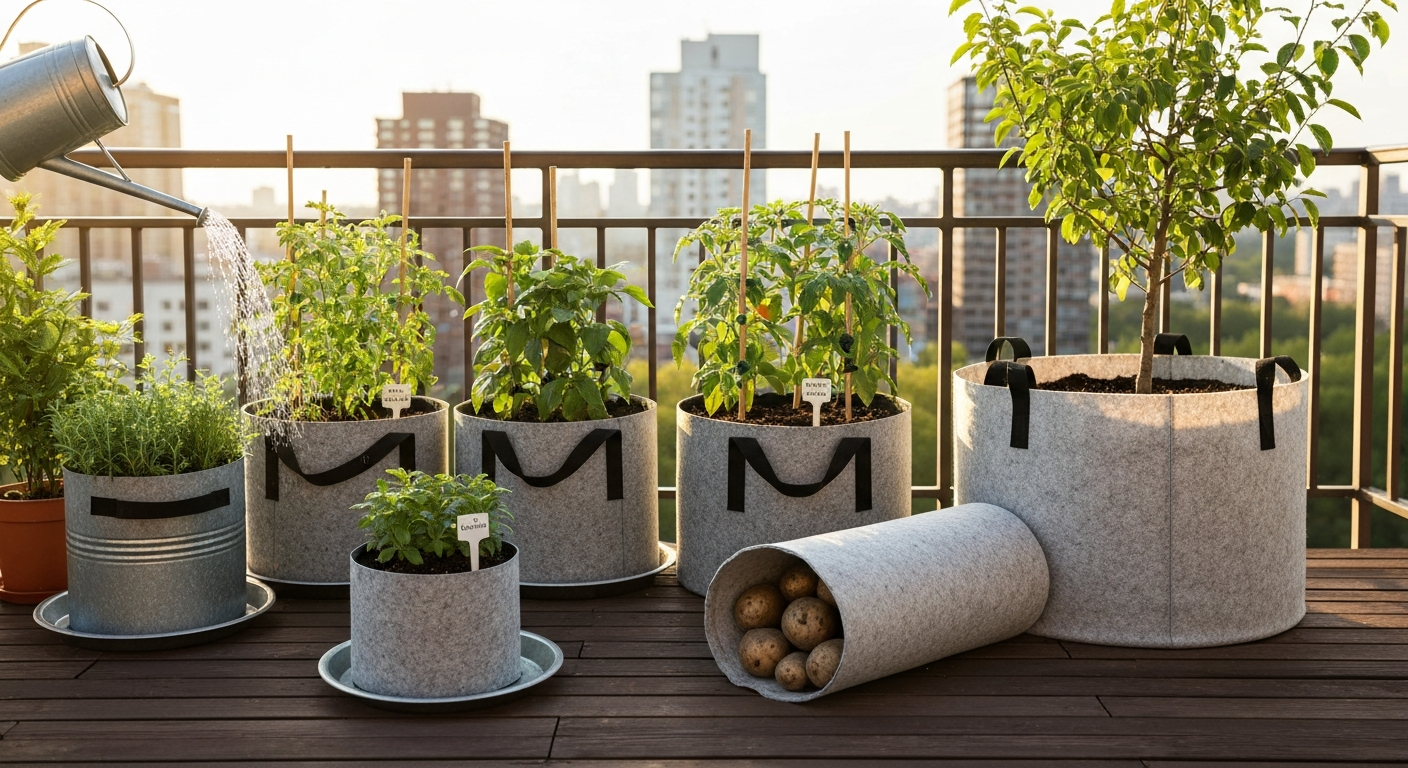
Step-by-step grow bag garden setup: choose bags, soil mix, planting and care for veggies, herbs, flowers, trees.
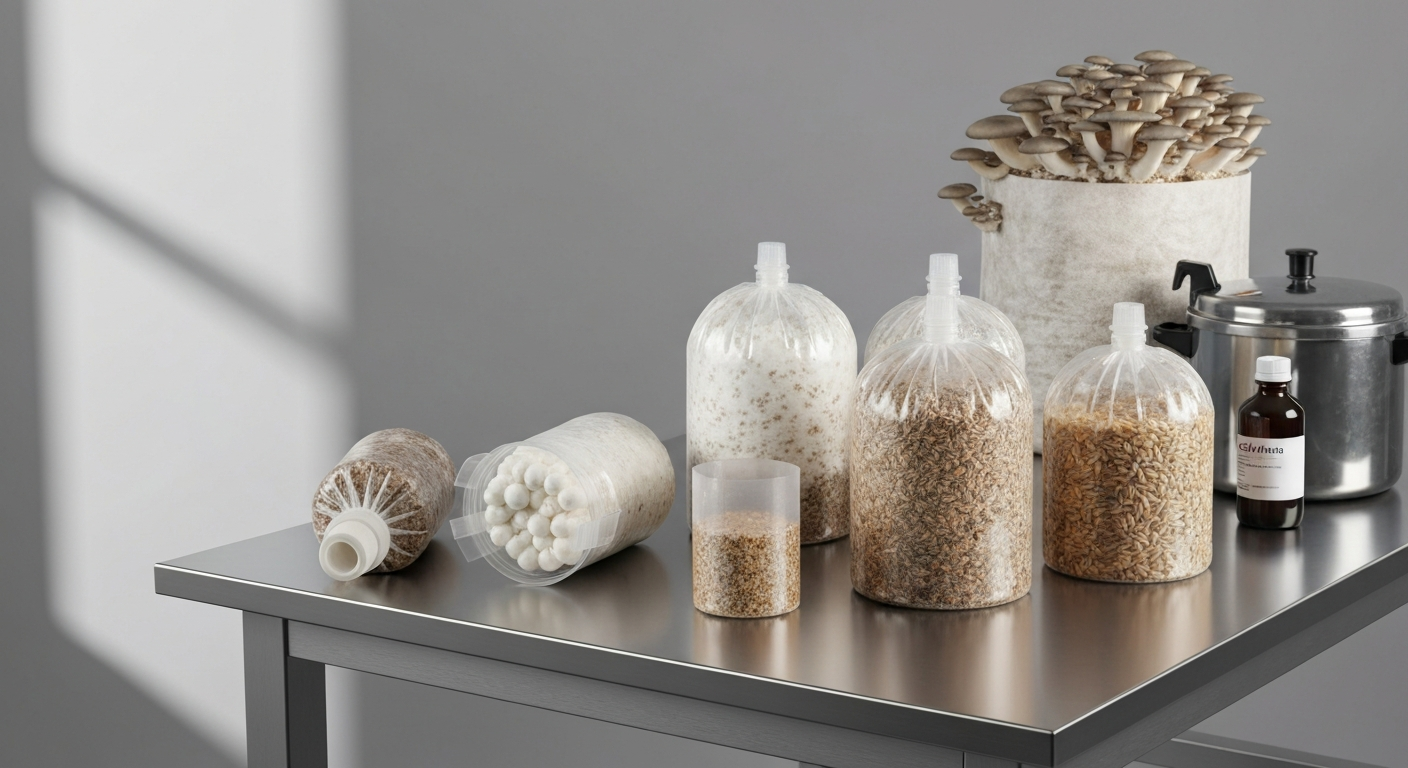
Practical spawn bag grow guide: choose, prepare, inoculate, transfer, troubleshoot, and integrate with fabric grow bags.
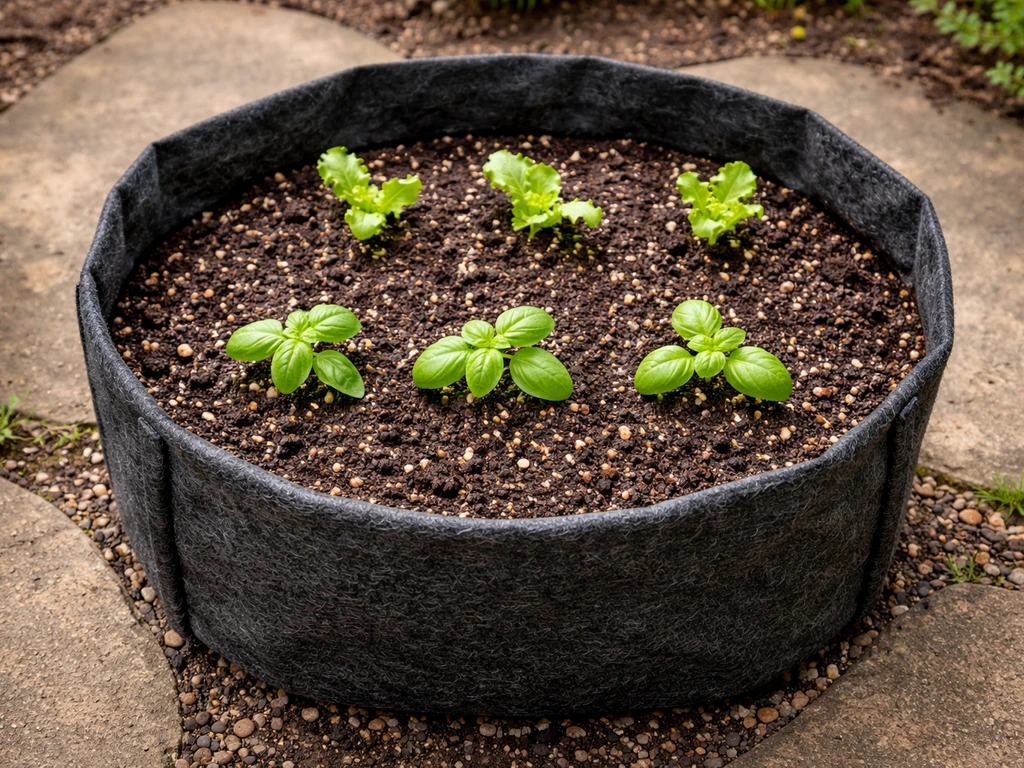
Step-by-step grow bag instructions: choose size and medium, prep, plant, water, manage drainage, and troubleshoot issues