The best grow bag alternatives for most home growers are plastic nursery pots with drainage holes, self-watering containers, fabric-sided raised planters, or modified storage containers, depending on what you're growing and what problem you're trying to solve. Each option trades off something fabric grow bags do well (mainly airflow, air pruning, and fast drainage) for something else you might need more, like moisture retention, lower cost, easier overwintering, or better contamination control for mushrooms.
Grow Bag Alternatives: Best Options for Every Plant
Marcus Holloway
18 May 2026
Why people look for alternatives to grow bags
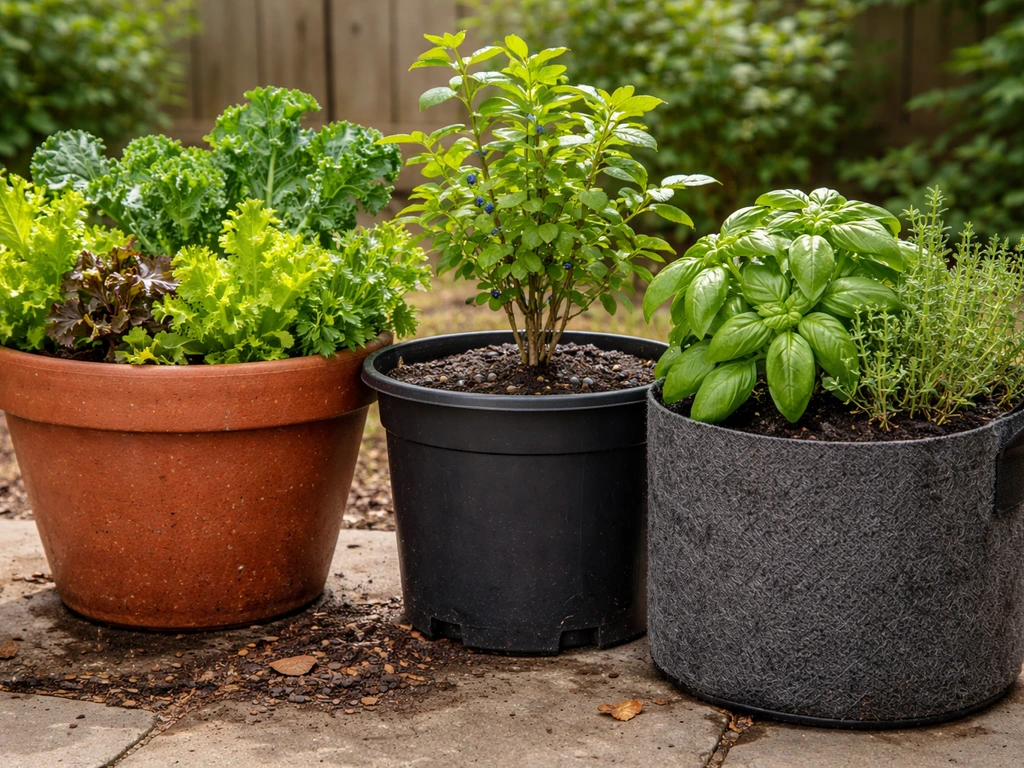
Fabric grow bags are legitimate growing technology, but they come with real drawbacks that push growers toward other options. The two most common complaints are drying out too fast and not lasting more than one or two seasons before the fabric breaks down. On hot days or in full sun, a fabric bag can need watering twice a day, which isn't realistic for everyone. Nutrients also leach through the fabric faster than they do in solid containers, so you end up fertilizing more often. For growers in cold climates, fabric bags offer almost no insulation, which makes overwintering perennials, shrubs, or trees genuinely difficult.
Some growers simply can't source quality fabric bags locally, or find that the cost adds up quickly when setting up a large container garden. Others are growing mushrooms and need sealed, sterile environments where a breathable fabric bag is exactly the wrong tool for the early colonization phase. Whatever the reason, there's a good alternative for nearly every situation, as long as you understand what the fabric bag was actually doing for your plants and what you need to replace.
Best alternatives by plant type
Vegetables
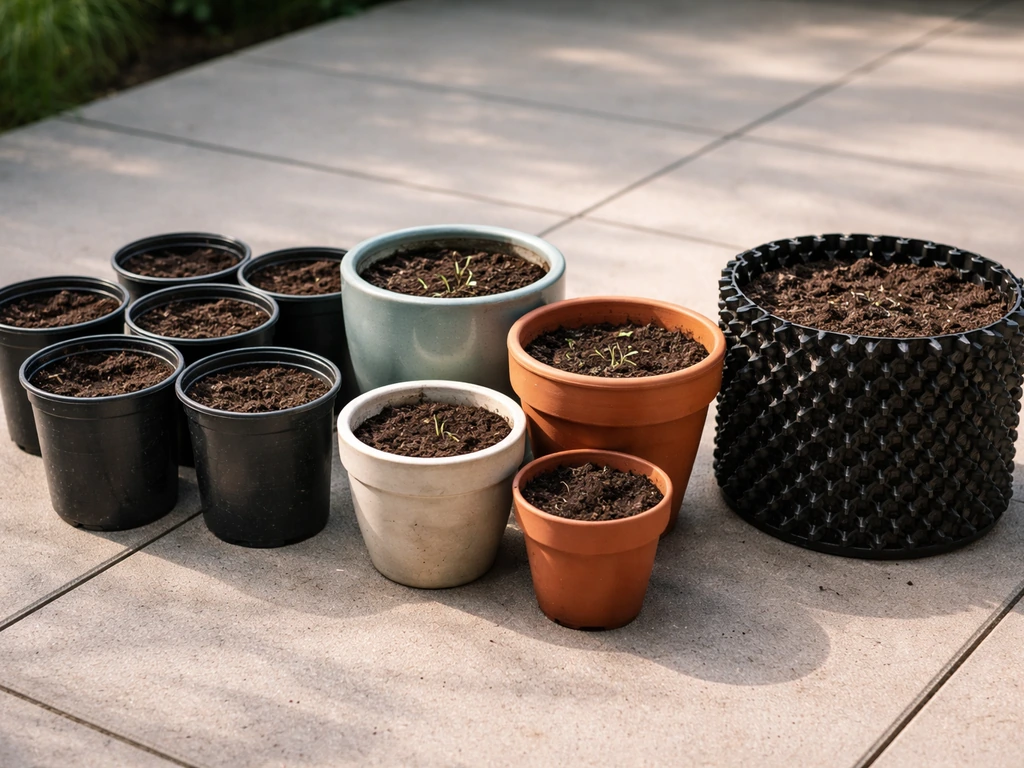
For tomatoes, peppers, cucumbers, and other fruiting vegetables, plastic nursery pots in the 5 to 15 gallon range are the most practical fabric bag alternative. They're cheap, widely available, drain well if you add or confirm drainage holes, and last for many seasons. The tradeoff is that plastic walls don't breathe, so roots can circle if the plant sits in the pot too long. That said, for annual vegetables that go in and out every season, root circling rarely becomes a serious issue before harvest. Self-watering containers are another excellent choice for vegetables, especially for growers who travel or can't water daily. They deliver moisture to the root zone via a reservoir, which also helps with the bitter fruit and misshapen growth you can get from inconsistent watering with traditional grow bags.
Flowers and herbs
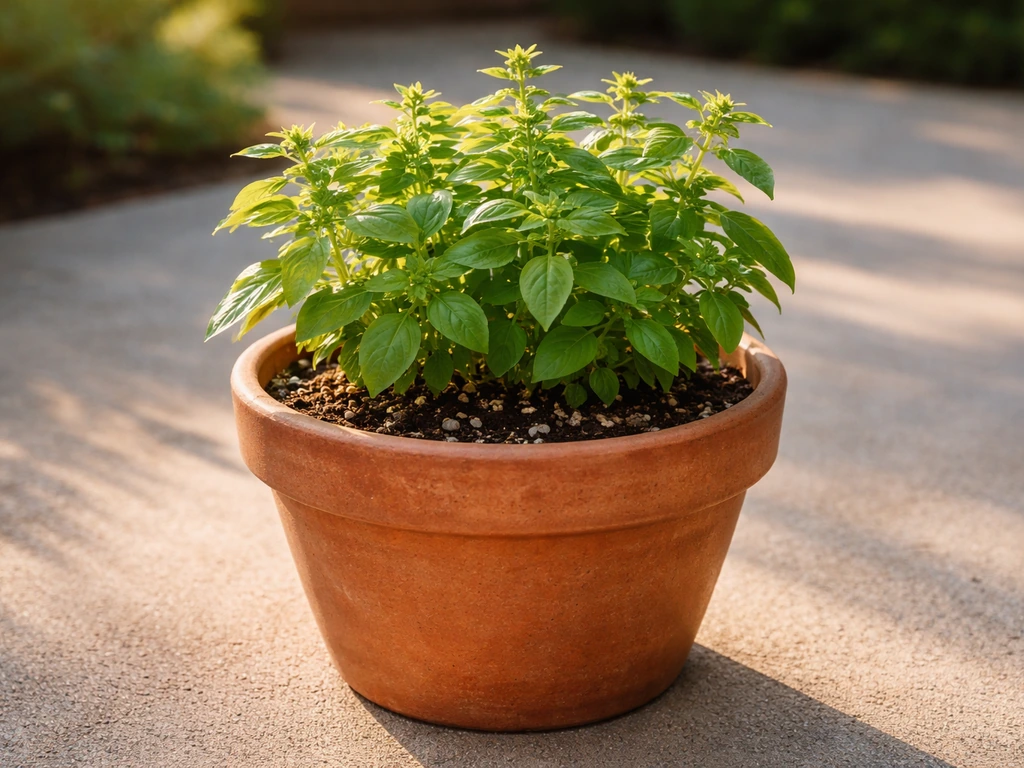
Glazed ceramic or terracotta pots work well for flowers and herbs. Terracotta is slightly breathable and dries out at a rate between plastic and fabric, which suits most herbs better than a fabric bag that can dry out in hours. For annual flowers, any container with drainage holes at the base works fine. For perennial flowers you want to keep from year to year, move to glazed ceramic or thick plastic and consider container size carefully since a larger volume of soil insulates roots better against winter temperature swings.
Trees and shrubs
Air-pruning containers (hard-sided pots with slotted or perforated walls) are the closest structural alternative to fabric grow bags for trees and shrubs. They replicate the air-pruning effect that makes fabric bags valuable for woody plants: roots reach the container edge, encounter air, and stop elongating, which encourages a denser, more branched root ball rather than circling roots. Standard solid plastic pots can work for trees, but root circling becomes a real problem if the tree stays in the container more than one season, and the circling roots can eventually girdle the plant. If you're using a solid-walled container for a tree or shrub, inspect and tease out circling roots whenever you repot. UF/IFAS notes that container-grown roots need air as well as water, and it recommends removing or handling circling roots.
Mushrooms
Mushroom cultivation has completely different requirements than plant growing, and the right 'alternative' depends on what stage you're at. For colonization (the mycelium growing through substrate), you need a sealed, sterilized environment, which means polypropylene (PP) bags, mason jars, or sealed plastic tubs, not breathable fabric containers. For fruiting, you need high humidity (85 to 95%) and fresh air exchange with CO2 kept low. A modified plastic storage tub (often called a monotub) with passive or active air exchange holes works well here. USU Extension guidance for small-scale monotubs suggests cutting four 1-inch holes about 3 inches from the bottom for passive fresh air exchange. Cleanliness and substrate sterilization are non-negotiable at every stage. USU Extension also stresses that “cleanliness is the key” for mushroom growing and that sterilizing the substrate is critical because pathogens and molds can quickly inhibit growth Cleanliness and substrate sterilization are non-negotiable at every stage..
How different container materials actually compare
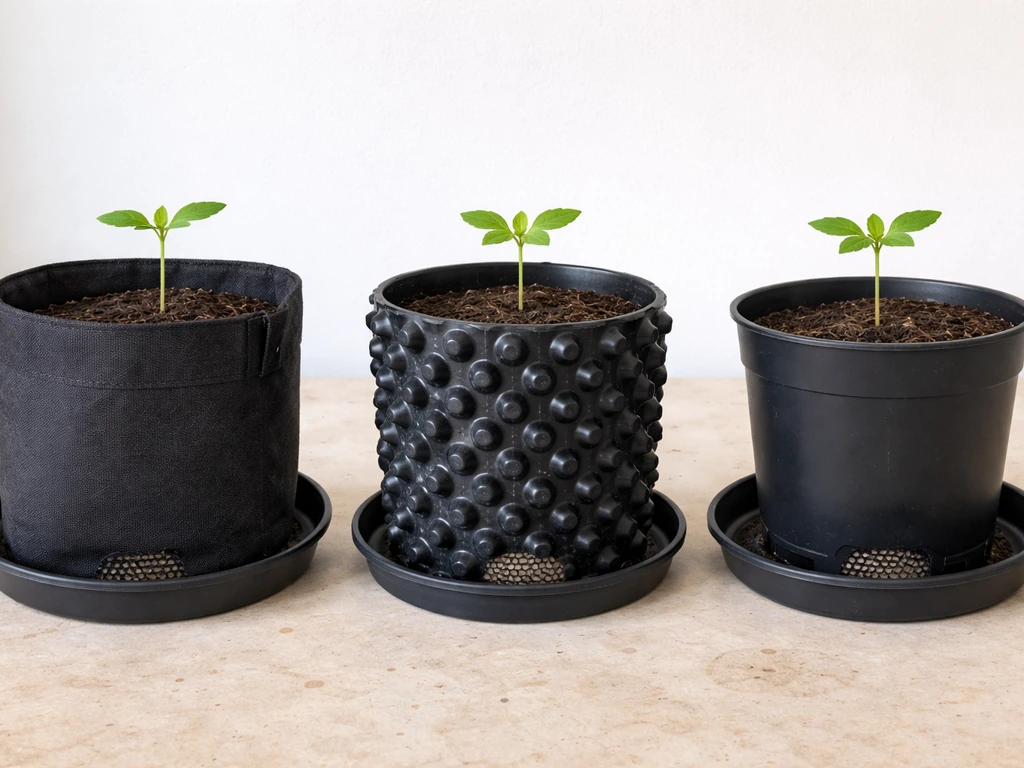
| Container Type | Airflow / Air Pruning | Drainage | Moisture Retention | Root Circling Risk | Durability | Best For |
|---|---|---|---|---|---|---|
| Fabric grow bag | Excellent (all sides breathe) | Fast, can dry out quickly | Low, needs frequent watering | Very low (air pruning) | 1 to 3 seasons typically | Annuals, trees, fast crops |
| Plastic nursery pot | None through walls | Good with drainage holes | Moderate to high | Moderate (circling possible) | 5 to 10+ years | Annuals, herbs, flowers |
| Air-pruning container | Good (slotted/perforated walls) | Good | Moderate | Very low | 3 to 7 years | Trees, shrubs, perennials |
| Self-watering container | None through walls | Internal reservoir, controlled | High (reservoir-fed) | Moderate | 5 to 10+ years | Vegetables, herbs |
| Terracotta pot | Slightly breathable | Good with drainage hole | Moderate (evaporates through walls) | Low to moderate | Many years if not frozen | Herbs, flowers, small shrubs |
| Glazed ceramic pot | None through walls | Good with drainage hole | High | Moderate | Many years | Perennials, overwintering plants |
| Plastic storage tub (modified) | None unless drilled | User-added holes | High | High (if roots left long) | Several years | Mushroom fruiting, bulk growing |
| Polypropylene (PP) bag | None (sealed) | None (sealed until opened) | Very high | N/A | Single use typically | Mushroom colonization |
The core tradeoff is simple: breathable containers (fabric, air-pruning pots, terracotta) improve root health and drainage but dry out faster and can leach nutrients quickly. Solid-walled containers retain moisture better and are more forgiving on watering frequency, but you need to manage drainage holes carefully and watch for root circling in long-term plantings.
Choosing the right size and growing media
Size guidelines by plant
When switching from fabric grow bags to any alternative, use the same volume recommendations you'd use for a grow bag. For more detailed grow bag tips like choosing the right volume and soil mix, use these general guidelines and adjust for your plant’s needs size guidelines you'd use for a grow bag. If you’re wondering “grow bag meaning,” it mainly refers to how a grow bag’s material and airflow shape root growth and drainage. The plant's root space needs don't change just because the container material does. A rough guide for common plants: If you want a grow bag tog guide instead, you’ll need to match the container, soil, and watering routine to the type of plants you’re growing.
- Herbs (basil, parsley, cilantro): 1 to 2 gallons minimum
- Lettuce, spinach, shallow greens: 1 to 3 gallons
- Peppers, small tomatoes (determinate): 5 gallons
- Large tomatoes (indeterminate), cucumbers: 10 to 15 gallons
- Dwarf fruit trees, large shrubs: 15 to 25 gallons
- Standard fruit trees: 25 gallons and up
For overwintering trees or perennials in containers, go larger than you think you need. A bigger soil volume insulates roots better against temperature extremes, which matters a lot when the plant is above ground all winter instead of in the ground.
Potting media for different containers
Fabric grow bags need a fast-draining mix because the bag itself compensates for poor drainage. When you switch to a solid-walled container, you have more flexibility, but you still want a mix that doesn't compact and cut off air to roots. A standard mix of 60% high-quality potting soil, 20% perlite, and 20% compost works well for most vegetables and flowers in plastic or ceramic pots. For self-watering containers, use a slightly denser mix with more peat or coir to help wick moisture up from the reservoir. For air-pruning containers used for trees, a coarser, well-aerated mix (more bark fines, less fine-textured peat) encourages the root branching you're trying to promote. For mushroom tubs, your substrate (straw, sawdust, wood chips, or a grain-based mix) should be pasteurized or sterilized before use, and the container itself should be cleaned and sanitized.
A note on container material and soil chemistry
Material matters beyond just airflow. Unlined metal containers can leach zinc in acidic soils. Brick or cement-based planters can raise soil pH over time. Polypropylene is generally inert and food-safe at the temperatures you'd encounter in a garden. Glazed ceramic is stable. These aren't usually dealbreakers, but they're worth knowing if you're growing acid-loving plants like blueberries or noticing unexpected pH swings.
Setting up alternatives to match grow-bag results
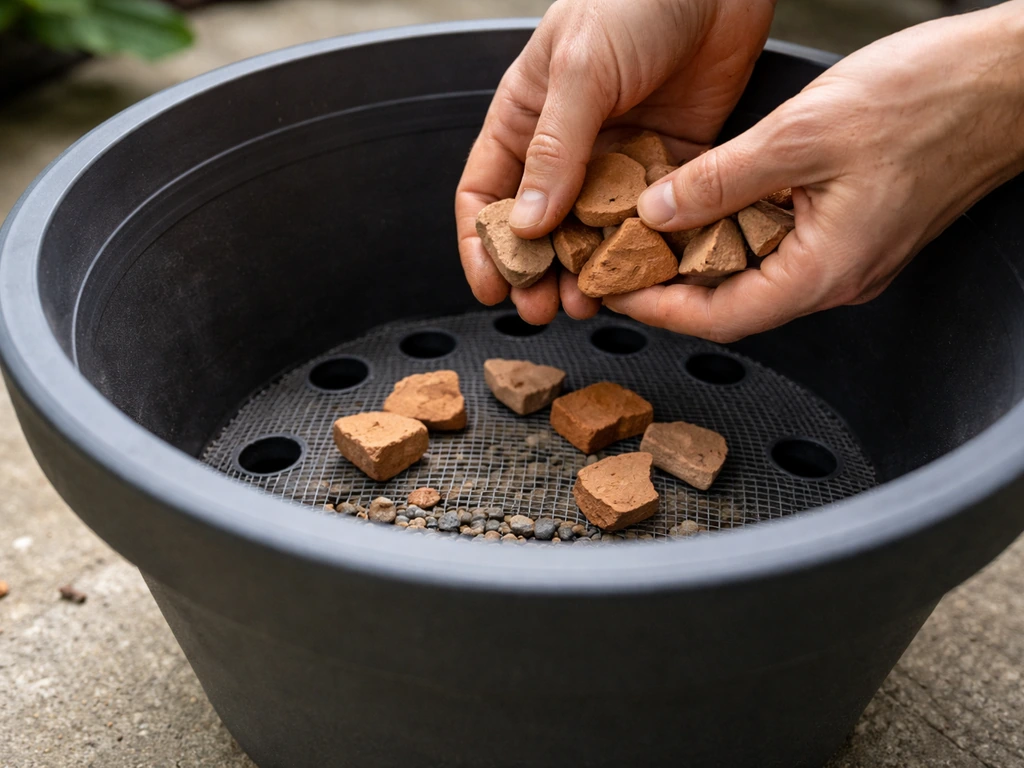
The biggest setup mistake when switching from fabric bags is skipping or underdoing drainage. Follow reliable grow bag instructions as a baseline, then adjust watering, drainage, and soil mix to fit your specific alternative container. Drill at least three to five holes in the base of any container that doesn't have them, using a 1/2-inch bit at minimum. Once you pick a container type, follow a simple grow bag garden setup checklist for drainage, soil mix, and consistent watering. For large containers (10 gallons and up), go larger or add more holes. Elevate solid-bottomed containers slightly off the ground or deck surface so holes can drain freely and air can circulate underneath.
For vegetables in solid pots, a drip irrigation line or self-watering insert can replicate the consistent moisture management that grow bags demand. Growers who struggled with grow bags drying out twice a day will actually find solid-walled pots with a drip line more manageable. For trees in air-pruning containers, place the container where you can inspect the root zone annually and plan to repot or root-prune every two to three years.
For mushroom tubs, the setup centers on contamination control. Clean and rinse your tub with a diluted bleach solution before use. Pasteurize or sterilize your substrate and let it cool to room temperature before adding mycelium. Keep the tub lid loosely fitted or add passive air exchange holes during fruiting. Maintain high ambient humidity by misting the inside walls rather than the mycelium surface directly. This setup mirrors what a proper spawn bag grow achieves but with more accessible equipment.
For overwintering trees or perennials in non-fabric containers, think about insulation from the start. Place the container against a wall or in a protected corner. You can bury the whole container in the ground up to its rim, surround it with a wire cage filled with straw or bark mulch, or wrap it with bubble wrap and burlap. The goal is to keep root-zone temperatures from cycling drastically, which is the biggest killer of container-grown perennials in winter.
Troubleshooting common problems with substitutes
Drying out too fast
If you switched from a fabric bag partly because it dried out too fast and your new container is still drying out quickly, check two things: pot size and potting mix. A small container in full sun will always dry out fast regardless of material. Going up one or two sizes and adding more moisture-retentive material (coir, compost) to your mix usually solves the problem. A self-watering insert or reservoir system can also help maintain consistent moisture without watering twice a day.
Poor drainage and waterlogging
If your solid-walled container is holding too much water, the first check is whether drainage holes are actually clear. Soil can pack over holes, and roots can partially block them. Lift the container and look. If drainage is fine but soil is still staying wet, your potting mix is too dense. Add perlite or coarse grit to improve aeration. Avoid putting a layer of gravel at the bottom of the pot as a drainage layer; this actually creates a perched water table and keeps the bottom of your soil wetter, not drier.
Root circling
Root circling is the main disadvantage of solid-walled containers versus fabric or air-pruning alternatives. For annuals, it rarely matters enough to cause harm before harvest. For perennials, trees, and shrubs, check roots every time you repot. If you see significant circling, tease the roots apart gently or make two or three shallow cuts down the root ball before replanting. If a tree has been in the same solid pot for more than two seasons without repotting, inspect the roots before assuming health problems are nutrient or watering-related.
Nutrient leaching and deficiency
Solid-walled containers retain nutrients better than fabric bags, so switching should actually reduce leaching problems. If you're seeing deficiencies anyway (yellowing leaves, poor fruit set), the issue is usually watering volume rather than container material. Watering heavily and frequently flushes nutrients from any container. Try watering less but more consistently, or switch to a slow-release fertilizer worked into the top layer of soil. If you do use soluble fertilizers, feed at half strength more often rather than full strength infrequently.
Mold and surface growth
White surface mold or fungal growth on the outside of fabric bags or on the surface of potting soil in any container is common and usually harmless to the plant. It typically appears when watering has increased or when containers are crowded together with poor air circulation. It's more of an aesthetic issue than a plant health problem in most cases. Spacing containers further apart, reducing surface moisture, and pulling back any mulch from the soil surface usually clears it up. For mushroom tubs, however, green, black, or pink mold (especially Trichoderma or Neurospora) is contamination and means starting over with a sterilized substrate and a cleaner setup.
Inconsistent watering and fruit quality
Blossom end rot in tomatoes and bitter flavor in lettuce or cucumbers are classic signs of inconsistent watering in any container, not just grow bags. If you moved from fabric bags hoping solid walls would fix this and it's still happening, the fix is consistency rather than a container change. A drip timer, self-watering container, or a simple moisture meter to check before watering will do more for fruit quality than switching container materials again.
Cost, reusability, and when fabric grow bags are still the right choice
On pure cost, plastic nursery pots win easily. A 5-gallon plastic pot costs $1 to $3 and lasts a decade. A comparable fabric grow bag runs $3 to $8 and typically lasts one to three seasons before the fabric degrades, stitching fails, or it becomes too stained/moldy to reuse confidently. Self-watering containers and glazed ceramic pots cost more upfront ($15 to $50 or more) but last many years and often improve results enough to justify the price for permanent container setups.
Air-pruning hard-sided containers fall in the middle: more expensive than standard nursery pots but more durable than fabric bags, and they genuinely deliver the root-health benefits you'd get from fabric for trees and long-lived plants. If you're growing trees or shrubs in containers for multiple seasons, they're worth the cost.
That said, fabric grow bags are still the best choice in several situations. If you need lightweight, foldable containers that store flat in winter, nothing else is as convenient. For potato growing especially, fabric bags make harvest simpler since you just tip or unfold the bag rather than digging through a heavy pot. For growers who want genuine air pruning without paying for hard-sided air-pruning containers, fabric bags are the most affordable way to get there. And for short-season annual vegetables where you're planting and harvesting within a few months, the durability issue barely matters.
The honest framework is this: if your main goal is root health and air pruning for trees or long-lived plants, use fabric grow bags or hard-sided air-pruning containers. If your main goal is moisture retention, lower maintenance watering, or better nutrient retention for vegetables and flowers, switch to plastic or self-watering containers. If you want a step-by-step starting point, use a grow bag planting guide to choose the right container size and media. If you're growing mushrooms, match the container to the stage: sealed for colonization, ventilated for fruiting. Everything else (cost, aesthetics, what you already have on hand) is a secondary factor once you've matched the container to the plant's actual needs.
FAQ
What grow bag alternatives work best if I forget to water often?
Look for self-watering containers, or pair solid-walled pots with a moisture-retentive mix (more coir or peat, plus perlite for aeration). Add a reservoir or a drip line with a timer so moisture stays consistent, since container plants fail from watering swings more than from container type.
How do I prevent root circling when using solid pots for long-term plants?
Use a larger pot from the start and plan on annual inspections. If roots are already circling, gently tease them and consider one to three shallow vertical root cuts when repotting to encourage new outward growth, rather than trying to “prune the symptoms” later.
If my soil stays wet in a solid container, is it always too much water?
Not necessarily. First confirm the drainage holes are open, since packed soil can partially clog them. If water still sits, your mix is likely too dense or fine-grained, fix it by increasing perlite or coarse grit and avoid gravel at the bottom because it can create a perched water table.
Can I reuse the same pot or tub I used before, like a nursery pot or storage container?
Yes for normal plants, but rinse and sterilize only when you suspect disease or algae buildup. For mushrooms, do not skip sanitation, sterilize the tub and substrate, and let everything cool fully before inoculation to reduce contamination risk.
What’s the best alternative if I want the air-pruning benefits without buying a special container?
Use fabric for affordability, or choose hard-sided air-pruning pots with slotted walls. If you are using a standard solid pot, you can still improve root behavior by repotting on schedule (every 2 to 3 years for woody plants) and using a coarser, well-aerated mix that reduces compaction.
Do I need to change my soil volume or soil mix when switching from fabric to plastic?
Keep the same soil volume target for the plant, but adjust the media. Solid pots need a mix that drains without staying compacted, and self-watering systems need a slightly denser, wicking-friendly blend so moisture can reliably travel from the reservoir into the root zone.
Are terracotta and ceramic pots always better for herbs than fabric grow bags?
They often are, because they dry at a moderate pace, but it depends on sun exposure and pot size. In full hot sun, even terracotta can dry quickly, so consider morning watering or a potting mix with more moisture-retentive components for stability.
What’s a common mistake when switching away from fabric grow bags?
Skipping drainage verification. Even if a container “looks” like it drains, you may need to add or confirm 3 to 5 base holes depending on size, and elevate the container slightly so water can leave freely and air can move under it.
Will container alternatives fix fertilizer issues like yellow leaves?
Usually container material is not the root cause. Yellowing often comes from inconsistent watering volume that causes nutrient uptake problems. If switching containers, focus first on watering consistency, then adjust feeding with a schedule that avoids heavy flushes, such as smaller, more regular doses.
How do I handle winter for non-fabric containers without losing perennials?
Prioritize insulation of the root zone. Move the container to a protected corner, wrap or mulch around it, and in many cases burying up to the rim or surrounding with straw and a wire cage helps prevent damaging freeze-thaw cycles.
Is white mold on potting soil a problem, and when should I worry?
White surface growth on soil is often harmless and tied to surface moisture and poor airflow. Increase spacing, reduce wet surface conditions, and pull back mulch. If you are growing mushrooms, colored mold like green, black, or pink typically signals contamination and requires starting over with sterilized materials.
What container should I use for mushrooms at each stage?
For colonization, use sealed, sterilized setups like PP bags, mason jars, or sealed plastic tubs. For fruiting, switch to a ventilated environment with high humidity and fresh air exchange, such as a monotub with properly placed air holes.
Next Articles
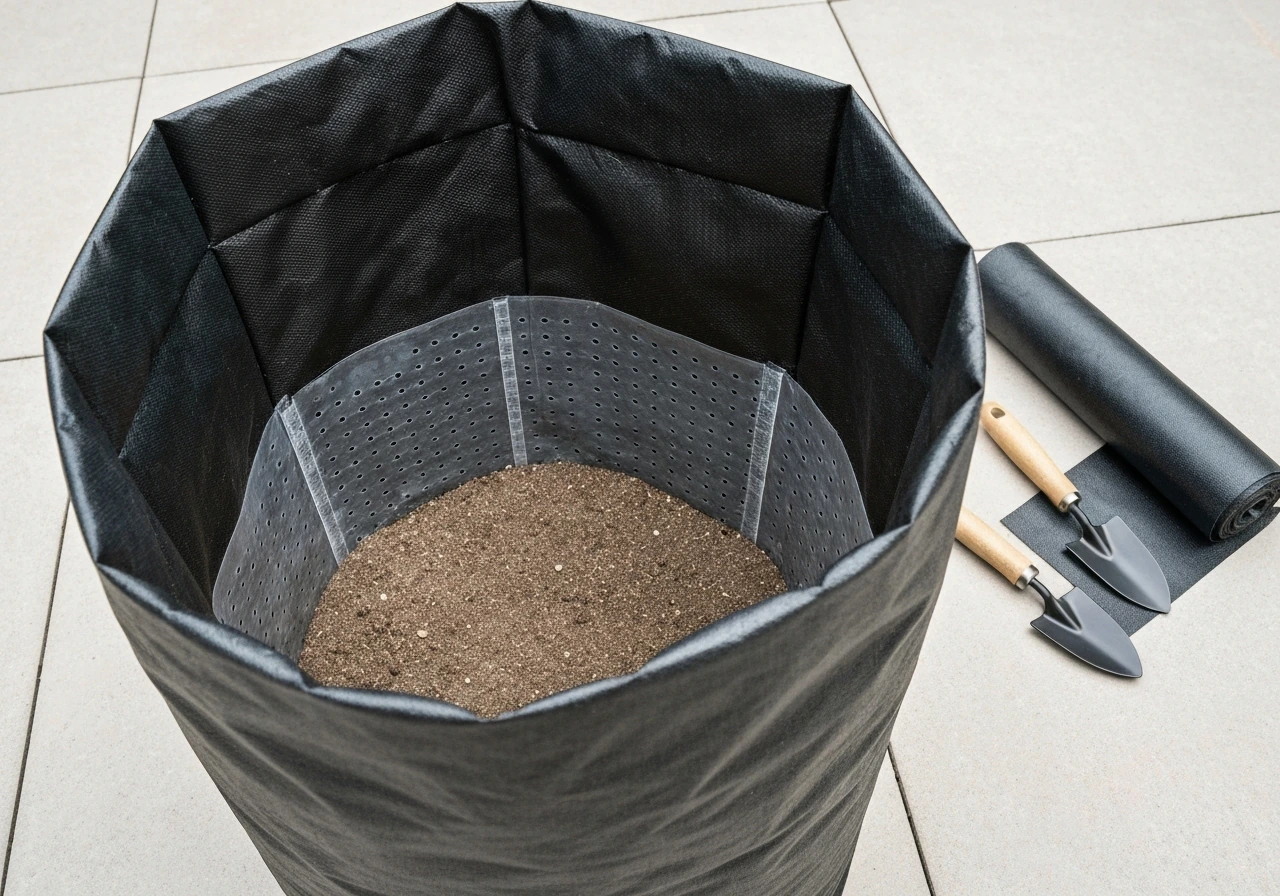
Best Landscape Fabric for Grow Bags: Buy and Install Guide
Choose the best landscape fabric for grow bags with weed-blocking, drainage and aeration tips plus DIY install steps.
Best Soil for Grow Bags: Mix Recipes and How Much to Add
Best soil for grow bags: mix recipes, how much to add by bag size, and vegetable tweaks for strong drainage and yield.
Where to Put Grow Bags: Best Location, Sun, Drainage
Find the best spot for fabric grow bags: sun, wind, drainage, spacing, surfaces, and fixes for heat and root-rot issues.