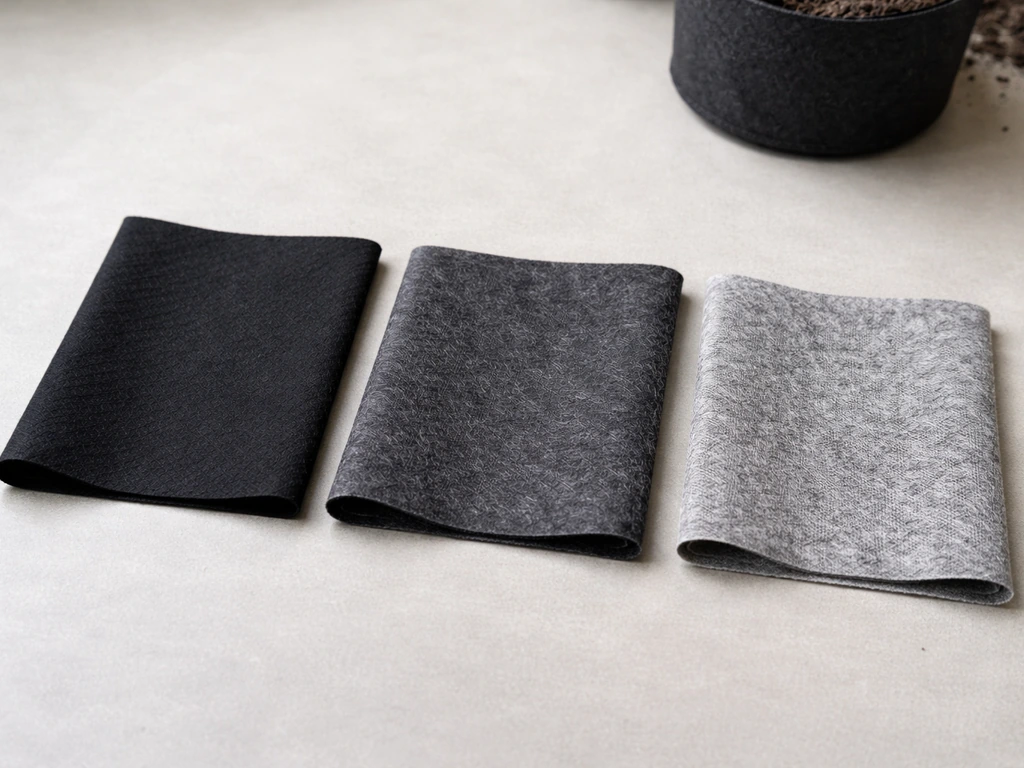
Root Pouch grow bags are fabric containers made from recycled plastic water bottles and a natural fiber blend, designed to air-prune (or in some setups, entrapment-prune) roots so your plants grow a dense, fibrous root system instead of circling roots. They come in three main fabric lines: Thin Black (one-time use, for propagation), Charcoal (short-term single-season use), and Grey (multi-year, 3-4 seasons in-ground or 5-6 above ground). For most home growers doing vegetables, herbs, or flowers in containers on a patio, the Charcoal line is the practical sweet spot. For anyone planting trees, shrubs, or doing in-ground growing, the Grey line is worth the extra cost. The Thin Black bags are really only for nursery-style propagation and starting transplants.
Root Pouch Grow Bags Reviews: Best Sizes, Features, and Tips
What Root Pouches are and how they actually work
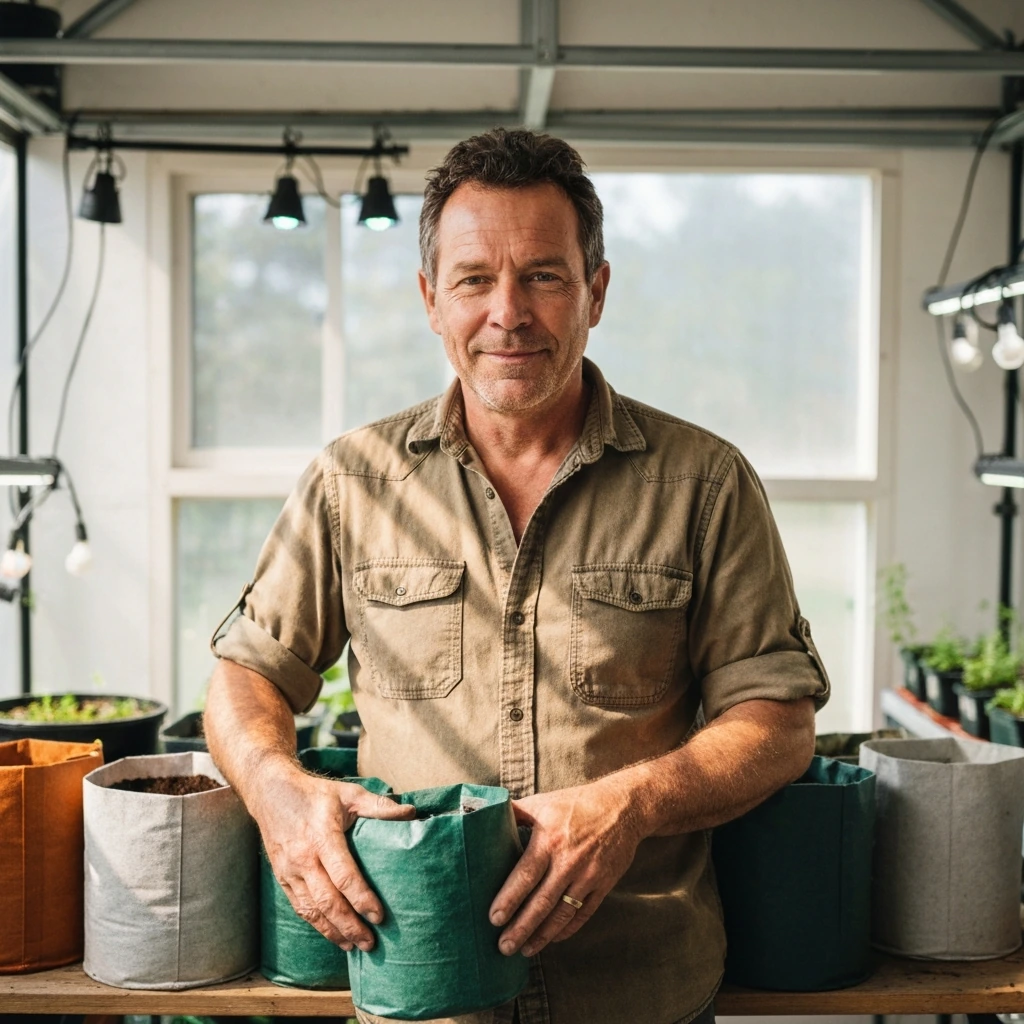
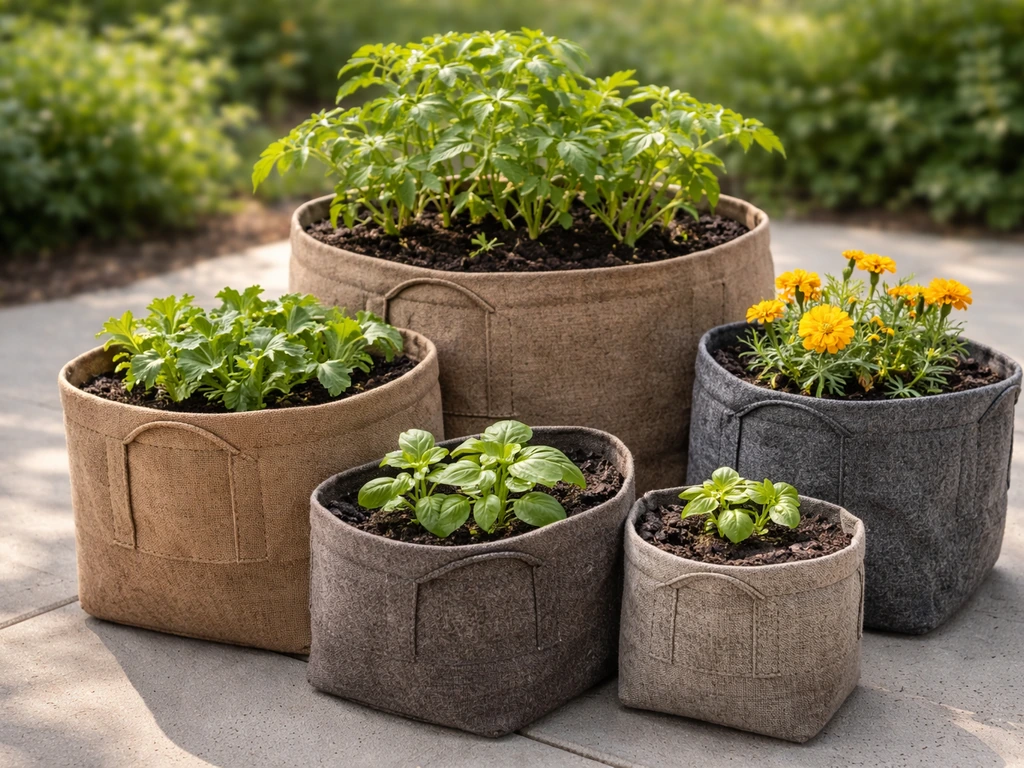
A Root Pouch is a breathable, hand-sewn fabric container. The fabric is made from recycled PET (water bottles) blended with natural fibers, which gives it both structural strength and breathability. That breathability is what makes the whole system work. As roots grow outward and hit the fabric wall, they either dry out and die at the tip (air pruning) or get physically trapped in the fabric weave (entrapment pruning, which Root Pouch specifically references for their pot-in-pot setups).
Either way, the result is the same: instead of one root circling around the container and eventually strangling the plant, you get dozens of smaller feeder roots branching back into the soil. That fibrous root ball is more efficient at pulling in water and nutrients, and it transitions to in-ground or larger container growing with almost no transplant shock.
The breathability also helps with temperature. Plastic pots can turn into ovens on a hot patio, cooking root zones and stressing plants. Fabric containers shed heat through evaporation and airflow, keeping root zone temperatures more stable. Research comparing container materials in nursery settings consistently shows that fabric containers moderate extreme soil temperatures better than black plastic pots, which matters a lot for heat-sensitive crops like lettuce or herbs in summer.
Choosing the right Root Pouch: size and material line
The three fabric lines and what they mean for you
| Line | Fabric Weight | Lifespan (Above Ground) | Lifespan (In-Ground) | Best For |
|---|---|---|---|---|
| Thin Black | 90 g/m² | 6–12 months | 5–9 months | Propagation, transplant starts, one-time nursery use |
| Charcoal | Thin (exact g/m² not published) | 18–24 months | Not recommended long-term | Patio vegetables, annual flowers, single-season indoor crops |
| Grey | 250 g/m² | 5–6 years | 3–4 years | Trees, shrubs, perennials, multi-year containers, in-ground growing |
The Thin Black line is the cheapest and the most disposable. It's square-bottomed (you can flip it inside out for a round bottom), available in sizes from 1 pint up to 3 gallons, and it's designed to degrade once it's buried. It prevents root circling during the propagation stage, then breaks down as the plant establishes. This is what you'd use if you're starting plants for transplanting later, not for growing crops to harvest.
The Charcoal line is positioned as a 'one and done' seasonal bag with high oxygen exchange, thin construction, and good drainage. It's the most popular choice for home growers doing tomatoes, peppers, herbs, or cannabis for a single season. The Grey line is the workhorse: thicker 250 g/m² fabric, semi-degradable, rated for 3-4 years in-ground and up to 5-6 years above ground, and it works well for pot-in-pot nursery setups and multi-season tree growing.
Picking the right size
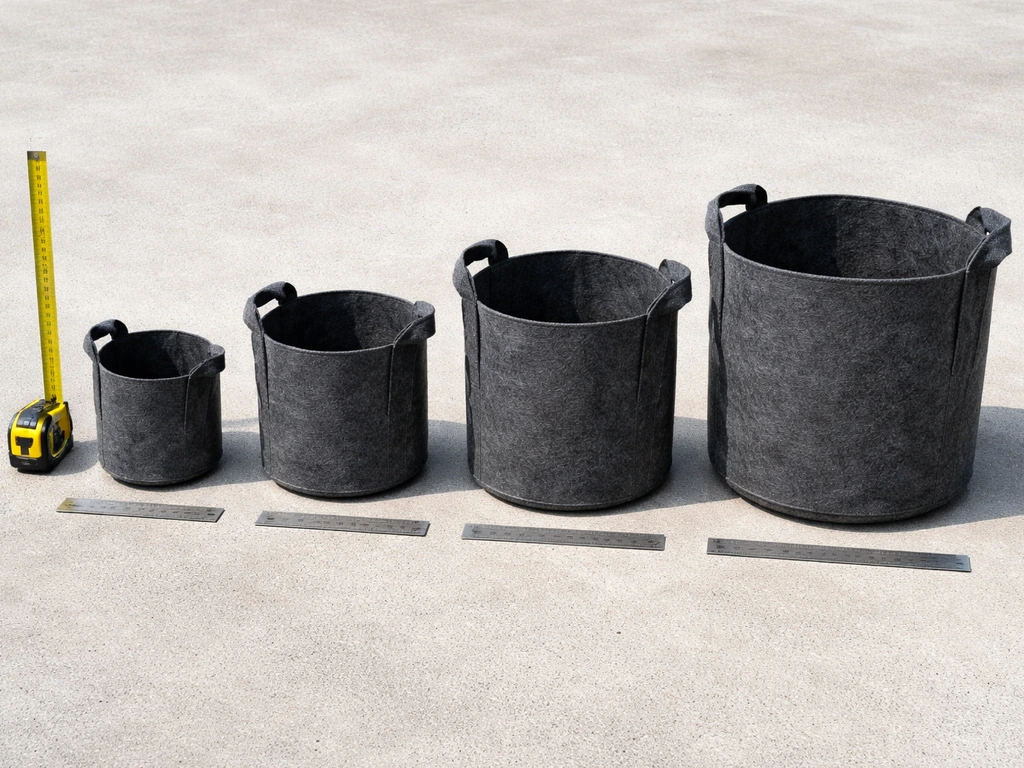
Root Pouch uses a trade-size numbering system (not always intuitive) alongside gallon designations. A #3 bag is 3 gallons, measuring roughly 10 inches in diameter by 8.5 inches tall. Here's a practical size guide based on what you're growing:
| Bag Size | Approx. Dimensions | Best Plant Match |
|---|---|---|
| 1 pint – 1 qt | Small/propagation | Seedlings, cuttings, herb starts |
| 1–2 gal | Small container | Herbs, lettuce, small flowers |
| 3 gal | 10" dia x 8.5"H | Peppers, smaller tomatoes, compact herbs, strawberries |
| 5–7 gal | Medium container | Full-size tomatoes, cucumbers, eggplant, dwarf fruit shrubs |
| 10–15 gal | Large container | Small trees, large shrubs, potato harvest bags, cannabis |
| 25+ gal | Very large | Established trees, multi-plant combinations, in-ground installs |
One consistent mistake I see is going too small. A 3-gallon bag sounds generous until you're growing an indeterminate tomato in midsummer heat and the roots have nowhere to go. For most fruiting vegetables, 5 gallons is the minimum I'd recommend. For a full-size tomato variety, 7-10 gallons gives you much better results and longer productive life before the plant gets stressed. Root crops like potatoes and carrots also need taller containers, not just wider ones, so prioritize bags with a taller profile for those.
Root Pouch grow bag options reviewed: which one fits your situation
Thin Black: for propagators and nursery growers
If you're running a small nursery operation, starting transplants for a garden, or want a degradable sleeve for young trees going in-ground, the Thin Black line makes sense. If you’re comparing grow bag options, reading grow bags reviews like these will help you pick the right Root Pouch line for your plants and your watering habits Thin Black line. These come in bulk packs (50-count, for example) and are priced accordingly.
They're not meant to last more than a season. The fabric degrades in about 12-18 months once soil is on both sides. Don't use these for multi-season patio growing. You'll find them through wholesale suppliers like Growers' Goods or specialty hydroponic retailers.
Home gardeners rarely need them unless they're doing significant propagation.
Charcoal: the everyday patio grower's bag
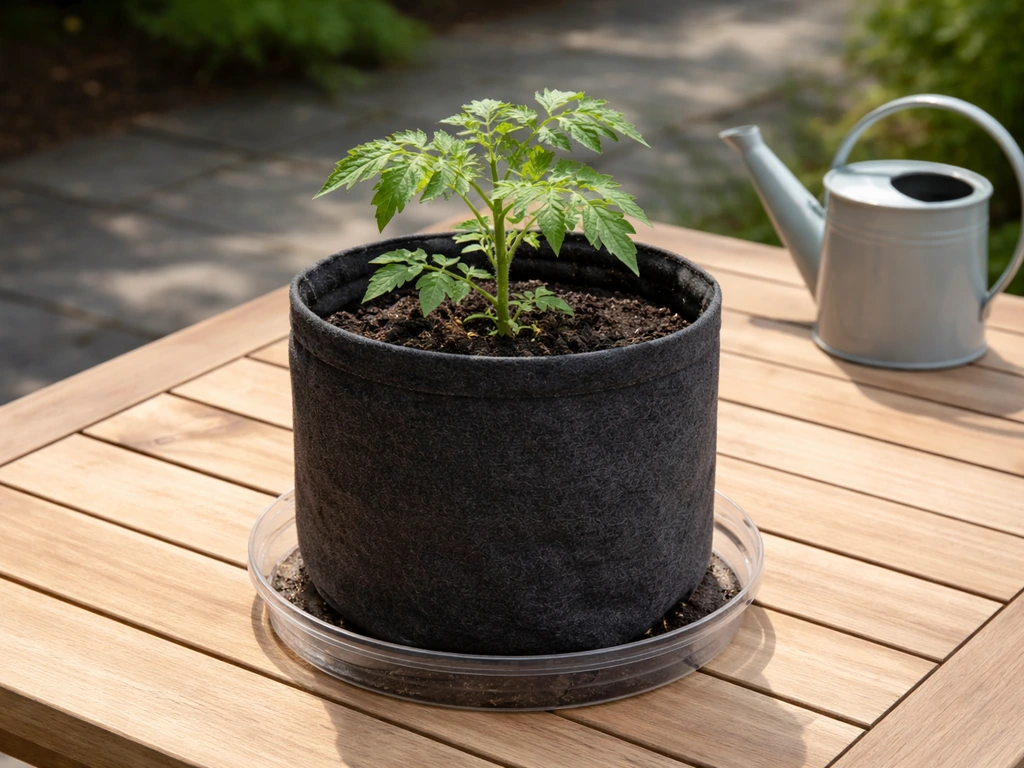
The Charcoal line is the one most home growers will end up with. If you want, you can also compare Root Pouch grow bags to other options with more gardzen grow bag reviews to see which setup fits your garden best Charcoal line is the one most home growers will end up with. If you want a quick starting point, this mycohaus grow bag review covers what to expect from their fabric, drainage, and overall results Charcoal.
It's thin, it drains and breathes aggressively, and it handles one to two seasons well above ground. Root Pouch markets it as a high-oxygen-exchange bag for indoor crops and short-season outdoor use. If you want a Midwest-focused grow setup, this guide is also useful for a Midwest grow kits spawn bag review when you are comparing fabric options for spawn and incubation.
The 3-gallon handled version available at Home Depot has over 178 customer reviews with consistent feedback that it's durable for multiple seasons and works well both above ground and in-ground. The handles are a genuinely useful feature. Moving a 7-gallon bag of wet soil without handles is a miserable experience. If you're buying Charcoal bags for patio tomatoes or peppers, get handles on anything 3 gallons and up.
Grey: for serious growers doing trees, perennials, or in-ground work
The Grey line is where Root Pouch really differentiates itself from generic fabric grow bags. The 250 g/m² natural fiber blend construction holds up for 3-4 years in-ground and up to 5-6 years above ground. This is the bag used in nursery operations for pot-in-pot production, where a container is sunk into a hole in the ground and you drop a planted bag into it.
It's also what you want if you're growing a fruit tree in a large container on a deck and plan to keep it for multiple years. For that use case, a 15-gallon or 25-gallon Grey Root Pouch is a legitimate long-term investment. Root Pouch even has a dedicated cannabis growers' page referencing 15-gallon Grey bags for that market.
If you want a Midwest grow kits spawn bag review angle, these larger Grey sizes are a common choice for stable long-term fruiting setups 15-gallon Grey bags.
Root Pouch vs the alternatives: honest tradeoffs
| Option | Air Pruning | Watering Frequency | Durability | Root Circling Risk | Best Use Case |
|---|---|---|---|---|---|
| Root Pouch (Grey) | Yes (entrapment + air) | High | 3–6 years | Very low | Trees, perennials, multi-season containers |
| Root Pouch (Charcoal) | Yes (air pruning) | High | 1–2 seasons | Very low | Annual vegetables, single-season indoor crops |
| Generic fabric grow bags | Yes (air pruning) | High | 1–2 seasons (variable) | Very low | Budget annual growing, similar to Charcoal |
| Standard plastic pots | No | Low-moderate | Many years | High if undersized | Low-maintenance houseplants, overwintering |
| Hard pots (ceramic/terracotta) | No (terracotta breathes slightly) | Moderate | Very long | High if undersized | Decorative use, stable perennials |
| In-ground planting | N/A | Low (after establishment) | N/A | N/A | Permanent plantings, trees, large gardens |
The biggest real-world tradeoff with Root Pouch and any fabric grow bag is watering frequency. Fabric containers dry out from all sides, not just the top. In hot weather, a 5-gallon bag of tomatoes might need watering every single day, sometimes twice. That's not a knock on the product. It's physics. The same breathability that keeps roots healthy and prevents root bounding is what dries the medium out faster. If you're not able to water consistently or you don't have drip irrigation, a plastic pot might actually perform better for you in practice, even if the root architecture isn't as ideal.
Compared with in-ground planting, containers of any kind involve more active management. In-ground plants can access moisture from a much larger soil volume, regulate their own temperature better in established beds, and generally need less intervention from you. Root Pouch bags make the most sense when you don't have in-ground space (patio, rooftop, rental property), when you need to move plants seasonally, or when you're doing deliberate root architecture work for nursery stock or bonsai-adjacent tree growing.
Compared with other reviewed fabric grow bag brands, Root Pouch sits in a specific niche. Generic fabric bags (which you'll find in most garden centers) perform similarly to the Charcoal line for a single season but often lack the material quality for multi-year use. Brands like Rain Science grow bags emphasize different durability and drainage profiles, and if you're comparing those head-to-head, the Root Pouch Grey line is the most direct competitor for long-term container growing. If you're specifically looking at rain science grow bags reviews, it helps to compare drainage and durability differences against Root Pouch Grey for long-term container growing. The Thin Black and Charcoal lines compete more with standard budget fabric bags.
Common problems and how to fix them
Drying out too fast
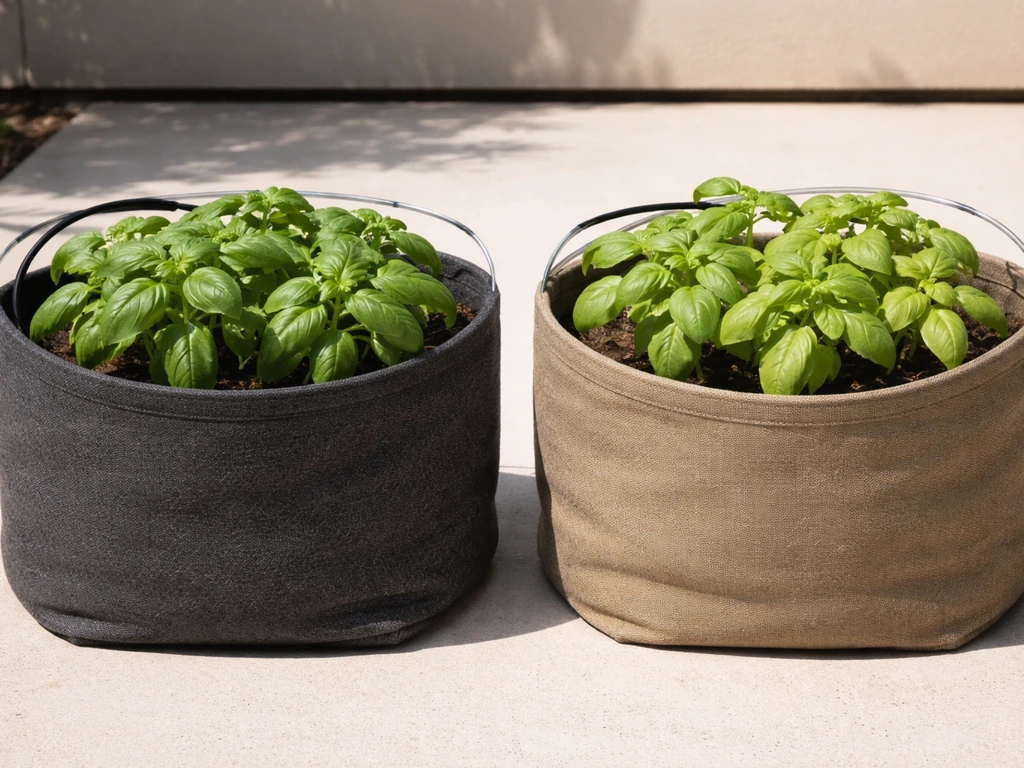
This is the most common complaint. The fix isn't to get a different container. It's to build a better watering system. Drip irrigation on a timer solves this almost entirely. If you're hand-watering, water deeply and thoroughly every time rather than light daily splashes. Light, frequent watering doesn't penetrate deeply enough to reach the root zone. Water until you see it running from the bottom and the sides feel damp. In high heat, add a saucer under patio bags to create a small reservoir, especially for plants that prefer consistent moisture like basil or cucumbers. Mulching the top of the bag with an inch of straw or wood chips also meaningfully slows surface evaporation.
Nutrient washout
Frequent watering in a well-draining fabric container means nutrients wash through faster than they would in a plastic pot or in-ground bed. You'll need to fertilize more often than the package directions suggest, which are usually calibrated for standard plastic containers. Switch to a slow-release granular fertilizer as your base (applied at planting and refreshed mid-season) and supplement with a liquid feed every 1-2 weeks during active growth. Calcium and magnesium deficiencies show up faster in fabric containers too. If you see blossom end rot on tomatoes or peppers, add calcium early rather than waiting.
Root circling
Root circling is genuinely rare in Root Pouch bags used correctly. The fabric either air-prunes or entrapment-prunes roots before they can establish a circling habit. If you're seeing root circling, the most likely cause is that the bag is simply too small for the plant and the roots have exhausted the available volume. Size up, or transplant into a larger container. Root Pouch's entrapment-pruning mechanism, specifically referenced for their pot-in-pot growing approach, is actually gentler than air pruning for trees and woody perennials because it doesn't desiccate root tips as aggressively.
Uneven growth and hot spots
If one side of your bag dries faster or the plant leans toward one direction, it's usually a light or heat exposure issue. Rotate bags a quarter turn every week or two, just like you'd rotate houseplants. On concrete or dark-colored paving, lift bags onto a wooden pallet or stand to reduce heat absorption from the surface. Root zone temperatures directly affect plant growth, and a bag sitting on hot concrete can easily hit soil temperatures that suppress root activity even if the foliage looks fine.
Soil settling and compaction
Fabric bags compress slightly over time, especially with heavy watering. Use a well-aerated mix with perlite or coco coir to resist compaction. Avoid using straight garden soil in any container, but especially in fabric bags where the drainage is aggressive. A quality potting mix blended with 20-30% perlite works well for most crops. For trees and shrubs in Grey bags, a nursery-grade mix designed for container production gives you better long-term structure.
What to grow in Root Pouch bags: plant-by-plant guidance
Vegetables and herbs
This is the most popular use case and where the Charcoal line earns its keep. Tomatoes, peppers, eggplant, cucumbers, and squash all do well in 5-10 gallon bags. Herbs like basil, parsley, cilantro, and thyme thrive in 1-3 gallon bags. Salad greens and lettuce work well in 2-3 gallon bags for a season. Root vegetables are trickier: carrots and parsnips need depth, not just volume, so look for taller bag profiles and go at least 12 inches deep. Potatoes do very well in large, tall bags (10-15 gallon) where you can hill soil as the plants grow. The breathable sides help prevent the wet/rot issues that can plague potatoes in solid containers.
Flowers
Annual flowers work well in Charcoal bags in 1-5 gallon sizes. Marigolds, petunias, zinnias, and calibrachoa are all good fits. For perennial flowers you want to overwinter in the same container, step up to Grey bags. The added durability matters when you're leaving bags outside through temperature fluctuations and freeze-thaw cycles. Just be aware that fabric containers in freezing weather can let the root zone drop below freezing faster than plastic or in-ground plants, so overwinter them in a garage or insulate with burlap if you're in a cold climate.
Trees and shrubs
This is where Root Pouch genuinely stands apart from most fabric grow bag brands. The Grey line was designed with nursery tree production in mind. Root Pouch has direct relationships with commercial horticulture nurseries and their in-ground growing guidance is specifically built around tree and shrub production. For a small fruit tree (dwarf apple, fig, citrus), a 15-25 gallon Grey bag gives you enough root volume for 3-4 years of growth before you'd need to size up or transplant.
For ornamental shrubs being grown for sale or staging, the pot-in-pot setup with Grey bags is used commercially to produce clean, transplantable root balls with minimal circling. Root Pouch bags are food-safe according to the company's FAQ, which matters for edible fruit trees.
Watering, feeding, and seasonal care
Watering
Water deeply every time. A shallow sprinkle wets only the top inch and encourages shallow root development, which is the opposite of what you want. For most patio setups in summer, expect to water every 1-2 days without irrigation, and possibly daily in extreme heat. If you're growing multiple bags, a drip system with a timer is worth every penny. Stick your finger 2 inches into the mix before watering. If it's still moist, skip that day. If you're using saucers to catch drainage, empty them after 30 minutes so roots don't sit in standing water.
Feeding
Start with a slow-release fertilizer blended into the potting mix at planting. Use a formula appropriate for your crop: higher phosphorus for root establishment in the first few weeks, then shift to a balanced or nitrogen-forward formula for leafy crops, or a bloom formula for fruiting plants. Supplement with liquid feed every 10-14 days during active growing season. With fabric containers, I err toward more frequent, lighter liquid feeding rather than heavy single applications that flush straight through. Watch for yellowing lower leaves (nitrogen), purple tints on undersides (phosphorus), or interveinal yellowing (magnesium or iron) as signs the feeding schedule needs adjusting.
Light, heat, and placement
Place bags where the plants' light needs are met, but also think about heat load. South-facing patio walls reflect a lot of heat, and bags against them can overheat. Light-colored bags (like the Grey line) reflect more radiant heat than dark bags. Keep that in mind when choosing color for summer growing. For indoor or greenhouse setups, Root Pouch's greenhouse growing guidance specifically notes that the fabric allows lower watering levels than plastic without waterlogging, which is a useful advantage in controlled environments.
Transplanting and end-of-season handling
One of the real advantages of Root Pouch bags for trees and shrubs is transplanting. Because the root ball has been air-pruned or entrapment-pruned throughout its growth, it holds together cleanly and transplants with minimal shock. For in-ground planting, Nature Hills recommends positioning the bag's top edge at or slightly below the soil line and planting bag and all for biodegradable lines like Thin Black, or removing the bag for Grey line plants going permanent. For the Grey line, the bag comes out clean and the root ball stays intact.
At the end of the season, shake out the spent soil (or compost it), brush off any debris, and let the bags dry completely before storage. Root Pouch's Garden Guide mentions washing bags between uses, which is good practice especially if you're dealing with any disease history in the soil. Grey bags can be folded flat and stored dry through winter. Charcoal bags that have held up through a season can often go one more round, but inspect the seams first. If the fabric is thinning or the stitching is pulling, retire it rather than risk losing a plant mid-season.
Your next steps: getting started today
- Decide your use case first: propagation/starts (Thin Black), annual patio growing (Charcoal), or multi-year trees and perennials (Grey).
- Pick your size based on the plant, not the bag: 5-7 gal for tomatoes and peppers, 3 gal for herbs and smaller crops, 15+ gal for small trees.
- Get handles on anything 3 gal and up. You will thank yourself the first time you need to move a full bag.
- Use a quality potting mix with perlite, not garden soil. Aim for 20-30% perlite for good drainage and aeration.
- Set up drip irrigation or commit to a consistent hand-watering routine. Fabric bags need more watering than plastic.
- Start a supplemental feeding schedule from week 2-3. Don't rely only on slow-release fertilizer in a high-drainage fabric container.
- If growing trees or shrubs for the long term, look at Grey line bags in 15-25 gallon sizes and consider pot-in-pot setup if you have in-ground space.
FAQ
Do Root Pouch root pouch grow bags need a specific potting mix, or can I use garden soil?
Use container-grade potting mix, not straight garden soil. Fabric bags drain faster and compress less consistently than in-ground beds, so garden soil can lead to rapid nutrient loss and uneven moisture. A common approach is a mix with 20% to 30% perlite (or coco coir) for aeration, then adjust depending on crop moisture needs.
What size should I choose if I am not sure whether my plant is determinate or indeterminate?
If you are unsure, assume indeterminate behavior for tomatoes and peppers when planning container size. Going smaller is the most common cause of stressed plants (and faster dry-down) in these bags. As a rule of thumb from the article guidance, start at about 5 gallons for most fruiting vegetables, then step up to 7 to 10 gallons for full-size varieties.
How do I prevent overwatering or waterlogging in a fabric bag?
Even though fabric dries fast, waterlogging can still happen if drainage is poor or if you leave runoff in saucers. Water thoroughly, then empty saucers after about 30 minutes. If the mix stays wet for more than a day or two (check by feel 2 inches down), reduce watering frequency and consider adding more perlite to increase aeration.
Do Root Pouch bags work for plants that need consistently moist soil, like cucumbers or basil?
Yes, but you need a plan for frequent irrigation. These bags wick and dry from the sides, so even moisture-lovers may need daily watering in summer unless you use drip irrigation. Mulching the top with a thin layer (straw or wood chips) helps slow surface evaporation, but it does not replace consistent watering.
Can I use Root Pouch bags indoors on a balcony or patio without flooding the area?
Yes, but you should use a controlled drainage setup. Place bags on a sturdy catch surface and use a drip tray or saucer, then empty it on a schedule (not continuously). Also consider elevating the bags slightly off dark concrete with a stand to reduce both heat load and trapped moisture.
What fertilizer schedule works best in fabric bags?
Expect nutrients to move through faster than in-ground soil, so fertilize more often. Start with slow-release incorporated at planting, then add a liquid feed about every 10 to 14 days during active growth. Watch crop-specific symptoms, for example yellowing lower leaves often points to nitrogen issues, and address early rather than waiting for full deficiency.
If my roots are circling or the plant is failing, is it always a watering problem?
Not always. Root circling is uncommon when the bag has adequate volume, but it can happen if the container is too small for the plant’s mature root demand. Before changing products, measure your bag size against the crop’s expected growth and consider upsizing or transplanting into a larger container to restore room for branching feeder roots.
How should I overwinter Grey Root Pouch bags in cold climates?
Fabric bags can lose warmth faster than you expect, which can drop the root zone below freezing. If you are in a freezing climate, move the bags to a garage or insulate with burlap, then keep them protected from drying winds. The goal is to slow temperature swings, not to keep them actively growing.
Can I reuse Thin Black bags, or should I treat them as single-season only?
Thin Black is designed as a degradable, short-lived line (especially for propagation and short-use). If you try to reuse them, inspect fabric thickness and stitching first, but do not expect the same structural integrity for multi-season patio growing. For new seasonal starts, replacing Thin Black is usually the safer choice.
Is the handles-on-the-bag feature worth it?
For larger sizes, yes. Handles matter most once you fill the bag with wet soil, for example 3 gallons and up. Without handles, moving a heavy bag is awkward and can damage stems or compact the mix, which can increase stress right after you reposition plants.
Do Root Pouch grow bags have any special requirements for rotating plants toward light?
Rotate regularly, especially in sun-heavy setups where one side may receive more heat and light. A quarter turn every week or two helps prevent leaning and improves uniform growth. Also watch bags against reflective or hot surfaces, since heat can increase faster than light levels change.
What is the best way to store Root Pouch bags after the season?
Shake out spent soil or compost it, then brush off debris. Let the bags dry completely before storage to prevent odor, mold, or residue buildup. Grey bags can typically be folded flat and stored dry through winter, while bags that show thinning fabric or loosening seams should be retired.
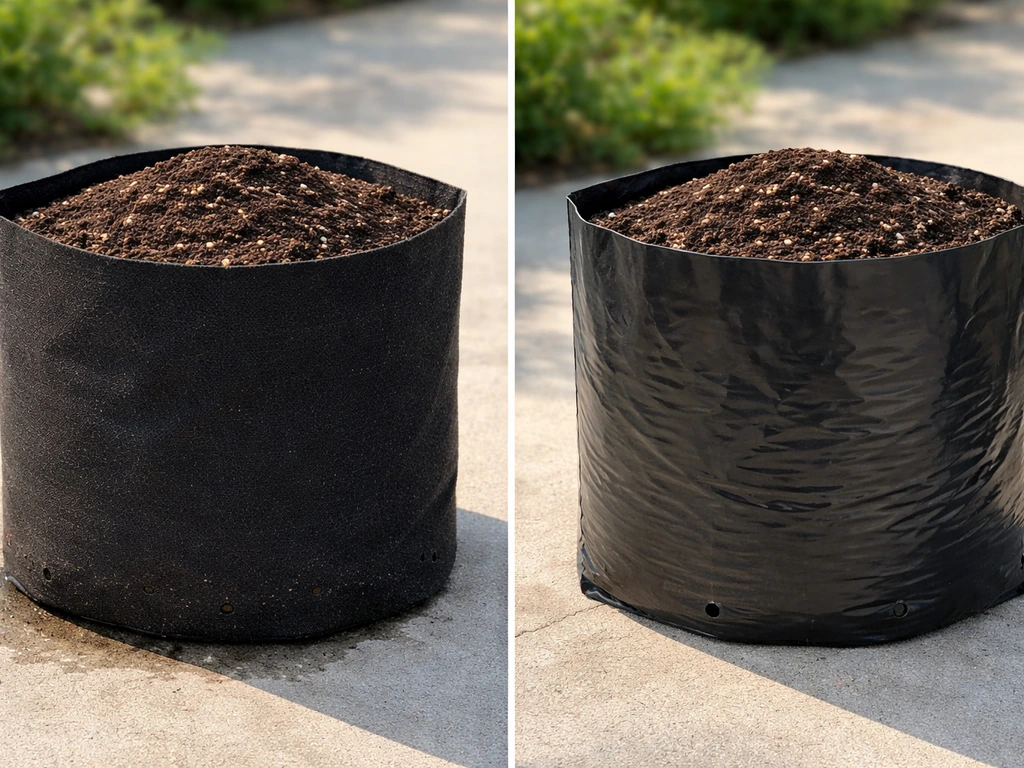
Expert grow bags reviews for fabric and plastic types, drainage, durability, sizing, setup, and troubleshooting by plant
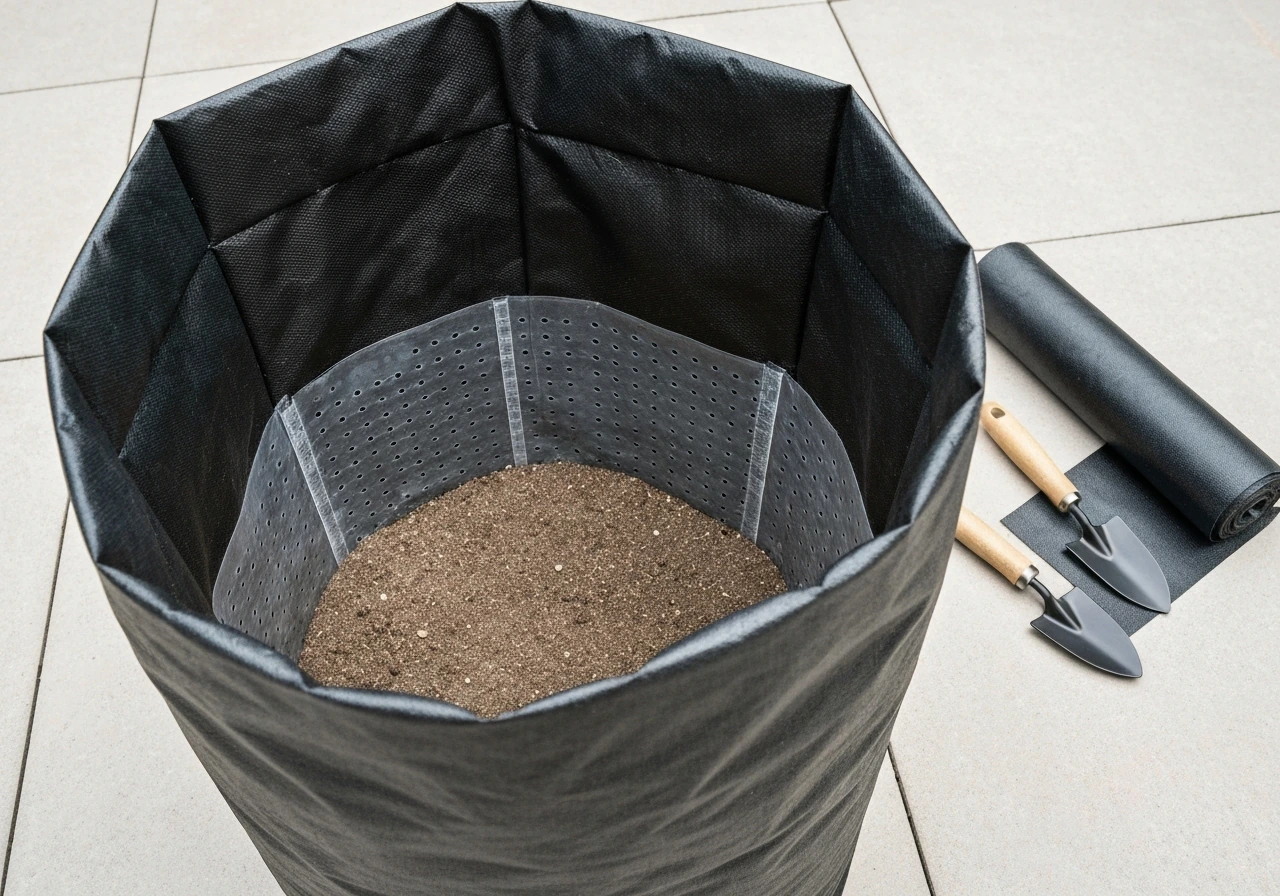
Choose the best landscape fabric for grow bags with weed-blocking, drainage and aeration tips plus DIY install steps.
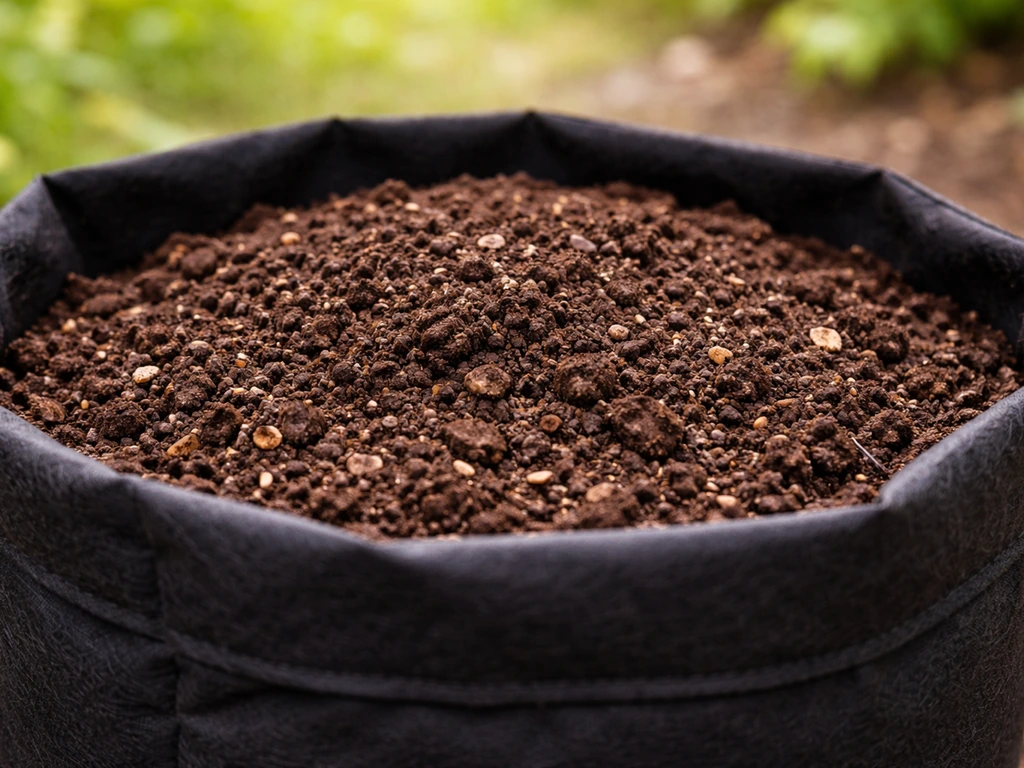
Best soil for grow bags: mix recipes, how much to add by bag size, and vegetable tweaks for strong drainage and yield.