Rain Science grow bags are worth buying for most home growers, and they stand out from the fabric bag crowd for one specific reason: they're made from a plastic-coated woven mesh rather than the felted nonwoven fabric you find in most budget bags. That single material difference changes how they drain, how long they last, and how consistently they perform across seasons.
Rain Science Grow Bags Reviews: Which Size to Buy and Use
Marcus Holloway
17 Jun 2026
If you're trying to decide whether to spend more on Rain Science versus a generic fabric bag, the short version is: the drainage and durability justify the price for outdoor beds, containers, and high-value crops. Here's everything you need to know to pick the right size, set them up properly, and get reliable results.
If you want a quick, practical take before buying, check out a mycohaus grow bag review to compare materials, drainage, and root performance side by side.
What Rain Science grow bags are and why they're different
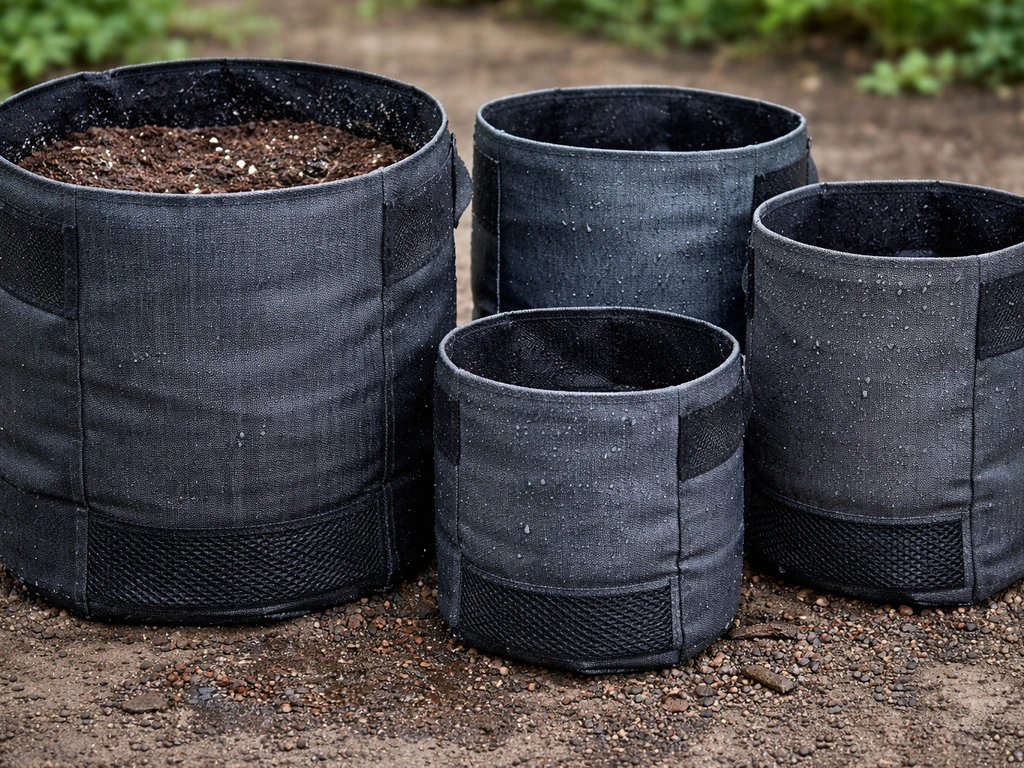
Most fabric grow bags on the market, including popular brands like Root Pouch and Gardzen, use a nonwoven felt-style fabric. It works reasonably well, but over time the fibers compress, drainage slows, and the bags can harbor pathogens between seasons. Rain Science takes a different approach. Their bags are made from a plastic-coated woven mesh, which creates a more open, consistent pore structure throughout the entire bag wall, not just at the base.
The manufacturer claims this design delivers greatly improved drainage through the entire grow bag, not just the bottom, plus extra oxygen flow because air moves more freely through the mesh walls. In practice, this means the root zone stays better aerated even when you're watering heavily or when rainfall hits the bag hard. For outdoor growers dealing with unpredictable weather, that consistent drainage behavior is genuinely useful and one of the reasons the brand name resonates with people searching for rain-resilient setups.
The other key feature is air pruning. As roots reach the mesh walls and contact fresh air, the root tip growth stops and the plant responds by branching inward and producing dense networks of feeder roots. This is the same principle behind other quality fabric bags, but the open woven mesh of Rain Science bags tends to create a more uniform air pruning effect around the full perimeter rather than just where the fabric is thinnest. The result is a more fibrous, efficient root system that takes up water and nutrients better than the circling roots you'd get in a hard plastic pot.
The durability story is also different. The plastic-coated mesh resists the breakdown that causes felt bags to degrade after one or two seasons. Rain Science backs this up with a lifetime warranty on retail goods and a 5-year commercial warranty against manufacturing defects. That's a level of confidence you don't see from most fabric bag brands, and it matters when you're calculating cost per season.
How to choose the right size and fabric type for your plants
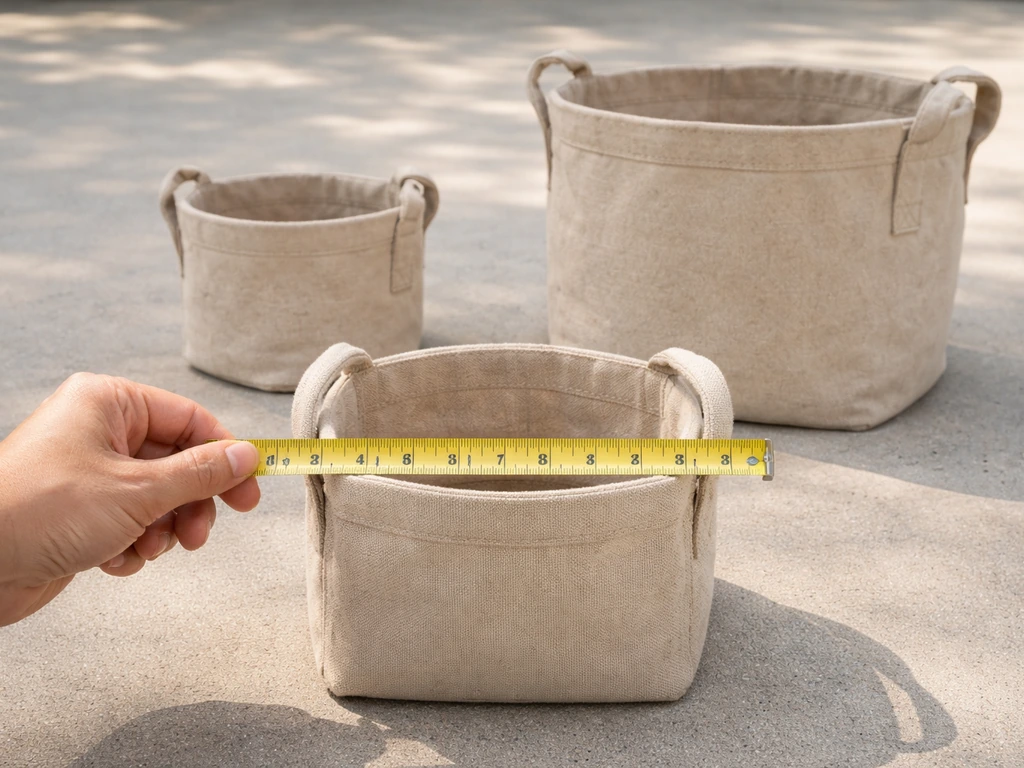
Getting the size right is the most important buying decision you'll make with any grow bag. Too small and roots hit the walls too early, limiting yield. Too large and you waste soil, the bag dries unevenly, and young plants struggle to establish. Rain Science bags follow standard gallon sizing, so the same rules that apply to other quality fabric bags apply here.
A 3-gallon Rain Science bag measures approximately 10 inches by 10 inches and holds 0. Rain Science also describes the 3-gallon variant as 10 inches by 10 inches, holding about 0.45 cubic feet, and highlights its plastic-coated woven mesh for balancing drainage with nutrient retention 3-gallon Rain Science bag measures approximately 10 inches by 10 inches. 45 cubic feet of growing medium. That's the right footprint for herbs, strawberries, compact pepper varieties, and lettuce. It's also a reasonable starter size if you want to test how the mesh material behaves before investing in a full run of larger bags.
| Bag Size | Dimensions (approx.) | Best For |
|---|---|---|
| 1-2 gallon | 7"–8" diameter | Herbs, seedlings, small flowers |
| 3 gallon | 10"x10" | Peppers, strawberries, lettuce, herbs |
| 5 gallon | 12"x10" | Tomatoes (compact), cucumbers, eggplant |
| 7-10 gallon | 14"–16" diameter | Indeterminate tomatoes, squash, potatoes |
| 15-20 gallon | 18"–20" diameter | Large tomatoes, dwarf fruit trees, cannabis |
| 25+ gallon | 24"+ diameter | Blueberries, small trees, multi-plant beds |
For tomatoes specifically, most growers undersize their containers. A 5-gallon bag works for determinate (bush) varieties like Roma or Celebrity, but indeterminate types like Brandywine or any slicer you want to run through a full season need at least 10 gallons to reach their potential. Potatoes are another crop where size matters a lot: 10-15 gallons gives you room to hill up as the plant grows, which directly affects tuber yield.
Since Rain Science uses a woven mesh rather than a felt fabric, there's essentially one fabric type across their line rather than the multiple fabric weight options you sometimes see from brands like Root Pouch (which offers degradable and non-degradable versions in different thicknesses). With Rain Science, you're choosing size and trusting that the mesh construction will handle your watering and climate conditions. For most home growers, that simplicity is actually helpful rather than limiting.
Real-world performance: watering, drainage, root health, and yield
The most consistent feedback from growers using Rain Science bags centers on drainage consistency. Unlike felt bags that can develop wet spots or clog over time, the woven mesh maintains even moisture movement through the walls across multiple seasons. When you water heavily or get an unexpected downpour, the bag sheds excess water quickly without waterlogging the root zone. That's a meaningful advantage over both plastic pots and lower-quality fabric bags. If you want a broader, buyer-focused view, see our grow bags reviews for side-by-side picks and real-world pros and cons.
On the flip side, that efficient drainage means Rain Science bags dry out faster than hard containers and even faster than dense felt bags. In hot, dry climates or during summer heat waves, a 3-5 gallon bag can go from moist to bone dry within 24 hours. This isn't a flaw in the bag so much as a feature that requires adjustment in your watering routine. Growers who set it and forget it often report stunted plants or nutrient deficiencies until they realize the bag needs daily watering during peak summer.
Root development is where these bags earn their price. The air pruning effect from the mesh walls produces a noticeably denser, more fibrous root ball compared to plastic containers. When you pull a plant at the end of a season, you'll see that the roots have branched extensively throughout the soil volume rather than spiraling around the container wall. More feeder roots mean better uptake of both water and nutrients, which translates to stronger vegetative growth and better fruit set. Growers running tomatoes, peppers, and cannabis in Rain Science bags consistently report vigorous plants with good yields when the watering schedule keeps up with the bag's drainage rate.
Compared to other reviewed brands in this space, Rain Science bags tend to hold their structure and drainage properties over multiple seasons better than felted alternatives. If you’re trying to compare options, reading gardzen grow bag reviews can help you judge how other popular fabric bags stack up on drainage and root performance. Some growers have reported using the same bags for three to five seasons with minimal performance drop. That longevity, combined with the lifetime warranty, changes the value calculation significantly. The higher upfront cost spreads across several growing cycles, making them competitive with or cheaper than replacing cheaper bags every year or two.
Common problems and how to troubleshoot them
Drying out too fast
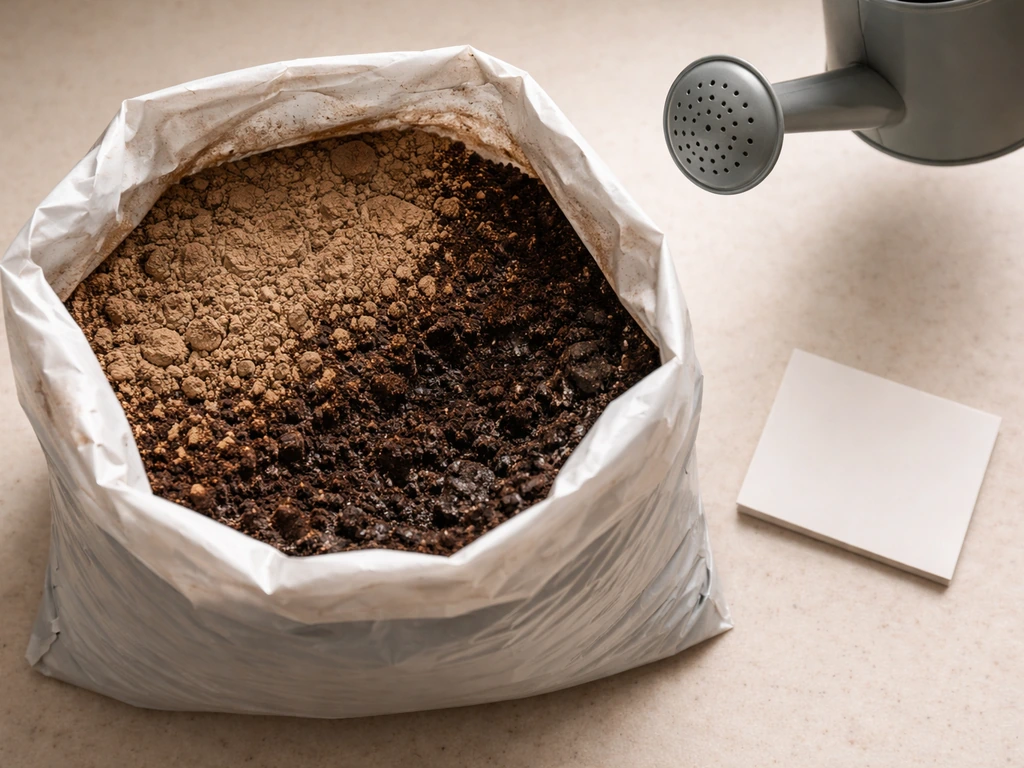
This is the most common complaint, and it's really a watering frequency problem rather than a bag problem. If you are comparing products, look for a Midwest grow kits spawn bag review to see how similar spawn bag setups perform in practice. In warm weather, check moisture daily by pressing a finger 2 inches into the growing medium. If it feels dry at that depth, water immediately. For larger bags (10+ gallons) in hot climates, drip irrigation on a timer is not just convenient but practically necessary to maintain consistency. Mulching the top of the bag with an inch of wood chips or straw also slows surface evaporation noticeably.
Nutrient deficiencies
High drainage rates mean nutrients flush through the growing medium faster than they would in a sealed plastic container. If you're seeing yellowing leaves or slow growth despite regular watering, you're likely losing nutrients with each watering. The fix is either a slow-release granular fertilizer mixed into the soil at planting, or more frequent liquid feeding (weekly rather than biweekly) during the growing season. Organic amendments like worm castings and compost in your soil mix help buffer the leaching effect.
Inconsistent moisture across the bag
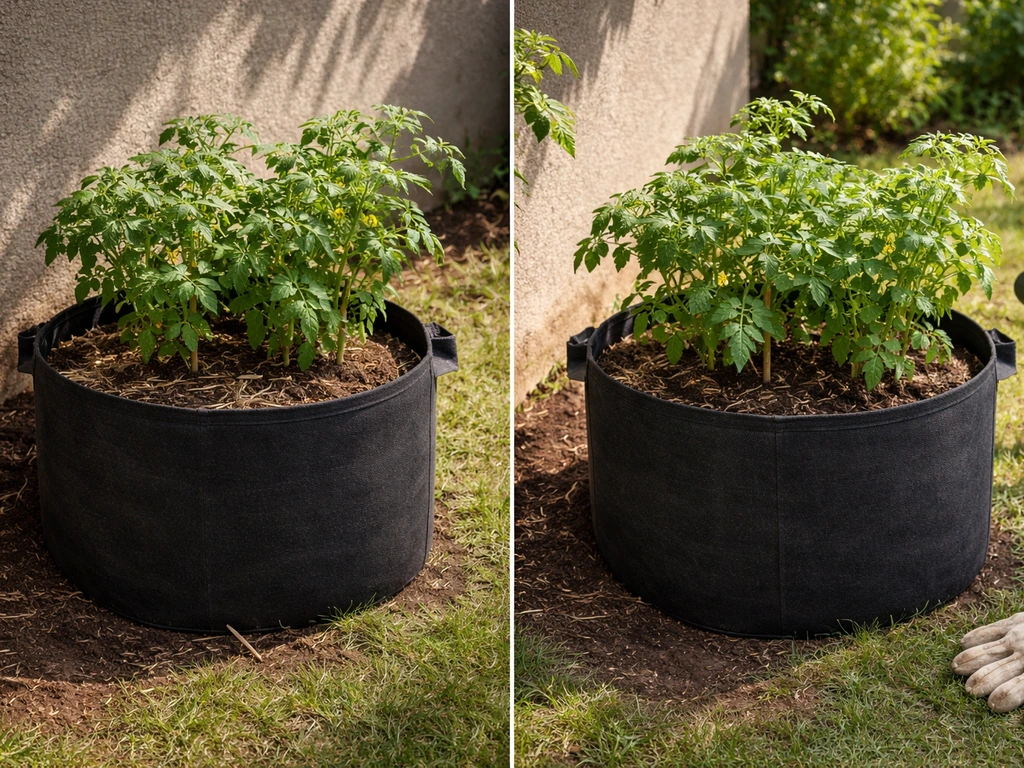
If one side of the bag consistently dries faster, it's usually a placement issue (one side getting more wind or direct sun) or uneven watering. Rotate the bag occasionally if you're using it outdoors, and water in a slow circle around the entire top surface rather than dumping water in one spot. Drip emitters placed at two or three points around the bag's perimeter solve this completely.
Algae, pests, and fabric contamination
Algae growth on the outer mesh walls is cosmetic and doesn't harm plants, but it can indicate the bag is staying too wet or getting too little airflow. Move the bag to a spot with better air circulation if this becomes persistent. For pests, the mesh itself doesn't offer any particular pest resistance, so treat the bags like you would any outdoor container. The bigger concern between seasons is pathogen carryover in the fabric. Rain Science bags can be soaked in a hydrogen peroxide solution to sterilize them between uses, and they're washing-machine safe, which makes cleanup significantly easier than with felt bags where soil particles embed in the fibers.
Outdoor vs. indoor/greenhouse use
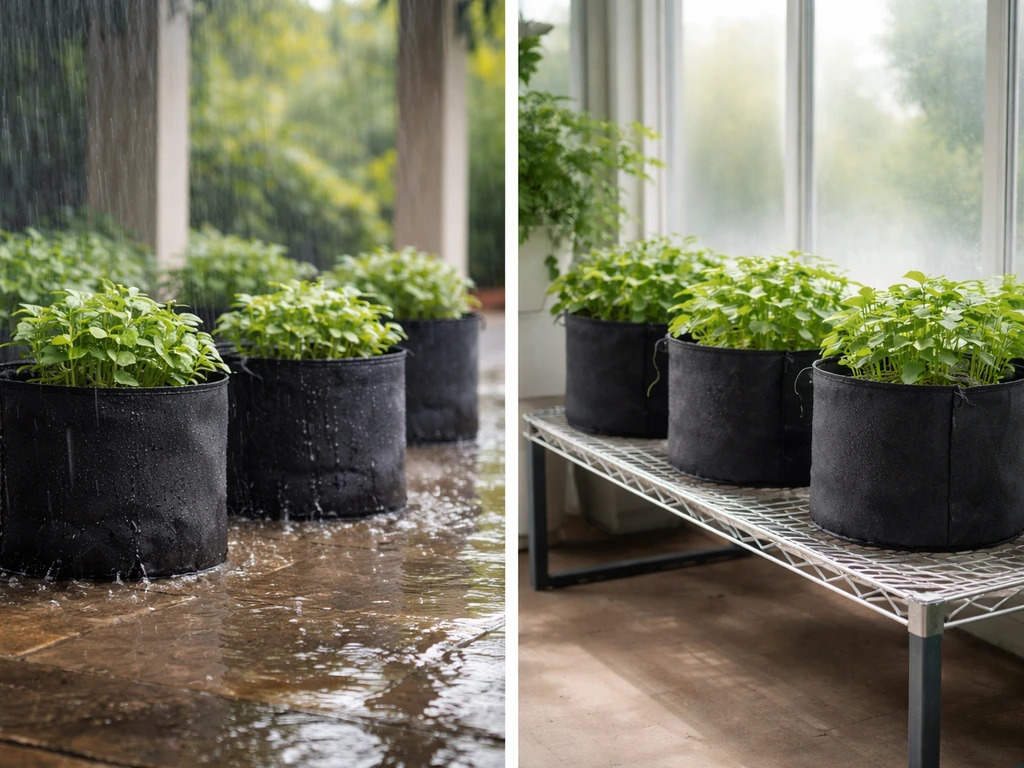
Outdoors, the main challenge is weather variability. Rain Science bags handle heavy rain well because of their rapid drainage, but if you're in a rainy climate, you may need to elevate the bags slightly on a platform or pallet to prevent the base from sitting in standing water. Indoors or in a greenhouse, the bags perform very well because you control moisture inputs precisely. The one adjustment to make indoors is placing a saucer or tray under smaller bags if you want to catch runoff, though you should never let the bag sit in pooled water for more than an hour.
Best crops and growing setups for Rain Science fabric bags
Rain Science bags work exceptionally well for any crop that benefits from excellent drainage and strong root development. That covers most fruiting vegetables, culinary herbs, and flowering plants. Here's how to match crop to setup:
- Tomatoes and peppers: 10-15 gallon bags on a deck or patio with drip irrigation. These crops reward the air pruning effect with explosive root development early in the season. Train your tomatoes up a stake or cage anchored outside the bag.
- Potatoes: 15-gallon bags work well for hilling. Fill the bag one-third with soil, plant seed potatoes, and add more growing medium as vines emerge. The drainage prevents the rot that kills potatoes in poorly-drained setups.
- Herbs and greens: 3-5 gallon bags are ideal. You can grow a dense planting of basil, cilantro, or mixed salad greens in a single 5-gallon bag placed on a balcony or windowsill.
- Cucumbers and squash: At least 7-10 gallons. These are heavy feeders and drinkers, so plan for daily watering and consistent liquid fertilizer.
- Dwarf fruit trees and blueberries: 25+ gallon bags. Blueberries in particular do well in fabric bags because you can dial in your acidic growing medium (peat-heavy mix) and the bags prevent the waterlogging that causes root rot in clay soils.
- Flowers: Most annual and perennial flowers do well in 3-5 gallon bags. The excellent aeration reduces fungal disease pressure, which is a real benefit for roses and other susceptible varieties.
- Mushrooms: Fabric grow bags are widely used for mushroom cultivation, though typically in a different application (sealed spawn bags rather than open growing containers). For outdoor mushroom beds, fabric bags aren't the right tool, but if you're exploring grow bag mushroom cultivation, the principles of sterilization and contamination control covered above are relevant.
For the growing medium, a mix of high-quality potting soil with added perlite (roughly 70% potting mix, 30% perlite) works well in Rain Science bags. The extra perlite improves drainage even further and prevents compaction over time. Avoid heavy garden soil or anything with a lot of clay, which will restrict airflow through the mesh and defeat the purpose of the bag's design.
Care, maintenance, and getting multiple seasons out of your bags
One of the best reasons to invest in Rain Science bags over budget alternatives is that you can actually get multiple seasons of reliable use out of them. The plastic-coated woven mesh doesn't break down or compress the way felt fabric does, and proper end-of-season care keeps them performing well year after year.
At the end of each season, empty the bags completely and shake out as much soil as possible. Then wash them. Rain Science bags are washing-machine safe, which is a significant practical advantage. Run them through a warm wash cycle. For deeper sterilization, particularly if you had any disease issues during the season, soak the bags in a diluted hydrogen peroxide solution (roughly 1 part 3% H2O2 to 3 parts water) for 30 minutes before washing. This kills most bacteria, fungal spores, and other pathogens that could carry over to the next season's plants.
Once clean, let the bags air dry fully before storing. Damp storage is how you invite mold between seasons. Store them flat or loosely folded in a dry location away from direct sunlight. UV exposure over long storage periods can degrade even UV-resistant materials, so a garage shelf or plastic bin is better than leaving them in the garden.
Inspect the bags before each new season. Look for tears in the mesh, loose seams, or areas where the coating has cracked or separated. Small tears can often be repaired with garden tape or mesh repair patches, but if the structural integrity of the bag is compromised, retire it. A collapsed or leaking bag mid-season is far more frustrating than replacing it before planting.
During the growing season, the main maintenance tasks are keeping the outside mesh clear of debris that might block airflow (particularly in enclosed spaces) and checking the bag's position periodically. Bags can shift on uneven surfaces, especially when wet and heavy. Elevating them slightly on a wire mesh platform or wooden pallet improves air circulation underneath the bag and reduces moisture pooling at the base, which is a setup detail that pays dividends in drainage performance and bag longevity.
If you're comparing Rain Science to other fabric bag options like Root Pouch or Gardzen, the maintenance story is one of the clearest differentiators. If you are also looking at root pouch grow bags reviews, compare how each brand handles drainage and long-term odor or mold risk between seasons. Felted bags trap soil particles in the fibers and are harder to clean thoroughly between seasons. The woven mesh of Rain Science bags rinses and washes out much more completely, which is why the reuse case is so much stronger. For growers who want to build a permanent container garden with bags that genuinely last, Rain Science is one of the most defensible investments in the space.
FAQ
Are Rain Science grow bags good for plants that hate frequent drying, like many herbs or seedlings?
They can work, but you typically need a more structured watering plan. If the top couple inches dry out quickly, seedlings can stall before you notice. For best results use a moisture-retentive mix (more potting mix, slightly less perlite than the usual ratio) and consider drip irrigation or a timer once temperatures rise.
Do Rain Science grow bags need a drainage tray when used outdoors or on patios?
Use a tray only to catch runoff, not to hold water. Outdoors, if your bag sits on a hard surface, elevate it slightly so the bottom is not in pooled water after heavy rain. If you add a tray indoors, empty it within about an hour to prevent root-zone stays too wet.
How do I tell if I am watering too much or too little in Rain Science bags?
A simple check is finger-testing 2 inches down. Dry at that depth usually means you need water, while persistently damp soil with slow plant growth can indicate overwatering, poor placement (low airflow or too much shade), or a too-heavy medium that holds water too long.
Can I reuse Rain Science grow bags if I had pests or disease the previous season?
Yes, but plan for more thorough sterilization and inspection. Wash normally, then soak in a diluted 3% hydrogen peroxide mix for about 30 minutes before washing again. Also remove any clinging soil, and retire bags with mesh damage because compromised coatings can reduce sanitation effectiveness.
What soil or potting mix mistakes reduce performance in Rain Science bags?
Avoid clay-heavy garden soil and anything too dense, because it restricts airflow through the mesh and negates the bag’s aeration advantage. Many growers also under-prepare the mix, for example skipping perlite entirely, which can cause uneven moisture movement and inconsistent growth across the bag.
Do Rain Science grow bags work for self-watering or wick systems?
They are better for controlled watering than passive wicking. Because the mesh drains efficiently, wick systems can sometimes undersupply water unless the reservoir and wick capacity match the bag’s fast drying rate. If you try it, test for at least several days in your local heat and adjust wick thickness and reservoir height accordingly.
Should I rotate the bag during the season?
Yes, especially outdoors where one side gets stronger sun or wind. Rotate periodically and make sure water is applied in a slow circle around the full top surface so the root zone drains and moistens evenly.
How do I prevent nutrient loss in these high-drainage bags?
Expect faster leaching than plastic pots, so adjust feeding frequency. If you see yellowing despite regular watering, switch to more frequent liquid feeding (for example weekly) or add a slow-release fertilizer at planting so nutrients are available between waterings.
What is the right way to set up multiple Rain Science bags side by side?
Leave airflow space between bags and avoid placing them so runoff from one soaks the base of another. If you cluster them, the outer walls can stay wet longer, which increases algae buildup and can worsen airflow at the perimeter.
Can I repair a small tear in the mesh, or should I replace the bag?
Small tears can sometimes be patched with mesh repair patches or garden tape, but only if the seam integrity is intact. If the coating is cracked extensively or the bag leaks, replacement is usually more cost-effective because mid-season failure is more disruptive than starting with a new bag.
Do Rain Science grow bags help with circling roots compared with plastic pots?
They generally do, due to the air-pruning effect at the mesh perimeter. To maximize the benefit, do not oversize the bag for the plant stage, because very large volumes can take longer to colonize evenly and may delay the full air-pruning response.
Next Articles
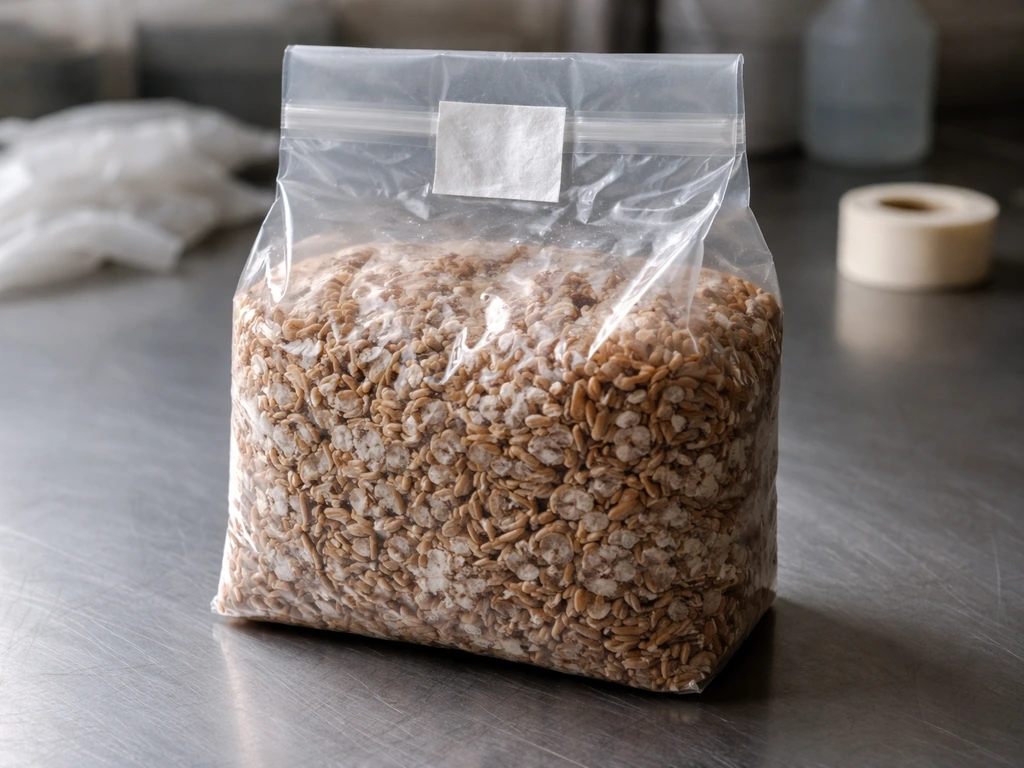
Midwest Grow Kits Spawn Bag Review and How to Use It
Midwest Grow Kits spawn bag review with step-by-step setup, handling tips, and troubleshooting for faster, reliable myco
MycoHaus Grow Bag Review: Setup, Yields, Pros and Tips
MycoHaus grow bag review with setup, expected yields, pros and cons, plus contamination tips and first flush steps
Root Pouch Grow Bags Reviews: Best Sizes, Features, and Tips
Root pouch grow bags reviews with size picks, key features, tradeoffs, and troubleshooting for vegetables, flowers, tree