
Gardzen fabric grow bags are genuinely worth buying for most home growers, especially if you're growing vegetables, potatoes, or flowers in containers. The 300GSM non-woven fabric holds up well across multiple seasons, the handles don't fail under load, drainage is excellent by default, and air-pruning works exactly as advertised. That said, they dry out fast in hot sun, black fabric warms roots more than people expect, and you need to water more frequently than you would with plastic pots. For most backyard and patio growers, they're a solid, affordable choice, but the right size matters enormously and a few specific crops demand specific bags.
Gardzen Grow Bag Reviews and Buying Guide for Any Crop
Marcus Holloway
2 Jul 2026
What to look for in a Gardzen grow bag
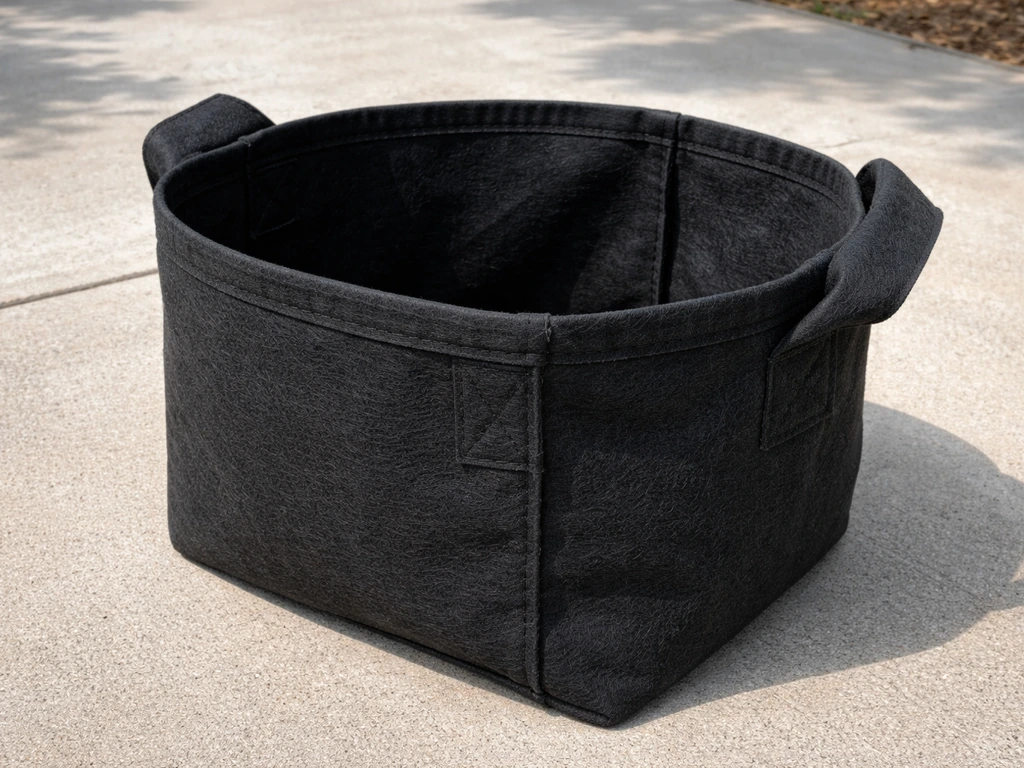
Not all fabric grow bags are built the same, and a few specs separate bags that last two or three seasons from ones that fall apart mid-summer. Here's what actually matters when you're evaluating Gardzen bags specifically.
Fabric weight (GSM)
Gardzen's 10-gallon bags are listed at 300GSM, which is on the heavier end for consumer-grade fabric pots. Higher GSM means thicker, more durable fabric that resists tearing and holds its shape better when fully loaded with wet soil. Bags under 200GSM tend to buckle, stretch, and degrade faster, especially through freeze-thaw cycles. 300GSM is a reasonable benchmark to look for across the Gardzen line.
Handle design and stitching
Handles are where cheap grow bags fail first. Gardzen sews reinforced strap handles directly into the bag body, and after two full seasons of use with mature tomato plants in 20-gallon bags, the handles hold without any signs of separation. Look at the stitching points where the strap meets the bag wall. Double-stitched or bartacked seams are what you want. If the strap just folds over and gets a single line of stitching, expect failure when you try to move a fully loaded 20-gallon bag.
Drainage and breathability
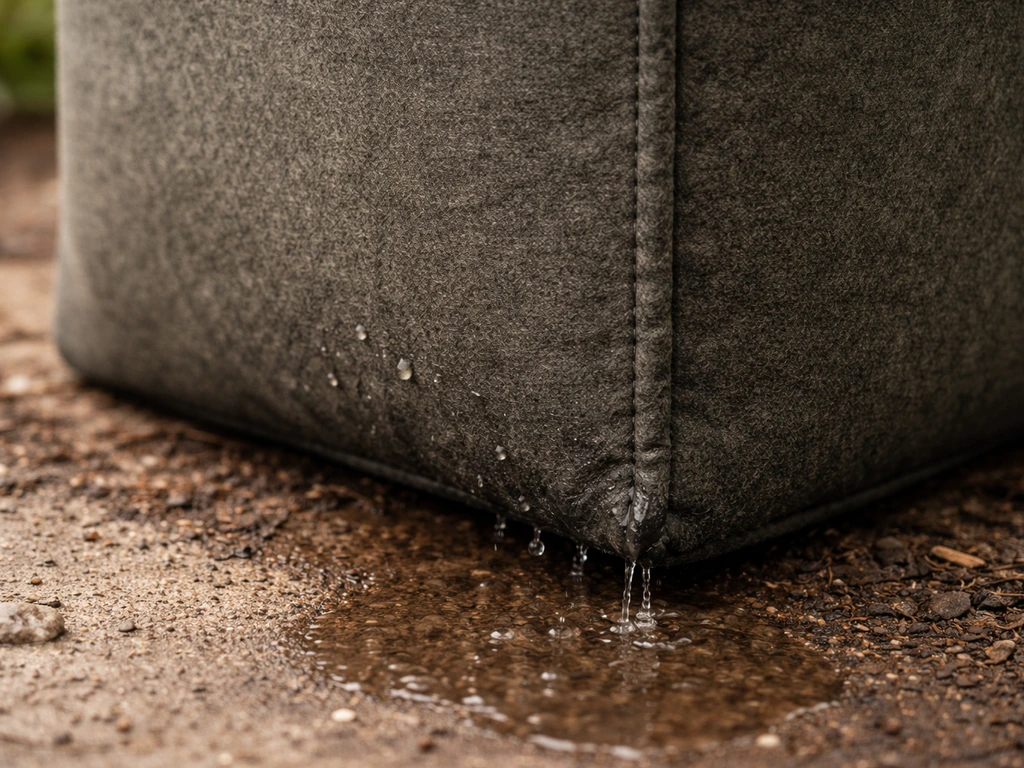
Gardzen's bags drain through the sides and bottom of the fabric itself, which is exactly how they're supposed to work. You don't need to cut additional drainage holes, and Gardzen specifically advises against it, saying cutting holes shortens the bag's life. The non-woven fabric allows water to pass through passively while retaining enough moisture for roots. In real-world heavy rain conditions, well-made Gardzen bags don't waterlog because the entire bag wall acts as a drainage surface.
Size accuracy
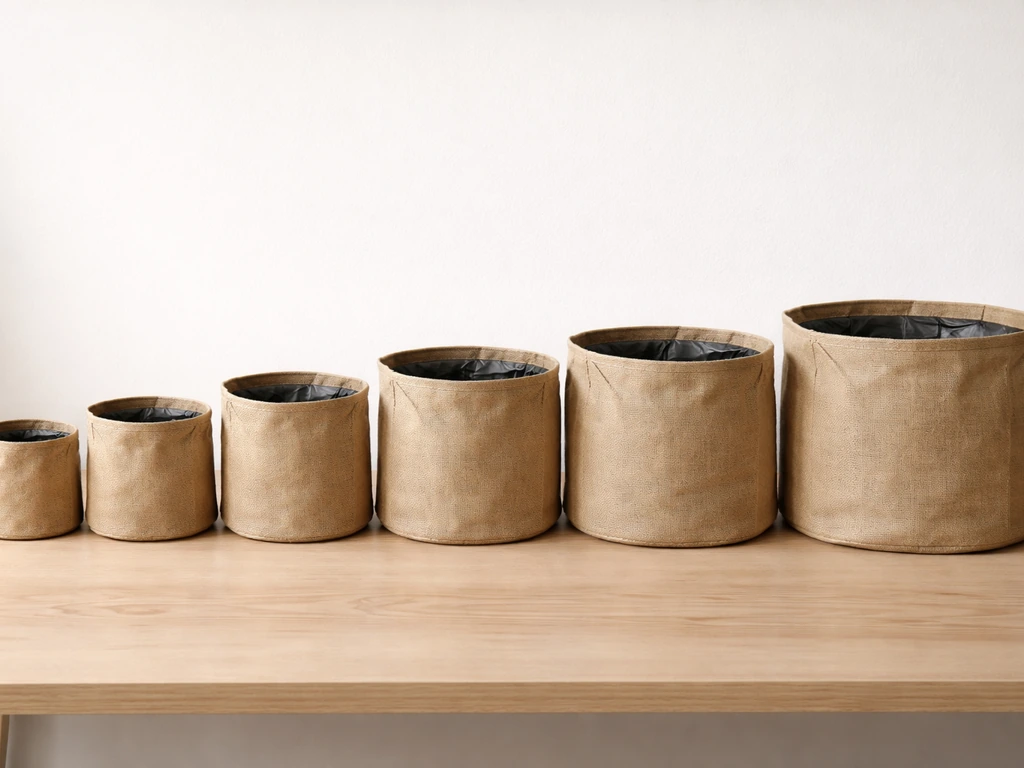
Gardzen publishes exact diameter and height dimensions for each gallon size on their product pages, which makes planning much easier. The numbers are consistent with what buyers actually receive. For reference, a 10-gallon bag measures 16 inches in diameter by 12 inches tall, and a 20-gallon measures 20.5 inches by 14.5 inches. These aren't vague estimates, and that matters when you're spacing bags on a patio or fitting them into a raised-bed frame.
Full Gardzen size dimensions at a glance
| Size | Diameter | Height |
|---|---|---|
| 1 Gallon | 7.8" | 5.9" |
| 2 Gallon | 9.8" | 7.0" |
| 3 Gallon | 10.2" | 9.1" |
| 5 Gallon | 12.8" | 10.0" |
| 7 Gallon | 13.6" | 12.0" |
| 10 Gallon | 16.0" | 12.0" |
| 15 Gallon | 17.5" | 14.5" |
| 20 Gallon | 20.5" | 14.5" |
| 25 Gallon | 22.5" | 15.0" |
| 30 Gallon | 24.6" | 15.0" |
| 40 Gallon | 27.3" | 16.0" |
| 50 Gallon | 30.7" | 16.0" |
| 100 Gallon | 38.7" | 19.8" |
Best Gardzen grow bag options by plant type and size
Matching bag size to plant type is the single most impactful decision you'll make. Go too small and roots hit the wall too fast, stunting growth even with air-pruning. Go too large and excess soil holds moisture unevenly, inviting root rot or fungal issues.
Tomatoes and peppers
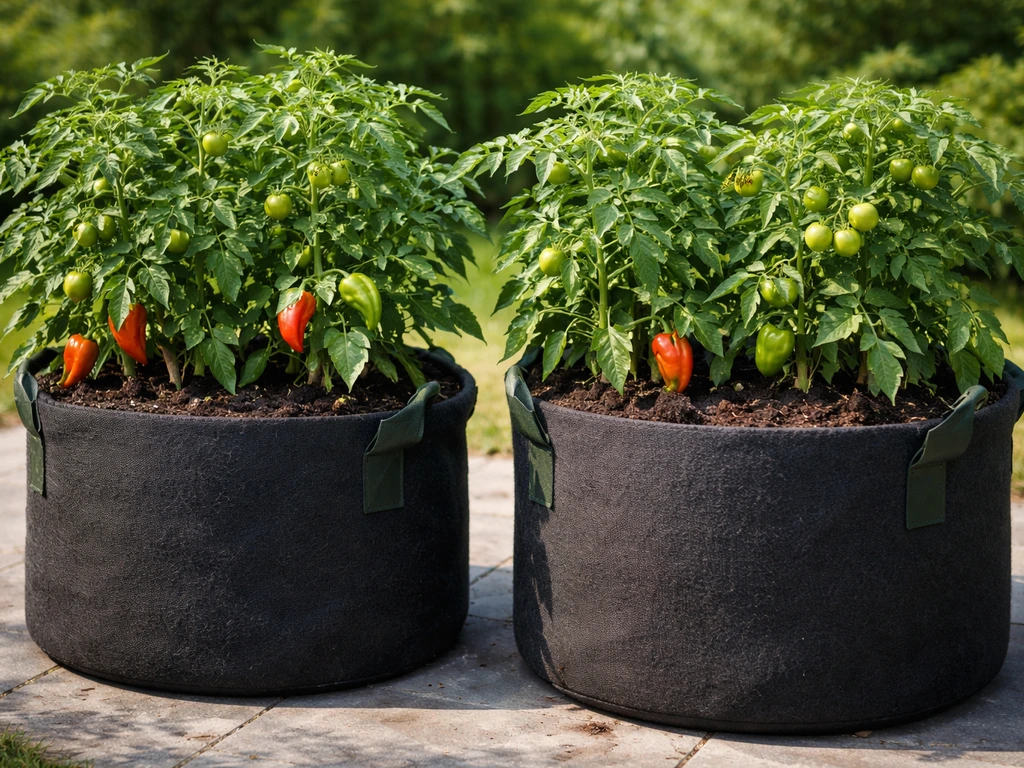
For indeterminate tomatoes (the kind that keep growing all season), the 20-gallon bag is the practical minimum, and 25-gallon is better if you have the space. Determinate or patio tomato varieties do fine in 15-gallon. Bell peppers and hot peppers work well in 7 or 10-gallon bags. The Gardzen 20-gallon bags handle a full-season tomato plant without any root restriction, and the handles make it realistic to reposition the bags early in the season when you're still figuring out sun exposure.
Potatoes
Potatoes are arguably the best plant to grow in Gardzen fabric bags. If you're specifically looking for a midwest grow kits spawn bag review, the spawn bag experience will be different from vegetable grow bags like these potatoes. The 20-gallon size gives you enough depth to hill up properly, and the fabric construction means the roots stay healthy without circling. After a full growing season, roots pulled from Gardzen bags show no circling patterns, which is a direct contrast to what you see when you pull a potato plant from a plastic container. The 15-gallon works for smaller fingerling varieties.
Herbs and greens
Herbs like basil, parsley, and cilantro do well in 3 to 5-gallon bags. Perennial herbs like rosemary and thyme appreciate slightly larger bags (5 to 7-gallon) because they'll be staying put for more than one season. Leafy greens like lettuce, spinach, and kale grow fine in 3-gallon bags if you're running them as individual plants, or a 10-gallon bag works as a mixed planting trough.
Flowers
Annual flowers like marigolds, zinnias, and petunias grow well in 3 to 7-gallon bags depending on the mature plant size. Larger perennial flowering plants or anything that overwinters in the bag should go into at least a 10-gallon. The fabric bags breathe well enough that you're unlikely to have the soggy-soil root rot issues that kill potted perennials over wet winters.
Trees and shrubs
Dwarf fruit trees, blueberry bushes, and shrubs need the 25 to 50-gallon range for anything beyond a nursery stage. The 100-gallon bags are workable for young fruit trees that you're planning to keep in containers long-term. The air-pruning effect is particularly valuable for trees because it prevents the classic girdling root problem you get when a tree sits too long in a plastic nursery pot.
Quick size reference by crop
| Plant Type | Recommended Size | Notes |
|---|---|---|
| Herbs (basil, cilantro) | 3–5 gallon | One plant per bag works well |
| Lettuce / greens | 3–5 gallon | 10-gal works for mixed trough planting |
| Hot peppers | 7–10 gallon | Full season, good root room |
| Patio/determinate tomatoes | 15 gallon | Compact varieties only |
| Indeterminate tomatoes | 20–25 gallon | 20-gal minimum, 25-gal preferred |
| Potatoes | 15–20 gallon | 20-gal allows proper hilling |
| Blueberries / small shrubs | 25–30 gallon | Needs room to establish |
| Dwarf fruit trees | 50–100 gallon | Long-term container growing |
How Gardzen bags actually perform through a growing season
The real test of any grow bag isn't week one, it's month four when the soil has been watered hundreds of times, roots have fully colonized the bag, and you've moved it at least a few times. Here's an honest look at how Gardzen bags hold up across different growing scenarios.
Drainage and root health
Drainage is genuinely excellent. Even during unusually wet spring periods with heavy rain, Gardzen 20-gallon bags don't waterlog. The entire fabric wall drains, so there's no pooling at the bottom the way you get with plastic pots that rely on a few small holes. Root health in these bags is noticeably better than in plastic containers. Potato harvests from Gardzen bags show healthy, unbranched roots with no circling, which is the air-pruning effect working correctly. When roots reach the fabric wall, they stop elongating and the plant puts energy into branching instead.
Durability across seasons
After two full growing seasons, well-cared-for Gardzen bags show minimal degradation. The seams hold, the handles hold, and the fabric doesn't thin noticeably. The main caveat is storage: if you leave bags outdoors over winter with wet soil inside them, you'll accelerate breakdown. Gardzen's own guidance says to let the soil dry completely before working with or storing the bags after a winter outside. A grower who has used 7 and 10-gallon Gardzen bags for a decade reports no issues with the fabric, which suggests the lifespan under reasonable care is much longer than the marketing claims.
Watering demand
This is the most significant real-world adjustment. Gardzen bags in full sun, especially the black fabric versions, warm up soil and dry out faster than plastic pots. In hot, dry climates, you may need to water once or even twice daily at peak summer temperatures. In more temperate conditions, fabric bags and plastic pots often use comparable water for the same crop. The key variable is heat: the more sun and heat the bag gets, the more aggressively you need to water. This isn't a flaw in the product, it's just the nature of fabric container growing and something to plan for before you plant.
Mold, algae, and surface growth
If bags sit wet for extended periods without drying out between waterings, algae and moss can grow on the outer fabric surface. Gardzen acknowledges this directly: green slime on the outside of the bag is almost always algae, and it's treatable the same way you'd treat moss or mold on any surface. Keeping bags elevated slightly, maintaining good airflow around the bag, and avoiding overwatering prevents this in most cases. It's more of a cosmetic and hygiene issue than a structural one, but worth knowing before you complain that your bags look green after a wet summer.
The honest pros and cons
What Gardzen bags do well
- Drainage is excellent and passive, no modification needed
- Air-pruning produces noticeably healthier root systems than plastic containers
- 300GSM fabric holds up to multiple seasons without thinning or tearing under normal use
- Handles are reinforced and hold under full load, including heavy mature plants in 20-gallon bags
- Published dimensions are accurate, which makes planning easier
- Available in a wide enough size range (1 to 100 gallon) to cover almost any crop
- Pack pricing (6-pack, 10-pack, 20-pack options) keeps per-bag cost low
- 30-day money-back guarantee and 12-month quality warranty add real buyer protection
Where they fall short
- Black fabric absorbs heat and dries out soil fast in sunny, hot conditions
- More frequent watering is required compared to plastic pots in warm climates
- Algae and moss can colonize the outer fabric if bags stay wet too long
- Bags left wet over winter degrade faster than those stored dry
- Not ideal for plants that need consistently moist soil without daily monitoring
- Nutrients leach out faster through fabric than through plastic, so more frequent feeding is needed
Common complaints in reviews
The most frequent complaint is drying out too fast, which is almost always a placement or watering-frequency issue rather than a product defect. If you're trying to decide quickly based on grow bags reviews, the most common complaint about drying out too fast is usually tied to placement and watering frequency rather than a product defect. A smaller number of reviewers mention seam separation on bags that were left sitting in wet soil for extended periods, which aligns with the manufacturer's guidance about avoiding prolonged wet storage. Some buyers are surprised by how much soil volume even a 10 or 15-gallon bag requires, which is something to plan for before buying. Very few complaints relate to actual fabric failure under normal growing conditions.
How to set up and use Gardzen grow bags correctly
Filling your bags
Don't fill Gardzen bags with straight garden soil. It compacts too densely, blocks the fabric's natural drainage, and defeats the air-pruning benefit. A good general mix for vegetable growing in a 10-gallon bag is roughly 38 litres of quality potting mix combined with about 100 grams of organic granular fertilizer and 20 grams of beneficial bacteria inoculant (like a mycorrhizal product). Scale that ratio up for larger bags. For most vegetables, a peat or coco coir-based potting mix blended with 20 to 30 percent perlite gives you excellent drainage while holding enough moisture between waterings.
Watering strategy
Water deeply until you see it weeping through the fabric walls, then wait until the top inch or two of soil is dry before watering again. Stick your finger in the soil to check rather than going by a schedule. In cooler spring and fall weather, every two to three days is typical for 10 to 20-gallon bags. In peak summer heat in full sun, daily watering is often necessary. If you're growing in a hot, dry climate, drip irrigation on a timer is worth the setup cost because missing a single day of watering in a heatwave can stress or kill a mature tomato plant.
Placement and sun
Place bags on a hard surface or on a slight elevation rather than directly on bare soil or grass. This helps drainage and reduces the chance of external roots growing out the bottom into the ground beneath the bag. Most vegetables need six or more hours of direct sun, but if you're in a region with intense summer heat, afternoon shade can dramatically reduce watering demand without hurting yields. One of the practical advantages of grow bags with good handles is that you can actually move them when you notice a plant struggling from too much or too little sun.
Fertilizing through the season
Because water moves through fabric bags faster than through plastic, nutrients leach out more quickly. Starting with a slow-release granular fertilizer in your fill mix gives you a baseline, but you'll still need to supplement with liquid fertilizer roughly every two weeks for heavy feeders like tomatoes and peppers. Potatoes do fine with an initial charge of organic amendments in the soil mix and minimal additional feeding. Herbs and flowers are lighter feeders and usually get by with monthly liquid feeding.
Transplanting and harvest
Transplanting into Gardzen bags is straightforward because the fabric walls hold their shape, making it easy to dig a hole of the right depth without the soil collapsing. At harvest, potatoes are particularly convenient: you tip the bag over, pull the plant, and sort through the loosened soil. The flexibility of the fabric makes it much easier to harvest root crops than digging from a rigid container. After harvest, empty the bag, shake out remaining soil, let it dry completely, then rinse and store flat or roll the bags for the off-season.
Troubleshooting common fabric grow bag problems
Drying out too fast
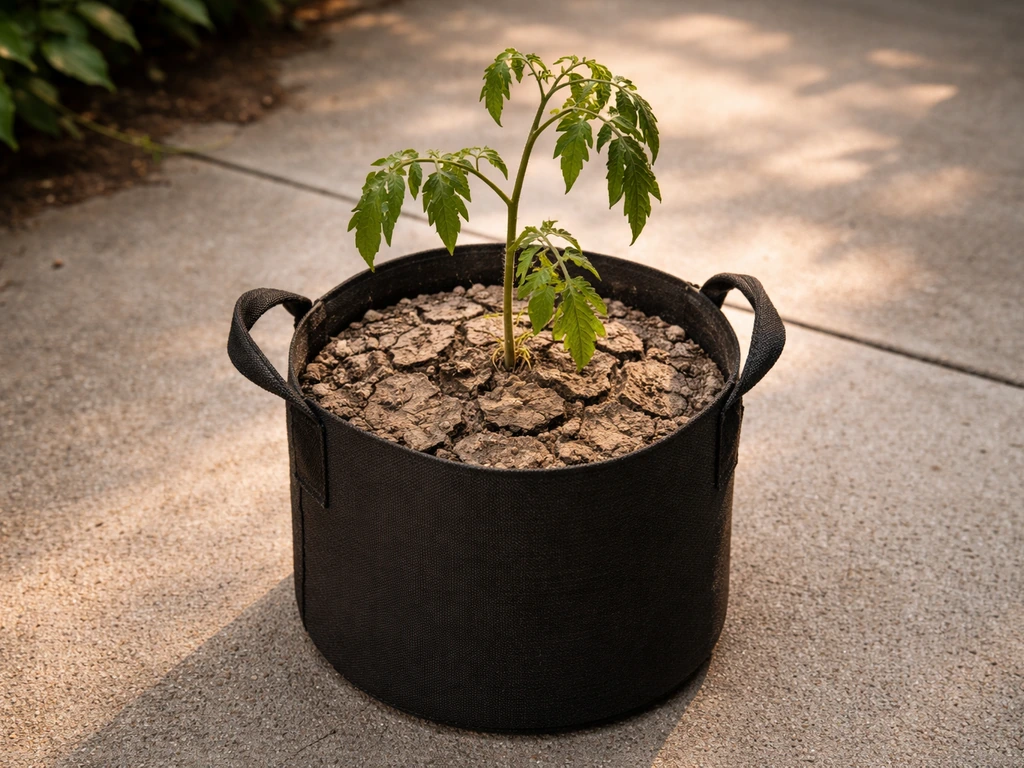
This is the most common complaint and it has straightforward solutions. First, move the bag out of direct afternoon sun if you're in a hot climate. Second, add perlite sparingly to your soil mix (more than 30 percent perlite in your mix can actually make drying out worse). Third, apply a thin layer of mulch to the top of the soil in the bag to slow surface evaporation. Fourth, consider wrapping the outside of the bag with a light-colored cloth or placing it inside a larger decorative pot, which provides insulation and reduces heat absorption through the black fabric.
Overwatering symptoms
Yellowing lower leaves, slimy outer fabric, and waterlogged-feeling soil despite the bag's drainage design usually mean you're watering before the soil has dried enough between waterings, or the bag is sitting in standing water. Let the surface dry out between waterings and make sure the bag isn't sitting in a tray that accumulates water underneath.
Roots growing out through the fabric
Some root penetration through the outer fabric is normal and actually a sign the air-pruning is working. The roots that reach the outer wall and stop are dying back cleanly, which is the whole point. If you see heavy root growth out the bottom of the bag into the ground beneath it, reposition the bag onto a hard surface to break the connection.
Algae and mold on the bag exterior
Green or white growth on the outer fabric is algae or moss, almost always caused by keeping the bag in a shaded, humid spot with poor airflow. Treat it the same way you'd treat moss on a garden path: a diluted hydrogen peroxide spray or a neem oil solution applied to the outer fabric surface kills it without harming the plant. Preventively, improve airflow, avoid overwatering, and move bags out of deep shade.
Nutrient deficiencies mid-season
Pale leaves, slow growth, or poor fruiting mid-season in a fabric bag are usually signs of nutrient depletion from leaching, not a soil quality problem. Start liquid feeding every two weeks from about four weeks after transplanting. For tomatoes, a balanced liquid fertilizer early in the season transitioning to a lower-nitrogen, higher-potassium formula once flowering starts gives you the best results.
Fabric degradation and seam failure
If seams are pulling apart before the end of the first season, one of three things happened: the bags were kept wet for extended periods without drying, you cut additional drainage holes against Gardzen's guidance (weakening the fabric structure), or you received a defective bag. The 12-month quality warranty covers this. Contact Gardzen, and they'll replace or refund within 24 hours according to their published policy.
Temperature stress in extreme heat
In temperatures above 95°F, soil in black fabric bags can reach temperatures that stress roots. If you're gardening in a consistently hot climate, consider lighter-colored bags where Gardzen offers them, or place bags against a light-colored wall that reflects rather than radiates heat. Watering in the early morning rather than midday also helps cool the root zone through the hottest part of the day.
Is Gardzen worth the money, and what are the alternatives?
What you pay
Gardzen's 6-pack pricing starts around $9.99 for 1-gallon bags and scales to about $15.99 for 5-gallon packs. Larger sizes and bulk packs (10-pack, 20-pack) bring the per-bag cost down further. At these price points, Gardzen is positioned as a value-tier option, not a premium one, and the performance reflects that in the best way: it punches above its price point for durability and drainage without being the absolute cheapest bags on the market.
Where to buy
You can buy directly from Gardzen's website, which gives you access to their full warranty and the fastest resolution if there's a problem. Gardzen bags are also available on Amazon and at Walmart, where you can read shopper reviews alongside the purchase. Walmart carries at least the 10-gallon bag with customer reviews available, which is useful if you want to see feedback from people who bought through retail channels. For most buyers, buying direct or through Amazon Prime gives the best combination of selection, pricing, and buyer protection.
How Gardzen compares to alternatives
| Brand | Fabric Quality | Price Range | Best For | Durability |
|---|---|---|---|---|
| Gardzen | 300GSM non-woven | Budget-friendly | Vegetables, potatoes, beginners | Good (2+ seasons) |
| Root Pouch | Recycled fabric, multiple grades | Mid-range | Eco-conscious growers, trees | Very good (3+ seasons) |
| Rain Science | Heavy-duty woven | Premium | Serious growers, long-term use | Excellent (5+ seasons) |
| Generic/no-brand | Varies widely, often under 200GSM | Cheapest | Single-season use only | Poor |
Gardzen sits comfortably in the budget-to-mid tier. If you're just starting with fabric grow bags or want to scale up a patio garden without a big upfront investment, Gardzen is an easy recommendation. If you're planning a permanent setup with trees or perennials that will live in containers for five or more years, Root Pouch or Rain Science bags offer better long-term durability, though at a meaningfully higher price. If you are comparing other systems like Root Pouch grow bags, these factors are key to understand in Root Pouch grow bags reviews too. Other grow bag brands and options are compared in more detail alongside the broader fabric grow bag category if you want to dig deeper into the landscape.
Who should buy Gardzen bags
- Beginner container gardeners who want a forgiving, affordable entry into fabric grow bags
- Anyone growing seasonal vegetables (tomatoes, peppers, potatoes, squash) in containers
- Growers who need to scale up quickly and want value-pack pricing
- People with limited outdoor space who need portable, repositionable containers
- Gardeners who've had root-circling problems with plastic pots and want to switch
Who might want to look at alternatives
- Growers in extremely hot, dry climates who already struggle with watering frequency (any fabric bag will challenge you here)
- Anyone planning to leave bags outside year-round for multiple seasons with perennial plants (consider heavier-duty alternatives)
- Growers who want certified organic or recycled-content fabric bags specifically
The bottom line
For most home growers, Gardzen fabric grow bags deliver on the core promises: healthy root systems through air-pruning, reliable drainage, and durable enough construction to last two or more seasons without babying them. The handles hold, the sizes are accurate, and the pack pricing makes it realistic to grow a full patio garden without spending a lot. The main adjustment to make is watering frequency, which goes up compared to plastic pots, especially in summer heat. Set up a consistent watering routine, start with a good potting mix, feed every couple of weeks for heavy feeders, and you'll get strong results across vegetables, potatoes, and flowers. If you outgrow the Gardzen line or want longer-term durability for permanent plantings, that's when it makes sense to explore premium options, but for seasonal growing, Gardzen is a genuinely reliable starting point. If you want a quick decision instead of spec-checking, you can also look for a mycohaus grow bag review focused on what matters in real use.
FAQ
Are Gardzen grow bags reusable for multiple seasons, and how should I store them between crops?
Yes, they’re typically reusable for at least a couple of seasons if you dry them out fully after the last harvest. The key mistake is storing them outdoors with wet soil inside, which speeds fabric breakdown. After emptying, let the bag dry completely, then store it flat or rolled in a dry, ventilated spot away from winter rain.
Should I line Gardzen grow bags with plastic to reduce moisture loss or weeds?
Generally no. A plastic liner blocks the fabric’s ability to breathe and can interfere with passive drainage through the bag walls, which defeats the air-pruning and can create soggy pockets. If weeds are the concern, fix it with proper potting mix and mulch on top rather than adding a liner.
How do I prevent roots from growing out into the ground if my bags sit near grass or soil?
Place bags on a hard surface or on a slight elevation, not directly on bare soil or grass, as this reduces direct contact and prevents outer roots from following a path downward. If you must place them on pavers outdoors, make sure there’s no standing water underneath where roots can exploit the damp area.
What size Gardzen bag should I choose for a tomato, if I don’t know whether the variety is determinate or indeterminate?
When you’re unsure, pick for the worst-case root demand. A 20-gallon is the practical minimum for full-season tomatoes, and it’s safer than a smaller bag because it gives room for branching even if the plant ends up larger than expected. You can still keep a determinate smaller with pruning, but you cannot easily “save” a too-small bag if the plant stays compact only in name.
Do Gardzen bags need drainage trays, and can trays cause problems?
Use a tray only if you can prevent water from pooling and you’re monitoring it. Fabric bags drain through the wall, so if a tray collects and holds water, the outer fabric can stay damp too long, which increases algae growth and can contribute to outer-root issues. If you use trays for mobility or patios, empty them after watering or choose a grated/draining setup.
How can I tell whether my watering problem is the bag or my routine?
Check soil depth, not the surface. If the top inch looks dry but the soil feels damp deeper down, you’re likely watering too early and the bag is not drying fully between waterings. If both surface and deeper soil dry quickly, it’s usually placement, heat, or too-light potting mix, not a defect.
What’s the best way to fertilize in Gardzen grow bags, and how often should I feed?
Because nutrients leach faster in fabric than in rigid plastic containers, plan on supplementation. For heavy feeders like tomatoes and peppers, start liquid feeding about every two weeks once the plant is established (roughly a few weeks after transplanting). For lighter feeders like herbs and many annual flowers, monthly liquid feeding is usually enough after the initial mix is charged.
Can I use straight garden soil in a Gardzen grow bag?
You can, but it’s not recommended because it compacts and blocks drainage pathways through the fabric, which undermines air-pruning. A better approach is a potting mix that includes perlite (around 20 to 30 percent is a useful target) so water drains while still retaining moisture between waterings. Avoid going above about 30 percent perlite if you notice the bag drying even faster than expected.
Is there a simple way to reduce heat stress from black fabric in summer?
Yes. The fastest improvements are placement and timing: water in the early morning, give afternoon shade when summers are intense, and consider insulating the outside with a light-colored cover so the fabric absorbs less heat. Also mulch the top surface to slow evaporation, since surface dryness can trigger extra irrigation needs.
What causes seam or handle failures early, and what should I do if it happens?
Early seam separation usually comes from prolonged wet storage during a season, cutting extra drainage holes against manufacturer guidance, or receiving a defective bag. If seams pull apart before the end of the first season, document the damage and contact Gardzen promptly, since their warranty process is designed for quick replacement or refund.
Do roots really air-prune in Gardzen bags, and is root growth through the outer fabric normal?
A moderate amount of root penetration and then stopping at the outer wall is normal, it indicates air-pruning doing its job. What’s not desirable is heavy root mass emerging out the bottom into the ground. If you see that, reposition the bag onto a hard surface to break the connection and keep the root system contained.
How do I deal with algae or green slime on the outside of the bag?
Treat it as a moisture and airflow issue. First, improve airflow and reduce overwatering or standing water around the bag. For the algae on the outer fabric, a diluted hydrogen peroxide spray or neem oil solution can help kill it without harming the plant, but you should spot-test and avoid soaking the root area through the bag wall.
Next Articles
Rain Science Grow Bags Reviews: Which Size to Buy and Use
Rain Science grow bags review with size picks, watering performance, drainage, root pruning tips, and setup for strong h
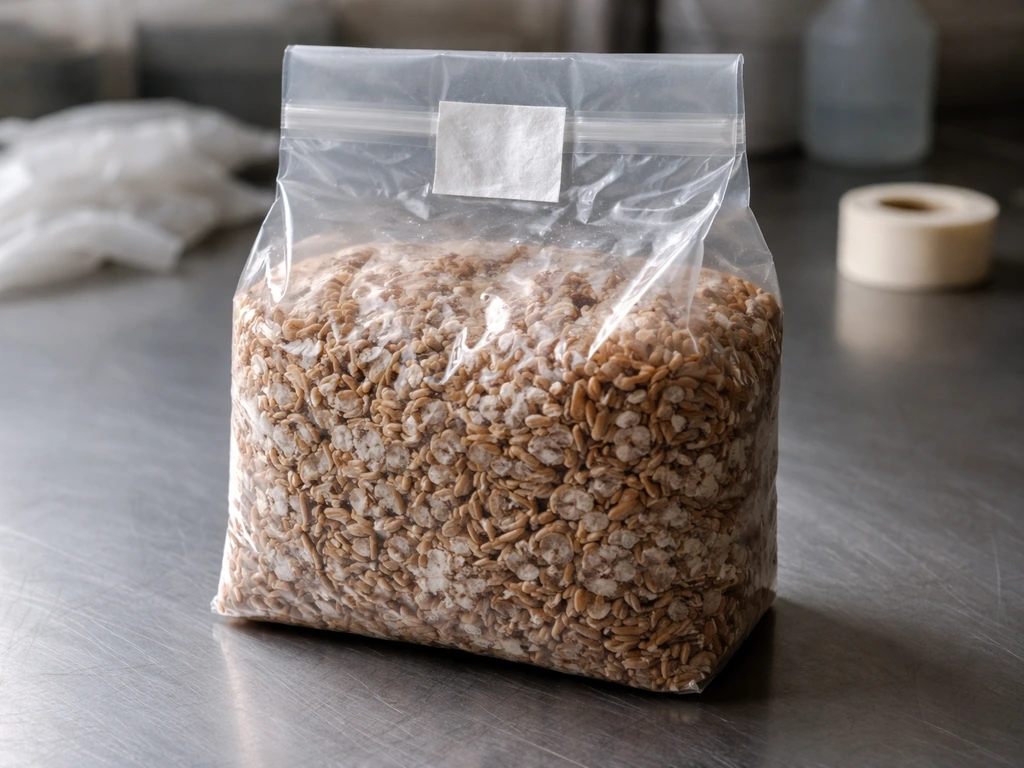
Midwest Grow Kits Spawn Bag Review and How to Use It
Midwest Grow Kits spawn bag review with step-by-step setup, handling tips, and troubleshooting for faster, reliable myco
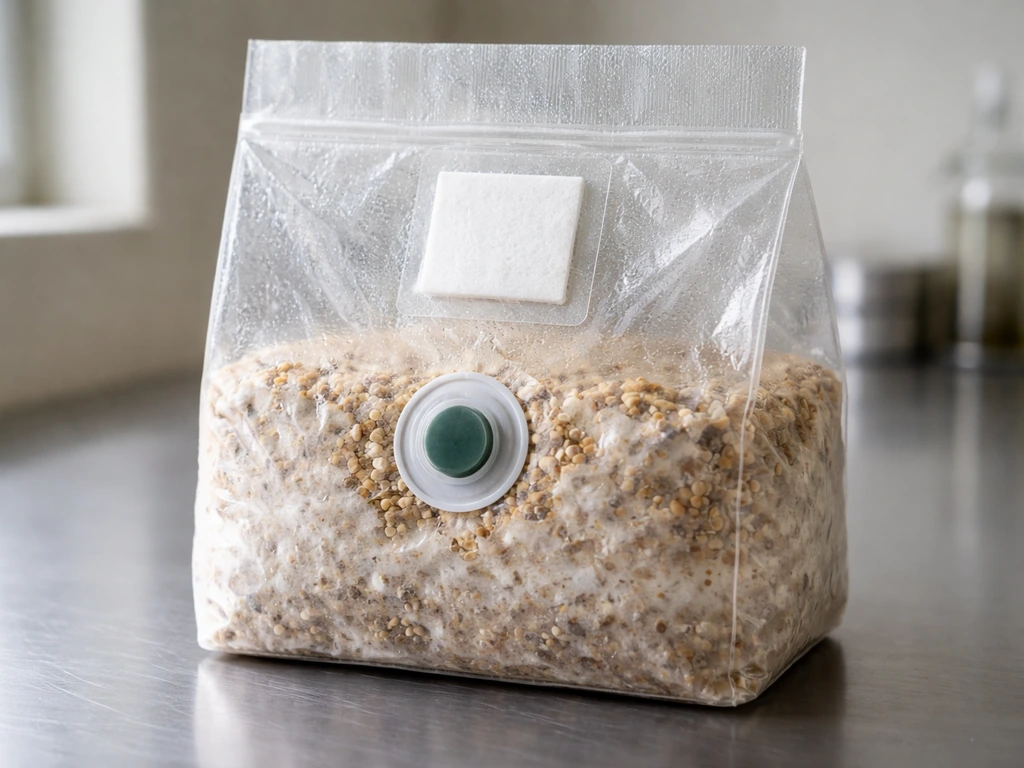
MycoHaus Grow Bag Review: Setup, Yields, Pros and Tips
MycoHaus grow bag review with setup, expected yields, pros and cons, plus contamination tips and first flush steps