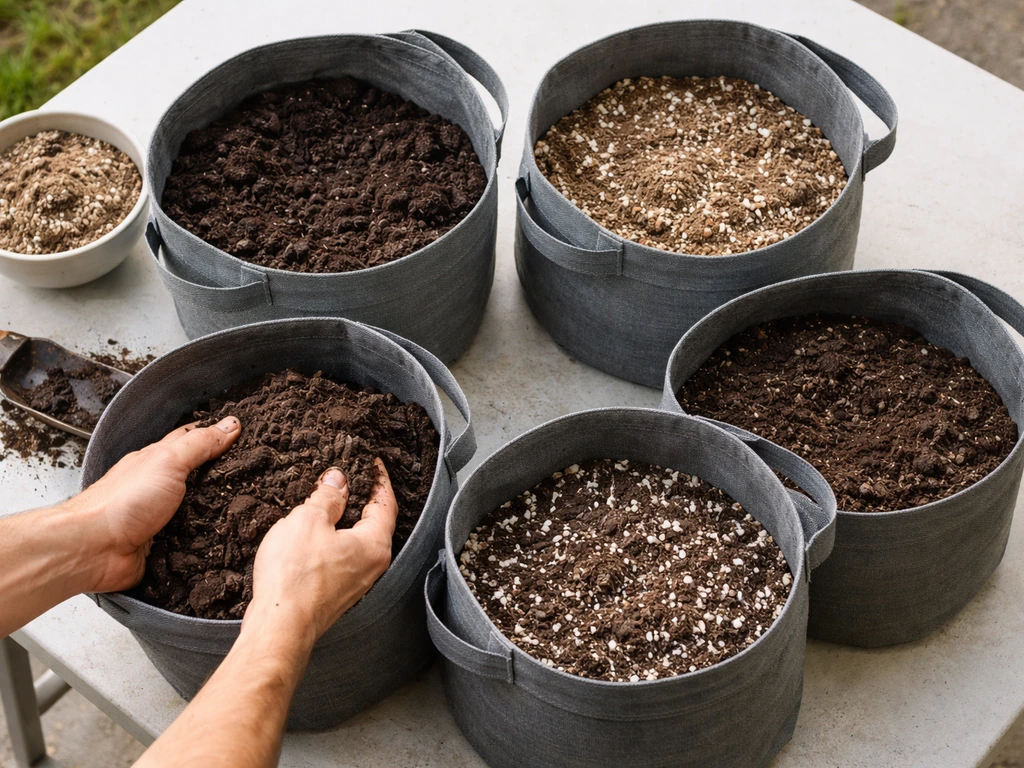
Fill fabric grow bags with a mix of quality potting compost, coco coir (or peat moss), and perlite. blank" rel="noopener noreferrer">A reliable all-purpose ratio is roughly 40% potting compost, 40% coco coir or peat, and 20% perlite. That combination gives you nutrients from the compost, moisture retention from the coir, and the aeration that fabric bags need to do their job properly. You can tweak that ratio based on what you're growing, but that blend works well for most vegetables, herbs, and flowers right out of the gate. If you want the best veg to grow in grow bags, start by choosing crops that suit the mix and drainage level you can maintain most vegetables, herbs, and flowers. Once your mix is set, you can plan what to grow in a grow bag based on how each crop uses nutrients and drainage.
What to Fill Grow Bags With: Mixes, Steps, and Fixes
Best potting mixes by plant type
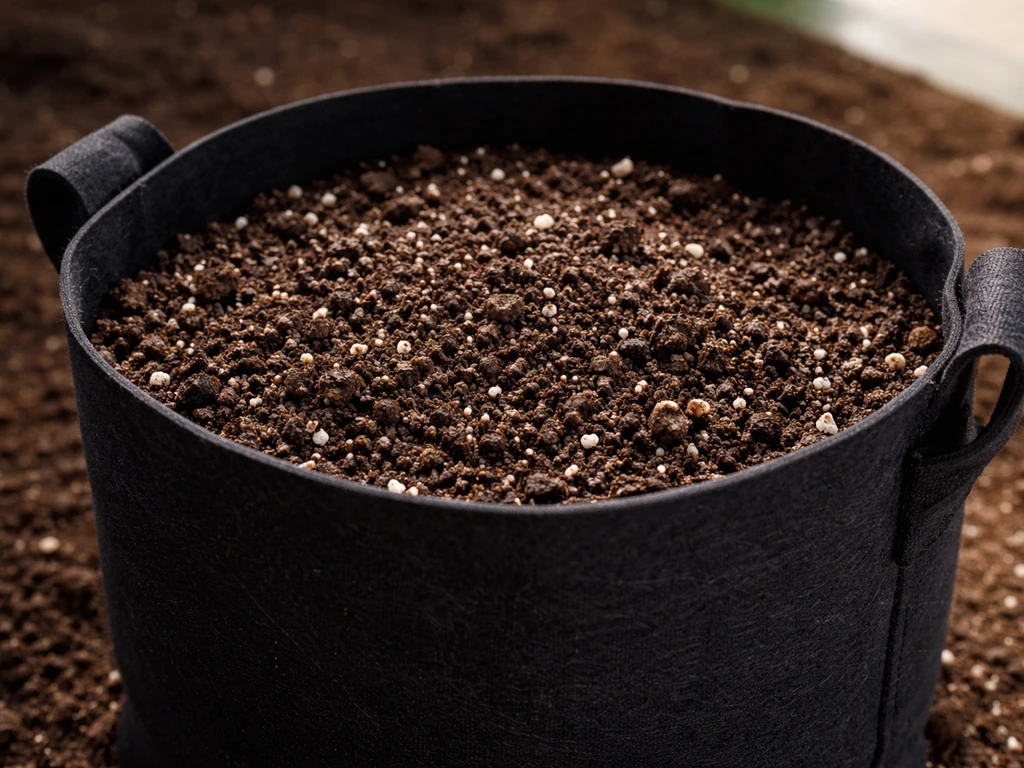
Different plants have different priorities. Tomatoes and peppers are heavy feeders that also demand excellent drainage. Herbs like thyme and rosemary want a leaner, faster-draining mix. Leafy greens and flowers sit somewhere in the middle. Here's how to think about it by crop category.
Tomatoes and peppers
These are the most demanding crops you'll grow in a fabric bag. A proven recipe is 40% peat or coco coir, 30% compost, 20% perlite, and 10% vermiculite. The perlite keeps air moving through the root zone, the vermiculite holds just enough moisture to buffer against heat stress during peak summer watering demand, and the compost provides a nutrient foundation. Mix in a slow-release organic fertilizer at filling time so you're not scrambling to feed every few days from the start.
Leafy greens, herbs, and flowers
For lettuces, spinach, basil, and most annual flowers, a standard bagged potting mix that already contains perlite or vermiculite is often all you need. Check the label before you buy. If the bag says it contains perlite or vermiculite, you're good. If it doesn't, mix in roughly one part perlite for every four parts of the bagged mix. Herbs that prefer drier conditions (thyme, rosemary, lavender) benefit from bumping the perlite up to about 30% of the total mix to prevent moisture sitting around the roots.
Root vegetables and potatoes
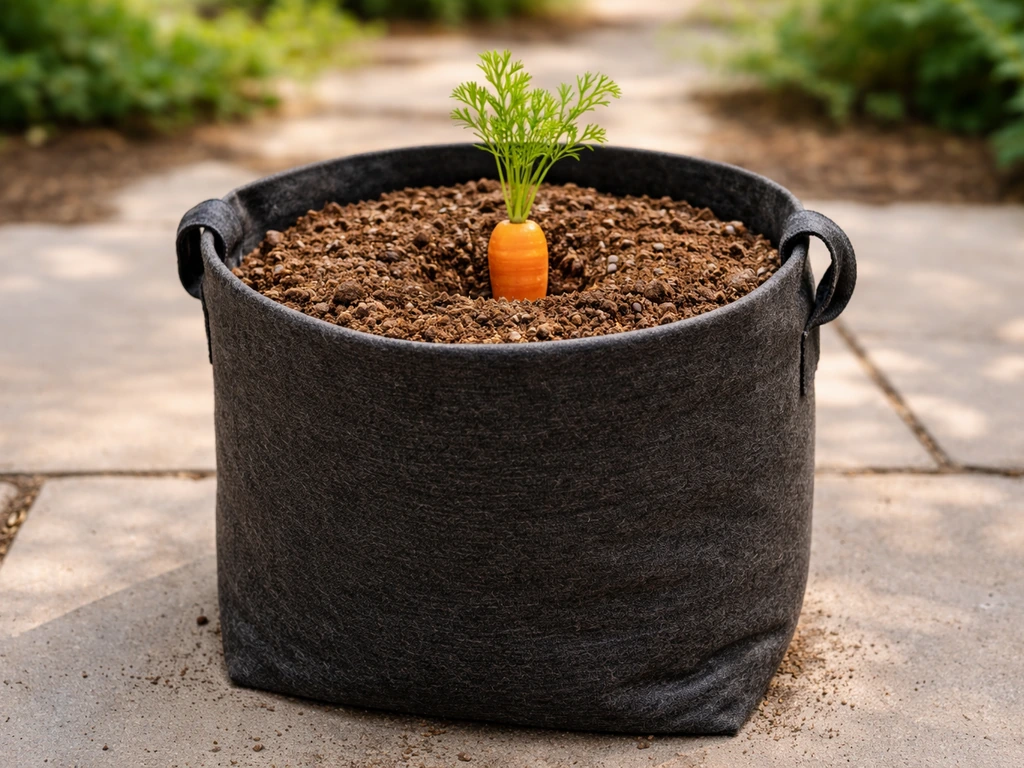
Potatoes, carrots, and beets need loose, light media that roots can push through easily. Use the equal-thirds approach here: one part good compost, one part coco coir, and one part perlite or coarse builder's sand. Avoid anything that packs down over time. These crops are actually one of the best use cases for fabric grow bags because the loose, aerated medium encourages vigorous tuber development.
Trees, shrubs, and perennials
If you're using fabric bags for tree establishment or long-term shrub growing, you need a mix with more structural stability. A blend of quality potting mix (about 50%), composted bark or compost (30%), and perlite or coarse sand (20%) works well. The coarser particles prevent the mix from breaking down and compacting over multiple seasons. If you're growing outdoors and wind is a concern, leaning more on sand than perlite adds bulk density and keeps the bag from tipping, though you'll sacrifice some lightness.
Mushrooms
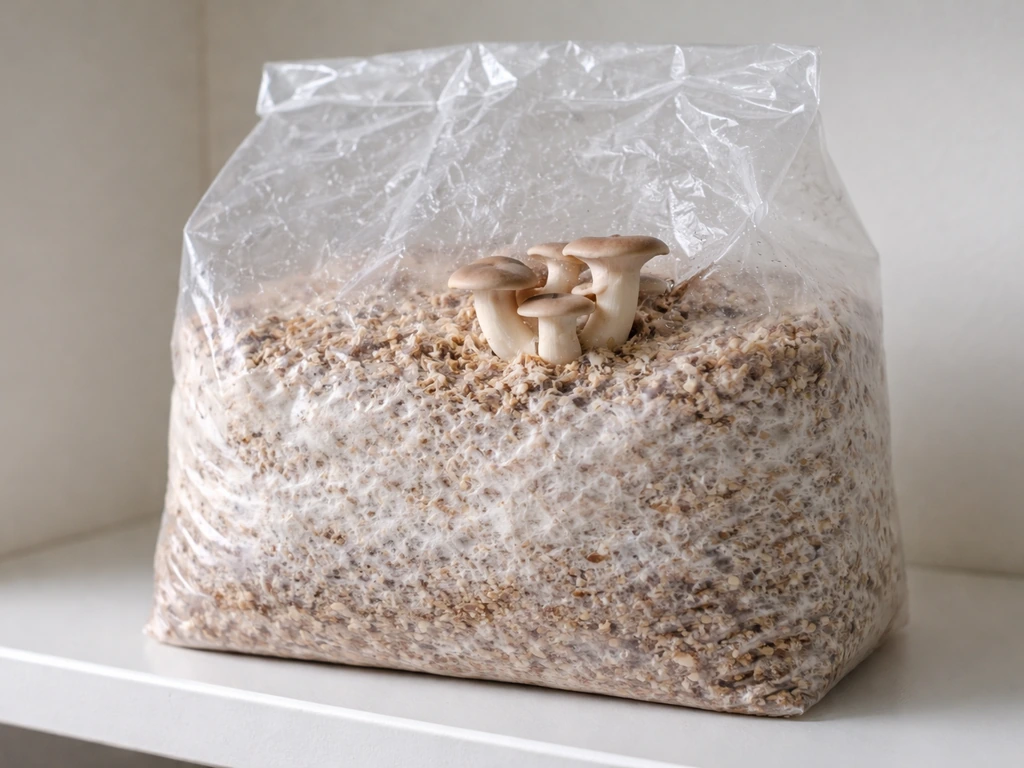
Mushroom cultivation in grow bags is a completely different application. For that use case, you're not filling with a potting mix at all. The bag acts as a sterilizable substrate container, and you fill it with a specific substrate based on species: straw, hardwood sawdust, coco coir mixed with vermiculite, or supplemented hardwood. That topic deserves its own treatment and is quite separate from vegetable growing.
How to choose your mix ingredients
Understanding what each ingredient actually does helps you make smarter adjustments instead of just guessing. Here's what each component brings to the mix.
| Ingredient | Primary Role | Best Used For | Notes |
|---|---|---|---|
| Potting compost | Nutrients + structure | All crops as a base | Look for quality bagged mix, not 'planting soil' or 'garden soil' |
| Coco coir | Moisture retention + aeration | Vegetables, herbs, flowers | Sustainable peat alternative; needs pre-moistening |
| Sphagnum peat moss | Moisture retention + acidity | Acid-loving plants, blueberries | Being phased out in favor of coco coir in most guides |
| Perlite | Drainage + air pockets | All crops, especially tomatoes/herbs | White volcanic glass beads; doesn't compact |
| Vermiculite | Moisture retention + nutrient holding | Seedlings, peppers, propagation | Holds more water than perlite; good for hot climates |
| Composted bark | Structure + slow nutrient release | Trees, shrubs, long-term bags | Breaks down slowly; adds bulk |
| Coarse builder's sand | Weight + drainage | Outdoor bags in wind, root veg | Must be coarse (2mm+); fine sand makes compaction worse |
One thing worth repeating: never fill a grow bag with straight garden soil. It compacts almost immediately in a container environment, drainage fails, and the root zone turns anaerobic. The University of Maryland Extension and Oregon State Extension both put this plainly: garden soil doesn't belong in containers, full stop. Even if you mix it with perlite, you're fighting a losing battle compared to a proper container medium.
When you're shopping for bagged potting mix, read the label carefully. Products labeled 'potting soil' or 'potting mix' are generally designed for containers. Products labeled 'garden soil,' 'planting soil,' or 'topsoil' are not. It's a distinction that matters more than the price tag.
Drainage, aeration, and moisture retention: what to get right (and what to avoid)
Fabric grow bags work because the porous walls allow excess water to escape and air to prune roots at the edges. But that advantage only works if the mix inside supports it. If the medium is too dense or compacted, water pools at the bottom and the entire air-drainage system breaks down.
Think about the physics for a second. Water only drains through a potting mix when there are air spaces for it to move through. If those spaces are gone, due to compaction or the wrong ingredients, water just sits. NC State Extension makes this point clearly: water won't drain until there's a continuous air-to-drain pathway. That means your mix needs to stay loose and structured, not pack down over time.
At the same time, fabric bags dry out faster than plastic containers, especially in hot or windy conditions. If your mix is too coarse and perlite-heavy, you'll be watering twice a day during a heat wave. Vermiculite helps buffer this because it holds moisture in its layered structure without causing waterlogging. Adding a layer of mulch inside the top of the bag also slows evaporation meaningfully.
What to avoid putting in grow bags
- Pure garden soil or topsoil (compacts, destroys drainage)
- Fine sand, like beach or play sand (makes compaction worse, not better)
- Moisture-retaining gels or crystals as a main ingredient in heavy-feeding crops (can cause overwatering in a bag that already retains moisture)
- Uncomposted bark or raw wood chips (ties up nitrogen as they break down)
- Soil from last season's bags without sterilization or amendment (disease risk and nutrient depletion)
How to prep and fill your grow bags properly
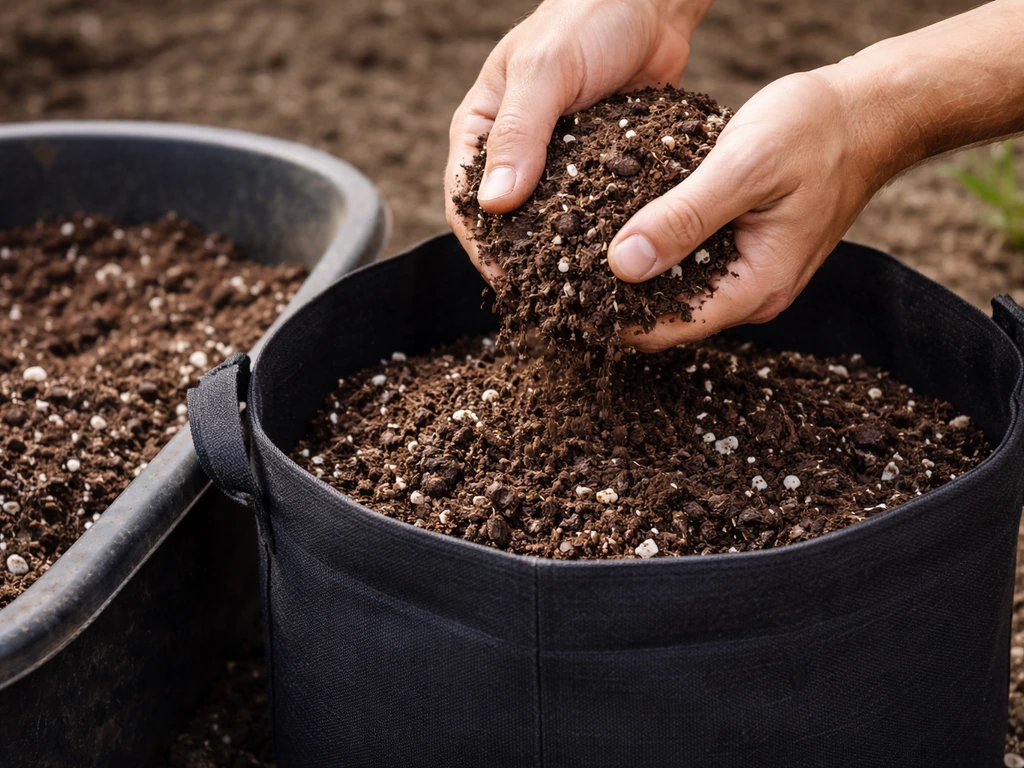
Filling a grow bag sounds simple but getting it right makes a real difference to plant performance. Here's the exact process I follow.
- Mix your ingredients in a wheelbarrow, tub, or large bucket before filling. Pre-mixing ensures even distribution of perlite and compost rather than layers settling separately.
- Pre-moisten the mix before it goes in the bag. Coco coir especially can be bone dry out of the bag and will resist wetting if you try to saturate it after filling. Add water gradually while mixing until the medium feels damp but not soggy, like a wrung-out sponge.
- Fill the bag to about 1 inch below the top rim. This leaves room for watering without overflow and gives you space to add mulch later. Filling right to the brim causes water to run off the edges before soaking in.
- Gently firm the mix as you go, but don't pack it down hard. You want enough contact to eliminate large air voids, but the mix should still feel light and loose. If you compress it aggressively, you've undone the structural work the perlite was meant to provide.
- Once filled, do a slow initial soak, watering gradually until you see moisture coming through the fabric sides or base. This confirms the mix is evenly hydrated and there are no dry pockets.
- If the mix settles significantly after the first watering, top it up to maintain that 1-inch gap at the rim.
- Place the bag where it will live before planting if possible. A fully filled, wet grow bag can be very heavy, especially in larger sizes.
On the question of how much mix you need: a 5-gallon fabric bag needs roughly 5 gallons of potting medium, but because potting mix is often measured by weight rather than volume, check with the manufacturer's guidance. OSU Extension also advises using an all-purpose potting soil that contains perlite or vermiculite and filling containers to about 1 inch below the lip to support good drainage Container gardening basics. Smart Pot, for example, provides volume calculators to help you avoid buying too little. Always buy a little more than you think you need. You'll want some for topping up after settling.
Fertilizing after you fill
Even if your compost is nutrient-rich, container plants can't forage beyond their bag the way in-ground plants can. The roots are limited to what's in the bag, so you need to actively replenish fertility once the initial nutrient reserve runs down. This usually happens within 4 to 6 weeks of planting.
Slow-release fertilizer at fill time
Adding a slow-release granular or organic fertilizer when you mix and fill is the easiest low-maintenance approach. Mix it thoroughly into the medium before filling the bag so it's evenly distributed. Products with a release window of 3 to 4 months are ideal for a typical growing season. This approach works especially well for tomatoes, peppers, and heavy-feeding vegetables where consistent nutrient availability matters more than precise control.
Liquid feeding schedule
If you prefer more control, or if you didn't add slow-release at fill time, start liquid feeding about 3 to 4 weeks after planting. Use a balanced liquid fertilizer (something like 5-5-5 or similar NPK) weekly during the vegetative stage, then switch to a lower-nitrogen, higher-potassium formula once plants start flowering and fruiting. Diluted liquid seaweed or fish emulsion every couple of weeks also helps maintain micronutrient levels that a peat-coir mix alone won't provide.
One practical note: because fabric bags drain more freely than plastic pots, some nutrients leach out with each watering. This means liquid feeding schedules for fabric grow bags should generally be slightly more frequent than what the fertilizer label recommends for standard containers. If you're growing through a full season, liquid feeding every 7 to 10 days during peak growth is a reasonable baseline.
Troubleshooting common problems after filling
Grow bag drying out too fast
This is the most common complaint with fabric grow bags, especially in summer. The breathable walls wick moisture out faster than plastic, and in hot, windy conditions you can lose a lot of water quickly. If you're watering daily and the bag still feels dry by evening, there are a few things to check. First, make sure the mix was properly pre-moistened before filling. Very dry coco coir can become hydrophobic and repel water rather than absorbing it. If water is running off the surface without soaking in, that's exactly what's happening. Soak the bag from the bottom (sit it in a shallow tray of water for 30 minutes) to re-hydrate the medium. Going forward, add more vermiculite to your mix to improve water retention, top-dress with mulch to reduce surface evaporation, and consider moving the bag to a slightly shadier spot during peak afternoon heat.
Soggy soil and root rot
If your bag feels constantly wet and plants look wilted despite adequate water, compaction is almost always the culprit. The medium has lost its air structure, drainage has failed, and the roots are sitting in waterlogged soil. This most often happens when the original mix had too little perlite, included some garden soil, or was packed down too hard during filling. Unfortunately, once a mix has compacted badly in a bag, the best fix is to remove the plant, dump the medium, and start fresh with a properly structured mix. For prevention, make sure your perlite content is at least 15 to 20% of the total volume, and never firm the mix down aggressively during filling.
Yellowing leaves and slow growth
Yellowing leaves, particularly older lower leaves, usually point to nitrogen deficiency. In a fabric grow bag this often happens faster than expected because nutrients leach with each watering. Start a liquid feeding schedule immediately if you haven't already. If new growth is also distorted or pale, you may be dealing with micronutrient deficiencies, often iron or magnesium, especially in a mix that's become too alkaline. A balanced liquid feed with chelated micronutrients or a diluted Epsom salt drench (for magnesium) can address this quickly. If you added a slow-release fertilizer at the start of the season and it's now been 4 to 6 months, the release may simply be exhausted and it's time to supplement with liquid feeding.
Poor germination or stunted seedlings
If you're starting seeds directly in filled grow bags and they're not germinating well, the mix is likely too coarse or too nutrient-rich for seeds. Perlite-heavy mixes and compost-heavy mixes both make poor seed-starting media. For direct sowing, top-dress the surface with a thin layer of fine seed-starting mix or vermiculite (which has a fine, easily penetrable texture that seedling roots love), or start seeds separately and transplant into the grow bag once they've established. Transplanting into grow bags once seedlings are established is almost always the better approach anyway. Corn can also be challenging from seed in fabric grow bags, so starting seedlings elsewhere and transplanting can help them get established faster grow corn in a grow bag.
Once you've got the mix dialed in, the other decisions, like what to actually plant and how to position your bags, become a lot more straightforward. The fill is foundational: get that right and most of the other variables are much easier to manage. If you want the best setup, also think about what to put under your grow bags so excess water and drainage work the way you need what to put under grow bags.
FAQ
How can I tell if my grow bag mix is too dense before planting?
Aim for a loose, container-safe medium, not a “soil-like” feel. A practical test is that when you squeeze a handful and then open your fist, it should crumble and spring back, not stay in a tight clump. If it compacts into a dense ball, add more perlite or coarse sand and do not pack it down during filling.
What if my potting mix already has perlite or vermiculite, should I still add more?
If the bagged mix already contains perlite or vermiculite, do not double up unless the crop is very sensitive to dryness. Use the label to estimate what you already have, then only add extra perlite for high-drain crops (tomatoes, peppers) or drier herbs (thyme, rosemary, lavender). Adding too much can make watering much more frequent.
I used some garden soil in my mix, can I fix it without emptying the bag?
For fabric bags, skip straight garden soil even in small amounts. If you accidentally mixed in soil and plants are struggling with constant wetness or stalling, the most reliable fix is to replace the medium. Partial salvage is sometimes possible only if the mix was not heavily compacted, but expect unpredictable drainage because soil particles break down and seal pore spaces over time.
Should I pre-wet coco coir before filling, or is it better to fill dry and water after?
Pre-moistening matters most with coco coir. Very dry coco can repel water until fully rehydrated. To prevent hydrophobic conditions, soak the coir or the filled bag medium from the bottom until it penetrates evenly, then let excess drain before planting. After filling, avoid pressing the mix down, just level the surface lightly.
Can I use the same grow bag mix for starting seeds and growing mature plants?
Do not use “seed-starting mix” as a direct replacement for mature-plant potting mixes if your recipe is peat or compost heavy. Seeds generally need finer texture and lower nutrients. For direct sowing, keep the bulk mix for drainage but top-dress with a thin layer of fine seed-starting mix (or vermiculite) so seedlings can root through without getting hit with excess nutrients or large particles.
My fabric grow bag dries out fast, what should I change first in the mix?
If plants are wilting and the bag feels dry by late day, you likely need better water retention or less aggressive watering loss, not necessarily more fertilizer. Adjust by increasing vermiculite (it buffers moisture) and adding mulch on the surface. Also check whether the bag is in full sun and wind, moving it to lighter afternoon shade can reduce evaporative stress quickly.
What should I do if my bag stays wet but the plants look wilted?
When plants stay wilted but the medium feels constantly wet, it points to failed drainage from compaction or too little aeration. Prevention is keeping perlite at least around 15 to 20% total volume and avoiding aggressive tamping during filling. If it has already compacted and roots are waterlogged, replace the mix rather than trying to “revive” it with extra watering.
When is the best time to add fertilizer, at filling or after planting?
The best time is at filling, because it distributes nutrients evenly through the root zone. If you did not use slow-release at fill time, start liquid feeding once roots are established (often around 3 to 4 weeks). For heavy feeders, use a steady baseline schedule because leaching in fabric bags means nutrients can wash out faster than in-ground or plastic pots.
How much grow bag mix should I buy for a 5-gallon bag?
A 5-gallon bag typically needs about 5 gallons by volume of medium, but exact amount varies by brand and how much the mix settles. Because bagged products are often sold by weight, check the manufacturer’s guidance or weigh your mix if you want accuracy. Always buy slightly extra to allow for settling and topping up after the first watering.
How often do I need to refresh nutrients in a grow bag?
As a starting rule, refresh fertility around 4 to 6 weeks for most crops, because roots cannot forage beyond the bag. Signs it is time to supplement include slower growth, pale newer leaves, or persistent lower leaf yellowing even with adequate watering. If you used slow-release with a short release window, you may need earlier liquid feeding.
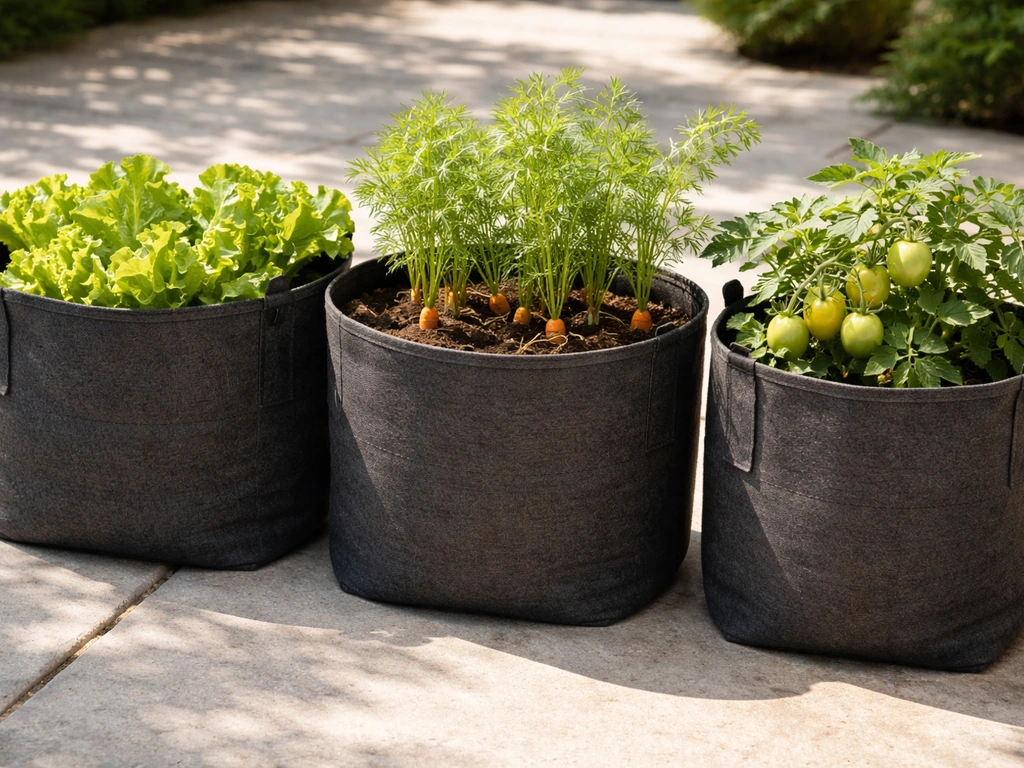
Best vegetables for fabric grow bags, with crop picks, bag sizing tips, planting care, and troubleshooting for success.
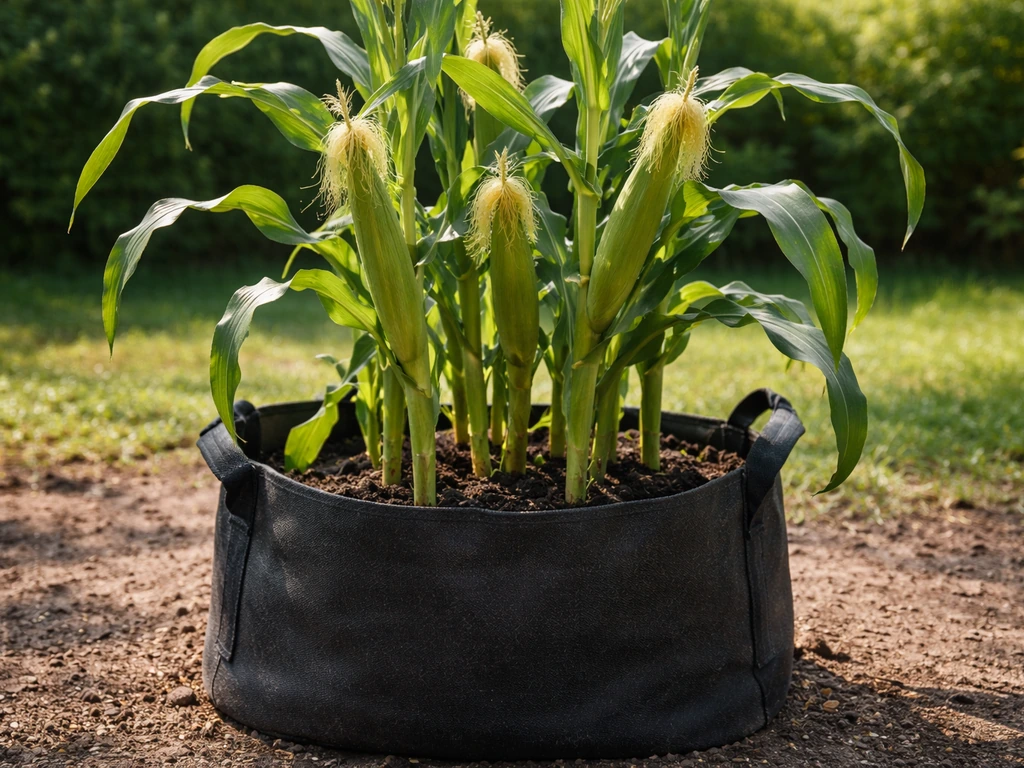
Grow sweet corn in a grow bag: size, soil, planting spacing, watering, feeding, pollination blocks, and harvest tips.
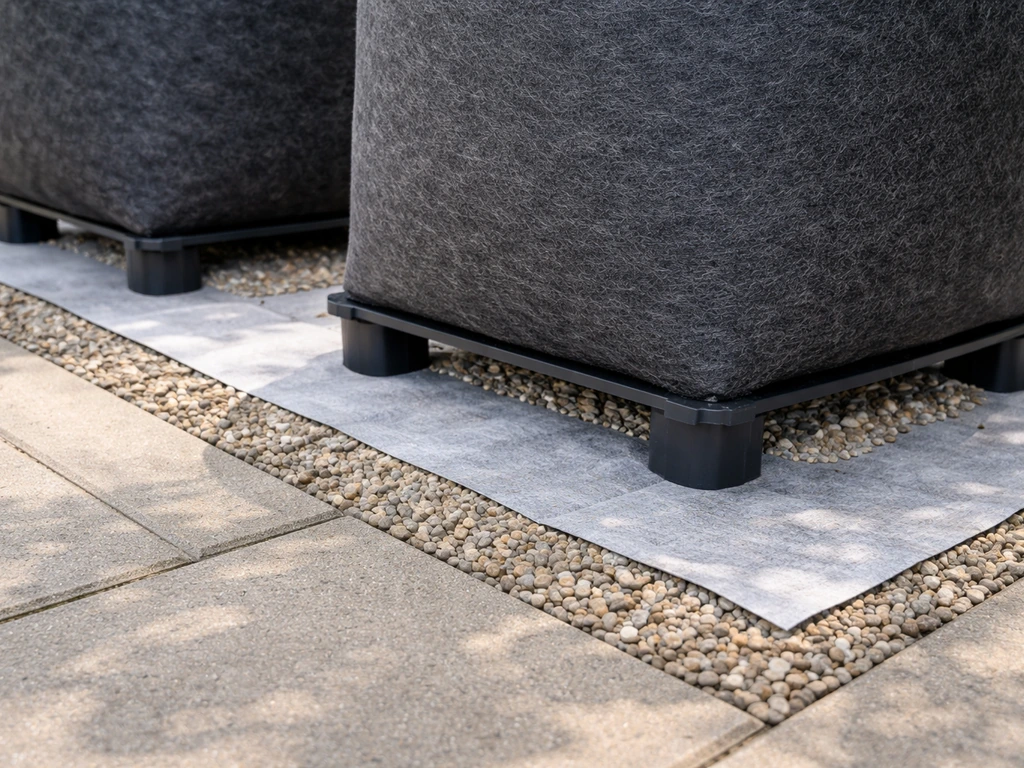
Best materials for under vegetable grow bags: trays, gravel, raised bases and liners for drainage, airflow and no poolin