Tomatoes, peppers, potatoes, lettuce, carrots, radishes, cucumbers, and beans all grow reliably well in fabric grow bags. The crops that tend to do best are ones with compact root systems or those that naturally thrive in well-drained, warm soil, which is exactly what a fabric bag provides. If you pick the right bag size for each crop and stay on top of watering (fabric dries out faster than plastic), you can get harvests from a grow bag that match or beat what you'd get in a traditional bed.
Best Veg to Grow in Grow Bags: Top Picks and Tips
Marcus Holloway
29 Apr 2026
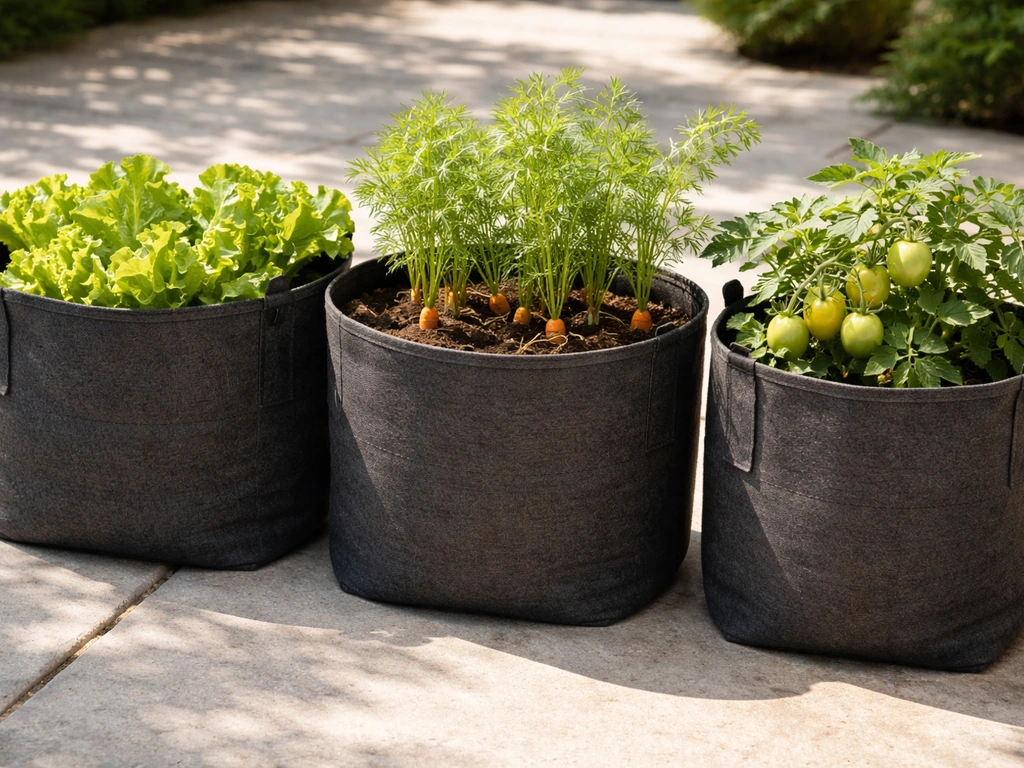
Can you actually grow vegetables in grow bags?
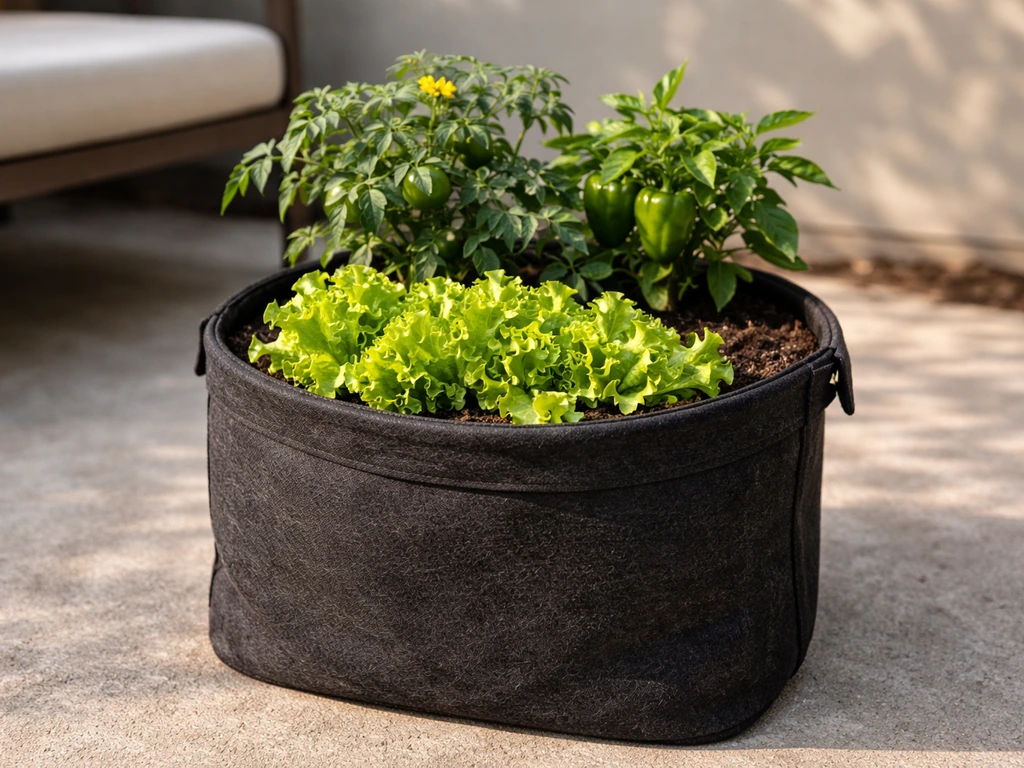
Yes, and they work surprisingly well for most popular vegetables. University extension programs across the country confirm that nearly any vegetable can be grown in containers, with fabric grow bags being a strong option because the porous walls prevent root circling and actively prune roots as they hit the bag surface. That root-pruning effect encourages a denser, more fibrous root system compared to plastic pots, where roots spiral and constrict.
Where grow bags work best is in situations where you need flexibility: on patios, balconies, driveways, or anywhere you can't dig a bed. They're also useful for extending your season because you can move the bags to chase sun or bring them under cover. The main trade-off is water demand. Research published in HortScience found that fabric containers require considerably more irrigation than plastic ones because moisture evaporates through the sidewalls, not just the surface. That's manageable, but you need to go in knowing it.
Grow bags are less ideal for very large, sprawling crops like indeterminate pumpkins or full-size corn. If you are wondering can you grow corn in a grow bag, the key issue is whether you can provide enough root room and stability for this taller, heavier crop. They're also not a great fit for perennial vegetables you want to leave in place for years. But for annual vegetables, especially compact varieties, they're a genuinely practical growing method, not just a novelty.
How to pick the right grow bag for vegetables
The most important decisions are size, depth, and fabric weight. Get these right and everything else is easier.
Size and depth
Bag size determines what you can grow. Root vegetables like carrots need at least 12 inches of depth (15 to 18 inches for longer varieties), while shallow-rooted crops like lettuce or radishes can do fine in a bag as shallow as 6 to 8 inches. Fruiting crops like tomatoes and peppers need volume, a single indeterminate tomato plant wants at least a 15- to 20-gallon bag, while a compact bush pepper can manage in 5 gallons. Colorado State University Extension provides container-size guidance by crop, listing minimum container depth and gallon requirements for crops like cucumbers and other vegetables gallon bag size requirements for tomatoes and peppers. As a rough rule, never go smaller than the minimum container size for your crop; cramped roots mean stunted plants and small harvests.
| Vegetable | Minimum bag size | Minimum depth |
|---|---|---|
| Lettuce / salad greens | 1–2 gallons per plant | 6–8 inches |
| Radishes | 1–2 gallons | 6–8 inches |
| Beets | 2–3 gallons | 8–10 inches |
| Carrots (short varieties) | 5 gallons | 12 inches |
| Carrots (full size) | 5–10 gallons | 15–18 inches |
| Bush beans | 5 gallons per 3–4 plants | 8–10 inches |
| Cucumbers | 5–10 gallons | 10–12 inches |
| Bush peppers | 5 gallons | 10–12 inches |
| Eggplant | 5–10 gallons | 12 inches |
| Tomatoes (compact/bush) | 10–15 gallons | 12 inches |
| Tomatoes (indeterminate) | 15–20 gallons | 14–16 inches |
| Potatoes | 10–15 gallons | 14–16 inches |
| Zucchini / summer squash | 10–15 gallons | 12 inches |
Fabric weight and quality
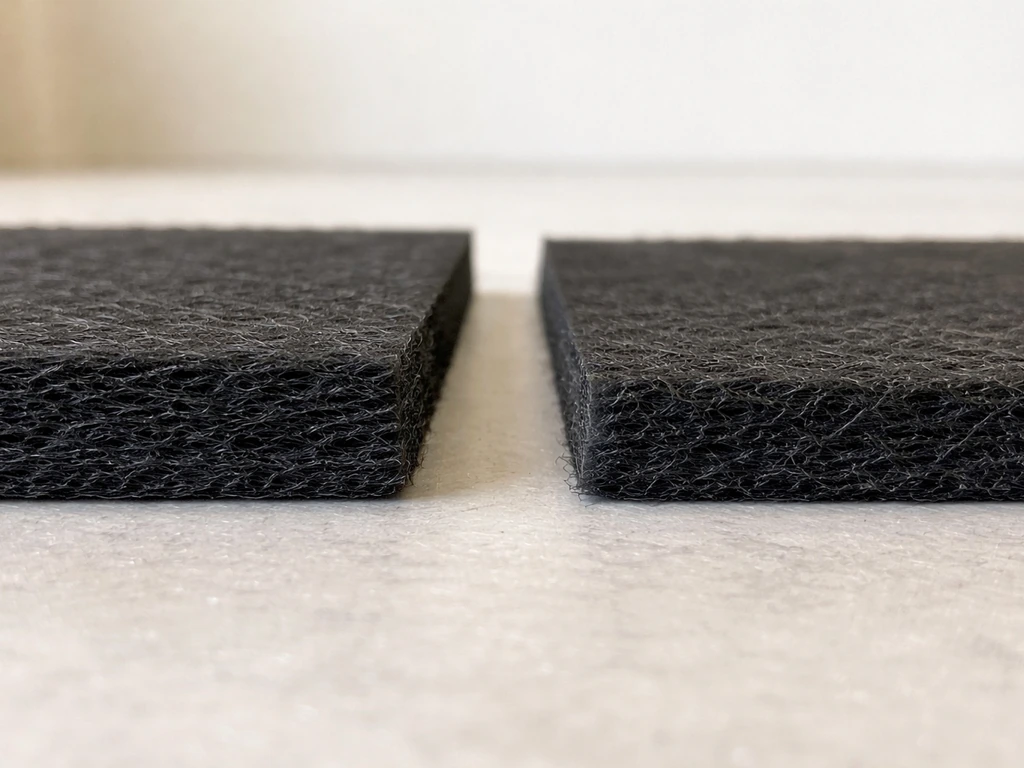
Most vegetable grow bags are made from nonwoven polypropylene felt, typically rated between 200 and 400 GSM (grams per square meter). Heavier fabric (300–400 GSM) holds its shape better, especially once it's wet and heavy with soil. Thinner bags can sag and tip over, which is a real problem with top-heavy crops like tomatoes. For any crop taller than about 18 inches, choose a bag rated at 300 GSM or above and look for reinforced handles.
Drainage and placement
Good drainage is built into fabric bags, water moves freely through the walls and base. What you need to think about is what's underneath. If you are also wondering what to put under grow bags, the right base helps with drainage and keeps roots from staying too cool or too hot what to think about is what's underneath. Set bags on a hard, flat surface rather than directly on grass or soil if you want clean drainage and to prevent roots from growing down into the ground. On a patio or deck, the dark fabric can absorb heat and warm the root zone significantly, which speeds up early-season growth but can stress roots during heat waves. Illinois Extension warns that dark containers in full sun can damage roots if the media gets too hot, so in midsummer, consider placing bags where they get some afternoon shade or wrapping the sides with a light-colored cover.
The best vegetables to grow in grow bags
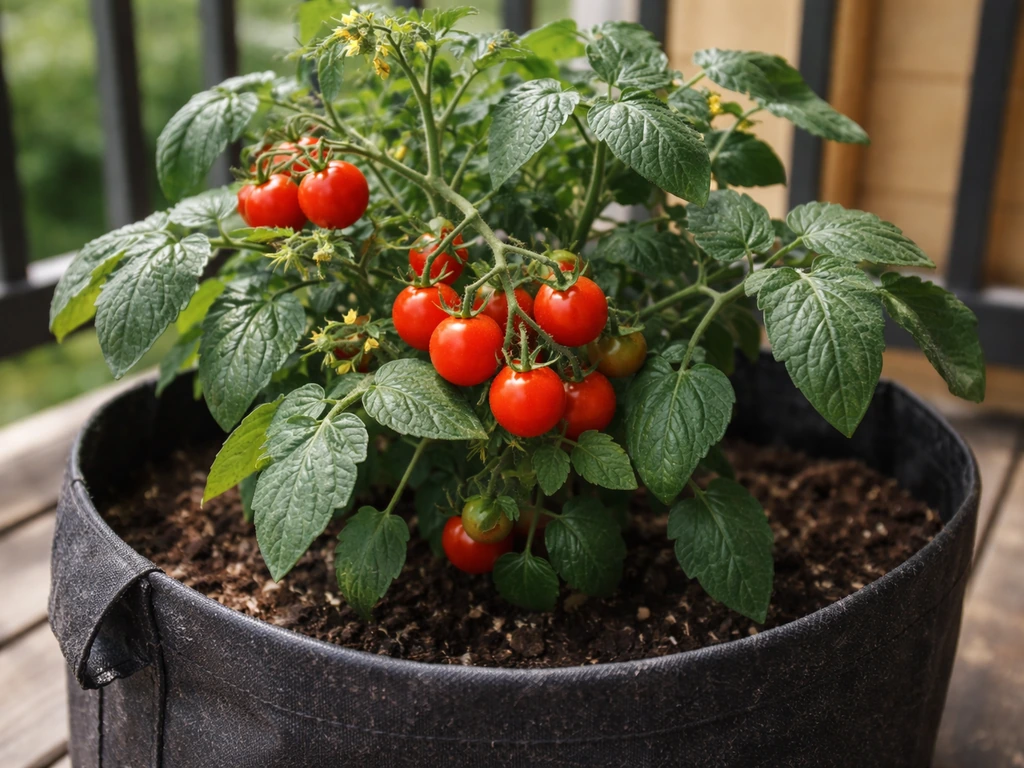
These are the crops that consistently perform well in fabric bags, based on their root behavior, compact growth habits, and tolerance for the warmer, faster-draining conditions that fabric creates. If you want ideas, use this guide to pick the right crops based on the bag depth and spacing your plants need what to plant in grow bags.
- Tomatoes: One of the most popular grow-bag crops. Fabric bags warm up faster in spring, giving tomatoes a head start. Use compact or determinate varieties in 10–15 gallons; go 20 gallons for large indeterminate types.
- Peppers: Both sweet and hot peppers are excellent in 5-gallon bags. They love the warm, well-drained conditions and are compact enough that the bag doesn't restrict them.
- Potatoes: Grow bags are arguably the best way to grow potatoes in a small space. The side-access harvest (just open or tip the bag) makes digging unnecessary. 10–15 gallons per bag, hilling as you go.
- Lettuce and salad greens: Fast, shallow-rooted, and ideal for wide, shallow bags. You can sow seeds densely, cut-and-come-again, and get multiple harvests per season.
- Radishes: One of the easiest and fastest crops in bags. Thin to 2 inches apart and harvest in 3–4 weeks.
- Bush beans: Compact, productive, and low-maintenance. A 5-gallon bag supports 3–4 plants easily.
- Cucumbers: Grow well in 5–10 gallon bags but need trellising. Lean the bag against a fence or cage to support the vines.
- Beets: A great fit for medium bags. Space 2–4 inches apart and you get both edible roots and greens.
- Carrots: Work well if you match variety to bag depth. Shorter varieties like Chantenay or Danvers do better than long Nantes types unless your bag is 15 inches or deeper.
- Eggplant: Loves heat and does very well in fabric bags on a warm patio. One plant per 5–10 gallon bag.
- Kale and chard: Productive in 5–10 gallon bags, especially in cooler seasons. Cut outer leaves regularly to extend harvest.
What grows best by vegetable type
Root crops
Root vegetables can absolutely be grown in fabric bags, but depth is non-negotiable. Beets need a minimum of 8 inches, carrots need 12 to 18 inches depending on variety, and turnips need around 8 to 10 inches. Radishes are the most forgiving, doing fine in just 6 to 8 inches. The key rule from extension research is to space root crops 2 to 4 inches apart so they have room to swell without crowding. Use a loose, well-amended potting mix (never heavy garden soil) so roots can push through easily.
Leafy greens
Lettuce, spinach, kale, chard, and arugula are some of the easiest crops to grow in bags. They're shallow-rooted, tolerate partial shade better than fruiting crops, and bounce back well from cutting. A wide, flat bag (like a 7- to 10-gallon wide bag or even a dedicated window-box style bag) gives you room for multiple plants. These crops are also a smart choice if you're new to grow-bag gardening because they're forgiving and fast.
Fruiting crops
Tomatoes, peppers, eggplant, cucumbers, and squash all fruit well in grow bags, but they're the most demanding in terms of bag size, water, and nutrients. Always choose bush or compact varieties unless you're willing to manage a large bag and a sturdy support structure. Extension guidance consistently recommends selecting miniature or bush varieties for container culture, this isn't just about space, it's about root-to-canopy balance. A compact variety puts less demand on the root system relative to its fruit load. For cucumbers and vining squash, plan your support before you plant.
Planting and care basics for bag-grown vegetables
What to fill your bag with
Never use straight garden soil in a grow bag. It compacts, drains poorly, and will waterlog roots. Use a quality potting mix or make your own with roughly equal parts compost, peat moss (or coco coir), and perlite. Illinois Extension suggests a mix of 1 part garden soil, 1 part peat moss, and 1 part perlite if you want to incorporate some garden soil, but a soilless potting mix is simpler and more consistent. Pre-moisten your mix before filling the bag, dry potting media resists wetting and can lead to uneven moisture through the bag.
Seeds vs. transplants
For most fruiting crops (tomatoes, peppers, eggplant, cucumbers), start from transplants or buy starts. These plants benefit from a head start, and the transplant window in a bag is easier to manage than starting from seed outdoors. For root crops and leafy greens, direct sow seeds into the bag, these crops don't transplant well and they're fast enough that starting from seed isn't a disadvantage. Beans are also best sown directly.
Watering
This is where most grow-bag beginners get caught out. Fabric bags lose moisture through their walls as well as the surface, so they dry out significantly faster than plastic pots. During summer, you may need to water daily or even twice a day for large fruiting crops. Check moisture by sticking your finger 2 inches into the soil, if it feels dry, water thoroughly until you see it run from the base. Drip irrigation or self-watering inserts make this much more manageable if you have more than a few bags.
Fertilizing
Container vegetables need regular feeding because nutrients flush out with frequent watering. You have two practical options: mix a slow-release granular fertilizer into the potting mix at planting (follow label rates), or feed with a balanced water-soluble fertilizer every one to two weeks once plants are established. For heavy fruiting crops like tomatoes and peppers, switch to a lower-nitrogen, higher-potassium feed once flowering starts. Illinois Extension recommends applying slow-release fertilizers at label rate on the surface or mixed in, and supplementing with liquid feeds during heavy production.
Support and stability
Insert stakes, cages, or trellis supports before or at planting time, not after. Pushing a stake into a full, rooted bag risks damaging roots. For tall crops like tomatoes, a cage placed over the bag and anchored to a wall or fence is more stable than a single stake. For cucumbers, position the bag next to an existing trellis or fence at planting so the vines have somewhere to go immediately.
Crop-by-crop quick guidance
| Crop | Bag size | Plant method | Spacing | Key care note | Harvest timing |
|---|---|---|---|---|---|
| Tomato (bush) | 10–15 gal | Transplant | 1 per bag | Water daily in summer; cage early | 60–80 days from transplant |
| Tomato (indeterminate) | 20 gal | Transplant | 1 per bag | Sturdy support essential; feed weekly | 70–85 days from transplant |
| Pepper (bush) | 5 gal | Transplant | 1 per bag | Loves heat; consistent watering | 60–90 days from transplant |
| Eggplant | 5–10 gal | Transplant | 1 per bag | Warm spot; stake at planting | 65–80 days from transplant |
| Cucumber (bush) | 5–10 gal | Transplant or direct sow | 1–2 per bag | Trellis required; water consistently | 50–65 days from sowing |
| Bush beans | 5 gal | Direct sow | 3–4 per bag, 3 in apart | Sow every 2–3 weeks for succession | 50–60 days from sowing |
| Lettuce/greens | 1–2 gal per plant | Direct sow or transplant | 6 in apart | Shade in heat; cut-and-come-again | 30–50 days from sowing |
| Spinach | 1–2 gal per plant | Direct sow | 4–6 in apart | Cool-season crop; bolt-resistant varieties | 40–50 days from sowing |
| Kale / chard | 5–10 gal | Transplant or direct sow | 8–12 in apart | Harvest outer leaves; very productive | 50–70 days from sowing |
| Radishes | 1–2 gal | Direct sow | 2 in apart | Succession sow every 2 weeks | 25–35 days from sowing |
| Beets | 2–3 gal | Direct sow | 2–4 in apart | Thin to avoid crowding; deep watering | 55–70 days from sowing |
| Carrots (short) | 5 gal, 12 in deep | Direct sow | 2–3 in apart after thinning | Loose, stone-free mix essential | 60–75 days from sowing |
| Potatoes | 10–15 gal | Seed potatoes | 1–2 per bag | Hill as foliage grows; let dry before harvest | 70–120 days depending on variety |
| Zucchini | 10–15 gal | Transplant or direct sow | 1 per bag | Large leaves; needs consistent water and feed | 50–60 days from sowing |
Troubleshooting common grow-bag vegetable problems
Plants wilting even after watering
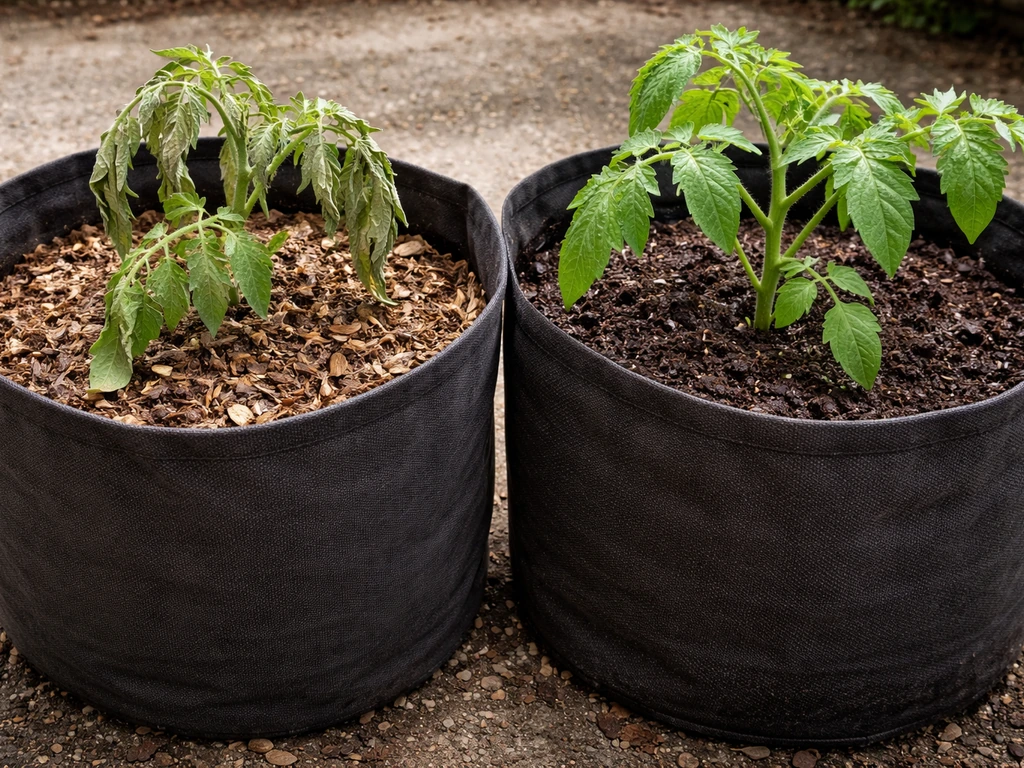
This usually means the bag dried out completely and the potting mix has become hydrophobic, water is running straight through without being absorbed. Try slow, repeated watering over 10 to 15 minutes, or set the bag in a shallow tray of water for 30 minutes to rehydrate the mix from the bottom. Pre-moistening your potting mix at planting (as Illinois Extension recommends) helps prevent this in the first place.
Yellowing leaves on fruiting crops
Yellowing on lower leaves, especially mid-season, usually signals nitrogen deficiency. Frequent watering flushes nutrients out of the mix faster than in ground beds. Step up your feeding schedule, weekly liquid fertilizer applications are often necessary for heavy feeders like tomatoes and eggplant in fabric bags. If the whole plant looks pale and growth has stalled, a diluted balanced fertilizer every week for two to three weeks usually brings things back.
Poor fruit set on tomatoes, peppers, or cucumbers
Inconsistent watering is the most common culprit, it causes blossom drop and, in tomatoes, blossom end rot. Set a watering schedule and stick to it rather than watering whenever the plant looks stressed. If watering is consistent but fruiting is still poor, check that the plant is getting enough light (fruiting crops need at least 6 to 8 hours of direct sun) and that you're not over-fertilizing with nitrogen once flowers appear.
Root crops that are small or misshapen
Short, forked, or stubby carrots and beets almost always come down to compacted or rocky potting mix, insufficient depth, or overcrowding. Make sure your mix is loose and stone-free, your bag is deep enough for the variety you chose, and you've thinned to the recommended spacing. Crowded root crops will produce plenty of tops and very little root, thinning feels wasteful but it's essential.
Bags tipping over
Top-heavy plants in tall, narrow bags tip easily, especially after watering when the canopy is wet. Use wider, shorter bags for stability (a 15-gallon wide bag is more stable than a tall 15-gallon bag). Position bags against a wall or fence, or place heavier bags inside a decorative outer container to anchor them. For tomatoes and cucumbers, attaching the support cage to a fixed structure rather than just the bag itself prevents tipping.
Salt buildup and stunted growth mid-season
If you're fertilizing regularly and watering frequently, salt can accumulate in the potting mix over time, which stresses roots and stunts growth. Flush the bag thoroughly every few weeks by watering deeply until water runs freely out the base for several minutes. This clears accumulated salts and resets the root zone. UNH Extension specifically calls out salt buildup as a risk in container vegetable culture, so this flush step is worth building into your routine.
One thing worth thinking about as you set up your bags: what you fill them with matters as much as which crops you choose. Using the right mix helps keep roots evenly moist and provides nutrients your plants need to thrive in fabric grow bags what you fill them with matters. The right potting mix makes watering and feeding much easier to get right. And if you're deciding between grow bags and other container types, or wondering what to plant beyond vegetables, the same principles around root space, drainage, and bag size apply across a wide range of crops.
FAQ
What is the best veg to grow in grow bags if I have only a small balcony and limited sun?
Choose shallow, fast, and tolerant crops like lettuce, radish, arugula, and spinach, then place the wide bags where they get at least 4 to 6 hours of sun, or morning sun plus afternoon shade. Fruiting crops like tomatoes usually struggle in partial shade even with good watering and feeding.
Can I grow multiple vegetables in the same grow bag?
Yes, but only if their water and nutrient needs match and their roots fit the bag depth. A common approach is pairing fast leafy greens with a deeper-root crop only if you keep separate compartments or use a bag deep enough for the deeper plant. Avoid mixing deep root vegetables like carrots with shallow greens in the same bag.
How do I prevent fabric grow bags from drying out too fast in hot weather?
Use a consistent watering routine and consider drip irrigation or a self-watering insert. Also place bags to get some afternoon shade in midsummer, and mulch the top of the potting mix with a thin layer of leaf mulch or straw to slow surface evaporation without blocking drainage.
What’s the safest way to water a grow bag so I don’t flood it?
Water slowly until you see runoff from the base, then stop. If the water runs straight through, keep watering in smaller cycles over 10 to 15 minutes so the mix rehydrates instead of turning the bottom into a short-circuit wet layer.
Do I need to water more often when it rains?
Often, no. Once temperatures cool, check moisture with the finger test, then water only when the mix 2 inches down feels dry. Rain can wet the surface while the root zone stays dry in fabric bags, so avoid assuming the whole bag is hydrated.
Why do my tomatoes or peppers look healthy but won’t set fruit well?
Usually it is light, temperature, or overdoing nitrogen. If they get less than 6 to 8 hours of direct sun, expect fewer flowers and slower fruiting, and once flowering begins, shift to a lower-nitrogen, higher-potassium feed.
What is the best veg to grow in grow bags for beginners who keep forgetting to water?
Radishes and leafy greens are more forgiving because they tolerate partial drying better than heavy fruiting crops. Even so, fabric bags can dry quickly, so for forgetful schedules, choose smaller bags only for greens, and avoid tomatoes, cucumbers, and eggplant.
Can I use compost or garden soil instead of potting mix in grow bags?
In most cases, no. Garden soil compacts and can waterlog roots, leading to poor oxygen in the root zone. Use a quality soilless potting mix, and if you mix compost in, keep it balanced and avoid making the mix too heavy.
How do I choose bag size for potatoes and other root vegetables?
For potatoes, go larger than the typical minimum because the plants bulk up underground. For carrots, follow variety depth needs (shorter varieties still need substantial depth), and for beets, ensure enough depth for the bulb to expand without hitting the bag bottom.
What should I do if my root vegetables come out short or forked?
Check three causes: insufficient depth, compacted or rocky mix, and overcrowding. Loosen the potting mix, remove stones, thin seedlings to the recommended spacing, and avoid compressing the mix when you plant.
Is 300 GSM fabric always better than thinner bags?
For top-heavy and taller crops, yes, heavier fabric holds shape and reduces tipping risk. For smaller, wide, and shallow-rooted greens, thinner bags can work, but still choose a stable, wide base and ensure the bag cannot slide on a patio surface.
How often should I fertilize vegetables in grow bags?
Feed based on crop demand, but a practical rule is slow-release at planting plus liquid feed every 1 to 2 weeks once plants are established. Heavy fruiters like tomatoes and eggplant often need more frequent liquid feeding during production, especially because nutrients wash out faster with frequent watering.
How do I know when salt buildup is happening in my grow bag?
Symptoms can look like stunted growth, poor vigor, or leaf problems despite adequate watering. Do a thorough flush every few weeks by watering deeply until water runs freely out the base for several minutes to reset the root zone.
Can I reuse potting mix from last season in the same grow bags?
You can, but expect lower fertility and potential salt or disease carryover. If you reuse mix, refresh it by blending in new potting mix and compost, and strongly consider flushing the bags first. For heavy feeders, fully replacing the mix is safer for consistent results.
What support setup is best for cucumbers and tall crops in grow bags?
Install trellis supports next to a fixed structure (fence or wall) at planting time so vines attach immediately and reduce stress on roots. For tomatoes, anchor a cage to something solid rather than relying only on a stake in the bag.
Next Articles
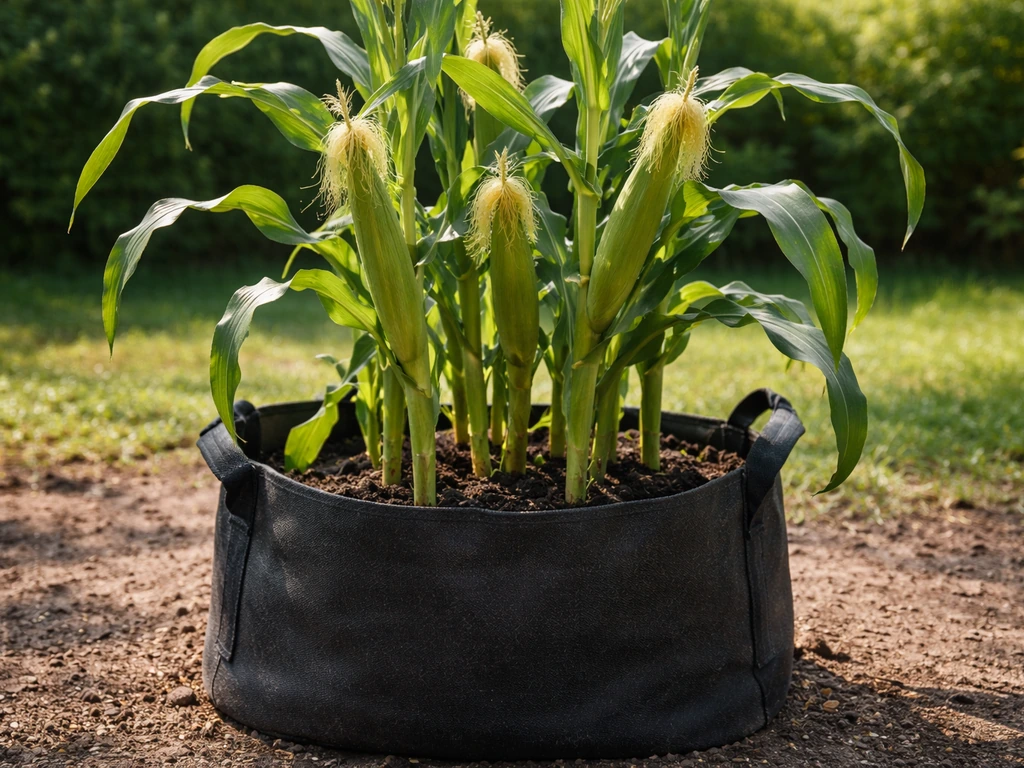
Can You Grow Corn in a Grow Bag? Sweet Corn Guide
Grow sweet corn in a grow bag: size, soil, planting spacing, watering, feeding, pollination blocks, and harvest tips.
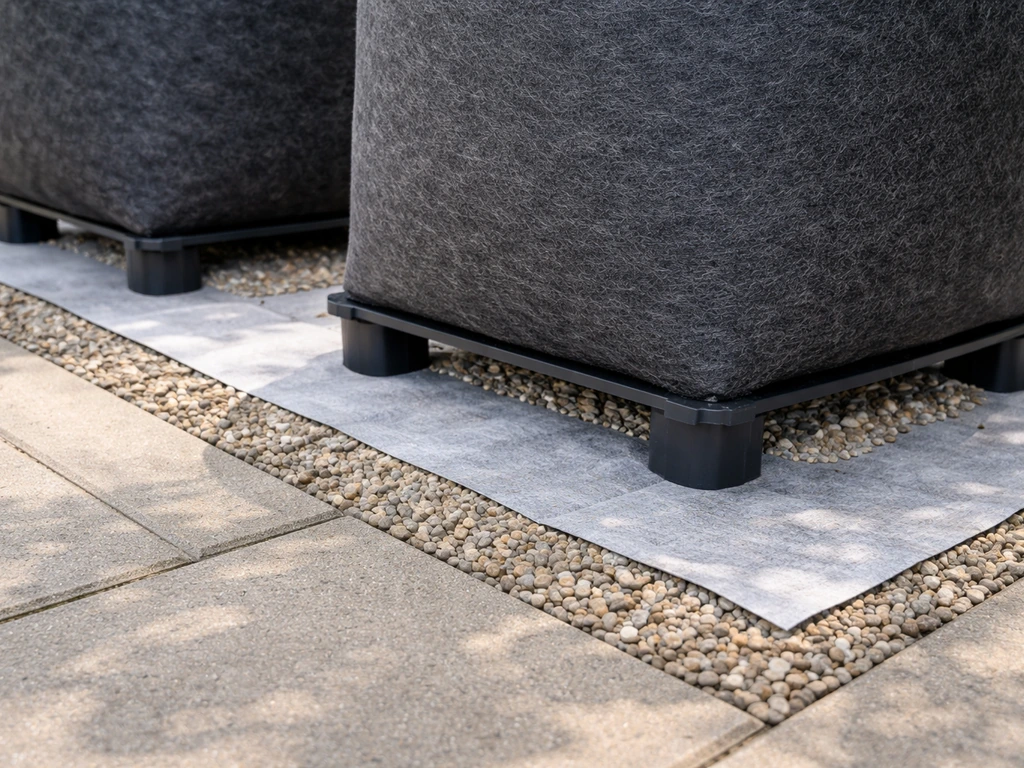
What to Put Under Grow Bags for Vegetables
Best materials for under vegetable grow bags: trays, gravel, raised bases and liners for drainage, airflow and no poolin
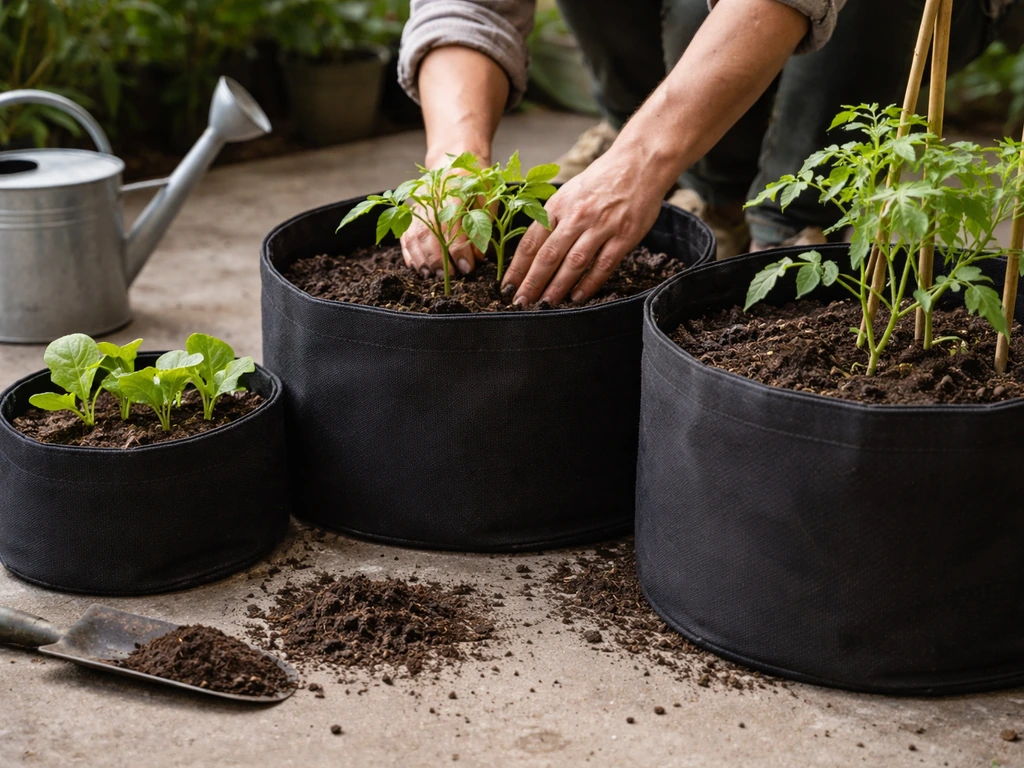
What to Plant in Grow Bags: Best Plants by Size
Best plants for grow bags by size, plus bag choice, setup tips, and troubleshooting for watering, feeding, and root heal