
Old fabric grow bags are almost always worth saving, but whether you clean and reuse them, refresh the compost inside, or retire them depends on three things: what crop grew in them, what condition they are in right now, and how much disease risk you are willing to carry into your next growing season. Most bags can be cleaned and reused for several seasons with a proper wash and a bleach soak. The leftover compost can often be refreshed and reused too, as long as it did not come from a badly diseased crop. Tomato grow bags deserve extra caution because of how easily blight and other soil-borne pathogens linger in debris.
What to Do With Old Grow Bags: Clean, Reuse, or Retire
Marcus Holloway
14 Jun 2026
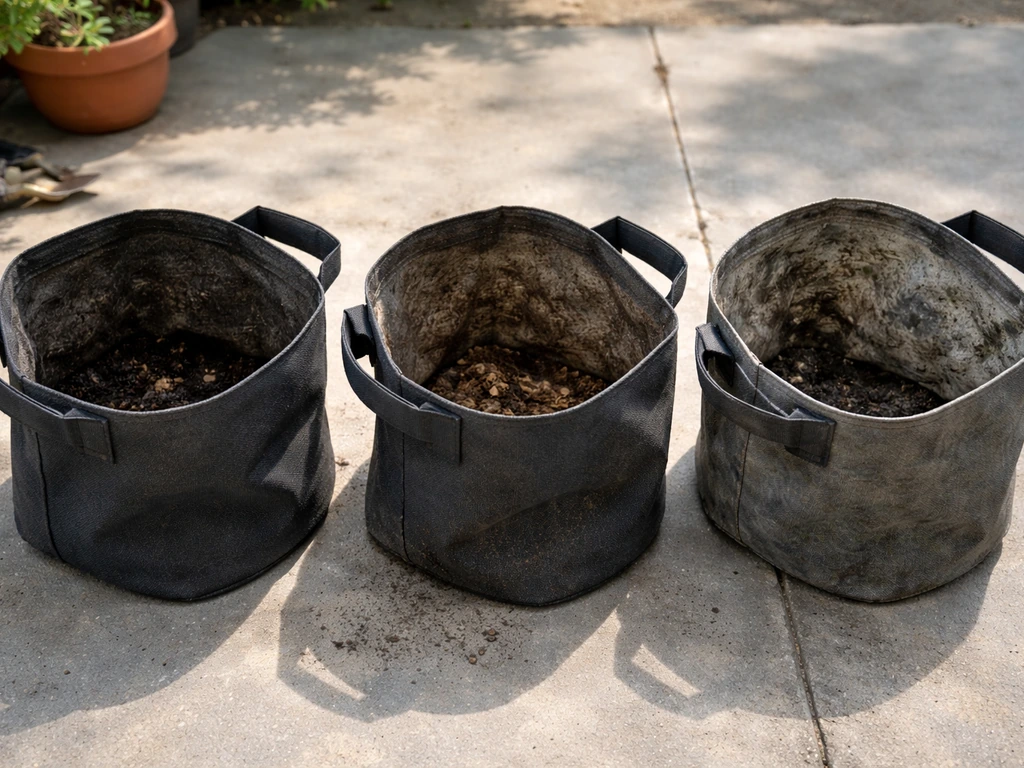
Quick triage: are your grow bags clean, soil-filled, or moldy?
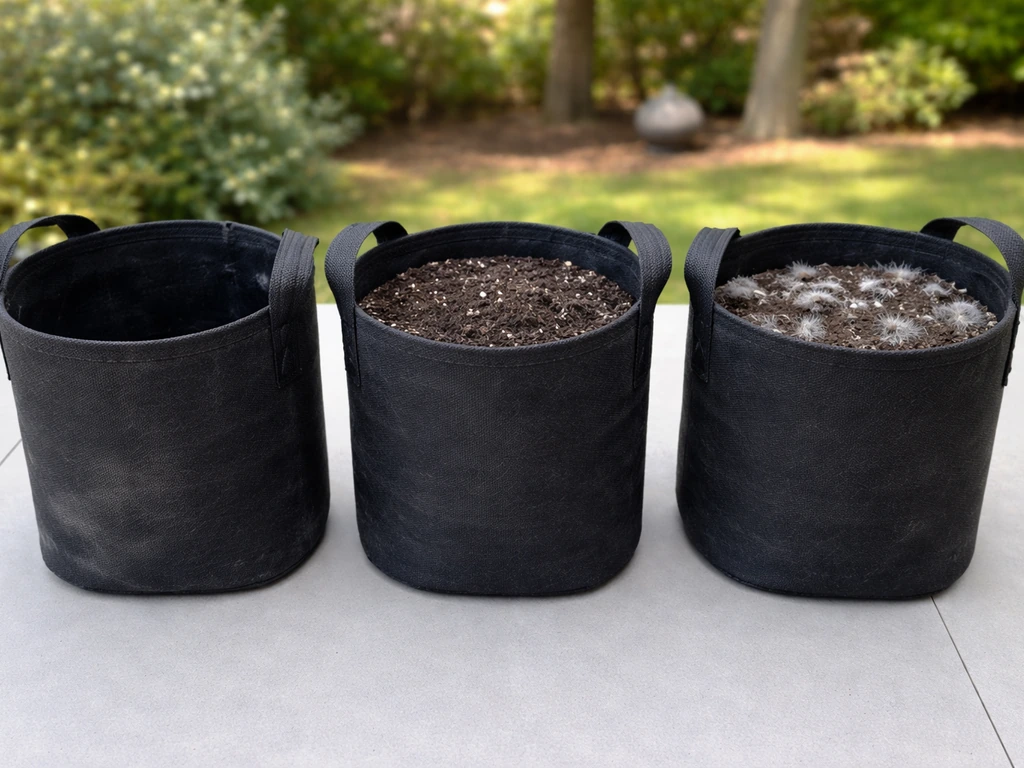
Before you do anything else, sort your bags into three groups. This takes five minutes and tells you exactly what track each bag is on.
| Bag condition | What you are looking at | Starting point |
|---|---|---|
| Empty and relatively clean | Dried soil dust, maybe some root fragments caught in the fabric weave | Wash and sterilize, then reuse |
| Still full of old compost | Wet or dried-out growing medium still inside from last season | Empty first, triage the compost separately, then clean the bag |
| Visibly moldy or slimy | White, grey, or black patches on the fabric; strong musty smell | Wash thoroughly, inspect after drying — retire if mold persists in the fabric itself |
| Root-matted or heavily compacted | Dense mat of old roots woven through the fabric walls or base | Soak to loosen roots, scrub, then decide on reuse or retirement |
| From a badly diseased crop (blight, wilt, rot) | Any bag that held plants showing late blight, fusarium wilt, or similar | Treat as high-risk — follow the disease-specific protocol below before reuse |
Surface mold on the outside of a fabric grow bag is usually cosmetic. Fabric bags breathe, which means the outer surface gets damp and collects airborne spores easily. That wipes off. The concern is mold or rot inside the fabric weave itself, or disease debris that was mixed into the compost. When in doubt, smell the bag after it dries. Clean fabric smells like nothing or faintly earthy. Persistent musty or sour smells after washing suggest something is living in the weave, and that bag should be retired.
Reuse or replace: how to decide and how to clean
Fabric grow bags are not cheap, so it makes sense to reuse them when you can. A well-made polypropylene or felt bag can last three to five seasons or more if it is cleaned properly between crops. The question is whether the time and effort is worth it compared to the disease risk you would carry forward.
When to reuse
- The bag held a healthy crop with no signs of disease or pest infestation
- The fabric is structurally intact — no large holes, no broken seams, no fabric that has gone thin or papery
- The bag can be emptied cleanly and the fabric can be washed and dried before your next planting date
- You are growing the same or similar crop and are not rotating into a disease-sensitive plant
When to retire
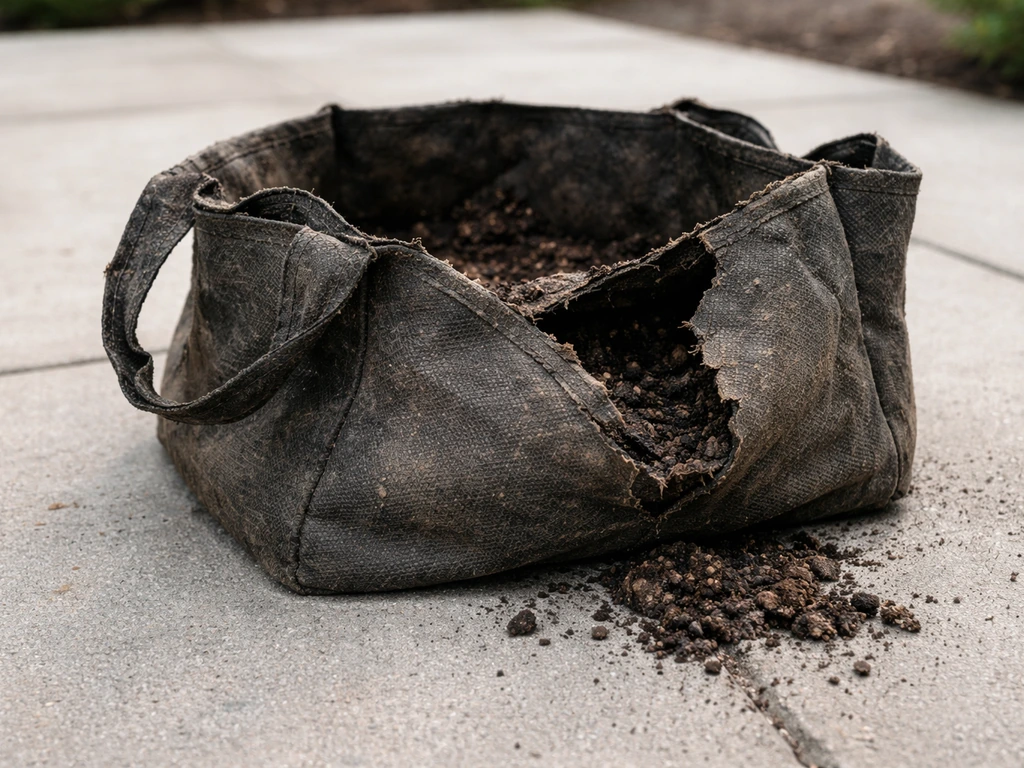
- The bag held a plant with confirmed late blight, fusarium wilt, or another aggressive soil-borne disease
- The fabric has deteriorated to the point where it tears or stretches when you handle it
- Roots have broken through the fabric walls and cannot be removed without shredding the bag
- Mold or rot smell persists after washing and drying
Step-by-step cleaning and sterilizing
- Empty the bag completely. Shake or scrape out as much old compost and root debris as possible.
- Rinse the bag with a strong hose blast to knock out embedded soil and root fragments from the fabric weave.
- Wash with warm soapy water, scrubbing both sides of the fabric with a stiff brush. Pay attention to the base and seams where debris collects.
- Rinse thoroughly until no soap remains.
- Mix a sanitizing bleach solution: 2 teaspoons of plain, non-scented household bleach (5.25 to 6% sodium hypochlorite) per 1 gallon of water. This gives you the 50 to 150 ppm concentration that University of Minnesota Extension recommends for sanitizing containers and surfaces.
- Submerge the bag in the solution or spray it thoroughly, making sure the bleach solution contacts all surfaces. Let it soak for at least 2 minutes.
- Rinse the bag again with clean water to remove bleach residue.
- Hang the bag to dry completely in sunlight if possible. UV exposure provides an additional mild sanitizing effect and prevents mold from developing in storage.
- Store flat or folded in a dry location until you need it.
One thing worth saying clearly: vinegar is not a substitute for bleach here. Step-by-step: how to sterilize grow bags starts with removing all debris, then using a bleach soak at the right dilution before you rinse and fully dry the bag. University of Minnesota Extension explicitly notes that vinegar does not adequately sanitize surfaces. It might be fine for a light clean of a healthy-crop bag, but if you are trying to reduce actual pathogen load, dilute bleach is what works.
What to do with the old compost inside
The growing medium left in your grow bags after a season is not automatically waste. Depending on the crop that grew in it and its current condition, it can be refreshed and reused, composted, used elsewhere in the garden, or disposed of. Here is how to think through it.
Reuse and refresh
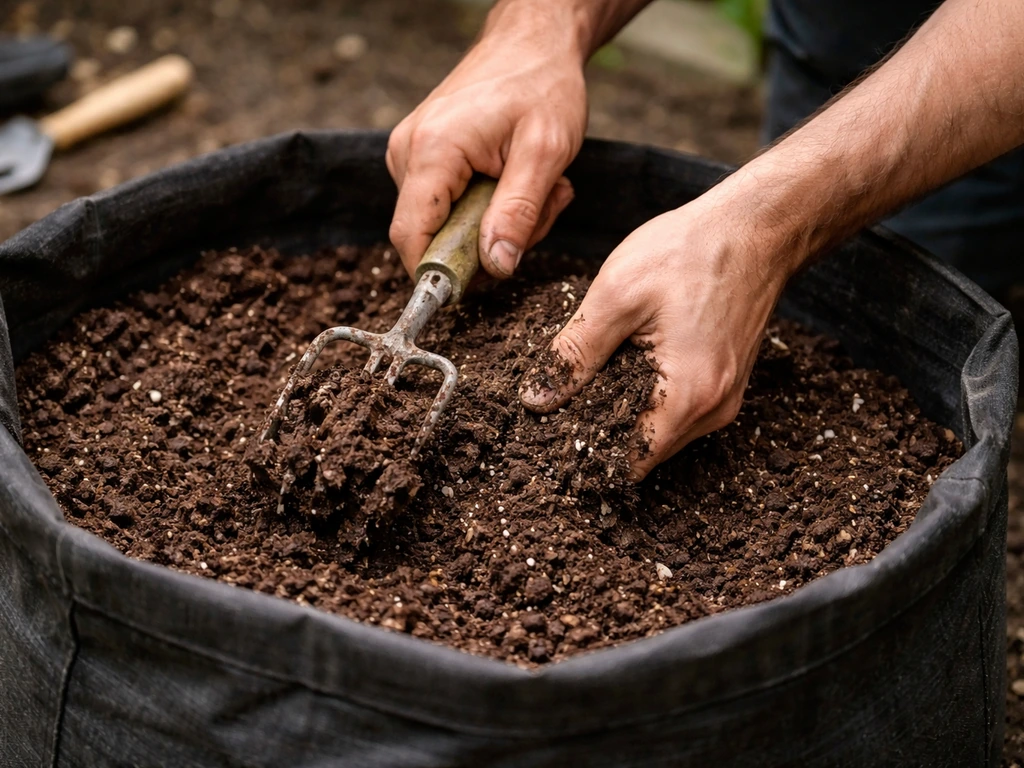
Old grow bag compost from a healthy crop is usually depleted but not useless. The structure breaks down over a season, which means it gets more compacted and holds water differently. You can mix it back into a new batch at a ratio of roughly one part old compost to two or three parts fresh growing medium, then add a slow-release granular fertilizer to replenish nutrients. This works well for non-fruiting crops like herbs, leafy greens, or flowers in the next season. For fruiting plants, especially tomatoes, peppers, and cucumbers, fresh compost or a much smaller proportion of old compost is better because the nutritional demands are higher and the disease risk matters more.
Using old compost in the garden
If the compost came from a healthy crop, dig it into a garden bed or border where it can continue to break down and add organic matter. This is one of the easiest ways to use it up. Avoid putting it directly around plants in the same family as last season's crop, especially if you are not sure about disease status. So old tomato bag compost should not go straight around next year's tomatoes or potatoes.
Composting spent grow bag compost
Healthy spent compost can go into your home compost pile without problems. The issue only arises when the compost came from diseased plants. Some pathogens, especially fungal ones, can survive in compost that does not reach adequate internal temperatures. If the compost holds root debris or plant matter from a diseased crop, it is safer to dispose of it separately rather than risk contaminating your compost pile.
When to bin it
Dispose of the compost if it came from a plant with late blight, clubroot, sclerotinia, or any aggressive soil-borne pathogen. RHS guidance is clear that certain disease materials should not be composted at home because the pathogens can persist. Bag it and put it in your general garden waste bin for municipal green waste processing, which reaches higher temperatures than home composting. Do not bury diseased compost in a bed where susceptible plants will grow.
Old tomato grow bags need extra attention
Tomatoes are one of the most common crops grown in fabric bags, and they come with the highest disease carryover risk of anything most home growers will deal with. Late blight (Phytophthora infestans) is the main concern, but fusarium wilt, verticillium wilt, and tomato mosaic virus are also worth thinking about when you are deciding what to do with the bag and the compost inside. If you want to start from scratch, you can also learn how to make a grow bag out of landscape fabric so you get the size and drainage you need.
The late blight problem
Late blight is an obligate parasite, meaning it needs living tissue to survive. UMass Amherst and UMaine Extension both make this point: blight spores cannot persist in fully dead, dry compost the same way that some other fungal pathogens can. However, blight is spread from partially decomposed or freshly infected plant debris, and if infected material ends up in a compost pile that does not heat up properly, it can become a source of inoculum for next season. The practical rule: if your tomatoes showed late blight symptoms, do not compost the plant debris and do not reuse the compost from that bag without disposing of all visible plant material first.
Provincial and state extension guidance is consistent on this: remove all tomato and potato debris from your growing area to prevent carryover. That means emptying the bag completely, not just shaking it out. Get the root ball out, pick out any stem fragments, and then either dispose of it or compost it in a hot pile that you are confident will break down properly.
What to do with an old tomato grow bag step by step
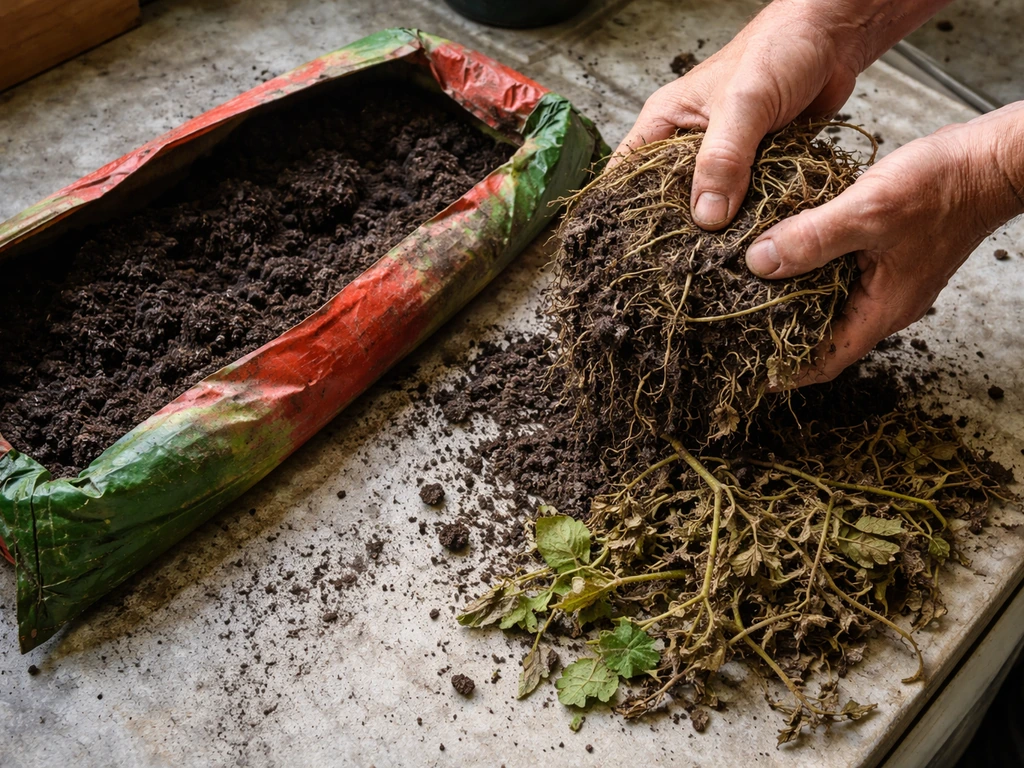
- Pull the root ball and all visible plant debris out of the bag and dispose of it. If blight was present, bag it for green waste collection rather than composting it at home.
- Empty all the compost. If the plants were healthy, the compost can be reused or composted. If blight or wilt was present, dispose of it.
- Inspect the bag fabric for embedded root fragments and debris, especially at the base.
- Wash, scrub, and sanitize the bag using the bleach solution method described above.
- Dry the bag fully in sunlight before storing or replanting.
- If you are replanting tomatoes into the same bag next season, put fresh compost in rather than the old depleted mix. Tomatoes are heavy feeders and the old medium will not give you the nutrition they need.
- Consider rotating your crops. Growing a non-solanaceous plant (anything outside the tomato and potato family) in the cleaned bag for a season before going back to tomatoes is a sensible precaution.
What if the bag held healthy tomatoes?
If your tomato crop was healthy all season with no signs of blight, wilt, or virus, the risk calculus shifts. Clean and sterilize the bag as described, compost or repurpose the old compost with caution (mixing into borders is fine), and refill with fresh growing medium for the next crop. University of Missouri Extension's point about disease-causing microorganisms lingering in old containers still applies, which is why the bleach soak matters even for bags from apparently healthy crops. You cannot always see what is there.
Keeping pests and disease out when you reuse
Reusing fabric grow bags is smart economically, but it does require a deliberate approach to pest and disease management. Fabric bags are not inherently more disease-prone than plastic pots, but their porous weave can trap debris that plastic does not, which is why thorough cleaning matters more with fabric than with smooth containers.
- Always start with completely emptied bags. Old root debris left in the bag from a previous season is the single biggest vector for carrying pathogens forward.
- Wash before you sterilize. The bleach solution only works properly on a clean surface. Organic material in the fabric will neutralize the bleach before it can do its job.
- Dry fully before storing or refilling. Damp fabric stored in a shed or garage is an ideal environment for mold and fungal growth. A few hours in direct sunlight will knock down surface spores as well.
- Do not reuse bags from confirmed disease situations without weighing the risk honestly. The few dollars saved on a replacement bag is not worth carrying late blight or fusarium into a fresh season.
- Practice crop rotation even within your bag system. Move tomatoes to different bags, grow a different family of plant in the tomato bags for a season, and avoid putting the same crop type in the same bag year after year.
- Inspect fresh compost before filling reused bags. Bringing in peat, coir, or bark-based compost that is contaminated with fungus gnats or vine weevil eggs undermines all the cleaning you did on the bag itself.
If you are planning to sterilize bags for mushroom growing rather than vegetable crops, that is a completely different process involving heat or pressure sterilization rather than bleach washing. Similarly, if your used bags are going to be repurposed for something like hanging planters or a different growing setup, the cleaning approach stays the same but the stakes around disease carryover are lower. If you are using the bag as a hanging grow bag for planters, make sure you still clean it thoroughly before reuse to minimize disease and pest carryover hanging grow bags.
The honest cost-benefit of reusing vs replacing
A good fabric grow bag costs anywhere from a couple of dollars to ten or fifteen dollars depending on size and quality. Cleaning and sterilizing one properly takes maybe twenty minutes. That math almost always favors reuse for bags from healthy crops. Where it stops making sense is when you are spending real effort trying to salvage a bag that is physically degraded, or when you are carrying genuine disease risk forward into a crop you have invested time and money in. Replacing a five-dollar bag is cheaper than losing a season of tomatoes to blight you could have avoided.
The good news is that most used fabric grow bags fall into the clean-and-reuse category. If you grew a healthy crop, the bag is structurally sound, and you wash and sanitize it properly, you will get several more seasons out of it without drama. The rules tighten for tomatoes and other disease-prone crops, but the process is still straightforward once you know what to look for. If you are wondering how to disguise grow bags to look clean for replanting, focus on removing residue, controlling odors, and letting the fabric fully dry before reuse what to look for.
FAQ
Can I just shake out the old grow bag and refill it, instead of emptying everything?
For high-risk crops, no. You want the bag fully emptied, including root debris and stem fragments. Shaking leaves fine bits in the fabric weave, those can carry spores and increase disease risk even after you add new compost.
How do I know whether my old grow bag compost is safe to use in a vegetable bed?
If the bag grew a healthy crop and there are no signs of aggressive disease, you can repurpose it, but keep it away from the same plant family you grew last season. Also mix into new growing medium rather than using it straight, so nutrients and texture are restored.
Is vinegar ever enough if I am reusing a grow bag from a healthy plant?
Vinegar is not a reliable sanitizer when the goal is reducing pathogens. For reuse you should still remove debris and use a bleach soak at the correct dilution, then fully rinse and dry. Vinegar can help with light cleaning, but it should not be treated as sterilization.
What should I do if the bag still smells musty or sour after washing?
That smell suggests something may be trapped in the fabric weave. If it persists after the bag is completely dry, retire the bag rather than trying to salvage it. At that point, the cost of replacing is often less than the risk of carrying disease forward.
Can I compost diseased grow bag material at home instead of putting it in municipal green waste?
Only if you can achieve hot compost conditions consistently, which most home compost setups struggle with. For aggressive diseases called out in guidance, the safer choice is bagging and disposing through municipal green waste processing rather than risking incomplete breakdown.
Should I reuse a grow bag that had tomato blight but the leaves were removed before they spread?
Be cautious anyway. Late blight can be present in partially infected debris. If you saw any late blight symptoms, empty the bag completely, remove visible plant material, and do not reuse the compost or bag without disposing of the contaminated parts.
What if my grow bag had powdery mildew or a minor problem, can I reuse it normally?
If you had only surface-level issues and the compost and fabric are otherwise healthy, you can follow the standard clean-and-sterilize steps. However, if you notice ongoing musty odors or disease debris that appears embedded in the fabric, switch to retirement.
How long does a properly cleaned fabric grow bag usually last?
Well-made polypropylene or felt bags commonly last multiple seasons, often around three to five, as long as you clean thoroughly between crops and let them dry fully. Physical degradation, persistent odor, or rot in the weave shortens that lifespan.
Are the cleaning steps the same if I am using old grow bags for mushrooms or non-vegetable plants?
The stakes around plant pathogens are different, and mushroom sterilization methods are not the same as bleach washing for vegetables. If you are repurposing for mushrooms, use a heat or pressure sterilization approach appropriate for that crop rather than relying on bleach soak routines.
When I repaint or hide stains on a grow bag, does that reduce disease risk?
No. Disguise alone does not remove pathogens or embedded residue. Focus on debris removal, proper sterilization, and complete drying. If you cannot remove residue or the odor persists, replacing is usually the safer move.
Next Articles
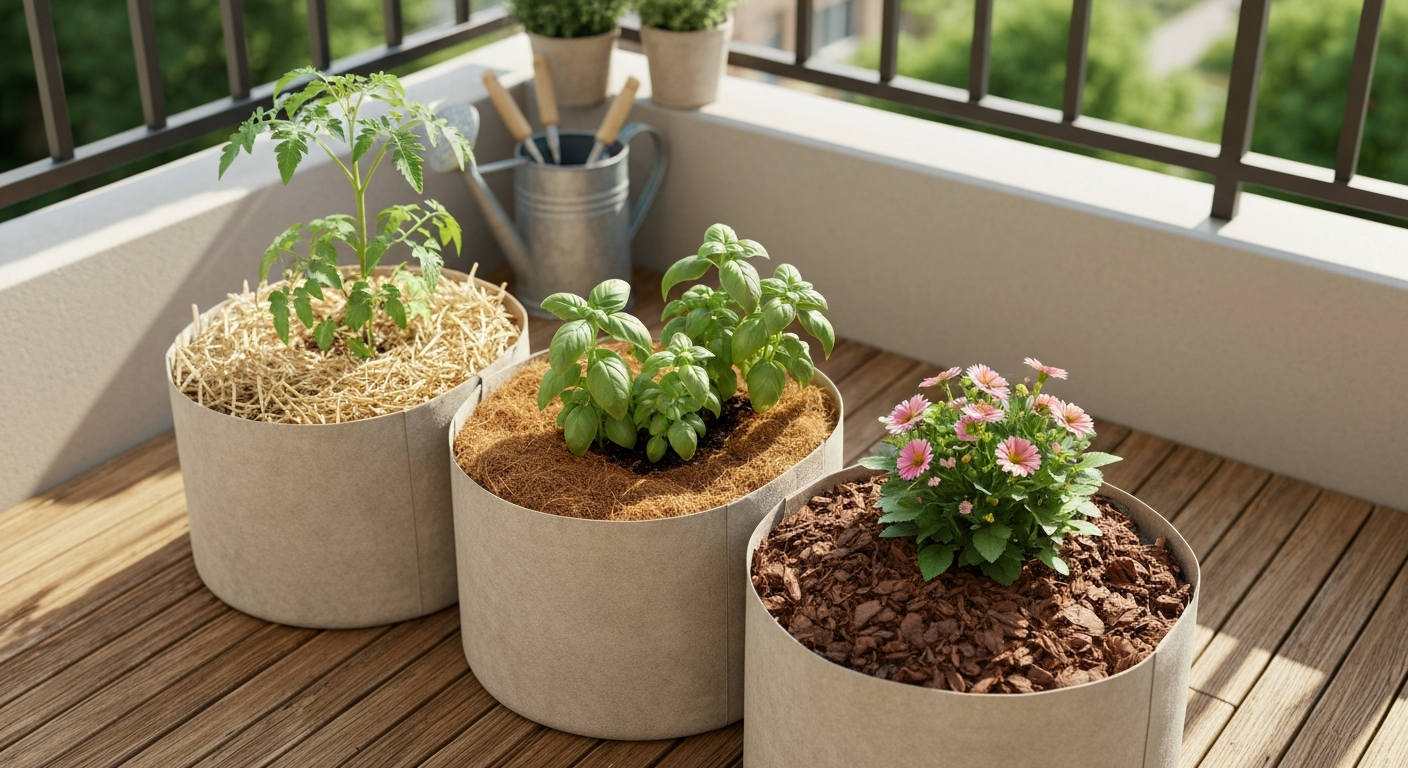
Best Mulch for Grow Bags: Top Picks for Vegetables & Flowers
Find the best mulch for fabric grow bags: top picks, how-to apply, crop & climate advice, and troubleshooting.
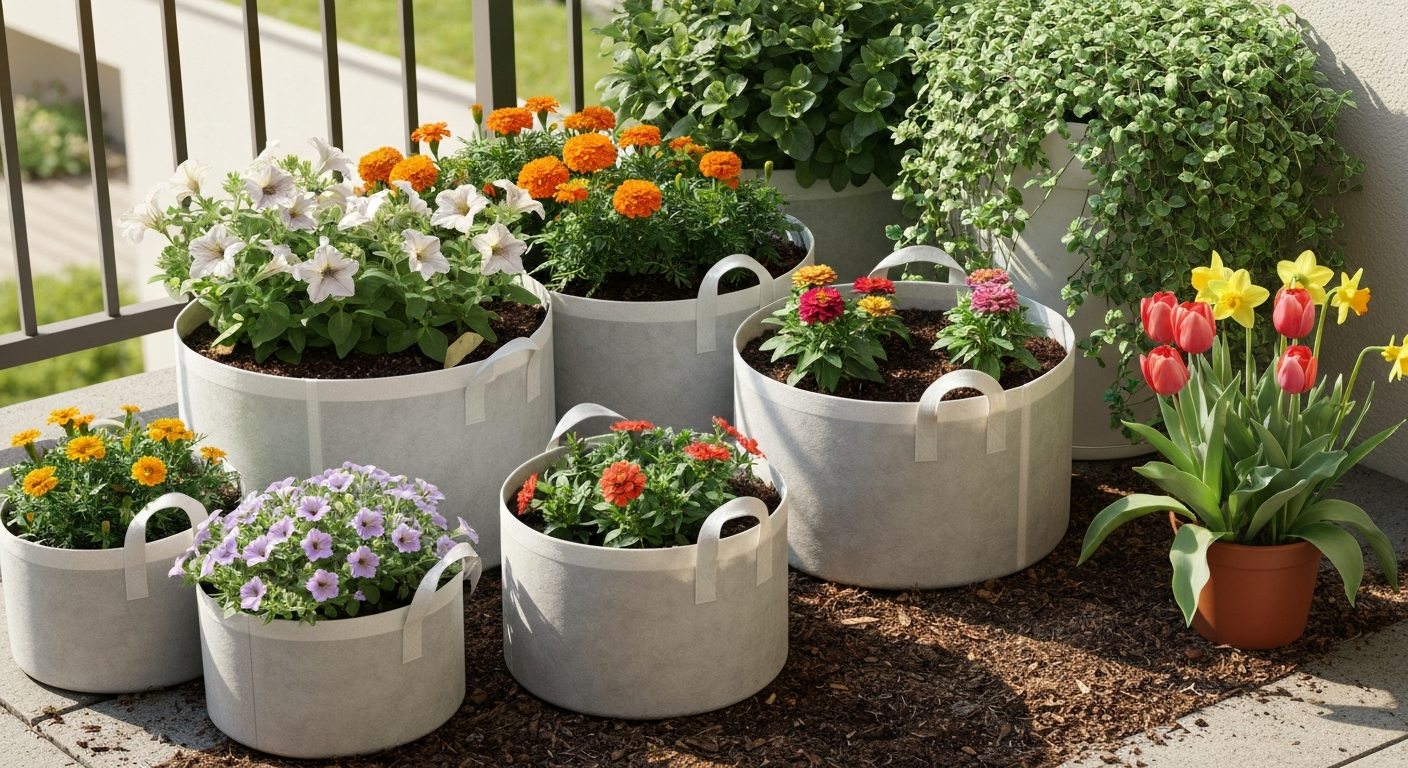
Best Flowers for Grow Bags: Top Picks, Soil & Care Guide DIY
Best flowers for grow bags: top annuals, perennials, bulbs & trailers; soil, fertilizer, planting and care checklists.
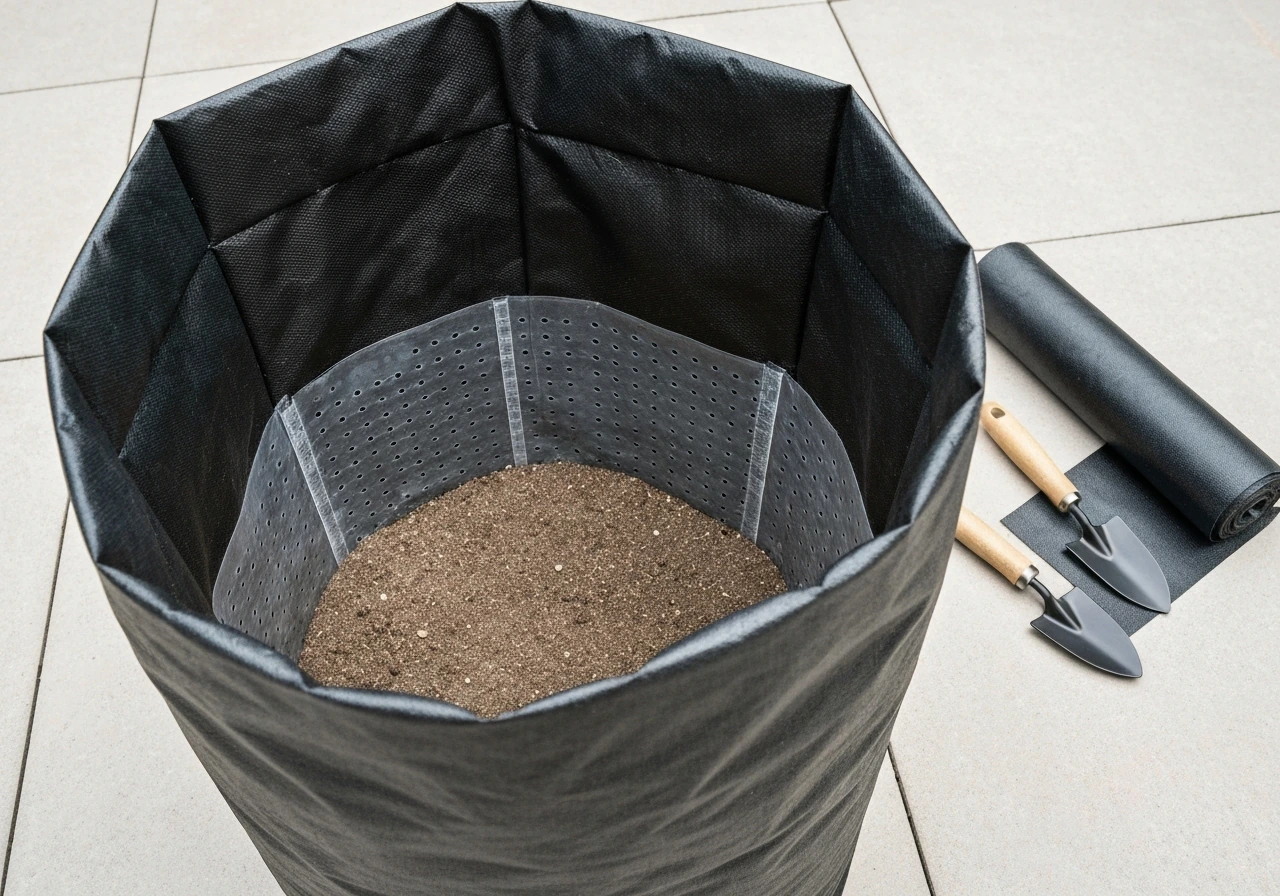
Best Landscape Fabric for Grow Bags: Buy and Install Guide
Choose the best landscape fabric for grow bags with weed-blocking, drainage and aeration tips plus DIY install steps.