For most vegetables, herbs, and flowering plants, fabric grow bags are the better choice. They air-prune roots automatically, drain fast, and prevent the root circling that quietly stunts growth in plastic pots. Plastic pots win when you need to conserve water (they lose roughly half as much moisture as fabric), grow in very hot or windy conditions where fabric dries dangerously fast, or work with mushrooms, which require a completely different type of sterile grow bag entirely. If you're growing tomatoes, peppers, or anything else in a standard container garden, start with fabric. If you're in a hot, dry climate with no drip irrigation and you water by hand once a day, plastic might actually keep your plants alive better.
Plastic vs Fabric Grow Bags: Which One to Choose Now
Marcus Holloway
13 Jun 2026
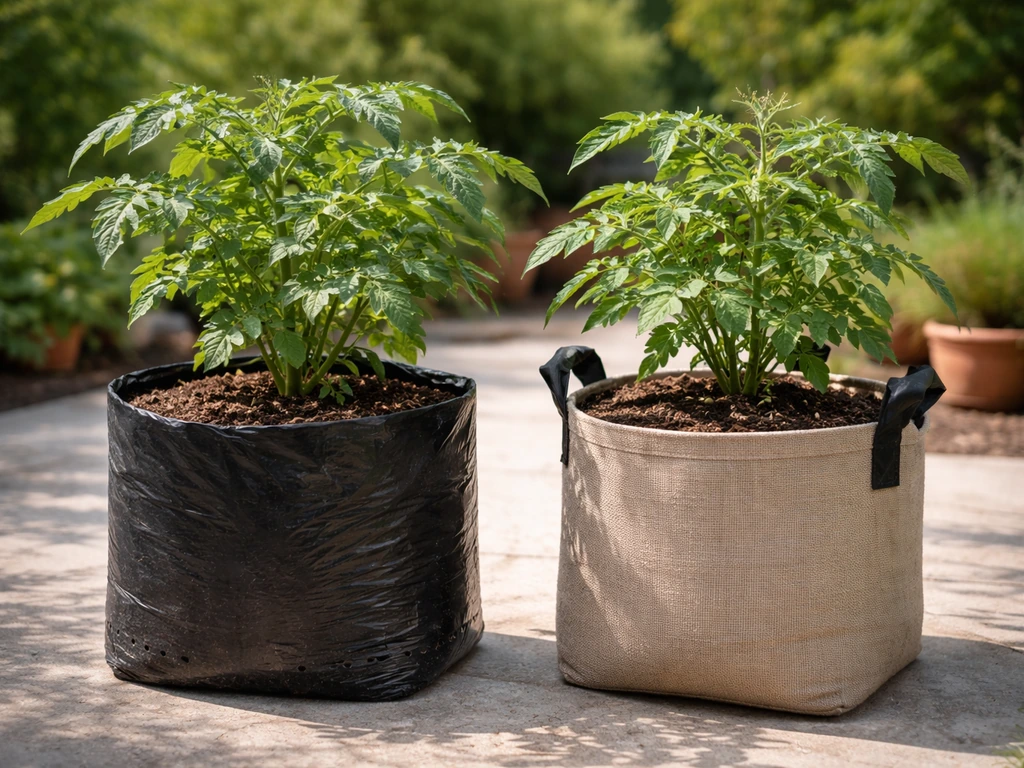
How roots and water actually behave in each material
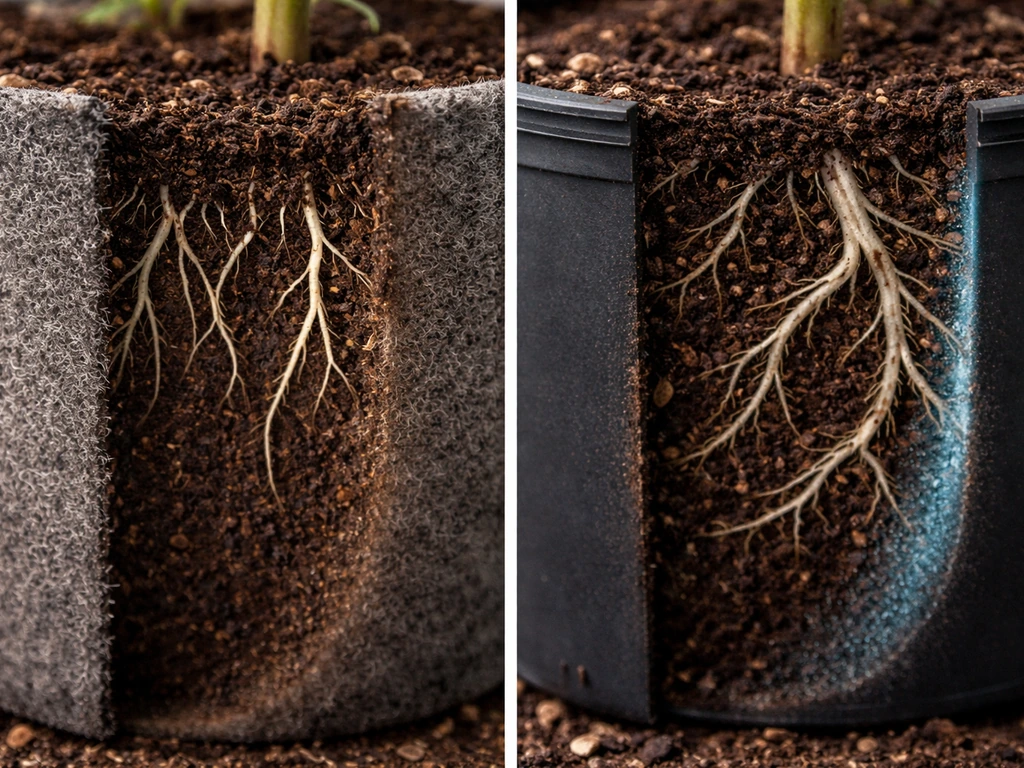
The biggest practical difference between fabric and plastic is what happens at the wall of the container. In a plastic pot, roots keep growing outward until they hit the hard wall, then spiral around the inside in a tightening coil. That root circling restricts water uptake and can eventually strangle the plant. In a fabric grow bag, roots reach the porous wall, sense air, and stop elongating. Instead, they branch into a dense, fibrous network back into the potting mix. That's air pruning, and it's why plants in fabric bags tend to produce more vigorous root systems than plants in equivalent plastic pots.
Water behaves very differently too. Fabric bags lose moisture through all four sides and the bottom, not just from the top and through one drainage hole. Research from greenhouse studies shows fabric containers can lose about twice as much water per day as black plastic containers during the first 11 days after watering, then the gap narrows as the growing season progresses. Over a full growing period, fabric containers have been shown to need roughly 66% more irrigation water than comparable plastic containers. That's not a flaw exactly, but it is something you need to plan around. If you're growing outside in summer heat without automatic irrigation, fabric bags demand more attention.
Plastic pots hold water much longer because the walls are non-porous. Water only exits through drainage holes at the bottom. That's helpful for drought tolerance but a real problem if drainage is slow or your potting mix is dense. Standing water in plastic pots is one of the main causes of root rot in container growing. Fabric is essentially self-regulating in that regard: excess water wicks out, and the air exposure at the walls keeps the root zone oxygenated.
Performance tradeoffs: heat, drying speed, drainage, nutrients, and stability
These aren't minor differences. They directly affect how you set up your watering schedule, what you grow, and where you grow it. Here's an honest breakdown:
| Factor | Fabric Grow Bags | Plastic Pots |
|---|---|---|
| Heat retention | Lower — breathable walls release heat, root zone stays cooler | Higher — dark plastic absorbs and holds heat, roots can overheat |
| Drying speed | Fast — loses water through all walls, needs more frequent watering | Slow — only loses water through drainage holes and evaporation from the top |
| Drainage | Excellent — excess water exits through walls and base naturally | Depends on hole size and number; can waterlog if holes are too small |
| Nutrient retention | Better than expected — studies show 38% less nitrogen and 21% less phosphorus leached vs plastic despite higher irrigation | Higher leaching risk per irrigation event, but less total water means less total nutrient loss |
| Root health | Strong fibrous root system via air pruning; no circling | Root circling common; can girdle plant roots over time |
| Stability | Lighter and can tip in wind; fabric sides allow some flex | Heavier and more rigid; better self-standing stability |
| Reusability | Multiple seasons possible; fabric degrades over time | Very durable; can last 10+ years with proper cleaning |
The nutrient retention finding is worth pausing on. You'd think that with 66% more irrigation going through a fabric bag, you'd flush out far more nutrients. But research published in HortScience found that fabric containers actually leached significantly less nitrogen and phosphorus than plastic containers under the same production conditions. The current thinking is that the better-developed root system in fabric bags absorbs nutrients more efficiently, so less escapes into the leachate. That's a meaningful advantage for both plant health and environmental impact.
Stability is where plastic clearly wins. Fabric bags, especially taller ones, can topple in wind or when top-heavy with a large plant. Handles help, but they don't solve the problem entirely. If you're growing on a balcony, rooftop, or exposed patio, factor this in. You can add weight to the base of fabric bags with gravel or set them inside a rigid outer container.
What to grow in each: vegetables, mushrooms, flowers, and trees
Vegetables
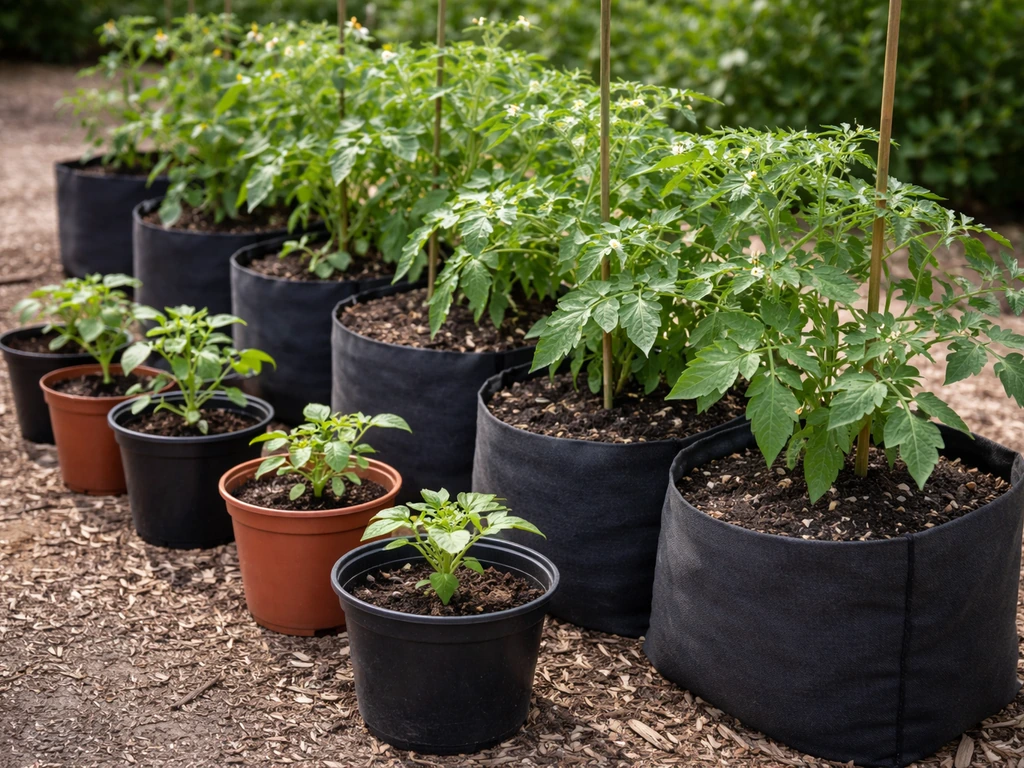
Fabric bags are genuinely excellent for most vegetables. Tomatoes, peppers, cucumbers, and squash all benefit from air-pruned roots and the cooler root zone fabric provides in summer. For tomatoes, aim for at least a 5-gallon bag (ideally 7-10 gallons for indeterminate varieties). Peppers do well in 5-gallon bags. Leafy greens, herbs, and radishes are fine in 1-3 gallon bags or even a long rectangular fabric planter. Root vegetables like carrots need adequate depth, so choose bags at least 12 inches deep. Potatoes are one of the classic fabric-bag crops because you can roll down the sides as you hill them up.
If you live somewhere very hot and dry and can only water once a day, plastic pots give you more buffer time between waterings. That can make the difference between a wilted plant and a healthy one on a 95-degree afternoon.
Mushrooms
Mushroom grow bags are an entirely different product from garden fabric grow bags, and it's important not to confuse them. Mushroom grow bags are made from polypropylene plastic (not fabric) and are designed to withstand autoclave sterilization at high temperatures and pressure. They include filter patches for gas exchange while maintaining a sterile environment. Using a fabric garden grow bag for mushrooms would be a contamination disaster. The term 'grow bag' in the mushroom world refers to these sterile plastic bags, not to nonwoven fabric containers. If you're growing mushrooms, you need the right sterile plastic bags for your substrate and workflow.
Flowers and ornamentals
Annual flowers like petunias, marigolds, and zinnias thrive in fabric bags, especially in summer heat where plastic pots can cook roots. The faster drainage also prevents fungal disease in flowering plants that dislike wet feet. Fabric bags work well for ornamentals on patios and decks. That said, if you want the container itself to look decorative, plastic pots offer more design options. You can also use a fabric bag inside a decorative plastic or ceramic outer pot as a compromise, though you'll need to watch for water accumulating in the outer container.
Trees and large shrubs
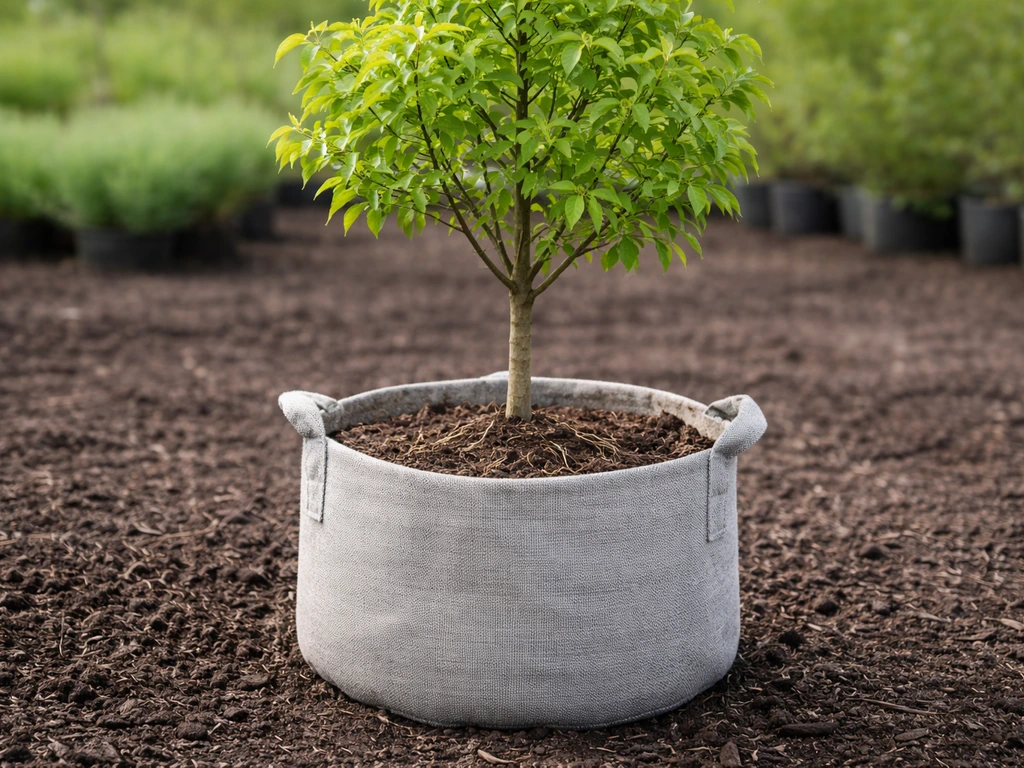
Fabric bags are actually used commercially for tree production precisely because air pruning creates a transplant-ready root system without the circling issues that plague trees grown in plastic containers for years. For home growers, fabric bags work well for fruit trees like dwarf citrus, figs, and blueberries. Use 15-25 gallon bags for most small trees and large shrubs. Keep in mind that large fabric bags full of moist soil are extremely heavy, so plan placement before you fill them. Trees in fabric bags will need more frequent watering than trees in plastic, which is worth factoring in for a long-term planting.
Size, setup, and watering tips for both options
Choosing the right size
Container size directly controls how much buffer you have between waterings and how much room roots have to develop. Extension guidance suggests tomatoes need a minimum of 5 gallons (roughly a 12-inch-diameter container), with larger varieties doing better in 7-10 gallons. Herbs and small flowers are fine in 1-3 gallons. Dwarf fruit trees generally want at least 15 gallons to produce well. When in doubt, go bigger rather than smaller. A larger container dries out more slowly, holds more nutrients, and gives roots more room to develop, which usually translates directly to better yields.
Watering: fabric vs plastic
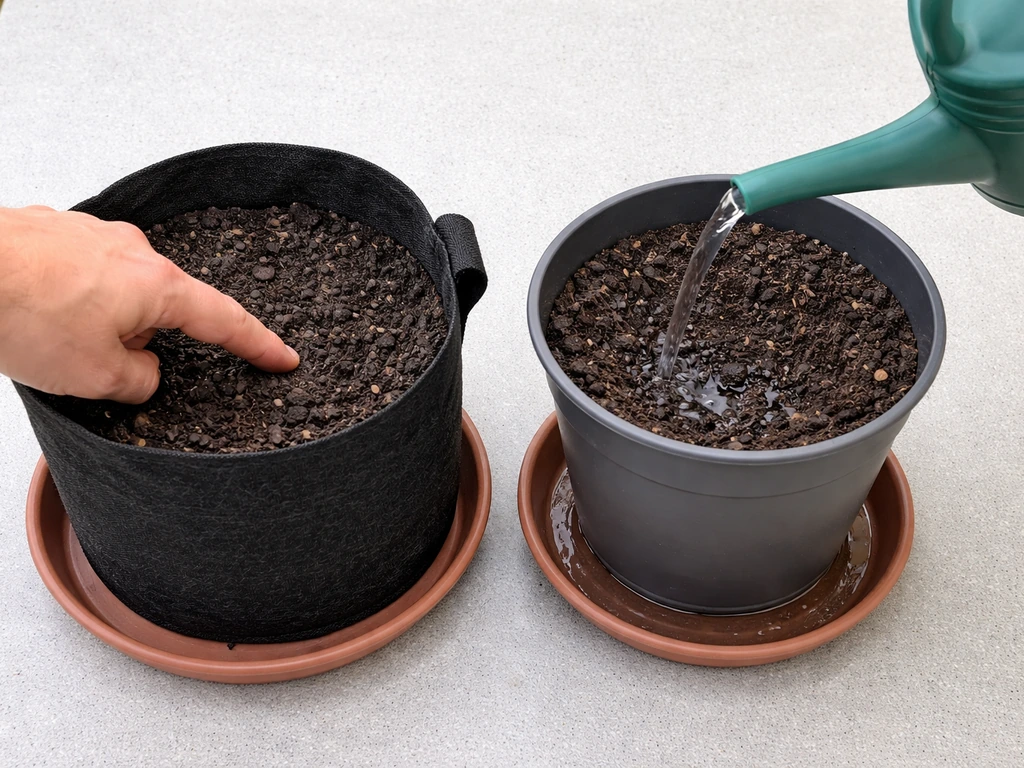
With fabric bags, check soil moisture more frequently than you would with plastic. Stick your finger 2 inches into the soil. If it's dry there, water thoroughly until you see it running from the base. In peak summer, you may need to water fabric bags daily or even twice daily for large, thirsty plants. Drip irrigation or soaker lines are worth setting up if you have more than a few bags. Some growers place fabric bags in shallow trays or saucers to catch runoff and allow some wicking back from the bottom, which can reduce watering frequency, but empty those trays regularly. Standing water in a saucer can lead to overwatering even with a fabric bag.
With plastic pots, water less frequently but be more careful about drainage. Make sure the pot has adequate drainage holes and that water is actually exiting when you water. If the soil surface cracks or pulls away from the pot wall, water slowly to rehydrate it before giving a full drink. Never leave plastic pots sitting in standing water for more than a few hours.
Liners and trays
Fabric bags don't need drainage holes because water moves through the walls naturally, but they do benefit from trays underneath to protect surfaces from staining and to catch runoff on decks or patios. The distinction worth knowing here is between lined and unlined fabric bags: lined versions have a plastic interior layer that slows sidewall moisture loss, which can reduce watering frequency while still allowing air pruning from the base. If you're concerned about drying out too fast or want to use your fabric bags on a wooden surface, a lined bag or a bag inside a tray is worth considering.
Common problems and how to fix them
Fabric bag problems
- Drying out too fast: Water more frequently, switch to a lined bag, add a tray underneath, or use a moisture-retaining amendment like perlite mixed with coco coir in your potting mix. Consider drip irrigation for multiple bags.
- Nutrient washout: With high irrigation volume, water-soluble nutrients can flush quickly. Use slow-release fertilizer granules in addition to liquid feeds, and fertilize at regular intervals rather than relying on a single application.
- Algae or moss on the exterior: Common in humid climates. It doesn't hurt the plant, but if it bothers you, move the bag to a sunnier spot or increase airflow around the sides. A darker or thicker fabric bag minimizes this.
- Bag tipping or instability: Place bags on a flat surface, keep them in groups where they support each other, or set them inside a rigid outer container. Adding a layer of gravel to the base before filling helps lower the center of gravity.
- Fabric degrading: Nonwoven polypropylene bags typically last 3-5 seasons depending on UV exposure and how they're stored. Thicker fabric (3mm+) lasts longer. Store dry and out of direct sunlight when not in use.
Plastic pot problems
- Root circling: Once a plant has spent a full season in plastic, roots often spiral. When repotting, manually untangle or prune circling roots before transplanting into a larger container or the ground.
- Overheating in summer: Black plastic pots can raise root-zone temperatures significantly in direct sun. Move pots to partial shade during peak afternoon heat, or wrap pots in burlap or light fabric to reflect heat.
- Waterlogging and root rot: Caused by poor drainage or sitting in a saucer of standing water. Drill additional drainage holes if needed, and empty saucers after every watering.
- Salt and mineral buildup on exterior: White crust on the outside of plastic pots is fertilizer salt accumulation. Scrub with a stiff brush and rinse thoroughly. If reusing, soak in a 1:9 bleach-to-water solution for 10-30 minutes to sanitize and remove buildup.
- Brittleness from UV exposure: Cheap plastic pots crack after one or two seasons of outdoor use. Thicker polypropylene or UV-stabilized containers last significantly longer. Store out of direct sun when empty.
Cost, durability, and reuse: the honest numbers
Plastic pots are generally cheaper upfront, especially for large sizes, and they last a very long time. A quality polypropylene pot can survive 10 or more seasons with basic care. Fabric bags cost a bit more per unit at larger sizes, but they're still affordable: a pack of 5-gallon fabric bags runs a few dollars each. The tradeoff is lifespan. Nonwoven fabric bags typically hold up for 3-5 seasons before the material starts to break down, especially if stored wet (which encourages mold and fiber degradation) or left in strong UV year-round.
Reusing either type of container requires cleaning. Iowa State University Extension also emphasizes cleaning and disinfecting plant containers to reduce pathogen risk, including using an appropriate bleach-based solution after removing soil [Reusing either type of container requires cleaning. ](https://yardandgarden. extension.
iastate. edu/how-to/how-clean-and-disinfect-plant-containers). For plastic pots, scrub off soil and debris with a brush and liquid soap, then soak in a 1-part bleach to 9-parts water solution for at least 10-30 minutes before the next season. This kills pathogens that can transfer between plants and spread disease.
For fabric bags, shake out soil, rinse thoroughly, and allow to dry completely before storing. Some fabric bags can be machine washed on a gentle cycle. The key is storing them bone dry. A damp fabric bag stored in a bag or bin will develop mold and start to smell quickly, and that mold can introduce problems to your next grow.
Over a 5-year horizon, fabric bags and plastic pots often come out similar in cost per growing season when you factor in replacement frequency. Where fabric earns its cost back is in plant performance: better roots, fewer disease problems from poor drainage, and healthier plants that produce more. That performance advantage is real, and for most home vegetable growers, it makes fabric bags the better long-term investment even if individual containers need replacing more often.
Pick this if: a quick decision guide
Choose fabric grow bags if you're growing vegetables, herbs, flowers, or fruit trees outdoors, have reliable access to water (or drip irrigation), and want the best possible root environment. A quick way to narrow choices is to look for the best fabric grow bags for your crops, your climate, and how often you can water. Choose plastic pots if you're in a very hot and dry climate with limited watering access, growing indoors where fabric's moisture wicking could damage floors or furniture, doing mushrooms (which need their own sterile polypropylene bags), or simply need a durable container that won't need replacing for years. There's no wrong answer for most growers, but fabric is the stronger default for container vegetables and outdoor growing, while plastic earns its place in specific conditions and for specific crops.
FAQ
Can I reuse a fabric grow bag or plastic grow pot for the next season without increasing disease risk?
Yes, but the key is thorough drying and sanitation. Plastic containers should be soaked long enough in a bleach diluted solution after scrubbing, while fabric bags must be shaken clean, rinsed, and stored only when bone dry, since trapped moisture inside fibers promotes mold and can carry over pathogens.
Do I need drainage holes in a fabric grow bag?
Usually no, because water exits through the porous walls and base. However, you still want a tray or shallow saucer to protect surfaces and prevent runoff puddles, and you should periodically check that the bag is not sitting in stagnant water that can negate the oxygen benefit at the root zone.
Will fabric grow bags wick out too much water if I’m using compost that holds moisture?
They can still dry fast because sidewall moisture loss continues regardless of mix, but a moisture-retentive potting mix can slow the swing. If you notice frequent midday wilting, consider a lined fabric bag, increase container size, or add drip irrigation, rather than switching back to plastic immediately.
How do I water fabric grow bags correctly if I use a tray to catch runoff?
Water until you see flow from the base, then empty the tray before it becomes a reservoir. Re-wetting that pooled water can overcorrect and lead to soggy roots even in a fabric bag, especially with dense mixes.
What should I do if my plastic pot soil pulls away from the rim and water runs straight through?
This often happens when the mix shrinks during dry spells. Rehydrate by watering slowly so moisture can re-enter the gap between soil and wall, then wait a bit and water again if the dry pockets remain. Checking drainage by observing water exiting from the bottom helps confirm you are not bypassing the root zone.
Are lined fabric grow bags always the better choice versus unlined?
Not always. Lined bags retain moisture longer, which can reduce watering frequency, but they also change how quickly sidewall airflow dries the root zone. If you tend to overwater or you are in mild weather, unlined fabric often gives better disease resilience, while lined fabric is a good fit for hot climates or less frequent watering.
How stable should I expect fabric grow bags to be in wind, and how do I prevent tipping?
Tall, full bags are heavy and top-prone, handles help only partially. A practical fix is placing the bag inside a rigid outer container, using a wider base stand, or adding weight at the bottom (for example, gravel) so the center of gravity stays lower.
What soil mix should I use to avoid root issues when switching between plastic and fabric bags?
Start with a potting mix designed for containers rather than straight garden soil, then adjust slightly for your container type. With fabric bags, a mix that drains well is important because faster moisture loss plus frequent watering can still leave roots oxygen-starved if the mix is too fine or compacted.
Do plastic pots increase the risk of root rot compared with fabric bags?
They can, mainly when drainage is slow or a plant is left too long in damp conditions. Use adequate drainage holes, ensure the mix is not overly dense, and avoid letting the pot sit in water beyond the short period needed for thorough draining.
Are there crops where plastic vs fabric really won’t matter much?
For many hardy leafy greens and quick-growing herbs, both can work well if you dial in watering and container size. The differences become more important with plants that are sensitive to consistent moisture and root oxygen, or where water management is inconsistent.
Can I use fabric grow bags indoors, for example on a balcony or greenhouse bench?
You can, but watch floor and bench moisture and staining. Use a tray, consider a lined bag if wicking is drying the mix too rapidly, and plan for more frequent checks because temperature swings in enclosed spaces can accelerate drying.
How often should I check soil moisture in fabric bags compared with plastic pots?
Fabric bags generally need more frequent monitoring because they lose water through more surfaces. A solid routine is checking around once daily in peak summer, and in large, fast-growing plantings you may need twice daily, while plastic typically lets you extend the interval but still requires drainage verification.
What’s the safest way to move an established plant from plastic to fabric (or vice versa)?
Do it with minimal root disturbance and during mild weather. Keep the root ball intact, water thoroughly before and after transplanting, and for fabric bags expect a watering adjustment within a few days because the new container changes drying speed and root oxygen conditions.
How long do fabric grow bags typically last in real use?
Most nonwoven fabric bags last a few seasons, often around 3 to 5, with lifespan reduced by strong UV exposure and storage when damp. If you leave bags outside year-round or store them wet after a season, expect earlier breakdown and earlier replacement.
Next Articles
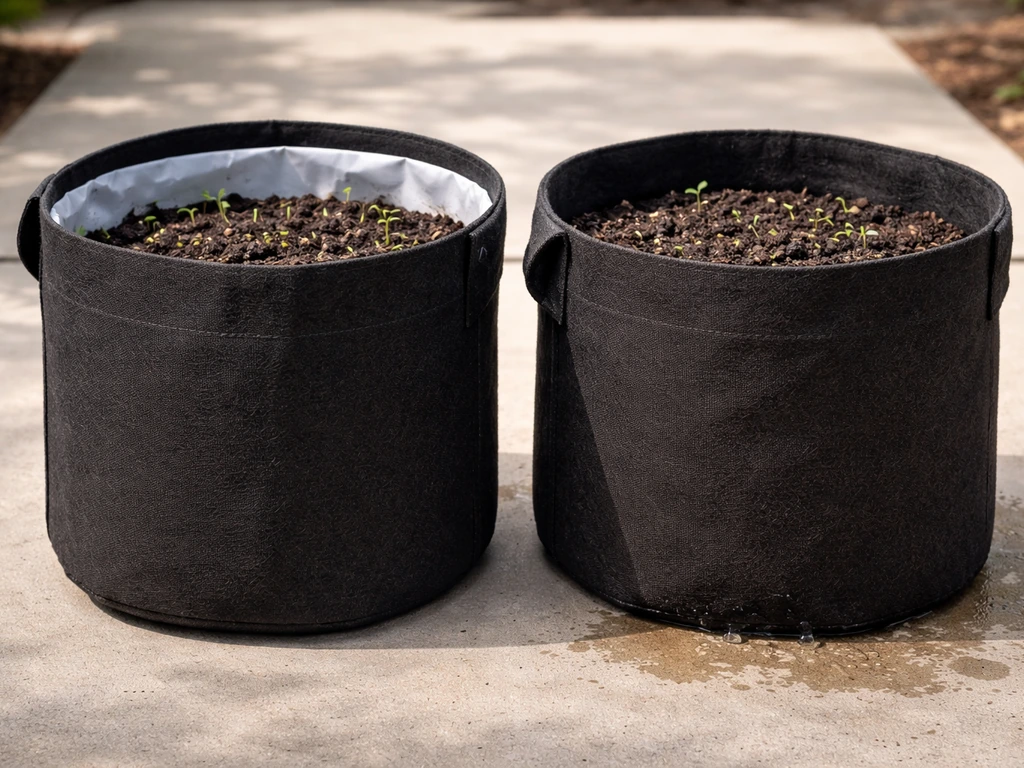
Lined vs Unlined Grow Bags: Which to Buy and Why
Compare lined vs unlined grow bags: water retention, drainage, root aeration, best uses, and how to water correctly.
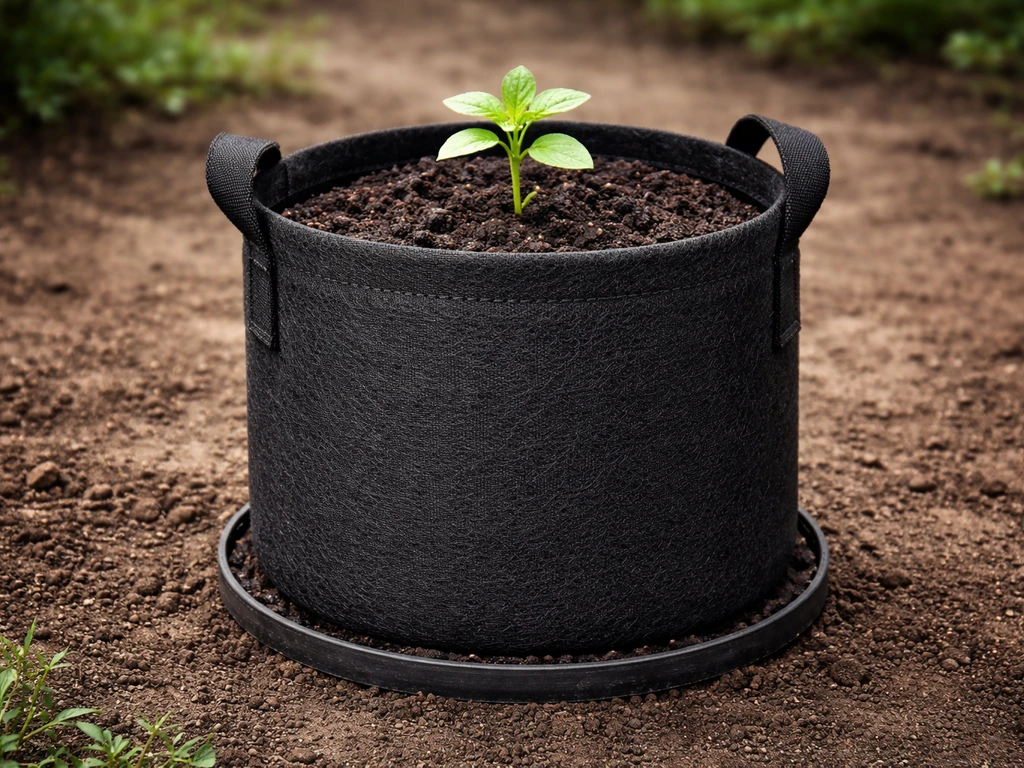
Best Fabric Grow Bags: Choose Material, DIY, and Fit
Compare the best fabric for grow bags, DIY fabric tips, drainage and durability tradeoffs, plus sizing for each crop.
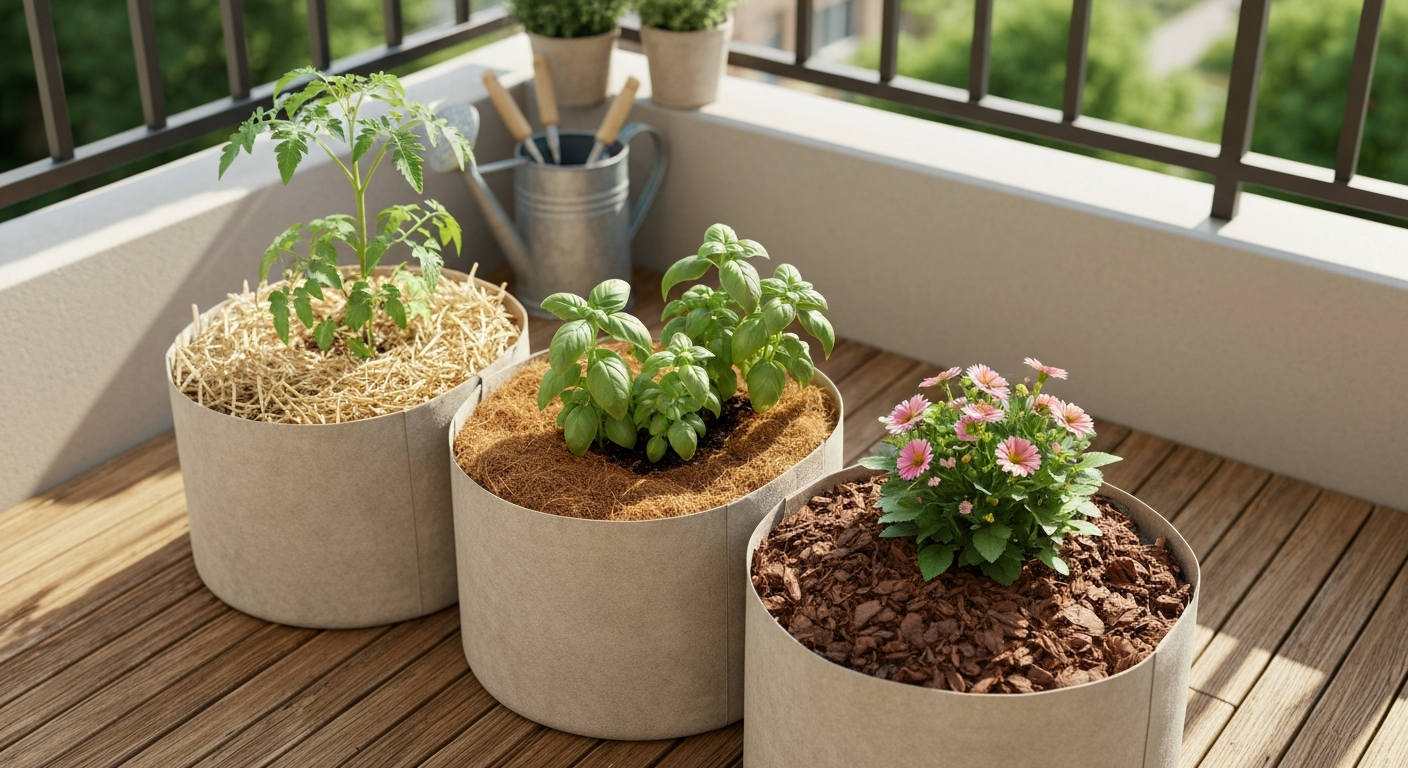
Best Mulch for Grow Bags: Top Picks for Vegetables & Flowers
Find the best mulch for fabric grow bags: top picks, how-to apply, crop & climate advice, and troubleshooting.