If you're choosing between lined and unlined fabric grow bags, here's the short version: unlined bags drain faster, breathe more, and need more frequent watering. Lined bags hold moisture longer, reduce how often you water, and work better in hot or dry conditions, for water-hungry crops, or when you're growing in a smaller space. Epic Gardening also notes that lined bags retain moisture in drier conditions, while unlined bags provide excellent drainage and aeration. Neither is universally better. The right pick depends on your climate, your plants, and honestly, how often you want to water.
Lined vs Unlined Grow Bags: Which to Buy and Why
Marcus Holloway
2 May 2026
What 'lined' and 'unlined' actually means
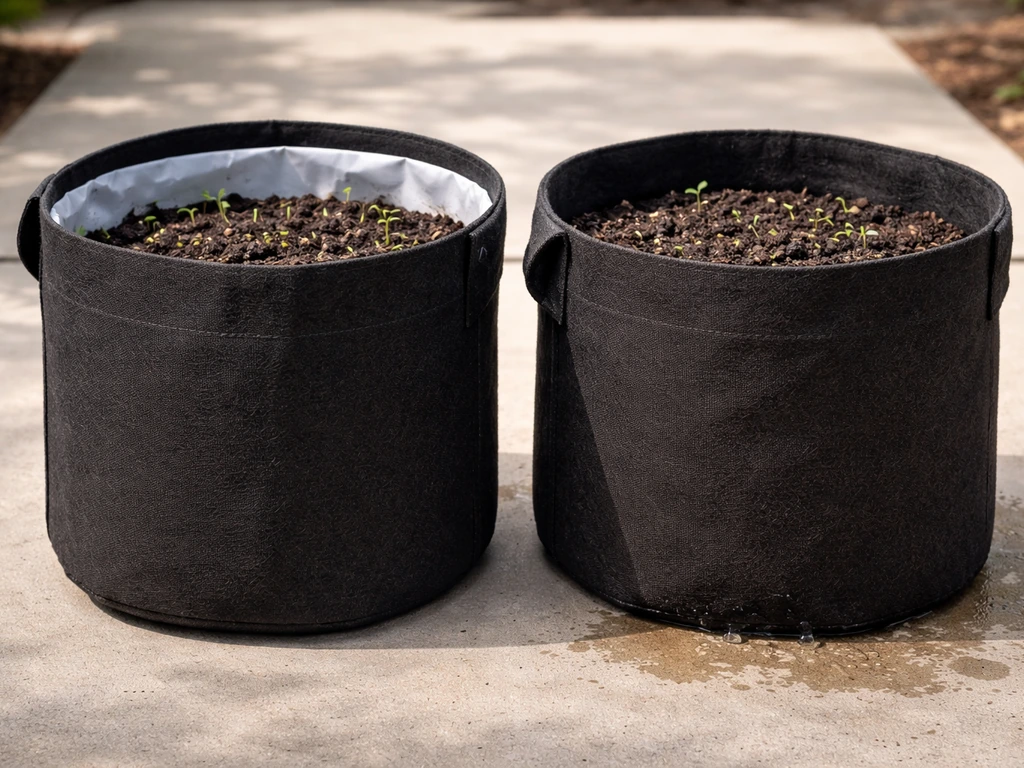
A standard unlined fabric grow bag is exactly what it sounds like: just fabric all the way through. The sides and bottom are made of porous, breathable material, usually a non-woven felt or geotextile, that lets air and water pass through freely in all directions. This is the classic design most people picture when they think of grow bags.
A lined grow bag adds an interior layer to the sides of the bag. In Epic Gardening's lined bags, for example, that liner is a lighter-weight, water-resistant version of the same non-woven fabric used on the outside. It runs along the sides of the bag but stops short of the base. The bottom four inches of every lined bag stays unlined, which preserves drainage at the base and still allows air pruning to happen near the roots at the bottom. The liner's job is simple: it stops water from escaping through the sides during and after watering, keeping moisture in the soil mass rather than letting it wick out through the walls.
So lined bags are not fully waterproof containers. They're a hybrid: moisture-retaining sides with a breathable, draining base. Think of it as a grow bag that behaves a bit more like a traditional pot on the sides, but still functions like a fabric bag at the bottom.
How the liner changes drainage, aeration, and watering frequency
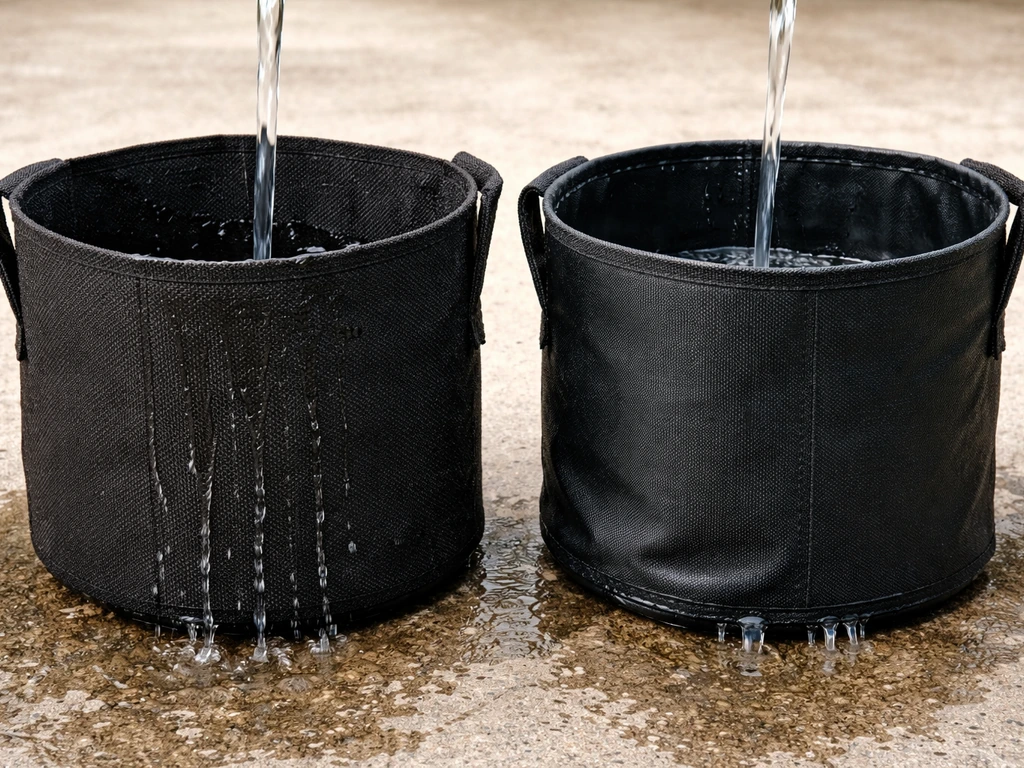
In an unlined bag, water and air move through the entire surface area of the fabric, including all sides and the bottom. This is great for aeration and drainage, but it means the soil can dry out rapidly, especially in warm weather or in a breezy spot. The sides of the bag are actively losing moisture to evaporation while the plant is also drinking. On a hot summer day, an unlined bag in full sun might need watering once or even twice a day depending on its size.
A lined bag slows that side-wall moisture loss considerably. Water still drains freely from the unlined base, so you're not trapping excess water or risking waterlogged roots, but between waterings the soil stays moist longer because it's not evaporating through the walls. The liner also solves a common frustration with unlined bags: water running straight out the sides during a watering session before it has a chance to soak in and reach the roots. The liner forces water downward through the soil profile instead.
Air pruning still happens in a lined bag, just primarily from the bottom unlined section rather than the full surface area. Roots hit the air gap at the base, stop circling, and branch back inward. Wellco Industries explains that air-pruning works when root tips contact the permeable fabric wall, where they encounter air exposure and reduced moisture that leads to dehydration and branching behind the tip Air-pruning happens in a lined bag from the bottom unlined section. You get a healthier root structure than in a plastic pot, but slightly less aggressive air pruning than in a fully unlined bag. For most vegetable and herb growers, this tradeoff is worth it for the water retention.
| Feature | Unlined Grow Bag | Lined Grow Bag |
|---|---|---|
| Moisture retention | Low to moderate | Moderate to high |
| Side-wall evaporation | High | Low |
| Drainage at base | Excellent | Excellent |
| Air pruning surface area | Full surface | Bottom 4 inches only |
| Watering frequency | Higher (daily or near-daily in heat) | Lower (every 1–3 days depending on conditions) |
| Risk of waterlogged roots | Very low | Low (base still drains freely) |
| Best in hot/dry climates | Challenging without drip irrigation | Well-suited |
| Best in cool/wet climates | Well-suited | Monitor carefully |
Which type fits your plants
Plant type is one of the biggest deciding factors. Here's how I think about it:
Vegetables and fruiting crops
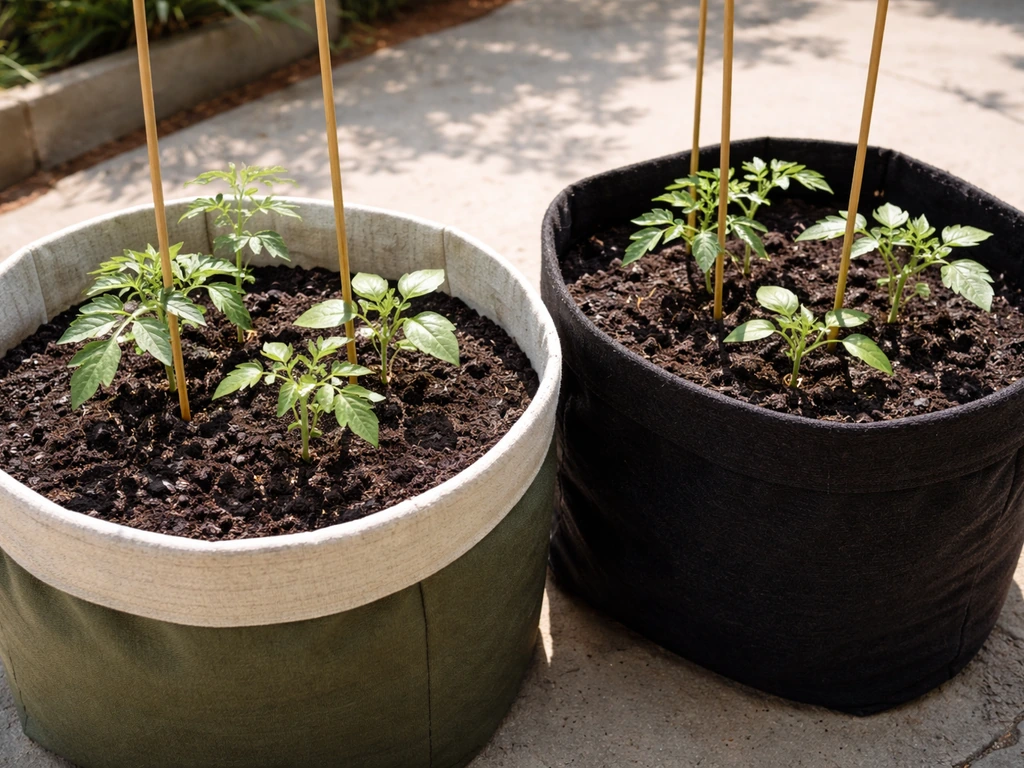
Tomatoes, peppers, cucumbers, and squash are thirsty crops that respond poorly to drying out between waterings. For these, lined bags are generally the better call, especially if you're growing outdoors in summer without drip irrigation. If you do have a reliable drip system on a timer, an unlined bag works fine because you're compensating for the faster drying with consistent irrigation. Without drip, you'll be chasing water constantly with an unlined bag in a hot month.
Root vegetables and potatoes
Potatoes and root crops do well in either type, but unlined bags are slightly preferable here because the extra airflow through the sides keeps root zones well-oxygenated and reduces the risk of any moisture stagnation. You're also typically hilling soil in potato bags and checking by feel regularly, so managing the faster drying isn't as much of a burden.
Herbs and flowers
Mediterranean herbs like basil, rosemary, thyme, and lavender prefer to dry out between waterings. Unlined bags are ideal for these because the faster drying and stronger airflow match what these plants want. Moisture-loving flowers and leafy greens like lettuce lean toward lined bags for the same reason tomatoes do.
Trees and shrubs
For trees in fabric containers, the air pruning function is particularly valuable since it's the main reason growers use fabric over plastic for nursery stock. Plastic vs fabric grow bags is a common choice too, and many growers pick fabric containers specifically for the air-pruning effect. Unlined bags give you maximum air pruning across the full root zone. That said, large fabric containers for established trees can dry out surprisingly fast, so if you're growing a citrus or fig in a container on a hot patio, a lined option or regular deep watering is important to prevent stress.
Seedlings and seed starting
Seedlings have shallow, sensitive root systems that suffer badly if the medium dries out even briefly. Lined bags are the safer choice for starting seeds or transplanting young seedlings, since the moisture buffer gives you more margin for error. Unlined bags can dry from the outside in quickly enough to kill seedlings before you realize there's a problem.
Real-world setups: indoors, outdoors, and patios
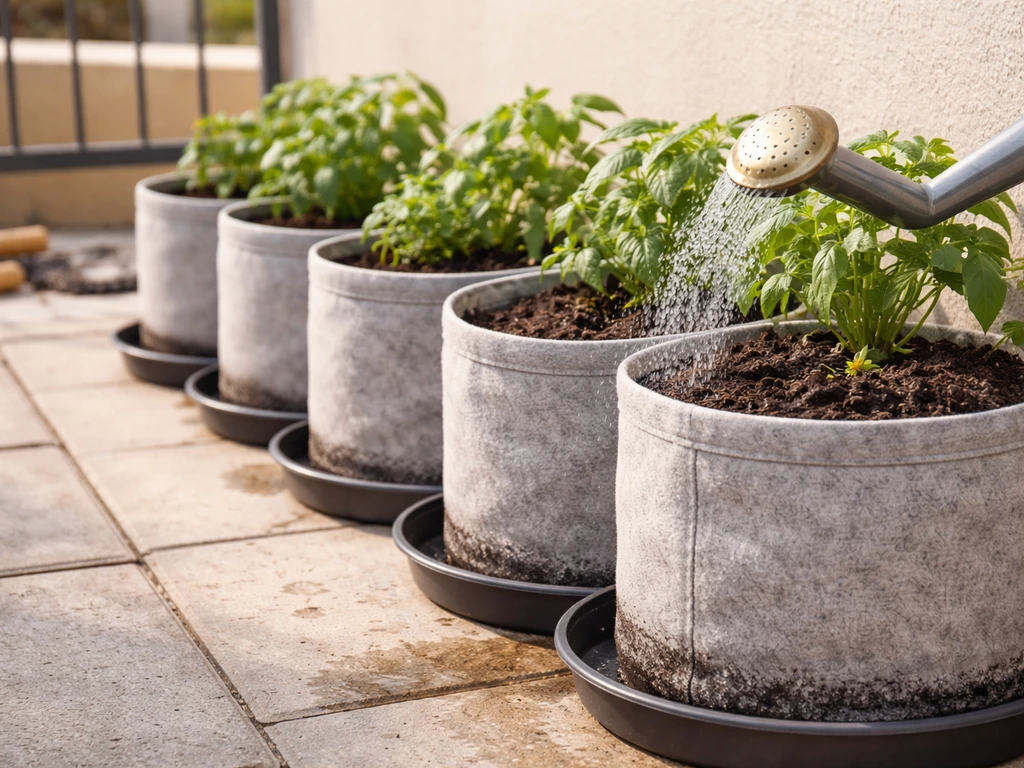
Outdoor gardens and raised beds
Outdoors in a temperate or cool climate with regular rainfall, unlined bags are often perfectly fine. You get maximum drainage, airflow, and root health without constantly fighting soil that's too wet. In a hot, dry summer climate like the American Southwest, or on a rooftop or south-facing patio where bags bake in reflected heat all day, lined bags are significantly easier to manage. Reflected heat from concrete or pavers drives evaporation hard, and unlined bags in those conditions can need watering twice a day at peak summer.
Patios and small spaces
Lined bags were specifically designed with small, constrained spaces in mind, including patios, balconies, and decks. One underrated reason: lined bags reduce the water that seeps through the sides of the bag and onto your deck or patio surface. With unlined bags outdoors on concrete, you'll often see water staining and mineral buildup (calcium scale from irrigation water is a real and persistent problem on hard surfaces). Lined bags keep more of that moisture inside the bag.
Indoor growing
Indoors, unlined fabric bags need a drainage tray underneath them, since water actively seeps through the sides. Even with a tray, moisture can accumulate under the bag and create mold or rot issues on floors or shelving. Lined bags are more practical for indoor use because less water exits through the walls. You still need a tray for base drainage, but you're dealing with much less moisture escaping sideways. If you're growing indoors and leaning toward fabric containers, lined is almost always the smarter pick.
Watering and feeding: what changes with each type
With unlined bags, you'll water more often, and the approach matters. Because water moves through the full fabric surface quickly, you want to water deeply and thoroughly each time rather than giving light, frequent drinks. A light watering can wet only the top layer while the lower root zone stays dry, and then the top dries out fast again. Deep, even saturation followed by a dry-down period works best. Always check moisture at root depth, not just at the surface. Stick a finger or a trowel several inches down before watering, because the top of an unlined bag can feel bone dry while the bottom half is still moist.
With lined bags, watering intervals are longer, but you still need to be deliberate. The liner prevents water from running out the sides during a watering session, which means water is more evenly distributed through the soil profile. That's a benefit, but it also means you need to give lined bags enough water volume to actually reach the bottom and exit through the base. Under-watering a lined bag is easy to do because the soil surface might look and feel fine while lower layers are dry.
Feeding is also affected by bag type. Unlined bags leach nutrients faster because every watering pushes water through the full surface. You'll need to fertilize more frequently, especially with liquid feeds. A water-soluble fertilizer every 1 to 2 weeks during the growing season is a reasonable baseline for unlined bags. Lined bags retain water and the nutrients dissolved in it longer, so nutrient leaching is slower. That sounds like a benefit, and it is, but it also means salts and minerals can build up in the soil over time. Flush lined bags with plain water occasionally to clear salt accumulation, especially if you're using high-mineral irrigation water.
Common problems and how to fix them
Unlined bags drying out too fast
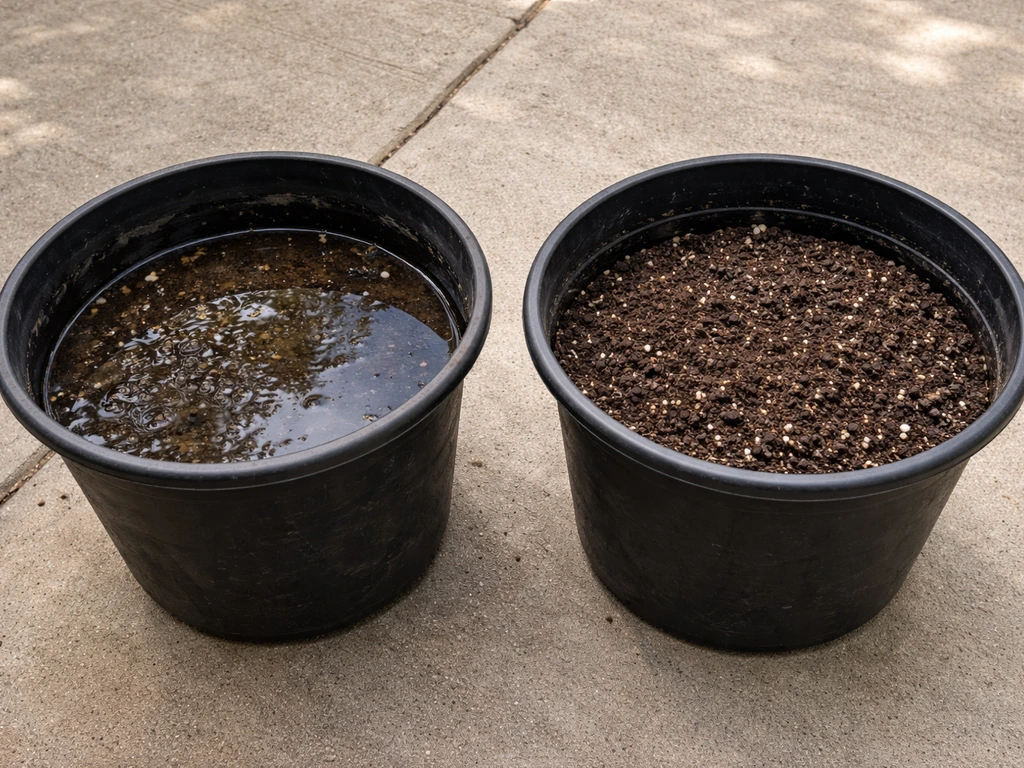
This is the most common complaint. If your unlined bag is drying out daily or faster, first check whether it's sitting in direct sun on a heat-absorbing surface. Moving it to partial afternoon shade or placing it on a wooden surface instead of concrete can make a noticeable difference. A drip irrigation system on a timer is the most reliable long-term fix. You can also try a layer of mulch on top of the soil surface to slow surface evaporation, though this won't stop side-wall moisture loss. If you're doing everything right and still fighting constant drying, switching to a lined bag for that location is the honest answer.
Lined bags draining poorly or staying too wet
A lined bag that seems waterlogged usually has one of a few causes. The most common is compacted or dense soil mix. Lined bags still drain from the base, but if your potting mix is heavy and compacted, water can pool in the lower portion of the bag. Use a well-aerated potting mix with perlite added (around 20 to 30 percent perlite by volume) to maintain good structure. Also check that the bag is sitting on a surface that allows free drainage from the base, not flat on a sealed surface that traps water underneath.
Soil pulling away from the sides
This happens in both bag types when soil dries out excessively. The potting medium shrinks slightly and separates from the bag wall, and when you water, it runs straight down the gap and out the base without actually wetting the root zone. In unlined bags, this is more common and more severe. If you notice water draining immediately and the bag still feels light after watering, this is likely the cause. Fix it by setting the bag in a tub of water for 20 to 30 minutes to allow the medium to slowly rehydrate and re-expand, then resume normal watering.
Mold and algae on the outside of the bag
Green algae on the outside of unlined bags is common when the bag stays consistently moist and gets some light on the outer surface. It's mostly cosmetic and doesn't harm plants, but it can signal that the bag is staying too wet overall. Improve airflow around the bag and let it dry more between waterings. Mineral deposits (white or chalky residue) on the outside of unlined bags come from calcium in irrigation water, which is very common in hard-water areas.
This is more of a cosmetic issue than a functional one, but if it's heavy, it can partially clog the fabric over time. Rinsing bags between seasons and scrubbing gently helps. Lined bags show less of this because less water is passing through the side walls.
Root stress signals
Wilting in the afternoon that recovers overnight usually means the bag is drying too fast between waterings, which is more common in unlined bags in hot conditions. Yellowing lower leaves with soggy soil mean the opposite: roots are sitting in too much moisture and not getting enough oxygen. In lined bags, this can happen if drainage is impeded or if the watering schedule is too aggressive. Cut back watering frequency, check your soil mix, and make sure the bag's base is free-draining.
How to pick the right size and material, and buy with confidence
Size matters as much as liner choice. To get the best results, choose among the best fabric grow bags that match your climate and the crops you’re growing. Small bags (under 5 gallons) dry out quickly regardless of liner, so if you're growing anything larger than herbs, size up. Tomatoes and peppers need at least 5 gallons, preferably 7 to 10. Potatoes do well in 10-gallon bags. Trees and shrubs need 15 gallons or more. A lined bag in a too-small size will still dry out fast, just not as fast as an unlined one.
For material, most quality grow bags on the market use a non-woven geotextile fabric, typically polypropylene felt. Look for bags that specify BPA-free materials, since cheap bags from unknown suppliers sometimes use recycled plastics that haven't been tested for food safety. If you're growing edibles, this matters. The fabric weight (measured in grams per square meter, or GSM) affects durability: heavier is generally more durable and longer-lasting. For comparison purposes with other container types, the differences between woven and non-woven grow bag fabrics also affect breathability and longevity in ways worth understanding before you buy.
When it comes to actually buying, here's how I'd simplify the decision. Choose a lined bag if you're in a hot or dry climate, growing moisture-hungry crops (tomatoes, peppers, leafy greens), working in a small space or indoors, or you know you won't water every day. Choose an unlined bag if you're in a cooler or wetter climate, growing drought-tolerant plants or root crops, using a drip irrigation system, or prioritizing maximum aeration and air pruning for trees and shrubs.
Both types are reusable. Fabric grow bags can last multiple seasons with proper care, including emptying them at the end of the season, brushing off dried soil, and letting them dry completely before storage to prevent mold. Lined bags may hold up slightly longer because less mineral-laden water is passing through the side walls, reducing fabric degradation over time.
From day one, whatever type you choose, fill with a quality potting mix, not garden soil, and water thoroughly until you see free drainage from the base before planting. This saturates the medium evenly and gives you a reliable starting baseline. Then check soil moisture at root depth, not just the surface, before every subsequent watering. That single habit will save you from both the most common problems: overwatering lined bags and underwatering unlined ones. If you're shopping for the best fabric grow pots, focus on liner design, drainage at the base, and durable non-woven fabric.
FAQ
Can a lined grow bag be used as a fully self-watering container?
No. The liner reduces side-wall evaporation, but water still exits through the unlined base. If you want a true self-watering setup, you need an external reservoir and a wicking or capillary system, then confirm the bag’s base drainage does not undermine the wicking design.
How do I tell if my lined bag is under-watered versus my unlined bag is over-watered?
For lined bags, a common sign is a bag that feels light and looks evenly moist on top but the soil several inches down stays dry, and growth stalls. For unlined bags, wilting with persistently damp soil or sour smell suggests overwatering, check the drainage and whether the mix stays wet at root depth for more than a day.
Should I rotate fabric grow bags or keep them facing the same direction?
Rotate them every few days, especially outdoors. Sun and wind often dry one side faster, and with unlined bags that side-wall moisture loss can be significant. Rotation helps keep root zones and watering needs more even, reducing side-specific stress.
Is it safe to use mulch in lined or unlined grow bags?
Yes, mulch helps both, but it mainly slows top-surface evaporation. It will not stop the side-wall drying difference between lined and unlined bags, so with unlined containers you still need to water deeply, then allow a dry-down period based on root-depth checks.
Do lined bags reduce nutrient leaching enough that I can fertilize less often?
They slow leaching, but you still lose some nutrients each time water drains from the base. A practical approach is to start with a slightly reduced frequency for lined bags, then monitor plant color and leaf growth, and flush occasionally to prevent salt buildup.
How often should I flush a lined grow bag to prevent salt buildup?
If you use any fertilizers regularly, flush about once every 4 to 6 weeks during active growth, or sooner if you notice crusty mineral residue, slow growth, or tip burn. Flush by running plain water through until it drains freely from the base, then let it drain completely.
What is the biggest potting mix mistake that causes waterlogging in lined bags?
Using a dense, garden-soil-like mix or leaving out aeration. Even with a breathable base, compacted media can hold pooled water near the bottom. Use a structured potting mix with added perlite, and ensure the bag sits on a surface that allows base drainage.
Can I reuse grow bags multiple seasons and should I rinse them?
Yes, reuse is usually fine if you clean them properly. Brush off dried soil, let them dry fully before storage to prevent mold, and in hard-water areas rinse and scrub lightly for mineral deposits, especially on unlined bags that pass more water through the fabric.
Will liner choice affect how quickly my seedling dries out?
Yes. Lined bags provide a moisture buffer through the side walls, so they’re less likely to kill seedlings during short dry windows. Even so, keep watering consistent and check moisture at root depth, because the top layer can look okay while the root zone dries.
Do lined and unlined bags change how I should water, like drip versus hand watering?
They do. With unlined bags, frequent light watering is usually inefficient because water can run through too quickly across the fabric surface. With lined bags, drip can work well but you still must ensure enough total volume that water reaches the bottom and drains, otherwise lower layers stay dry.
How should I choose size if I’m unsure whether I need lined or unlined?
If your priority is forgiving watering, size up first. Small bags dry fast no matter which liner you choose, so under 5 gallons often leads to daily watering. For many vegetables, a lined or unlined 5 to 10 gallon size range reduces stress, then you pick liner based on climate and irrigation consistency.
What should I do if my unlined bag develops heavy algae or smells musty?
Algae usually signals persistent moisture plus light exposure. Increase airflow, reduce watering frequency slightly, and check drainage at the base. If there is a musty odor or the soil stays wet too long, switch to a better-draining mix and consider moving the bag to lighter shade or using a lined bag for that spot.
Next Articles
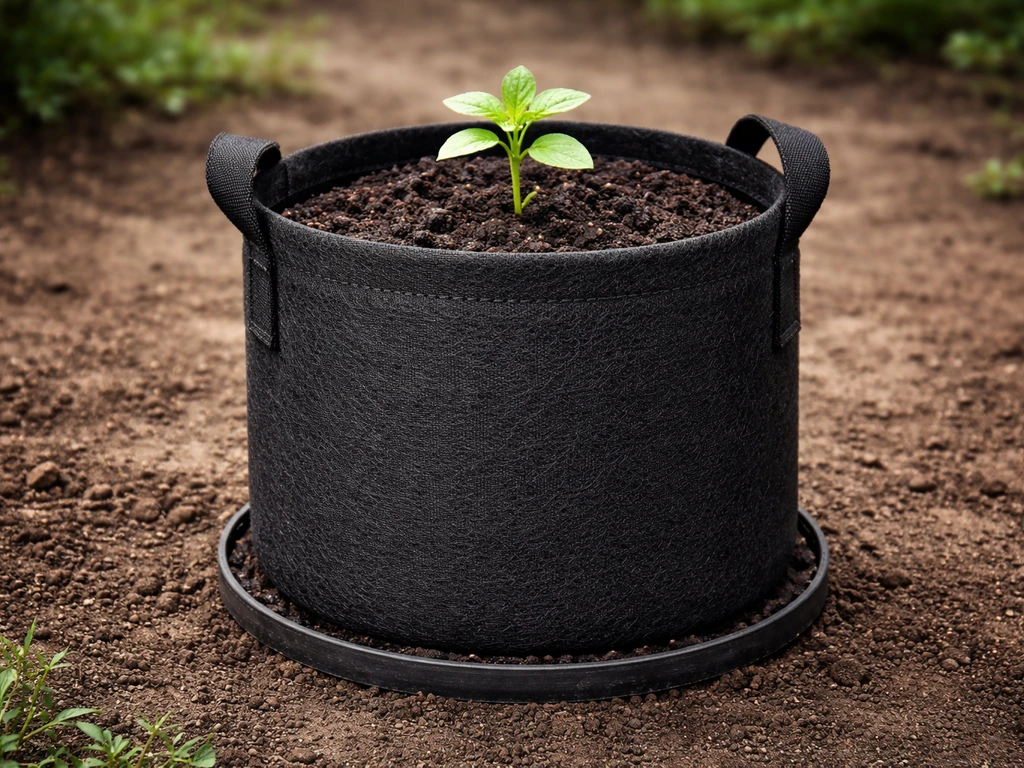
Best Fabric Grow Bags: Choose Material, DIY, and Fit
Compare the best fabric for grow bags, DIY fabric tips, drainage and durability tradeoffs, plus sizing for each crop.
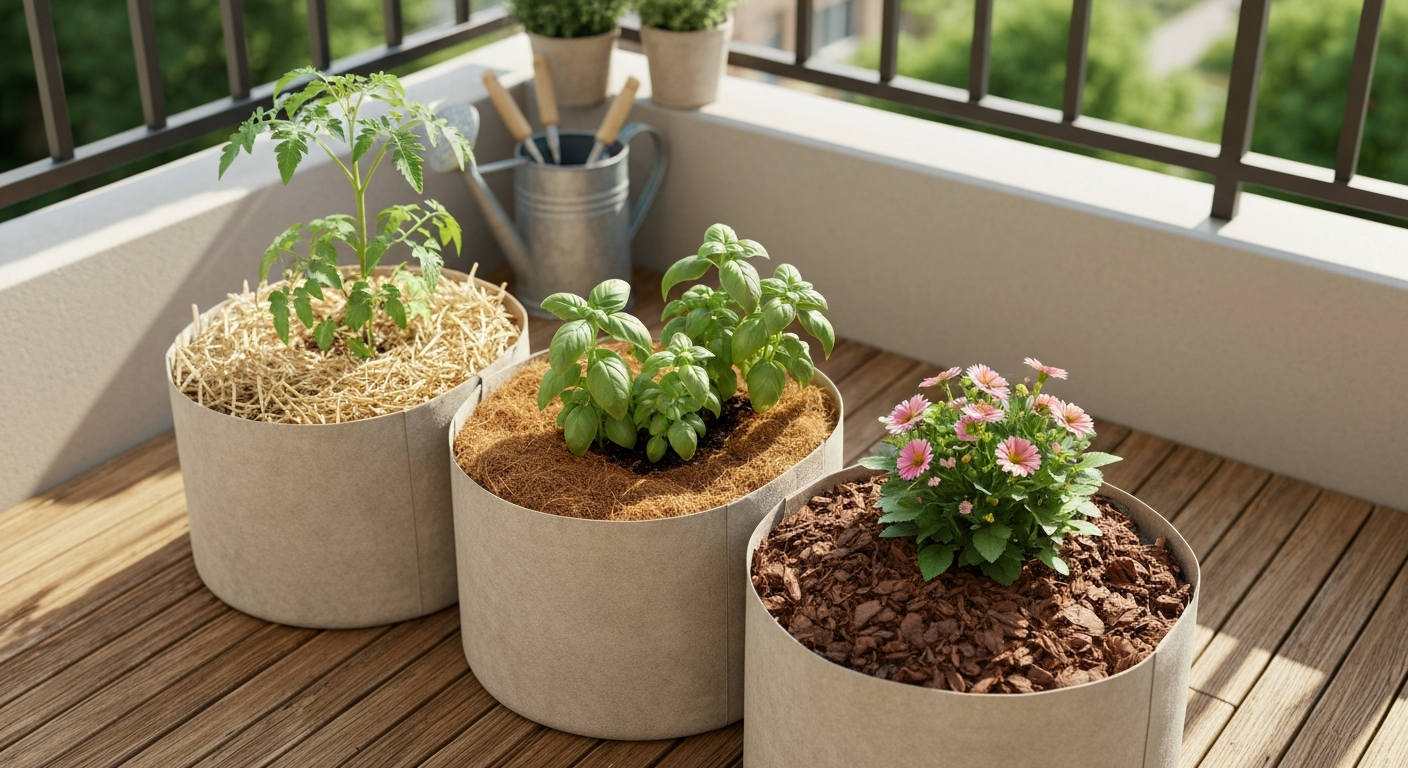
Best Mulch for Grow Bags: Top Picks for Vegetables & Flowers
Find the best mulch for fabric grow bags: top picks, how-to apply, crop & climate advice, and troubleshooting.
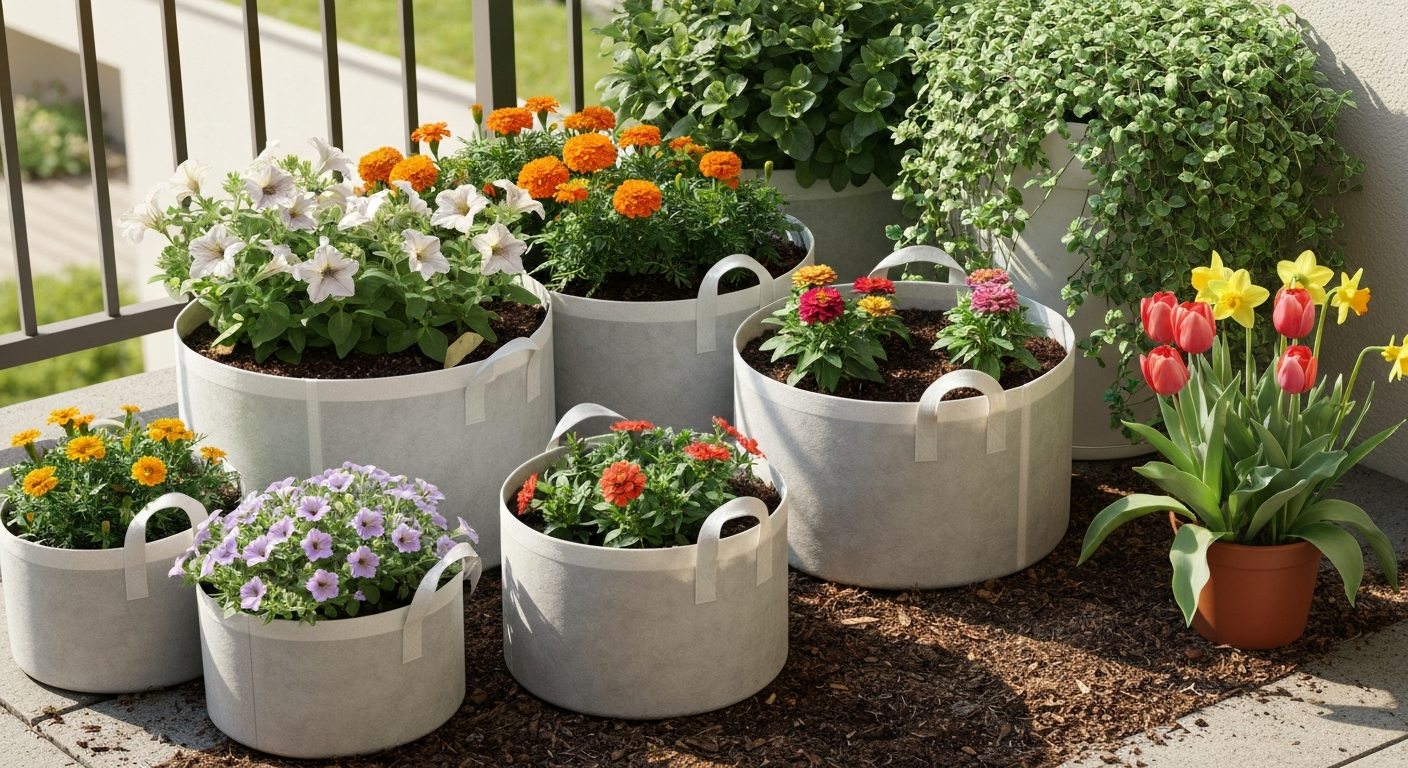
Best Flowers for Grow Bags: Top Picks, Soil & Care Guide DIY
Best flowers for grow bags: top annuals, perennials, bulbs & trailers; soil, fertilizer, planting and care checklists.