The best fabric grow bags are made from non-woven polypropylene or recycled PET felt, in the 200–450 GSM range, with fully breathable sidewalls and either a permeable or partially lined bottom depending on your climate. That's the short answer. But which specific fabric and construction is right for you depends on what you're growing, how long you need the bags to last, whether you want to buy or build your own, and whether your biggest challenge is drainage, moisture retention, or root health. This guide walks through all of it.
Best Fabric Grow Bags: Choose Material, DIY, and Fit
Marcus Holloway
22 Apr 2026
What fabric grow bags actually are
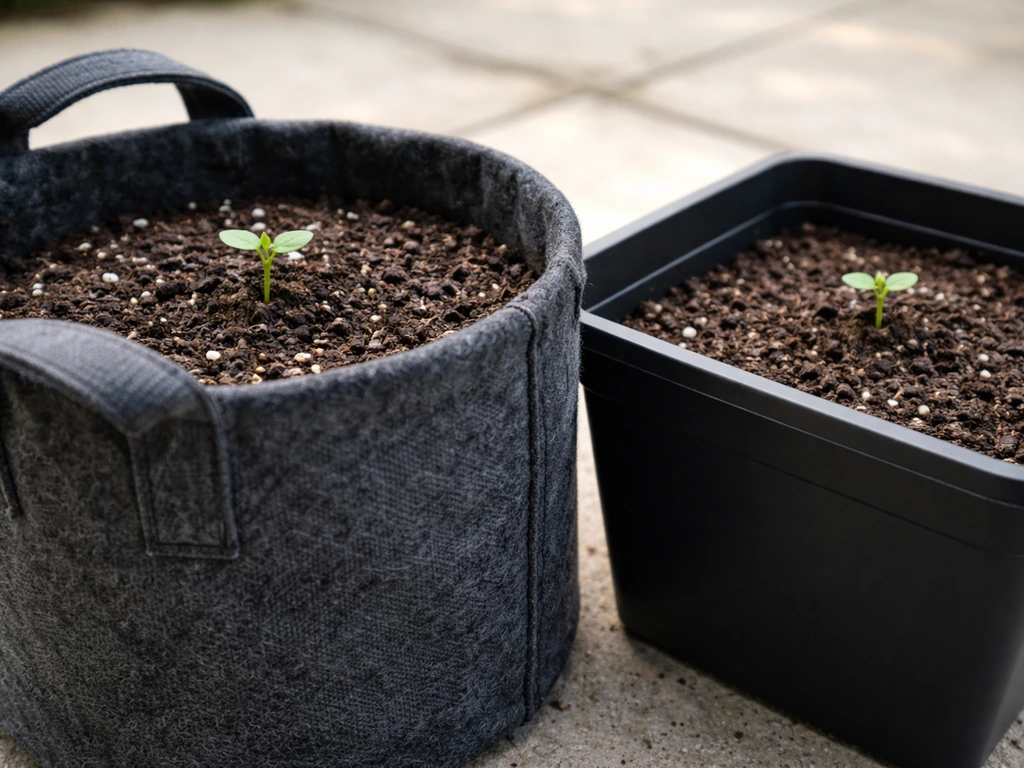
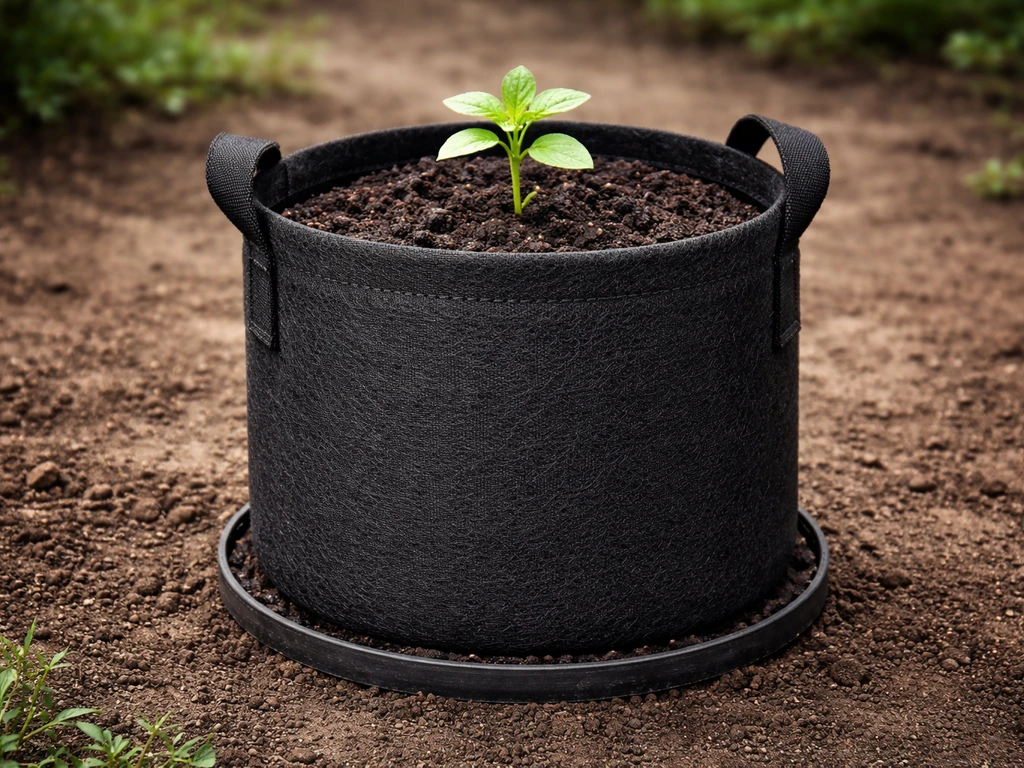
A fabric grow bag is a soft-sided container whose walls are made from breathable fabric instead of rigid plastic or ceramic. That single difference changes how roots behave. In a plastic pot, roots grow outward until they hit the wall, then keep going, curling around the container in a tight spiral. In a fabric bag, when roots reach the wall they encounter air and dry out slightly at the tip, which stops that root and signals the plant to branch from further back. This is called air pruning, and it's the core reason fabric containers produce healthier root systems than most rigid alternatives.
The breathable walls also mean continuous drainage and side airflow through the entire root zone, not just through holes in a solid bottom. Smart Pot, one of the original commercial fabric pot brands, frames this as the solution to the classic container problem: crispy tops and soggy bottoms. Because air moves through the sides, moisture stays more balanced throughout the soil column. The UC Santa Cruz Agroecology program includes fabric containers in their official seedling container comparison specifically for their drainage and air-pruning characteristics, which gives you a sense of how well-established this technology actually is.
One thing worth knowing upfront: not all fabric grow bags behave the same. Some have solid bottoms that require you to cut drainage holes yourself. Some are lined on the sides to retain moisture. The fabric weight, weave type, and construction all affect how the bag performs. Choosing well starts with understanding the material options.
What grow bags are made of
Most fabric grow bags on the market today use one of three material types: non-woven polypropylene felt, recycled PET felt, or natural-fiber blends (often a cotton/polyester or jute/PET mix). Each has different performance characteristics and a different lifespan.
| Material | Common GSM Range | Drainage/Aeration | Durability/Lifespan | Notes |
|---|---|---|---|---|
| Non-woven polypropylene (PP) felt | 150–300 GSM | Excellent | 3–5+ seasons | Most common budget option; 300 GSM is a reliable mid-range standard |
| Recycled PET felt | 300–450 GSM | Excellent (unlined); moderate (lined) | 5+ seasons | Used by brands like Epic Gardening; BPA-free; heavier and more durable |
| Geotextile (needle-punched nonwoven) | 120–600 GSM | Excellent | Varies widely by weight | Used in horticultural and commercial applications; PP or polyester base |
| Natural fiber / PET blend (e.g., Root Pouch) | 150–250 GSM | Good | 18 months to 4 years depending on line | Charcoal Line (150 GSM) ~18–24 months; Grey Line (250 GSM) ~4 years in-ground |
| Woven burlap / jute | Varies | Good initially | 1–2 seasons outdoors | Biodegrades; works for short-term or in-ground transplant bags |
GSM (grams per square meter) is the clearest quality signal when you're shopping. A 150 GSM bag will feel thin and flimsy compared to a 300 GSM bag, and it will wear out faster. The Sunnydaze 3-gallon bags sold through major retailers are labeled 300 GSM non-woven polypropylene and are described as durable for multiple seasons, which is a reasonable expectation at that weight. Epic Gardening's lined bags come in at 450 GSM recycled PET felt, which is on the heavier end and noticeably more rigid when full. If you're trying to decide between lined vs unlined grow bags, the key trade-off is moisture retention versus maximum airflow for root health lined bags. Root Pouch publishes exact fabric weights by product line, which makes it easy to compare. When a brand just says 'heavy duty' without a GSM number, that's a flag worth noting.
Best grow bag material for drainage, airflow, and durability
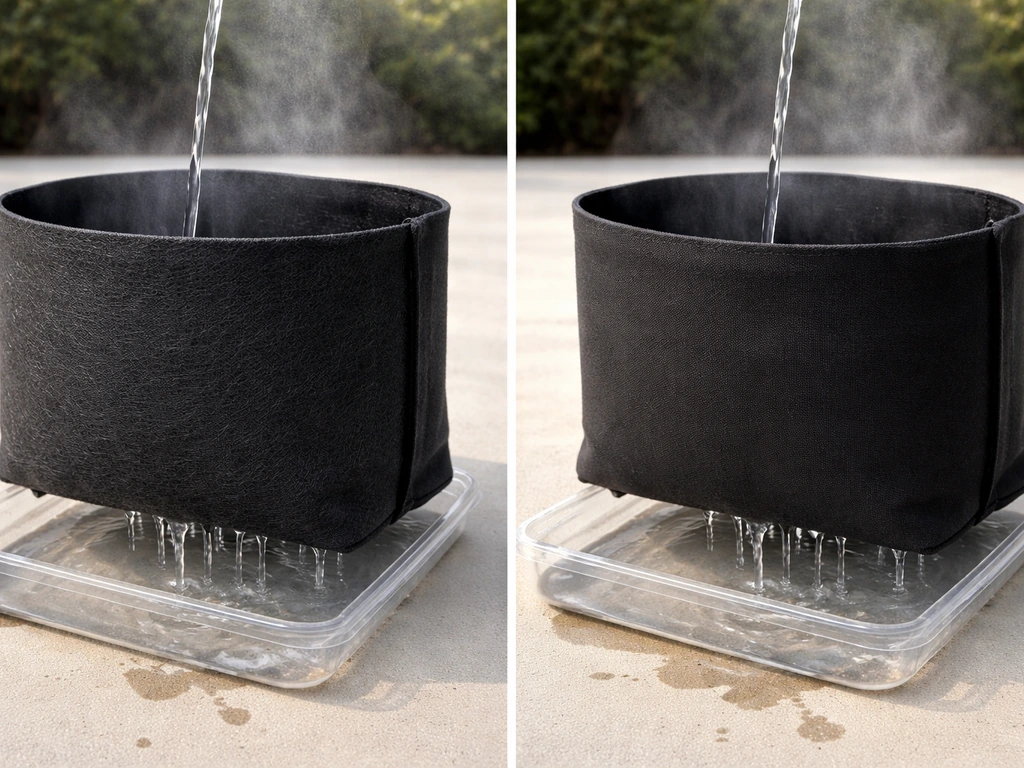
If maximum drainage and aeration are your priority (which they should be for most vegetables, especially tomatoes, peppers, and anything prone to root rot), go with a non-woven polypropylene or recycled PET felt bag with no liner, at 200 GSM or above. The unlined design lets air and water move freely through every wall, including the sides. If the bag you're looking at has a solid bottom, you'll need to cut drainage holes before filling it, or you'll end up with waterlogged soil, which defeats the whole point.
For growers in hot, dry climates where moisture retention is the real challenge, a lined bag makes sense. Epic Gardening's lined version uses a fabric liner on the sides while leaving the bottom 4 inches unlined, so you keep the air-pruning benefit at the base while slowing moisture loss through the walls. That's a smart engineering compromise. Just know you're trading some aeration for moisture management, so this setup is better suited to dry summers in the Southwest than to humid regions where drainage problems are more common.
For durability and reusability across multiple seasons, recycled PET felt at 300 GSM or higher is the best choice. It holds its shape when wet, resists UV degradation better than lighter materials, and can be rinsed and stored without falling apart. If you want the best fabric grow pots for your setup, focus on GSM, liner type, and whether you need maximum airflow or extra moisture retention. Yes, you can reuse some fabric grow pots, especially heavier synthetic felt types, but they need cleaning, drying, and careful inspection for wear before replanting reuse fabric grow pots. The natural fiber blends (like Root Pouch's Grey Line at 250 GSM) are excellent for in-ground or pot-in-pot applications up to about 4 years, but they're not designed to be cleaned and reused the way synthetic felt bags are. The lighter Charcoal Line (150 GSM) degrades in 18 to 24 months, which is useful if you're planting trees you intend to leave in the ground, but not if you want to wash the bag out and replant next spring.
One more construction detail that affects performance: bottom air pruning. Elevating a fabric bag slightly off the ground (or using a bag with a built-in air-bottom panel) allows air to prune roots from below as well as the sides. AirBottomBags claims this adds roughly 33% more air-pruning surface area. For large fruiting crops or long-season plants with aggressive root systems, this can make a real difference in how the root structure develops.
How to make your own: best fabric for DIY grow bags
Making your own fabric grow bags is very doable, and the material choice matters more than the sewing skill. The best fabrics for DIY grow bags are non-woven polypropylene felt and non-woven geotextile fabric, both available by the yard or roll from fabric stores, garden suppliers, or online. You want a weight between 150 and 300 GSM for most sizes. Lighter than 150 GSM and the bag will sag and tear under the weight of wet soil. Heavier than 300 GSM gets difficult to sew through by hand or with a basic machine.
Woven fabrics like burlap are tempting because they're cheap and feel sturdy dry. The problem is they unravel. The weave separates at cut edges and at seams under the weight and moisture of a full grow bag. If you go with burlap, you need to leave at least a 1-inch seam allowance, sew a second parallel seam for reinforcement, and ideally seal the cut edges with a fabric sealant or by folding them over before stitching. Skip this step and you'll watch your bag fall apart in a season, usually at the bottom corners where soil pressure is highest.
Non-woven fabric doesn't unravel at cut edges, which is why it's much easier to work with. You can cut it cleanly with scissors or a rotary cutter and sew a single reinforced seam. The Empress of Dirt sewing tutorial uses a standard pin-and-sew method with careful attention to the bottom seam geometry: the corners need to be folded and sewn at an angle to create a flat, stable base rather than a pointy one that collapses. This is the most common DIY failure point, and it's easy to avoid if you follow a proper box-corner method.
Basic DIY tips at a glance
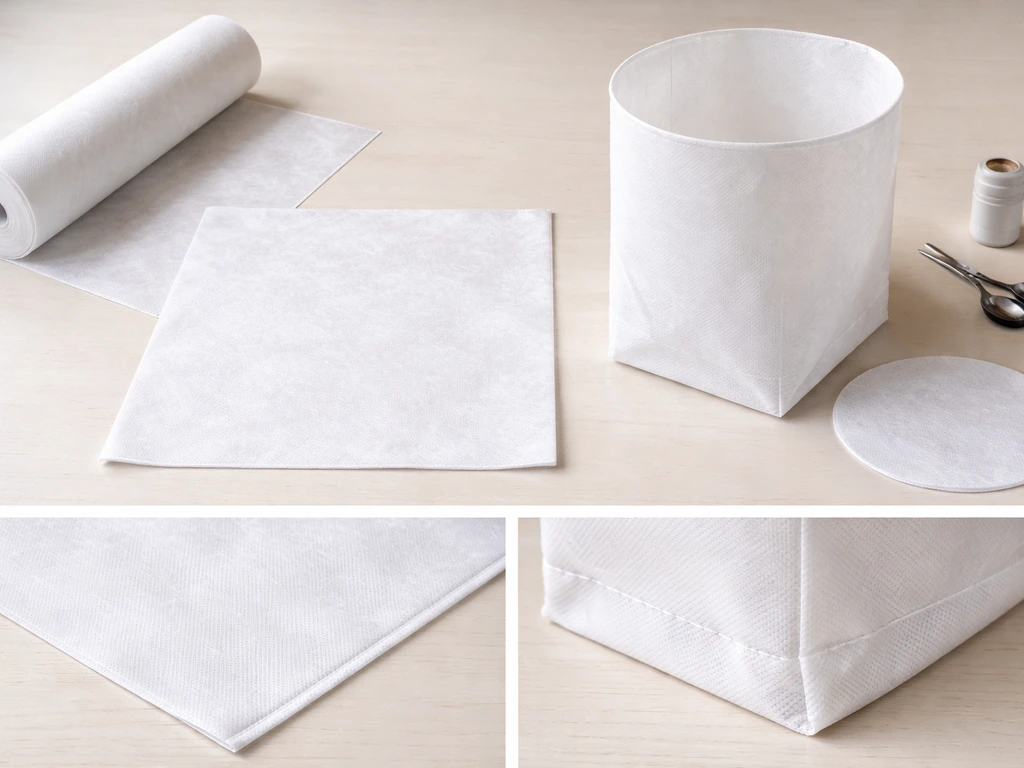
- Use non-woven polypropylene or geotextile fabric at 150–300 GSM
- Cut edges don't need finishing on non-woven fabric, which speeds up the build
- Sew box corners on the bottom: fold each corner flat and stitch across it to create a squared base
- Use at least a half-inch seam allowance, and double-stitch or backstitch every seam
- If using burlap or any woven fabric, fold cut edges over before stitching and add a second seam line
- Add reinforced handles with nylon webbing or folded fabric strips, sewn into the side seams
- For bags larger than 5 gallons, consider reinforcing the bottom seam with a second layer of fabric
The pattern itself is simple: a rectangle sewn into a cylinder with a bottom circle or square panel attached. You can scale any finished size by adjusting the rectangle dimensions. Most DIY tutorials, including the Empress of Dirt version, describe the pattern as universal across sizes, which is accurate. The key variable is fabric weight, not pattern complexity.
Are fabric grow bags actually good? Honest pros and cons
Fabric grow bags are genuinely useful containers for most home growers, but they're not the right tool for every situation. Here's an honest look at both sides.
Where they clearly win
- Air pruning produces a more branched, efficient root system compared to plastic pots where roots circle and bind
- Drainage is excellent on unlined bags, significantly reducing root rot and overwatering risk
- They're lightweight and collapsible when empty, making storage and transport much easier than rigid pots
- Smart Pot's own trials show fabric container-grown plants can reach marketable size faster, which is consistent with what many home growers report
- Breathable walls reduce the temperature extremes that plastic pots create: roots don't overheat as easily in summer
- Reusable for multiple seasons if you buy 200 GSM or heavier fabric
Where they fall short
- They dry out faster than plastic pots, which means more frequent watering, especially in summer or in unlined bags
- Roots will grow into and through the fabric if left in the ground too long, which makes repotting messy
- Some bags ship with solid bottoms that require cutting or punching drainage holes before use
- Lighter-weight (under 150 GSM) bags degrade quickly, especially in UV-heavy outdoor conditions
- Not ideal for water-loving plants that prefer consistently moist soil (lined bags help, but it's still drier than a glazed ceramic pot)
- Long-lived perennials and trees need either a very durable synthetic bag or a replacement plan, since most bags aren't designed for 10+ year use
The bottom line: fabric grow bags are a smart choice for vegetables, annuals, and container-grown plants where you're replanting each season and want the best possible root health and drainage. They're a reasonable choice for small trees and shrubs if you choose the right product (high GSM or a specifically rated container like Root Pouch Grey). They're less ideal when your main challenge is keeping moisture in, though a lined bag addresses that somewhat. If you're comparing fabric bags to plastic pots and aren't sure which direction to go, the drainage and root health advantages of fabric are real and meaningful for most crops. If you're still deciding, the plastic vs fabric grow bags comparison boils down to drainage and root health versus moisture retention.
Where to buy fabric grow bags and what to look for
Fabric grow bags are widely available through garden centers, big-box hardware stores, Amazon, and direct from specialty brands. The brand doesn't matter nearly as much as knowing what to check before you buy.
- Check the GSM: Any decent bag should list fabric weight in grams per square meter. For general vegetable growing, 200–300 GSM is a solid target. For long-term or heavy use, 300–450 GSM. Avoid anything that doesn't list GSM at all.
- Confirm the material: Non-woven polypropylene and recycled PET felt are both good. 'Non-woven' is the key word. Woven bags (including some marketed as 'fabric') behave very differently and are mostly useful for short-term or in-ground applications.
- Check the bottom construction: Does the bag have a solid bottom or a fabric bottom? If solid, you'll need to add drainage holes. If fabric, confirm it's the same breathable material as the sides, not a waterproof layer.
- Look for BPA-free labeling: Most quality bags use BPA-free materials, but it's worth confirming if you're growing edibles. Epic Gardening, for example, explicitly labels their bags as BPA-free recycled PET.
- Read the lifespan claim carefully: 'Reusable' on its own is vague. Root Pouch lists expected lifespan by product line (e.g., 150 GSM for 18–24 months, 250 GSM for up to 4 years). That's a more useful spec than a generic 'durable' label.
- Consider handle quality: On larger bags (5 gallons and up), handles fail before the fabric does. Look for reinforced or double-stitched handles, not flimsy loops sewn into a single seam.
For buying in person, garden centers and hardware stores carry basic non-woven PP bags in common sizes, usually 1 to 25 gallons. For better material options and the lined/unlined choice, buying directly from brands like Epic Gardening, Smart Pot, or Root Pouch gives you more reliable specs and product differentiation. Amazon has a massive selection, but quality varies wildly, so use the GSM check as your filter. Fabric for DIY bags can be found at fabric stores (look in the interfacing or upholstery section for non-woven material) or from landscape supply companies that sell geotextile fabric by the roll.
Matching your grow bag fabric and size to your plants
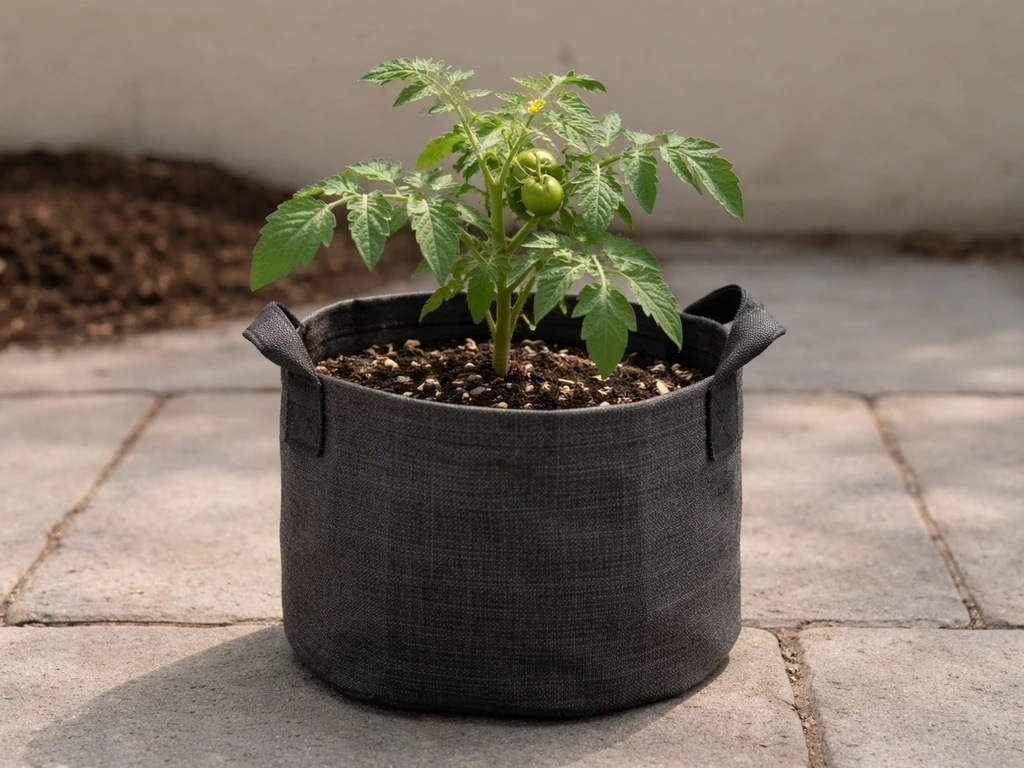
The right bag depends on both what you're growing and what challenge you're solving. Here's how to think through it by crop type.
Vegetables (tomatoes, peppers, potatoes, herbs)
Vegetables are where fabric grow bags shine most. Tomatoes and peppers benefit especially from the air-pruning effect because they develop extensive root systems that will circle and bind in plastic pots. For these, use an unlined 300 GSM non-woven bag in a 5-gallon size for determinate tomatoes and at least 7 to 10 gallons for indeterminate varieties. Elevating the bag slightly off the ground adds bottom aeration and can improve root density. Potatoes do well in 10-gallon fabric bags because you can roll the sides down initially and add soil as the plant grows. Herbs work in smaller bags (1 to 3 gallons) and benefit from the fast drainage since most herbs hate wet feet.
Flowers and annuals
For flowering annuals, a 150–200 GSM unlined bag is usually sufficient since you're replacing them each season anyway. Larger ornamental plants like dahlias or flowering shrubs do better in 3 to 5-gallon bags at 200 GSM or higher to support the longer growing season. If you're in a hot, dry location and finding that flowers wilt between waterings, a lined bag in the same GSM range will help maintain more consistent moisture without giving up too much drainage.
Trees and shrubs
Trees need either a very heavy-duty synthetic bag or a specifically rated in-ground bag. Root Pouch's Grey Line at 250 GSM is designed for in-ground use for up to 4 years, which makes it one of the few fabric options with a realistic lifespan for container-grown or transplant-stage trees. When it's time to transplant a bag-grown tree, the fabric should peel or cut away relatively cleanly. Leaving a small amount of biodegradable natural-fiber fabric on the root ball is generally fine as it breaks down in the soil. If you're using synthetic fabric, you'll need to cut it off completely before planting. For long-term container trees (citrus, dwarf fruit trees), a 300–450 GSM synthetic bag in a 15 to 25-gallon size is a better long-term choice than a degradable option.
Mushrooms
Mushroom cultivation has its own distinct set of requirements. Most mushroom growing uses breathable filter patch bags (polypropylene bags with a small filtered air exchange patch, not an all-fabric wall), which are designed for sterilization compatibility, not drainage. All-fabric grow bags as described in this article aren't typically used for mushroom fruiting or substrate inoculation. If you're growing mushrooms outdoors in a substrate bed or in logs, a fabric bag isn't really in the picture. If you've landed here looking for mushroom cultivation containers specifically, the product category you're looking for is mushroom grow bags or spawn bags, which is a separate product type from fabric aeration containers.
One thing that cuts across all plant types: the woven versus non-woven construction question affects how the bag performs for each crop, and if you're considering the lined versus unlined debate or comparing fabric bags to plastic pots for a specific plant, those comparisons are worth digging into for the crops you care most about. If you want the practical differences in performance, start with woven versus non-woven grow bags and how each material behaves in soil woven vs non-woven construction. The material you choose, the GSM, and the lined or unlined decision together determine whether your bag is the right tool or the wrong one for your specific growing context.
FAQ
How do I know if a fabric grow bag has a solid bottom or a breathable bottom, and does it matter?
Look for product photos or spec language like “air bottom,” “breathable bottom,” or “drainage holes included.” If it only shows a flat base with no mention of drainage, assume the bottom is solid and plan to cut or drill drainage holes before filling, otherwise the side airflow advantage will be reduced and soil can stay wet longer than you expect.
What’s the right bag size if I’m unsure about my plant’s mature root mass?
Use a “max root size” estimate rather than the current plant size, for example peppers and tomatoes typically need more than you think. If you want one safe rule, size up one step from the minimum guidance (for indeterminate tomatoes, aim above a single-season minimum). Larger bags also buffer watering mistakes because the soil volume stays more stable.
Can I use fabric grow bags indoors or on patios without making a mess?
Yes, but plan for runoff. Because fabric drains through the entire wall, liquid will escape from the bottom and possibly through seams, so use a saucer or a wicking tray underneath. For decks or floors, consider raising the bag on pot feet or a grate so excess water collects in one controlled area.
Do fabric grow bags require a special watering schedule compared with plastic pots?
Usually, yes. Fabric loses water faster than plastic because air and moisture move through the walls. Start with slightly more frequent checks (often daily during hot weather), water thoroughly until it drains well, then wait until the top portion is dry before rewatering, rather than watering on a fixed calendar.
Should I add mulch, and will it reduce the air-pruning benefit?
Mulch helps control evaporation on top without blocking side airflow lower in the bag. Choose a lightweight mulch (straw, shredded leaves, or bark) and keep it a little away from the stem. The root tips still contact breathable fabric lower down, so air pruning remains active.
How do I prevent soil from washing out through the fabric seams or bottom corners?
If you DIY or buy bags that look loosely stitched, reinforce the bottom seam and keep the base geometry flat. When planting, fully pre-fill and tamp gently so soil is packed into corners. If your bag seems to shed soil heavily, use a finer potting mix or add a thin layer of coarse material at the base to protect the lowest seam area.
Is a lined fabric grow bag actually better for root rot prevention?
It can be, but it depends on why rot is happening. Lining improves moisture retention, which helps in very dry climates, but it reduces side airflow and can worsen rot in humid or poorly draining setups. If your problem is consistently wet conditions, prioritize unlined fabric with strong drainage rather than adding a liner.
What type of soil mix works best in fabric grow bags?
Use a fast-draining, aeration-friendly mix because the bag already promotes oxygen exchange. Many growers do well with a potting mix that has added perlite or pumice and avoids heavy garden soil. If your mix is dense and holds water too long, the fabric cannot fully compensate.
Can I reuse fabric grow bags, and how should I clean them between seasons?
Often yes, especially for synthetic felt types. Brush off debris, rinse thoroughly, then let the bag dry completely before storage. Inspect seams and corners for thinning or holes. For disease-prone crops, consider a more rigorous disinfection step, then dry fully again to prevent lingering moisture.
Will synthetic fabric grow bags degrade in sunlight, and do I need to store them differently?
Higher GSM synthetic felt generally lasts longer, but UV still affects all plastics and felt-like materials over time. Store dry out of sun between seasons when possible, and avoid leaving bags fully filled for long periods if you do not need them, since wet fabric under sun accelerates wear.
Do fabric grow bags work the same way for herbs and leafy greens as they do for tomatoes?
They perform well, but the goal can differ. Herbs often prefer faster drying and less consistently wet soil, so unlined fabric usually works better. For leafy greens, which can be sensitive to drying out, you may need closer watering attention or a lined setup if your climate is very dry, but keep drainage strong at the base.
Are fabric grow bags ever a bad choice?
They are a poor fit when your top priority is maximum moisture retention, such as persistently humid conditions or if you cannot monitor watering. Also avoid bags of unknown GSM or heavy “heavy duty” claims without specs, because thin materials can tear at corners under soil weight and repeated wet-dry cycles.
Do fabric grow bags attract pests or cause root-bound issues?
They usually reduce root circling due to air pruning, but they do not prevent pests by themselves. Fabric walls can harbor moisture, so keep the root zone balanced with correct watering and avoid leaving constantly soggy soil. Use good sanitation and fresh mix when starting new plants.
Next Articles
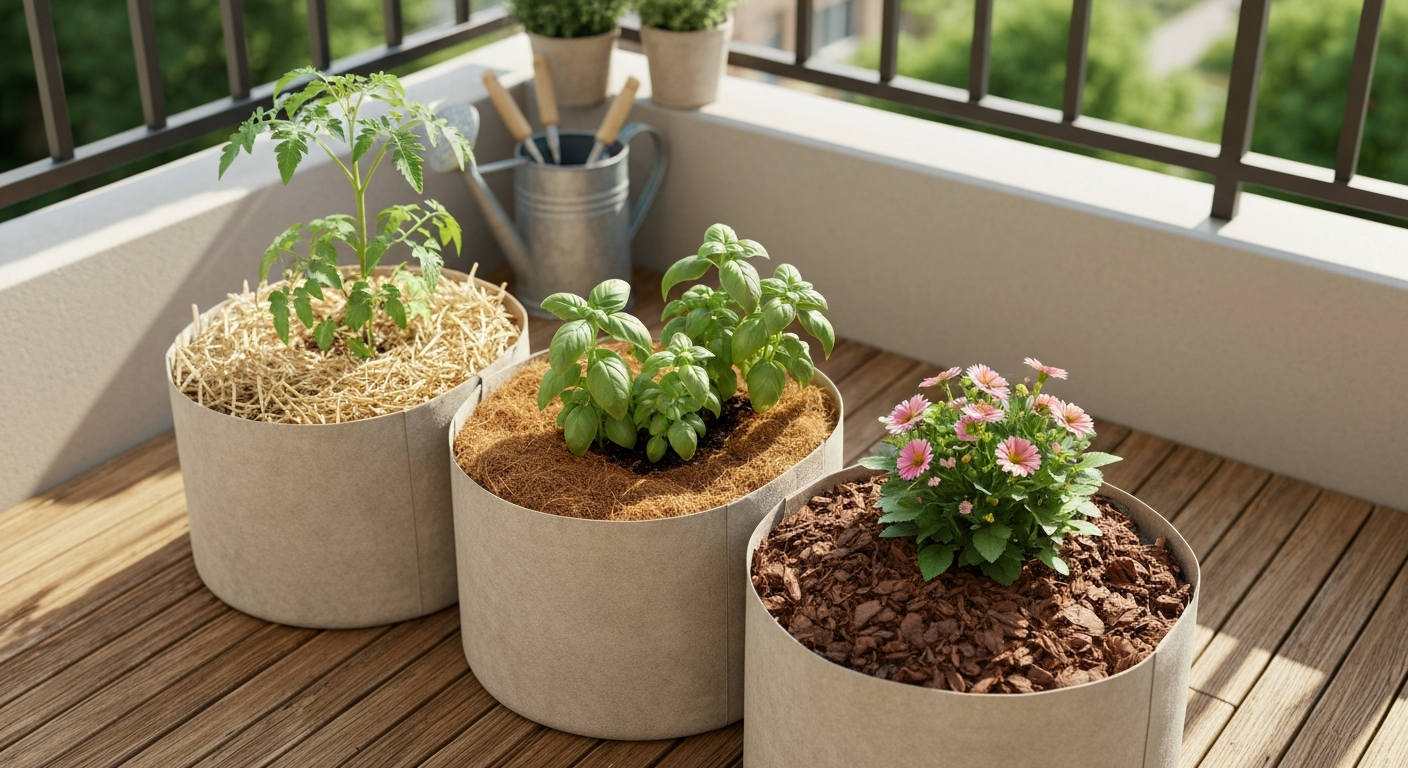
Best Mulch for Grow Bags: Top Picks for Vegetables & Flowers
Find the best mulch for fabric grow bags: top picks, how-to apply, crop & climate advice, and troubleshooting.
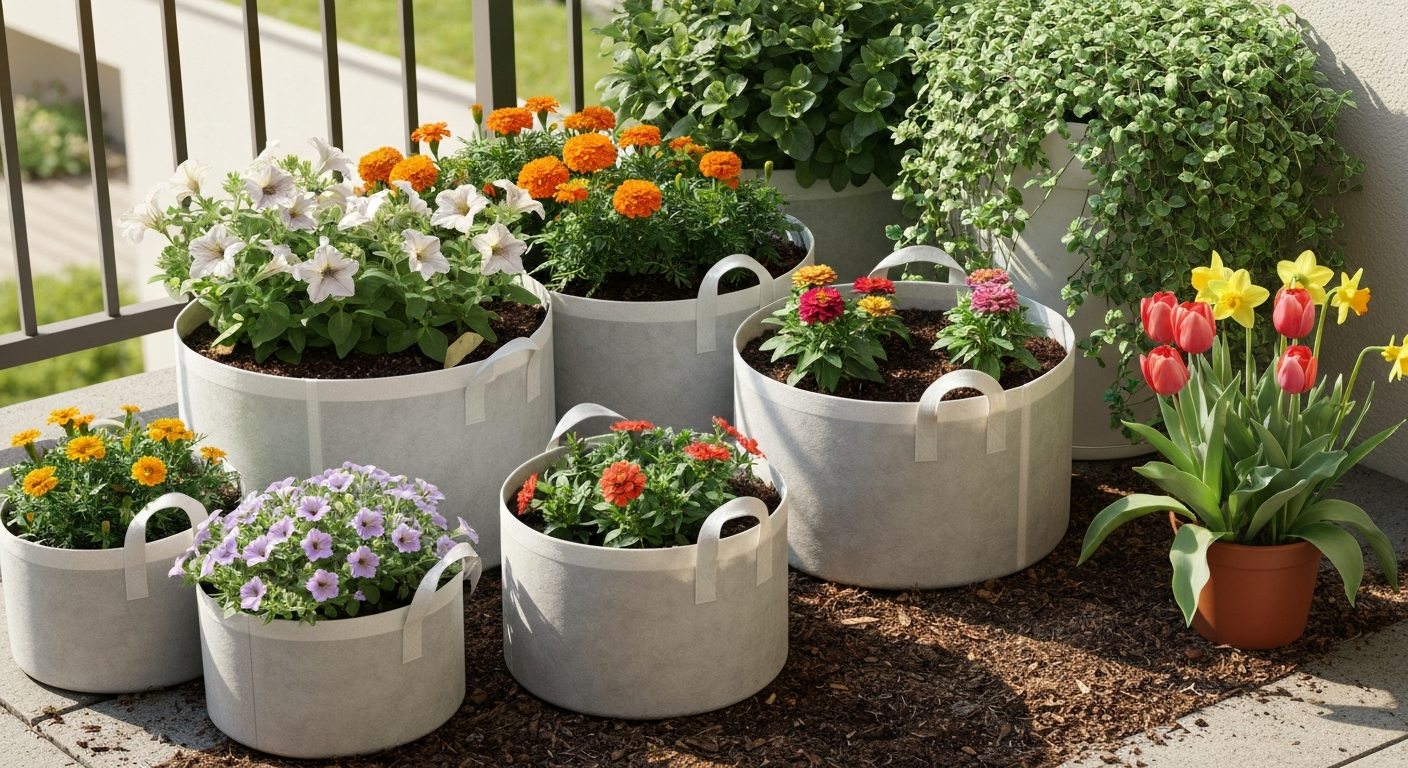
Best Flowers for Grow Bags: Top Picks, Soil & Care Guide DIY
Best flowers for grow bags: top annuals, perennials, bulbs & trailers; soil, fertilizer, planting and care checklists.
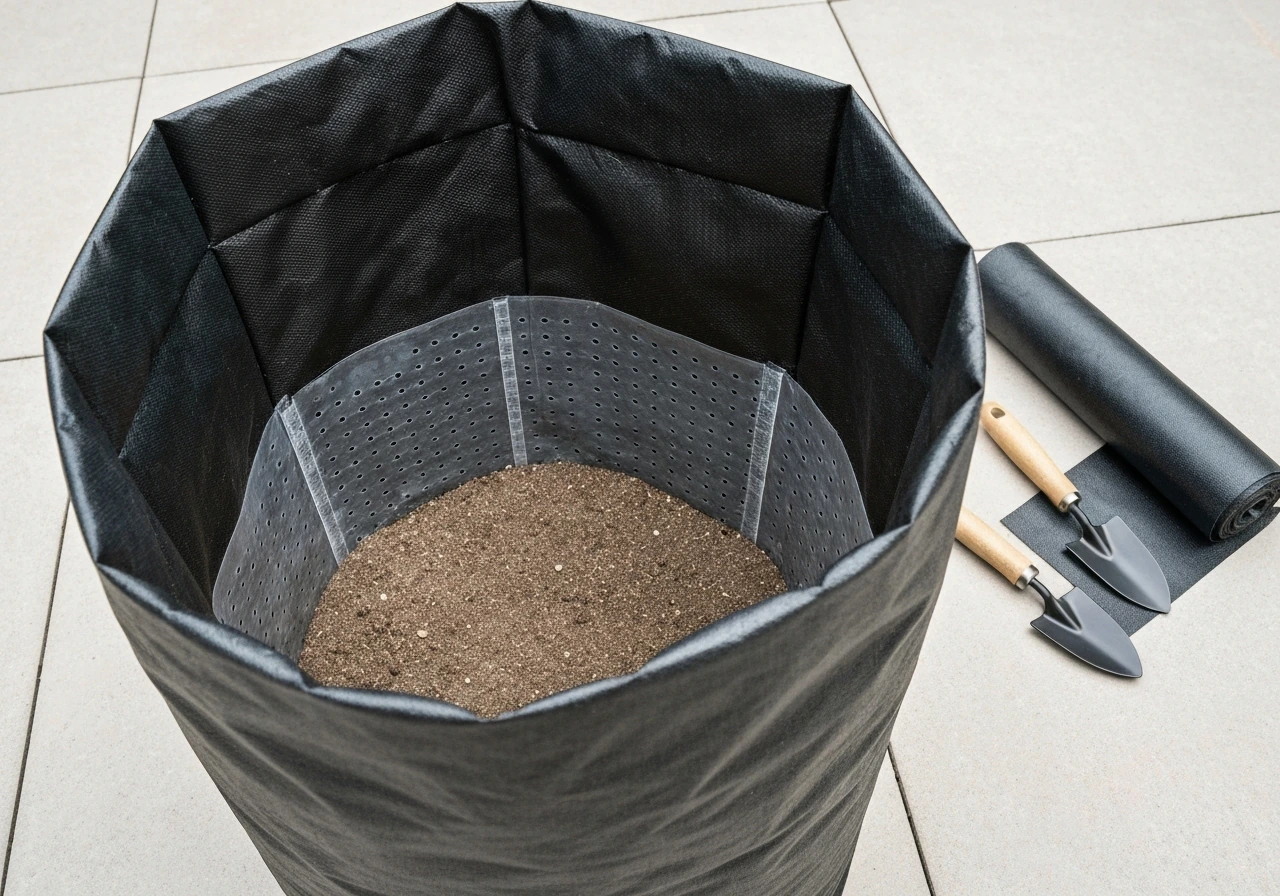
Best Landscape Fabric for Grow Bags: Buy and Install Guide
Choose the best landscape fabric for grow bags with weed-blocking, drainage and aeration tips plus DIY install steps.