
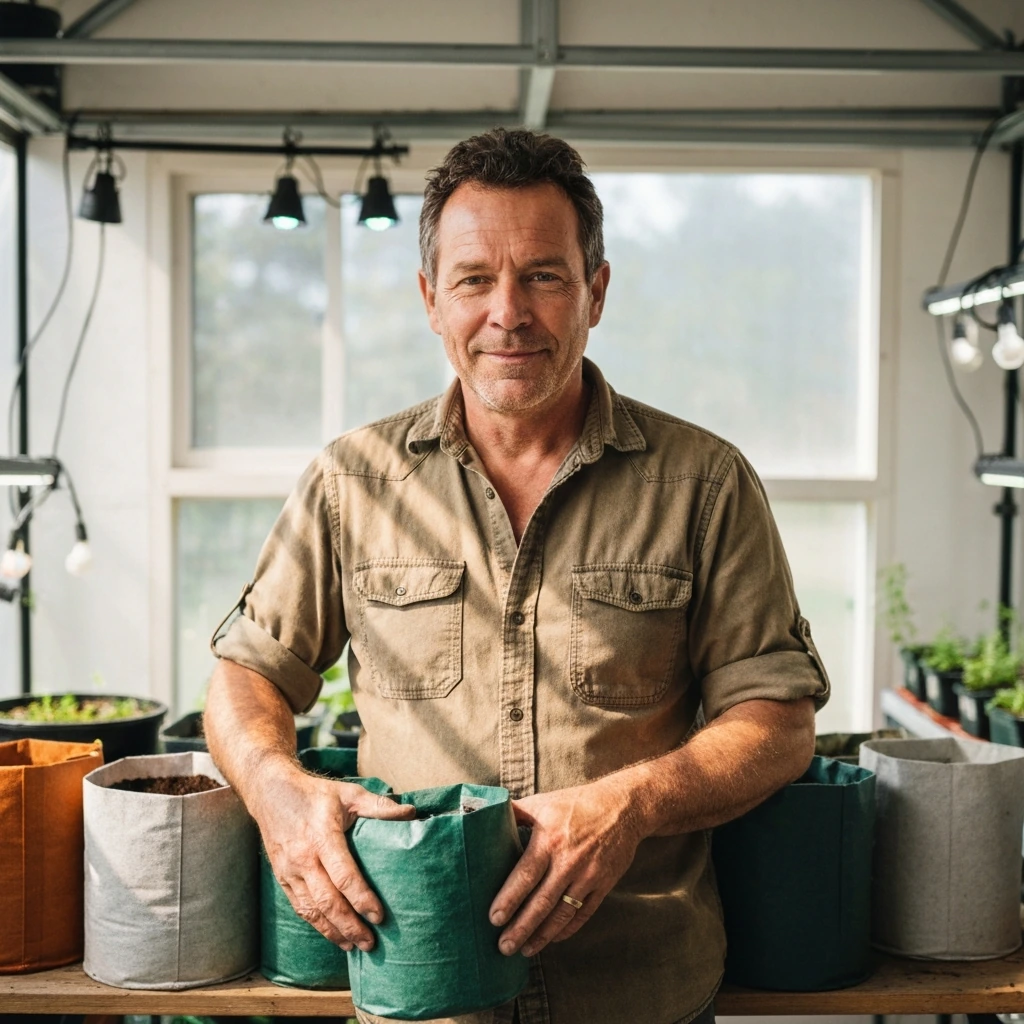
Smart pots and fabric grow bags are essentially the same thing: breathable, porous fabric containers that air-prune roots and drain faster than plastic pots. The main difference most home growers will actually encounter is brand versus generic. Smart Pot® is a specific brand that makes performance geotextile fabric planters and markets itself as "the original root-pruning planter." Fabric grow bags is the broader category that includes Smart Pot® and dozens of other brands. In practice, both work on the same principle: roots reach the porous fabric wall, hit air and reduced moisture, stop elongating, and branch into a dense, fibrous root system instead of circling the container. If you're trying to decide which to buy, the real questions are about size, material quality, plant type, and how you plan to manage watering, not whether the label says "smart pot" or "grow bag. If you still feel torn, use this same comparison lens you would for grow bags vs buckets, focusing on size, watering habits, and moisture control. "
Smart Pots vs Grow Bags: Which Fabric Container Wins?
What smart pots and fabric grow bags actually are
Both are made from nonwoven or woven porous fabric, typically polypropylene or a geotextile material, that allows air and water to pass through the walls and bottom. Smart Pot® specifically uses what it calls "performance geotextile fabric" and is BPA- and lead-free, which matters if you're growing food. Generic fabric grow bags vary more in material density and durability, but the best ones are also made from heavy-duty polypropylene landscaping fabric.
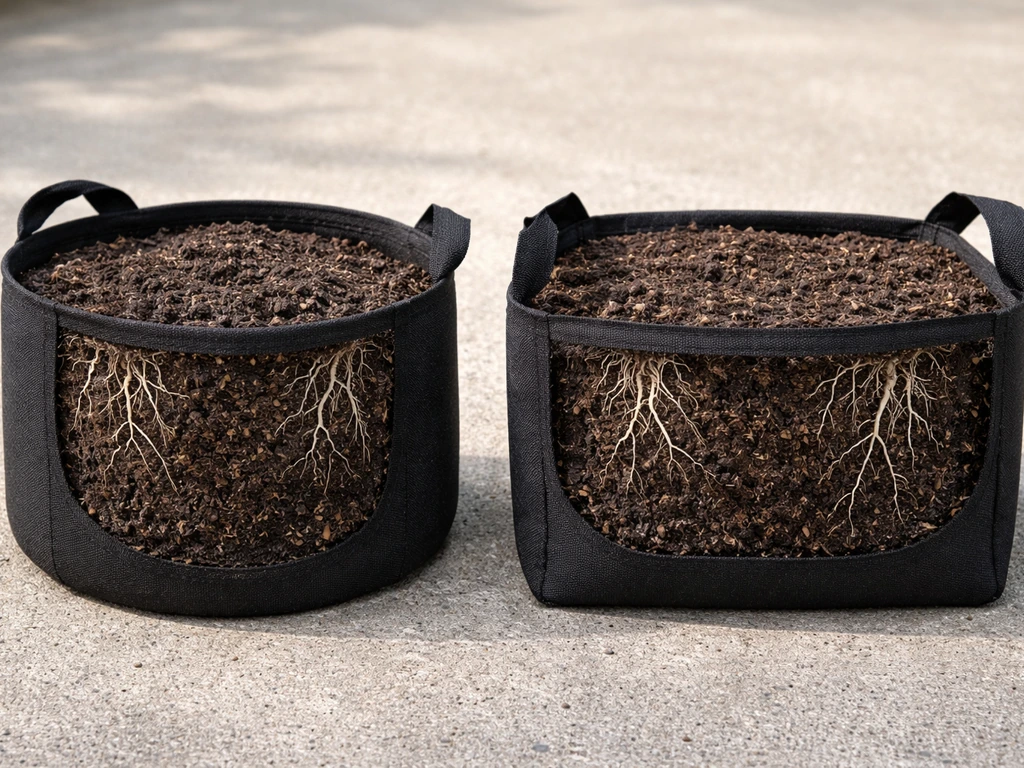
The air-pruning mechanism is the core feature. When a root tip reaches the fabric wall, it contacts air and loses moisture at the tip. That combination stops the root from continuing to grow outward and triggers lateral branching. The result, over a season, is a root ball packed with fine fibrous roots rather than a few thick roots circling the container. Research cited by propagation specialists suggests this can produce top growth 20 to 25 percent greater than plants in traditional solid pots. That's a real performance difference, not just marketing.
One thing worth knowing: Air-Pot® is a third, separate product. It's a rigid plastic container with cone-shaped perforations designed to create the same air-pruning effect. Air-Pot® has been developed over 25 years and is popular with tree growers and cannabis cultivators. It works differently from fabric containers (rigid walls, specific cone geometry, requires careful filling) and is more expensive. If someone mentions "air pots" in a gardening forum, they might mean Air-Pot® brand, Smart Pot® brand, or just fabric grow bags generically. This article focuses on fabric containers.
The real differences that matter: watering, roots, and moisture control
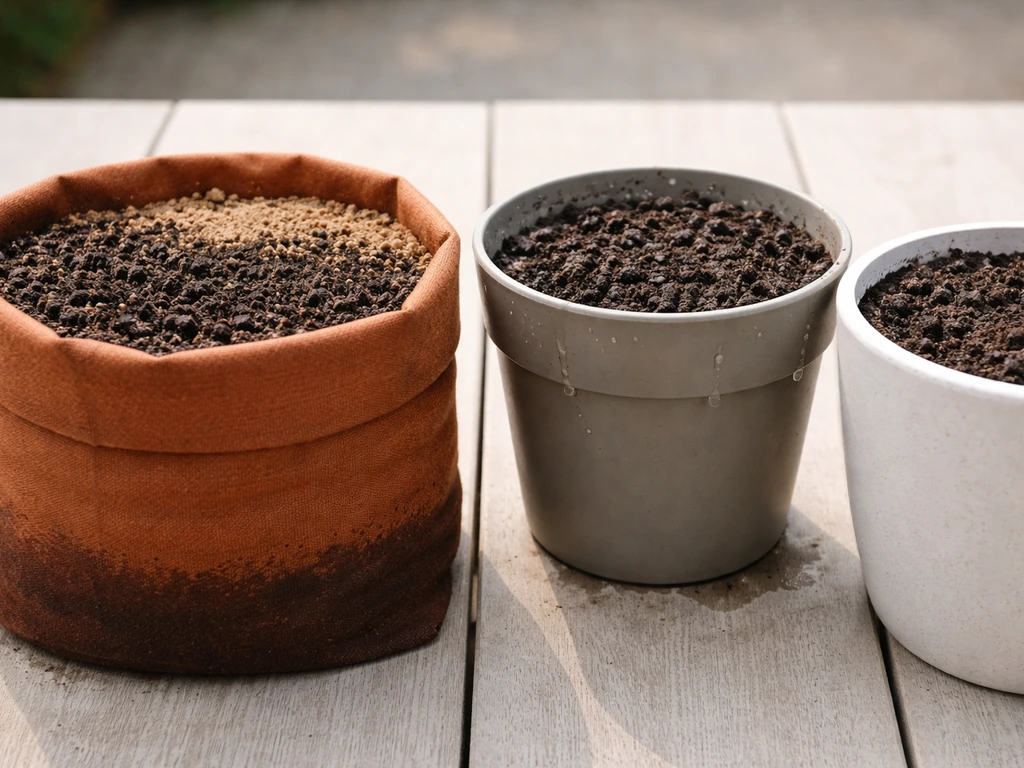
Fabric containers drain faster and dry out faster than plastic or ceramic pots. That's both their biggest advantage and their most common problem. Lateral evaporation through the sides of the bag can account for 20 to 30 percent of total moisture loss between waterings, which means you're not just losing water from the bottom, you're losing it through every wall surface. Indoors or in hot, dry conditions, that adds up quickly. Plan on watering more frequently than you would with a plastic pot of the same volume.
Root behavior is where fabric containers really shine compared to solid plastic. In a plastic pot, roots circle the container wall and become rootbound. In fabric, they air-prune and branch. You get a denser, more efficient root system that can access more of the soil volume and support faster, healthier top growth. This is especially noticeable with fast-growing vegetables and any plant you're planning to transplant later, like nursery trees grown in root control bags.
Overwatering is harder but not impossible in fabric containers. The fabric prevents waterlogging because water exits through the walls and bottom, solving the soggy-soil problem that kills plants in plastic pots. Bob Vila explains that fabric grow bags prevent waterlogging because water exits through the walls and bottom, supporting well-draining conditions that help protect plants from overwatering. But if you water too frequently before the center of the root ball has had time to dry slightly, you can still keep roots in overly wet conditions. The fix is simple: water thoroughly until you see a little runoff, then wait. Don't water again on a fixed schedule. Check the soil in the center of the container before watering.
| Feature | Fabric Grow Bags (including Smart Pot®) | Standard Plastic Pots |
|---|---|---|
| Air pruning | Yes, through porous walls | No, roots circle container |
| Drainage | Fast, through walls and bottom | Through drainage holes only |
| Moisture retention | Lower, lateral evaporation is significant | Higher, retains moisture longer |
| Watering frequency | More frequent needed | Less frequent |
| Waterlogging risk | Very low | Moderate to high without good drainage |
| Root circling | Prevented | Common problem |
| Soil temperature | Cooler via evaporative effect | Can heat up more in sun |
| Runoff management | Requires tray or saucer | Standard drainage holes |
Which plants actually benefit from fabric containers
Vegetables
Vegetables are where fabric grow bags earn their reputation. Tomatoes, peppers, eggplant, cucumbers, and brassicas like broccoli and cabbage all do well. Johnny's Selected Seeds recommends a 10-gallon Smart Pot® specifically for broccoli, cabbage, eggplant, and peppers, and that's a solid baseline. For tomatoes, especially indeterminate varieties, go bigger: 15 to 20 gallons. The air-pruning root system means the plant can access the full soil volume efficiently, and the evaporative cooling through the fabric walls helps in hot summers when black plastic containers can cook roots. Root vegetables like carrots and potatoes also work well in fabric bags because you can just tip the bag over at harvest instead of digging.
Flowers and ornamentals
Annual flowers that you're growing for a single season do fine in fabric bags. The faster drainage and air-pruned roots support vigorous growth. The tradeoff is that fabric bags don't look as polished as ceramic or decorative planters, so if aesthetics matter for your patio setup, you might slip the grow bag inside a decorative outer container. Perennials in fabric bags need more attention to watering during dry periods, since they'll be in the same container for years and the soil can dry out quickly in warm weather.
Trees and shrubs
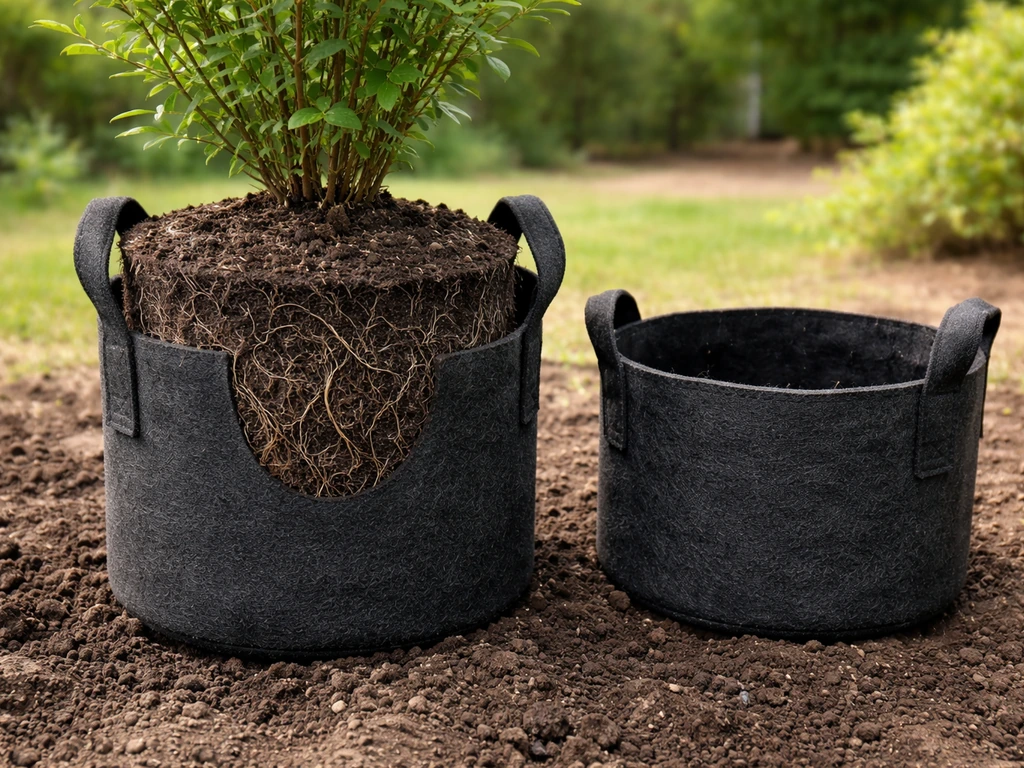
Fabric root control bags are used commercially to grow trees for transplanting, and they work extremely well for this purpose. The air-pruned root ball is dense, compact, and ready to establish quickly in a new location. If you're using a fabric bag to grow a tree for eventual transplanting, follow these basics: don't plant the tree deeper than its natural ground level, cut away any roots that grow outside the bag before transplanting, and water it the same way you would an in-ground tree after transfer. Bag-grown trees establish faster than balled-and-burlapped trees because the root system is healthier and less disturbed.
Mushrooms
Mushroom grow bags are a separate category from vegetable grow bags, even though both are called "grow bags." Mushroom bags are typically made from polypropylene plastic (not the same porous fabric as plant grow bags) and include a filter patch for gas exchange during colonization. They're designed to be sterilized with substrate inside, inoculated, and used for a single or limited number of flushes. If you're growing mushrooms, you need bags specifically designed for that purpose, not standard fabric plant grow bags. The filter patch is essential for allowing the mycelium to breathe while keeping contaminants out.
Size selection, soil, drainage, and setup
Getting the size right is the most important setup decision. If you are choosing between a grow bag and a 5 gallon bucket, size and watering frequency are the two biggest differences to consider grow bag vs 5 gallon bucket. Too small and plants dry out constantly and become rootbound despite the air pruning. Too large and the extra soil stays wet between waterings, which can cause root problems. Here are practical size targets for common plants:
| Plant | Recommended Bag Size |
|---|---|
| Herbs (basil, parsley, cilantro) | 1 to 3 gallons |
| Peppers, eggplant | 5 to 10 gallons |
| Broccoli, cabbage | 10 gallons |
| Determinate tomatoes | 10 to 15 gallons |
| Indeterminate tomatoes, cucumbers | 15 to 20 gallons |
| Dwarf fruit trees, large shrubs | 25 to 45 gallons |
| Full-size nursery trees | 45 to 100+ gallons |
For soil mix, use a well-draining blend rather than dense garden soil. A mix of quality potting soil with added perlite (around 20 to 30 percent by volume) works well. The faster drainage of fabric containers means you want soil that holds some moisture without staying soggy, and the added perlite keeps the mix from compacting over a season. Avoid pure coco coir in larger bags unless you're set up for very frequent fertigation, because it dries out extremely fast in a fabric container.
Drainage management matters more than most beginners expect. Fabric bags seep water from the sides and bottom, not just a central drain hole. Indoors or on a patio, you need a saucer or tray large enough to catch runoff, and it needs to be emptied after the bag finishes draining. Don't use a deep saucer that holds standing water under the bag; that defeats the drainage benefit and can cause root rot. Elevating the bag slightly above the tray on a small platform or stones improves airflow to the bottom and lets the base dry more completely between waterings.
Placement affects how fast the bag dries. In full sun on a hot day, a fabric bag can dry out significantly faster than the same plant in a plastic pot. If you're growing in a hot climate or on a south-facing balcony, check moisture daily during peak summer and consider grouping bags together so they shade each other slightly and reduce lateral evaporation.
Cost, reusability, and long-term value
Fabric grow bags cost more than basic plastic pots upfront but significantly less than ceramic, terracotta, or Air-Pot® brand containers. Smart Pot® brand bags carry a small premium over generic fabric bags, partly because of consistent material quality and the brand's track record. For most home growers, a mid-range fabric grow bag from a reputable supplier is the practical sweet spot: better durability than the cheapest options, without paying Smart Pot® premium prices for every container in the garden.
Reusability is real, but it requires proper cleaning between seasons. Fabric bags can be used year after year with the right care. After each season, empty the bag, rinse off soil, and clean it thoroughly. For bags that held diseased plants, soak in a 10 percent bleach solution (1 part bleach to 9 parts water) for at least 30 minutes, rinse thoroughly, and allow to dry completely before storing. Avoid boiling water for cleaning, as it can break down some fabric fibers. Don't machine dry nonwoven fabric bags; lay them flat or hang them to air dry. Stored clean and dry, good-quality fabric bags can last three to five seasons or longer.
One durability note: watch for fabric degradation at the handles and seams first. Bags that sit in standing water or don't dry properly between uses develop algae, mold, or fabric rot faster. The setup advice about emptying saucers and avoiding standing water isn't just about root health, it's also how you protect your investment in the bags themselves.
Common problems and how to fix them
Underwatering and soil drying too fast
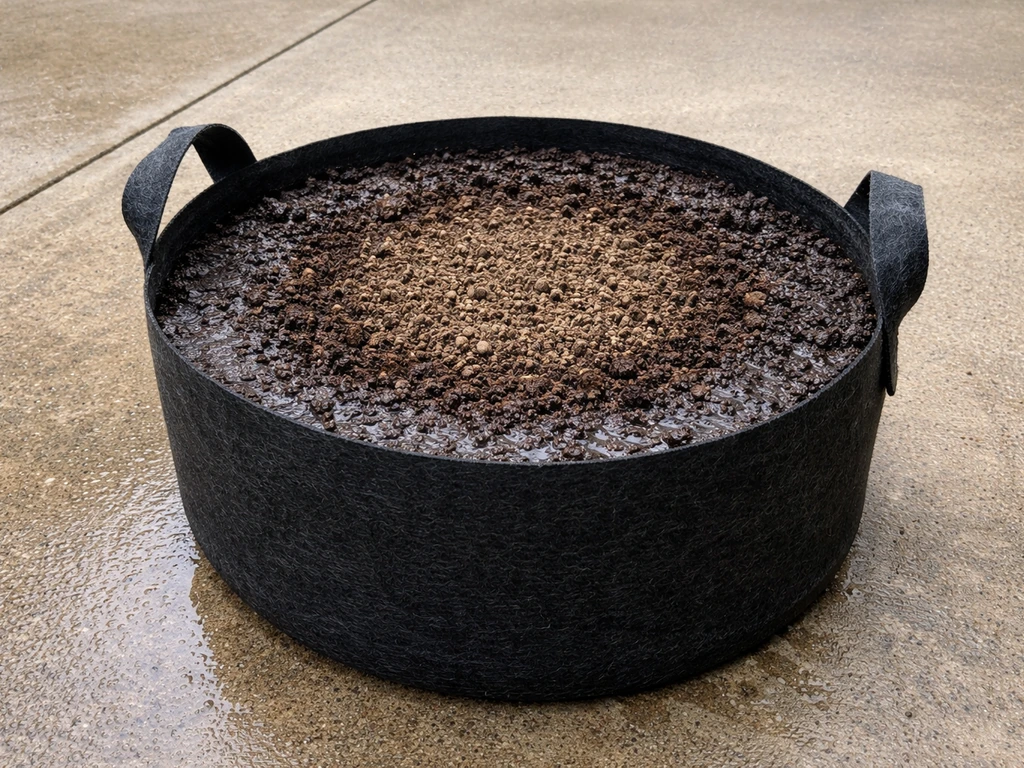
This is the most common complaint from new fabric container growers. The fix is adjusting your watering frequency rather than the container setup. Water deeply each time (until you see runoff), but check the center of the soil before watering again rather than following a fixed schedule. In peak summer heat, some plants in smaller bags may need watering daily. If that's not practical, consider moving to a larger container size, using a more moisture-retentive soil mix, or grouping bags together to slow evaporation.
Overwatering (yes, it's still possible)
Overwatering in fabric bags usually happens when growers water too frequently on a fixed schedule without checking if the center of the root zone is still wet. The outer inch of soil can feel dry while the center stays moist. The solution is to water thoroughly when you do water, then wait. Poke your finger or a wooden skewer into the center of the bag. If it comes out with moist soil attached, hold off another day. The goal is to let the root zone cycle between moist and slightly dry, which is exactly what air-pruning containers are designed to support.
Nutrient leaching
Faster drainage means nutrients move through the soil faster too. If you're growing in fabric bags, feed more frequently with lower concentration liquid fertilizer rather than relying on slow-release granulars alone. When you water with nutrient solutions, water until you see a little runoff to flush any salt buildup from the previous feeding. This is especially important if you're using salt-based synthetic fertilizers; buildup can lock out nutrients even in fabric containers. Empty the runoff tray promptly so plants aren't sitting in nutrient-rich water that could encourage algae or attract pests.
Root issues after transplanting
If you're growing trees or large plants for eventual transplanting from a fabric bag, check for roots that have grown through or out of the bag before moving the plant. Cut off any roots extending outside the bag cleanly before transplanting. Don't plant the transplant deeper than its natural soil level. Root balls from well-managed fabric bags are compact and healthy and will establish quickly, but roots left circling outside the bag can cause problems after transplant if not addressed.
Algae, mold, and bag degradation
Wet fabric that stays damp between uses grows algae and mold, which shortens bag life and can introduce pathogens to the next crop. The prevention is simple: let bags dry completely between seasons, clean thoroughly, and store dry. If a bag held plants with known root rot or fungal disease, do the bleach soak procedure before reuse. Don't reuse bags that show significant structural degradation at the seams or handles without inspecting them carefully, a bag failure mid-season is a real frustration.
How to choose: a practical decision checklist
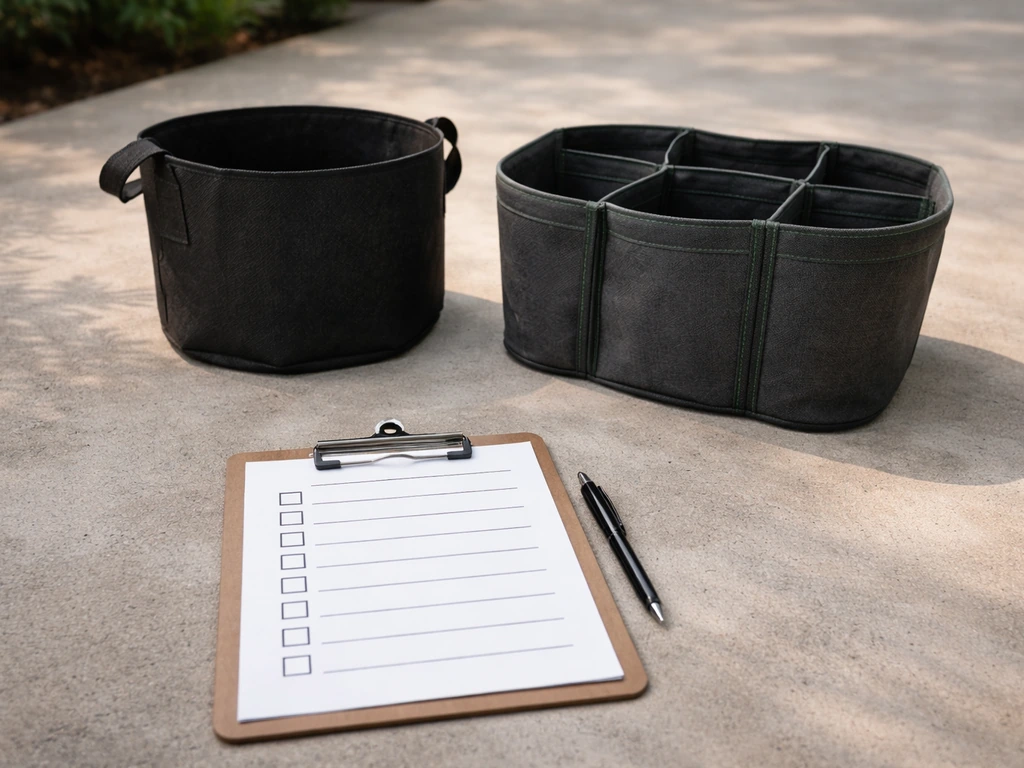
Here's how to think through the decision quickly. Most home growers will do well with standard fabric grow bags. The Smart Pot® brand is worth the extra cost if you want consistent material quality and verified food-safe materials. Generic grow bags from reputable suppliers are fine for most applications if you check the fabric weight and seam quality before buying.
- What are you growing? Match the bag size to the plant's root volume needs using the size table above. Undersizing is the most common beginner mistake.
- Where will the bag sit? Indoors or on a patio requires a large saucer or tray and a plan for emptying it. Outdoors in a garden bed is simpler. In full sun in summer, expect to water daily for small bags.
- How often can you water? If you travel or can't check plants daily in summer, go one size larger than the minimum recommendation to build in more soil volume and moisture buffer.
- Are you growing food? Prioritize BPA-free and food-safe fabric. Smart Pot® and quality polypropylene grow bags both meet this standard. Avoid unbranded bags with no material information.
- Are you transplanting later? Use a fabric root control bag sized appropriately for the species. Plan to trim roots outside the bag before transplanting.
- Are you growing mushrooms? You need dedicated mushroom grow bags with filter patches, not standard plant grow bags.
- Do you want maximum reusability? Invest in heavier-duty fabric with reinforced handles and seams. Clean and dry bags properly between seasons. Budget for the bleach soak procedure if any plants show disease.
- Is budget tight? Generic fabric grow bags in the 3 to 10 gallon range are very affordable and perform well for vegetables and herbs. Scale up to Smart Pot® or equivalent quality brands for larger containers or perennial plantings where longevity matters more.
Quick scenario recommendations
- Growing tomatoes on a patio: 15 to 20 gallon fabric grow bag, well-draining potting mix with perlite, large saucer, water when top 2 inches are dry, feed weekly with liquid fertilizer.
- Growing peppers or eggplant: 10 gallon Smart Pot® or equivalent, same soil setup, check moisture every 1 to 2 days in summer.
- Starting a dwarf fruit tree for transplanting in 2 to 3 years: 25 to 45 gallon fabric root control bag, water like an in-ground tree, trim any escaped roots before transplanting.
- Small herb garden on a windowsill or balcony: 1 to 3 gallon fabric bags, group them together on a shared tray to slow drying, check daily.
- Experienced grower optimizing for root health and yield: Smart Pot® or equivalent quality brand, sized one step up from minimum, water to runoff with each feeding, empty tray promptly, monitor center moisture before each watering cycle.
- Budget-conscious beginner trying grow bags for the first time: Start with a pack of 5 or 10 gallon generic polypropylene grow bags for vegetables. Learn the watering rhythm for one season before investing in premium containers.
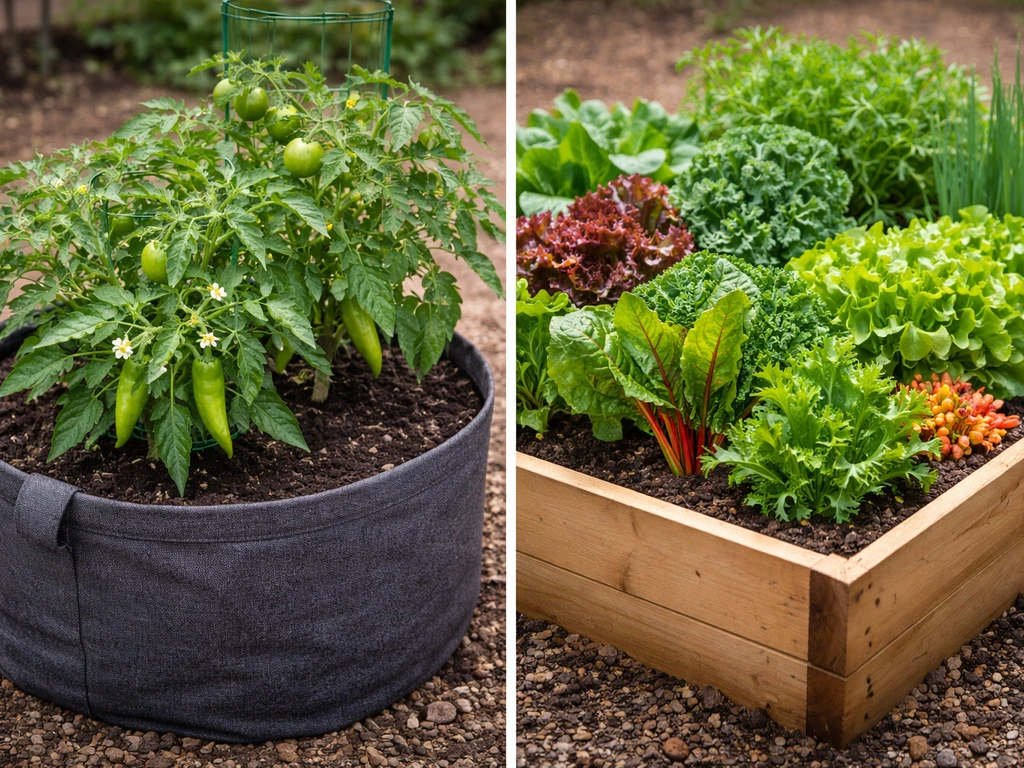
If you've been comparing grow bags to other container options like raised beds, 5-gallon buckets, or standard plastic pots, the core advantage of fabric containers stays consistent: better root health through air pruning, lower waterlogging risk, and easier drainage management. The tradeoffs (faster drying, runoff to manage, more frequent watering) are manageable once you understand them and build them into your routine. Most growers who switch to fabric containers from plastic pots don't go back. If you are comparing options, a grow bag vs raised bed decision usually comes down to how much control you want over soil depth and drainage from plastic pots.
FAQ
Do I need to use a specific soil mix because it’s smart pots vs grow bags?
Use a fast-draining, moisture-retentive mix, not dense garden soil. A common approach is potting mix plus about 20 to 30 percent perlite, and then adjust based on how often you can water. If you cannot water daily in summer, lean slightly more moisture-retentive (more perlite can help drainage but will dry faster).
How do I tell if the plant needs water in a fabric bag if the outside looks dry?
Check the center of the root zone, not the outer inch. Poke a finger or skewer into the middle and wait until it comes out with little to no moist soil before watering again. In fabric containers, the sides dry first due to lateral evaporation, so surface cues often mislead.
Should I use a saucer, or will that reduce the benefits of air pruning?
You should use a shallow tray only to catch runoff, but never let the bag sit in standing water. Empty the tray after draining, and if possible elevate the bag slightly (small platform or stones) so the base can dry more completely between waterings.
Are larger fabric bags always better, or can they cause problems?
Larger is not automatically better. Too much extra soil can stay wet between waterings, especially if you water on a fixed schedule. Pick a size that matches your watering ability, then water thoroughly and only when the center starts to dry slightly.
Can I use slow-release fertilizer with fabric bags?
You can, but many growers get better results with more frequent liquid feeding at lower strength because water moves through fabric mixes faster. If you use granular slow-release products, monitor plant performance and consider supplementing with light liquid feed rather than relying on one-time granules alone.
Is it normal for roots to grow into the fabric or out of the bottom?
Roots can penetrate the fabric edge areas over time. For vegetables, it’s usually not a problem, but for trees or plants you plan to transplant, inspect and trim any roots that have grown through or out of the bag before moving the plant to avoid post-transplant circling.
Can I grow mushrooms in a normal smart pot or fabric grow bag?
Not reliably. Mushroom grow bags are usually designed for sterilized substrate and include a filter patch for gas exchange, and they are typically plastic rather than porous plant-fabric containers. Use bags specifically made for mushrooms, since plant grow bags are not built to support that sterilization and contamination-control workflow.
How long do fabric grow bags last, and what shortens their lifespan?
With proper cleaning and fully drying between seasons, many good-quality bags last about three to five seasons. Bag handles and seams are the first places to degrade, especially if stored damp, reused without disease-safe cleaning, or kept in standing water that promotes algae and mold.
What’s the best way to clean and reuse fabric bags after disease?
Empty and rinse first, then for bags that held diseased plants use a bleach soak (about 1 part bleach to 9 parts water) for at least 30 minutes. Rinse thoroughly, allow the bag to dry completely, and avoid boiling-water cleaning because heat can weaken some fibers.
What are the most common mistakes when switching from plastic pots to fabric containers?
The biggest are watering on a schedule instead of checking the center, and using soil that stays dense and holds too much water. Adjust your routine to water deeply when the root zone is ready, expect faster drying, and choose a soil blend that drains well without becoming bone-dry.
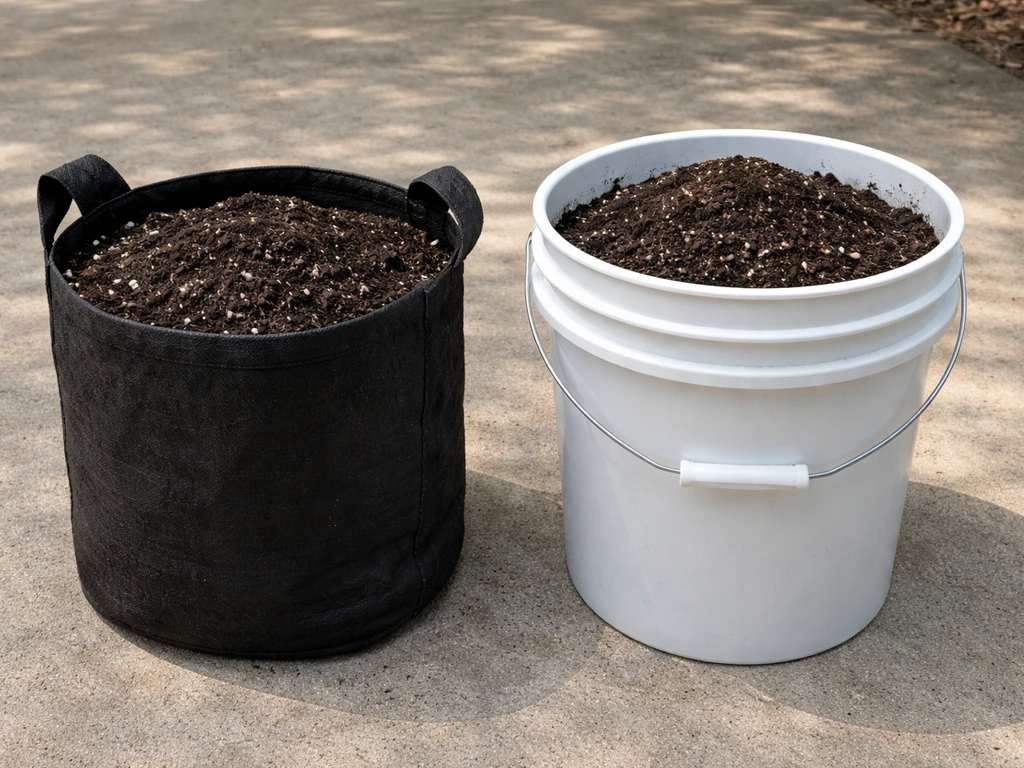
Compare fabric grow bags vs 5-gallon buckets for plants, including drainage, aeration, moisture, cost, and best use tips
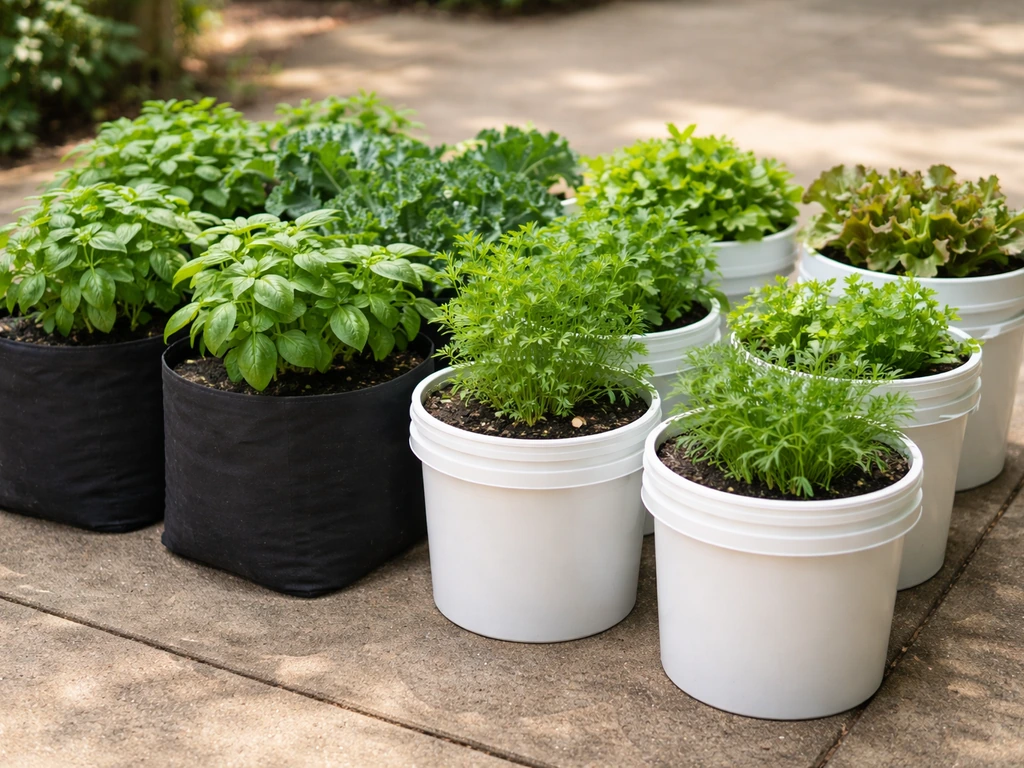
Grow bags vs buckets: compare root health, drainage, watering, stability, and cost, with crop-specific buying guidance.
Compare grow bags vs raised beds for cost, setup, soil, watering, drainage, roots, and plant performance with choosing t