The best fabric grow bags on Amazon right now are VIVOSUN nonwoven bags for vegetables and herbs, AC Infinity heavy-duty fabric pots for larger plants and indoor setups, and dedicated polypropylene mushroom grow bags with filter patches for specialty cultivation. Which one is right for you depends on your crop, the size you need, and a few quick checks you can run on any Amazon listing before you buy. If you are specifically comparing felt options, focus on fabric thickness, drainage quality, and how long the bag holds up between seasons best felt grow bags. This guide walks through all of it.
Best Grow Bags on Amazon: How to Choose and Buy Right
Marcus Holloway
4 Jun 2026
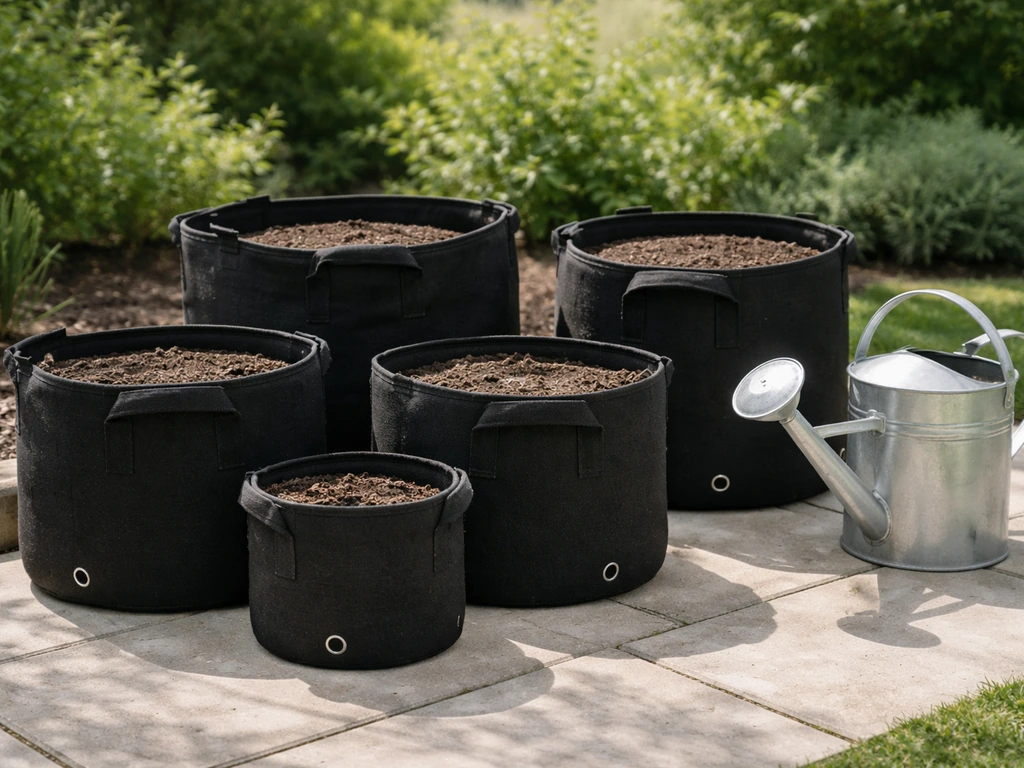
How to choose the best fabric grow bags on Amazon
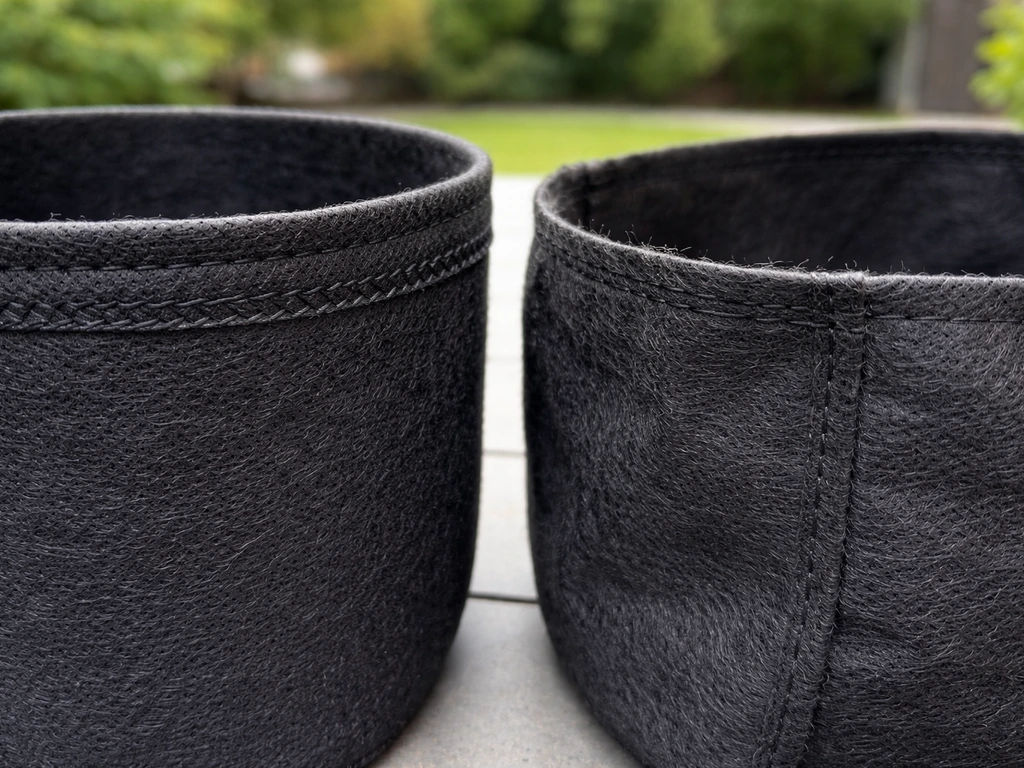
Amazon listings for grow bags range from genuinely excellent to barely-functional cheap fabric that falls apart after one season. If you want the fastest way to narrow down your options, see our picks for the best grow bags and why they work well for different plants best fabric grow bags. The specs that matter most are size (in gallons), fabric weight (GSM), drainage behavior, and handle construction. Get these four right and you'll avoid most of the bad purchases.
Size: match the bag to the root system, not the plant height
Container size directly affects how wet or dry the root zone stays. If the bag is too large for the plant, excess soil holds moisture too long and root rot becomes a real risk. A good working guide: herbs and shallow-rooted greens do fine in 1 to 3 gallons, most fruiting vegetables (tomatoes, peppers, cucumbers) need 5 to 10 gallons, larger vegetable crops like indeterminate tomatoes or squash want 10 to 15 gallons, and small trees or shrubs need at minimum an 18 to 25 gallon bag to give the root system enough room to establish. Bigger is not always better.
Fabric weight: what GSM actually tells you
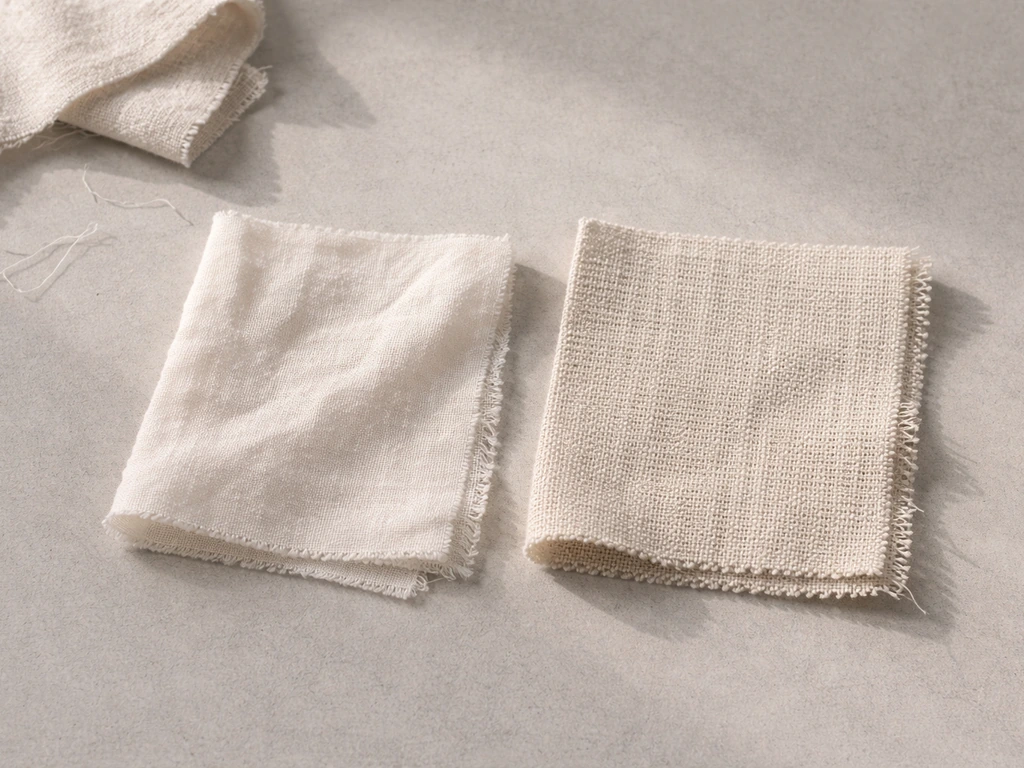
GSM stands for grams per square meter and is the most useful number on any grow bag listing. A 120 GSM bag is lighter, more breathable, and typically less durable. A 250 GSM bag is denser, holds its shape better, and lasts multiple seasons. For most vegetable growing, something in the 200 to 300 GSM range hits the sweet spot. One practical sanity check: a 5-gallon bag listed as 150 GSM should weigh roughly 180 to 200 grams empty. If the listing shows a weight and it doesn't match up, that's a red flag. Many listings claim "heavy duty" without disclosing actual GSM, which is itself a warning sign.
Drainage and handles: non-negotiable basics
Good fabric grow bags drain passively through the entire bag wall, not just the bottom. If a listing emphasizes drainage holes cut into the fabric, that's actually a lower-quality design. Nonwoven fabric should be permeable enough that water moves through the sides and base naturally. Handles matter more than people expect: look for bags with reinforced stitching at the handle attachment points, since this is the most common failure point after a season or two. Strap handles (flat webbing) tend to outlast loop handles made from the same fabric as the bag.
Best grow bags for vegetables and herbs
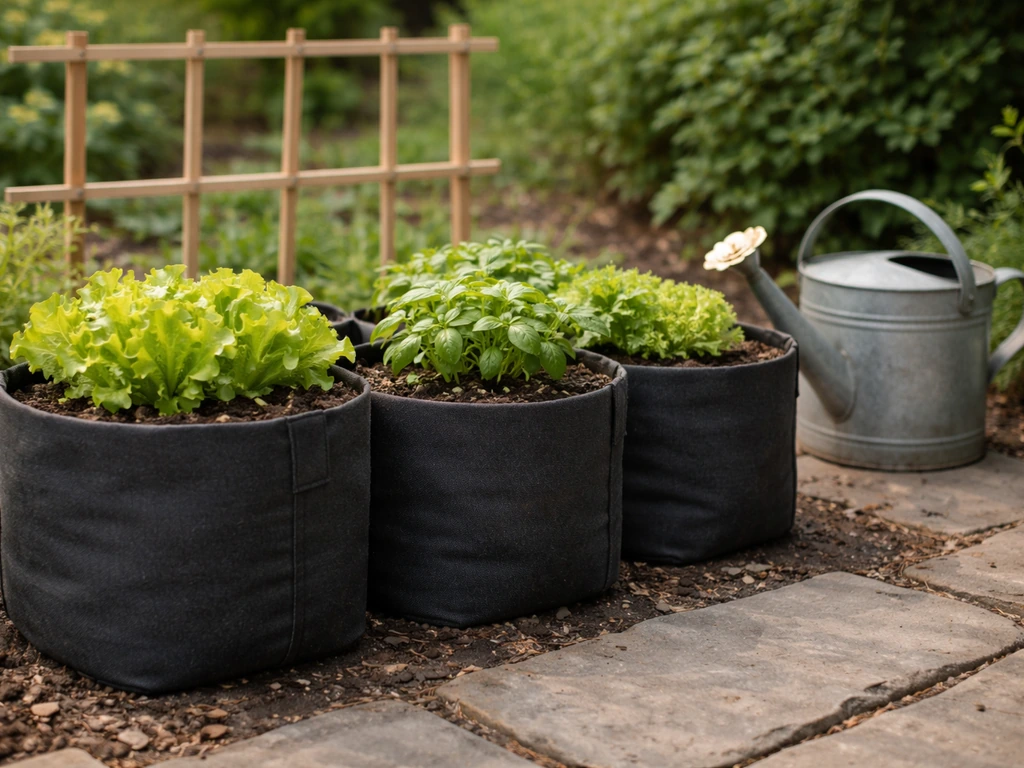
For vegetables and herbs, VIVOSUN nonwoven grow bags are the most consistently recommended option across independent reviews and practical tests. The 5-gallon and 7-gallon sizes use 300 to 500 GSM thick nonwoven fabric with strap handles and genuine breathability that promotes air pruning at the root tips. Air pruning is what makes fabric bags worth using at all: when roots hit the bag wall, they stop and branch back inward rather than circling the container the way they do in rigid plastic pots. If you're specifically shopping for cannabis, the best grow bags for weed plants are usually the breathable fabric type that supports strong root health. That means a denser, more productive root system.
For tomatoes, go with 10 gallons minimum, 15 gallons if you're growing indeterminate varieties. Peppers and eggplant are happy in 5 gallons. Herbs like basil, parsley, and cilantro grow well in 1 to 3 gallon bags. Potatoes work best in 10 to 15 gallon bags because you need room to hill the soil as they grow. The VIVOSUN 20-gallon bags use 300 GSM fabric and have held up well over multiple growing seasons in both outdoor and indoor tent setups.
- 1 to 3 gallon: herbs, lettuce, spinach, radishes
- 5 to 7 gallon: peppers, eggplant, bush beans, compact tomatoes
- 10 to 15 gallon: indeterminate tomatoes, squash, cucumbers, potatoes
- 20 gallon: sprawling vines, multiple-plant herb gardens, brassicas
Best grow bags for flowers and container plants
Flowers and ornamental container plants have different priorities than vegetables. You want a bag that looks reasonably tidy, holds its shape when full of moist soil, and won't tip over in wind. AC Infinity fabric pots are a strong pick here because they're made from heavy nonwoven fabric, maintain their structure well, and are available in sizes that work for both small annuals and larger perennials. The trade-off is price: AC Infinity bags cost more per unit than VIVOSUN or generic alternatives, but the build quality justifies it for plants you're keeping long-term.
For flowering annuals like petunias, marigolds, and zinnias, a 3 to 5 gallon bag is plenty. Perennials with deeper root systems (lavender, coneflower, salvia) benefit from 7 to 10 gallons. If you're growing ornamental grasses or large dahlias, step up to 10 to 15 gallons. One feature worth checking for ornamentals: UV stabilization. Fabric bags that aren't UV-treated will degrade noticeably faster when sitting in full sun all season.
Best grow bags for trees, shrubs, and bigger yields
Trees and shrubs are where fabric grow bags genuinely shine as a growing technology, but also where you need to be most careful about bag quality. The root-pruning effect of porous fabric containers is well-documented in nursery research: when roots contact the fabric wall, they're air-pruned rather than allowed to circle. The International Plant Propagators’ Society (IPPS) notes that root-pruning nursery containers can be designed with porous-fabric materials that encourage air pruning and ridges that help eliminate root circling blank" rel="noopener noreferrer">root-pruning effect of porous fabric containers is well-documented in nursery research. This produces a denser network of fine feeder roots and eliminates the root-girdling problem that plagues trees left too long in rigid plastic containers. A nursery study of root-pruning nursery containers reported little to no root growth in some tested conditions and also noted blank" rel="noopener noreferrer">reduced circling compared with standard plastic containers. Smart Pot and RootMaker fabric bags are designed specifically around this principle.
For small fruit trees (dwarf citrus, fig, apple), start with a 25 to 30 gallon bag. Mature dwarf trees can spend years in a 25-gallon if you're consistent about feeding and watering. Large shrubs (blueberries, roses, hydrangeas) do well in 15 to 20 gallons. The minimum recommended container size for a small tree or shrub in container culture is 18 to 24 inches in diameter, which corresponds roughly to a 20 to 30 gallon bag depending on shape. Stability matters too: a tall, narrow bag full of wet soil will tip. Look for wider-profile bags or plan to stake the plant.
For large-volume growing, fabric weight becomes critical. You want at least 300 GSM and ideally UV-stabilized material. Smart Pot explicitly markets its fabric as UV-stable and weather-tough for repeat planting seasons, which matters if you're keeping a fruit tree in a bag for three or more years. Generic bags at under 200 GSM will break down within a season or two at this scale.
Best grow bags for mushrooms and specialty crops
Mushroom grow bags are an entirely different product category and should not be confused with fabric nonwoven grow bags used for plants. Mushroom cultivation bags are made from polypropylene plastic, not fabric, and are designed to be sterilized with the substrate inside. The critical feature is the filter patch, which controls air exchange while keeping contamination out during colonization. Filter patch pore size matters: 0.2 micron patches block more contaminants, while 2.5 micron patches allow more gas exchange for faster colonization. Your choice depends on the mushroom species and your contamination control setup.
On Amazon, search specifically for "mushroom grow bags filter patch" to find the right product. Avoid generic plastic bags without a built-in filter, as these require you to use micropore tape over injection ports and are harder to manage without experience. The bag size should match your substrate block size: a standard all-in-one bag for home growers typically runs 8 by 5 by 18 inches and holds around 2 to 3 pounds of substrate. Larger bags (up to 5 pounds) are better if you're running multiple blocks and want to scale up yields.
For specialty soil crops like ginger, turmeric, or sweet potatoes, standard nonwoven fabric bags work well. These crops benefit from the same air-pruning and drainage advantages as vegetables, but they tend to need more depth. A 10 to 15 gallon bag with at least 12 inches of depth is the right starting point.
Amazon listing checklist: how to spot a good bag before you buy
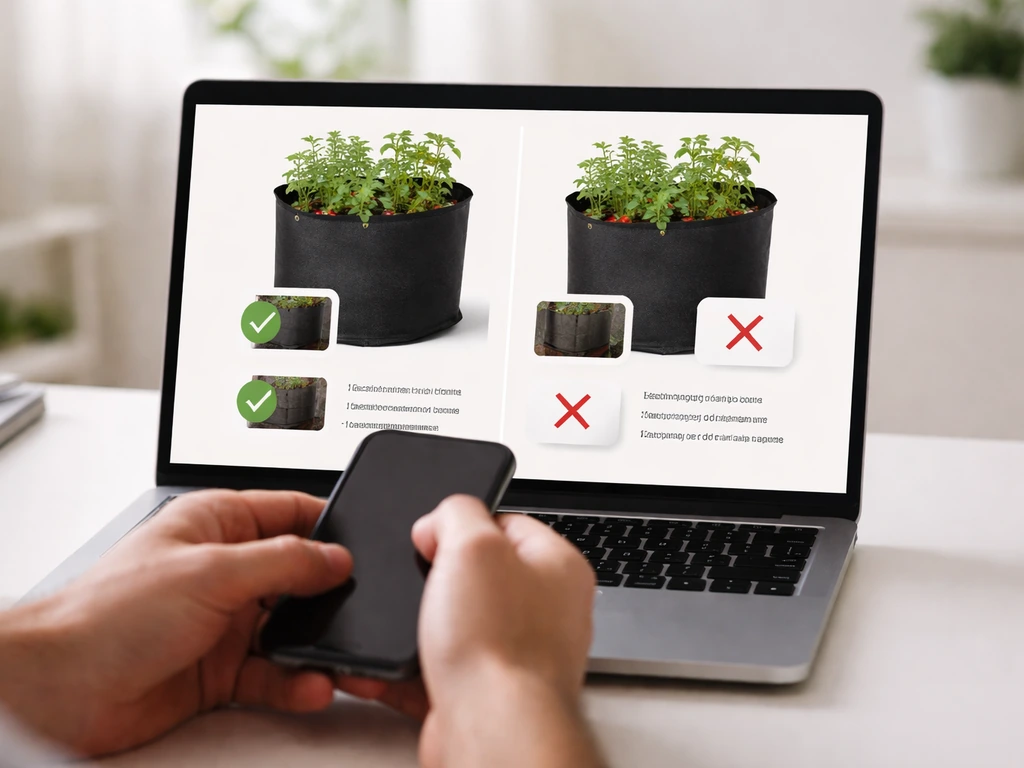
Reading an Amazon grow bag listing critically takes about two minutes if you know what to look for. Here's what to check and what to skip past.
| What to check | Green flag | Red flag |
|---|---|---|
| Fabric weight | GSM listed (200+ for durability) | Only says 'heavy duty' with no GSM number |
| Fabric type | Nonwoven fabric, UV-stabilized | Woven fabric, no UV claim, or just 'fabric' |
| Handle construction | Stitched strap handles, reinforced seams | Loop handles from same fabric as bag body |
| Drainage claim | Breathable walls, passive drainage | Drainage holes cut into bottom only |
| Liner or no liner | No liner (or removable liner for aesthetics) | Permanent plastic liner defeats the point |
| Odor | Customer reviews mention no smell | Multiple reviews mention chemical or plastic smell |
| Stitching | Double-stitched seams mentioned | No mention of seam construction |
| Q&A section | Brand responds to sizing/fabric questions | No responses from seller or brand |
The Q&A section of an Amazon listing is underused. Scroll down and check whether the brand has answered questions about fabric thickness, warranty, or how the bags perform after multiple seasons. Brands that engage with questions tend to stand behind their product. Brands that don't answer at all are often drop-shipping generic bags with no quality control.
One more check: filter reviews by one and two stars and read the most common complaints. If you see repeated mentions of bags falling apart at the handles, fabric thinning quickly, or poor drainage after a season, move on. A few complaints about user error (wrong soil mix, overwatering) are normal and shouldn't scare you off a good product.
Care tips to get the best results from any grow bag
Watering more often is just the reality
Fabric bags dry out faster than plastic or ceramic pots because water evaporates through the walls as well as the top. In warm weather or a greenhouse setting, this can mean watering once or even twice a day for small bags. This is one of the main trade-offs of using grow bags, not a defect. A simple fix is to use a self-watering tray or saucer under the bag to recapture some of that drainage. For trees and larger bags, drip irrigation on a timer makes long-term management much easier.
Soil mix matters more in bags than in ground beds
Standard garden soil is a bad choice for grow bags. It compacts in a container, blocks the drainage and airflow the bag is designed to provide, and dries into a brick if it gets too dry. Use a light, airy mix: a 60/30/10 blend of high-quality potting mix, perlite, and compost works well for most vegetables and flowers. For trees and shrubs, add extra perlite (up to 30 to 40 percent) to keep drainage aggressive. The bag provides the air pruning; your soil mix provides the drainage and structure.
Feeding expectations are different in a bag
Because you're watering more frequently, nutrients flush out of the bag faster than they would in a raised bed or in-ground planting. Plan on feeding more often than the package directions suggest. For vegetables, a balanced liquid feed every one to two weeks during active growth is a reasonable baseline. Slow-release granular fertilizers can help reduce the maintenance burden, especially for trees and shrubs that you're keeping in bags long-term.
Heat and placement: watch the bag color and sun exposure
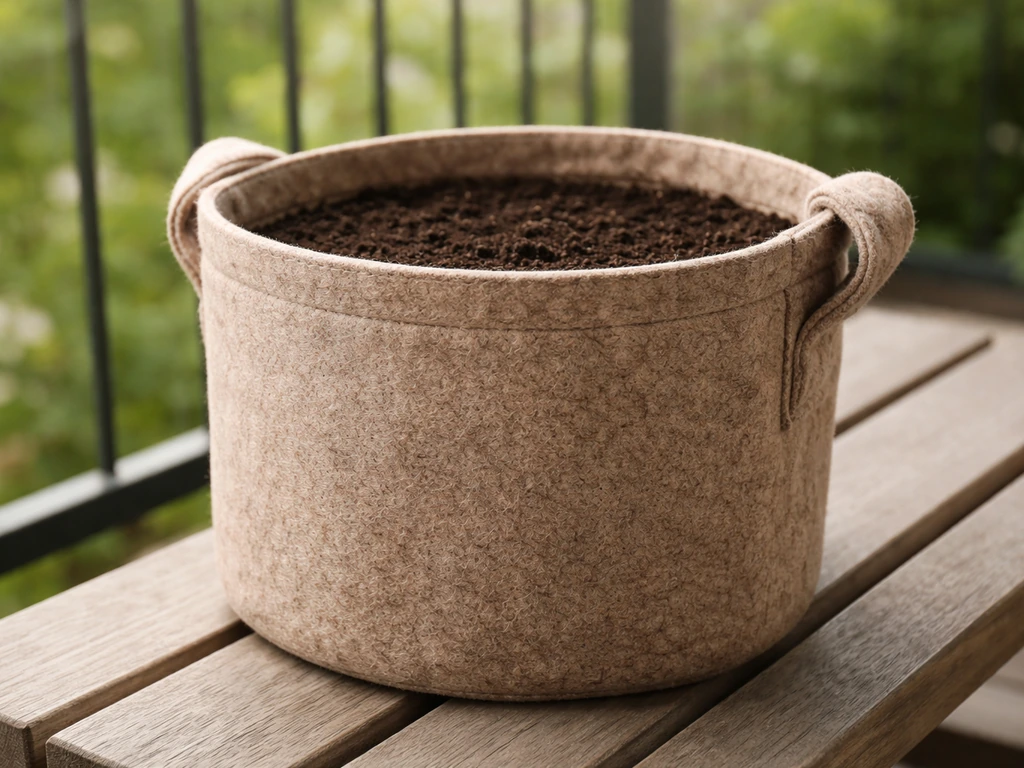
Dark-colored grow bags (black, dark gray) absorb more heat and can push root-zone temperatures high enough to stress plants in full summer sun. In hot climates or during heat waves, this is a real problem. Light-colored bags (tan, white, light gray) reflect more heat and keep roots cooler. If you're stuck with dark bags, elevate them off a hot concrete surface and consider placing them where they get afternoon shade. The breathability of fabric bags does help with temperature regulation compared to plastic, but it's not a complete solution in extreme heat.
Storing and reusing bags between seasons
One of the practical advantages of fabric grow bags over rigid pots is that they fold flat for storage. At the end of the season, empty the bag, shake out as much soil as possible, and rinse with a light bleach solution (1 part bleach to 9 parts water) if you're dealing with disease or fungus gnats. Let them dry completely before folding and storing. A quality bag at 250 to 300 GSM should last three to five seasons with this care. Cheaper bags at under 150 GSM may only make it one or two seasons before the fabric starts breaking down at the seams or handles.
If you're comparing grow bags more broadly or want to explore non-toxic material options, options made in the USA, or bags specifically optimized for cannabis cultivation, those are separate considerations worth digging into. If you specifically want the best grow bags made in USA, look for brands that clearly disclose the materials and manufacturing origin, not just vague “made” claims options made in the USA. If you want the best non toxic grow bags, look for food-grade or otherwise certified materials and avoid blends that can shed dyes or chemicals into your soil. The core buying logic stays the same: size for your crop, verify the GSM, check the seams, and read the Q&A before you add to cart.
FAQ
Can I use grow bags with a self-watering reservoir instead of frequent hand watering?
Yes, but only if you protect the bag from over-saturation. Use a tray or saucer to catch runoff, then water slowly enough that the bag drains through the fabric walls rather than staying flooded. For hot weather, dark bags dry slower at the bottom, so check soil moisture 1 to 2 inches down before watering again.
What soil should I use in the best grow bags on Amazon, and what should I avoid?
Avoid “garden soil in a bag” for grow bags, and also avoid heavy potting mixes that contain lots of native soil or clay. Look for a lightweight potting mix plus perlite (or similar airy amendment) because fabric containers rely on airflow through the mix, not just drainage holes.
How do I verify fabric quality when an Amazon listing doesn’t state GSM?
If the listing does not disclose GSM, treat it as a weak signal for durability. You can still compare using the empty-weight sanity check mentioned in the guide, and by looking for reinforced seams at the handle attachment points and a clear statement about strap handle material.
Do grow bags change nutrient or pH behavior compared with raised beds?
In very small bags, pH can swing faster because nutrients flush out more often. Use a basic soil pH meter or test strip for the first couple of weeks, then follow a consistent feeding schedule, since grow bags tend to require more frequent nutrient replenishment than in-ground beds.
If my grow bag doesn’t drain evenly, what’s usually causing it (bag or soil)?
Not all “nonwoven” bags behave the same in practice. If water seems to run off only the bottom, it’s a sign the fabric wall may be less permeable or the soil mix is too dense. The fix is to choose a bag that allows side drainage through the wall, then use an airy mix and avoid compacting.
What should I prioritize first, bag size or fabric GSM, for tomatoes and peppers?
For fruiting vegetables, start at the larger end of the size range and prioritize structure. If you must choose between a slightly larger bag and a slightly higher GSM, choose the larger bag for root volume, then ensure the GSM is at least around 200 so the bag maintains shape through the season.
Can I reuse grow bags year after year, and can they be composted after use?
No, you usually cannot compost fabric grow bags, and you should not reuse them for edible crops if disease was a problem unless you sanitize properly. The safest approach is to empty, rinse, sanitize with a diluted bleach solution as described in the article, then fully dry before storing.
How can I tell if a grow bag will last outdoors for multiple seasons?
For long-term outdoor use, UV-stabilized material matters more than the bag color. Dark bags can still overheat in summer, but UV stability mainly determines whether the fabric stays intact. If you plan multiple years, prioritize UV-stabilized bags and a minimum GSM around 300.
My plants are stunted in fabric grow bags, what are the most common mistakes to check first?
If you’re getting poor root health, the most common causes are undersizing the bag, using a dense soil mix, and overwatering. The air-pruning benefit relies on roots reaching the fabric wall and the mix staying breathable, so correct watering frequency and soil choice can fix more than switching brands.
Can I use mushroom grow bags to grow vegetables, or plant grow bags for mushrooms?
Probably not. Mushroom grow bags use polypropylene and a filter patch designed for colonization, while plant grow bags are fabric and not intended to be sterilized with the same process. Don’t substitute one for the other because contamination control and airflow requirements differ.
Are Amazon “heavy duty” claims reliable, or are there warning signs?
Treat any claim like “heavy duty” without disclosed GSM as uncertain. Look for verified durability signals instead: GSM range, reinforced handle stitching, consistent construction, and multiple recent review comments about seam or handle failure (not just early impressions).
How do I store grow bags so they don’t degrade over winter?
It depends on your climate and whether you store them indoors. In freezing conditions, fabric can become brittle and degrade faster if left outdoors with wet soil inside. Empty, rinse, sanitize if needed, let fully dry, then store folded in a dry, protected space.
Next Articles
Best Non Toxic Grow Bags: How to Choose Safely
Choose the best non toxic grow bags safely with material checks, red flags, feature comparisons, and care tips
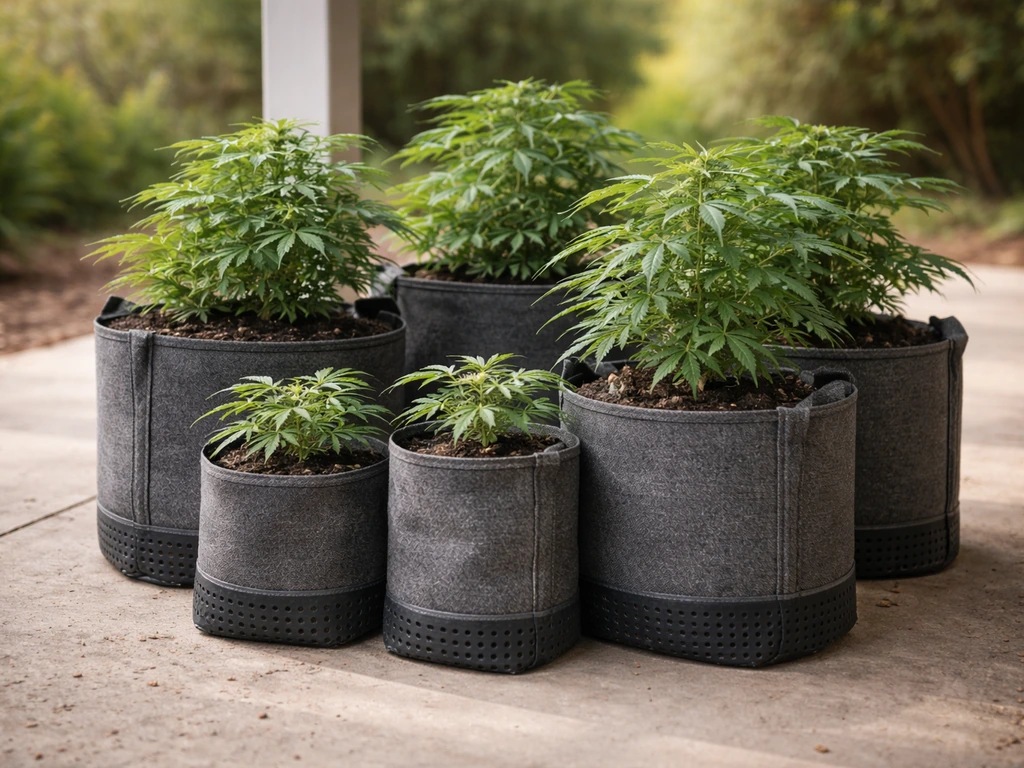
Best Grow Bags for Weed Plants: Setup, Sizes, Care Guide
Choose the best fabric grow bags for weed, pick sizes, prevent root issues, and water right with care and troubleshootin
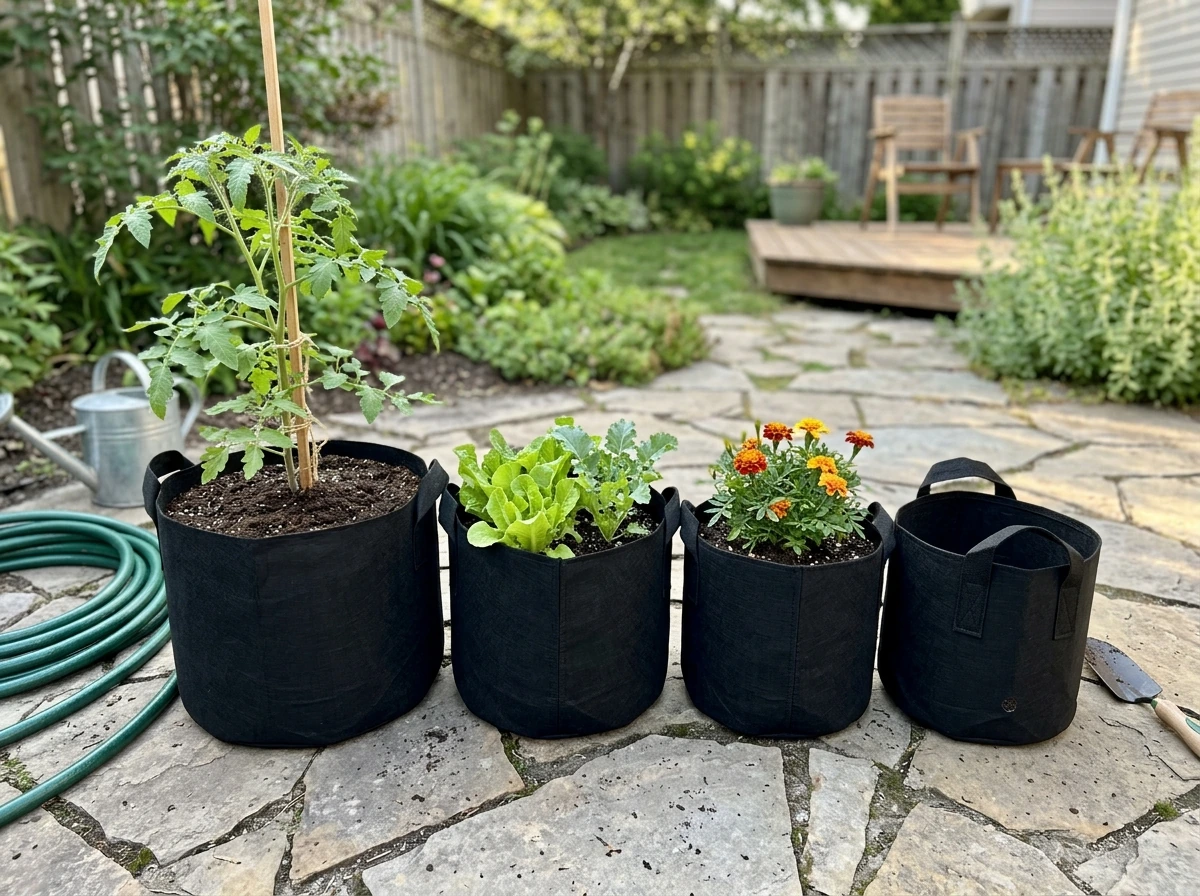
Best Grow Bags: How to Choose, Sizes, and Top Picks
Buyer guide to the best grow bags: choose sizes and materials for vegetables, flowers, trees, and mushrooms with value t