The best grow bags made in the USA come from a short but reliable list of manufacturers, with Smart Pots (made in Oklahoma) being the most verifiable and widely available option right now. PlantPockets makes its knitted HDPE mesh bags domestically, and Root Pouch has ties to Oregon-based operations, though their full supply chain is worth verifying before you buy. If you want a bag that's genuinely U.S.-manufactured, not just sold or assembled here, you need to ask specific questions and look past the marketing language. Here's exactly how to do that and which bags will actually perform for your specific crops.
Best Grow Bags Made in USA: How to Choose and Use
Marcus Holloway
23 Jun 2026
What 'Made in USA' really means for grow bags
The Federal Trade Commission sets the standard here, and it's stricter than most people realize. An unqualified 'Made in USA' claim legally means the product is 'all or virtually all' made in the United States. That covers the materials, the manufacturing process, and where final assembly happens. Sellers are required to have blank" rel="noopener noreferrer">evidence to back this up before they put it on packaging or in any advertising, including their website listings. The FTC enforces laws requiring that “Made in the USA” and U.S.-origin representations be truthful and not misleading blank" rel="noopener noreferrer">Sellers are required to have evidence to back this up.
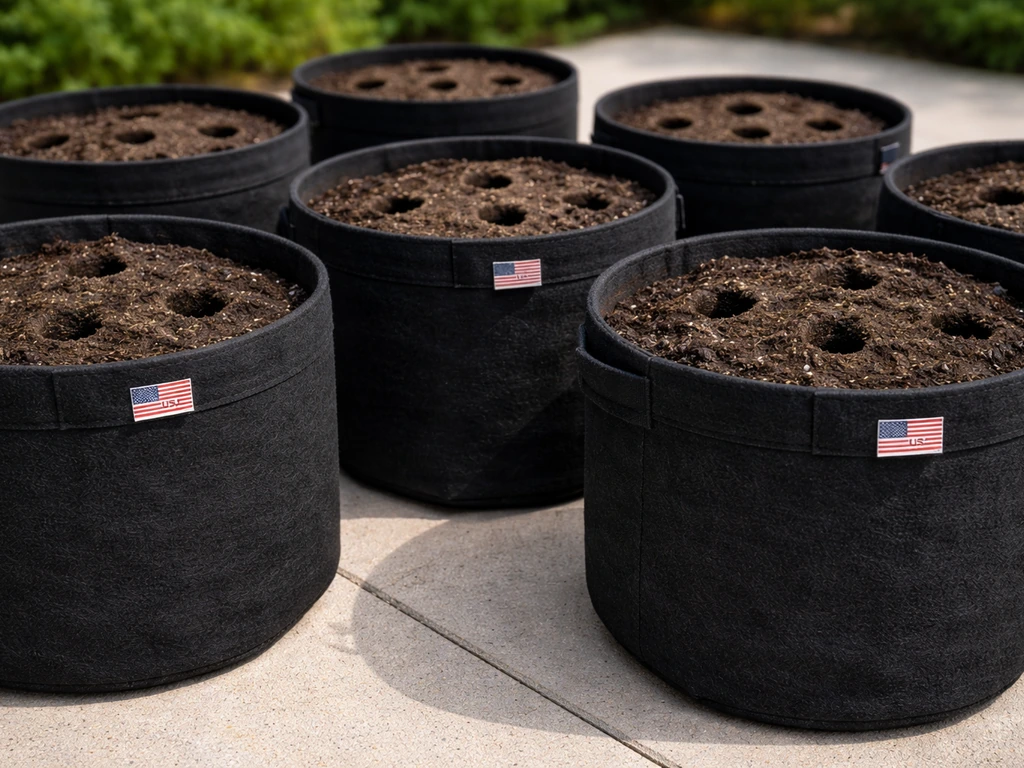
The problem is that enforcement is complaint-driven, and plenty of grow bag brands use American flag imagery, call themselves 'USA proud,' or list U.S. addresses while importing the actual fabric from overseas. The FTC has specifically called out products that were promoted as Made in USA but didn't meet the 'all or virtually all' standard. So don't let a flag logo or a U.S. warehouse address convince you. Those things prove nothing about where the bag was sewn.
When you're shopping, here's the verification process that actually works. Look for brands that name a specific manufacturing location in the U.S. (Smart Pots says Oklahoma, for example). Check whether third-party retailers like Johnny's Selected Seeds also independently list the bag as 'Made in USA,' which adds a layer of corroboration. Email the company directly and ask: where is the fabric sourced, and where is it cut and sewn? A legitimate domestic manufacturer will answer that question without hesitation.
- Look for a named U.S. city or state on the manufacturer's own site, not just 'USA' as a country
- Check whether the 'Made in USA' claim appears on third-party retail listings (Johnny's, Amazon, local garden centers), not just the brand's own marketing
- Ask the brand directly: where is the fabric made, and where is the bag sewn?
- Avoid brands that only show a flag or say 'ships from USA' without any manufacturing detail
- Be skeptical of any brand that pivots to 'designed in USA' or 'quality-inspected in USA' when you push for specifics
Right now, the most verifiably U.S.-manufactured fabric grow bags on the market are Smart Pots (manufactured in Oklahoma, confirmed by the brand and listed as Made in USA by third-party retailers), PlantPockets (which explicitly states its knitted HDPE mesh is made in the USA), and Root Pouch (Oregon-connected operations, recycled materials, though worth confirming their current full manufacturing location). If a brand isn't on that short list and can't answer the manufacturing question clearly, assume the bag is imported.
How to choose the best fabric grow bag
Once you've confirmed a bag is genuinely made in the U.S., the next question is whether it's actually the right bag for what you're growing. Not all fabric grow bags behave the same way, and the differences in material, construction, and size matter more than most beginners expect.
Fabric type and weight
Most grow bags use one of three fabric types: non-woven geotextile (like Smart Pots), needle-felt (like the bi-layer construction used by some RootTrapper-style bags, which combines a felt interior with a polypropylene outer coating), or knitted mesh (like PlantPockets' HDPE construction). Each handles air, water, and root interaction differently. Non-woven geotextile is the most proven for air root pruning, breathes well on all sides, and drains fast. Needle-felt with a liner reduces moisture loss somewhat while still allowing air pruning at the base and sides. Knitted mesh is extremely open and best for situations where maximum drainage and air exposure matter more than moisture retention.
Fabric weight matters for durability and for how quickly the bag dries out between waterings. Heavier fabric (typically measured in grams per square meter or by felt thickness) holds its shape longer, resists UV degradation better, and is more likely to survive multiple seasons. Smart Pots uses a BPA- and lead-free performance geotextile that holds up well over several growing seasons. If you're choosing between a lighter and a heavier option from the same brand, go heavier if you plan to reuse the bags for three or more years.
Size and volume
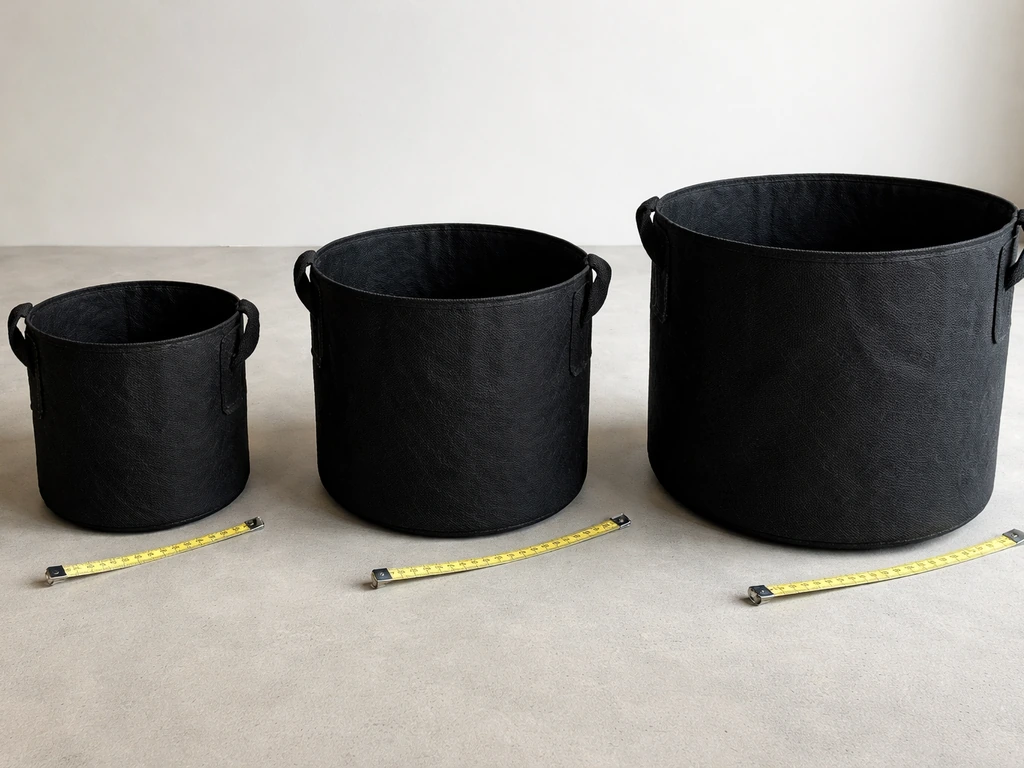
Grow bag volume is listed in gallons, and matching volume to your crop is one of the most important decisions you'll make. Too small and roots get cramped fast, which stunts yield and dries out the bag within hours on a hot day. Too large and you're hauling unnecessary weight, spending more on soil, and potentially leaving roots in wet zones they can't reach effectively.
| Volume | Approximate Diameter | Best For |
|---|---|---|
| 1-2 gallon | 7-9 inches | Herbs, lettuce, small flowers |
| 3-5 gallon | 10-12 inches | Peppers, strawberries, compact tomatoes |
| 7-10 gallon | 13-16 inches | Standard tomatoes, cucumbers, eggplant |
| 15 gallon | 18 inches | Potatoes, squash, larger tomato varieties |
| 20-30 gallon | 20-24 inches | Small shrubs, blueberries, dwarf fruit trees |
| 45-100+ gallon | 30 inches and up | Established trees, large shrubs, landscape use |
Construction details that actually matter
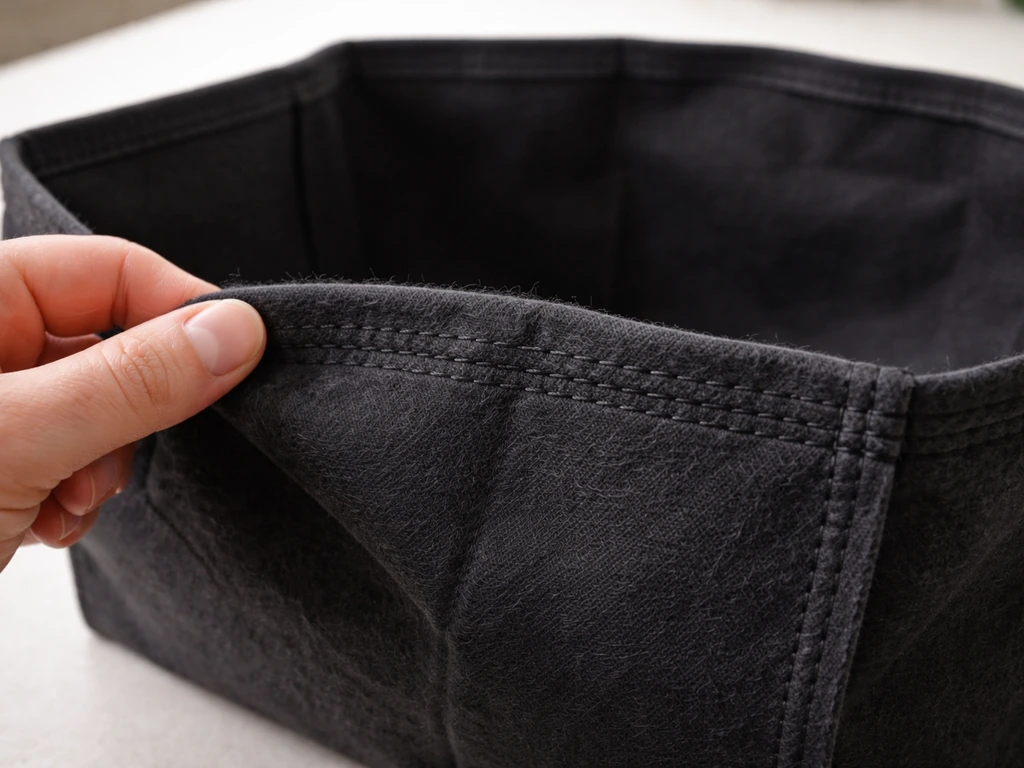
Look at the stitching and handles before you buy. Double-stitched seams are the minimum for any bag you plan to reuse, and reinforced handle attachment points are critical for anything above 10 gallons, because a wet bag of soil is genuinely heavy. Root Pouch bags are hand-sewn, which speaks to quality control but also means tolerances can vary slightly between units. Smart Pots uses consistent machine manufacturing with reinforced handles on larger sizes. If a bag's handles are just fabric loops stitched directly into the bag wall with single-thread seams, they'll tear under load.
On the liner question: most U.S.-made fabric grow bags don't include a liner and don't need one for standard use. A liner reduces the air-pruning benefit that makes fabric bags worth using in the first place. The one exception is if you're growing in a space where fabric-stained walls or decking are a concern, in which case a partial base liner can help manage runoff without completely blocking airflow.
Best grow bags for different crops
Vegetables
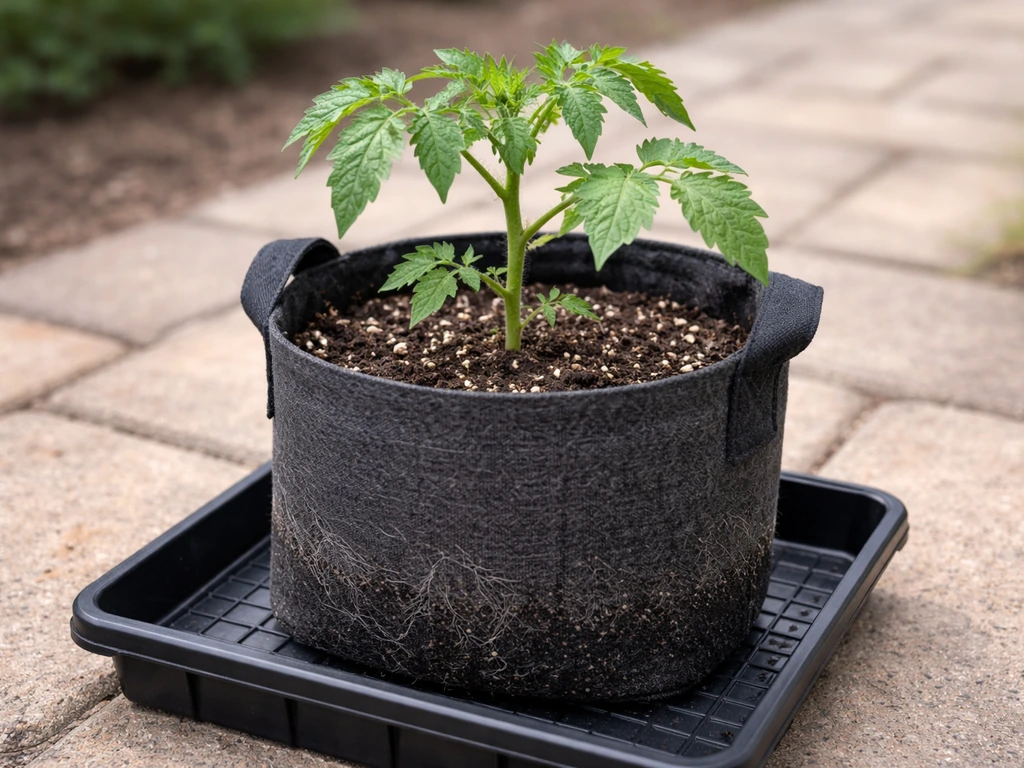
Tomatoes are the most common use case, and a 10-gallon bag is the practical minimum for indeterminate varieties. A 15-gallon Smart Pot is a better starting point if you're serious about yield: more root volume means the plant can handle heat stress better and doesn't need watering twice a day in midsummer. Potatoes do exceptionally well in 15-gallon fabric bags, which Johnny's Selected Seeds specifically recommends for potatoes and squash in their Smart Pot listings. The fabric's breathability prevents the waterlogging that causes rot in traditional containers, and harvest is as simple as tipping the bag over. For peppers and eggplant, 5-7 gallons works well. Cucumbers and squash need at least 10-15 gallons and appreciate the drainage that fabric provides.
Flowers and herbs
Herbs are among the easiest crops for fabric bags. A 1-3 gallon bag handles basil, parsley, cilantro, and thyme easily. The fast drainage fabric provides actually benefits most Mediterranean herbs, which hate waterlogged roots. For flowers, match the bag size to what you'd use in a standard pot: annuals like marigolds and zinnias do fine in 2-3 gallons, while larger perennials or ornamental grasses need 5-10 gallons. If you're comparing fabric bag options for flowers specifically, the felt grow bag category offers some softer-sided aesthetics that may appeal for visible patio plantings. If you want the best grow bags in India specifically, use the same selection criteria but prioritize brands and suppliers that deliver locally the best fabric grow bag category.
Trees and shrubs
This is where fabric grow bags genuinely outperform plastic containers, because of how they handle root architecture. High Caliper's Root Control Bags were specifically designed for tree production: the fuzzy interior fabric stops roots from circling the container, which is the main cause of long-term decline in container-grown trees. The root tips penetrate the fabric and are air-pruned, which forces the plant to generate dense, fibrous secondary roots instead of one or two thick circling roots. For dwarf fruit trees and blueberries, 20-30 gallons is the practical minimum. For landscape-ready trees you plan to eventually transplant, growers move up to 45-100 gallon bags, and manufacturers like Cali Grow Industries offer bags up to 400 gallons for large-scale nursery use.
Cannabis and specialty crops
Fabric bags have become the dominant container choice for cannabis cultivation for the same reasons they work well for tomatoes: excellent drainage, air root pruning, and a forgiving structure that lets roots breathe during high-heat flowering stages. For home growers, 5-10 gallon bags cover most photoperiod plants, while 3-5 gallon bags work well for autoflowers. If this is your primary use case, there's a more detailed breakdown of sizing and fabric considerations in the best grow bags for weed plants guide on this site.
Watering and soil setup: making fabric bags perform
Fabric bags drain faster than plastic containers, which is one of their biggest advantages, but it also means your watering approach needs to change. The general rule is to water when the top inch or two of soil feels dry, but in hot weather, a 5-gallon fabric bag can dry out to the root zone in a single afternoon. Check by lifting the corner of the bag: if it feels light, water. This lift-test becomes intuitive within a week or two.
For soil mix, don't use straight garden soil or heavily clay-based mixes in fabric bags. They compact over time and restrict the drainage that makes the bags worth using. A quality potting mix with perlite added (aim for about 20-30% perlite by volume) gives roots access to oxygen even after watering. Coco coir mixes also work very well in fabric bags because coir retains moisture while still draining freely. Avoid moisture-retaining polymer crystals added to the soil: they can cause more problems than they solve in a fabric container environment, especially around root tips that are already air-pruning at the bag wall.
Drip irrigation is the most effective watering system for fabric bags at any scale. A simple timer-controlled drip line eliminates the guesswork entirely and keeps moisture consistent, which dramatically improves yields for tomatoes and peppers in particular. If you're hand-watering, water slowly and evenly around the entire surface rather than just the center, because fabric bags can develop dry spots near the edges where roots are most active.
Because water moves through fabric bags quickly, nutrients leach out faster than they would in a plastic container. This means liquid feeding on a weekly basis is generally necessary for fruiting crops, even if you started with a rich potting mix. A balanced liquid fertilizer through the growing season, with a shift toward lower nitrogen and higher phosphorus and potassium once flowering begins, covers most vegetable and fruit crops well.
Troubleshooting common problems
The bag dries out too fast
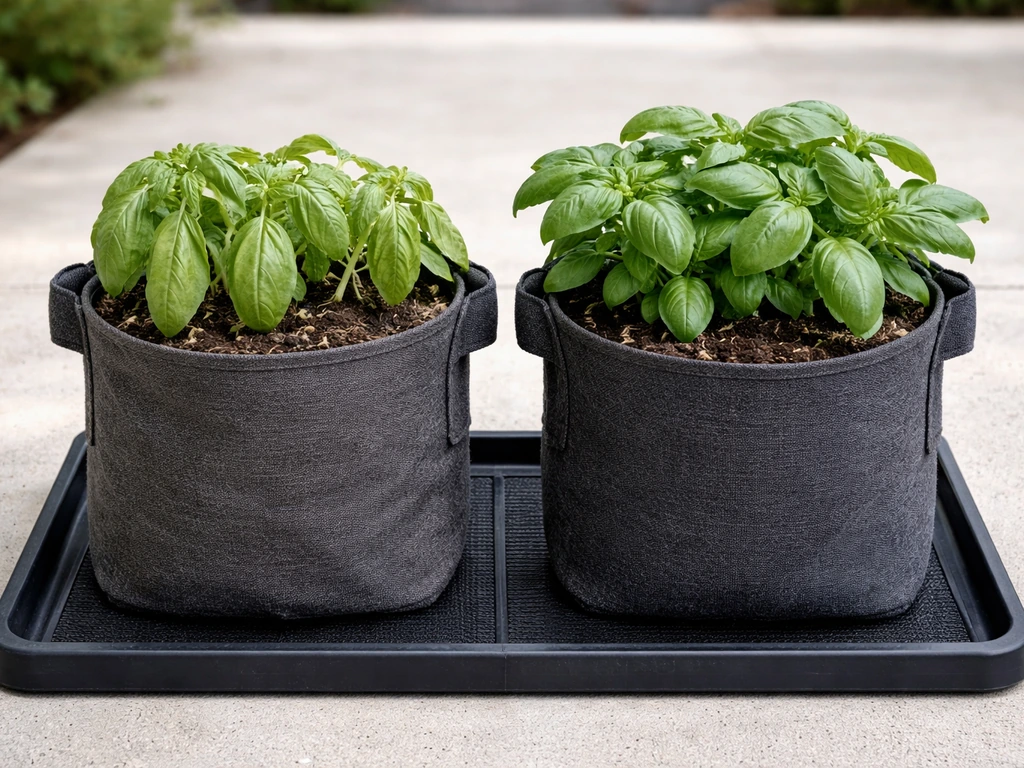
This is the most common complaint from first-time fabric bag users, and it's a real limitation to manage rather than a defect. In summer heat above 90°F, a small fabric bag can lose moisture through all six sides simultaneously. The practical fixes are: move bags into partial afternoon shade during peak heat, group bags together so they shade each other and reduce lateral evaporation, add a layer of mulch on top of the soil, and consider moving up one size in bag volume. A 10-gallon bag holds a larger moisture reservoir than a 5-gallon and is dramatically less prone to stress-wilting on hot days.
Root problems
If you're seeing roots growing through the outside of the bag wall, that's actually normal and healthy. Those roots are being air-pruned at the surface and the plant is generating dense fibrous root networks inside. Don't pull them off aggressively. If roots are visibly circling inside the bag when you pull a plant at end of season, the bag was undersized for that plant. Size up next season. For tree crops specifically, if you're seeing any signs of girdling roots (thick roots that seem to wrap around the base of the trunk), you likely used a bag that was too small for too long.
Algae and mold on the outside of the bag
Green algae on the outside of a fabric bag is common in humid conditions or when bags sit in standing water. It doesn't directly harm plants but can clog the fabric's pores over time and reduce airflow. The fix is to elevate bags on a simple wire rack or wooden platform so the base gets airflow, and avoid overwatering in humid weather. White mold on the soil surface inside the bag is typically saprophytic fungus living on organic matter in the potting mix and is rarely harmful, but it signals that the soil surface is staying too wet. Let the top inch dry fully between waterings and improve air circulation around the bag.
Nutrient deficiencies
Yellowing leaves mid-season in fabric bag crops almost always come down to nitrogen leaching out faster than the plant can use it. This happens because every watering pushes nutrients down and out through the permeable fabric. Feed weekly with a balanced liquid fertilizer rather than relying on slow-release granules alone. Magnesium deficiency (yellowing between leaf veins on older leaves) is also common in containers, and a monthly dose of Epsom salt solution (about 1 tablespoon per gallon of water) usually resolves it.
Fabric degradation over time
UV exposure breaks down most fabrics over time, and grow bags are no exception. Smart Pots' geotextile and Root Pouch's recycled-fiber construction are reasonably UV-stable, but any bag left in full direct sun year-round will show signs of fabric thinning and seam weakening after 3-5 seasons. Store bags indoors during winter rather than leaving them exposed. Rinse them with a mild bleach solution (1 part bleach to 9 parts water) between uses to remove pathogens and salt buildup, then let them dry completely before storing. Root Pouch claims up to 4 years in-ground and 6 years above-ground durability for their bags, which is a reasonable benchmark for quality U.S.-made bags generally.
Value and buying guide for right now
U.S.-made grow bags cost more than imported alternatives, and that's a real tradeoff to think through honestly. A Smart Pot 15-gallon bag typically runs $15-25 depending on where you buy it. You can find a 5-pack of imported 15-gallon bags for roughly the same total price. If you buy bags once every 5-7 years instead of replacing cheap imports every season or two, the U.S.-made option is the better value. If you're growing on a tight budget and just starting out, buying a few quality U.S.-made bags for your most important crops while using budget options elsewhere is a reasonable compromise. If you want the fastest route to shopping, you can compare the best grow bags on Amazon by size, fabric weight, and how well the seams and handles are reinforced.
The non-toxic question also matters here. Smart Pots explicitly states their bags are BPA- and lead-free. PlantPockets uses virgin HDPE. Root Pouch uses recycled water bottles and natural fibers. If you're growing food crops, these material claims matter, and they're another reason to verify manufacturing origin: you have more recourse with a U.S.-based company making specific material claims under FTC oversight than with an overseas manufacturer. If non-toxicity is your primary concern, the best non-toxic grow bags guide on this site goes deeper on material certifications and what to look for.
Where to buy verified U.S.-made grow bags
- Smart Pots directly at smartpots.com, or through Johnny's Selected Seeds, which independently lists them as Made in USA
- PlantPockets through their own site or listings on Amazon, where the U.S.-manufacturing claim appears in the product description
- Root Pouch through Burpee or directly from Root Pouch, but confirm current manufacturing location with the brand before purchasing
- Local independent garden centers sometimes carry Smart Pots and can confirm sourcing
Comparison checklist before you buy
| What to Check | What to Look For | Red Flag |
|---|---|---|
| Manufacturing claim | Named U.S. city or state on brand site | Only says 'ships from USA' or shows a flag with no location |
| Third-party confirmation | Listed as Made in USA by retailers like Johnny's or confirmed in product specs | No third-party corroboration of origin claim |
| Material disclosure | BPA-free, lead-free, or recycled material with specific fiber type named | Vague 'premium fabric' language with no material details |
| Stitching and handles | Double-stitched seams, reinforced handle attachment | Single-stitch seams, handles attached only at fabric edge |
| Size match | Volume chosen based on root volume needs of specific crop | Buying by price or convenience rather than crop fit |
| Reuse claim | Stated durability of 4+ years above-ground with proper care | No durability claim or evidence of thin, lightweight fabric |
If you're just getting started with fabric bags, buy one or two Smart Pots in the 10-15 gallon range, grow tomatoes or potatoes in them this season, and compare them directly against whatever containers you've been using. The difference in root health and plant performance is usually obvious within six weeks. Once you're sold on fabric bags as a growing method, scaling up to a full setup with verified U. You can also use this approach to narrow down the best grow bags for your specific crop and budget. S.-made bags becomes an easy investment to justify.
FAQ
What wording should I look for to avoid fake “Made in USA” grow bag claims?
“All or virtually all” is what the FTC requires for an unqualified Made in USA claim, but some brands use partial wording like “made in America” or “assembled in the USA.” If the listing does not clearly state where the fabric is sourced and where the bag is cut and sewn, treat it as not verified and ask the company the two-location question before buying.
How do I confirm the bag is truly manufactured in the USA, not just sold or assembled here?
A U.S. address on a retailer page is not proof. What matters is where the fabric originated and where the bag’s panels were cut and stitched. The quickest test is to email and ask, “Where is the fabric produced, and where is this exact bag cut and sewn (city and state)?” A legitimate manufacturer can answer both, with specifics.
Is it normal to see roots growing through the outside of a fabric grow bag?
If you see roots pushing out of the drainage holes or the outer fabric surface, that is normal for air pruning. Do not trim healthy, white, fine roots aggressively. If you are worried, repot into a larger size next cycle, because circling or girdling usually indicates the bag volume stayed too small for too long.
Why do my fabric grow bags keep drying out and stressing my plants?
Fabric bags dry faster, so a common mistake is keeping the same watering schedule used for plastic pots. Use the lift-test, water slowly to the point of full saturation, then let the top inch dry before watering again. In very hot weather, plan for more frequent watering or shift bags to partial afternoon shade.
Do I need a liner in a fabric grow bag?
Yes, but only with conditions. A liner can reduce airflow and blunt the air-pruning benefit, so if you use one, choose a partial base protection approach rather than fully lining the entire interior. The goal is to manage runoff and staining without wrapping the root zone in a moisture-holding barrier.
What should I inspect on the stitching and handles before trusting a grow bag for reuse?
If seams and handles are weak, the bag can fail while you are carrying it or during watering, especially in larger sizes where the wet soil weight is extreme. Check for double-stitching, reinforced handle attachments, and consistent stitching depth, and avoid bags where handles are only single-thread loops stitched into the wall.
Why are my leaves turning yellow in a fabric grow bag, and what should I change first?
Often, yellow leaves in mid-season containers are nutrient dynamics, not a soil “problem.” Because nutrients leach faster in breathable bags, switch to consistent liquid feeding rather than relying mainly on slow-release pellets. If you have consistent leaf yellowing between veins on older leaves, test for magnesium and consider an Epsom salt solution at the container rate you use.
My grow bag has algae on the outside, is it a problem?
Algae on the outside usually means the fabric is staying wet and has enough light. It can also indicate the base is not getting airflow, which can slowly clog pores. Elevate the bag to improve airflow and avoid standing water or frequent overwatering in humid conditions.
How can I verify the materials are truly non-toxic for growing food?
For food crops, “non-toxic” claims only matter if they come with specific material assurances. Check whether the brand states BPA- and lead-free performance for the geotextile, or specifies the type of HDPE and additives if using plastics in the system. If the company cannot clearly describe materials and where they are made, default to avoiding that product for edible plants.
What is the best way to clean and store U.S.-made grow bags between seasons?
Most grow bags are not designed to be left outdoors in freeze-thaw conditions without wear. For best longevity, rinse off salts and sanitize between seasons, store indoors during winter, and let the bags dry completely before stacking. This reduces odor, pathogen carryover, and premature seam weakening.
If my plant did poorly at the end of the season, how do I know it was a sizing issue?
A bag that is too small can cause circling roots and later decline, even if the plant looks fine at first. If you see circling when you remove the plant at the end of the season, increase bag volume for the next cycle and do not extend the same-size bag beyond its intended growth period for that crop.
Can I use a liner to reduce runoff or water loss without ruining the benefits?
Sometimes. If you grow in places where runoff stains matter, a partial base liner helps manage drips while still allowing side airflow. If your only reason is “to keep moisture longer,” a better fix is a larger bag size, mulch on top, and drip irrigation timing, since full liners often reduce the performance advantage of fabric.
Next Articles
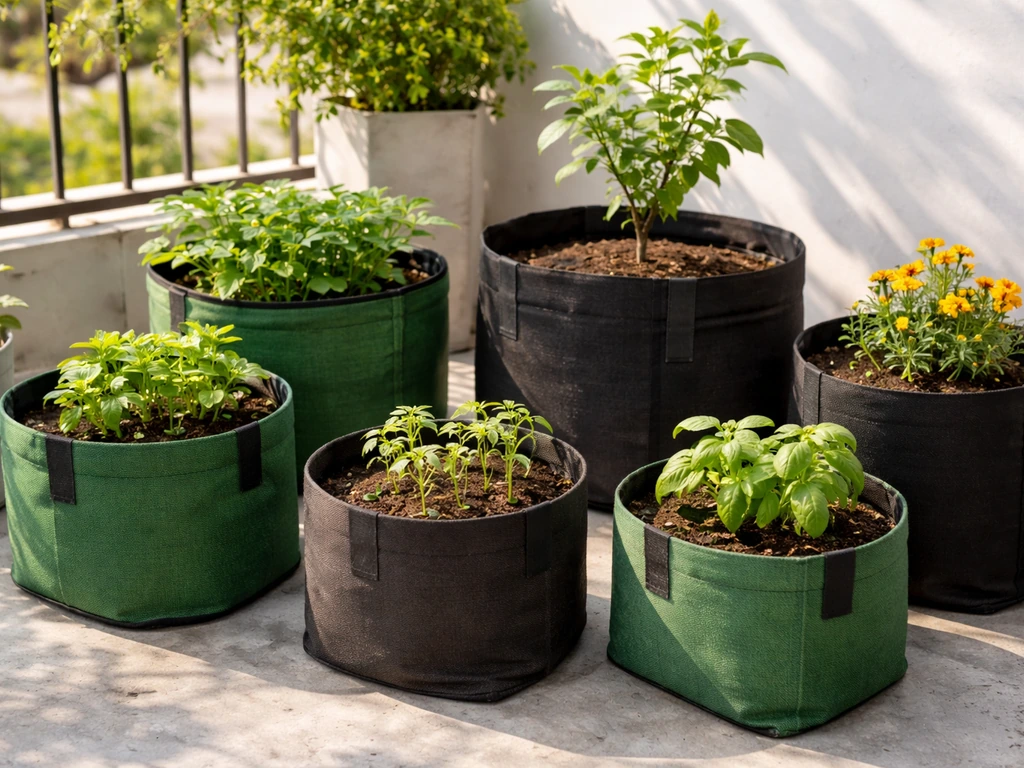
Best Grow Bags in India: Buying Guide for Healthy Roots
Best grow bags in India: pick fabric, drainage, size and reinforcements for vegetables, flowers, mushrooms, and trees.
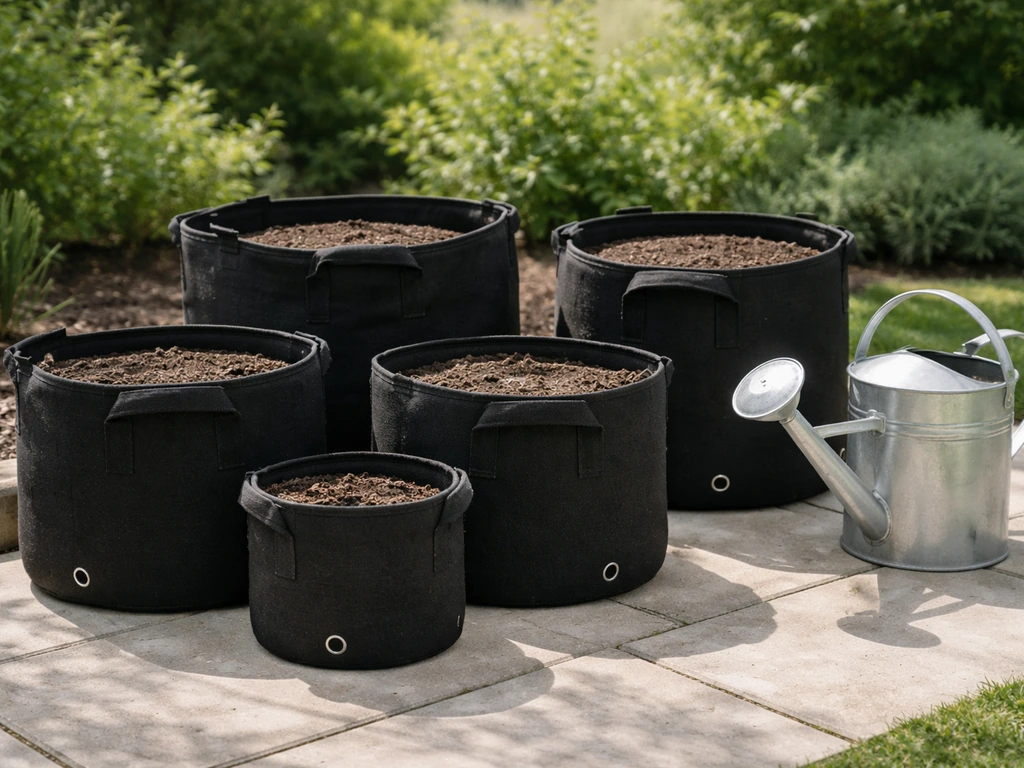
Best Grow Bags on Amazon: How to Choose and Buy Right
Buy the best grow bags on Amazon fast: size, fabric, drainage, features, red flags, and picks by plant type.
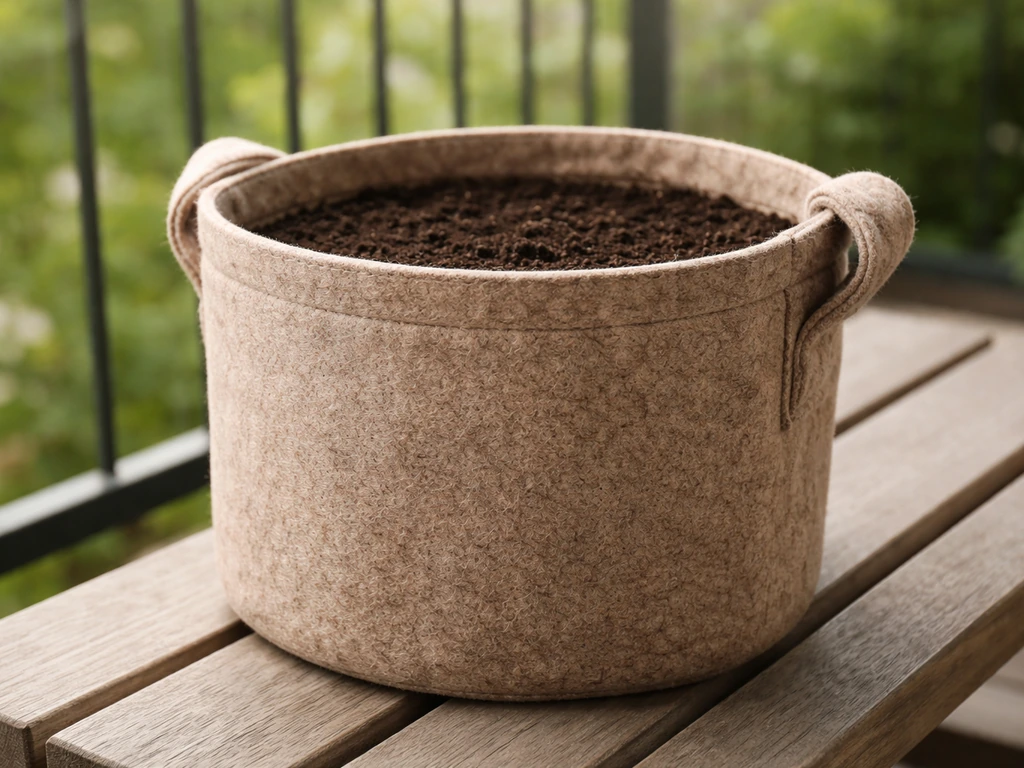
Best Non Toxic Grow Bags: How to Choose Safely
Choose the best non toxic grow bags safely with material checks, red flags, feature comparisons, and care tips