Yes, fabric grow bags are safe for growing vegetables when you choose quality bags made from food-safe materials, and the real-world risk of harmful chemical leaching into your soil or produce is very low. For newborns, stick to safe, food-grade gardening materials and keep any growing soil and water away from baby play areas are grow bags safe for newborns. That said, "safe" is not a blanket statement you can apply to every grow bag on the market. It depends on what the bag is made of, how it was manufactured, and whether the brand has done any third-party testing to back up their claims. Here is what you actually need to know to make a confident decision.
Are Grow Bags Safe for Vegetables? Food-Safe Guide
Marcus Holloway
3 May 2026
Do grow bags contain toxic or unsafe materials?
Most fabric grow bags sold for gardening are made from polypropylene or polyester nonwoven fabric, and in their finished form these base polymers are generally considered low-risk. The concern is not really the plastic polymer itself. It is the additives, dyes, UV stabilizers, and finishing chemicals that could be layered on top of the fabric during manufacturing. Stain-resistant or water-repellent finishes, for example, may involve PFAS chemistry, which are a class of man-made chemicals the EPA describes as persistent in the environment and capable of migrating into soil and water under certain conditions. That is not a reason to panic, but it is a reason to not just take a manufacturer's word for it.
When a brand says their grow bag is "BPA-free" or "lead-free," those are real and useful claims, but they only cover two substances out of potentially thousands of chemicals of concern in textiles. Certifications like OEKO-TEX STANDARD 100 are more meaningful because they test against a restricted substances list that has grown to over 1,000 chemicals, covering heavy metals, harmful dyes, and extractable substances based on the product's intended use. A bag with that certification has been independently verified, not just self-reported by the company.
Smart Pots, for instance, states their fabric has been independently tested, is BPA-free and lead-free, and claims there is "no meaningful chemical exchange with the surrounding environment." VIVOSUN specifies their nonwoven grow bags are made from 300g thickened polyester nonwoven fabric and are labeled BPA-free. Those are honest claims worth acknowledging, but they come from the manufacturers themselves, not an independent migration study. For edible crops, that distinction matters.
Fabric vs non-fabric grow bags: what changes the safety picture
Not all grow bags are fabric. Some are made from thick plastic, recycled rubber, or felt-like materials of varying quality. The safety question shifts quite a bit depending on what you are working with.
| Material Type | Common Use | Key Safety Consideration | Recommendation for Vegetables |
|---|---|---|---|
| Nonwoven polypropylene fabric | Most popular fabric grow bags | Low leaching risk; check for coatings or dyes | Good choice; look for third-party testing |
| Polyester nonwoven fabric | VIVOSUN and similar brands | Base polymer is low-risk; finishing chemicals unknown without testing | Acceptable; prefer bags with safety certification |
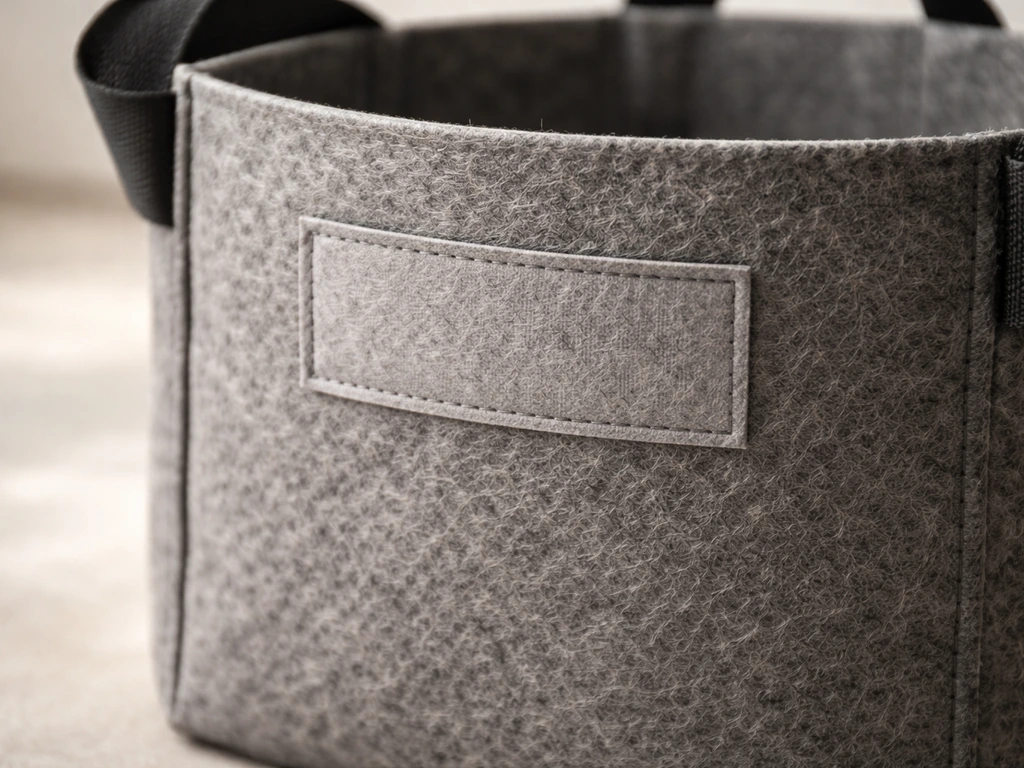
| Felt fabric (recycled materials) | Budget grow bags | Recycled content may include contaminants; less predictable | Use caution; ask about recycled content sourcing |
| Thick plastic (PVC or unknown plastic) | Cheaper grow bags | PVC can off-gas phthalates; unknown plastics are higher risk | Avoid for edible crops unless food-grade labeled |
| Recycled rubber | Specialty planters | May leach heavy metals or VOCs | Not recommended for vegetables |
Fabric grow bags made from virgin polypropylene or polyester nonwoven fabric are the safest default category for vegetables. The porous structure of fabric bags is actually an advantage here: it promotes air pruning and excellent drainage, which means water and any soluble material moves through quickly rather than pooling in contact with roots for extended periods. Solid plastic planters that are not certified food-grade carry more risk because they trap liquid in constant contact with the container walls.
Food-safety checks: what to look for on labels and product specs
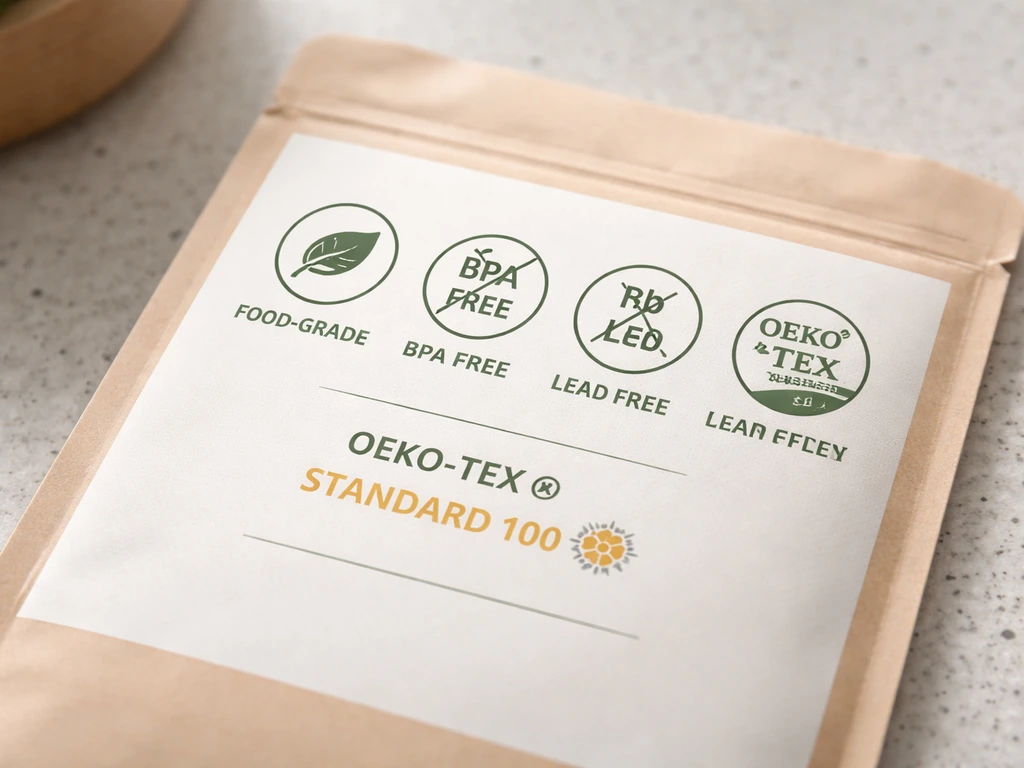
Penn State Extension makes an important point: calling something "food-grade" implies the material has undergone regulatory testing, not just informal marketing. When you are evaluating grow bags for edible vegetables, here is what to actually look for rather than just taking the packaging at face value.
- OEKO-TEX STANDARD 100 certification: This is the gold standard for textile safety. It confirms the fabric has been tested by an independent lab against a broad list of harmful substances based on intended use. If a grow bag brand lists this certification with a verifiable certificate number, that is the most credible safety signal available.
- BPA-free and lead-free claims backed by independent testing: Manufacturer claims are a starting point, but look for brands that reference third-party lab results rather than just printing "BPA-free" on the bag.
- Material composition disclosure: Any reputable brand should tell you exactly what the fabric is made of. "300g nonwoven polyester" or "virgin polypropylene" are specific and useful. Vague descriptions like "eco fabric" or "natural fiber" with no further detail are a red flag.
- Country of manufacture: Bags made in the US or EU are subject to stricter chemical regulations than those with no manufacturing origin listed. This is not a guarantee, but it is a relevant factor.
- No water-repellent or stain-resistant finish claims: These finishes raise the possibility of PFAS chemistry. For grow bags used with edible crops, you want a simple uncoated fabric, not one marketed as waterproof or stain-resistant.
If you cannot find clear answers to any of the above from a brand's product page or customer service, that is a sign to look elsewhere. Reputable manufacturers making food-safe claims for grow bags should be able to back them up.
How to use grow bags safely for growing vegetables
Even with a quality bag, how you use it affects the real-world safety picture. A few practical habits go a long way toward minimizing any leaching risk and keeping your vegetables clean.
Liners: when they help and when they are not necessary
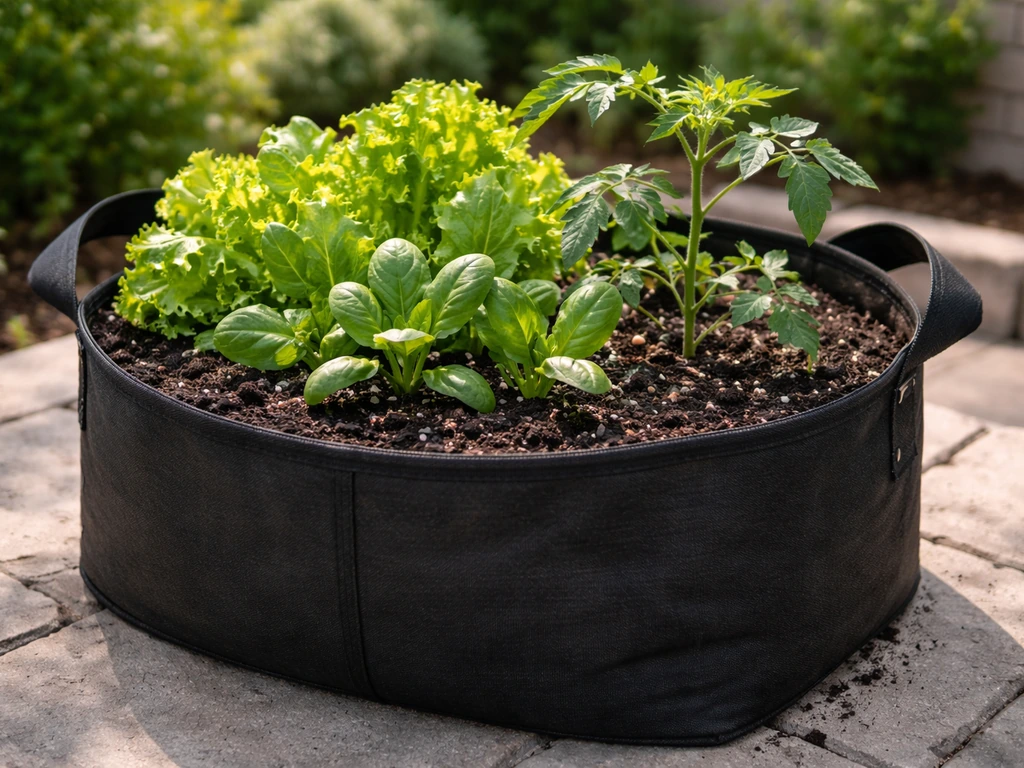
Some brands sell inner liners for their fabric grow bags, which sit between the soil and the fabric wall. Smart Pots, for example, markets a liner product designed to reduce direct soil-to-fabric contact. If you are growing vegetables that develop edible roots very close to the bag walls, like carrots or beets, a liner is a reasonable precaution. For most vegetables like tomatoes, peppers, cucumbers, or squash, a liner is not necessary if you are using a well-tested fabric bag. The main edible portion of those plants never touches the bag directly, and the fabric's drainage properties already limit how long soil moisture sits against the walls.
Soil, fertilizers, and watering
Use a high-quality prepackaged potting mix rather than garden soil in grow bags. Potting mixes are designed for containers and have predictable pH and salt levels, which matters because high-salt water or aggressive fertilizer regimens can change how soluble compounds move through a growing medium. If you are using synthetic fertilizers, follow label rates closely; excess fertilizer salts do not directly cause the fabric to leach more, but they stress the plant and can accumulate in the soil near the roots. Compost teas are generally low-risk in this context. If you water with well water or tap water that is high in minerals, that is more of a plant nutrition concern than a bag-safety concern.
The University of Nebraska-Lincoln Extension emphasizes using appropriate watering practices with container media: keep it consistently moist rather than drenching and flushing repeatedly. Aggressive flushing is sometimes recommended to clear fertilizer salts, and while that is a legitimate practice, it is not related to making a grow bag "safer." Normal, consistent watering is fine.
Managing contact with edible portions
Leafy greens grown in a grow bag will not be in contact with the bag fabric itself; they grow up and away from it. Root vegetables are the one category where the edible part grows near or against the bag wall, so for those crops it is worth either using a liner or choosing a grow bag with strong independent safety testing. Wash all harvested vegetables thoroughly regardless of how they were grown. That is just good practice.
Best-practice setup before you plant
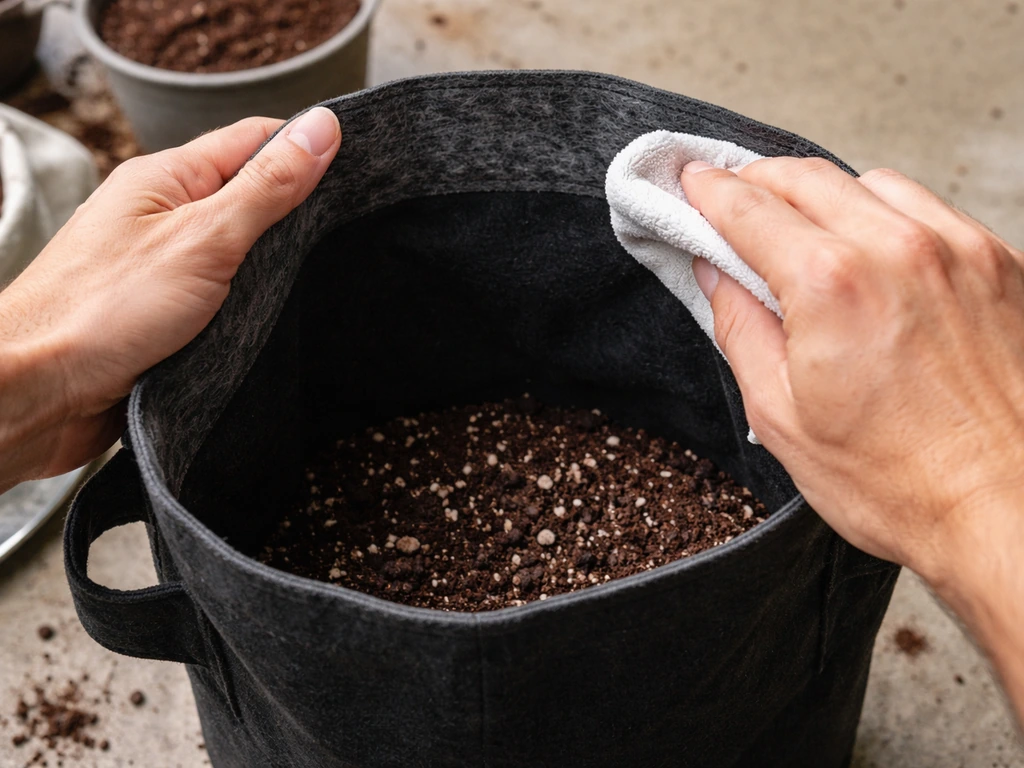
Taking a few minutes to prep your grow bags before planting is a simple way to start with a cleaner slate, and it is worth doing even if you are confident in the brand you chose.
- Inspect the bag for any unusual chemical smell or residue before use. A faint manufacturing smell is common and usually dissipates quickly, but a strong solvent or chemical odor is a reason to return the product.
- Rinse new bags with clean water and let them air dry in the sun before filling. This removes any loose surface residues from manufacturing and storage. It is not strictly necessary for certified bags, but it costs you nothing.
- If you want to clean a previously used grow bag for reuse with edible crops, wash it with soap and water, then soak for 10 minutes in a 10% bleach solution (roughly 1.5 cups of standard bleach per gallon of water), rinse thoroughly, and air dry. This is the method recommended by the University of Maryland Extension for food-grade container reuse.
- Fill with a quality potting mix, not native soil. Native soil compacts in containers, drains poorly, and can introduce pests and pathogens.
- Place the bag in its final location before filling fully, since a 20+ gallon bag of moist soil is extremely heavy and difficult to move without damaging the handles or the bag.
Ohio State University Extension advises choosing grow bags made from heavy-duty polypropylene or landscaping fabric for durability, and that is relevant to safety too. A UV-degraded bag that is crumbling after one season is more likely to break down in ways you cannot predict. Durability is not just a convenience issue.
Troubleshooting safety concerns and when to replace a grow bag
Most safety concerns with grow bags are theoretical when you start with a reputable product. But here are the situations where you should take action.
- The fabric is visibly degrading, crumbling, or shedding: UV breakdown causes some fabrics to degrade over multiple seasons. Once a fabric grow bag starts physically breaking down, retire it from edible crop use. Degraded synthetic fabric can fragment into microparticles that you do not want mixing into growing media for food crops.
- You notice a persistent chemical smell from the bag or the soil after watering: This is unusual for quality bags but warrants switching to a different product. Do not continue growing edible crops in a bag with this issue.
- You bought bags with no material disclosure, no country of origin, and no safety certifications: Use these for ornamentals or non-edible plants, not vegetables. It is not worth the uncertainty.
- You are unsure whether a used or secondhand grow bag was previously used with pesticides or contaminated soil: Do not reuse it for edible crops unless you can verify its history. Contamination from prior use is a bigger practical risk than the fabric itself for used bags.
- The bag has been used for more than three to five growing seasons: Most fabric grow bags are rated for several years, but fabric integrity declines over time especially with frequent wet-dry cycles and sun exposure. Inspect annually and replace bags showing signs of physical wear.
For most home growers buying from established brands, none of these scenarios will come up. The practical safety record of fabric grow bags for vegetables is strong, and the category has been used by home and commercial growers for years without documented issues tied to fabric chemical leaching. The key is starting with a quality product and replacing bags when they show physical wear. If you want to go deeper on specific brands, there are detailed reviews and material breakdowns available for products like VIVOSUN grow bags that can help you compare options before buying. If you want to compare options, it also helps to understand what Vivosun grow bags are made of and what materials they use in their construction. If you are comparing options, looking at vivosun grow bags reviews can also help you spot real-world pros and cons before you buy.
FAQ
How can I tell if a grow bag is actually “food-grade,” not just marketed as safe?
Look for wording that indicates regulatory or standards-based testing for textiles used in contact with food or growing media. “BPA-free” or “lead-free” alone is not the same as food-grade, and if the company cannot explain testing scope (what chemicals, what method, and who did it), treat it as a red flag.
Are grow bags safe if they were stored outside in sun for a long time before I bought them?
UV exposure is mainly a durability issue, but a bag that becomes brittle or starts to shed fibers can create unpredictable contact and contamination with soil. If the fabric looks frayed, crumbling, or has a strong chemical odor, replace it rather than using it for edible crops.
Do grow bags leach microplastics into vegetables, especially after repeated seasons?
Micro-fragmentation is more likely when bags wear, but the key practical step is replacement. Use the bag for its intended life, and retire it early if you see thinning, holes, or fabric breakdown, particularly for root crops where contact is closer.
Should I use a liner for all vegetables grown in grow bags?
For leafy greens and above-root crops, a liner is usually unnecessary because the edible portion does not sit against the bag wall. For root vegetables like carrots or beets, a liner is more relevant, or choose a bag with independently verified migration testing.
Is it safer to use organic compost or home compost in grow bags from a chemical-contact perspective?
Compost choice is less about bag materials and more about overall contamination risk. The safer approach is using well-finished compost (to reduce acids and unknown compounds) and avoiding compost with sewage sludge or uncertain sources, since the bigger variable is contaminants entering through the soil rather than the bag.
Does overwatering or frequent flushing increase chemical migration from the bag?
Heavy runoff and constant wetting can increase how much soluble material moves through the medium, but it does not automatically mean increased chemical leaching from the fabric itself. The main guideline is consistent, appropriate watering (keep moist, avoid repeated drenches and unnecessary salt-clearing unless you are managing fertilizer buildup).
Can I reuse a grow bag for another season, and is that still safe?
You can sometimes reuse fabric grow bags, but safety depends on condition. If the fabric is intact and you have no odor, peeling finishes, or visible breakdown, reuse is typically lower risk than using a worn bag, and you should refresh the mix and consider washing the exterior before handling edible harvests.
Are felt, recycled rubber, or thick plastic grow bags safe for vegetables?
Those materials are more variable than virgin polypropylene or polyester nonwoven fabric, and they may have different additives or binders. If independent testing and clear material disclosures are not available, default to a bag with stronger third-party verification for edible use.
What’s the best way to reduce soil contact for edible parts that grow near the bag wall?
Use a liner, keep the soil level slightly below the bag rim, and consider hilling methods that move the root zone inward. Also, harvest promptly and rinse thoroughly, since physical residue on fabric-adjacent areas is an avoidable cleanliness risk.
Should I worry about grow bags for baby or indoor use like raised-bed substitutes?
Yes, prioritize physical separation and material assurance. Keep growing soil and water away from play areas, and use only bags where you can confirm appropriate testing for the product type, because indoor environments increase the chance of handling contact and tracking soil.
What are the practical warning signs that I should stop using a grow bag for vegetables?
Replace the bag if it is shedding fibers, has tears or holes, shows peeling coatings, feels overly sticky or oily, develops a persistent strong odor, or crumbles when touched. Any of these suggest material degradation or finishes are no longer predictable for food use.
Next Articles
Best Grow Bag for Vegetables: How to Choose and Plant
Choose the best grow bag for vegetables: size, features, and top container crops with planting and troubleshooting tips.
Best Soil for Grow Bags: Mix Recipes and How Much to Add
Best soil for grow bags: mix recipes, how much to add by bag size, and vegetable tweaks for strong drainage and yield.
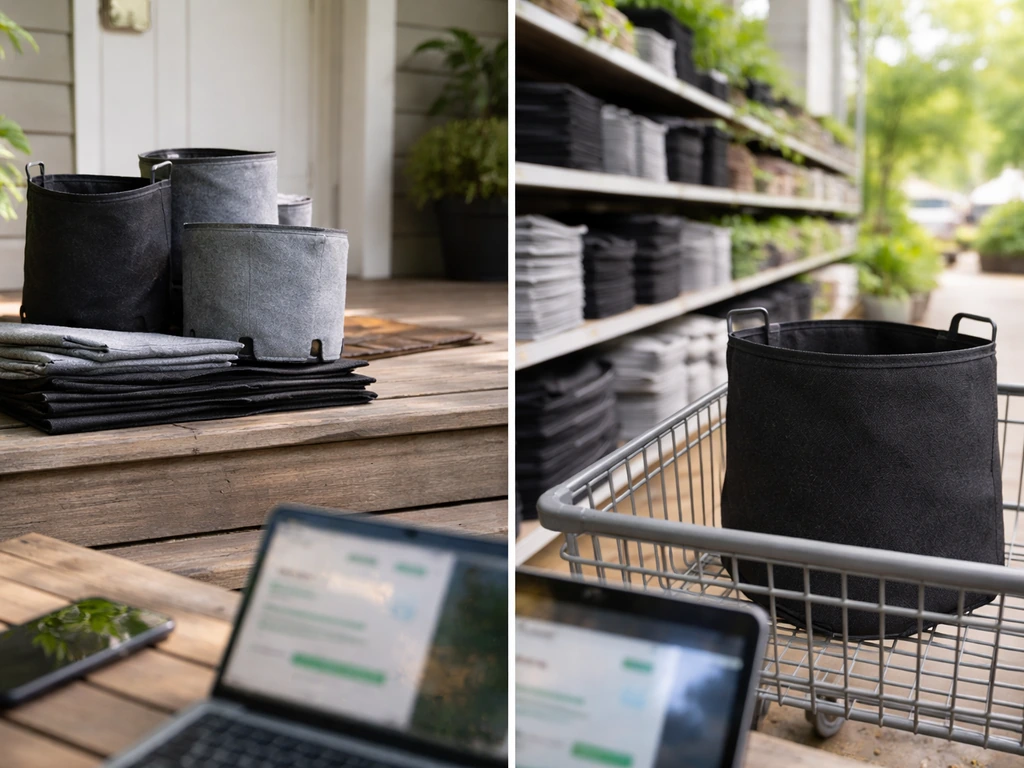
Where to Buy Grow Bags Near Me: Online and Local Guide
Find where to buy fabric grow bags near you or online, compare sizes, drainage, and best prices for veggies, trees, and