The best grow bag for vegetables is a 5-gallon (or larger) nonwoven fabric bag for most crops, with a 10-gallon or taller option for tomatoes, peppers, and root vegetables. But the honest answer is that "best" depends heavily on what you're growing, where you're putting the bag, and how often you're willing to water. This guide walks you through exactly how to match the right bag to the right vegetable, so you're not guessing at the garden center.
Best Grow Bag for Vegetables: How to Choose and Plant
Marcus Holloway
11 Apr 2026
Are grow bags actually good for vegetables?
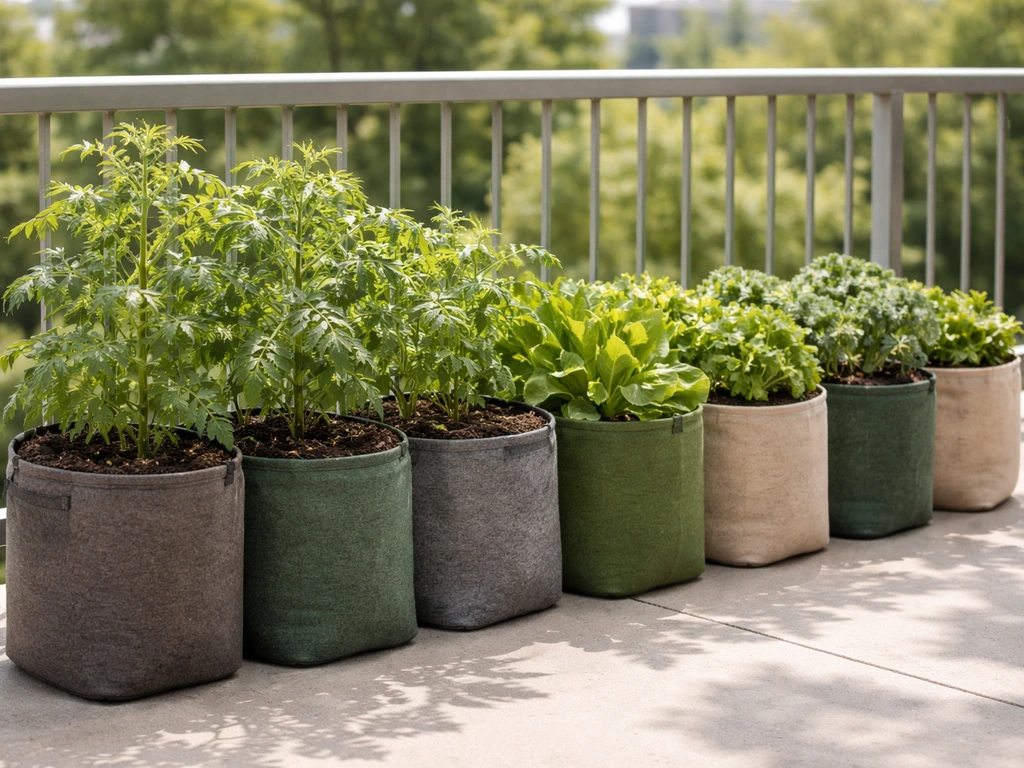
Yes, genuinely good, not just a trendy alternative to pots. The main reason comes down to something called air-pruning. When roots reach the edge of a fabric bag, the air at the permeable wall naturally stops root growth at that point, which causes the plant to branch new roots inward rather than circling the container. NC State University Extension specifically highlights air-pruning as a key advantage that prevents plants from becoming rootbound, which is one of the most common silent killers in container gardening. In a standard plastic pot, roots spiral and eventually strangle themselves. In a fabric bag, that doesn't happen.
The other big win is drainage. Fabric walls allow excess moisture to escape from all sides, not just the bottom drainage holes. This means oxygen reaches the root zone more consistently, which directly supports healthier growth and reduces the risk of root rot. If you've ever lost a container tomato to soggy roots, this feature alone makes the switch worthwhile. Before you plant your first bag, it's worth reviewing whether grow bags are safe for vegetables to make sure the materials you're working with are food-safe, especially if you're growing edibles.
How to choose the best grow bag for vegetables
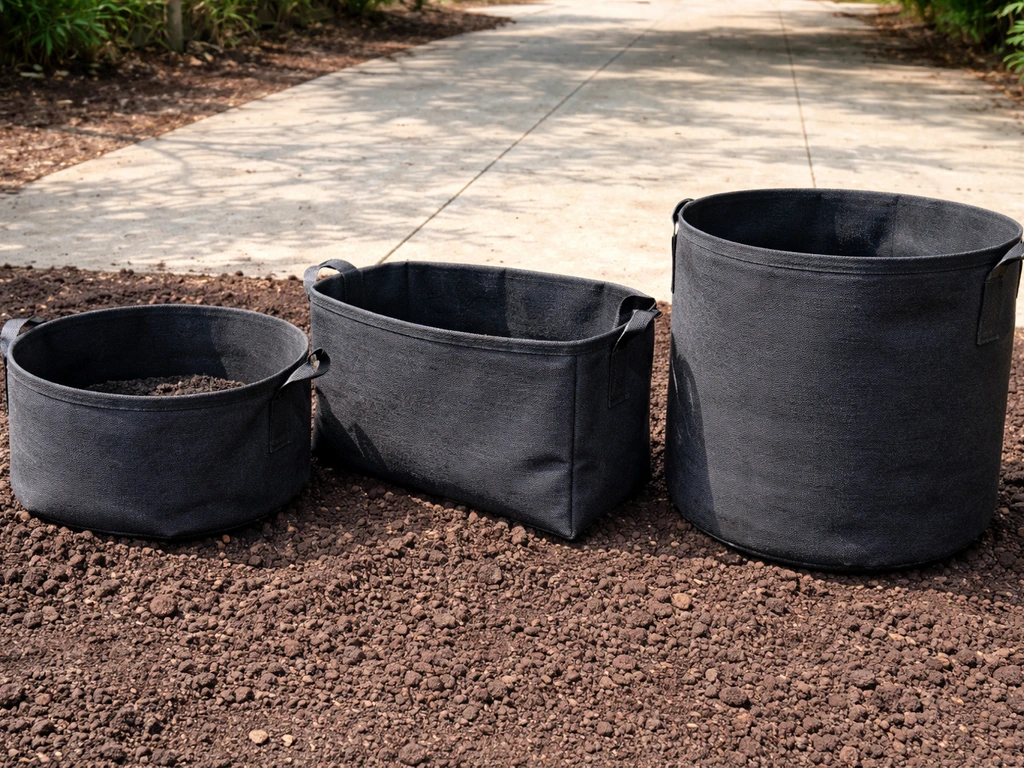
There are four things that actually matter when you're comparing bags: size (volume and depth), fabric type and thickness, drainage performance, and shape. Get these right and everything else is secondary.
Size and volume
Volume is the first filter. Colorado State University Extension recommends a minimum five-gallon container for common vegetables including tomatoes, eggplant, peppers, cucumbers, cabbage, and beans. That's your floor for most productive crops. For reference, the University of Maryland Extension notes that a 2-cubic-foot bag of potting mix fills roughly three 5-gallon containers, so you can plan your soil purchases accordingly. For tomatoes, I'd push to 10 gallons. For leafy greens and herbs, 3 gallons is comfortable. For potatoes, you want 10 to 15 gallons with height to spare.
Fabric type and thickness
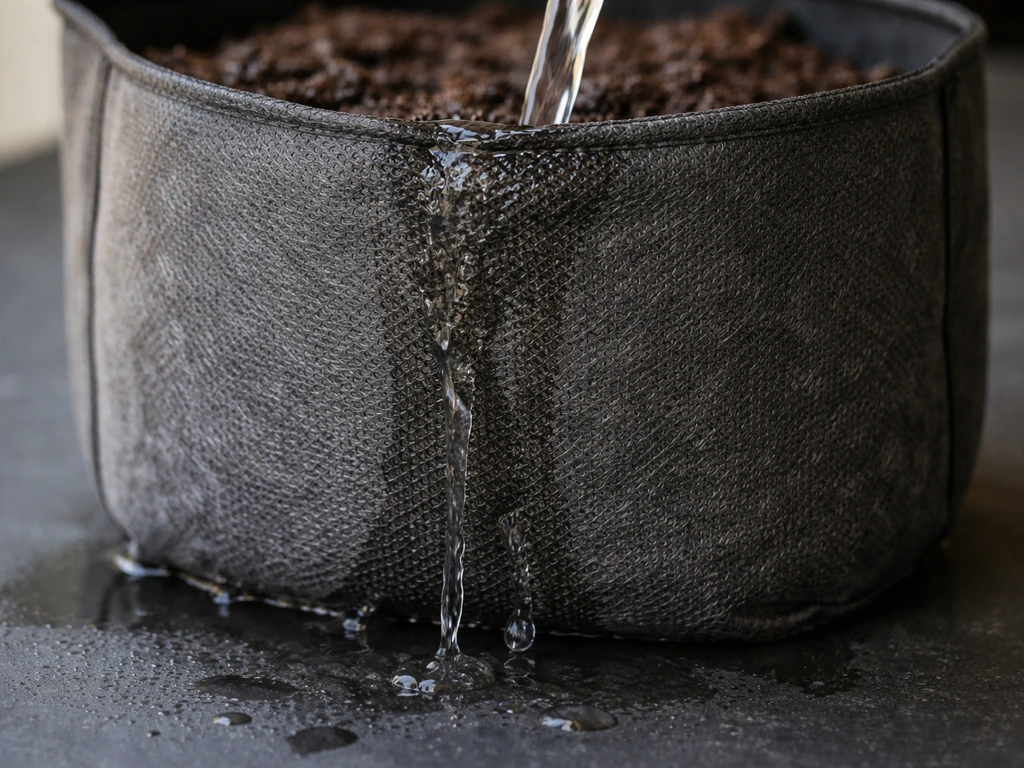
Most grow bags on the market today are made from nonwoven polypropylene felt, sometimes described as nonwoven fabric or simply felt. This material allows air and water to move through the walls while still holding soil in place. Thickness matters: bags made from around 300g nonwoven fabric (as seen in brands like Byson) hold their shape better over multiple seasons and are less likely to tip or deform under wet soil. Lighter bags work fine for one season but tend to degrade faster, especially with UV exposure. If you're buying for reuse, prioritize thickness.
Drainage and breathability
All fabric bags drain better than plastic pots by design. Where they differ is in how much moisture they retain. Lined grow bags hold moisture longer than unlined bags, which can be a genuine advantage in hot, dry climates or for thirsty crops like tomatoes and cucumbers. Unlined bags dry out faster and require more frequent watering, but they also allow more air exchange. The right choice depends on your climate and how attentive you are to watering.
Handles and shape
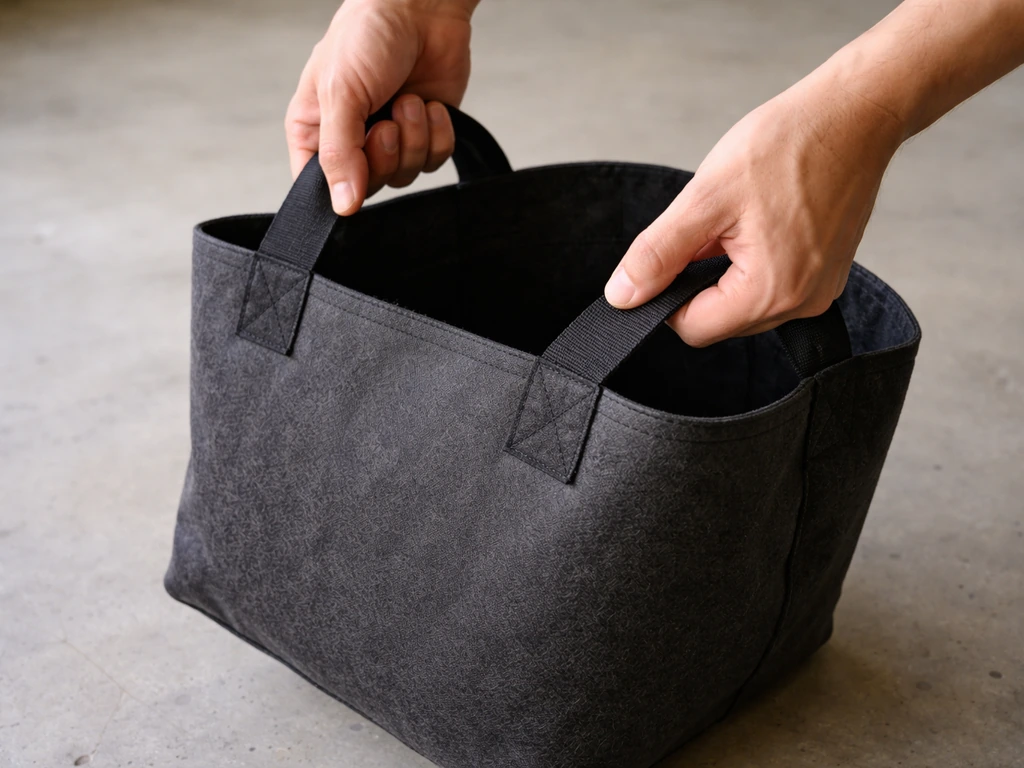
Reinforced handles are worth paying for. VIVOSUN's fabric grow bags, for example, feature stitched handle attachment points rather than glued ones, which matters when you're moving a 10-gallon bag soaked with water and soil. On shape: standard round bags work for almost everything. Taller, narrower bags (sometimes called potato bags or tower bags) are better for root crops and potatoes where depth is more critical than surface area. For most vegetables, the wider and shorter "squat" bags maximize root spread.
Which vegetables actually thrive in grow bags
Almost any container-friendly vegetable does well in a fabric bag, but the crops that benefit most are those that need good drainage, warm root zones, or frequent transplanting. The table below maps common vegetables to their minimum depth requirements and recommended bag size, based on guidance from NC State Extension, University of Arizona Extension, and West Virginia University Extension.
| Vegetable | Min. Root Depth | Recommended Bag Size | Notes |
|---|---|---|---|
| Lettuce / Spinach / Arugula | 6–8 inches | 3–5 gallon | Shallow roots; wide bags maximize yield per bag |
| Radishes / Scallions | 6–8 inches | 3 gallon | Fast crops; great for succession planting |
| Herbs (basil, parsley, cilantro) | 6–8 inches | 2–3 gallon | Can share a single 5-gallon bag |
| Peppers | 12–18 inches | 5–10 gallon | Benefits from depth; needs consistent watering |
| Eggplant | 12–14 inches | 5–10 gallon | Prefers warm root zone; bags help here |
| Tomatoes (determinate) | 12–18 inches | 10 gallon | Go bigger if you can; never less than 5 gal |
| Tomatoes (indeterminate) | 12–18 inches | 15–20 gallon | Large root mass needs room |
| Cucumbers | 12–18 inches | 5–10 gallon | Train vertically to save space |
| Bush beans | 12–18 inches | 5 gallon | Plant 3–4 per bag at 4-inch spacing |
| Carrots (short varieties) | 10–14 inches | 10 gallon (tall) | Need depth more than width; use tower bags |
| Potatoes | 12+ inches | 10–15 gallon | Tall bags allow progressive hilling |
| Kale / Swiss chard | 8–12 inches | 5 gallon | Cut-and-come-again; very productive per bag |
Root vegetables like carrots deserve special mention because most standard round bags are too shallow. UC ANR's container vegetable guide recommends at least 12 to 14 inches of soil depth for short carrot varieties. A standard 5-gallon round bag is often only 10 to 11 inches deep, which puts carrots right at the edge. Either choose a deeper bag or stick to short-rooted varieties like Chantenay or Danvers.
Best vegetable grow bags by type and goal
Rather than one universal winner, here's how I'd match bag types to planting goals. These aren't ranked by brand loyalty. They're matched by what actually works.
Best for tomatoes and peppers: 10-gallon nonwoven felt, lined
For fruiting crops like tomatoes, peppers, and eggplant, go with a 10-gallon lined bag made from 300g+ nonwoven fabric. The lining helps retain moisture because these crops need consistent hydration to avoid blossom end rot. Reinforced handles are non-negotiable since a fully loaded 10-gallon bag is heavy. VIVOSUN's bags are a popular entry point here with their stitched handles and reliable drainage. If you want a deeper look at how they stack up in practice, the VIVOSUN grow bags review covers real-world performance across multiple seasons.
Best for leafy greens and herbs: 3 to 5-gallon wide and shallow
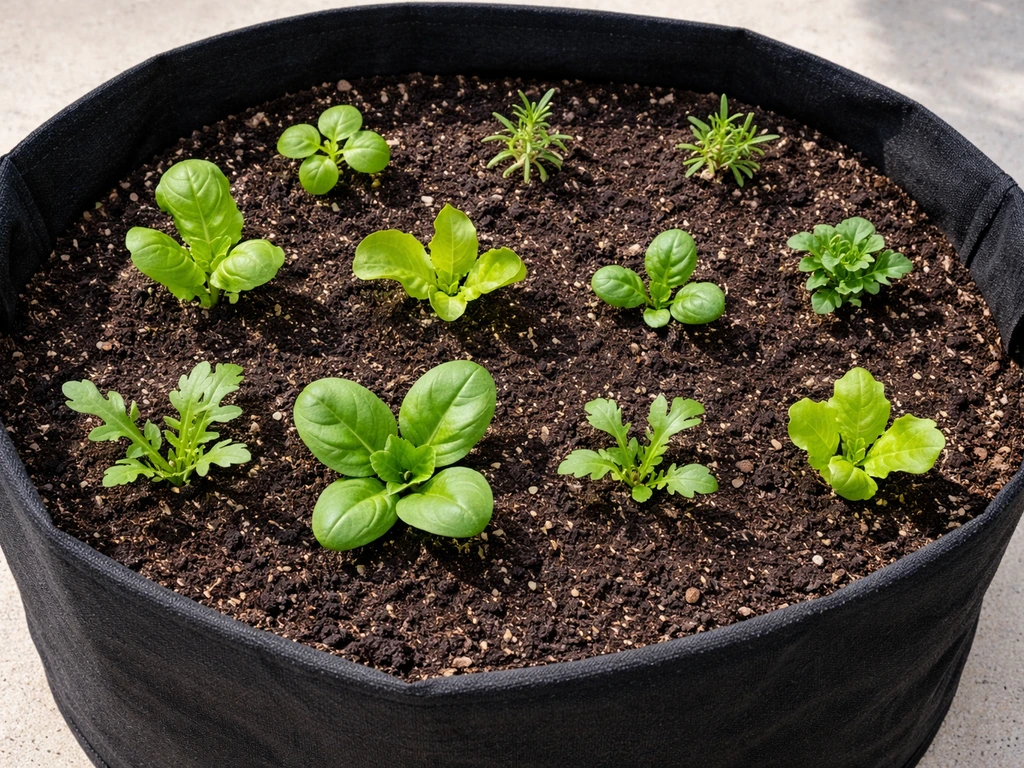
Lettuce, spinach, arugula, and herbs only need 6 to 8 inches of root depth. A wide, shallow 3 to 5-gallon bag maximizes the planting surface and lets you fit multiple plants per container. Thinner fabric (even lighter 100–200g nonwoven) is fine here because these crops are usually seasonal and bags won't need to last more than two or three years.
Best for potatoes and root crops: tall 10 to 15-gallon tower bags
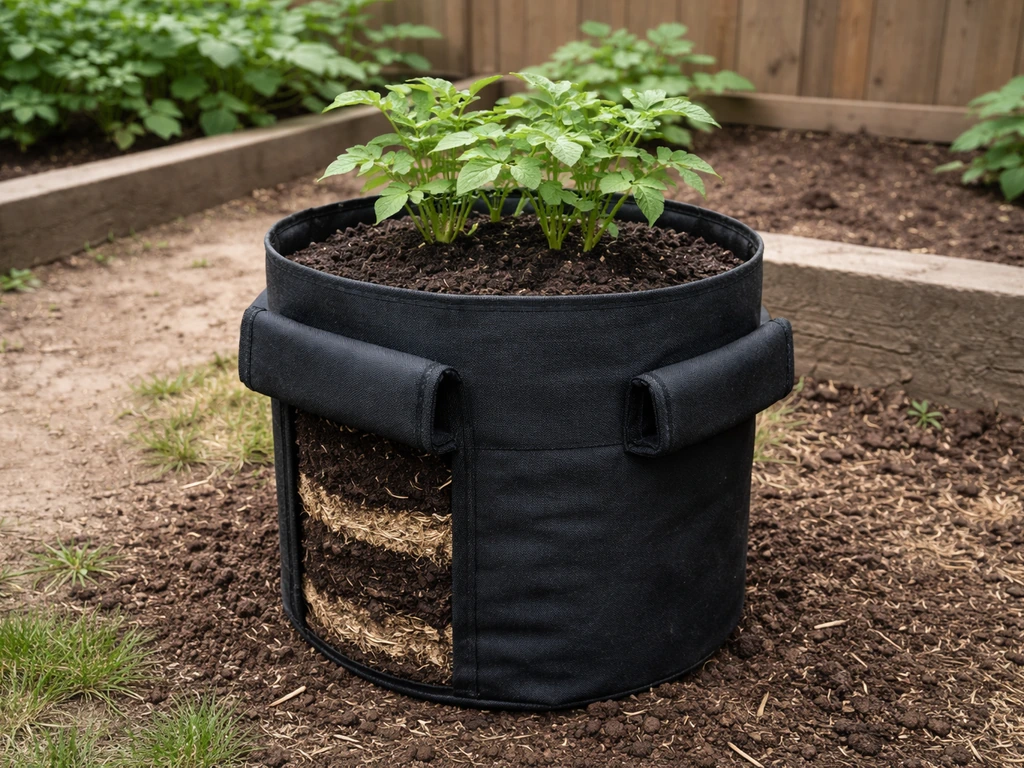
Potato grow bags with fold-down sides are purpose-built for progressive hilling, where you add soil as the plant grows to maximize tuber production. For carrots, choose any bag that gives you at least 12 inches of depth, which means either a tall 10-gallon bag or a specialty deep bag. The Byson bags are a good example of a product with published dimensions (their 5-gallon bag measures 10 inches tall by 13.5 inches in diameter), which is useful when you're trying to match depth to crop requirements before buying.
Best for sustainability and food safety: BPA-free recycled PET fabric
If you're concerned about what your grow bag fabric is actually made of, which is a fair question for edibles, look for bags explicitly labeled BPA-free. Epic Grow Bags, for instance, are marketed as BPA-free, and the lined versions are designed for irrigation efficiency. For anyone thinking carefully about material composition, what VIVOSUN grow bags are made of is a good reference for understanding what nonwoven polypropylene fabric actually is and whether it's appropriate for food growing. If you have safety concerns about plastic-based fabrics in general, whether VIVOSUN grow bags are safe addresses that question directly.
Soil, watering, and feeding: the basics that actually matter
Don't fill grow bags with garden soil. It compacts in containers, drains poorly, and chokes roots. Use a quality potting mix, ideally one with perlite or bark to maintain structure. A 2-cubic-foot bag of potting mix fills about three 5-gallon grow bags, so do the math before you start and buy enough in one trip.
Watering is the biggest adjustment from ground gardening. Oklahoma State University Extension specifically flags that grow bags need more frequent watering in summer heat because the fabric walls lose moisture through evaporation on all sides, not just the top. Wisconsin Extension goes further and says fruiting vegetables like tomatoes, peppers, eggplant, zucchini, and cucumbers may need daily watering as plants reach full size. A good rule of thumb: check the top inch of soil daily once temperatures push above 80°F. If it's dry, water.
For feeding, don't over-complicate it. Start with a quality potting mix that includes slow-release fertilizer, then supplement with a balanced liquid fertilizer every two weeks for long-season crops. University of Maryland Extension notes that tomatoes, cucumbers, eggplant, and peppers in containers benefit from this light regular feeding to support continuous harvests. A diluted balanced fertilizer (something like 10-10-10 at half strength) every 14 days from first flower to end of season is a reliable routine.
Planting, spacing, and harvesting: crop-specific tips
When planting transplants, the rule from NC State Extension is simple: keep the plant at the same depth it was in its original container, and make sure there's at least 3 inches of potting mix beneath the root ball before you set it in. Don't bury stems unless you're planting tomatoes, which can form roots along a buried stem and actually benefit from deeper planting.
On spacing: resist the urge to cram. Here are practical per-bag planting densities for common crops:
- Tomatoes: 1 plant per 10-gallon bag, no exceptions
- Peppers and eggplant: 1 plant per 5-gallon bag, or 2 per 10-gallon
- Cucumbers: 1 to 2 plants per 5-gallon bag; train vertically
- Bush beans: 3 to 4 plants per 5-gallon bag at roughly 4-inch spacing
- Lettuce and spinach: 4 to 6 plants per 5-gallon wide bag
- Herbs (basil, parsley): 2 to 3 plants per 3-gallon bag
- Radishes and scallions: direct sow densely in a 3-gallon bag; thin to 2 inches
For harvesting, the practical advantage of grow bags is mobility. You can move bags to follow sun or protect from frost, which extends your harvest window meaningfully. For potatoes, the standard approach with tower bags is to dig into the side or simply dump the bag at harvest time instead of digging through the soil, which is both easier and less damaging to the tubers. For cut-and-come-again crops like kale and chard, harvest outer leaves first and leave the growing center intact.
Troubleshooting the most common grow bag problems
Bags drying out too fast
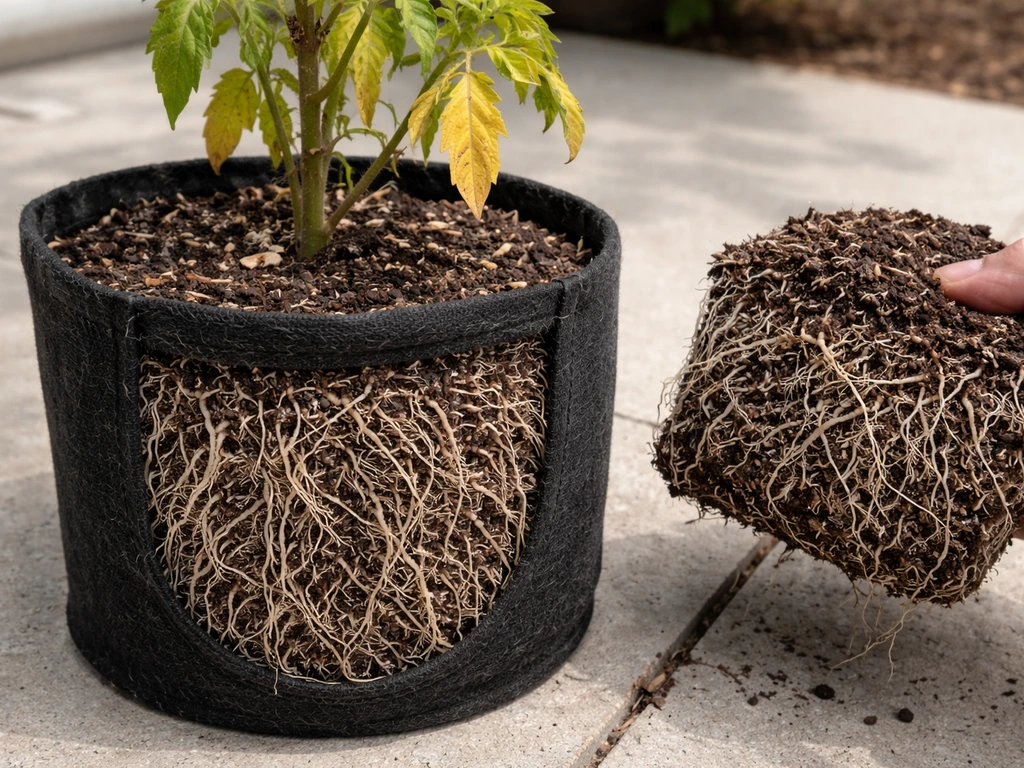
This is the most common complaint, and it's usually a combination of thin fabric, hot weather, and underestimating how much water fabric bags lose through their walls. NC State Extension Publications notes that choosing the proper container can reduce stress from drying out too quickly, restricted root growth, or roots sitting in water and developing root rot choosing the proper container size and type helps reduce stress from drying out quickly, restricted root growth, or roots sitting in water. Solutions: switch to a lined bag for heat-sensitive crops, add a layer of mulch on top of the soil surface, group bags together so they shade each other's sides, or move bags to partial shade during peak afternoon heat. Self-watering inserts and drip irrigation work well in grow bags and dramatically reduce the daily watering burden.
Root crowding despite air-pruning
Air-pruning prevents circling roots but doesn't prevent a plant from simply running out of root space. If your plant is stunted, yellowing, or dropping fruit despite good watering and feeding, the bag may be too small. The fix is to upsize. Transplanting from a 5-gallon to a 10-gallon mid-season is disruptive but often necessary for indeterminate tomatoes. Size up at the start next season.
Bags tipping over
Tall plants in small bags tip in wind. Stake the plant and weigh the bag bottom with a layer of gravel under the potting mix, or place bags inside a slightly larger decorative container or wire cage. Grouping bags against a wall or fence also helps.
Pests getting in
Fabric bags don't block soil pests any better than plastic pots, but they do prevent many root-burrowing insects because the walls are breathable rather than open. For fungus gnats, let the top inch of soil dry out between waterings, which disrupts their breeding cycle. For aphids and spider mites on foliage, the bag itself is irrelevant: treat the plant with insecticidal soap spray as you would in any container setting.
Soil settling and compacting
After a few weeks of watering, potting mix in grow bags settles and can lose structure. Top-dress with fresh potting mix at the start of each season, and consider mixing 20 to 30 percent perlite into your original fill to maintain drainage over time. This is especially important for multi-season bags where the same soil is being reused.
One thing worth noting: if you're buying bags for any purpose other than edible plants, the safety considerations shift. Questions like whether grow bags are safe around newborns come up occasionally in home settings where bags are used decoratively or near infants, and that's a different conversation from food-growing safety entirely.
Where to start if you're buying your first bags today
If you're new to grow bags and want to keep it simple, buy a 5-pack of 5-gallon nonwoven fabric bags and a 5-pack of 10-gallon bags. That covers herbs, greens, and peppers in the 5-gallon bags, and tomatoes or cucumbers in the 10-gallon bags. You'll spend under $30 on bags for a full productive patio garden. Add a quality potting mix, a diluted balanced liquid fertilizer, and a watering schedule reminder on your phone for the first few weeks until daily checks become habit. That's genuinely all you need to get started and get a real harvest from fabric grow bags this season.
FAQ
Can I use a grow bag for multiple vegetable types in the same season, or do I need separate bags for each crop?
You can re-use the same bag for different crops if you empty it fully and refresh with new potting mix, but you should not “stack” crops in one bag at once unless the soil depth and spacing both match the mature plant size. Keep in mind that fruiting plants like tomatoes and peppers are heavy feeders, so switching to shallow-rooted greens afterward usually requires replacing the mix rather than just top-dressing.
What’s the minimum soil depth inside the bag, not just the bag size label?
Bag size (like “5-gallon”) doesn’t tell you the actual usable depth, especially with round bags. Check the stated dimensions or measure the height of the fill line. For carrots, many standard round bags end up with only around 10 to 11 inches of usable depth, which can limit growth unless you choose a deeper/taller bag or a short variety.
How can I tell if my grow bag is draining too fast or too slowly?
Too fast looks like soil drying within a day or plants wilting even after watering, especially in heat, and the bag may need a lined option or more consistent mulch. Too slow shows persistent sogginess, a sour smell, or fungus-friendly conditions where the top inch stays wet for long stretches. A practical check is to water thoroughly, then see how long the top inch stays moist and whether excess water runs out quickly rather than pooling at the bottom.
Should I add a saucer or tray under a fabric grow bag?
It can help catch runoff, but avoid turning the tray into a reservoir. Fabric bags need oxygen at the root zone, so if you leave standing water under the bag, you can recreate soggy-root problems. If you use a tray, empty it after watering, or use a setup that drains freely.
Do I need to dump the bag at harvest, or can I remove plants without disturbing roots and tubers?
For potatoes in tower or fold-down bags, dumping the bag or opening the sides is usually the least damaging method, but you can also harvest gradually by pulling back soil and taking outer tubers. For carrots and other roots in round bags, it’s usually easier to empty the bag and sift the soil than to pull individual roots when they’re densely branched.
Can I reuse potting mix from one season to the next in my grow bags?
Yes, but expect reduced structure and nutrients after repeated watering, and you may also carry over minor pest or disease pressure. The safest approach is to discard a portion of the old mix, add fresh potting mix for structure, and consider mixing in perlite to restore drainage, then feed lightly before planting. Reusing works best when you top-dress at the start of each season and don’t reuse mix from a heavily diseased crop.
How do lined and unlined bags change fertilizer needs?
Lined bags generally hold moisture longer, so nutrients can stay available for more time, but that does not mean you should reduce feeding. If you’re using liquid fertilizer, follow the same interval and adjust based on plant response. If plants look lush with few flowers, you may be overdoing nitrogen, while pale growth with slow growth usually means you need more or a better-balanced fertilizer schedule.
What’s the best way to prevent tipping for tall bags in wind without overcomplicating setup?
Stake the plant immediately after transplanting and anchor the stake firmly in the potting mix. For extra stability, place the grow bag inside a larger wire cage or decorative outer container that traps the bag’s base without restricting drainage. If you use rocks or gravel at the bottom, put them above any “floating” layers so the soil still settles and supports the weight.
Do grow bags attract more pests than pots, or are they safer?
Grow bags don’t automatically stop soil pests, but the breathable fabric walls can reduce some root-burrowing insect issues compared with smooth plastic walls. Fungus gnat management is more about your watering pattern, letting the top inch dry between waterings. For aphids and spider mites, the bag material doesn’t matter much, treat the foliage like you would any container plant.
Is daily watering always required in summer, or does it depend on the crop and container setup?
Daily watering is common for large thirsty fruiting plants in hot weather, but it’s not universal. Your real indicator is the top inch of soil, if it dries quickly and plants wilt, increase frequency. Using mulch on the surface, grouping bags for partial shading, or adding drip irrigation often reduces how often you need to manually check and water.
What’s a good spacing plan for multiple plants in one grow bag without crowding?
Avoid the common mistake of cramming. Use crop-specific spacing based on mature size, and remember that airflow matters because wet foliage in containers can increase disease pressure. If you want multiple plants per bag, choose greens or herbs and stick to a layout that leaves room for leaves to dry between waterings. Fruiting crops usually do best as one plant per appropriately sized bag.
Next Articles
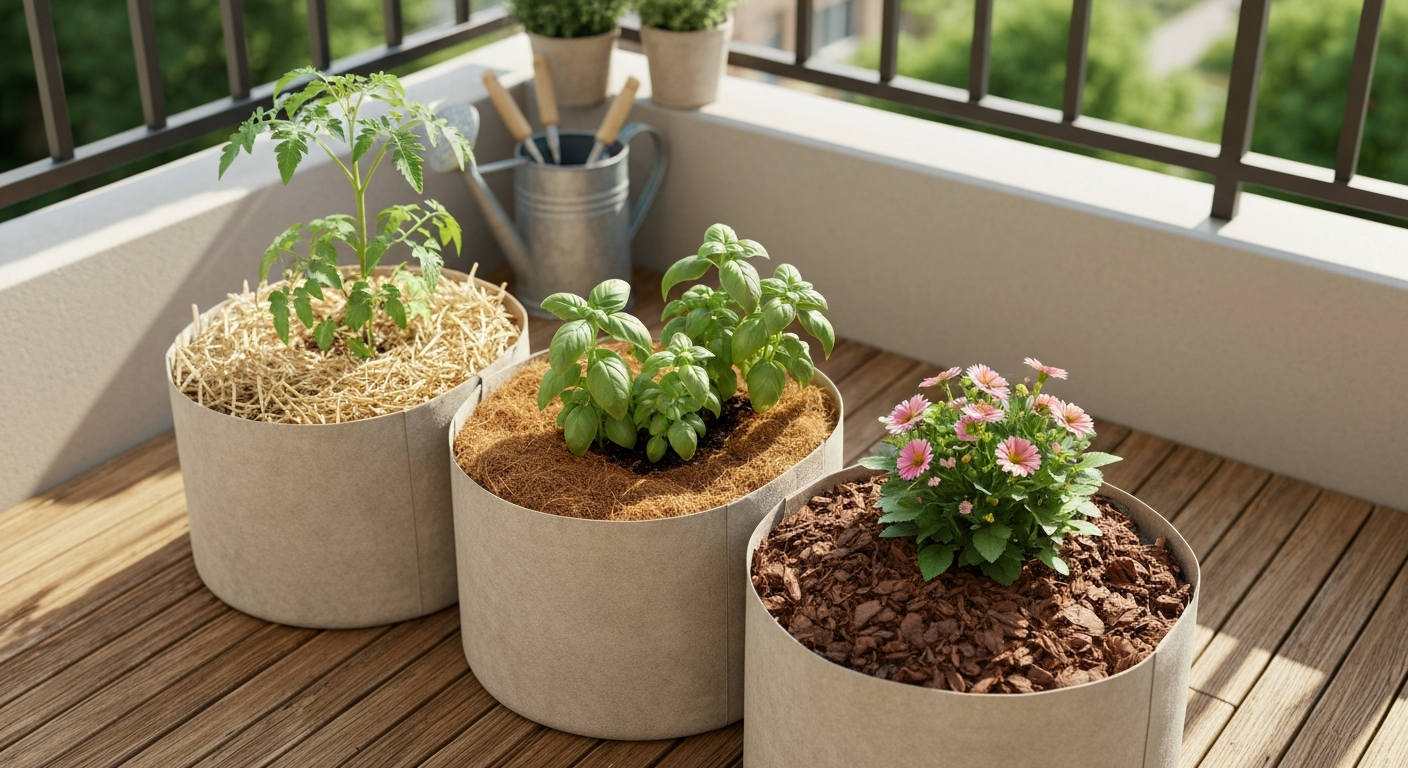
Best Mulch for Grow Bags: Top Picks for Vegetables & Flowers
Find the best mulch for fabric grow bags: top picks, how-to apply, crop & climate advice, and troubleshooting.
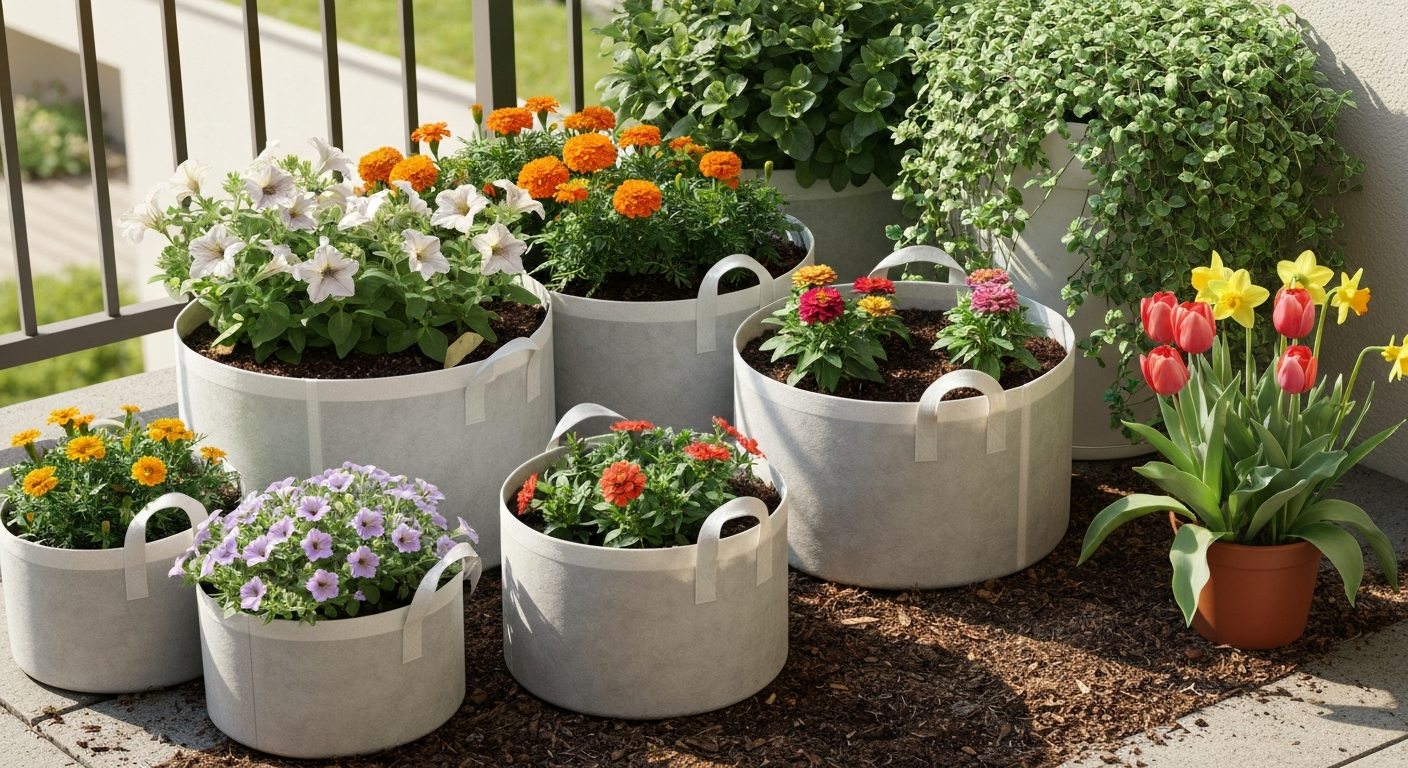
Best Flowers for Grow Bags: Top Picks, Soil & Care Guide DIY
Best flowers for grow bags: top annuals, perennials, bulbs & trailers; soil, fertilizer, planting and care checklists.
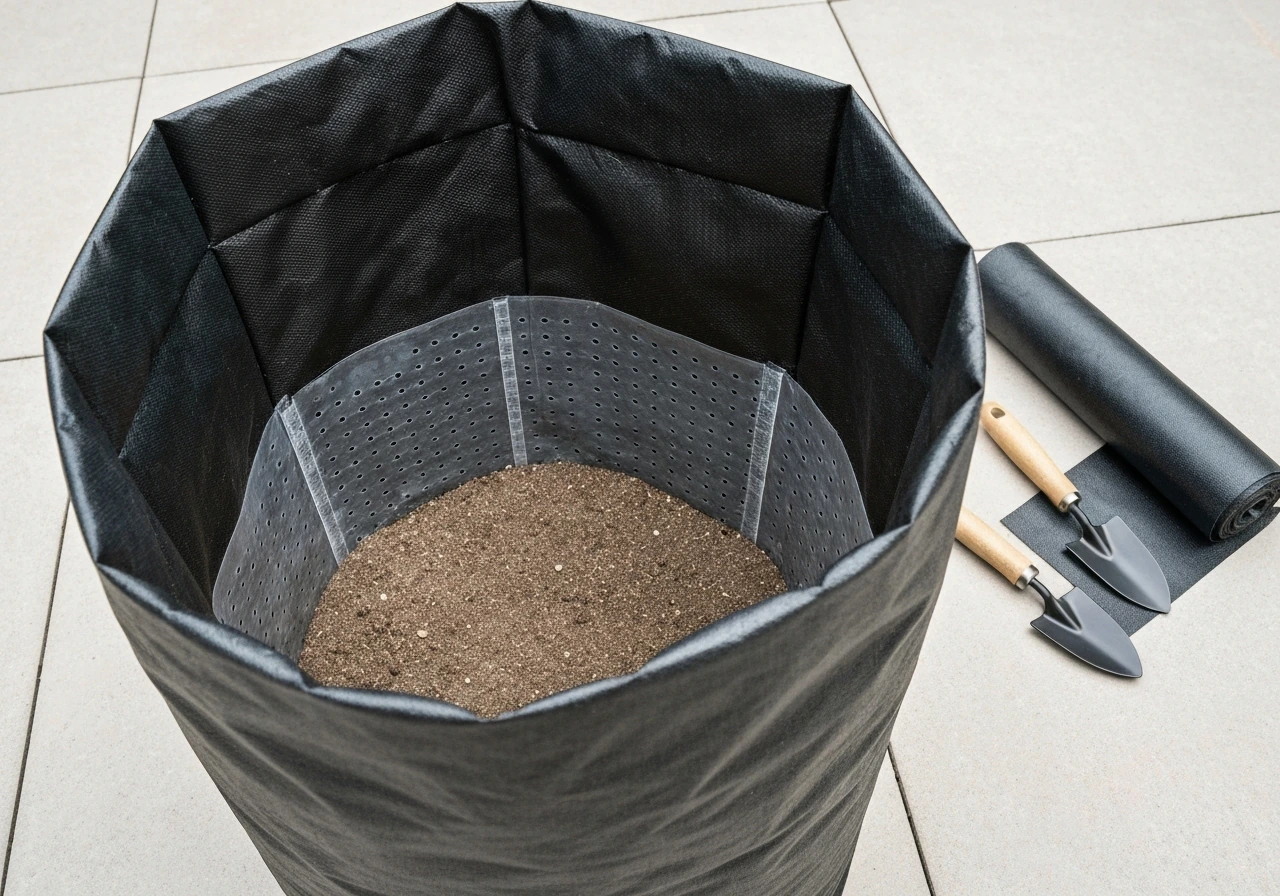
Best Landscape Fabric for Grow Bags: Buy and Install Guide
Choose the best landscape fabric for grow bags with weed-blocking, drainage and aeration tips plus DIY install steps.