where to buy mushroom grow bags is usually easiest when you start with The best all-in-one mushroom grow bag for most home growers is one with a 0. 2-micron filter patch, a self-healing injection port, a fully sterilized and hydrated substrate mix, and a bag size matched to your target species. That's the short answer.
Best All-in-One Mushroom Grow Bag Reddit Picks and How-To
Marcus Holloway
24 Mar 2026
The longer answer depends on what you're growing, whether you want a pre-inoculated ready-to-fruit kit or a colonize-yourself bag, and how much you care about getting reliable results on your first try. This guide walks through exactly what to look for, using the same practical criteria that experienced growers talk about on Reddit, and gives you a clear process to follow once the bag is in your hands.
What's actually inside an all-in-one mushroom grow bag
An all-in-one (AIO) mushroom grow bag bundles everything you need to grow mushrooms into a single sealed package. The idea is that you don't have to source substrate, sterilize it, and pack it yourself. It's all done. But the contents vary more than the marketing suggests, so it's worth knowing exactly what you're getting.
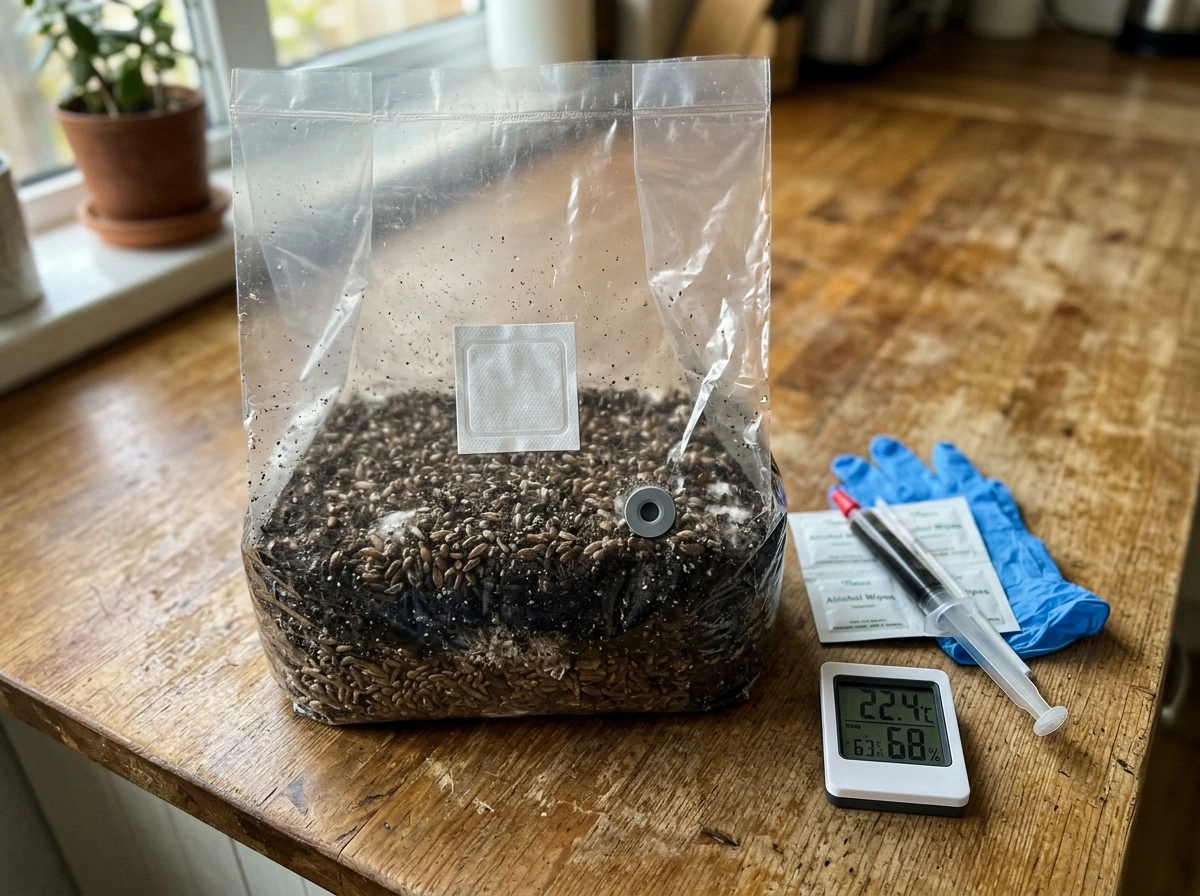
A proper AIO bag should include four core things: a sterilized and pre-hydrated substrate (sometimes with grain spawn already mixed in), the grow bag itself with a food-grade liner, a filter patch for gas exchange, and an inoculation port or injection port so you can add your spores or liquid culture without opening the bag and exposing everything to contamination. Some bags also come pre-inoculated, meaning the spawn is already in there and colonization has started. Those are essentially ready-to-fruit blocks, and they skip the DIY colonization stage entirely.
- Sterilized, hydrated substrate: typically a mix of hardwood sawdust, wheat bran, and/or manure depending on species target
- Grain spawn or spawn-ready substrate already mixed or separated in the same bag
- A polypropylene grow bag with heat-sealed or folded closure
- A filter patch (0.2-micron or 5-micron) for CO2 out and fresh air in while keeping contaminants blocked
- A self-healing injection port so you can inoculate with a syringe without breaking the seal
- Optional: pre-inoculated and partially or fully colonized substrate (ready-to-fruit format)
The filter patch is one of the most important parts. A 0.2-micron filter is tighter and blocks more airborne contaminants than a 5-micron patch. Out-Grow specifically describes their 0.2-micron filter as 'chosen for its efficiency' and notes it keeps the bag sealed before sterilization to block contaminants from getting in. The Olympus Myco 5X bag also uses a 0.2-micron filter and pairs it with a self-healing injection port. If a bag doesn't tell you the micron rating of its filter, that's a red flag worth noticing.
Choosing the right bag: species, size, and kit type
The best all-in-one bag is always species-specific first. Oyster mushrooms, lion's mane, and shiitake each have different substrate preferences, fruiting triggers, and temperature windows. A bag optimized for oysters (hardwood/straw-based, fast colonizer, high FAE needs) is a different product than one for lion's mane (hardwood-heavy, slower, needs cooler temps and high humidity) or shiitake (oak sawdust, even slower, benefits from a cold shock trigger). Buying the wrong substrate type for your species is the single most common mistake beginners make.
| Species | Preferred Substrate | Colonization Time | Fruiting Temp | Key Need |
|---|---|---|---|---|
| Oyster mushrooms | Hardwood sawdust or straw/bran mix | ~3 weeks | 55–75°F | High fresh air exchange (FAE) |
| Lion's mane | Hardwood sawdust + wheat bran | 3–5 weeks | 55–75°F | High humidity + indirect light |
| Shiitake | Oak sawdust + bran | 4–8 weeks | 50–80°F | Cold shock trigger, less FAE |
| Psilocybe cubensis | Manure/coco coir or grain-based | 4–6 weeks (AIO) | 70–80°F | Stable temps, 85–95% humidity |
Bag size matters for yield and practicality. A mini AIO bag (like Out-Grow's Mini format) is good for first-timers or small spaces. Larger bags (the Olympus Myco 5X is 4 inches x 3 inches x 20 inches) give you more substrate volume and generally better yields per flush. If you're considering a monotub setup later, you can always start with a bag to colonize and then transfer to a tub for fruiting.
If you’re weighing monotub vs grow bag for bigger yields, focus on how you’ll manage fresh air exchange and rehydration across flushes. If you're still deciding between formats, check our quick comparison on monotub vs grow bag before you commit monotub vs grow bag decision guidance in your next upgrade path (format comparison).
On kit type: the main split is between 'colonize yourself' bags (you inoculate with spores or liquid culture and wait for full colonization) and pre-colonized ready-to-fruit blocks. Ready-to-fruit blocks from sources like Fresh Fungi Farm are fully colonized before shipping. After opening, pins typically form within 7 to 21 days depending on conditions. That's the fastest path to your first mushrooms. Colonize-yourself AIO bags take longer but give you more control and are cheaper per grow. Out-Grow's manure-based AIO bag, for example, calls for a 4 to 6 week colonization period at room temperature before you start seeing fruiting activity.
What actually makes a good bag: the Reddit criteria
If you look at what experienced growers on Reddit consistently flag when evaluating AIO bags, it comes down to a handful of practical criteria. Not brand loyalty. Not packaging. The actual functional stuff.
Substrate quality and freshness
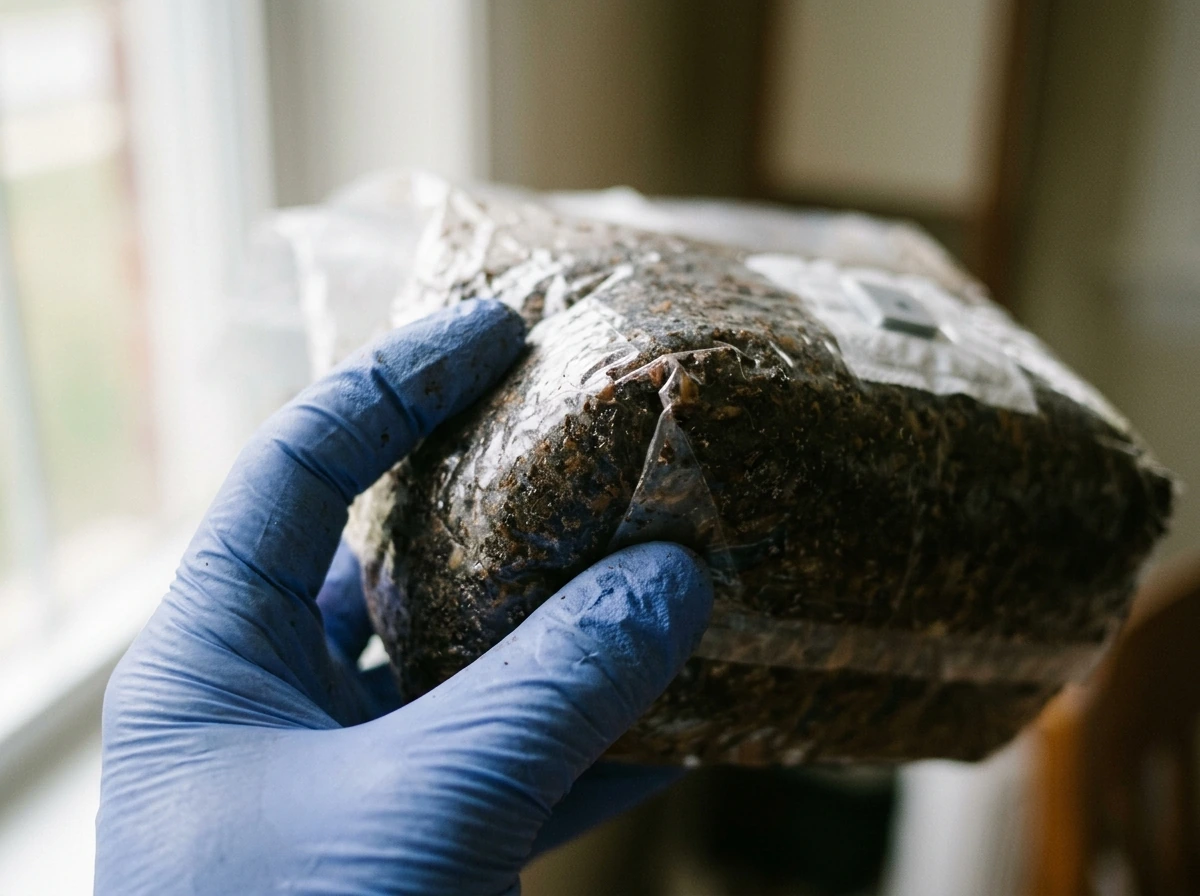
Substrate that's been sitting too long loses moisture content and nutritional value. A fresh, properly hydrated bag should feel firm and slightly dense, not dry or crumbly. Community discussions frequently point out that some premixed AIO substrates 'don't work well' for certain users, often because of age or moisture imbalance. Ask the supplier about batch freshness and shelf life before ordering. Sterilized bags have a limited window before contamination risk increases even with the filter patch intact.
Spawn quality and genetics
If the bag includes grain spawn, that spawn needs to come from a reputable source with proven genetics. Weak or degraded spawn leads to slow colonization and poor pinning, and no amount of good technique will fix bad genetics. This is especially relevant for more sensitive species. For cubensis specifically, this is worth extra research. Our guide on the best psilocybe cubensis grow bag goes deeper on genetics and strain selection.
Filter patch design and micron rating
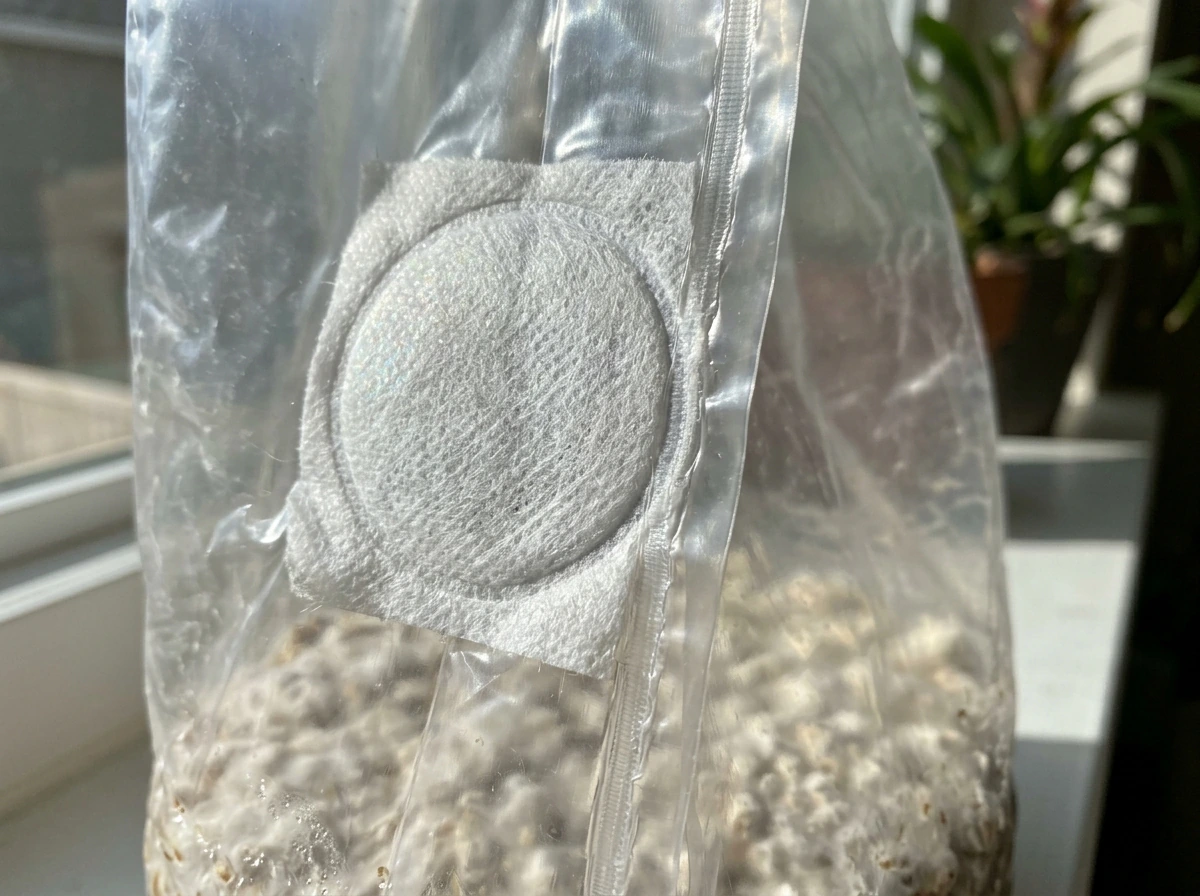
Reddit discussions consistently flag filter performance as a major variable. A common complaint is bags where growers 'can't draw any air in through the patch,' which points to a clogged or too-tight filter. The 0.2-micron filters used by brands like Out-Grow and Olympus Myco balance contamination protection with adequate gas exchange. If a filter is too restrictive, CO2 builds up and mycelium stalls. A 5-micron filter lets more air through but is less protective. For most home growers, 0.2-micron is the safer call.
Injection port reliability
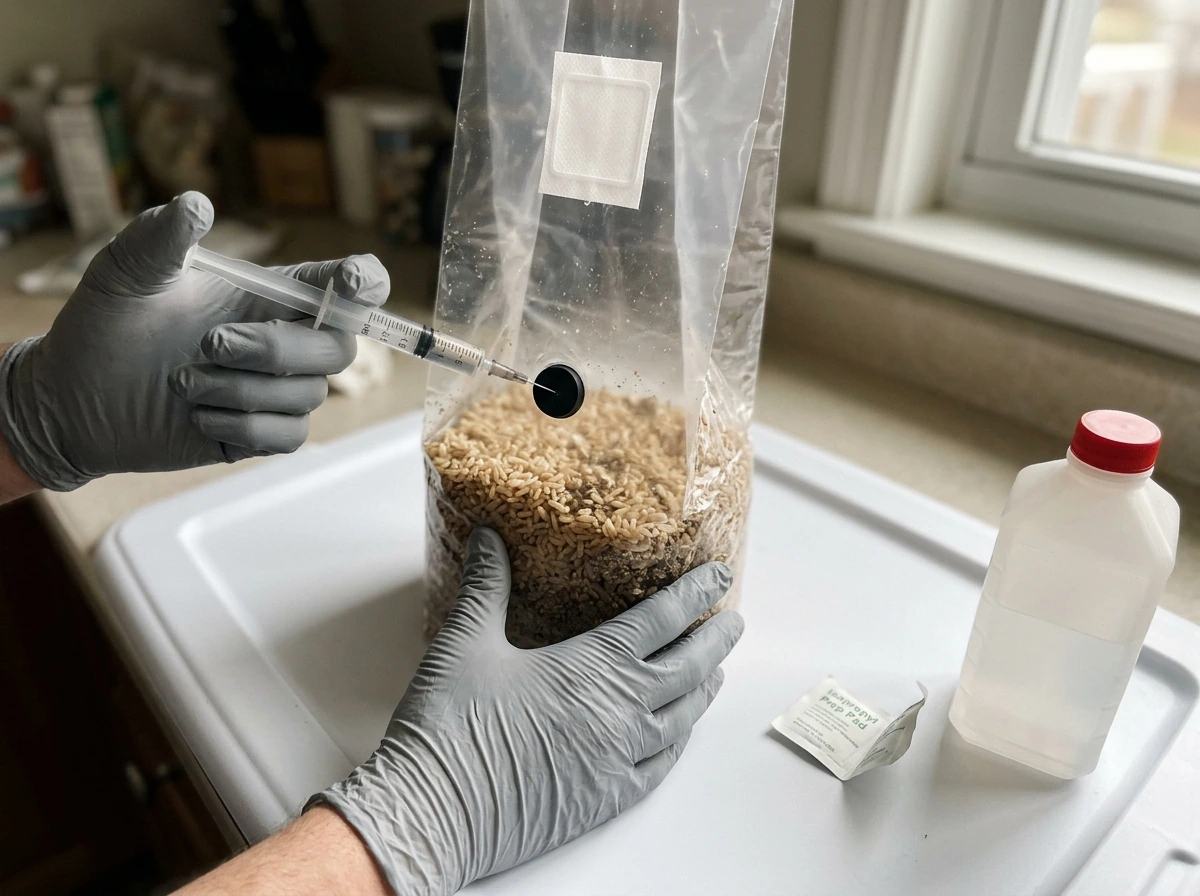
A self-healing injection port lets you inoculate without opening the bag, which is the primary contamination prevention step. USU Extension’s beginner guide also describes grow bags with a self-healing injection port, including how you can use the injection port to sterilize grain by adding it into the grow bag. The port should be thick enough to reseal cleanly after your syringe needle is removed. Thin or low-quality ports tear or don't reseal, which defeats the purpose. Both Out-Grow and Olympus Myco include dedicated self-healing ports as a standard feature. If a bag doesn't have one, you're either working with a pre-inoculated ready-to-fruit kit (fine) or you're being asked to open the bag to inoculate (risky for beginners).
Included instructions and clarity
Good AIO bags come with clear, species-specific instructions. This is more important than it sounds. Different species need different slit patterns, fruiting temperatures, misting frequency, and humidity levels. Vague instructions lead to experimentation that could have been avoided. A bag that includes a PDF with step-by-step guidance (like Mycosphere's oyster kit or MycoterraFarm's lion's mane kit) is genuinely more beginner-friendly than one that ships with a single page of generic steps.
How to use an all-in-one mushroom grow bag
The process below works for most colonize-yourself AIO bags. If your bag is pre-inoculated, skip to step 4.
- Wipe down your work surface and hands with isopropyl alcohol (70% is fine). Flame-sterilize your syringe needle if inoculating with liquid culture or spores.
- Locate the self-healing injection port on the bag. Wipe it with an alcohol swab and let it dry for 30 seconds.
- Insert your syringe needle through the port and inject your liquid culture or spore solution. A 10–12cc syringe is typical for a standard-sized AIO bag. Remove the needle cleanly.
- Gently knead the outside of the bag to distribute the inoculant through the substrate without opening the bag.
- Place the bag in a dark or dimly lit space at the correct colonization temperature for your species (70–80°F for cubensis, 65–75°F for oysters and lion's mane).
- During colonization, do not open the bag. The filter patch handles gas exchange. No misting, no FAE manipulation needed at this stage. Check daily for white mycelial growth and any signs of contamination (green, black, or pink patches, or foul smell).
- Once the bag is 95–100% colonized (fully white, firm, and clean-smelling), it's ready to fruit. For oysters, this can take around 3 weeks. Lion's mane and shiitake take 4 to 8 weeks depending on conditions.
- To trigger fruiting: make 2-inch vertical slits in the bag (4 slits across the front for oysters per Mycosphere's instructions), or cut an X-pattern, or cut across the top depending on species. Lion's mane growers often cut the entire top off and secure the sides with a rubber band to manage airflow and encourage inward fruiting.
- Build a simple humidity tent over the cut area using a clear plastic bag or a dome. Mist the exposed substrate 2 to 4 times daily with a fine spray bottle. Target 85–95% humidity. Do not dump water directly on the substrate.
- Harvest mushrooms when caps are still slightly cupped inward (just before the edges flatten out and spores drop). Twist and pull cleanly at the base.
- After harvest, remove all mushroom stumps, let the block rest for 5 to 7 days, rehydrate if needed by soaking or misting heavily, and seal or tape the cut to trigger the next flush.
Common problems and how to fix them
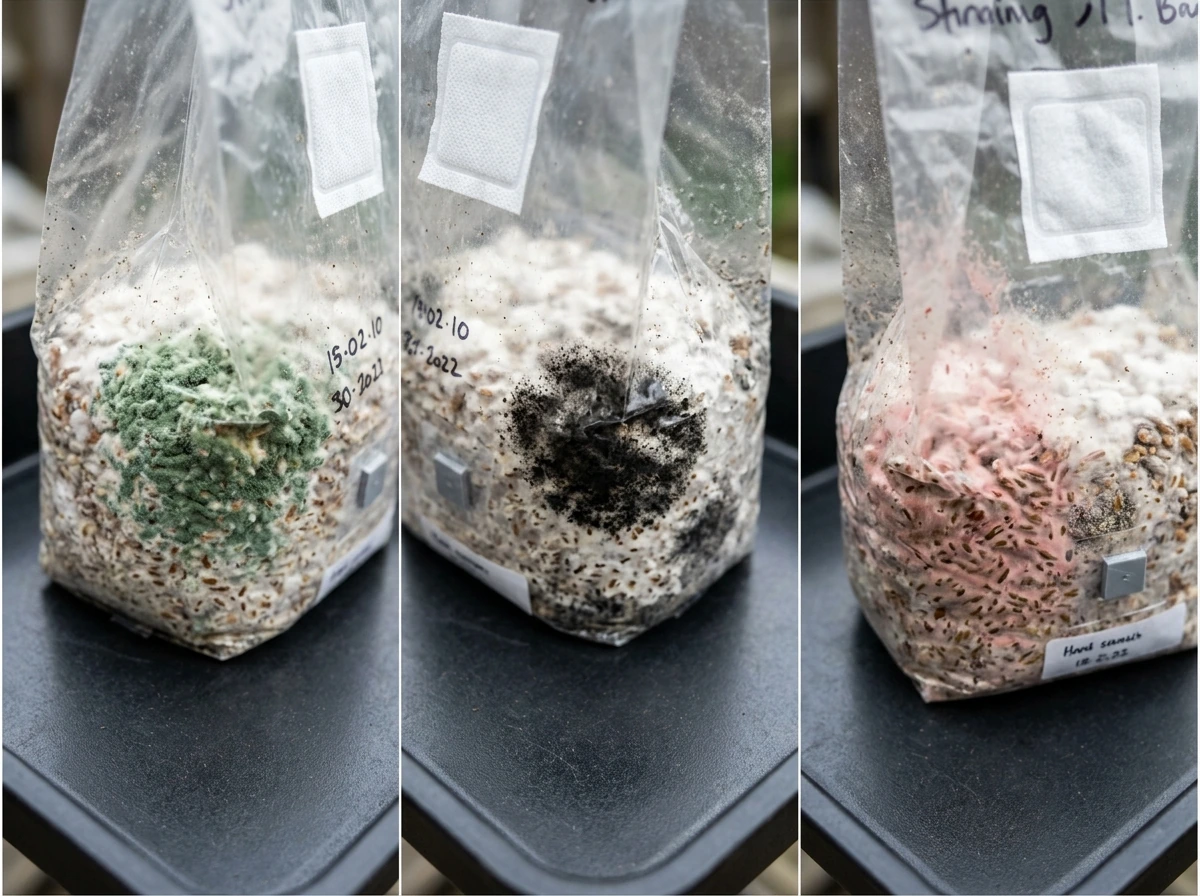
Contamination (green, black, or pink patches)
Green is almost always Trichoderma mold. Pink usually means bacterial contamination. Either one means the bag needs to go in the trash, sealed in a plastic bag first so spores don't spread through your space. There's no saving a contaminated AIO bag. The substrate is fully cooked for that species at that point. Prevention is everything here: use a proper injection port, flame-sterilize your needle, and work in as clean an environment as possible. If you're getting repeated contamination, look at your inoculation technique first, then the freshness and quality of your bags.
Stalled colonization
If mycelium growth stops partway (a common complaint is bags stalling around 50–70% colonized), the first things to check are temperature and airflow. Cold temperatures slow everything down dramatically. If your grow space is below 65°F, move the bag somewhere warmer. If temps are fine and growth has been stalled for more than 10 days, inspect carefully for any off-colors or smell. A stalled-but-clean bag can sometimes be restarted with a gentle break-and-shake (kneading the outside to redistribute mycelium and nutrients), but if you smell anything foul or see any color that isn't white or off-white, it's contaminated and should be discarded.
Poor pinning or no pins at all
A fully colonized bag that won't pin is usually missing one or more fruiting triggers: fresh air exchange, a drop in CO2, adequate humidity, or a slight temperature drop. After you make your cuts, make sure your humidity tent isn't completely sealed. Mushrooms need some fresh air exchange. If you're getting no pins after 2 weeks of proper conditions, open the humidity tent more, increase misting frequency, or try moving the bag to a slightly cooler spot. Lion's mane specifically needs 55–75°F and indirect light. Direct sunlight can dry out the block and shut down pinning completely.
Leggy or malformed mushrooms
Long, thin stems and small caps (especially in oysters) almost always mean too much CO2 and not enough fresh air. Open the humidity tent more. Add more slit vents if needed. With lion's mane, poorly shaped pom-poms or elongated fruiting bodies often result from airflow coming in from a direction that causes the mushroom to grow away from rather than outward from the cut. Adjust your slit position and tent openings to direct airflow more evenly.
Slow or failed second/third flushes
Yields drop off with each flush because the substrate is getting depleted. If your second flush is significantly smaller than your first, that's normal. If you get nothing after rehydrating and resting the block, the substrate may just be spent. Some growers extend bag life by dunking the block in cold water for 12 to 24 hours between flushes to rehydrate deeply. After 3 to 4 flushes, most AIO bags are done. At that point, the substrate can go in your compost.
What to realistically expect: yields and timeline
Yield and timeline vary by species, bag size, and growing conditions, but here's a grounded set of expectations based on real-world data.
| Species | Time to First Pins | First Flush Yield (typical) | Number of Flushes |
|---|---|---|---|
| Oyster mushrooms | 1–2 weeks after cutting | 3–6 oz per pound of substrate | 2–4 flushes |
| Lion's mane | 1–2 weeks after cutting | 2–4 oz per pound of substrate | 2–3 flushes |
| Shiitake | 2–3 weeks after cold shock | 2–5 oz per pound of substrate | 3–5 flushes |
| Psilocybe cubensis (AIO) | 2–4 weeks after full colonization | Variable by genetics and conditions | 2–3 flushes |
Ready-to-fruit pre-colonized blocks give you the fastest results. Fresh Fungi Farm states that first-flush pins appear about 7 to 21 days after opening, depending on conditions. DIY colonize-yourself AIO bags take longer overall because of the 3 to 8 week colonization phase first, but the total cost is usually lower. Oysters are by far the fastest species from bag to harvest, which is why they're the most common recommendation for beginners on Reddit. Slower species like shiitake reward patience and better controlled environments.
If your first flush takes longer than expected, check temperature first. Anything below 60°F will slow pinning dramatically for most species. If conditions are right and nothing is happening after 3 weeks post-cut, you likely have a substrate issue, a genetics issue, or the bag was already past its peak when you bought it.
Hygiene, storage, and getting more out of your bag
Before you ever inoculate, store AIO bags in a cool, dark place. Room temperature is fine short-term, but heat accelerates moisture loss and can compromise the substrate. Most fresh AIO bags have a usable shelf life of a few weeks to a couple of months after sterilization. Don't stock up on more bags than you can use in that window.
Between flushes, hygiene matters more than most beginners realize. Remove all mushroom stumps completely after harvest. Leftover stump material rots and becomes a contamination point. Wipe down any exposed surfaces outside the bag with diluted isopropyl alcohol. If you're taping or patching cut areas between flushes (a technique some growers use with lion's mane to control the next fruiting point), use micropore tape rather than standard duct tape, which doesn't allow any gas exchange.
On reusing bags: the honest answer is that most AIO bags are designed for 2 to 4 flushes and then they're done. The substrate gets depleted and colonization sites for contaminants increase with each flush. Some growers extend bag life by doing a cold water soak between flushes, but this only goes so far.
If you want to carry genetics forward from a strong grow, the better move is to take a tissue culture from a clean, healthy fruiting body and work it onto agar rather than trying to reflush a spent bag. That's a more advanced technique, but it's the right one for preserving genetics you care about. On reusing bags: the honest answer is that most AIO bags are designed for 2 to 4 flushes and then they're done.
The substrate gets depleted and colonization sites for contaminants increase with each flush. Some growers extend bag life by doing a cold water soak between flushes, but this only goes so far. If you want to carry genetics forward from a strong grow, the better move is to take a tissue culture from a clean, healthy fruiting body and work it onto agar rather than trying to reflush a spent bag.
That's a more advanced technique, but it's the right one for preserving genetics you care about. Our guide on whether you can reuse mushroom grow bags covers the full breakdown of what's worth trying and what isn't.
A grow bag is a great starting point because it keeps contamination risk low and the process simple. Utah State University Extension released “blank" rel="noopener noreferrer">A Beginner’s Guide to Growing Mushrooms at Home” to help beginners with mushroom cultivation steps and best practices. mushroom grow bags vs jars A grow bag is a great starting point because it keeps contamination risk low and the process simple. But if you're hooked on growing and want bigger yields or more flexibility, transferring a colonized bag into a monotub setup is a common upgrade path. The comparison between monotubs and grow bags as growing formats is worth reading once you have a few successful flushes under your belt.
FAQ
What should I check on a “0.2 micron” AIO bag listing to be sure it is actually restrictive enough to protect, but not stall gas exchange?
Look for two things, the micron rating stated clearly on the product page or label, and any mention of airflow performance (for example, whether the supplier warns about CO2 buildup if the filter area is blocked). If the bag only says “micron filter” without a number, treat it as a risk. Also confirm the injection port is self-healing, because the filter rating will not compensate for an easy-to-tear inoculation port.
Can I use the same AIO grow bag for more than one species by changing the fruiting conditions?
Usually no. AIO bags are formulated for a specific substrate mix and hydration, and the bag may include species-specific cutting or slit guidance. Even if you get some growth, fruit shape, pin timing, and contamination resistance can be inconsistent. If you want flexibility, buy AIO bags that are explicitly labeled for the species you plan to run, rather than trying to “tune” it with temperature and humidity alone.
What does it mean if my bag is fully colonized but still smells bad when I open it for fruiting?
A foul or sour smell after full colonization is a strong sign of bacterial contamination, even if the mycelium looked mostly normal through the plastic. In that case, do not try to salvage by cutting slits or “waiting it out.” Seal the bag in plastic and discard, then review inoculation steps (needle sterilization, port reseal quality, and cleanliness of your workspace) before starting another bag.
Is it safe to add extra holes or larger slits to fix pinning issues?
It can backfire if you increase exposure points without matching the species guidance. Instead of cutting blindly, first verify the basics that most directly control pinning, fresh air exchange in the humidity tent, correct humidity level (not fully sealed), and species temperature range. If you do adjust openings, start small and follow the vendor’s cut pattern for that species so you do not dry the block or invite contamination.
How do I prevent the bag from drying out if my room is very dry or I run a fan nearby?
Indirect airflow is safer than direct airflow across the bag. If your tent is getting too dry, add more humidity gradually (more misting or a slightly larger humidity barrier), but avoid keeping the tent fully sealed. A fan can create uneven drying and CO2 pockets, so position it so air circulates in the room without blowing directly over the bag surface.
Can I reuse an AIO bag after the first flush if I rehydrate it well?
Sometimes you will get a second or third flush, but most AIO bags are intended for limited flushes because nutrient levels drop and contamination colonization opportunities increase. Rehydration helps moisture, not substrate depletion. If you see persistent off-colors, odors, or slowed growth that does not improve after restarting conditions, it is better to retire the bag rather than keep attempting more flushes.
How can I tell whether my “stalled at 50 to 70 percent” bag is stalled by temperature versus contamination?
Temperature stalls usually look visually normal (white or off-white growth) but slow down noticeably. Contamination often brings color changes (green or pink are common red flags) or a distinct off smell. Use time and smell checks together: if there is no new abnormal color and no foul odor, warming the bag within the species range is the first move. If any off-color appears or it smells bad, discard promptly.
What’s the most common beginner mistake that makes AIO bags fail even when the filter and injection port are good?
Freshness and inoculation handling. Many failures come from bags that sat too long, substrate moisture loss before inoculation, or a less clean inoculation workflow. Ask the supplier about batch freshness, store bags cool and dark before inoculation, and ensure your needle is properly sterilized and you reseal the injection port quickly and cleanly.
If I can’t draw air through the filter patch, does that automatically mean the bag is unusable?
Not always, but it is a warning sign. In many cases, restricted airflow leads to CO2 buildup and stalled colonization or poor pinning. Before concluding the bag is unusable, check whether you accidentally covered the filter area, damaged the patch, or created a humidity tent setup that prevents fresh air exchange. If airflow remains restricted and pinning never progresses after you correct temperature and tent ventilation, replacement is the pragmatic option.
Should I go with colonize-yourself AIO bags or pre-colonized ready-to-fruit blocks if I want the fastest first harvest?
For fastest results, ready-to-fruit blocks are typically the simplest path, because pins usually appear within about 7 to 21 days after opening (conditions still matter). Choose colonize-yourself AIO bags if you want lower cost per try and more control, but expect a longer timeline due to full colonization first. If you are very new, pre-colonized often reduces the number of variables you can get wrong during inoculation.
Between flushes, what’s the safest way to clean around the bag without increasing contamination risk?
Focus on wiping only exposed surfaces outside the bag with a diluted isopropyl alcohol method, and avoid aggressive handling that loosens or stretches the bag ports or filter area. Remove leftover stumps completely because they become a nutrient source for unwanted organisms. Keep movements slow and limit how long the bag stays open to the air, especially if you are tempted to adjust cut points.
Next Articles
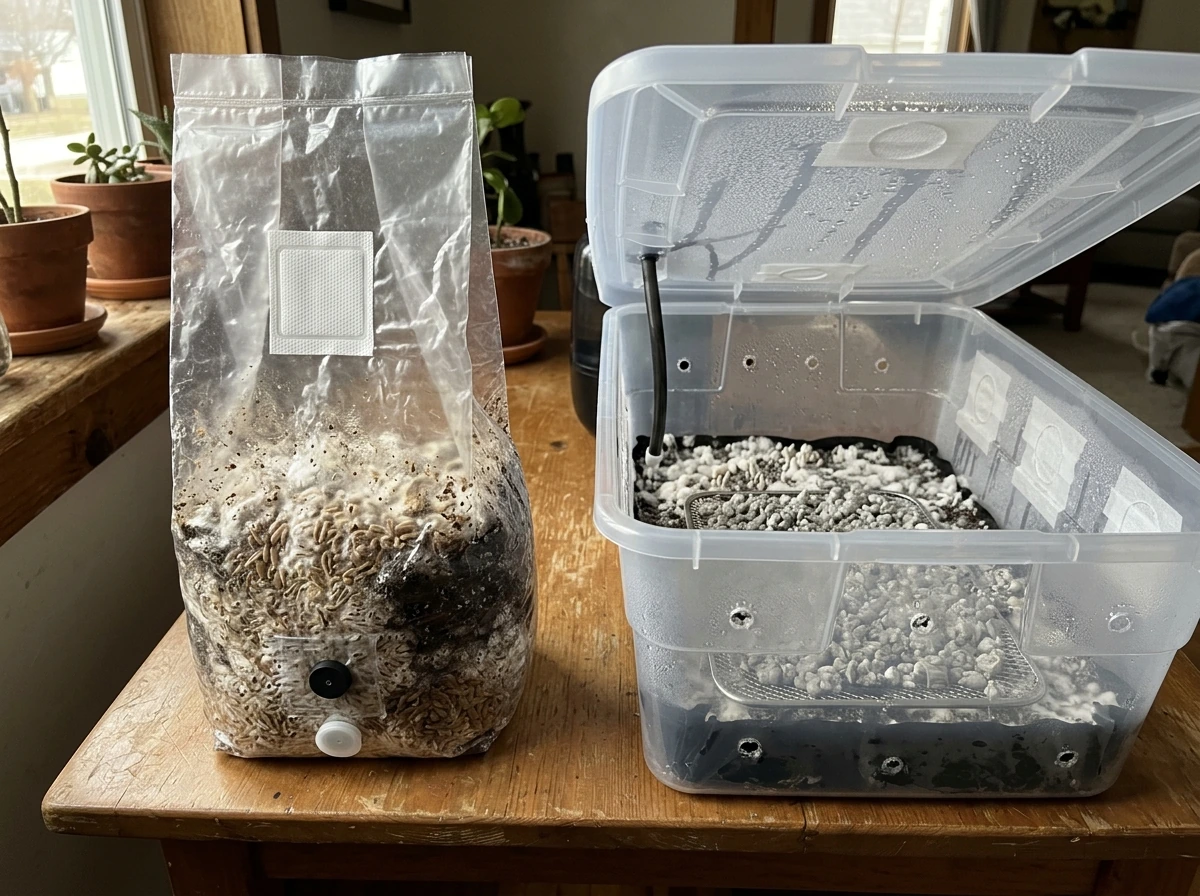
Mushroom Grow Bag vs Monotub: Which Setup Wins?
Grow bag vs monotub comparison for home mushroom growing: costs, workflow, contamination risks, yields, and how to choos
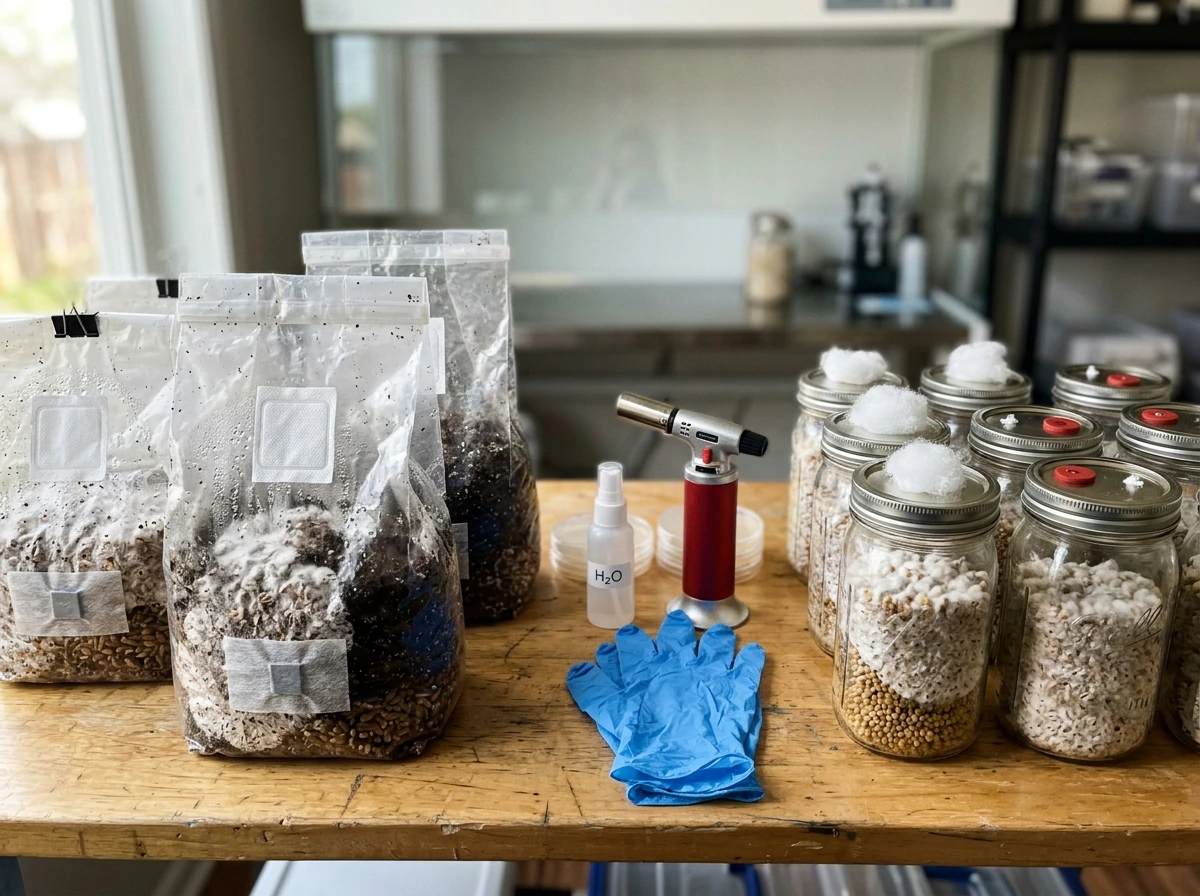
Mushroom Grow Bags vs Jars: Which Works Best for You?
Compare mushroom grow bags vs jars for home growing: costs, contamination risk, speed, yields, setup, troubleshooting, a
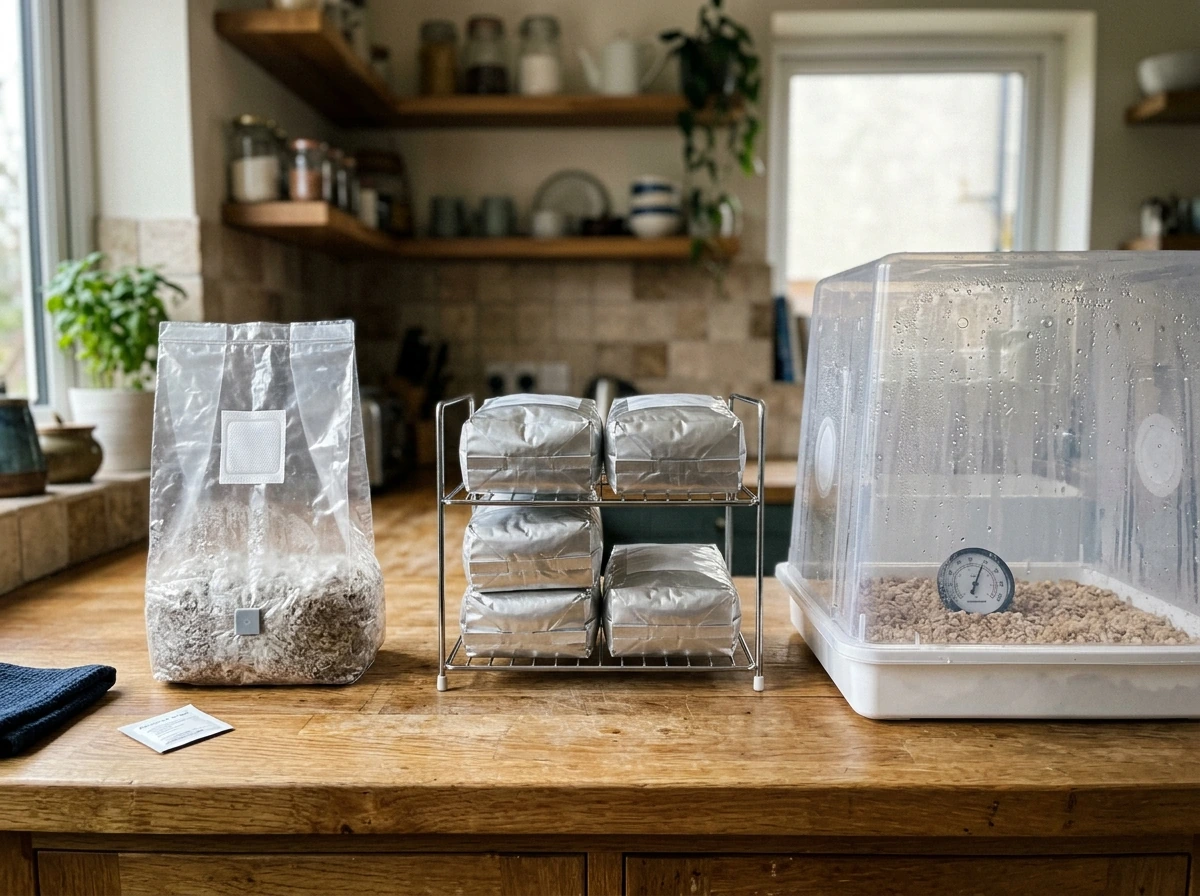
Where to Buy Mushroom Grow Bags and How to Store Them
Find reliable places to buy mushroom grow bags plus exact storage steps to prevent drying, mold, and contamination.