
Yes, fabric grow bags do leak water, and for the most part that's completely normal. The porous woven fabric is designed to let excess moisture seep through the walls and bottom, so you'll almost always see some water weeping out during or after watering. That's the whole point of the design. The real question is whether what you're seeing is healthy drainage, a setup problem, or an actual defect in the bag itself.
Do Grow Bags Leak Water? Causes and Quick Fixes
Marcus Holloway
1 May 2026
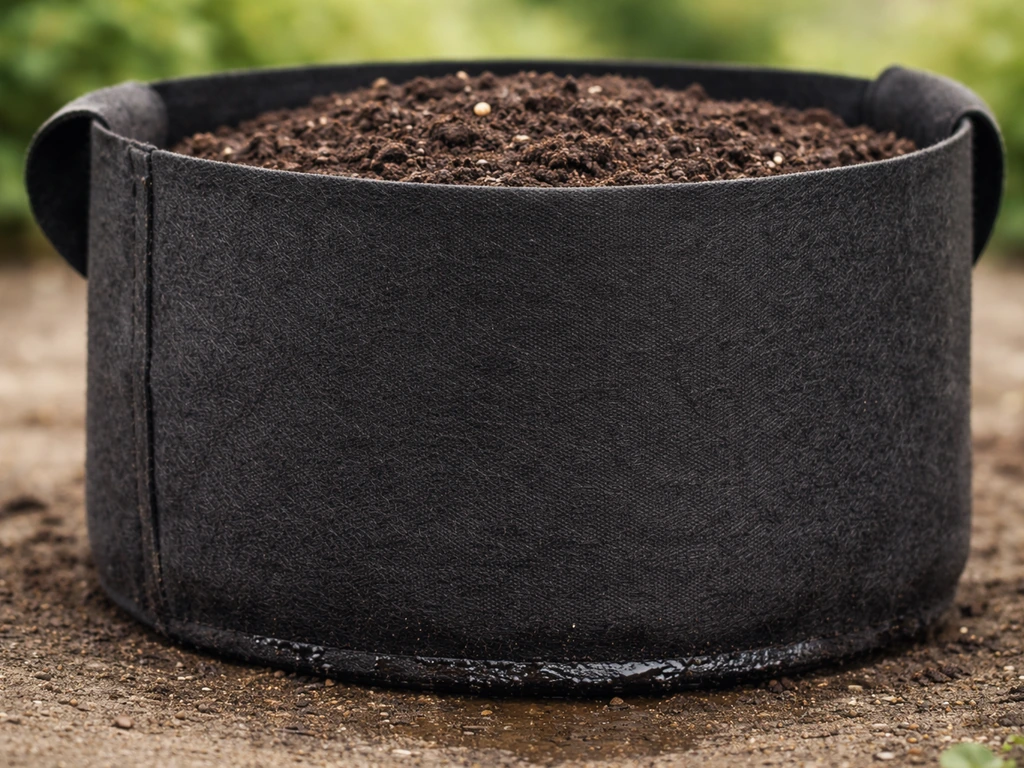
Are grow bags supposed to leak or weep water?
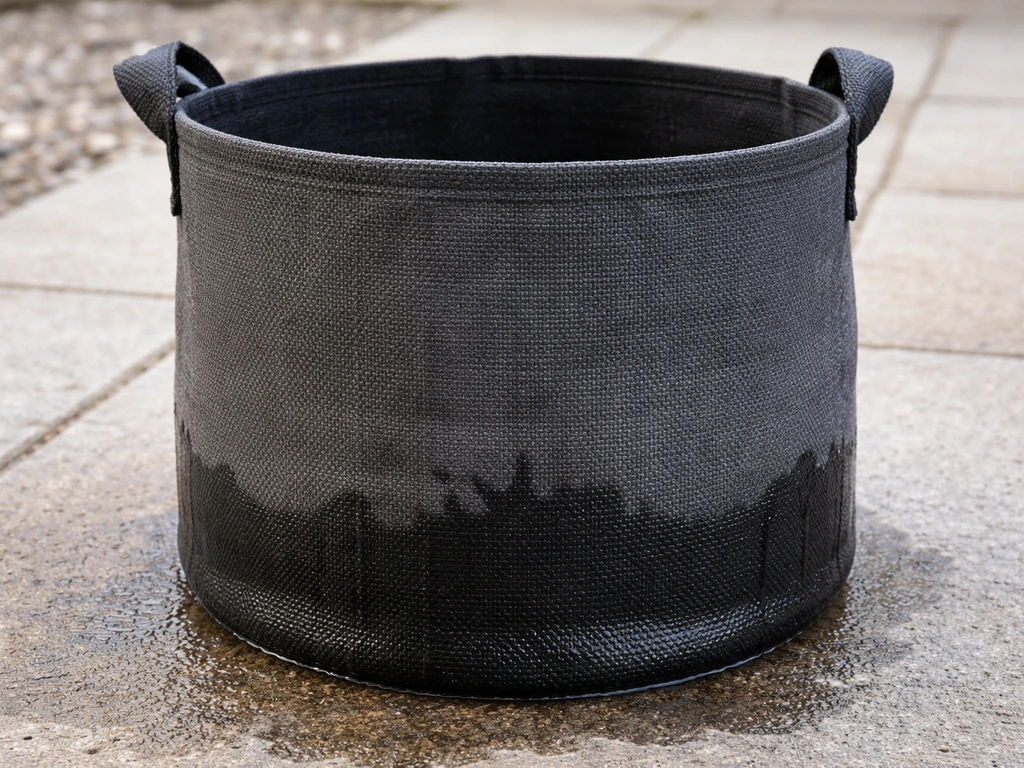
Fabric grow bags are intentionally porous. The woven or non-woven fabric allows air to pass through the walls, which is what encourages air-pruning of roots and prevents the root circling you get in hard plastic pots. A side effect of that porosity is that water seeps through too, both through the fabric walls and out of the bottom. This is not a defect. It's the bag working as intended.
What you should expect to see: a damp patch spreading across the bottom and lower sides of the bag while you water, with runoff collecting underneath the bag within a few minutes of a thorough watering. The bag itself will feel damp on the outside for a while afterward. If you're growing outdoors on soil or gravel, this is a non-issue. Indoors on a patio or deck, it's something you need to plan for.
Where it crosses from normal to a problem is when water is pouring out constantly even between waterings, when a specific seam or point is dripping while the rest of the bag is dry, or when you've added a liner or saucer and water is pooling in ways that suggest the setup isn't working. Those situations warrant a closer look.
Why grow bags leak: seams, fabric porosity, damage, and setup
Most water movement in a fabric grow bag happens through the fabric itself, which is porous by design. Non-woven polypropylene bags (the most common type) have a felt-like structure with millions of tiny gaps that water and air pass through freely. Woven fabric bags are slightly less porous but still drain through the bottom and walls. The rate of seepage depends on how tightly the fabric is woven, the weight of the material (measured in grams per square meter), and how saturated the growing medium is.
Seams are the second major source. Most grow bags are stitched together at the bottom and sides. If the stitching is loose or the seam was heat-sealed rather than properly stitched, water can escape faster at those points. A little extra weeping at the seam is normal, but a seam that's visibly pulling apart or leaking in a concentrated stream while the rest of the bag is dry suggests a manufacturing defect.
Physical damage is another culprit. Fabric bags can develop small tears from tools, sharp edges on surfaces, or UV degradation over time. Cheap bags thin out significantly after one or two seasons, and the fabric becomes more porous than intended as the fibers break down. If you're reusing an older bag and suddenly seeing more water loss than before, the fabric has likely degraded.
Setup also plays a role. A bag sitting directly on an impermeable surface like a concrete patio can pool water underneath it, which looks like a leak but is really just normal drainage with nowhere to go. Bags elevated slightly on a rack or placed on gravel drain more freely and the visual "mess" is reduced.
Quick checks to confirm where the water is actually coming from
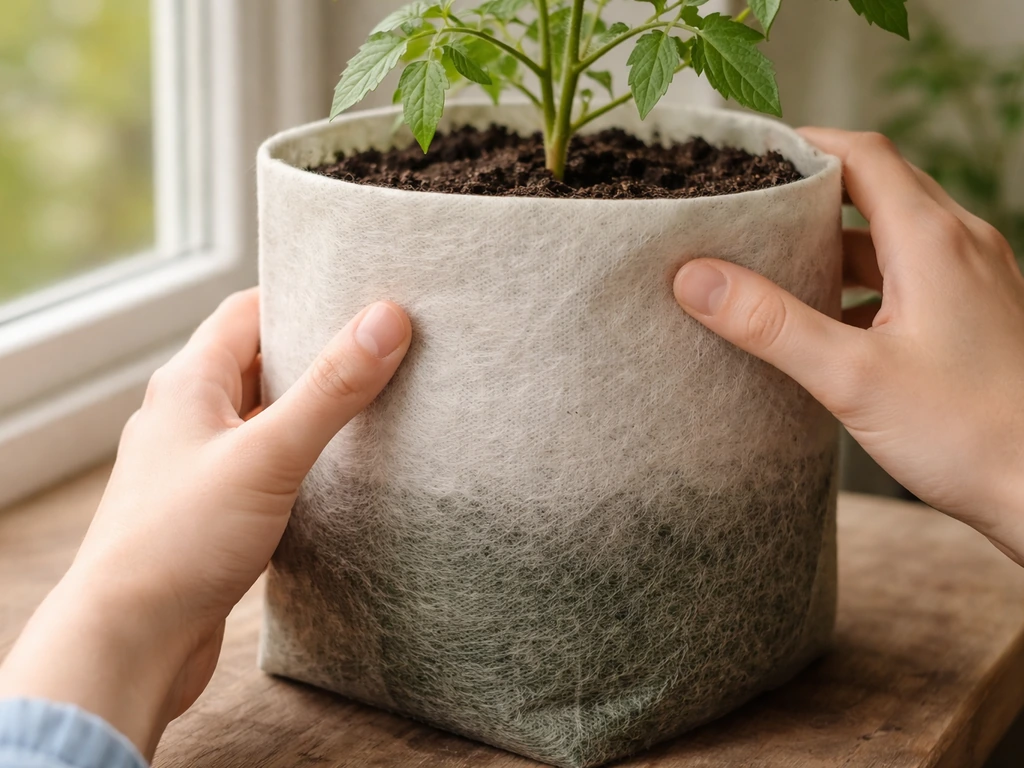
Before adjusting anything, spend two minutes confirming what's actually happening. This saves you from fixing the wrong problem.
- Feel the outside of the bag all the way around. If the whole lower half is uniformly damp after watering, that's normal fabric seepage. If one specific spot is wet and the rest is dry, focus there.
- Check all visible seams. Run your finger along the bottom seam and any side seams. Concentrated dripping from a seam line points to a stitching failure.
- Do a simple fill test: pour a measured amount of water slowly onto the surface of the soil and watch where it exits. Normal bags will show general weeping across the bottom. A defective bag will channel water to one spot.
- Lift the bag slightly (for smaller sizes) and look at the bottom. A bag with a flat sewn bottom will have a few stitched rows where extra weeping is normal. A concentrated hole or tear is a defect.
- Check how long the weeping lasts. Normal drainage slows and stops within 15 to 30 minutes of watering. Constant slow dripping hours later suggests the growing medium is waterlogged or the bag has very little drainage structure.
How to stop or manage leakage: trays, liners, and watering adjustments
If the leaking is normal and your only problem is managing the mess, the simplest fix is a saucer or tray underneath the bag. Whether grow bags need saucers is a common question, and the honest answer is: indoors or on surfaces where water damage matters, yes. Use a tray that's at least 2 to 3 inches deep and slightly wider than the bag's footprint. Empty it within 30 to 60 minutes of watering so the bag isn't sitting in standing water, which defeats the aeration advantage of fabric.
For indoor setups where even tray overflow is a concern, a plastic liner inside the grow bag can reduce sidewall seepage significantly. You can buy purpose-made inner liners, or use a simple plastic bag with a few small holes poked in the bottom to allow drainage while limiting sidewall weeping. The trade-off is reduced aeration through the walls, which partially reduces the air-pruning benefit. For most vegetables and herbs indoors, that's an acceptable compromise.
Adjusting your watering practices is often the most effective fix. The biggest cause of excessive water runoff isn't the bag itself, it's overwatering. Fabric grow bags dry out faster than plastic pots because moisture evaporates through all four sides, not just the top. That means you water more often but in smaller amounts each time. Instead of drenching the bag until water pours out every session, water until you see the first signs of seepage at the bottom, then stop. Check the top inch or two of growing medium before each watering, and let it partially dry between sessions.
If a specific seam is the problem, a waterproof fabric sealant or seam sealer (the type used for outdoor gear) can temporarily repair a failing stitch line. It's not a permanent fix for a low-quality bag, but it can get you through a growing season. For a torn fabric spot, a patch of the same non-woven fabric material bonded with waterproof adhesive works reasonably well.
Plant impacts: does leaking mean overwatering or root problems?
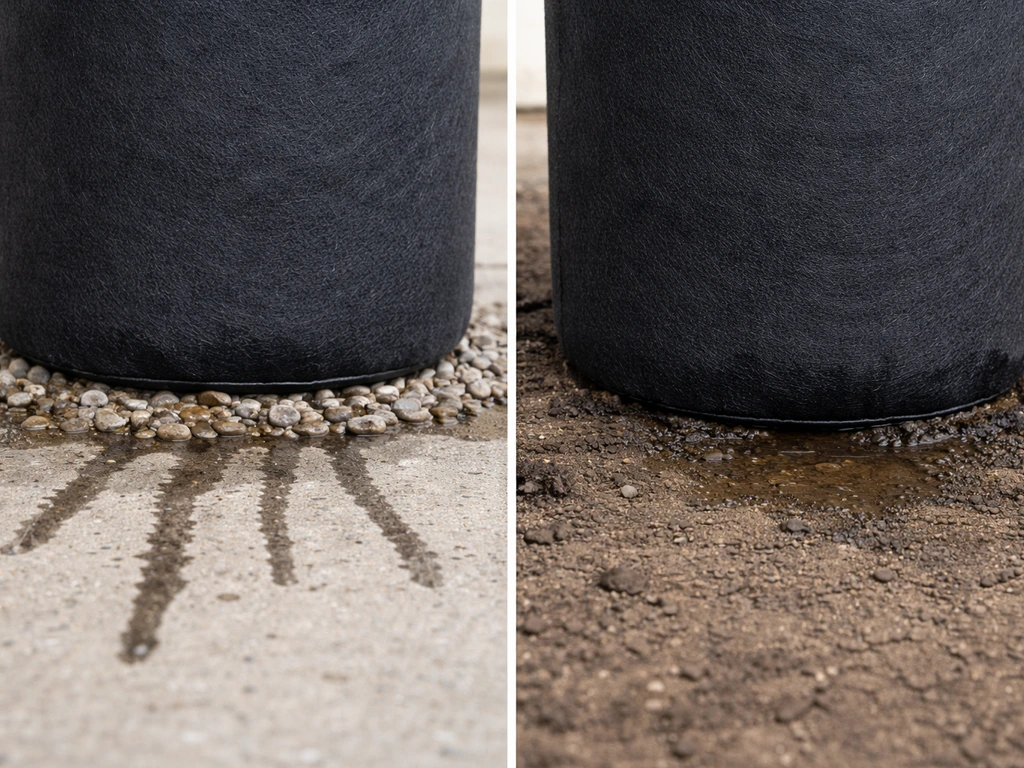
Normal weeping from a fabric grow bag does not mean your plants are being overwatered. It means the bag is draining. The two things people sometimes confuse are: water exiting the bag (drainage, good) and the growing medium staying too wet for too long (a watering frequency problem, bad). If your bag drains quickly and the soil surface feels partially dry within a day or two, your plants are fine.
The real risk is when drainage is impeded. If a bag is sitting in a tray that you don't empty, or if the growing medium has broken down and compacted (common when reusing old media), water can stop draining efficiently and roots start sitting in saturated soil. Under those conditions, roots are deprived of oxygen and become vulnerable to root-rotting fungi. You'd notice yellowing lower leaves, a sour or musty smell from the soil, and roots that look brown and mushy rather than white and firm. If drainage is blocked and the soil stays damp, that prolonged moisture can also make mold more likely to develop in the bag.
Healthy drainage from a fabric grow bag actually helps prevent these problems compared to solid plastic pots. The continuous air exchange through the fabric walls keeps the root zone better aerated even when the growing medium is moist. Proptek describes air pruning as improved aeration and drainage through holes and permeability in the container wall that affect root growth near the perimeter blank" rel="noopener noreferrer">continuous air exchange through the fabric walls. This air flow through the sides and bottom is the same principle behind air-pruning containers, where roots stop at the edge and then branch back into the medium blank" rel="noopener noreferrer">The continuous air exchange through the fabric walls keeps the root zone better aerated. That said, fabric bags still need appropriate watering frequency. Letting a bag dry down completely to the point of wilting is almost as stressful to roots as keeping them waterlogged.
Prevent leaks when buying and choosing the right grow bag
The quality of the bag matters more than most people realize when it comes to predictable, manageable drainage. Here's what to look for before you buy.
| Feature | What to look for | Why it matters |
|---|---|---|
| Fabric weight | 200 GSM or higher for most crops | Heavier fabric is more durable, more resistant to tearing, and degrades more slowly under UV exposure |
| Stitching type | Double-stitched reinforced seams | Single-stitched seams fail faster and leak more at the seam lines |
| Fabric type | Non-woven polypropylene or BPA-free felt | Non-woven fabric offers consistent porosity; avoid thin woven bags for heavy crops |
| Handles | Reinforced with separate handle fabric, not just cut strips | Weak handle attachment points can stress adjacent fabric and cause tears |
| Bottom construction | Flat sewn base vs. simple folded seam | A flat sewn bottom distributes drainage more evenly and holds shape under weight |
Size also affects how much water movement you'll see. A 5-gallon bag dries out faster and drains more visibly per watering than a 25-gallon bag. Oversized bags for small plants tend to stay wet for longer because the roots aren't using the moisture throughout the medium, which can actually lead to more water sitting stagnant in the lower portion of the bag. Match bag size to plant size as closely as practical.
If you're concerned about drainage configuration specifically, whether your bag needs additional drainage holes at the bottom is worth thinking through before planting, not after. If you are wondering whether do grow bags need holes in the bottom, the answer depends on the bag type and whether you are using any liners or trays additional drainage holes at the bottom. If you're wondering do grow bags need drainage holes, it helps to confirm what type of grow bag you have and how it drains at the bottom. Some growers add a few extra slits at the very base of the bag to encourage faster water exit for crops that are particularly sensitive to wet feet.
Crop and setup considerations: indoors, outdoors, veggies, flowers, trees, and mushrooms
How much the leaking matters to you depends a lot on what you're growing and where.
Vegetables outdoors
For tomatoes, peppers, potatoes, and similar vegetables grown outside, normal fabric bag seepage is a complete non-issue. Set the bag on gravel, bare soil, or a deck with good runoff, and the drainage does exactly what it should. These crops generally prefer the well-aerated root environment fabric bags provide, and the consistent moisture loss through the walls helps prevent the overwatering mistakes that kill more vegetable plants than anything else.
Flowers and herbs indoors
For indoor use, the seepage from fabric walls becomes a practical concern. A deep saucer, a fitted liner with bottom-only drainage, or placement in a waterproof outer pot will keep your floors dry. Herbs like basil and mint that prefer consistent moisture actually do well in fabric bags with a saucer, as long as you empty the saucer regularly. Herbs that prefer drier conditions (rosemary, lavender) benefit from the fast-drying nature of fabric but need more frequent small waterings instead of infrequent heavy ones.
Trees and large shrubs
Trees grown in large fabric bags (25 gallons and up) produce substantial drainage volume per watering. The seepage is normal but significant. Outdoors, place these on gravel or elevated stands where water can disperse freely. Indoors or on balconies, you'll need large-format trays and a plan to remove runoff. The air-pruning benefit of fabric for trees is real and valuable, but the water management logistics are more demanding at larger volumes.
Mushrooms
Mushroom cultivation in grow bags is a different context entirely. Mushroom grow bags (typically polypropylene bags used for substrate) are not the same as fabric grow bags used for soil-based growing. They're sealed or filter-patched, not porous, and leaking in a mushroom grow bag context usually means contamination risk from a torn or failed filter patch, not normal drainage. If you're using fabric grow bags for fruiting mushrooms as part of a martha tent or outdoor setup, the moisture management needs are very different from vegetable growing, and you'll want to monitor humidity rather than drainage.
The bottom line on grow bag water leakage
Grow bags are supposed to let water out. If you’re wondering, "Do you fill grow bags to the top?" the answer depends on how you plan to manage runoff, since fabric bags are designed to weep water out as you water. If you are buying open top grow bags, make sure you also plan for runoff control like trays or saucers. The weeping and seepage you're seeing is almost certainly the bag working correctly, not failing. The practical fix is managing where that water goes: a tray, a liner, or simply positioning the bag somewhere that runoff is welcome. If your drainage looks uneven, concentrated at one point, or constant hours after watering, that's worth investigating as a seam issue, fabric damage, or a waterlogged growing medium. For the vast majority of growers, though, the answer is simply: yes, it leaks, that's normal, and here's your tray.
FAQ
If my fabric grow bag leaks, is it safe to let it sit in the saucer or tray?
Yes, but the goal is to avoid leaving the bag in standing water. If you use a tray, empty it within 30 to 60 minutes after watering, then let the bag drain and dry slightly between sessions so air can move through the fabric walls.
Should I keep watering longer if water keeps running out of the grow bag?
Usually no. Pouring more water “to compensate” often keeps the medium wet longer. Instead, water until the first signs of seepage appear at the bottom, then stop, and check the top inch or two of the mix before the next watering.
How can I tell normal weeping from a real leak at a seam or tear?
A little patchy dampness that spreads during watering is normal. If a single spot or seam drips in a steady stream while the rest of the bag stays fairly dry, that points to a seam failure or a localized tear rather than normal fabric seepage.
What should I do if the grow bag looks like it’s leaking more on my concrete patio?
Elevating the bag helps. Set it on gravel, a rack, or pot feet so runoff can escape, rather than pooling underneath on impermeable surfaces (concrete, sealed decks). Pooling can make it look like the bag is “leaking” even when drainage is just trapped.
Can I line a fabric grow bag to stop sidewall seepage without harming drainage?
If you use a liner, make sure it does not seal the bottom completely. A common approach is a liner with small holes at the bottom so water can still exit downward, while reducing sidewall seepage. A fully closed liner can turn a fabric bag into an overwatered root zone.
Does switching from plastic pots to grow bags mean I should water on the same schedule?
You can, but it may not match your bag’s behavior. Fabric bags dry from multiple sides and often dry faster than the media in a plastic pot, so use a mix moisture check (top inch or two) rather than a fixed watering schedule based on your old containers.
Why is my grow bag leaking much more than it did last season?
Yes, reusing old grow bags can increase leaking. Over one or two seasons, fibers can thin and become more porous, and compacted or broken-down growing media can reduce drainage. If leaking suddenly increases and the mix stays wet, both the bag and the media may be involved.
What warning signs mean the leaking is actually a drainage problem?
Don’t confuse smell or color changes with “just normal drainage.” A sour or musty odor, persistent dampness, and brown, mushy roots (instead of white, firm roots) suggest drainage is impeded and you may need to adjust watering or improve drainage.
Is using a bottom-drain-only liner a good idea for indoor herbs?
It can be, but only for the right use case. A liner that has bottom-only drainage can reduce mess, but it reduces the fabric’s sidewall aeration benefit. For moisture-sensitive herbs indoors, it can work if you still let the top portion of the mix partially dry between waterings.
Can I seal a leaking seam instead of replacing the grow bag?
Typically no, not as a routine step. For occasional seam leaks, a waterproof gear-style seam sealer can buy time, but if the fabric has thinned or the seam is pulling apart, sealing may fail again. Plan on replacing low-quality or UV-damaged bags.
Should I add more drainage holes to stop the bag from leaking so much?
Most gardeners should not add extra drainage holes after buying, because the bag already drains through its porous bottom. Extra holes or slits at the base are mainly useful if you are trying to speed up drainage for crops that hate wet feet, and you must ensure the bag still drains into a tray or safe area.
Can bag size affect how much seepage I see and how long it lasts?
Yes, oversized bags can look like they are leaking more or “staying wet” longer. A large bag relative to the plant can leave lower media unused and damp. Matching bag size to plant size helps reduce prolonged wetness.
Does the same leak guidance apply to mushroom grow bags?
For mushroom substrate bags, the usual “fabric grow bag leaks” logic may not apply. Mushroom grow bags are often designed differently, and a leaking or failed patch can raise contamination risk rather than being harmless drainage.
Next Articles
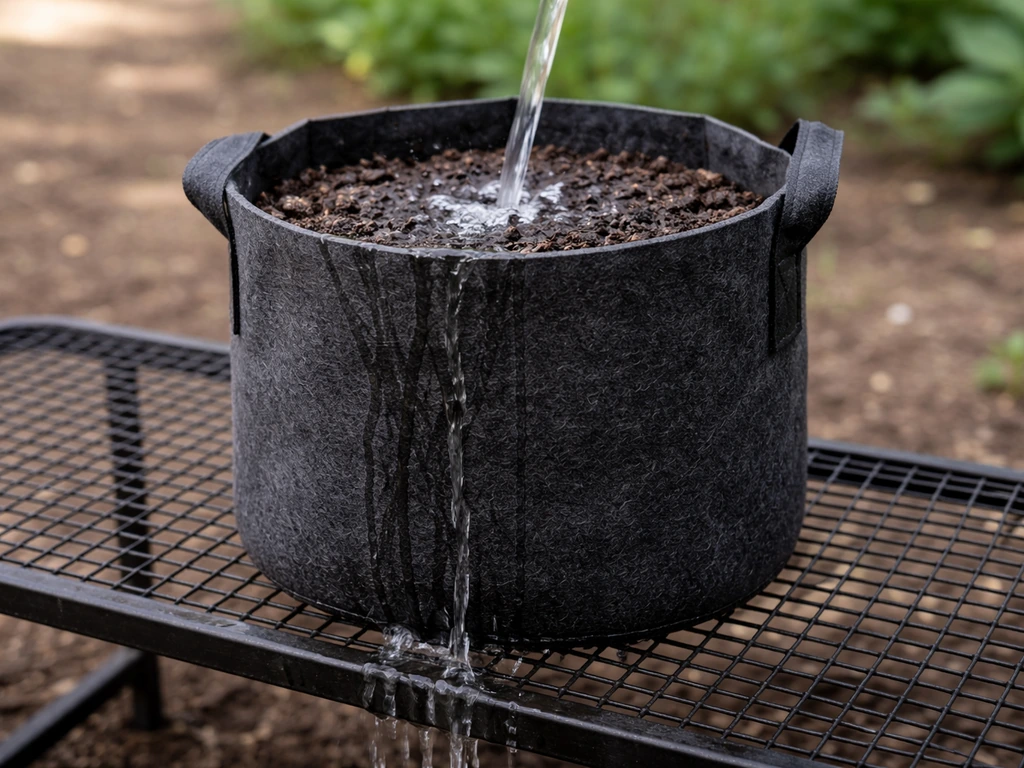
Do Grow Bags Need Drainage Holes? Quick Guide for Fabric Bags
Do fabric grow bags need drainage holes? Learn when to add them, how to prevent waterlogging, and safest setup tips.
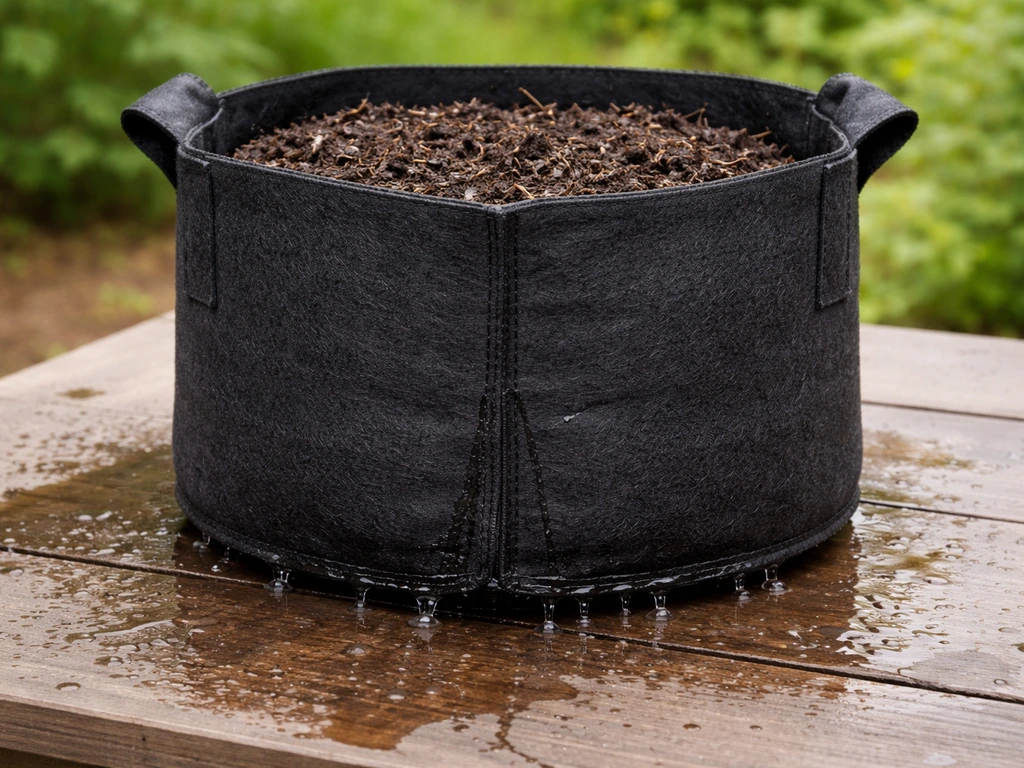
Do Grow Bags Drain Well? How to Test and Fix It
Learn if fabric grow bags drain well and how to test, spot issues, and fix soggy soil fast with steps.
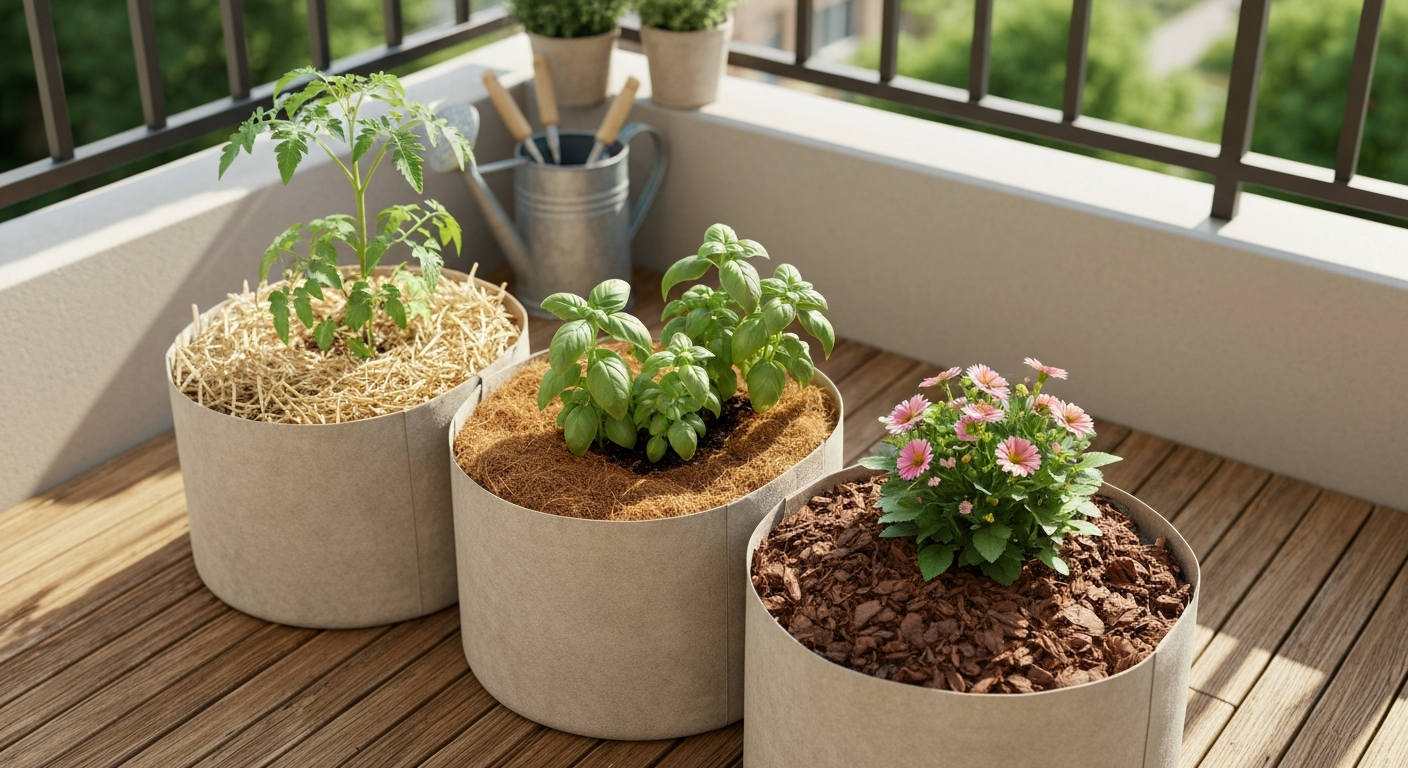
Best Mulch for Grow Bags: Top Picks for Vegetables & Flowers
Find the best mulch for fabric grow bags: top picks, how-to apply, crop & climate advice, and troubleshooting.