
Yes, fabric grow bags drain well. In fact, drainage is one of the main reasons people switch to them in the first place. Unlike plastic or ceramic containers where water has to find its way out through a handful of holes in the bottom, a fabric grow bag lets water move through the entire surface area of its walls and base. That said, "fabric grow bag" doesn't automatically mean "perfect drainage" in every situation. The wrong soil mix, a tray underneath, or compacted media can all undermine what the fabric is trying to do. Here's exactly how it works and what to fix if yours isn't draining the way it should.
Do Grow Bags Drain Well? How to Test and Fix It
Marcus Holloway
18 Apr 2026
How grow bags actually drain
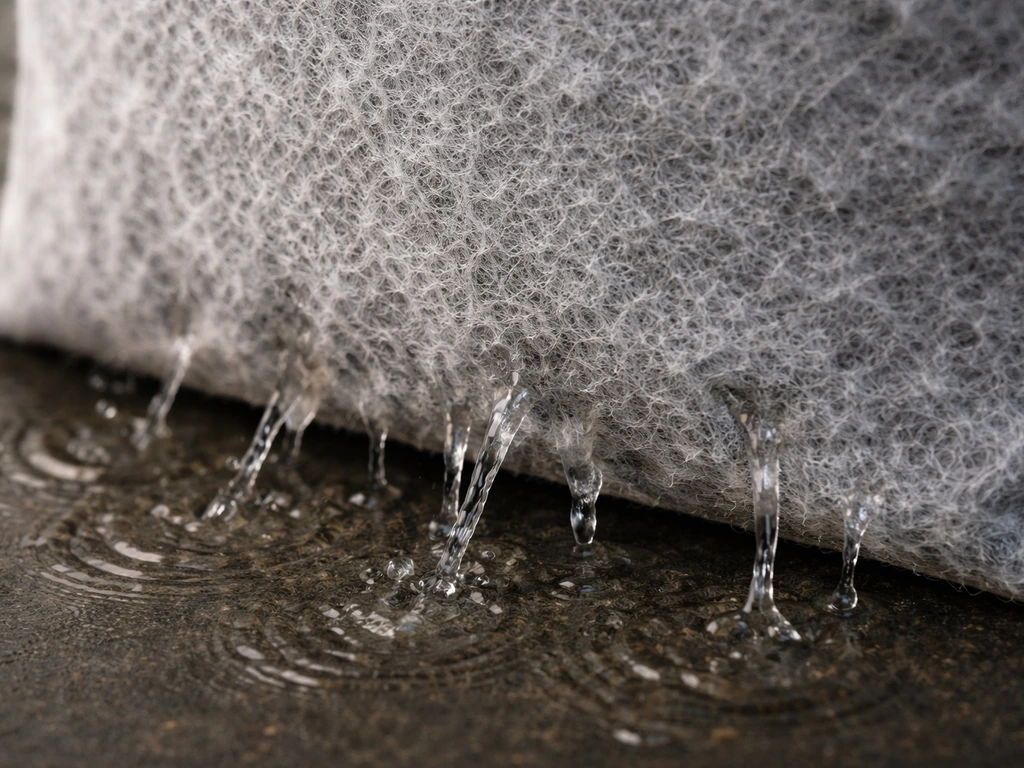
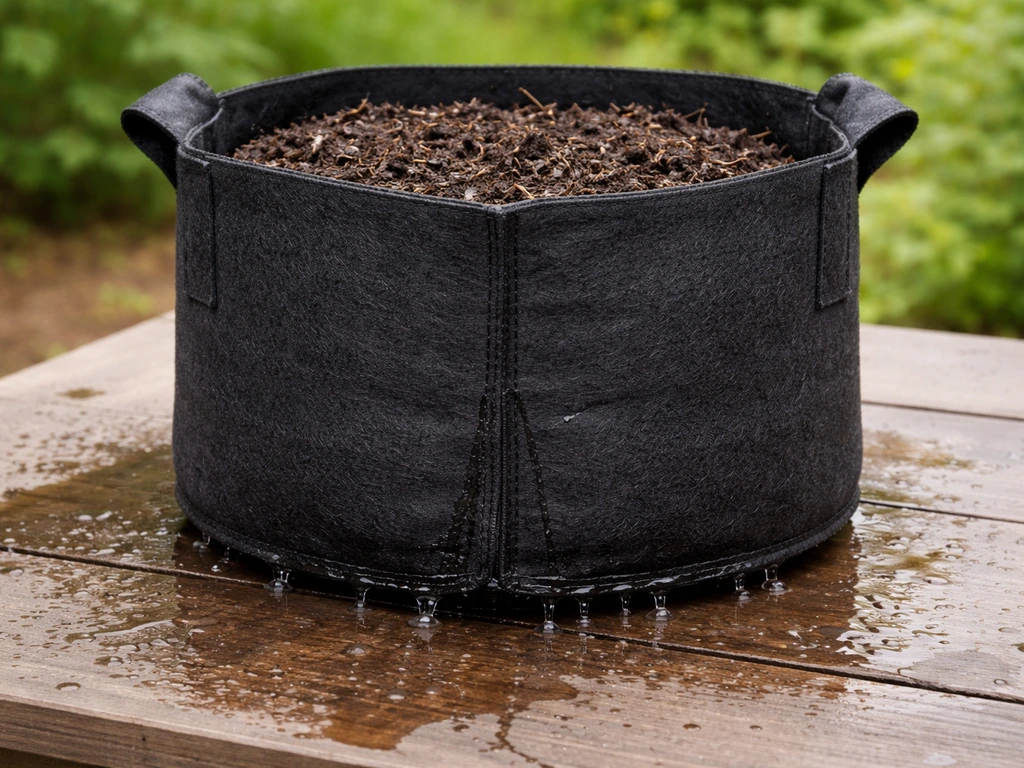
The drainage in a fabric grow bag is built into the material itself. Most quality bags are made from non-woven, needle-punched polypropylene or a similar geotextile fabric. The structure is porous: water doesn't need a dedicated hole to escape because it can pass through the entire fabric wall and base simultaneously. Brands like Smart Pot and Geopot specifically design their containers around this concept, using breathable geotextile with reinforced stitching so the porosity is consistent across the whole bag, not just at weak points.
This multi-surface drainage does two things at once. Water moves outward and downward through the fabric while air is simultaneously drawn into the root zone. Roots that reach the fabric wall contact dry air at the interface and get air-pruned, which stops them from circling the container and encourages more branching inside the media. The result is a denser, more active root system that can actually use the moisture in the bag more efficiently. It's a fundamentally different system from a pot with drainage holes, and understanding that helps you troubleshoot it correctly when something goes wrong.
One thing worth knowing: fabric bags are explicitly designed to not need extra drainage holes. If you've been wondering whether grow bags need drainage holes drilled or cut into them, the answer for standard fabric bags is no. The fabric itself is the drainage mechanism.
What good drainage actually looks like
When a fabric grow bag is draining well, you'll see water beginning to seep through the sides and bottom of the bag within a minute or two of watering. After a thorough watering, the outside of the bag should feel damp, and if you're watering on a hard surface, you'll see a wet ring form on the ground around the bag's base. That's a good sign, not a problem.
Within about 30 minutes of finishing your watering, active dripping should stop. The media inside will be fully saturated but not waterlogged, and the bag should feel firm but not heavy and sloshy. By the next day (depending on conditions and plant size), the top inch or two of soil should be starting to dry out as the bag breathes. This drying cycle is exactly what roots need. If your bag is still dripping or the soil feels saturated 24 hours after watering, something is blocking the drainage process.
Quick tests you can do at home right now
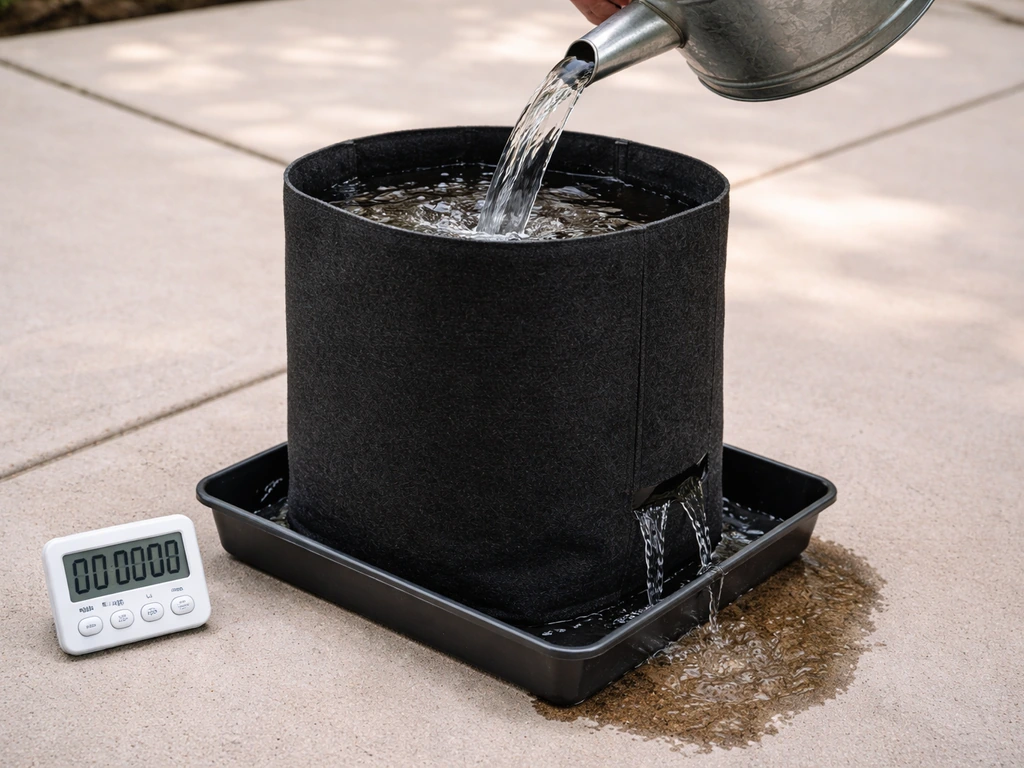
You don't need lab equipment to verify how your grow bag is draining. Here are three practical checks you can do today.
- The pour and time test: Water your grow bag slowly and thoroughly until water flows from the base and sides. Start a timer. If active drainage (steady dripping) stops within 20 to 30 minutes, your drainage is working. If the bag is still dripping or pooling at the base after an hour, investigate the cause.
- The lift and weight check: Before watering, pick up (or tip) the bag and notice how heavy it is. Water thoroughly, wait 30 minutes, then lift it again. A well-draining bag will feel noticeably lighter after 30 minutes than it did right after watering, because excess water has escaped. If it feels just as heavy, drainage is impaired.
- The moisture meter spot check: Insert a soil moisture meter to the mid-depth of the bag. Do this 24 to 48 hours after watering. For most vegetables, you want a reading in the moist but not saturated range (roughly 4 to 6 on a standard 1 to 10 meter). Consistently high readings between waterings mean water isn't leaving fast enough. Using the same insertion depth and location each time keeps your readings comparable.
Why your grow bag might not be draining well
A fabric grow bag that isn't draining well has one or more of the following issues. Identifying which one applies to you is the fastest path to a fix.
Wrong potting mix or compacted media
This is the most common cause. Garden soil or cheap potting mixes with heavy peat or clay content compact over time and hold water far longer than roots can tolerate. A well-draining container mix should be light and airy: something close to 40% peat moss, 20% pine bark, 20% vermiculite, and 20% perlite or coarse sand is a reasonable starting point. UGA Cooperative Extension also notes that [perlite](https://extension.
uga. edu/publications/detail. html? number=C787&title=gardening-in-containers) (expanded mineral) improves drainage properties of container potting mixtures.
N. C. State Extension’s container-media guidance also notes that perlite helps improve drainage (and aeration) in container mixes [something close to 40% peat moss, 20% pine bark, 20% vermiculite, and 20% perlite or coarse sand is a reasonable starting point. ](https://content.
ces. ncsu. edu/extension-gardener-handbook/18-plants-grown-in-containers). Perlite in particular is a volcanic material that stays inert, doesn't compress, and keeps air pockets open in the media.
If you're not using at least some perlite in your mix, drainage will suffer. University extension guides on container gardening consistently recommend adding perlite specifically for this reason.
Overwatering frequency
Fabric bags breathe well, but if you're watering every day without checking moisture first, you're not giving the media time to cycle through wet and dry phases. Consistently saturated media creates the same anaerobic conditions that cause root rot in plastic pots. The fabric can't drain what you haven't stopped adding. Root rot from poor drainage or overwatering isn't always obvious early: wilting that doesn't improve after watering, yellowing leaves, and a sour or musty smell from the media are the signs to watch for.
A saucer or tray keeping the bottom wet
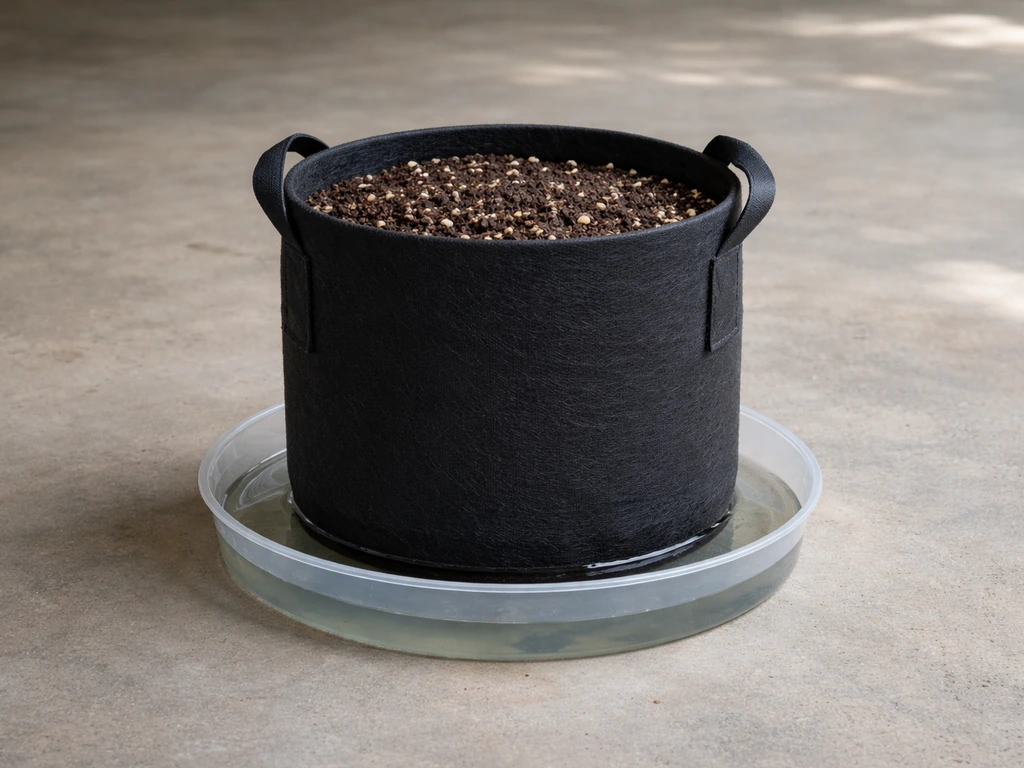
If you have a saucer or tray under your grow bag and you're not emptying it after watering, the base of the bag is sitting in standing water. The fabric will wick that water back up. This completely defeats the drainage design. If you're worried about water damage to your patio or floor, you can use a saucer, but it needs to be emptied within 30 minutes of watering. For more detail on this tradeoff, the article on whether grow bags need saucers covers exactly when to use one and when to skip it.
Clogged or coated fabric
Over multiple growing seasons, algae, mineral deposits, and fine soil particles can clog the pores of the fabric, reducing its breathability. If you notice that an older bag drains noticeably worse than a new one filled with the same mix, the fabric itself may be the issue. A soak and rinse with a diluted hydrogen peroxide solution can clear biological clogging. Hard water mineral buildup responds better to a diluted vinegar rinse. This is also worth keeping in mind if you notice unusual growth on the outside of the bag. You can read more about whether grow bags get moldy and what to do about it.
Placement directly on a non-porous surface
A grow bag sitting flat on a solid concrete or tile surface can have its base drainage partially blocked by the contact area. The fabric is compressed against the surface, and water that should drain down and out gets trapped. Elevating the bag even a few centimeters on pot feet, a wooden pallet slat, or a wire rack solves this immediately. Some USAID field guidance for bag systems specifically recommends suspending bags at least 30 cm above ground when waterlogging risk is a concern.
Choosing the right bag and mix for your situation
Not all fabric grow bags perform equally when it comes to drainage, and material quality matters more than most people expect. Here's a quick comparison of the main options.
| Bag Type | Drainage Quality | Breathability | Durability | Best For |
|---|---|---|---|---|
| Non-woven polypropylene (geotextile) | Excellent | High | Good (3–5 seasons with care) | Vegetables, flowers, general use |
| Felt (recycled PET fabric) | Good | Moderate-High | Moderate (2–3 seasons) | Herbs, smaller plants, budget setups |
| Woven fabric/burlap-style | Moderate | Lower than non-woven | Variable | Short-term or one-season use |
| Thick canvas-style bags | Moderate | Low-Moderate | High | Trees, long-lived perennials |
For most home growers doing vegetables or flowers, a quality non-woven polypropylene bag is the best choice. It gives you the strongest combination of drainage, breathability, and season-to-season durability. If you're considering a specific style, open top grow bags are the most commonly used format and work well with the drainage setup described in this article.
For the mix, stick with a quality soilless potting mix and add extra perlite if the bag will be in a hot, sunny location where you'll water frequently. Coarse sand works too, but perlite is lighter and doesn't change the bag's weight as dramatically. Avoid mixes marketed for "moisture retention" or with heavy coir or gel crystals: those are designed to keep water in, which is the opposite of what you want in a fabric container.
How much mix you put in the bag also affects drainage. Overfilling compresses the media from the top and leaves no room for water to infiltrate evenly before draining. The question of how full to fill grow bags is worth reading through if you're starting a new setup, since filling to the right level makes a real difference in both drainage and root development.
Fixing soggy soil and protecting roots right now
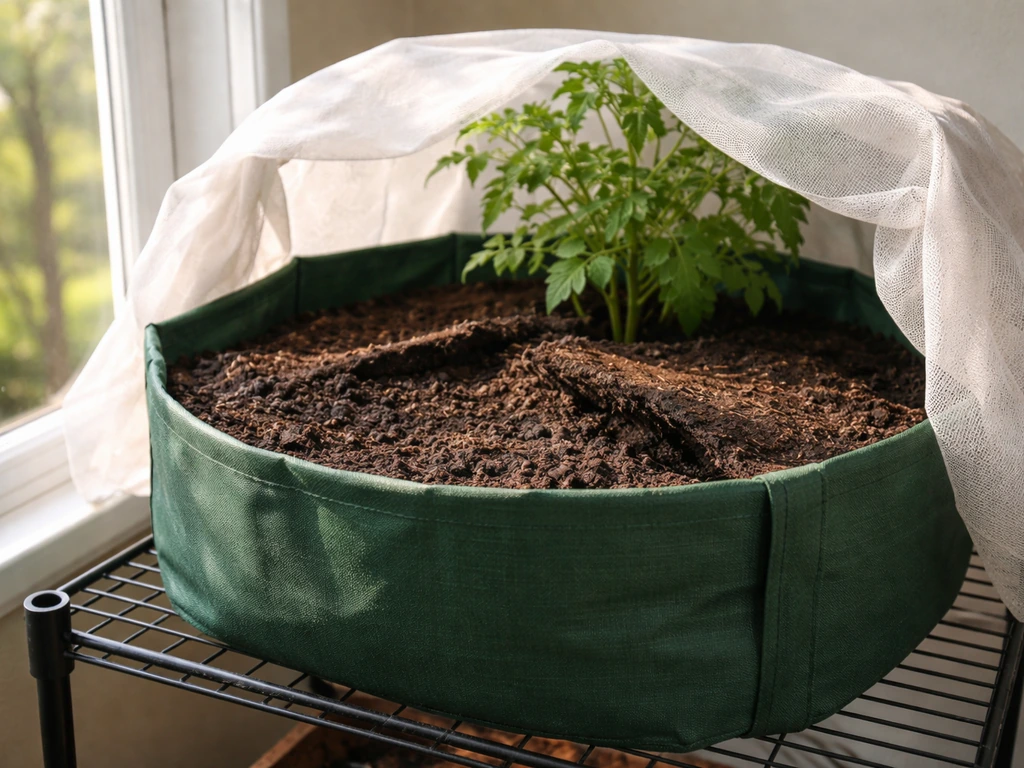
If your plant is already sitting in soggy media, move quickly. Here's what to do in order of urgency.
- Stop watering immediately and move the bag to a spot with more airflow and indirect sunlight. The fabric walls need air circulation to help the media dry from the outside in.
- Elevate the bag if it's sitting flat on a solid surface. Even 5 to 10 cm of elevation makes a noticeable difference in base drainage.
- If you have a saucer underneath, remove it or empty it completely right now.
- Gently press the sides of the bag inward and release a few times. This can help break up surface compaction and allow air into the media.
- Check the roots if you can. Tip the bag carefully and look at the base. Healthy roots are white or light tan. Brown, mushy, or foul-smelling roots are a sign of root rot already in progress. Remove obviously dead root sections and let the media dry significantly before resuming watering.
- Resume watering only when a moisture meter reads dry to moist at mid-depth, or when the top 2 to 3 cm of soil feels completely dry to the touch.
One thing people sometimes wonder when they see moisture escaping through the fabric: is that leaking, or is that drainage? It's drainage. The fabric is doing its job. If you want a clear explanation of the difference, whether grow bags leak water covers exactly when moisture on the outside of the bag is normal versus when it signals a real problem.
Setup, watering, and ongoing habits that keep drainage working
Good drainage in a fabric grow bag isn't just about the bag itself. It's about the whole system: bag, mix, placement, and watering routine working together. These are the habits that keep things running well all season.
- Always elevate your bags off solid surfaces, especially in wet climates or during rainy stretches.
- Water deeply but infrequently. Watering until you see moisture at the base and sides, then waiting until the top layer dries, is more effective than light daily watering.
- Don't fill bags completely to the brim. Leaving 2 to 5 cm of space at the top helps water infiltrate the media surface evenly rather than running off the edges before it can soak in. If you're unsure about the right level, the guidance on whether to fill grow bags to the top gives a clear recommendation.
- Refresh your potting mix between seasons. Old compacted media doesn't drain as well as fresh mix, and it's one of the simplest improvements you can make.
- Check fabric condition at the end of each season. Rinse bags thoroughly before storage and inspect for areas where the fabric has thinned, stiffened, or clogged.
- In very hot, dry conditions where bags dry out too fast, consider whether your problem is the opposite: too much drainage and not enough moisture retention. In that case, a slightly denser mix or a larger bag size may help.
Also worth a quick look: if you've ever been unsure whether the base of your bag needs any modification at all, the article on whether grow bags need holes in the bottom addresses exactly that question and is a useful companion to everything covered here.
The short version: fabric grow bags are genuinely well-designed for drainage, often better than most hard-sided containers. When they aren't draining well, it's almost always a fixable problem with the mix, the placement, or the watering routine. Run through the checks above, address whatever you find, and your plants will be in a much better position within a day or two.
FAQ
If my grow bag looks wet on the outside, how do I know it’s actually draining well inside?
Yes, you can have the sides feel damp while the root zone is still too wet. After watering, check again at the top of the media, if the top inch or two is still wet and cool 24 hours later, it usually means water is not cycling out fast enough, even if the fabric looks active.
What should I do the moment I notice my grow bag is still dripping an hour after watering?
If the bag is dripping longer than about 30 minutes, stop watering and let it dry before adding more. Then check for common blockers first, compressed/too-dense mix, a tray left full under the bag, or the bag sitting flat on a surface that blocks the base contact area.
Can I use a tray or saucer under a fabric grow bag without ruining drainage?
A saucer can be used, but it must be emptied within about 30 minutes after watering. If you repeatedly leave water in the tray, the fabric will wick it back up, keeping the media near saturation and increasing the risk of root rot.
Is it ever worth cleaning a clogged grow bag, or should I just replace it?
In many cases, yes. If your fabric bag is older, has visible mineral crusting, or drains noticeably worse than before, a gentle rinse and targeted soak can restore porosity. Always rinse thoroughly afterward so you do not leave residues that can affect pH or microbial balance.
If drainage is slow, should I replace the entire potting mix or only adjust it?
Switching to a faster-draining mix usually fixes it, but over-correcting can dry the bag too fast. A practical approach is to keep the same base mix and add extra perlite, then monitor drainage timing (dripping should stop within about 30 minutes) and how quickly the top layer dries.
How high should I elevate my grow bag if it sits on a patio or concrete?
Use pot feet, a pallet slat, or a wire rack so air can reach the bottom and water can escape without fabric compression against the ground. This matters most on concrete or tile, where contact area can block part of the base.
Why does one side of my grow bag stay wetter than the other?
A fabric bag with a partially clogged wall can still drain through other areas, but growth often shows the problem as uneven moisture. If one side stays darker and wetter than the other, rotate the bag and inspect for soil compaction or clogged fabric sections on the wetter side.
Could poor drainage symptoms be caused by planting too deep, not the bag?
Avoid planting depth problems. If you bury the crown too deep, the surrounding media stays wetter and cools slower, which can look like “poor drainage” even when the bag is draining normally. Aim for the same crown depth you would use in a container with a well-aerated mix.
How often should I water a fabric grow bag to maintain good drainage?
Yes. If you’re watering frequently without checking moisture, the media never gets to complete wet-to-dry cycling, even though the fabric can drain. Let the top inch or two start drying, then water thoroughly so excess can escape and fresh air can enter.
Can overfilling a grow bag actually cause slow drainage, and how should I correct it?
Not necessarily. If the bag is very full, the top can compact the media and slow the path for water to infiltrate evenly before it drains. If you consistently see long dripping times, try refilling to a less-overfull level and keep the media lightly aerated, not packed.
What are the best warning signs that my grow bag is too wet for the roots?
Look for signs of waterlogging in addition to dripping time. Wilting that does not recover after watering, yellowing leaves, and a musty or sour smell from the media are stronger indicators of persistently saturated conditions than “wet fabric” alone.
Should I ever drill holes into a fabric grow bag if it still drains poorly?
Not as a default. For standard fabric grow bags, drainage comes from the fabric itself, so drilling extra holes is usually unnecessary. If you already have severe pooling at the base despite correct mix and elevation, then adding holes to the outer container is a last-resort experiment, but only after checking tray use, filling level, and placement.
Next Articles
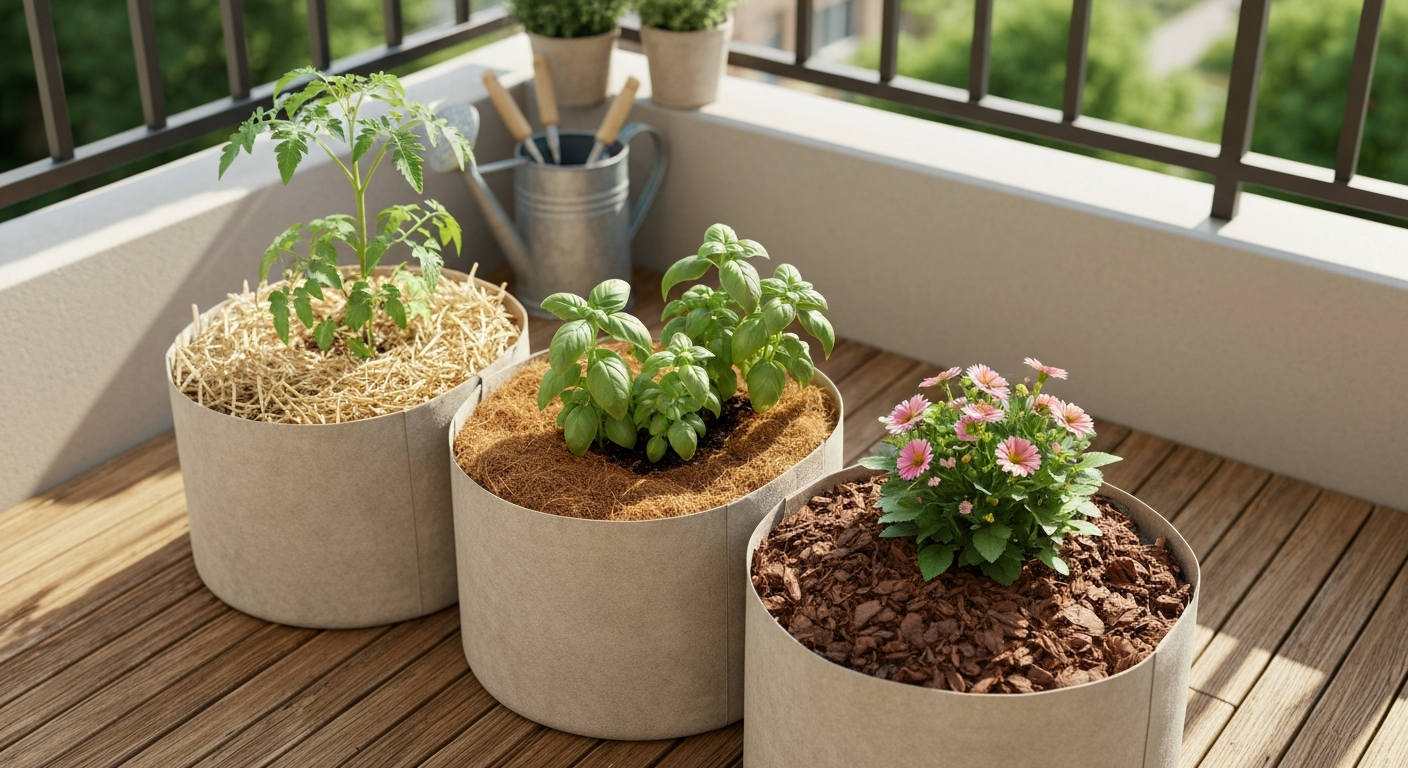
Best Mulch for Grow Bags: Top Picks for Vegetables & Flowers
Find the best mulch for fabric grow bags: top picks, how-to apply, crop & climate advice, and troubleshooting.
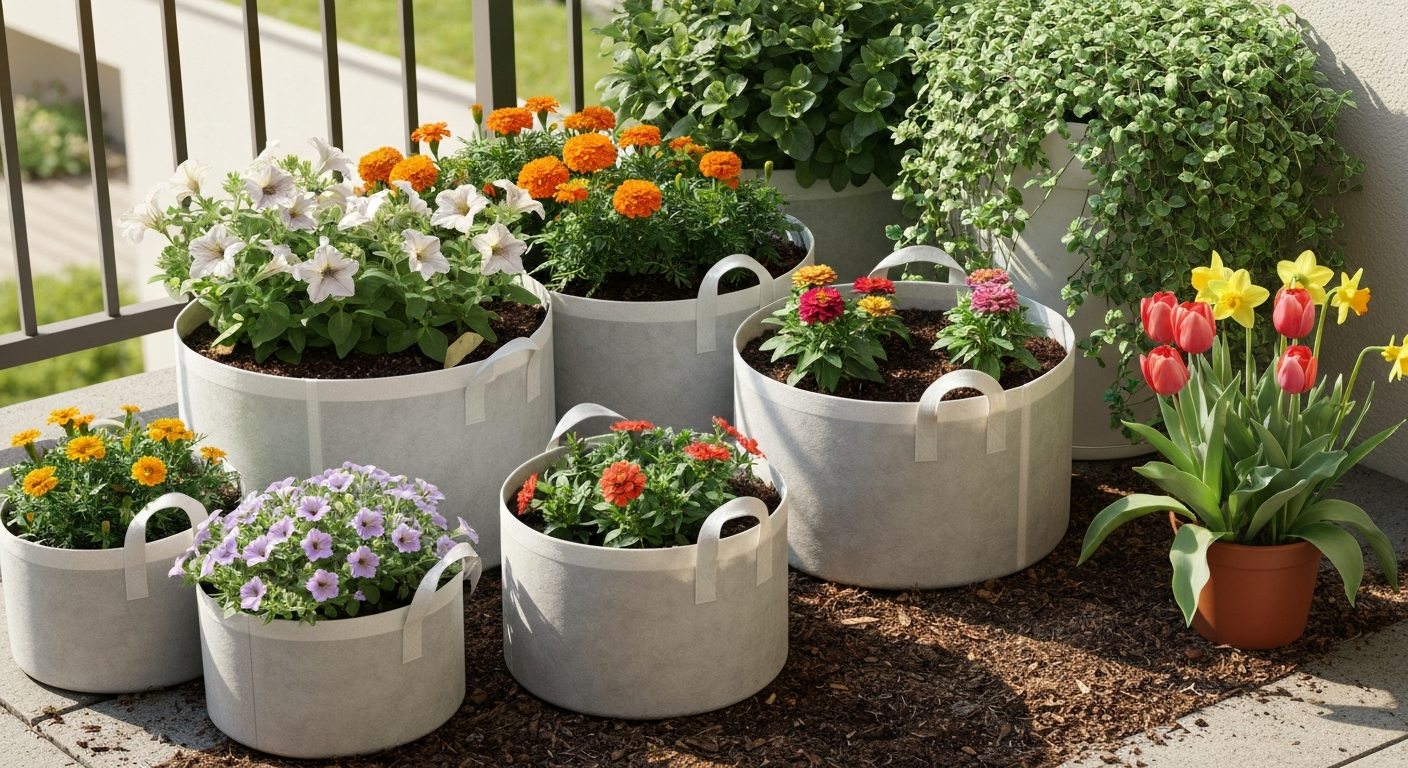
Best Flowers for Grow Bags: Top Picks, Soil & Care Guide DIY
Best flowers for grow bags: top annuals, perennials, bulbs & trailers; soil, fertilizer, planting and care checklists.
Best Landscape Fabric for Grow Bags: Buy and Install Guide
Choose the best landscape fabric for grow bags with weed-blocking, drainage and aeration tips plus DIY install steps.