
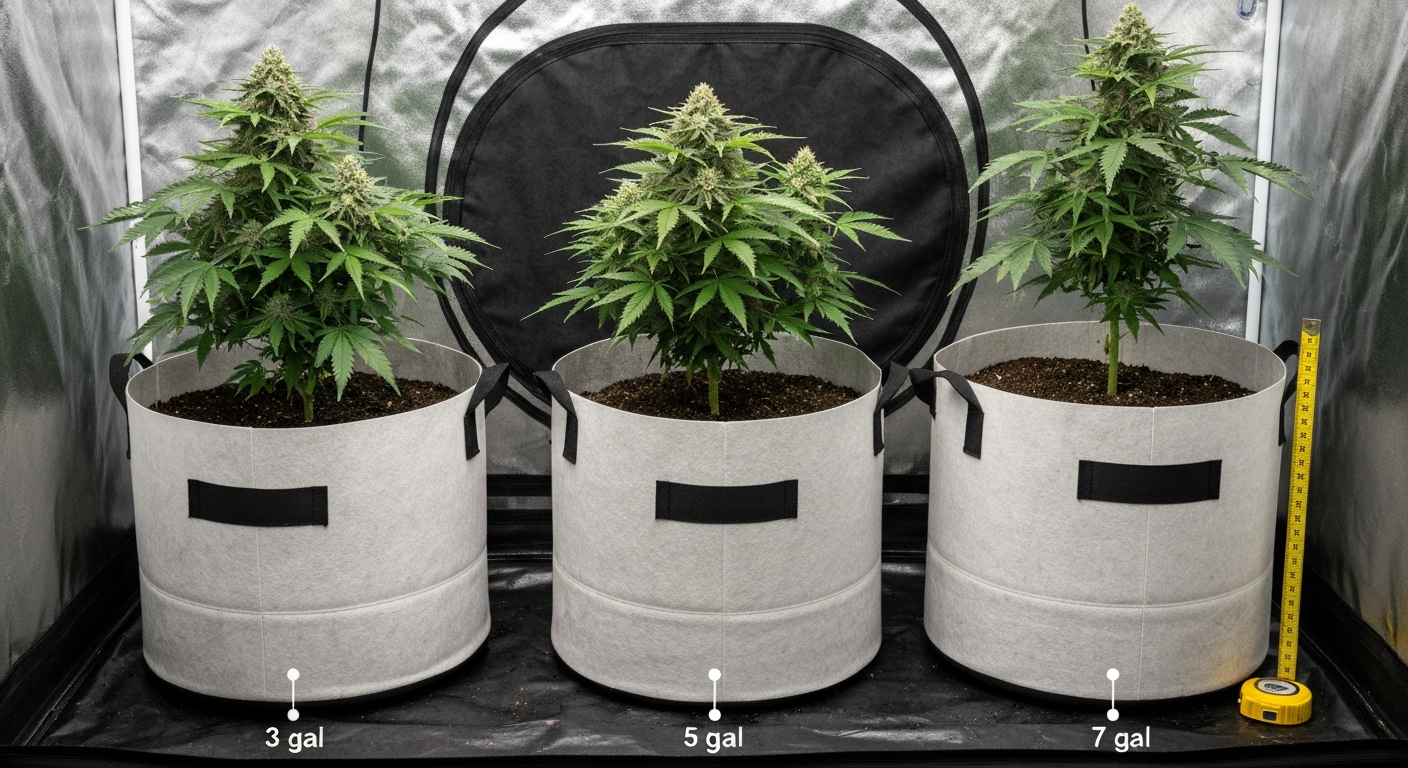
For autoflowers, a 3-gallon fabric bag is the sweet spot for compact strains, and a 5-gallon bag handles most mid-sized cultivars well. Go larger (7–10 gallons) only if you're growing a vigorous photoperiod-style auto or want to push yield on a long-finishing strain. Fabric bags beat plastic here for one concrete reason: air-pruning creates a dense, fibrous root system that autoflowers can exploit fully in their short lifecycle, rather than wasting time navigating circling roots inside a smooth-walled pot.
Best Grow Bags for Autoflowers: Top Picks, Sizes & Setup
Marcus Holloway
13 Aug 2026
Who this guide is for
Whether you're setting up your first autoflower grow or you've run a dozen cycles and want to fine-tune your container choice, this guide covers what you actually need to know. I'll walk you through which fabric type and GSM weight to prioritize, how to match bag size to your strain's expected vigour, where to buy (including Canadian retailers and wholesale sources), how to set up and care for plants through to harvest, and what to do when things go sideways. I'll also touch on when fabric bags make sense for other uses like large trees and specialty mushroom cultivation, since the logic overlaps in useful ways.
Quick buying checklist before you order anything
Run through this list before you commit to any bag. It takes two minutes and saves a lot of frustration.
- Confirmed usable fill volume, not just advertised gallon size (bench tests have documented '3-gal' bags holding less than 3 gallons of usable media when filled to the proper fill line)
- Fabric weight of at least 200 GSM for outdoor or multi-season use; 100–150 GSM is acceptable for a single indoor cycle
- Nonwoven polypropylene or blended felt construction with consistent density (no thin spots or loose weave that roots punch through too easily)
- Reinforced stitching at seams and base, not just heat-bonded edges
- Sturdy handles that can hold a saturated bag without tearing (rated to at least 15 lbs for a 5-gallon bag filled with wet soil)
- UV-resistant fabric if you're growing outdoors or under intense HID/CMH fixtures that run hot
- BPA-free and lead-free materials (request MSDS/SDS from the vendor if you're buying in bulk or from a non-branded source)
- Drainage holes or confirmed porous base (some low-cost bags seal the bottom with a plastic disc, defeating the purpose)
- Return policy or sample order option when buying wholesale
Why fabric bags are a genuinely good match for autoflowers
Autoflowers run on a fixed internal clock. From sprout to harvest, most modern autos finish in 70–90 days regardless of light schedule changes or environmental nudges. That compressed timeline means every week of root development counts, and a root system that spends two weeks uncoiling from a circling pattern inside a smooth plastic pot is a root system that isn't feeding the canopy. Fabric bags eliminate that problem through air-pruning: when a root tip reaches the porous bag wall, the tip desiccates and stops elongating, and the plant responds by branching laterally to produce multiple smaller feeder roots. Research on container systems confirms that porous-walled containers produce distinctly different root architecture compared to solid-walled pots, with more lateral branching and less root deflection.
Beyond root architecture, fabric bags offer two other practical advantages for autos. First, the breathable walls allow passive gas exchange through the substrate, which helps maintain aerobic conditions in the root zone even when a new grower slightly overwaters. Second, fabric walls shed heat rather than absorbing it. In controlled measurements, substrate temperatures near black plastic pot walls have been recorded as high as 130°F (55°C) on a hot day, while comparable fabric containers measured around 97°F (36°C) at the wall. That temperature difference matters for root enzyme activity and microbial health in the rhizosphere, especially for outdoor summer grows.
The trade-off is faster drying. A well-aerated 3-gallon fabric bag in a dry indoor environment can go from fully saturated to ready-to-water again in 36–48 hours during peak growth, compared to 3–5 days in a sealed plastic container. That's not a flaw; it's a feature once you adjust your watering rhythm. But it's worth knowing upfront so you're not alarmed when your bags feel light two days after a full watering.
Fabric types and what the specs actually mean
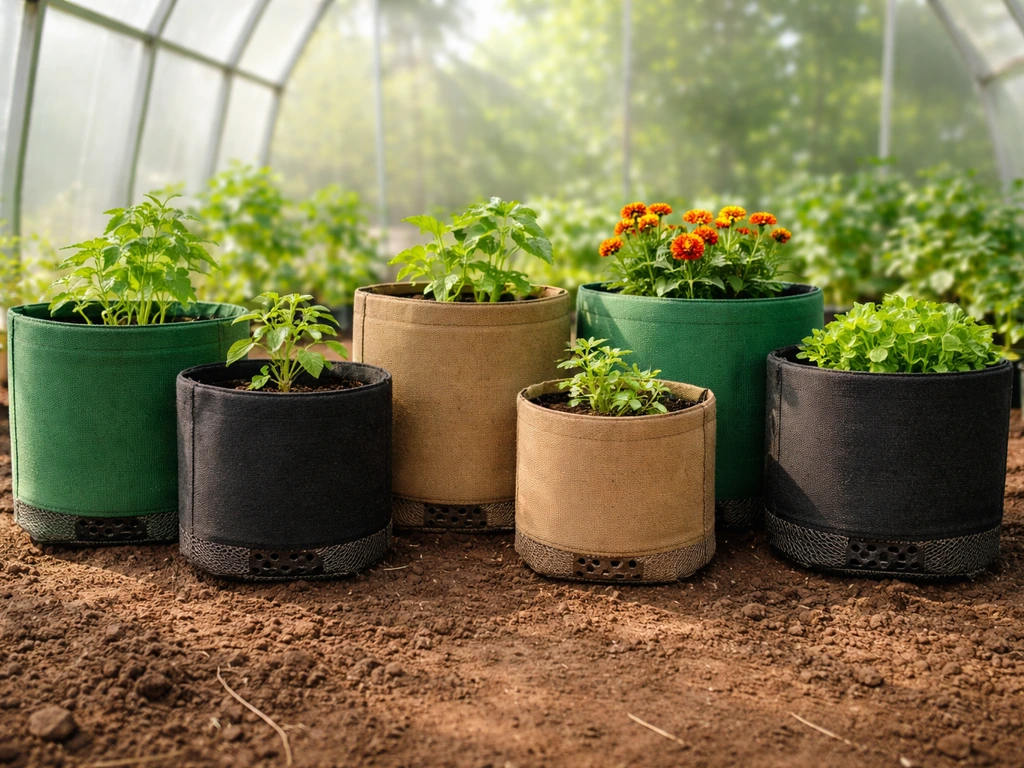
Most grow bags on the market fall into three material categories: nonwoven polypropylene (the most common), needle-punched felt (often polyester or a blend), and natural/organic fabrics (hemp, cotton, jute, or recycled fiber blends). Each has a distinct performance profile, and the differences matter more than most product listings suggest.
Nonwoven polypropylene (PP)
This is the standard material in most branded fabric pots including Smart Pots, the original commercial fabric container. PP nonwovens are manufactured in a wide GSM range, roughly 20–260 GSM depending on the process and end-use, and most grow bags in this category sit between 100 and 200 GSM. Textile industry standards measure GSM (grams per square metre) using test methods like ASTM D3776 (mass per unit area), which is the accepted metric for comparing fabric weight across materials GSM (grams per square metre) is measured by standard tests such as ASTM D3776.. Smart Pots explicitly publish BPA-free and lead-free claims backed by independent lab testing and a downloadable MSDS. PP nonwovens are durable, easy to clean, and hold their shape well. The downside is that they are synthetic and the production process is not especially sustainable, which matters to some growers.
Needle-punched felt (polyester blend)
Felt-style bags often feel softer and more textile-like than PP nonwovens. Root Pouch's Black Line uses a heavyweight blend of recycled PET and natural fibers at approximately 260 GSM, which the manufacturer rates for 4–8 years in above-ground use. Lighter Root Pouch lines targeting single-season use come in around 1–2 seasons of expected service life. The recycled PET content gives these bags a stronger environmental story than virgin PP, and the higher GSM typically means better structural rigidity and slower degradation from UV exposure.
Organic and natural fiber bags (hemp, cotton, jute)
Hemp and cotton grow bags have a genuine appeal: they're biodegradable, free of synthetic polymers, and breathe very well. The practical downsides are a shorter lifespan (typically one to two seasons before fiber breakdown becomes visible) and higher per-unit cost. For indoor autoflower cycling where you're replacing or rotating bags every few runs anyway, the lifespan limitation is less of a concern. If you're interested in certified organic or natural-fiber options, this is a category worth exploring.
Feature comparison at a glance
| Feature | PP Nonwoven | Recycled PET Felt | Hemp / Cotton / Organic |
|---|---|---|---|
| Typical GSM range | 100–200 GSM | 150–260 GSM | 120–200 GSM |
| Breathability | Good | Good to Very Good | Very Good |
| UV resistance | Moderate (UV-stabilized grades available) | Good (higher GSM helps) | Low to Moderate |
| Expected lifespan (indoor) | 3–7+ seasons | 4–8+ seasons | 1–2 seasons |
| Expected lifespan (outdoor) | 2–4 seasons | 4–8 seasons | 1 season |
| Handles / structure | Usually reinforced handles; holds shape well | Strong handles; firm walls | Softer; may need support when wet |
| Drainage / base | Porous base standard | Porous base standard | Fully breathable base |
| Eco profile | Synthetic (some recycled grades) | Recycled content available | Biodegradable |
| Cleanability | Machine washable; bleach-safe | Machine washable | Hand wash; avoid harsh chemicals |
| Cost | Low to moderate | Moderate | Moderate to high |
For most autoflower growers running indoor cycles, a mid-weight PP nonwoven (150–200 GSM) from a reputable brand is the most practical choice: durable enough for multiple seasons, easy to clean, and available in every useful size. If you want a natural-fiber option, look for hemp or cotton bags with reinforced base seams and plan for a shorter service life.
How to choose the right size
Container size is a statistically significant predictor of per-plant yield in cannabis production. That finding from a peer-reviewed meta-analysis isn't surprising to experienced growers, but it's useful confirmation that going too small genuinely costs you at harvest. The question is where the point of diminishing returns sits for autoflowers specifically, because autos finish faster than photos and rarely need the root volume that a 10-gallon pot provides.
One important caveat before reading the table below: verify the usable fill volume of any bag before you buy. Advertised gallon sizes are sometimes measured to the brim, but the actual fill line (where you stop filling to leave headspace and prevent overflow) can be meaningfully lower. Independent bench tests have documented cases where a '3-gal' bag holds less than 3 gallons of usable growing medium. Ask the vendor or check third-party reviews for true fill capacity.
| Bag Size | Best For | Expected Plant Size | Veg Time / Finish Notes | Yield Expectation |
|---|---|---|---|---|
| 1 gallon | Seedling stage or micro-autos (e.g., Fast Buds Microverse strains) | Under 12 inches | 30–50 day strains; no training | Low (10–20g); novelty/space-limited grows |
| 2 gallon | Compact autos in tight spaces or SOG setups | 12–20 inches | 55–70 day strains; minimal LST only | Low to moderate (15–30g) |
| 3 gallon | Most standard compact to medium autos | 18–30 inches | 65–80 day strains; light LST suitable | Moderate (25–60g) |
| 5 gallon | Medium to vigorous autos; best all-round size | 24–36 inches | 70–90 day strains; LST and light defoliation | Moderate to high (40–100g+) |
| 7 gallon | Vigorous long-finishing autos or outdoor plants | 30–48 inches | 85–100 day strains; full LST program | High (70–150g+ outdoors) |
| 10 gallon | Outdoor giants or multi-topped autoflowers in optimal conditions | 40–60+ inches | 90–110 day strains; outdoor/greenhouse only | High (100–200g+ with good conditions) |
My practical recommendation for most home growers: start with 3-gallon bags for your first few autoflower runs, then step up to 5-gallon if you find your plants consistently hitting their height limit with room to spare in the canopy but not in the root zone. Jumping straight to 7- or 10-gallon bags for indoor autos usually means excess substrate staying wet too long between waterings, which creates anaerobic pockets and overwatering symptoms even when you think you're being careful.
Top picks compared
| Brand / Category | Common Sizes | GSM / Material | Price Tier | Where to Buy |
|---|---|---|---|---|
| Smart Pots (original PP nonwoven) | 1, 2, 3, 5, 7, 10, 15 gal | ~100–130 GSM nonwoven PP; BPA/lead-free verified | Mid ($3–$10/unit) | Amazon, Walmart, hydroponics retailers, direct |
| Root Pouch Black Line (recycled PET blend) | 1, 2, 3, 5, 7, 10, 20 gal | ~260 GSM recycled PET + natural fiber | Mid-high ($5–$15/unit) | Root Pouch direct, specialty garden retailers, hydroponics shops |
| AC Infinity Fabric Pots | 1, 2, 3, 5, 7, 10 gal | ~300 GSM nonwoven; dual-layer base | Mid ($4–$12/unit) | AC Infinity direct, Amazon, hydroponics retailers |
| Organic/hemp fabric bags (various brands) | 2, 3, 5, 7 gal | 120–180 GSM hemp or cotton blends | Mid-high ($6–$18/unit) | Specialty eco garden retailers, Etsy makers, some hydroponics shops |
| Generic PP nonwoven (bulk/wholesale) | 1, 2, 3, 5, 7, 10, 15, 20 gal | 80–150 GSM (verify before ordering) | Low ($1–$4/unit in bulk) | Alibaba/AliExpress OEM suppliers, wholesale garden distributors |
| Canadian-stocked options (various brands) | 3, 5, 7, 10 gal most common | Varies; check product listing | Mid (similar USD pricing + CAD conversion) | True North Seedbank store, Canadian Tire garden section, local hydroponics shops, Amazon.ca |
Brands, organic options, Canadian sources and wholesale buying
Smart Pots remains the benchmark brand because they were among the first to commercialize the fabric container concept and have the longest track record. Their published MSDS documentation and independent safety testing make them a defensible choice if you're particular about knowing what's in your growing containers. AC Infinity has moved aggressively into the fabric pot market with heavier-construction bags that test well in real-world comparisons; their dual-layer base is a genuine durability improvement over single-layer designs.
Root Pouch's Black Line is worth the premium if you want bags that last multiple seasons outdoors. The 260 GSM weight and manufacturer-rated 4–8 year service life in above-ground use means these bags pay for themselves over time compared to replacing 100 GSM bags every season. Root Pouch also publishes detailed technical datasheets, which matters if you're operating in a regulated context or want to verify material claims.
For organic fabric bags, the market is more fragmented. Hemp and cotton options from smaller makers tend to be available through specialty garden retailers and direct online sellers. Quality varies significantly, so look for reinforced base seams, consistent weave density, and any third-party certifications (GOTS for cotton, for example). If the listing doesn't mention GSM at all, ask before ordering.
Canadian growers have historically had fewer stocked options than US buyers, but the gap has narrowed. Amazon.ca now carries Smart Pots, AC Infinity bags, and several generic brands with fast domestic shipping. Local hydroponics shops in major cities (Vancouver, Toronto, Calgary, Montreal) typically stock 3- and 5-gallon fabric bags and can order larger sizes. For Canadian-specific sourcing considerations, the grow bags Canada topic covers cross-border ordering strategies, duties, and domestic stockists in more detail.
If you're buying in volume (10+ bags of the same size), wholesale sourcing through OEM polypropylene nonwoven manufacturers can cut per-unit cost to $1–$3 USD. The catch is quality variability. Manufacturers like those listing on Alibaba advertise custom GSM options across a 20–260 GSM range, and you can specify BPA-free material and reinforced seam construction in your order request. Always order a sample run first, verify the usable fill volume against the advertised gallon size, and request a material safety datasheet before committing to a large order. For a deeper look at the wholesale option, the best grow bags wholesale online topic goes into vetting suppliers and what to specify in an OEM order.
Setting up and running autoflowers in fabric bags
Soil mix
Autoflowers do best in a well-aerated, slightly lighter mix than you'd use for photoperiod plants. A reliable starting recipe for a 3- or 5-gallon bag: 40% high-quality peat or coco-based potting mix, 30% perlite, 20% compost (worm castings work well), and 10% vermiculite. This ratio gives you fast drainage, adequate water retention between waterings, and a mild baseline nutrient load from the castings. Avoid heavy soil mixes designed for outdoor raised beds; the density restricts air penetration and slows the drainage that makes fabric bags work.
If you prefer a living soil approach, replace the peat base with a well-composted no-till mix and add mycorrhizal inoculant at transplant. Living soil tends to buffer pH naturally and reduces the need for liquid feeding, which suits autoflowers well because they're sensitive to nutrient burn, especially in the first three weeks.
Step-by-step from setup to harvest
- Week 0 (day 1): Fill bag to 1–2 inches below the rim with your soil mix. Pre-wet the mix until water runs freely from the base. Germinate seeds directly in the bag (autoflowers dislike transplanting) or transplant a seedling within the first 3–5 days of sprout before the taproot establishes hard.
- Week 1–2 (seedling): Water in a small ring around the seedling, not the full bag. This encourages roots to spread outward searching for moisture. Use plain pH-adjusted water (6.0–6.5 for soil) or a very dilute seedling nutrient solution at no more than 25% of recommended strength.
- Week 2–3 (early veg): Roots are establishing. Begin light feedings of a balanced grow nutrient (N-P-K roughly 3-1-2 at this stage) at 50% recommended dose. Watch for the first signs of leaf tips darkening (early nutrient sensitivity) and back off if you see them.
- Week 3–4 (active veg): Plants are growing fast. Water when the top inch of soil is dry and the bag feels noticeably lighter when you lift it — this is the lift test, and it's the most reliable watering indicator for fabric bags. Increase feeding gradually toward full recommended dose. Begin low-stress training (LST) by gently bending and tying main stems outward if your space allows, but keep it gentle — autoflowers don't recover from aggressive training the way photoperiods do.
- Week 4–5 (pre-flower/stretch): Most autos will start showing flowers at this point. Switch to a bloom-oriented nutrient formula (lower N, higher P-K, roughly 1-3-2). Maintain consistent watering frequency; fabric bags in this stage of growth often need water every 1–2 days indoors.
- Week 5–8 (flowering): Keep feeding bloom formula. Watch for signs of potassium or calcium deficiency in late flowering, which are common in fabric bags because the substrate flushes faster than plastic pots. A light CalMag supplement (1–2 ml/L) through mid-flower prevents most deficiency patterns. Continue monitoring bag weight for watering timing.
- Week 8–10 (late flowering/flush): Taper off nutrients 1–2 weeks before expected harvest. Some growers run a clean-water flush during the final week; this is optional in well-managed organic living soil but useful in synthetic-feed programs to clear residual salt buildup in the fabric.
- Harvest: Check trichomes with a loupe or microscope. Harvest when the majority of trichomes shift from clear to cloudy, with some amber if you prefer a heavier effect. Cut at the base, remove the root ball from the bag, and move immediately to drying.
Light, placement and airflow
Fabric bags benefit from airflow around the sides, not just from above. Elevating bags slightly on a wire rack or saucer with feet allows passive air circulation under the base, which accelerates drying and prevents moisture buildup under the bag. Indoors, keep at least 3–4 inches of clearance between bags to allow the sidewall air-pruning effect to work properly. Outdoors, fabric bags in full sun on hot days will dry out faster than you expect, sometimes needing twice-daily watering in peak summer heat.
Troubleshooting common problems
Overwatering and underwatering
Overwatering in fabric bags looks different than in plastic. Because the walls breathe, standing water usually doesn't persist, but if you water before the substrate has had a chance to cycle through aerobic drying, you can develop anaerobic pockets in the center of the root zone. Signs: leaves yellowing from the bottom up, slow growth despite good light, and a persistent sour smell from the substrate. Fix: let the bag dry until noticeably light before the next watering and check that your soil mix isn't too dense. Underwatering in fabric bags is more common than in plastic because of faster evaporation. Signs: wilting that recovers quickly after watering, dry crispy lower leaves, and bags that feel feather-light. Fix: increase watering frequency and consider adding 5–10% more perlite to the mix to slow surface evaporation.
Nutrient deficiencies
Calcium and magnesium deficiencies are the most common nutrient issues in fabric bags, because the faster flush rate moves these secondary nutrients through the substrate more quickly than in plastic. Calcium deficiency shows as brown spots on upper leaves and curled leaf margins. Magnesium deficiency appears as interveinal chlorosis (yellowing between green veins) on mid-to-lower leaves. Both respond to CalMag supplementation at 1–2 ml/L added to your regular watering. Nitrogen toxicity (dark green, clawing leaves) in early flowering is usually the result of continuing a high-N veg formula too long into the bloom phase. Switch to a bloom formula and the plants will correct over 5–7 days.
Roots growing through the bag wall
Seeing fine root tips poking through the outside of the fabric is normal and actually confirms that air-pruning is working as intended. These roots will desiccate and stop growing at the wall surface, triggering lateral branching inside the bag. You don't need to do anything about it. If you're growing on a surface that might trap moisture (a solid tray with standing water, for example), those external roots can start to grow into the tray and cause transplanting difficulty at harvest. Keep the base slightly elevated or use a slatted tray to prevent this.
Mold and pests
Fabric bags dry faster than plastic, which generally makes them less hospitable to fungus gnats and root rot. But if you're growing in a humid environment with poor airflow, the outer fabric can harbor moisture and develop mold patches on the exterior. This doesn't necessarily mean your root zone is compromised, but it's a sign to improve airflow around the bag. Increase fan circulation, elevate the bags, and reduce ambient humidity if it's above 70% during late flowering. Fungus gnats, if they appear, typically respond to a top-dressing of dry perlite (1 cm layer on the soil surface) to deny egg-laying sites, combined with yellow sticky traps.
Cleaning, sterilizing and deciding when to replace
Fabric bags are reusable, and with proper cleaning they last multiple seasons. At the end of each run, remove as much root material from inside the bag as possible, then invert and shake out loose soil. A stiff brush removes dried clumps from the exterior fabric. Most PP nonwoven and recycled PET bags are machine-washable on a gentle cycle; use hot water and a small amount of unscented detergent. For sterilization between runs (especially if you've had any disease or pest pressure), soak the bags in a 10% bleach solution for 30 minutes, then rinse thoroughly and allow to dry completely in sunlight before reuse. A UV-exposed dry period also helps break down any residual pathogens.
Natural fiber bags (hemp, cotton) require gentler treatment: hand washing in warm water with a mild soap, no bleach soaking, and careful drying to prevent mold forming in the fiber. Given their shorter lifespan, most growers replace these after two runs rather than trying to sterilize them.
Replace a bag when: the seams are separating, the base has developed holes larger than 1 cm (beyond the normal pore structure), the fabric has thinned or become brittle from UV degradation, or when post-cleaning inspection shows the fabric no longer holds its shape under a full load of wet soil. Accelerated UV/weathering and UV‑resistance testing for nonmetallic materials is standardized in test methods such as ASTM G154 and ISO 4892‑2/4892‑3 (and ASTM G155 for xenon exposure), which are the measurement frameworks vendors cite when making UV durability claims, UV Testing 101: An Ultimate Guide, lab/test‑standards overview (explainer) UV Testing 101: An Ultimate Guide — lab/test‑standards overview (explainer). With a quality 200+ GSM bag and proper cleaning, replacement should be a 4–8 season decision, not an annual one.
Other fabric bag uses worth knowing about
Fabric bag logic scales in interesting directions beyond autoflowers. At the small end, specialty mushroom cultivation uses a completely different bag format: heat-tolerant polypropylene bags designed for pressure sterilization of substrate, with filter patches rather than porous walls. Golden Teacher and other gourmet mushroom grows require injection-grade or self-healing port bags that are autoclavable, not the breathable fabric bags used for plant cultivation. For details on choosing the best grow bag for Golden Teacher mushroom cultivation, see our guide on mushroom grow bags, which explains injection-grade and autoclavable options and how to avoid common contamination sources. If you're curious about that application, the mushroom grow bags topic covers the distinctions in detail, because using the wrong bag type for mushroom substrate preparation is one of the most common contamination sources for beginner cultivators.
At the large end, fabric bags for trees use the same air-pruning principle but in a very different operational context. Large 25- to 100-gallon fabric bags used for semi-permanent tree planting or nursery production need to handle significant structural loads, UV exposure over multiple years, and root systems that exert real outward pressure on bag walls. The research on container types in nursery tree production confirms that porous containers alter root architecture beneficially, reducing circling and improving root distribution at transplant. If you're looking at growing a fruit tree, ornamental, or specimen plant in a large fabric bag, the grow bags for trees topic covers sizing, structural requirements, and the differences in soil recipe and watering management that apply at that scale.
Final checklist and next steps
Before you place your order and fill your first bag, run through this summary checklist one more time to make sure everything lines up.
- Choose your size based on strain vigour and expected finish time: 3 gallons for compact autos, 5 gallons for most mid-sized strains, 7–10 gallons for outdoor giants or exceptionally vigorous cultivars
- Verify usable fill volume against the advertised gallon size before buying, especially for budget or unbranded bags
- Confirm fabric weight: minimum 150 GSM for a single indoor season, 200+ GSM if you want multi-season durability or outdoor use
- Request or download an MSDS/SDS for any bag you're buying in bulk or from a non-branded source to confirm BPA-free and lead-free material claims
- Mix a well-aerated substrate: approximately 40% peat or coco, 30% perlite, 20% compost/worm castings, 10% vermiculite
- Germinate or transplant seeds directly into the final bag early to avoid transplant shock disrupting the auto's fixed timeline
- Use the bag lift test (not a fixed schedule) to time your waterings, and adjust for how quickly your specific bag and environment dries
- Plan for CalMag supplementation through mid-flower to compensate for the faster flush rate of fabric bags vs plastic
- Set up airflow around the bag sides to enable air-pruning at the wall and prevent moisture accumulation under the base
- After harvest, clean and sterilize bags thoroughly before storage to maximize their useful lifespan
Fabric bags work well for autoflowers because the biology of the container matches the biology of the plant: fast-cycling root development, efficient drainage, and a thermally stable root environment. Get the size right, buy a bag with verified construction specs, and follow a consistent care rhythm, and the container itself becomes a non-issue. That's the point.
FAQ
What primary evidence and source types are needed to make reliable recommendations about fabric grow bags for autoflowers?
Combine peer‑reviewed research (e.g., meta‑analyses on cannabis yield and container effects; horticulture/nursery studies on container type and air‑pruning), extension/university guidance (best‑practice irrigation and container use), independent bench tests (usable fill volume, GSM verification, fabric thickness, thermal comparisons), manufacturer technical datasheets and MSDS/SDS (materials, GSM, claimed lifespan, UV claims), and aggregated grower field reports to capture practical trade‑offs (drying rate, root escape). Together these sources let you map container material/size to root architecture, irrigation needs, and per‑plant yield expectations.
Which peer‑reviewed studies and authoritative summaries matter most for container recommendations?
Key references include: the cannabis meta‑analysis 'Closing the Yield Gap for Cannabis' (shows pot size is a significant yield predictor), nursery research showing container type affects root architecture (Gilman et al., Arboriculture & Urban Forestry 2016), and recent applied syntheses on mesh/fabric air‑pruning that document increased lateral root branching and reduced circling. Use these for evidence that porous/fabric containers influence root form and can affect yield when combined with other factors (light, density, nutrition).
What material and test data should be checked on grow bag products before recommending them?
Request or verify: GSM (fabric mass per m² measured per ASTM D3776 or equivalent), fabric composition (spunbond PP, recycled PET, cotton blends), MSDS/SDS and technical data sheets, UV/weathering test claims and referenced standards (ASTM G154/ASTM G155 or ISO 4892 series), claimed reusable lifespan, and independent bench measurements of usable fill volume. These allow objective comparison of durability, breathability and actual root volume.
How does GSM relate to performance, and what GSM ranges are typical/useful?
GSM is a standardized measure of fabric weight/thickness; higher GSM typically means more durable/heavier fabric and longer expected life and greater resistance to tearing. Typical horticultural fabrics span ~20–260 GSM (light to heavy). For multi‑season reusability and strength, aim for ~200–260 GSM (heavy series like Root Pouch Black). Lighter fabrics (≤100 GSM) are fine for single‑season uses but will wear faster and be less tear‑resistant.
Why are fabric pots a good match for autoflowers specifically?
Fabric pots provide air‑pruning which encourages lateral feeder roots and reduces circling, producing a more fibrous root system that supports rapid vegetative growth then stable flowering—useful for single‑cycle autoflowers that rely on efficient root uptake. Fabric bags buffer substrate temperature (lower near‑wall heat vs black plastic), improve drainage/aeration, and can limit overly large root balls that would delay flowering. Trade‑offs: faster drying so more frequent irrigation and potential root growth through fabric.
What evidence links pot size to autoflower yield and how should size be chosen by plant vigour?
Meta‑analysis on cannabis shows pot/container size is a statistically significant predictor of per‑plant yield, alongside light and nutrition. Use practical, evidence‑based sizing tiers: small/compact autos or weak genetics: 3–5 L (1–2 gal) — low vigour, small yields; average vigour autos: 7–15 L (2–4 gal) — common choice balancing water needs and root space; vigorous/high‑yield autos or longer veg (if allowed): 20–30 L (5–8 gal) — maximizes root space and yield potential. For extremely vigorous plants or max yield indoors, 30–50 L (8–13 gal) may help but expect more substrate, higher water use, and slower drying management. Verify usable fill volume rather than nominal 'gallon' label.
Next Articles
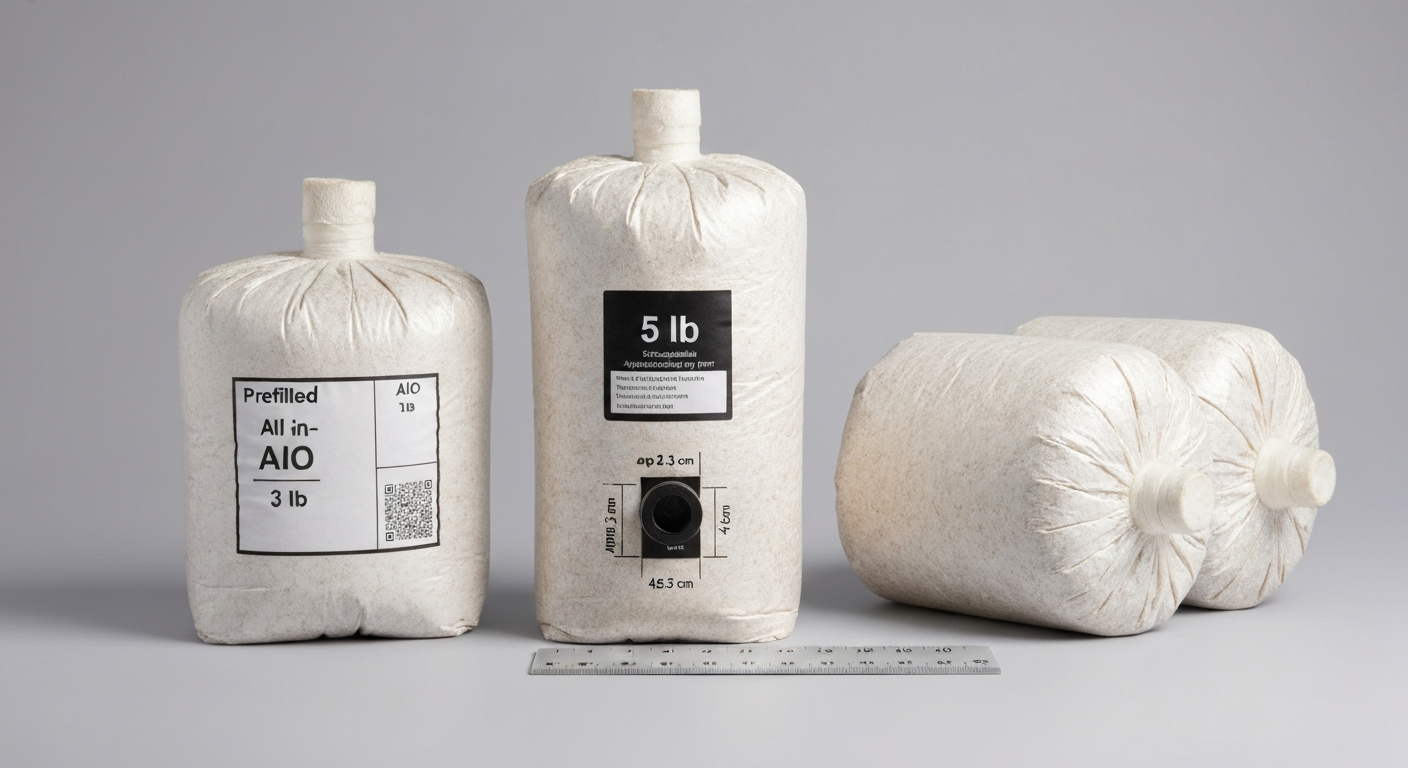
Best Grow Bag for Golden Teacher: Top Autoclavable & Fabric
Best grow bag for Golden Teacher: top buys, bag features, setup steps, contamination help, and Canada suppliers.
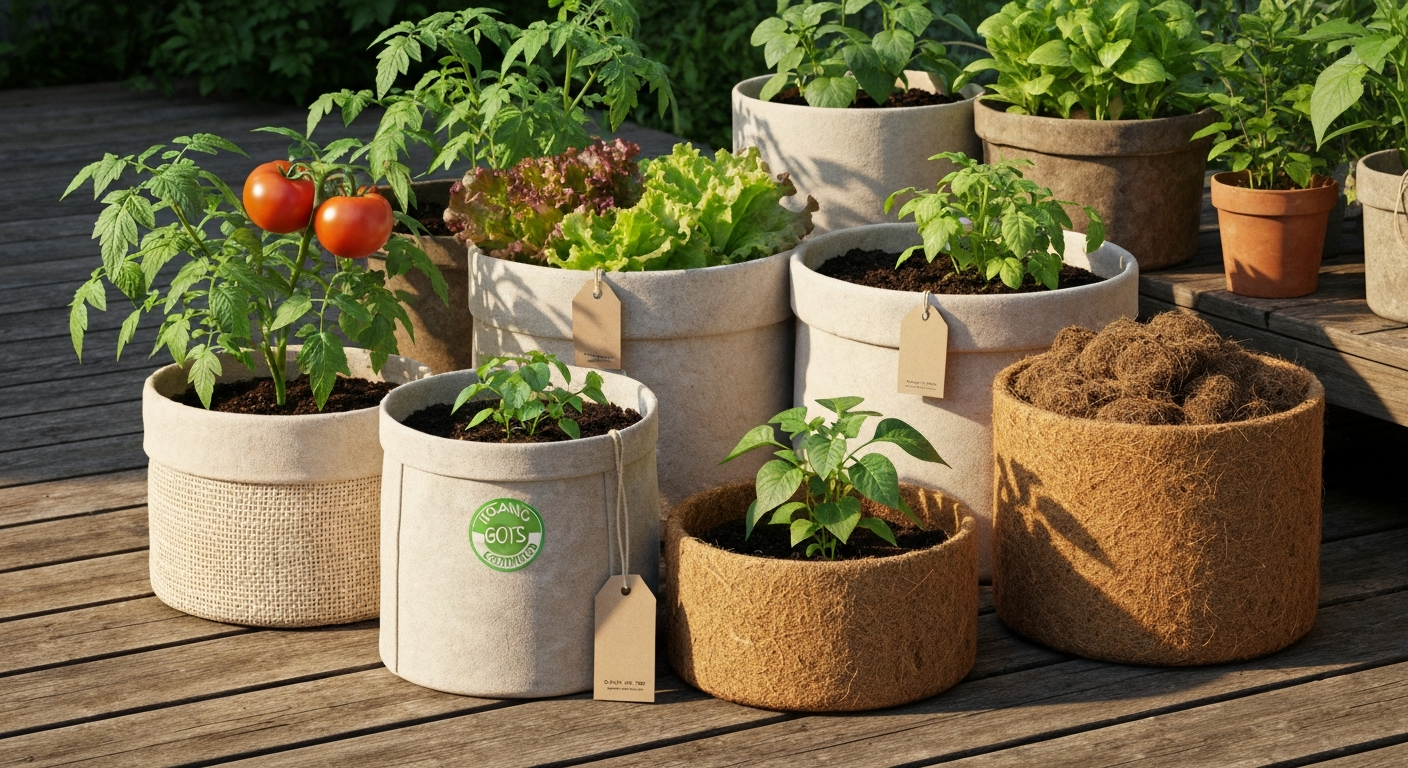
Best Organic Grow Bags: Top Picks & Buyer’s Guide for Home Growers
Best organic grow bags: compare cotton, jute, coir, hemp; pick sizes for veggies, flowers, trees, autoflowers and Golden
Best Grow Bags Wholesale Online: How to Buy Right
Choose durable fabric grow bags for vegetables, flowers, trees and mushrooms with the right size, drainage, and wholesal