VIVOSUN fabric grow bags are reasonably safe for growing edible vegetables and herbs at home. The main material is 300g polyester nonwoven fabric, the bags carry a BPA-free claim, and the primary risks most growers face have nothing to do with chemical leaching from the fabric. They have everything to do with moisture management: poor drainage, waterlogging, and mold from inadequate airflow. That said, VIVOSUN does not currently list third-party textile safety certifications like OEKO-TEX STANDARD 100 on their product pages, so if you want certified assurance rather than a manufacturer claim, that gap is worth knowing about before you plant.
Are VIVOSUN Grow Bags Safe for Food and Plants? Checklist
Marcus Holloway
10 Jun 2026
What 'safe' actually means for grow bags
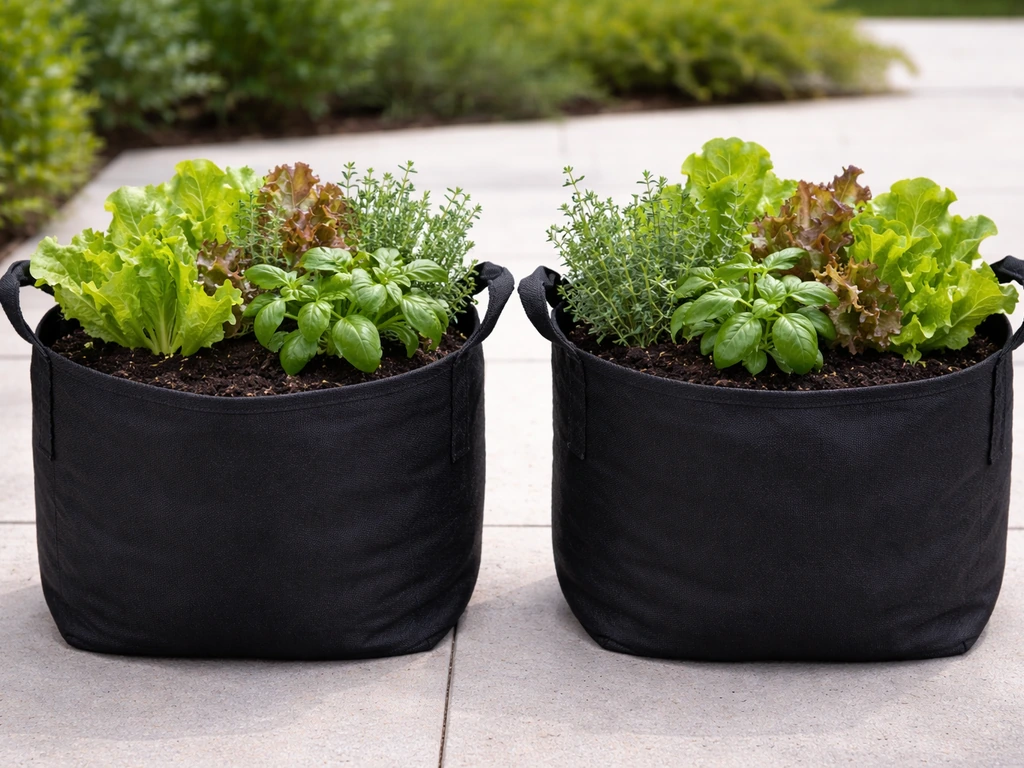
When people ask whether grow bags are safe, they usually mean one of a few different things, and it helps to separate them because the answers are different. First, there's chemical safety: can anything in the bag material leach into soil and eventually into the food you eat? Second, there's plant safety: does the bag create growing conditions that harm roots or stress plants? Third, there's practical contamination: can the bag harbor mold, pathogens, or pests that affect the crop or the grower? All three are legitimate concerns, and confusing them leads to bad decisions in both directions, either dismissing real risks or panicking over non-issues.
Chemical leaching from grow bag fabric is the concern that gets the most internet attention, but it's also the least likely real-world problem under normal outdoor growing conditions. Plant and moisture safety, on the other hand, are genuine daily concerns that affect yields and crop quality far more often. When someone finds their tomatoes looking sad in a grow bag, it's almost never because of the fabric chemistry. It's usually because the soil dried out too fast or stayed too wet.
VIVOSUN grow bag materials and construction
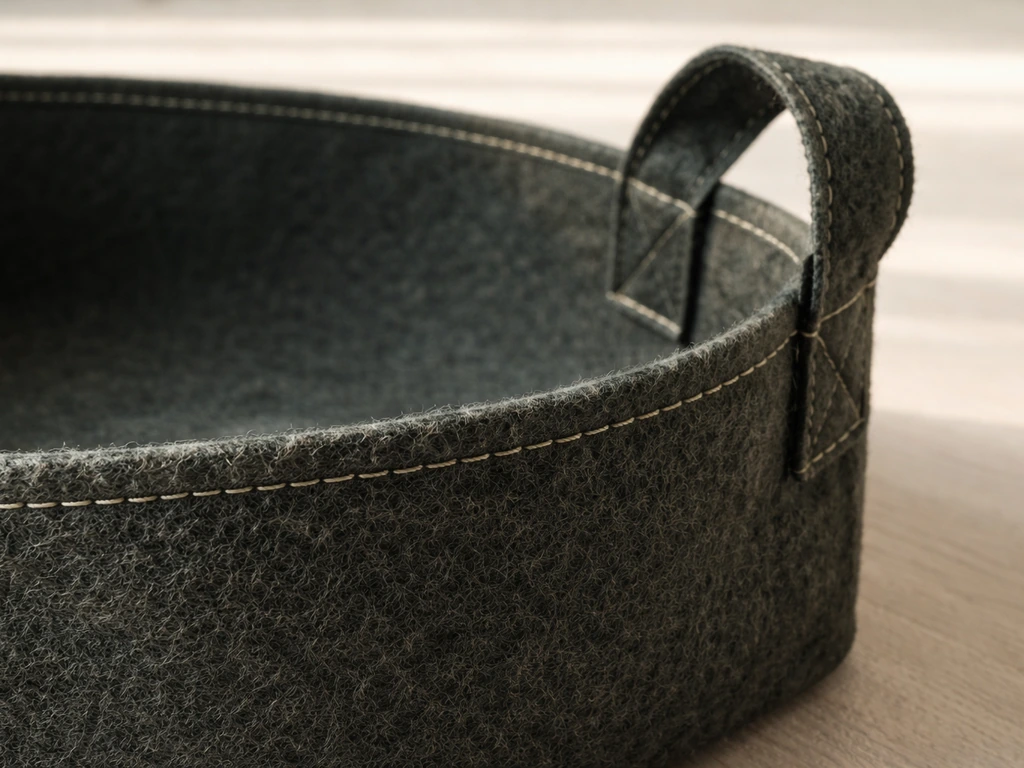
VIVOSUN's grow bags are made from 300g-per-square-meter thickened polyester nonwoven fabric. If you're wondering what VIVOSUN grow bags are made of, they use 300g-per-square-meter thickened polyester nonwoven fabric what are VIVOSUN grow bags made of. Nonwoven fabric is produced by bonding fibers together thermally or chemically rather than weaving them, which gives the material its characteristic breathable, slightly fuzzy texture. The 300g weight puts these toward the heavier end of the grow bag market, which generally means better durability and less prone to tearing under the weight of wet soil.
VIVOSUN describes the bags as 'moderately permeable,' which is the right descriptor for a nonwoven polyester: water and air pass through, but slowly enough that soil doesn't fall out or dry in minutes. The product listings for both the 10-gallon and 30-gallon sizes state BPA-free construction. Handles are stitched on, and the bags are generally double-stitched at stress points.
What's worth checking before you buy: look for whether any internal coating or liner is present (VIVOSUN's standard bags don't appear to have one, but always verify on the specific SKU you're ordering), check whether the fabric has a strong chemical odor out of the package, and look at the stitching and handle reinforcement. Strong odor from fresh-out-of-the-bag fabric isn't necessarily toxic, but it's a signal to rinse before use. As for formal safety certifications, VIVOSUN's visible product listings don't show OEKO-TEX STANDARD 100, FDA food-contact, NSF, or REACH compliance statements. That doesn't mean the bags are unsafe. It means you're relying on the manufacturer's BPA-free claim rather than a release-based third-party test.
Real contaminant risks to know about
The three main contaminant pathways worth thinking through for any nonwoven grow bag are: dyes and coatings, microplastic fiber shedding, and mold/pathogen buildup between uses.
Dyes and surface treatments are the chemical leaching concern most people are picturing. For outdoor soil-contact growing, leaching risk from polyester nonwoven fabric under normal conditions is low. The bags aren't being boiled or subjected to chemical sterilization, which are the conditions under which measurable migration from polyolefin materials has been documented in food-packaging research. Soil contact at ambient outdoor temperatures is a far gentler scenario. That said, a strong smell from a new bag does indicate some volatile compounds are present, which is why rinsing before planting is always a reasonable precaution.
Microplastic fiber shedding is a real phenomenon with nonwoven bags. Research on food-grade polypropylene nonwoven bags has shown they can release micro and nanoplastics after boiling. For grow bags used in soil, the fibers that shed are generally going into your soil mix rather than being directly consumed. Whether trace microplastics in garden soil represent a meaningful health risk at home-garden scale is genuinely uncertain, and the research continues to evolve. It's a reasonable background concern rather than a reason to avoid fabric bags entirely.
Mold is the contaminant that actually causes problems in practice. It's driven almost entirely by moisture and airflow, not by the bag material itself. A waterlogged grow bag sitting in a shady spot with no air movement will develop surface mold on the outside of the fabric regardless of brand. This is a setup and maintenance issue, not a toxicity issue.
Growing edible plants in VIVOSUN bags: is it reasonable?
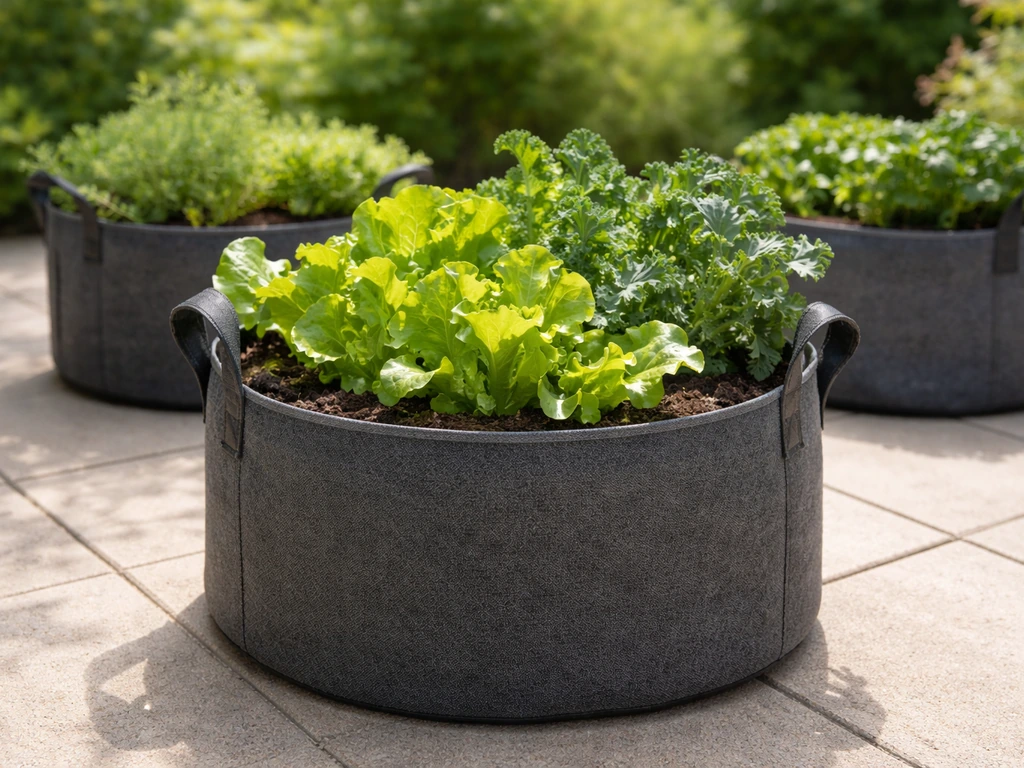
Yes, it's reasonable to grow vegetables and herbs in VIVOSUN fabric grow bags. Fabric grow bags have been used widely for edible crops for years, and the polyester nonwoven construction used in VIVOSUN bags is not flagged as a high-risk material for food contact in outdoor soil growing. The BPA-free claim, while not certified by a third party in the publicly visible listings, addresses the specific plasticizer concern that typically drives food-safety worries about plastic containers.
If you're particularly cautious, a few practices lower any residual chemical risk further: rinse the bag thoroughly before first use, let it air out for a day or two, use a quality potting mix rather than heavy amended garden soil (which can trap moisture and create anaerobic conditions), and avoid adding any plastic-based soil amendments or coated slow-release fertilizers that introduce additional chemical sources directly against the bag wall.
For those researching grow bag safety for edible crops more broadly, the general question of whether grow bags are safe for vegetables covers similar ground and is worth reading alongside this article. For a broader answer on whether grow bags are safe for vegetables, it comes down mostly to chemical leaching being unlikely under normal outdoor conditions and to managing moisture and airflow to prevent mold are grow bags safe for vegetables. If you want the overall answer first, start with the best grow bag for vegetables recommendations and selection tips safety for vegetables.
How to set up VIVOSUN bags to minimize risk
Most problems with grow bags, including odors, mold, root problems, and poor plant health, come from improper setup rather than from the material. Getting the setup right from the start is the highest-leverage thing you can do.
- Rinse new bags with clean water before first use. This removes any residual manufacturing dust, fiber debris, and surface compounds. Let them air dry fully before filling.
- Pre-moisten your growing medium before filling. University of New Hampshire Extension recommends soaking the mix at least a day before use. Dry potting mix filled into a grow bag can develop hydrophobic patches that cause water to run straight down the sides and out the bottom without soaking through evenly.
- Use a quality peat- or coir-based potting mix with good drainage. Avoid dense garden soil, which compacts in containers and cuts off root oxygen.
- Do not add gravel or rocks to the bottom of the bag. University of Maryland Extension guidance is clear on this: it creates a perched water table effect and actually worsens drainage rather than improving it.
- Place bags on a surface that allows drainage underneath, like raised slatted shelving, pavers, or gravel. Sitting directly on solid concrete or wood in wet climates traps moisture.
- If you're concerned about fabric-to-soil contact, you can use a food-safe fabric liner inside the bag, but ensure it has drainage holes so water can still exit freely. Standing water is a worse problem than bare fabric contact.
- Avoid placing bags in spots with no air movement. Airflow around the outside of the bag is part of what keeps the fabric from staying permanently moist and developing mold.
Troubleshooting common grow bag problems
Overwatering and drainage issues
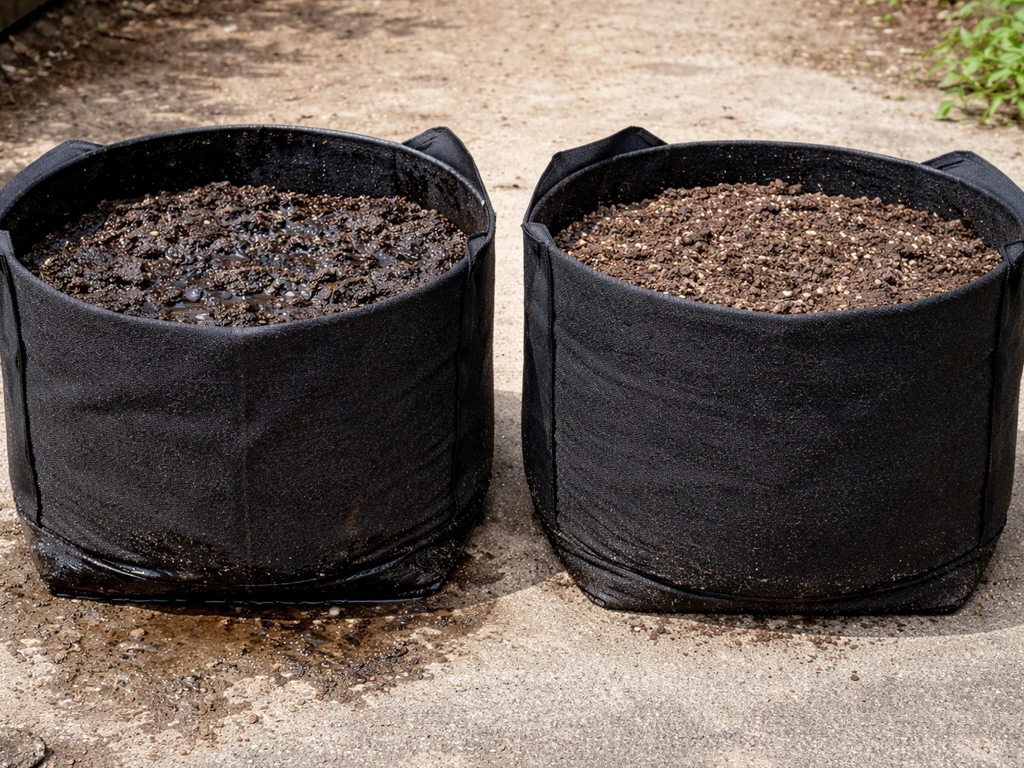
The most common failure mode in grow bags of any brand is overwatering. Growers assume the breathable fabric prevents this automatically, but heavy soil mixes or bags placed on impermeable surfaces can still waterlog. University of Illinois Extension is emphatic that proper drainage is as important as the amount of water added. Check drainage by lifting the bag slightly after watering: water should flow freely from the bottom and sides within a few minutes. If you see sustained dripping for more than 15-20 minutes after watering, your soil mix is too dense.
Odors from new or used bags
A plastic or musty smell from a new bag is common and generally not a signal of dangerous chemicals at concentrations relevant to outdoor soil growing. Rinse, air out, and the smell typically dissipates within a day or two. If a used bag develops a sour or rotting smell mid-season, that's almost always anaerobic decomposition in waterlogged soil, not the bag itself. Fix drainage first. If the smell persists after drainage improves, remove the plant, dump the soil, and check for root rot.
Root health and circling
VIVOSUN claims the nonwoven fabric prevents circling root structure by air-pruning roots when they reach the bag wall. Air pruning is a real and beneficial effect of breathable fabric containers: roots that contact air at the wall tips stop elongating, which triggers branching back into the center of the root ball. This results in a denser, healthier root system compared to plastic pots, where roots spiral. Make sure the bag is large enough for the crop: undersized bags restrict root development even with good air pruning.
Mold on the bag exterior
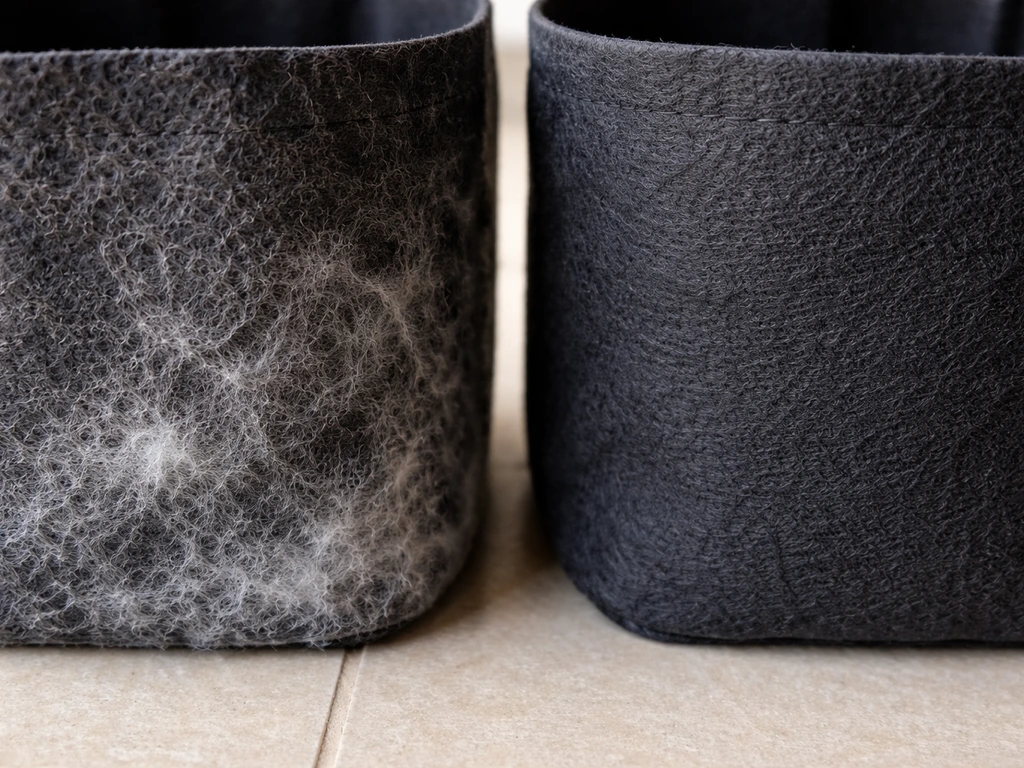
White or gray fuzzy growth on the outside of the bag fabric is surface mold feeding on organic material in soil water that wicks through. It's unsightly but rarely a plant health crisis. Improve airflow, reduce watering frequency, and move the bag to a sunnier or better-ventilated spot. You can wipe the exterior with a diluted hydrogen peroxide solution between seasons.
Cleaning and disinfecting between seasons
VIVOSUN bags are marketed as reusable for years, which is accurate if you clean them properly. University of Minnesota Extension guidance on cleaning garden containers applies directly here: dump old soil, rinse the bag thoroughly, and disinfect with a 10% bleach solution or diluted hydrogen peroxide soak before storing. Let them dry completely before folding and storing. Folding damp bags and storing in sealed containers is how you get mold problems in year two.
Which crops are a good fit for VIVOSUN bags
Grow bags work well for a wide range of crops, but matching bag size to the plant matters as much as the material.
| Crop type | Recommended bag size | Key considerations |
|---|---|---|
| Tomatoes (indeterminate) | 15-30 gallon | Need large root volume; stake or cage support required; watch for overwatering in hot weather |
| Tomatoes (determinate/bush) | 10-15 gallon | More manageable; good candidate for patio growing |
| Peppers and eggplant | 5-10 gallon | Relatively compact roots; good bag candidates |
| Herbs (basil, parsley, cilantro) | 1-3 gallon | Fast drainage is an advantage; can dry out quickly in summer |
| Potatoes | 10-20 gallon | Deep bags work well; hilling is easier than in plastic pots |
| Flowers (annuals) | 3-10 gallon | Low chemical risk concern; fabric works well |
| Small trees and shrubs | 25-100 gallon | Heavy; plan placement before filling; VIVOSUN bags carry handles but stability on flat ground is limited |
| Mushrooms | Not recommended without modification | Standard grow bags need sterile substrate and heat sealing; VIVOSUN open-top fabric bags are not designed for mushroom cultivation |
Mushrooms deserve a specific note because it comes up in this context. Fabric grow bags like VIVOSUN's are not the right format for mushrooms. Mushroom cultivation requires sealed, sterilized bags with filtered ports, which are a completely different product. If you're growing mushrooms, you need bags designed specifically for that purpose.
Alternatives and when to switch away from fabric bags
No container method is right for every situation. Here's how VIVOSUN fabric bags compare to the common alternatives:
| Container type | Chemical safety | Drainage/root health | Durability | Best for |
|---|---|---|---|---|
| Fabric grow bags (polyester nonwoven) | Low leaching risk at ambient temps; no formal food-contact cert on VIVOSUN listings | Excellent; air pruning; breathable sides | 2-5 years with proper care | Most vegetables, herbs, potatoes, flowers |
| Plastic pots (HDPE/PP) | BPA-free versions widely available; generally stable | Drainage depends on holes; root circling risk | 5-10+ years | Long-term perennials, trees, controlled environments |
| Fabric raised planters | Similar to grow bags; check liner material if present | Very good; fabric sides drain freely | Varies widely by brand | Larger plantings, patios, deck gardens |
| In-ground raised beds (wood/galvanized) | Depends on bed material; untreated wood is safest | Excellent natural drainage if properly sited | 5-20+ years | High-volume production, permanent installations |
| Terracotta pots | Essentially inert; very low chemical risk | Good wicking; can dry quickly | Fragile; heavy | Herbs, succulents, small edibles |
Switch away from fabric grow bags when: you need a permanent installation and don't want to replace containers every few years, you're growing large trees or specimens that need the structural stability of a rigid container, or you're in a very wet climate where constant external moisture causes chronic mold on the bag exterior despite good setup practices. For most home vegetable and herb growers with patio or balcony setups, VIVOSUN fabric bags are a practical, cost-effective choice and not a safety liability.
If the absence of third-party safety certification genuinely concerns you and you want certified assurance, look for grow bags that carry OEKO-TEX STANDARD 100 certification. That certification uses release-based testing methodology (meaning it tests what actually comes out of the material, not just what the material is claimed to be made of), which is a meaningful step above a manufacturer's BPA-free claim. It's not that VIVOSUN bags are demonstrably unsafe without it; it's that certification provides independent verification versus a product description.
Quick safety checklist before you plant
- Inspect new bags for strong chemical odors; air out and rinse before filling
- Confirm the specific SKU has no internal plastic liner (or verify the liner is food-safe with drainage holes)
- Pre-moisten your potting mix before filling to prevent hydrophobic dry spots
- Choose a quality peat- or coir-based potting mix with good drainage; skip gravel layers at the bottom
- Position bags on a draining surface with airflow around all sides
- Water to the point of runoff, then allow the top inch of soil to dry before watering again
- After each season, empty, rinse, disinfect with diluted bleach or peroxide, dry completely, then store flat or folded in a dry space
- If you want certified material safety, look for OEKO-TEX STANDARD 100 labeling as the most meaningful third-party standard for textile containers
FAQ
How should I rinse and air out a VIVOSUN grow bag before planting to reduce any safety concerns?
Rinse thoroughly with plain water until runoff looks clear, then let the bag air out in a ventilated area for 24 to 48 hours. If there is a strong new-bag odor, extend airing to a couple more days, and only start adding soil once the smell noticeably fades.
Does using organic compost or manure increase the chance of mold or bacteria in a fabric grow bag?
It can, mainly because richer mixes hold more water and have more readily decomposable material. To lower risk, keep the soil mix light and well-draining, avoid overwatering, and ensure the bag is on breathable surfaces (not impermeable decking) so moisture does not stay trapped.
Are VIVOSUN grow bags safe indoors, like on a balcony, garage, or near windows?
They can be, but you need better airflow and strict drainage. Put a tray beneath the bag to catch runoff, water less frequently, and avoid keeping the bag in stagnant corners where exterior mold can grow on the fabric.
What odor levels are normal, and when is odor a red flag that something is wrong?
A mild musty or plastic-like smell right out of the package is common and usually dissipates after rinsing and airing. A sour, rotting, or ammonia-like odor mid-season is a red flag for anaerobic conditions, fix drainage first, then inspect roots and consider dumping the soil if rot is present.
Can I reuse VIVOSUN grow bags for edible crops year after year safely?
Yes, if you clean properly and fully dry them between seasons. Dump and rinse out all soil, disinfect with a diluted bleach solution or hydrogen peroxide as recommended for container disinfection, then let the bag dry completely before folding and storing to prevent year-two mold.
Do I need to line the inside of the bag with plastic to make it safer for food crops?
Usually no, and lining can increase problems the bag is designed to manage. A plastic liner reduces breathability, which can worsen waterlogging and exterior mold. If you want extra odor control, rinse and air out first rather than adding a barrier layer.
Does the size of the grow bag affect safety or just plant performance?
Primarily it affects plant performance, but those outcomes can indirectly affect safety issues like mold. A bag that is too small encourages stress and irregular watering, which can make the soil more prone to staying wet in spots, increasing mold risk on the fabric.
How do I test whether my soil mix is too dense for a grow bag?
After watering, lift the bag slightly and observe drainage. If water continues dripping for more than 15 to 20 minutes, the mix is likely too dense and will waterlog, raising mold and root-rot risk. Adjust by adding more drainage components (like perlite or coarse material) before planting.
Are fabric grow bags safe for all edible plants, or are there higher-risk crops?
Most leafy greens and fruiting vegetables are fine with correct moisture control. Crops that are harvested regularly close to the soil, like some lettuces and strawberries, benefit from extra hygiene practices (wash thoroughly, keep soil from splashing onto edible parts) because mold and pathogens can worsen when moisture management is poor.
What should I do if I see fuzzy white or gray mold on the outside of the bag?
Treat it as a moisture and airflow symptom. Improve airflow, reduce watering frequency, and move the bag to a sunnier or better-ventilated spot. You can wipe the exterior with a diluted hydrogen peroxide solution between seasons, but first correct the drainage and watering pattern that caused the mold.
Are VIVOSUN grow bags safe for mushrooms?
No. Mushroom cultivation typically requires sealed, sterilized systems with filtered ports, which are different products. If you use fabric bags meant for vegetables, you will not meet mushroom growing requirements and you increase contamination risk.
Should I avoid using slow-release fertilizer or plastic-based amendments because of grow bag safety?
Avoid placing plastic-based amendments or coated slow-release fertilizers directly against the bag wall when possible. If you use slow-release products, mix them throughout the soil rather than concentrating them at the fabric interface, and choose formulations intended for container gardening.
Is there any situation where you should not use fabric grow bags for edible plants?
Yes, consider switching to rigid containers if you have persistently wet outdoor conditions where the bag exterior stays damp despite good watering habits, or if you cannot provide stable drainage. In those cases, chronic mold growth becomes the main practical risk, even if material chemistry is not the issue.
If I specifically want third-party textile assurance, what certification should I look for?
Look for OEKO-TEX STANDARD 100 on the specific grow bag product, not just general brand marketing. That is a release-based testing approach and can provide independent verification beyond a manufacturer BPA-free statement.
Next Articles
Vivosun Grow Bags Reviews: Build Quality, Use Tips, and Best Sizes
Real Vivosun grow bag review: build quality, drainage, air pruning, best sizes, setup and troubleshooting for healthy pl
Are Grow Bags Safe for Vegetables? Food-Safe Guide
Learn if grow bags are safe for vegetables, what certifications to check, and how to line, rinse, and prevent leaching.
Best Grow Bag for Vegetables: How to Choose and Plant
Choose the best grow bag for vegetables: size, features, and top container crops with planting and troubleshooting tips.