Quick answer: where to buy grow bags today
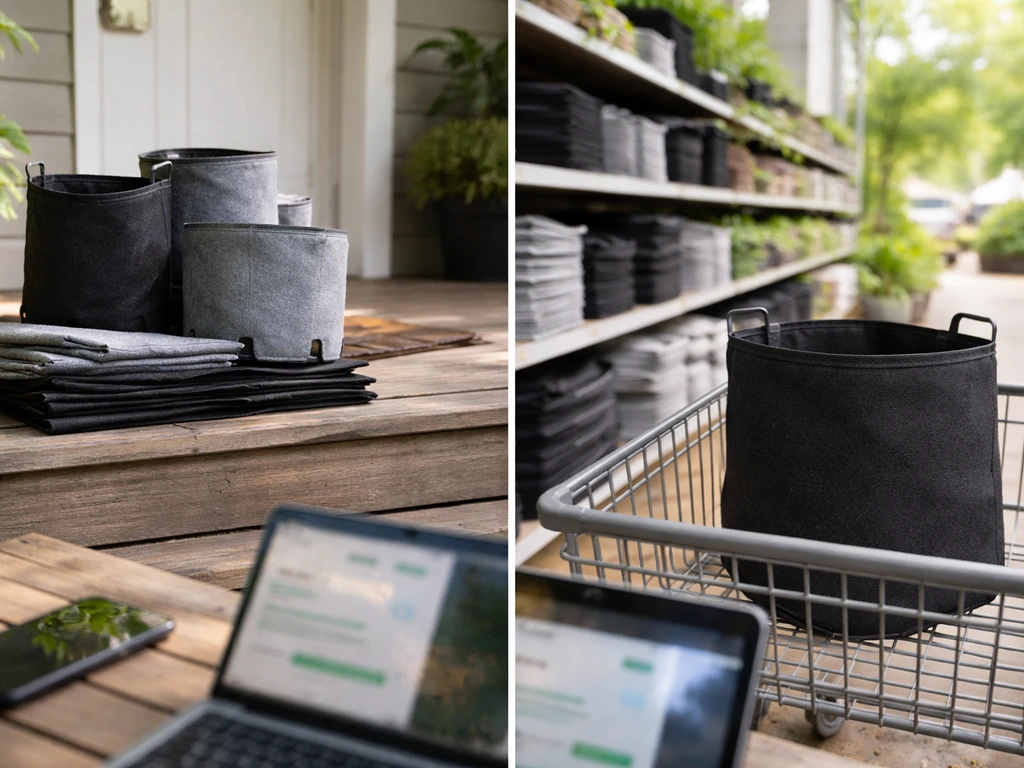
You can buy fabric grow bags right now at Home Depot, Walmart, Amazon, or any major online gardening retailer. If you want something today without waiting for shipping, check your nearest Home Depot or Walmart garden center first, both carry nonwoven fabric grow bags in sizes from 1 gallon up to 10+ gallons, usually stocked in the seasonal garden section starting in late winter. For more variety in sizes, materials, and quality tiers, buying online from specialty retailers like Gardener's Supply, Gorilla Grow Bags, Smart Pot, or MIgardener gives you far more options and better product descriptions to compare. If you're just getting started and want a quick orientation on what these containers actually are, understanding what grow bags are before you buy will save you from picking the wrong style.
Finding a local seller near you
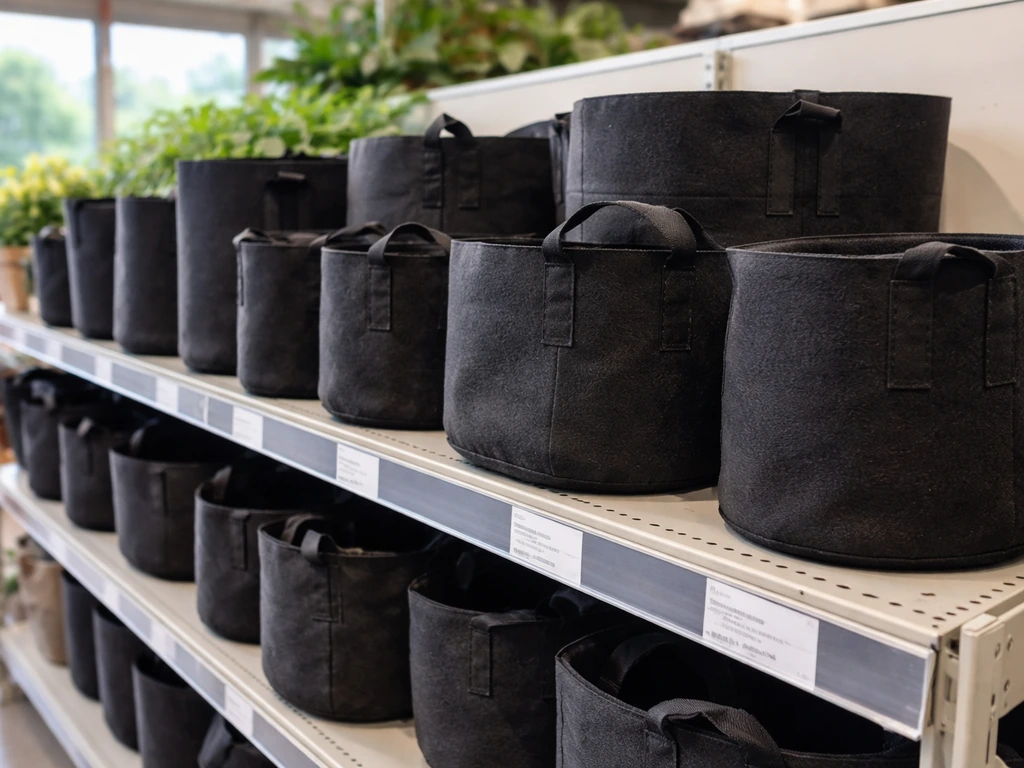
For same-day purchases, these are your best bets in roughly that order of likelihood to actually stock fabric grow bags:
- Home Depot and Lowe's garden centers: Both reliably carry nonwoven fabric grow bags, especially 5-gallon and 10-gallon sizes. Home Depot's listings (like the Flynama 5-pack 10-gallon bags) mention features like 360-degree ventilation and drainage handles — the same things you'd want to inspect in person.
- Walmart garden sections: Walmart's in-store garden area often stocks fabric grow bags in 10-gallon sizes during spring and summer. Look for listings that call out drainage holes and UV resistance — those two features are worth confirming on the label before you buy.
- Local nurseries and plant shops: Independent nurseries sometimes carry premium fabric planters alongside their soil and amendment inventory. Call ahead and ask specifically for 'nonwoven fabric grow bags' or 'fabric planters' — staff may not connect 'grow bags' as a term.
- Farm supply stores (like Tractor Supply): Hit or miss on fabric bags specifically, but worth checking if you need large sizes for trees or shrubs.
- Hardware stores and dollar stores: You might find thin polypropylene bags labeled as grow bags, but quality varies wildly. Stick to felt-like or thick nonwoven material if you can feel it in person.
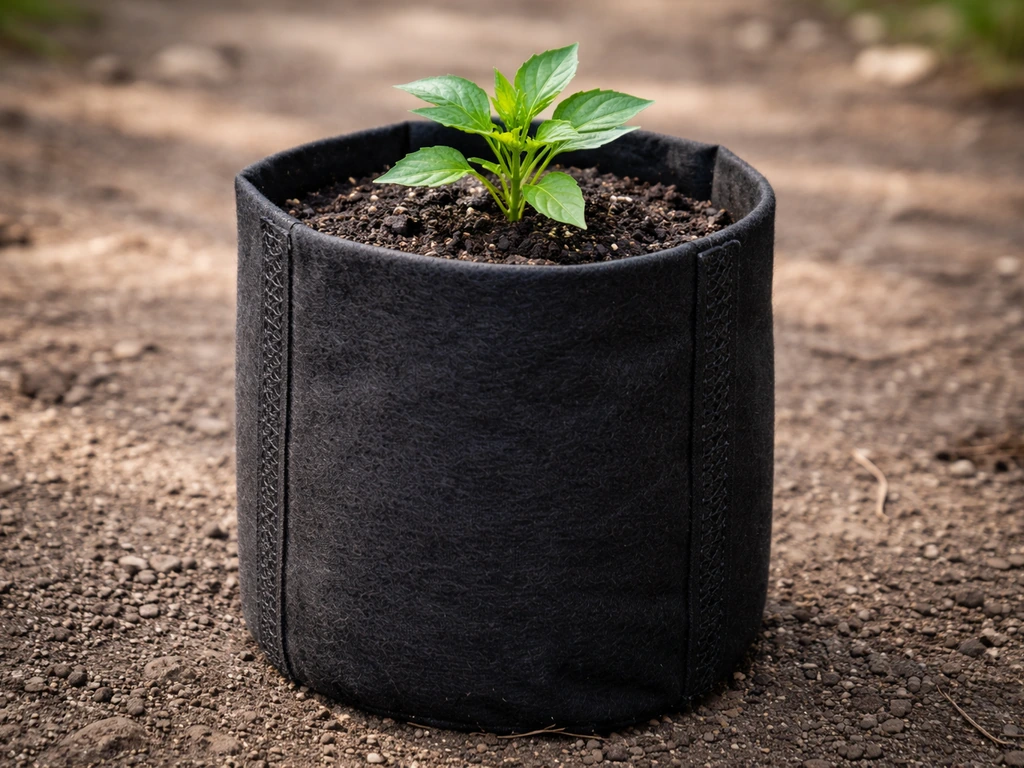
When you're in a store, do a quick squeeze test: a quality fabric grow bag feels thick and dense, almost like heavy felt. Thin, papery nonwoven fabric will fall apart after one season. Also check for sturdy handles stitched through multiple layers, not just glued or heat-sealed to the bag's side. If you're growing in a hot climate or keeping bags outdoors year-round, look for a label that mentions UV resistance, this matters more than most people realize for longevity.
If you're based in India and searching locally, the buying landscape is quite different. There's a separate guide on where to buy grow bags in Bangalore that covers local nurseries, online marketplaces, and regional options specific to that market.
Buying online: the best places and how to compare listings
Online is where you'll get the most choice, the best prices, and the clearest product specs, if you know what to filter for. Here's how I'd break down the main options:
Specialty gardening retailers
These sites give you the best product information and usually the most reliable quality control. Gardener's Supply sells a thick felt-like fabric planter line that specifically emphasizes aeration and drainage for root health. blank" rel="noopener noreferrer">Vesey’s 2026 Seed Catalogue PDF also includes grow bag listings such as a 5 Gallon Herb Bag and a 10 Gallon Pepper or Salad Bag, with catalog prices shown for those items. Gardeners.com carries the Gardener's Best Universal Grow Bag, which holds 20 quarts (5 gallons) and uses patented air-pruning fabric. Smart Pot, which bills itself as the blank" rel="noopener noreferrer">original root-pruning fabric planter, sells direct and is worth considering if you want a proven, durable bag that will last multiple seasons. MIgardener sells 3-gallon and 5-gallon sizes made from black porous felt-like fabric and keeps prices low for budget-conscious growers. Victory Seed Company sells 5-packs in sizes from 1 to 10 gallons if you want variety in one order. Gorilla Grow Bags sells heavy-duty nonwoven fabric bags and is upfront about the tradeoff: fabric bags dry out faster than plastic pots, which is useful to know before you commit.
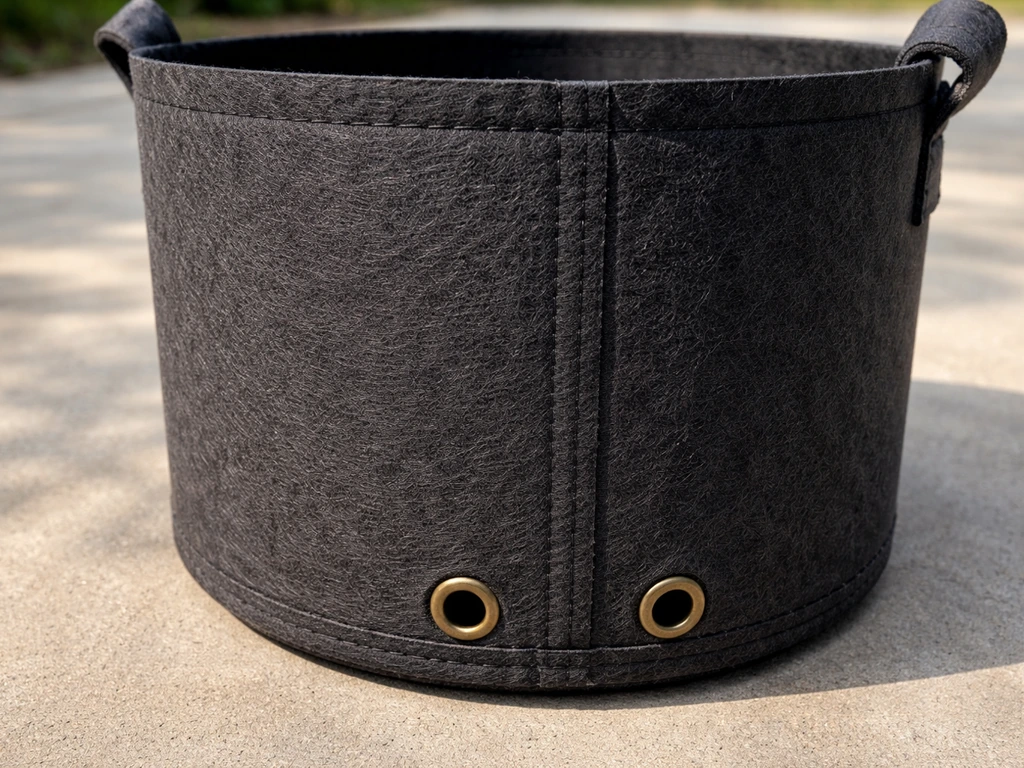
Amazon and Walmart.com both have huge selections, but listing quality varies a lot. Spider Farmer, for instance, lists an 11-gallon bag made from 300g thickened nonwoven fabric, that GSM (grams per square meter) number is actually useful because it tells you how dense the fabric is. When you're browsing, filter by that kind of spec if it's listed. A bag listed at 260g or 300g nonwoven is meaningfully thicker and more durable than one with no fabric weight listed at all. Gardenera sells through its own site and marketplace channels and describes its 10-gallon bags as high-quality nonwoven with excellent drainage, a good benchmark for what the better marketplace listings look like.
Specialty grow supply shops
Grow It Depot, DripGrows, and AirBottomBags are smaller specialty retailers that cater to serious growers. Grow It Depot sells the GroEzy fabric bag made from 100% non-woven 260g landscape fabric, that's a specific, verifiable spec. DripGrows sells thickened nonwoven grow bag bundles and is explicit about what 'thickened' means versus thin nonwoven, which is helpful when you're comparing. AirBottomBags offers bags with an air bottom panel specifically designed to allow oxygen to circulate between the soil and the ground for better air pruning. These sites may be slower to ship than Amazon but often have better-quality products.
What to look for in any online listing
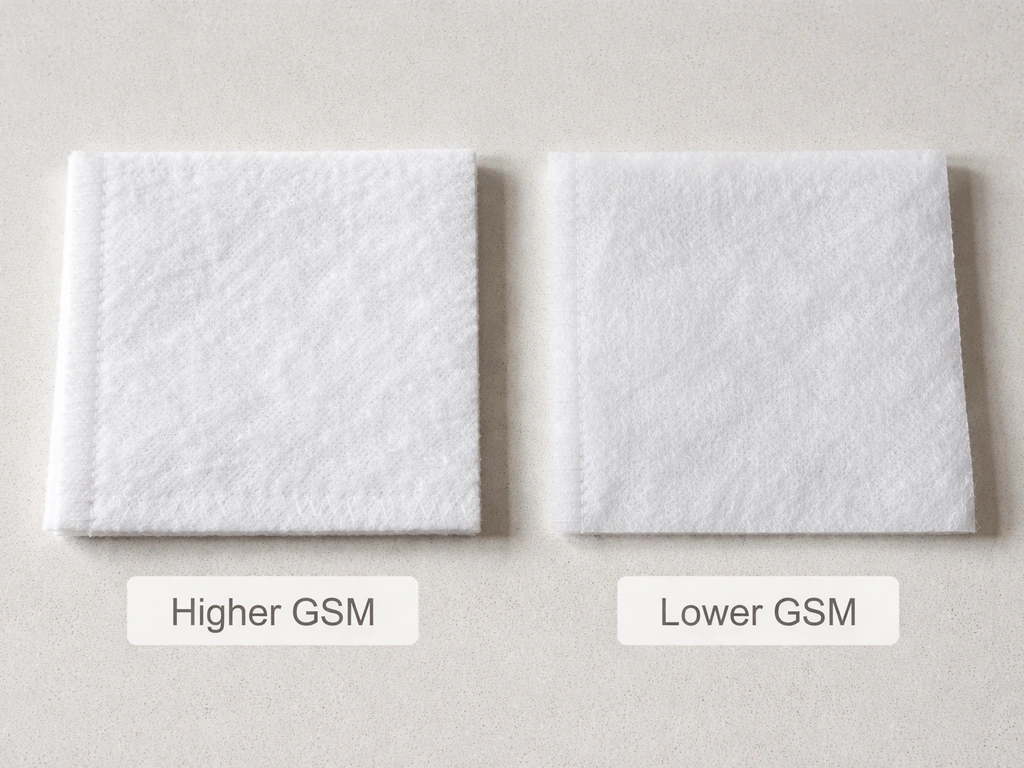
- Fabric weight in grams (GSM): 200g or higher is decent; 260g–300g is good; anything below 150g is usually thin and short-lived
- Material description: 'nonwoven fabric,' 'felt,' or 'spunbonded nonwoven' are all reasonable. Avoid listings that just say 'breathable fabric' with no further detail.
- Handles: look for reinforced stitched handles, not just attached loops
- UV resistance: called out explicitly in better listings
- Drainage: should be inherent to the fabric, not just a single hole at the bottom
- Pack size and per-bag cost: always calculate cost per bag, not just the total price
Getting a good price without buying junk
The cheapest grow bags online are often the worst ones. Thin nonwoven bags that cost $0.50 per bag look fine in photos but shred after one season, especially outdoors. That said, you genuinely do not need to spend a lot to get a quality bag, there's a wide middle ground. Here's how to buy smart:
- Buy in multipacks: Per-bag cost drops significantly when you buy 5-packs, 10-packs, or 20-packs. If you know you'll use multiple bags, this is the single biggest way to save money.
- Look for fabric weight specs: As mentioned above, 260g+ nonwoven at a mid-range price is a better deal than cheap thin bags that need replacing every season.
- Check seasonal sales: Spring is peak demand — prices often dip in late summer and fall when garden centers clear inventory. If you can plan ahead, buying in fall for next spring is a real strategy.
- Consider catalog retailers: Vesey's 2026 seed catalogue includes grow bag listings (5-gallon herb bags and 10-gallon pepper/salad bags) with catalog pricing, which gives you a useful seasonal price benchmark.
- Avoid marketplace listings with no specs: If a listing doesn't tell you the fabric weight, material composition, or handle construction, that's usually a sign the seller doesn't want you to compare it to better products.
- Buy from brands that are transparent about tradeoffs: A brand like Gorilla Grow Bags that tells you upfront that fabric bags dry out faster is more trustworthy than one that only lists benefits.
It's also worth thinking about reusability. A bag made from UV-resistant, 260g nonwoven fabric that you use for 3–5 seasons is cheaper per year than a $2 thin bag you replace annually. Smart Pot specifically emphasizes durability and multi-season reusability in how it positions its products, that's a fair way to think about value.
Matching the right grow bag to your plants
The benefits of grow bags show up most clearly when you match the bag to what you're actually growing. Here's a practical breakdown by plant type:
| Plant Type | Recommended Size | Key Features to Prioritize | Where to Look |
|---|
| Tomatoes, peppers, eggplant | 5–10 gallons per plant | Air-pruning fabric, sturdy handles, UV resistance | Gardener's Supply, Smart Pot, Gorilla Grow Bags |
| Potatoes | 10–20 gallons | Depth, thick nonwoven, handles for dumping at harvest | Amazon multipacks, Gardeners.com, local garden centers |
| Herbs (basil, parsley, mint) | 1–5 gallons | Good drainage, lightweight, reusable | MIgardener, Vesey's catalog, Walmart garden section |
| Flowers (annuals/perennials) | 3–7 gallons depending on plant | UV resistance for outdoor use, drainage | Home Depot, local nurseries, online specialty shops |
| Trees and shrubs | 15–45 gallons (root control bags) | Heavy-duty woven or thick nonwoven, air-pruning design | TreeBag.com, specialty grow supply retailers |
| Mushrooms | 1–3 gallons or specialty mushroom bags | Breathable fabric, sometimes with filter patches | Specialty mushroom supply retailers |
For vegetables, the air-pruning effect of a quality fabric bag is genuinely valuable, roots hit the air at the bag wall and stop circling, which means healthier plants and better yields. The Gardener's Best Universal Grow Bag uses patented fabric specifically for this and is designed around vegetable production. For trees and shrubs, TreeBag's root-control bags are designed so the plant can be transplanted with the bag intact, a very different use case from annual vegetables. For mushrooms, the fabric requirements are different enough that you'll want to look at dedicated mushroom cultivation suppliers rather than standard garden grow bags.
If you're weighing whether this whole grow-bag approach is actually worth it for your situation, the honest answer depends on your setup. A balanced look at the pros and cons of grow bags will help you decide before you spend money.
How to buy successfully: your checkout checklist
Before you finalize any purchase, run through these questions. I've seen people get this wrong enough times that it's worth being explicit:
- Size: Are you buying the right gallon size for each plant? A 5-gallon bag is the minimum for a tomato; 1-gallon bags are only right for small herbs or seedling starts.
- Material: Is the fabric at least 200g nonwoven? Is it described as felt, spunbonded nonwoven, or heavy-duty fabric? Avoid vague descriptions.
- Drainage: Does the bag rely on fabric permeability for drainage (good) or is it a solid bag with a single drain hole at the bottom (bad)? The whole point of a fabric grow bag is that moisture escapes through the walls.
- Handles: Are the handles reinforced? Will they hold the weight of a fully loaded bag of wet soil?
- UV resistance: If the bags will sit outdoors in direct sun, is UV resistance mentioned in the product specs?
- Pack quantity vs. your actual need: Don't overbuy sizes you won't use. If you're growing tomatoes and peppers, you probably want 5- and 10-gallon bags, not 1-gallon bags.
- Return policy: For online purchases, check the return window. Low-quality bags sometimes look fine in photos but arrive thinner than expected.
What to do after you buy: setup and troubleshooting
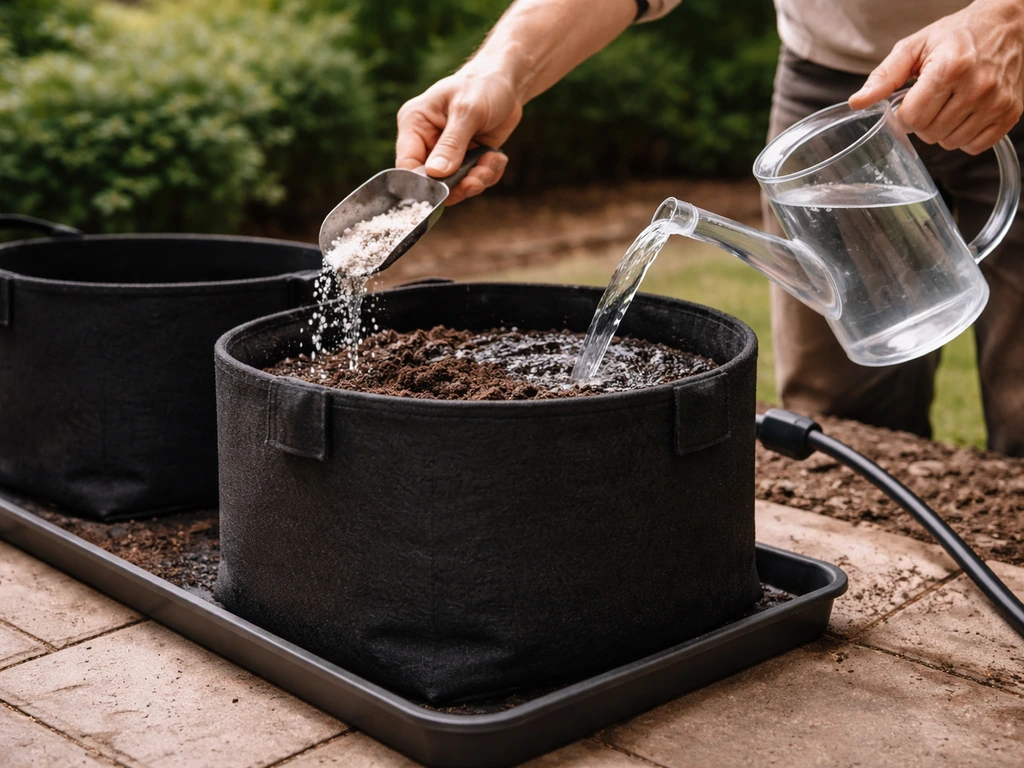
Once your bags arrive, the setup is straightforward but a few things will determine how well they perform. Choosing where to put your grow bags is actually an important decision, placement affects watering frequency, light, and whether the fabric degrades faster than it should. A dedicated guide on where to put grow bags covers placement decisions in detail, including surface considerations and spacing.
The most important thing to know upfront: fabric grow bags dry out faster than plastic pots. Gorilla Grow Bags is explicit about this on their product pages, and it's not a flaw, it's the tradeoff for better aeration and drainage. In hot weather or in a greenhouse, you may need to water daily. Set up a drip irrigation system or plan for consistent hand-watering if you're growing water-hungry plants like tomatoes.
Smart Pot's care guidance is practical and applies broadly: after a growing season, dump out the soil, let the bag dry completely, then store flat. Most quality nonwoven bags can be brushed clean of dried soil and reused for several seasons. Don't leave bags sitting in standing water, the drainage benefit works in both directions, and waterlogged bags break down faster.
For government-run agricultural programs, particularly in India, there's also the option of sourcing grow bags through official channels. If that's relevant to your situation, there's a specific guide on how to get grow bags from Krishi Bhavan that walks through that process.
Common problems and quick fixes
- Soil drying out too fast: Add perlite to your mix (no more than 20–30%) to help retain some moisture while keeping drainage good. Water more frequently or add a drip system.
- Bag tipping over: Fill bags at least two-thirds full with soil. A half-filled bag with a top-heavy plant is unstable. Set bags in a tray or against a wall if needed.
- Roots growing through the fabric: This is normal for very fine feeder roots and actually confirms air pruning is happening. It's not a problem unless roots are anchoring into the ground beneath — if so, move the bag or place it on a hard surface.
- Fabric getting moldy: This usually means the bag isn't drying out between waterings. Improve airflow around the bag, reduce watering frequency, or move it to a sunnier spot.
- Bag falling apart after one season: You got thin fabric. Next time, look for 260g+ nonwoven and UV resistance called out in the specs.