Yes, grow bags are genuinely good for growing tomatoes, and in many situations they outperform traditional pots. The key is picking the right size, understanding what's inside the bag (or what you're filling it with), and setting it up properly from the start. This guide walks you through everything: what to look for, what to buy, how much to spend, and which tomato varieties work best in a bag.
Best Tomato Grow Bags: How to Choose and Use Them
Marcus Holloway
9 Apr 2026
Are grow bags actually good for tomatoes?
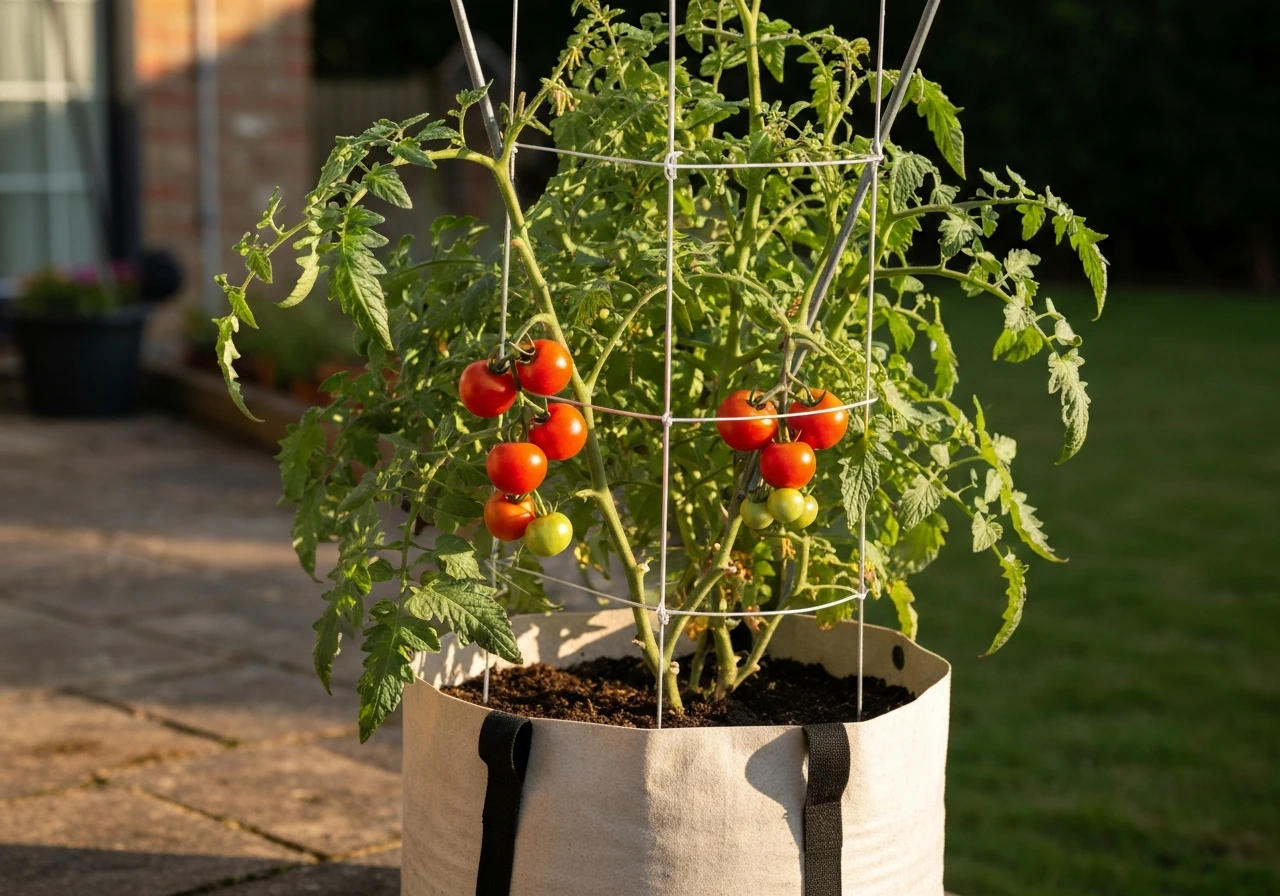
The short answer is yes, and there are some real advantages that go beyond convenience. Fabric grow bags allow air to prune roots as they reach the bag wall, which means roots branch back inward and develop a much denser, more efficient root system than you typically get in a solid plastic pot. That translates to better water and nutrient uptake, and ultimately more fruit. Drainage is also excellent, which matters a lot for tomatoes since waterlogged roots are one of the fastest ways to lose a plant.
There's another big practical benefit for UK growers in particular: portability. If rain is hammering your patio and blight risk is climbing, you can move a grow bag undercover quickly. The RHS explains that tomato blight (late blight) is caused by a fungus-like organism called an Oomycete that spreads rapidly in warm, wet weather and damages foliage and fruit blight risk is climbing. The RHS has specifically flagged that a wet UK summer can devastate outdoor tomatoes through blight, so the ability to shift plants under a greenhouse roof or porch overhang is genuinely useful, not just a nice-to-have.
The one honest trade-off is watering frequency. Because fabric breathes, grow bags dry out faster than plastic pots or the ground. In warm weather you may need to water daily. That's manageable, but it's worth knowing upfront. Knowing how often to water tomatoes in grow bags before you start will save you a lot of stress mid-season.
Tomatoes in pots vs grow bags: which is actually better?
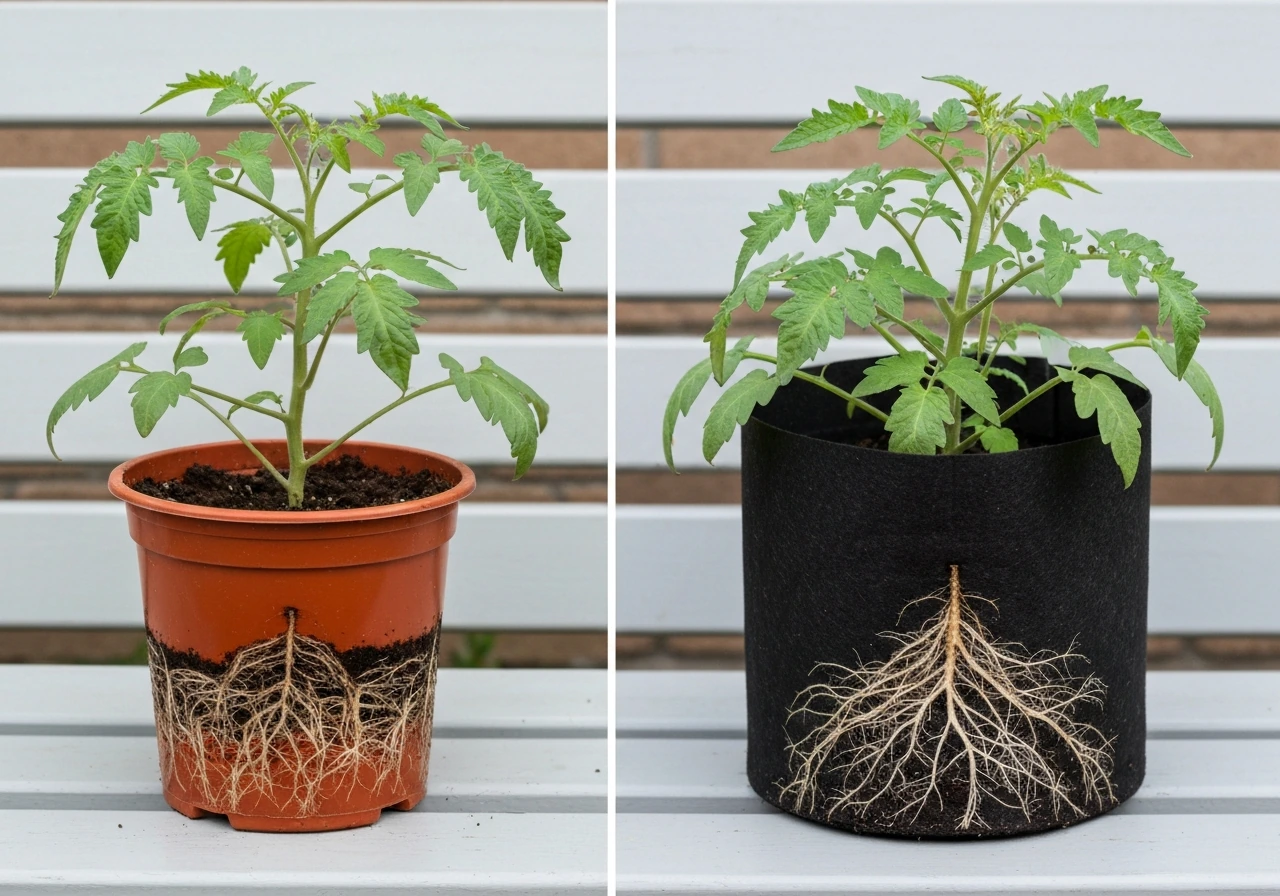
This comes up constantly, and the honest answer is: it depends on what you're prioritising. Here's a direct comparison to help you decide.
| Factor | Fabric Grow Bag | Traditional Pot |
|---|---|---|
| Air pruning | Yes, promotes dense roots | No, roots can circle and bind |
| Drainage | Excellent (breathable fabric) | Good if holes are adequate |
| Portability | Very easy (handles, lightweight) | Varies; heavy when full |
| Overwatering risk | Low | Moderate (water can pool) |
| Drying out | Faster, needs more frequent watering | Slower, more forgiving |
| Durability | 1–3+ seasons depending on fabric quality | Many years |
| Cost | Low to moderate | Moderate to high |
| Stability | Can tip if tall plants not supported | More stable base |
| Reusability | Yes, with proper cleaning | Yes, indefinitely |
For most balcony and patio growers, a fabric grow bag wins on almost every practical point. Pots have the edge on long-term durability and stability, which matters if you're growing very tall indeterminate varieties like 'Gardener's Delight' in an exposed spot. If you want the productivity benefits of ring culture (where you water and feed through separate zones), grow bags are the better base to build that system around. One UK study-level claim suggests that ring culture with grow bags can push yields 20–30% higher than standard planting, which is significant if you're trying to get the most from a small space.
My recommendation: use fabric grow bags if you're growing on a patio, balcony, or in a greenhouse and want to move plants around. Stick with large pots (30cm or bigger) if you want something that needs less frequent watering and will last a decade without replacement.
What exactly is a tomato grow bag (and what's inside)?
The term 'tomato grow bag' covers two slightly different things in the UK market, and it's worth knowing which you're looking at before you buy.
The first type is the traditional flat plastic grow bag, the kind you've probably seen at garden centres for decades. These are long, low bags pre-filled with compost, designed to lay flat on the ground with slits cut in the top for planting. They're cheap and widely available but shallow, which limits root development and makes them more prone to drying out.
The second type, and the one this guide focuses on, is the fabric planter grow bag: a deep, upright container made from breathable nonwoven fabric (usually polypropylene felt). These are filled with a suitable growing medium (not pre-filled, usually), feature handles for moving and drainage holes at the base, and behave much more like a proper container than a flat bag. Products like the Haxnicks Tomato Patio Planter are a good example of this style, with reinforced handles and base drainage holes built in. The Gardener's Best tomato grow bag kit is another well-regarded option that takes this approach further with an included support system.
Some UK products sit in between: upright pre-filled planter bags like the Westland Big Tom or the Hardys 56L Tomato Planter Grow Bag, which come with nutrient-enriched peat-free compost already inside. These are great for beginners because there's less setup, but you're paying more per bag and you're committed to their compost mix. If you're filling your own fabric bag, choosing the best soil for tomatoes in grow bags makes a real difference to yield.
How to choose the right grow bag for tomatoes
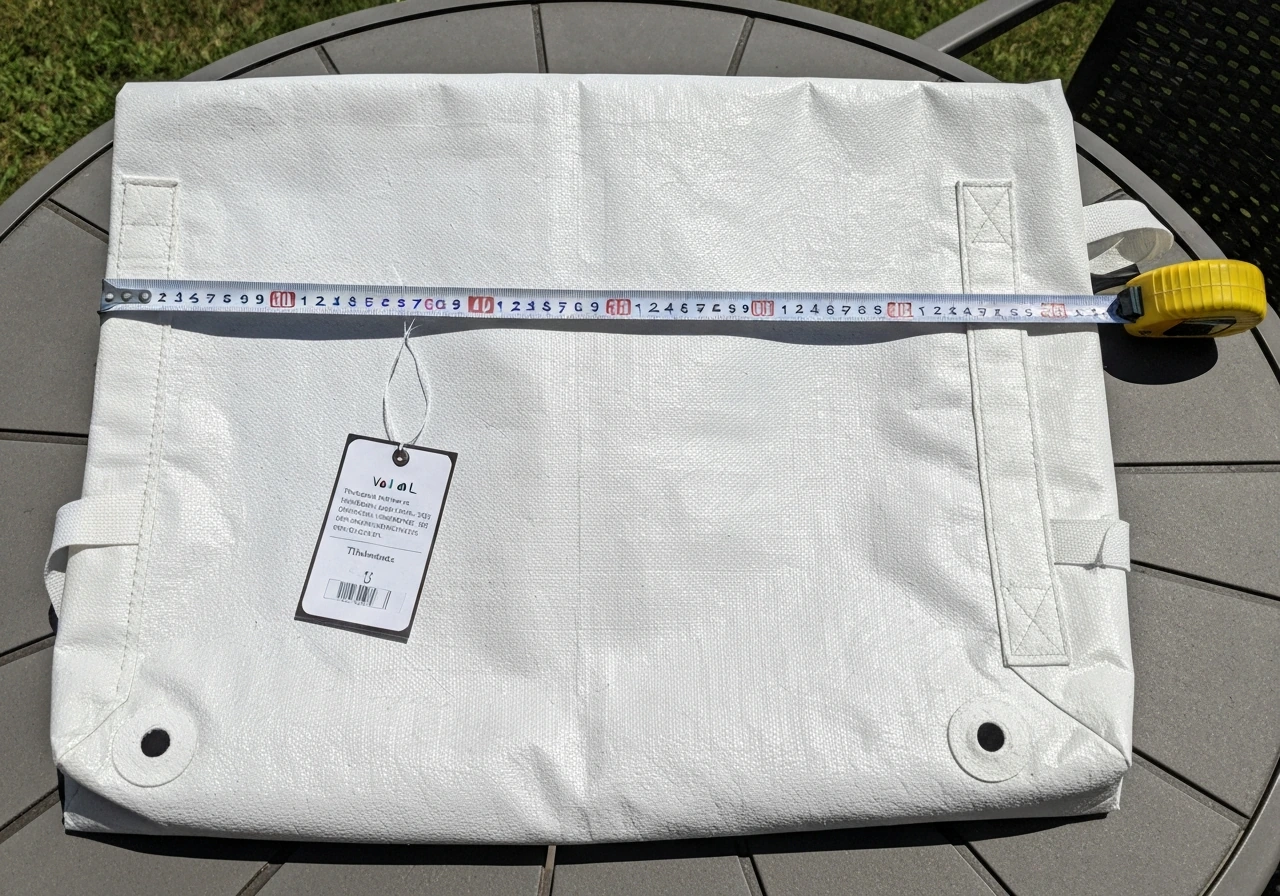
Size is the single most important factor. Tomatoes need a lot of root space. For one tomato plant, you want a minimum of 40 litres, though 50–60 litres is better if you can manage it. The popular UK market has largely settled on this range: the Hardys Tomato Planter is sold as a 56L bag, and the RocketGro Tomato and Veg Planter comes in at 60L, which RocketGro claims is the biggest grow bag currently available in the UK. At 55–60L you can comfortably grow two plants with good root space, or push it to three if you accept slightly tighter conditions.
Beyond volume, here's what else to look for when choosing a bag:
- Fabric quality: Look for thick, nonwoven polypropylene (usually 300g/m² or heavier for tomatoes). Thinner bags deteriorate faster and offer less insulation for roots.
- Height: Taller bags (30cm+ deep) give tomato roots more vertical run. Flat traditional grow bags are too shallow for serious production.
- Drainage holes: Essential at the base. Without them, waterlogging will kill your plants. Confirm they're present before buying.
- Handles: Reinforced handles make moving a heavy, wet bag possible without tearing the fabric. Non-negotiable if you're growing on a balcony or need to move plants under cover.
- Stability: Wider, squatter bags sit more securely than tall narrow ones. Tomato plants get heavy, and a tipping bag can snap stems.
- Inner liner (optional): Some systems use a separate water reservoir or inner liner to buffer moisture. This reduces how often you need to water.
- Reusability: A quality fabric bag should last at least two or three seasons with proper care. Cheaper bags may only last one.
Matching bag size to your situation
- Balcony or small patio: A 40–50L bag per plant keeps weight manageable. Look for bags with sturdy handles.
- Greenhouse growing: Go as big as you can, 56–60L per two plants, and consider a ring culture setup on top.
- Beginner growers: Pre-filled planter bags like the Hardys 56L or Westland Big Tom reduce decision-making and come with feed already in the compost.
- Experienced growers: Fill your own quality fabric bag with a tailored mix for more control over nutrients and drainage.
Best tomatoes to grow in grow bags (and how many per bag)
Both determinate (bush) and indeterminate (cordon) tomato varieties work in grow bags, but they need different management. Here's how to think about it:
Indeterminate (cordon) varieties like 'Gardener's Delight', 'Alicante', and 'Moneymaker' grow tall and need staking or caging. They produce fruit over a longer season and can really reward you in a grow bag if the bag is deep enough (30cm+) to support the root system. These are the classic UK greenhouse tomato and they're well-suited to a 56–60L bag. Plan for one to two plants per bag maximum, and set up your supports at planting time, not after the plant is already growing. Retrofitting cages to a loaded tomato plant is how stems get snapped.
Determinate (bush) varieties like 'Tumbling Tom' and 'Balconi Red' are compact, don't need pinching out, and work beautifully in smaller bags or even hanging baskets. They're the best choice for balconies, smaller spaces, or anyone who wants a lower-maintenance grow. You can fit two or three plants in a 56L bag of a bush variety without too much competition.
On plant count: Rocket Gardens gives a practical rule of thumb that three plants fit in a standard grow bag, but two is better for health and productivity. One plant per 30cm pot is their single-pot recommendation. I'd broadly agree with this. In a 56–60L fabric bag, two cordon plants will outperform three cramped ones every time. Squire's Garden Centres also advise starting tomato feeding from around the fourth true leaf stage using a high-potash tomato fertiliser, which applies equally whether you're in a pre-filled bag or your own mix.
Where to buy tomato grow bags in the UK (and what to pay)
UK garden centres, DIY stores, and online retailers all stock tomato grow bags, and pricing varies quite a bit depending on whether you're buying pre-filled or empty fabric bags.
Pre-filled planter bags are the most common type you'll find in-store. The Westland Big Tom Tomato Planter (55L) is stocked at specialist UK nurseries like Perrywood for around £7.99. The Hardys 56L Tomato Planter Grow Bag, which comes with nutrient-enriched peat-free compost and claims up to eight weeks of feed, is listed at Homebase and DIY retailers. The RocketGro Tomato and Veg Planter Grow Bag at 60L (their largest) has been listed at around £15.99 on deal pricing (down from £19.99), and is available through UK garden centres including Polhill.
As a rough guide for UK shoppers: expect to pay £5–£10 for a standard pre-filled tomato grow bag (40–55L), and £12–£20 for the larger premium options like the 60L RocketGro or equivalent. Empty fabric grow bags you fill yourself can be bought in multipacks online for significantly less per bag, often £3–£8 each depending on size and thickness. If you're buying multiple bags, fabric bags you fill yourself usually offer better value over time, especially once you factor in reuse.
For online purchasing, Amazon, RocketGro's own site, and Haxnicks are worth checking for fabric-style bags. For pre-filled bags in-store, any Homebase, B&Q, or independent garden centre will typically have at least two or three options by late March. Buy early in the season if you want the best selection.
If you're using a pre-filled bag from a brand like Westland, it's worth reading the feeding and watering instructions on the packaging before planting. The Tomorite grow bag instructions are a useful reference point for understanding how pre-filled bags typically handle feeding schedules.
Alternatives to tomato grow bags (and when to use them)
Grow bags aren't the only option, and there are situations where something else makes more sense. Here's a quick rundown:
| Option | Pros | Cons | Best for |
|---|---|---|---|
| Large plastic pot (30–40cm+) | Durable, retains moisture longer, stable | Can restrict roots, heavier to move, no air pruning | Low-maintenance growers, exposed/windy spots |
| Raised bed | Huge root space, excellent yield, great for multiple plants | Not portable, higher setup cost, takes up space | Dedicated veg areas, multiple plants |
| Traditional flat grow bag | Cheap, widely available, no setup needed | Too shallow for serious root development, dries quickly | Quick starts, beginners on a budget |
| Fabric planter (grow bag style) | Air pruning, great drainage, portable, reusable | Needs more frequent watering, requires filling | Most growers; best all-round option |
| Self-watering planter | Reduces watering frequency, great for busy growers | More expensive, less breathable than pure fabric | Balconies, growers away frequently |
Raised beds are genuinely excellent for tomatoes if you have the space. The root run is almost unlimited, blight management is easier if you have some shelter, and you can fit four to six plants without competing root systems becoming an issue. The downside is cost and commitment. If you're renting, or just starting out, a set of quality fabric grow bags is far more flexible.
One thing worth thinking about before you buy anything: fabric grow bags are reusable across multiple seasons if you clean and store them properly. Before you invest in new bags every year, read up on whether you can reuse grow bags for tomatoes and what steps make that safe and practical. Done right, a quality bag can see you through two or three seasons.
What else you can grow in tomato grow bags
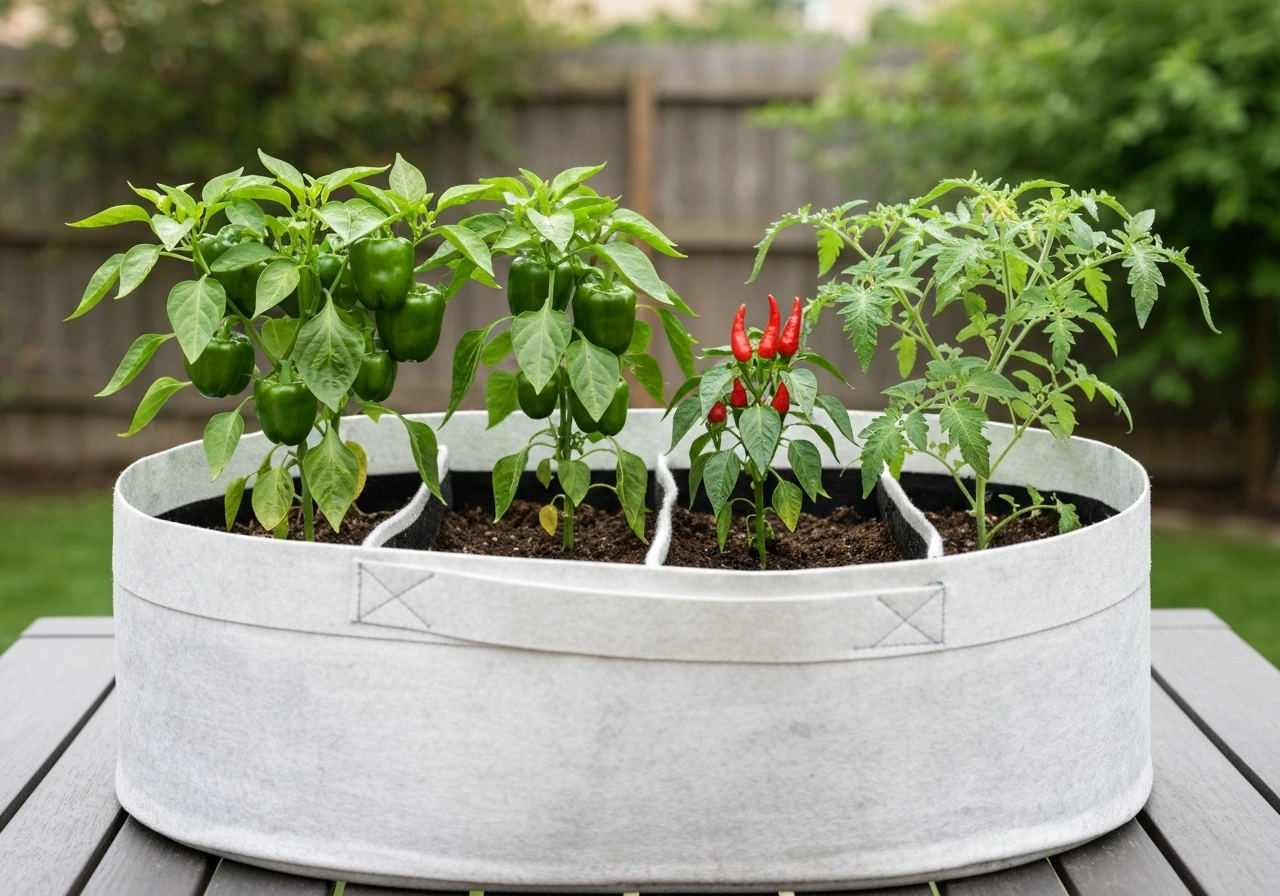
The name is a bit misleading. A tomato grow bag is really just a large, deep fabric planter, and it's versatile enough to grow a wide range of crops successfully.
Peppers and chillies are the most obvious crossover. They have similar heat, water, and feed requirements to tomatoes and thrive in a 40–60L bag. Cucumbers and aubergines also work well in the same size bags, particularly in a greenhouse. Courgettes can be grown one per 50L+ bag and are surprisingly productive. Squash will manage in a large bag but they sprawl, so factor that into your layout.
On the root vegetable side, potatoes grow very well in fabric bags (it's one of the most popular uses for large fabric bags). Carrots and beetroot work in deeper bags. Leafy greens like lettuce, spinach, and chard are happy in shallower bags or even the outer pockets of some multi-pocket planters. Herbs like basil, parsley, and oregano can share space with tomatoes or use smaller bags independently.
The RocketGro 60L bag is specifically marketed as a 'Tomato and Veg Planter' for this reason: the same bag that does well for tomatoes is also the right depth and volume for most of the heavy-feeding vegetables you'd want to grow at home. So if you're buying bags for tomatoes this season, think of them as a general-purpose container investment, not single-crop infrastructure.
Setting up your tomato grow bag for the best results
A few practical steps will make a real difference to your season. First, position your bag in the sunniest spot available. Squire's Garden Centres rightly point out that UK summers aren't consistently warm enough for outdoor tomatoes in many regions, so maximising sun exposure matters. South-facing walls and paved areas that retain heat are ideal.
Get your supports in place before or at planting time. Whether that's canes, a cage, or a ring culture system, installing them early protects stems from accidental damage later. Start feeding with a high-potash liquid tomato fertiliser from around the fourth true leaf stage, and keep feeding roughly weekly once plants are established. The RHS recommends a weekly liquid feed as a standard cadence for container-grown tomatoes.
Water consistently and pay attention to the soil. Rocket Gardens' practical advice is straightforward: feel the soil surface, and if it's drying out, water more often; if it feels consistently wet, ease off. Avoid watering in the heat of the day when water evaporates before the plant can absorb it. Morning watering is best. With a well-chosen growing medium and consistent care, a 56–60L fabric grow bag gives tomatoes almost everything they need to produce a genuinely impressive crop.
FAQ
How do I know if my tomato grow bag is big enough for my variety?
Use plant habit first, not the label. If you are growing an indeterminate cordon type (tall, single stem), aim for 50 to 60L per plant, and install supports at planting time. If you are growing a determinate bush type, 40 to 55L is usually sufficient for healthy fruiting, and you can generally fit two plants in a 56L bag without crowding stress.
Can I reuse fabric grow bags from last year without risking disease or pests?
Yes, but you need to remove all old compost, shake out debris, and wash the bag. Store it dry and inspect for tears, then consider rotating crops, since tomatoes and other solanaceous plants can leave behind pest or disease carryover in residues even if the fabric itself is reusable.
What’s the best way to prevent grow bags from drying out too fast in hot weather?
Set a watering routine based on how the bag feels, not the calendar. Many growers start with morning checks, and then water thoroughly until excess drains from the base. If you routinely need daily watering, shade the bag during peak afternoon heat or consider mulching the surface to slow evaporation.
Do pre-filled grow bags really feed for weeks, or will I still need to add fertiliser?
Usually you still need feeding, just later. Pre-filled mixes may include an initial nutrient charge, but container tomatoes still run out of nutrients as they grow and fruit. If growth slows or leaves start to pale, switch to a high-potash tomato feed rather than waiting for the bag’s stated time window.
How can I tell if I’m overwatering or underwatering a tomato grow bag?
Underwatering often shows up as drooping and dry, pulling-away compost, while overwatering tends to keep the surface damp and can lead to slower growth or yellowing. The practical test is to stick a finger or probe into the medium, if it’s wet well below the surface, ease back, if it’s drying quickly after watering, increase frequency and water earlier in the day.
Should I put something under the grow bag (tray, pot feet, bricks) to improve drainage?
Use a tray if you must protect patios, but don’t trap runoff so the roots sit in excess water. Ideally keep the bag elevated slightly for airflow and ensure water can escape from the base drainage holes into a removable catch tray that you empty after watering.
Can I grow more than two tomatoes in a 56 to 60L grow bag?
You can, but yields and plant health often drop if you push too far. For indeterminate cordon types, two plants per 56 to 60L is the safer target, three increases competition for light and nutrients. If you try three, expect tighter pruning, faster nutrient depletion, and potentially smaller fruit sizes.
Which support system works best in grow bags for tall indeterminate tomatoes?
Install supports at planting time. Cages and rings work well if they are stable before the plant grows large, and canes are fine if you tie stems loosely and regularly. Avoid retrofitting onto an established plant, because knocking the stem or disturbing roots can set the crop back.
Are grow bags suitable for tomatoes outdoors in the UK if blight is a concern?
They can be, especially if you position for maximum sun and use portability as a tool. If blight risk rises, plan to move bags undercover quickly, for example under a greenhouse roof or porch overhang. Keep foliage dry where possible and improve airflow around plants instead of letting them sprawl.
What other crops can share the same style of grow bag with tomatoes?
Tomatoes are compatible with many heavy-feeding vegetables that like similar container conditions, especially peppers and chillies. In greenhouse settings, cucumbers and aubergines can also do well in the same 40 to 60L size range. Keep cucurbit growth under control (squash and courgettes especially), since they can overwhelm spacing quickly.
Next Articles
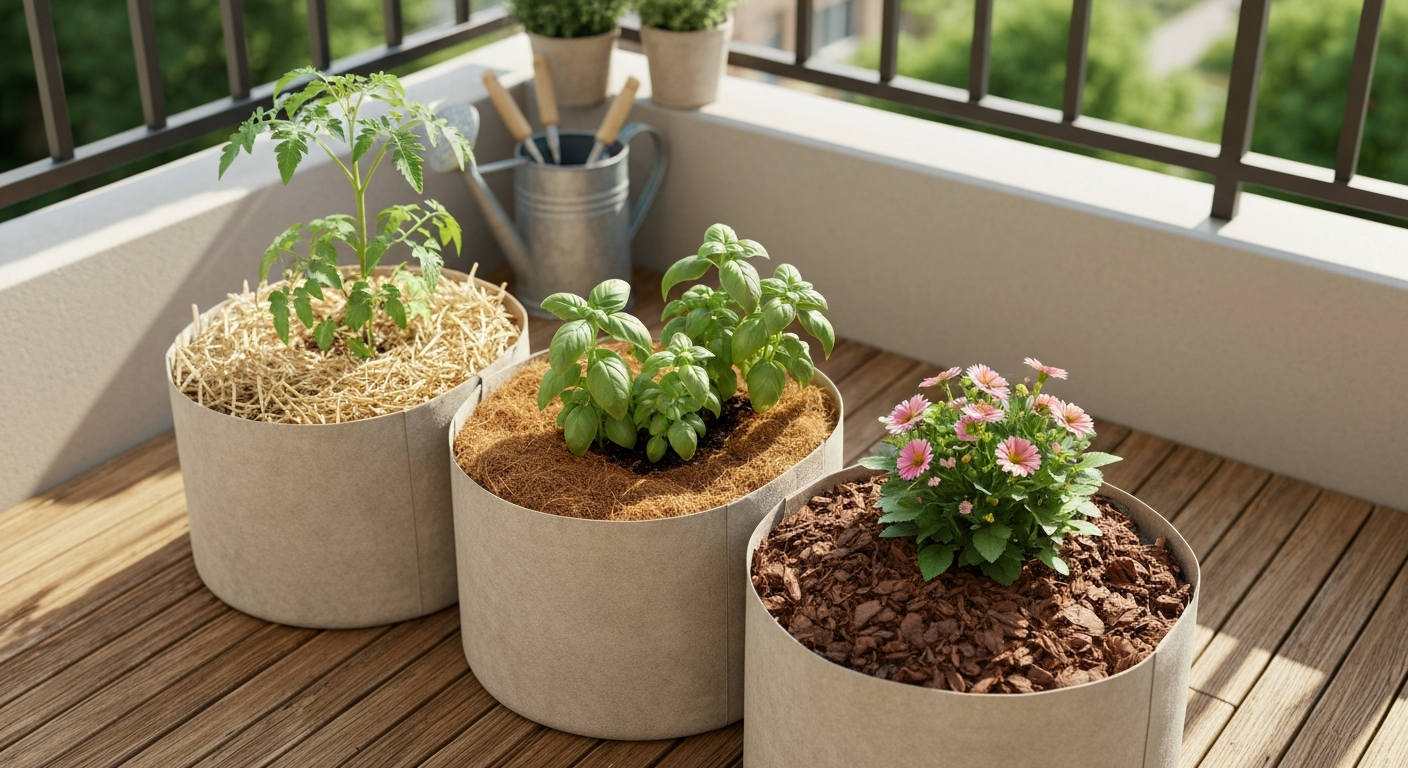
Best Mulch for Grow Bags: Top Picks for Vegetables & Flowers
Find the best mulch for fabric grow bags: top picks, how-to apply, crop & climate advice, and troubleshooting.
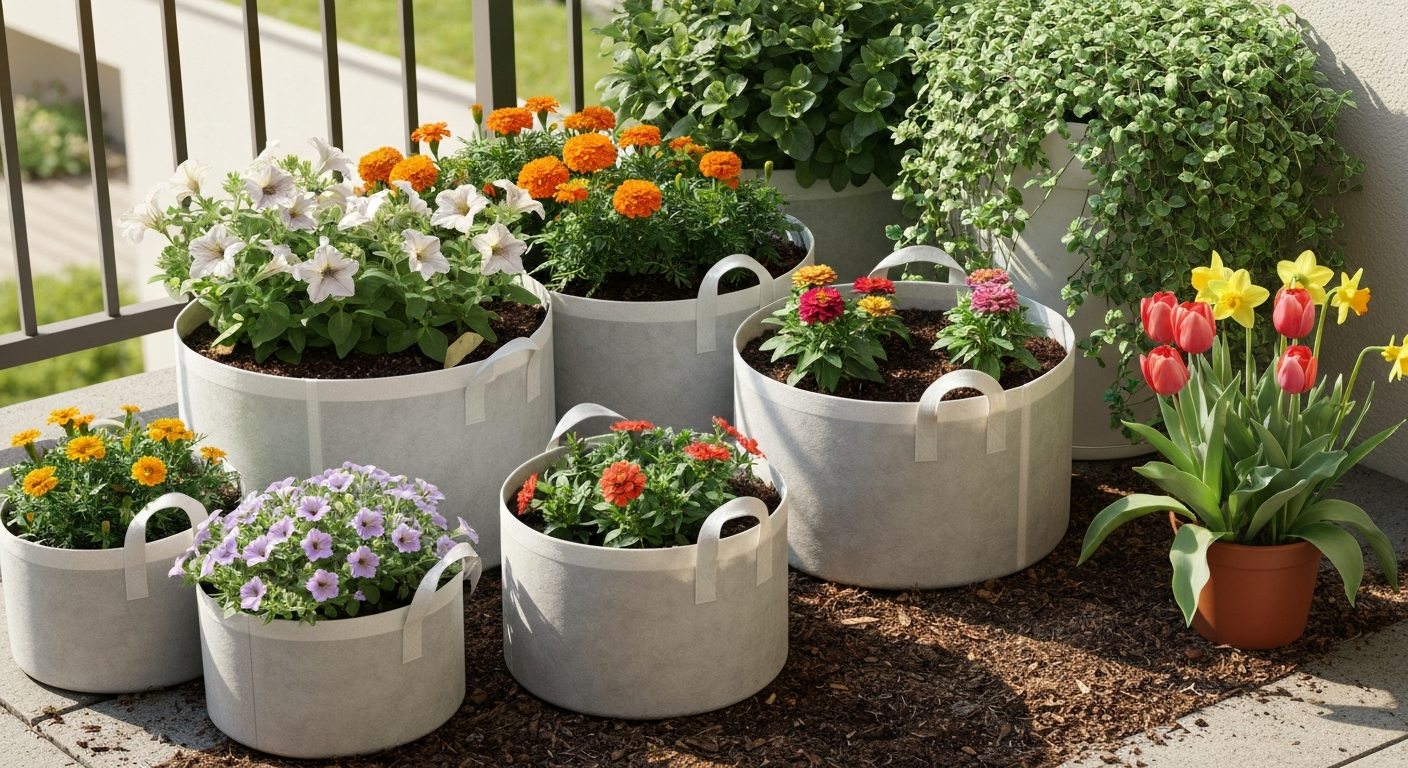
Best Flowers for Grow Bags: Top Picks, Soil & Care Guide DIY
Best flowers for grow bags: top annuals, perennials, bulbs & trailers; soil, fertilizer, planting and care checklists.
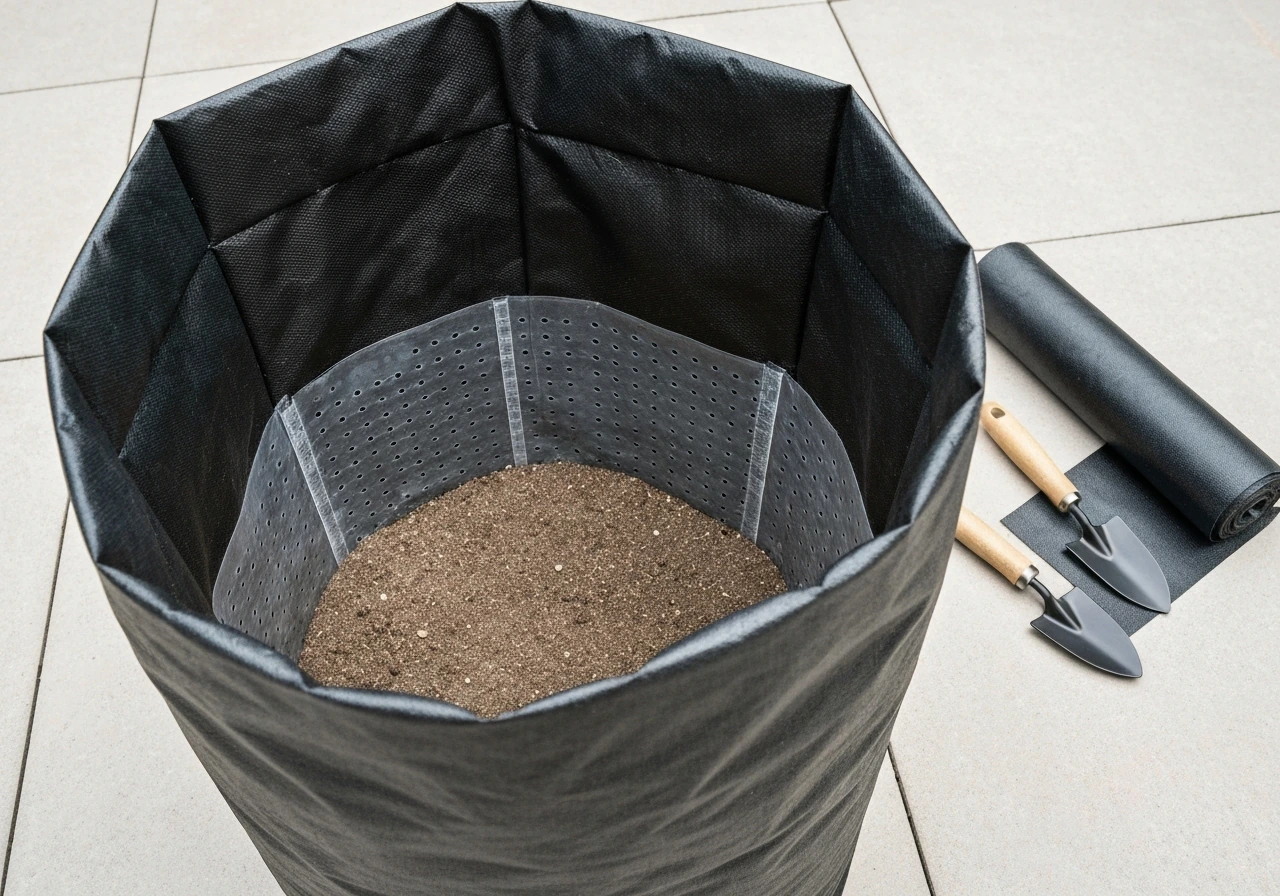
Best Landscape Fabric for Grow Bags: Buy and Install Guide
Choose the best landscape fabric for grow bags with weed-blocking, drainage and aeration tips plus DIY install steps.