Westland grow bags are genuinely worth buying for most home growers, especially if you're growing tomatoes, cucumbers, or peppers on a patio or in a greenhouse. The range has improved significantly, and the 2026 Multi-Planter Growbag in particular solves the single biggest complaint about traditional flat grow bags: shallow root depth. That said, the standard Westland Growbag and the Erin Super Size option have real limitations you should know about before spending money. Here's a straight-talking breakdown of the whole range so you can pick the right product for what you're growing.
Westland Grow Bag Review: Worth Buying and Best Size Guide
Marcus Holloway
6 Jul 2026
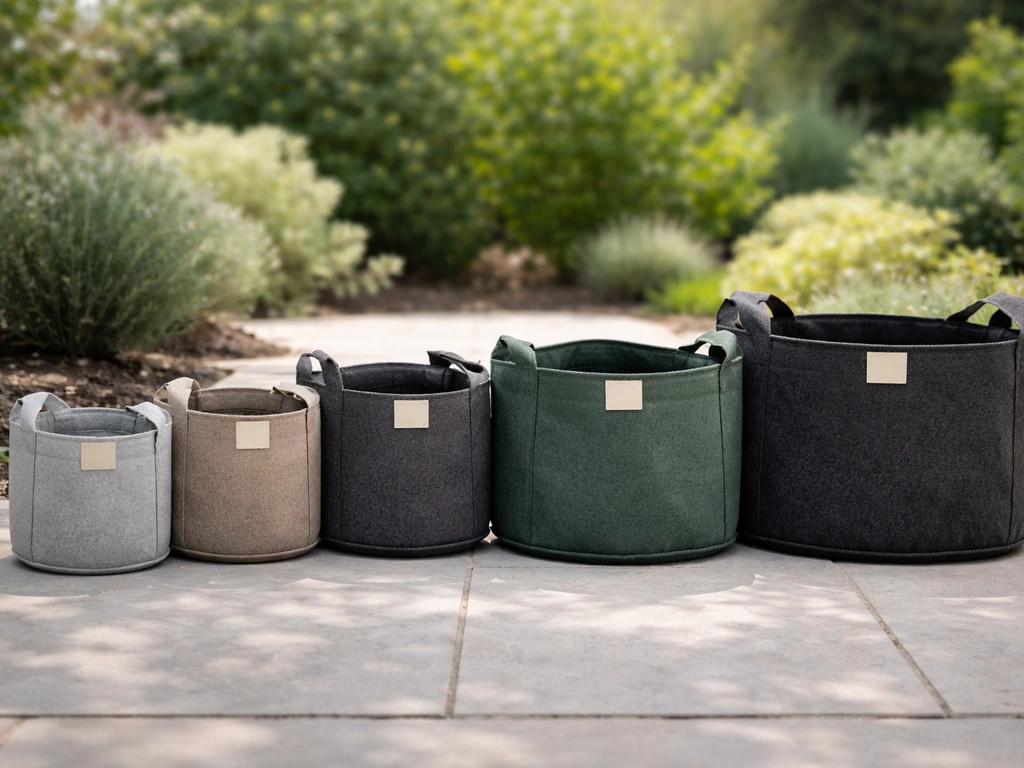
What Westland grow bags actually are (and which one to consider)
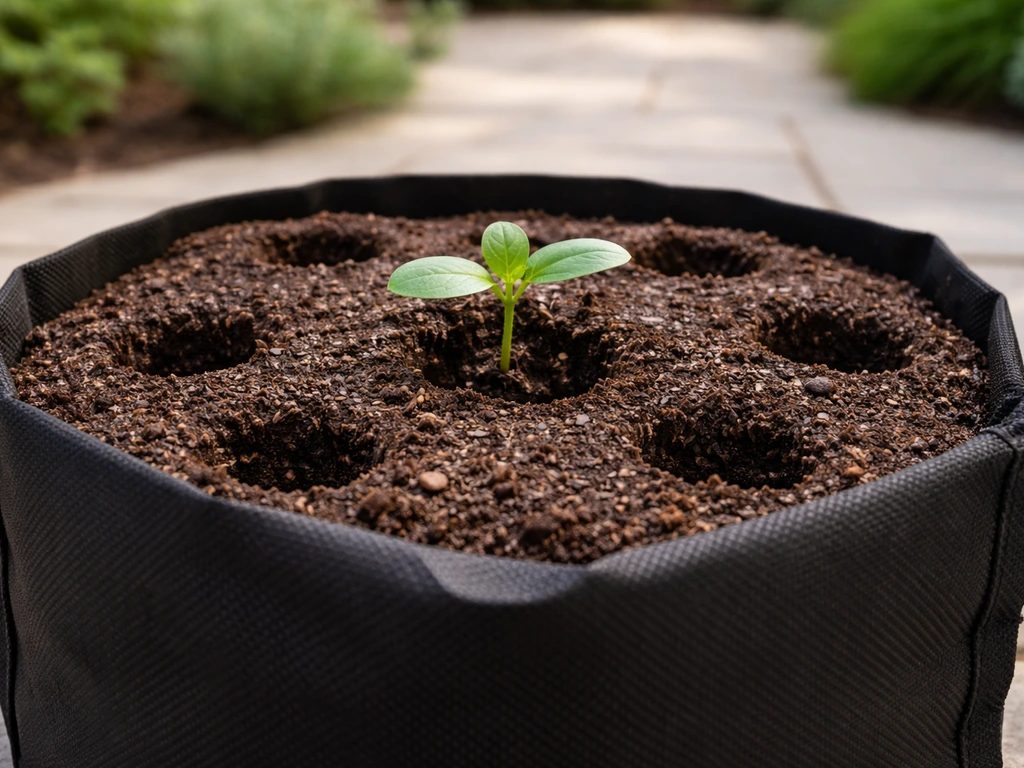
Westland grow bags are pre-filled compost planting bags, not reusable fabric containers. You buy them filled with specially formulated compost, cut holes in the top, plant directly into the bag, and grow your crops in it for a season. They're designed to solve a specific problem: getting high-quality growing media into a portable, self-contained format for patios, greenhouses, and small spaces, without needing pots or raised beds.
The current Westland range (as of 2026) includes four main options you'll encounter:
- Westland Growbag (Medium, 30L): The classic, versatile bag for flowers, fruit, and vegetables. Rich in potash, suitable for a wide range of crops, and the most widely stocked option.
- Westland Big Tom Peat Free Tomato Planter (55L): An extra-deep, peat-free bag designed specifically for tomatoes. Enriched with seaweed and moisture-retention technology, with a 6-week built-in feed.
- Westland Multi-Planter Growbag (NEW FOR 2026, 40L): The most versatile product in the range. Peat-free, nutrient-rich, and usable in three different orientations to control rooting depth (18cm flat, 30cm on its side, or 37cm upright).
- Erin Super Size Gro'Bag: A larger-format bag for tomatoes, cucumbers, and peppers, with a balanced nutrient profile aimed at superior growing results.
The New Horizon Peat-Free Growbag, which was a popular 35L option with moisture retention technology and a 6-week feed, has been discontinued. Garden Health also notes the New Horizon Peat-Free Growbag was a 35L option with moisture retention technology, a wetting agent, and a built-in feed that could last up to 6 weeks before watering daily in hot weather New Horizon Peat-Free Growbag was a 35L option with moisture retention technology, a wetting agent, and up to 6 weeks of feeding. If you were buying that one previously, the Multi-Planter Growbag is the closest current replacement.
Size, capacity, and what to check before you buy
| Product | Volume | Peat Free | Root Depth | Built-in Feed | Key Feature |
|---|---|---|---|---|---|
| Westland Growbag (Medium) | 30L | No | Shallow (flat only) | Not specified | General purpose, wide crop range |
| Westland Big Tom Tomato Planter | 55L | Yes | Extra deep | 6 weeks | Seaweed enrichment, moisture retention |
| Westland Multi-Planter Growbag | 40L | Yes | 18 / 30 / 37cm (3 orientations) | 6 weeks | Tri-orientation, magnesium enriched, wetting agent |
| Erin Super Size Gro'Bag | Larger format | Not confirmed | Shallow (flat) | Balanced nutrients | Bigger capacity for cucumbers/peppers |
Volume matters more than people realise with grow bags. A 30L flat bag is workable for salad crops and flowers, but it's shallow. Tomatoes and cucumbers need more root room than a standard flat bag provides, which is exactly why the Big Tom (55L, extra deep) and the Multi-Planter (40L with the 37cm upright option) are better choices for fruiting crops. For anything you're growing purely for foliage or smaller root systems, the standard 30L bag is fine.
On the feature side, all Westland grow bags share a similar format: the bag itself acts as the container, you cut planting holes along marked lines, and drainage is managed by cutting slits in the sides. There are no handles, no structural fabric walls, and no air-pruning vents. These are not the same as reusable felt or woven fabric grow bags you might see from other brands. The Multi-Planter is the exception in terms of versatility, but fundamentally it's still a pre-filled bag rather than a reusable container.
How Westland grow bags actually perform
Watering and drainage
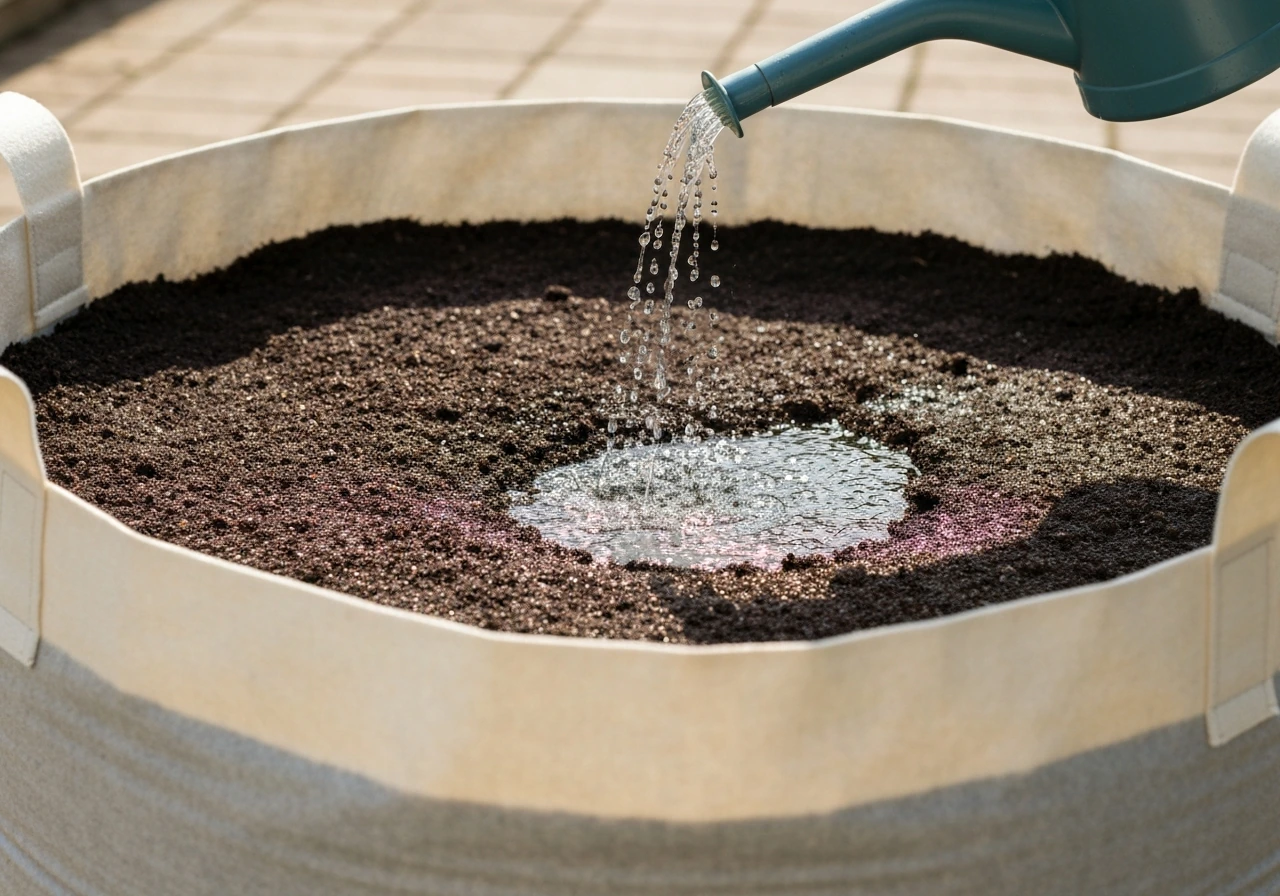
Watering is where you need to pay closest attention with any grow bag, and Westland is no exception. The Erin Super Size guidance is blunt about it: check daily, never let it dry out or become waterlogged, and in peak summer you may need to water more than once a day. The standard Westland Growbag says the same thing. This isn't a criticism of Westland specifically, it's just the reality of growing in a contained compost volume during a hot spell. Grow bags in general dry faster than in-ground soil, and in warm weather (around 25-27°C / 80°F), the compost can be almost completely dry within 24 hours of watering.
Drainage is managed manually by cutting slits in the sides of the bag. Westland recommends 2-3 slits, each 2-3cm long, positioned at least 2-3cm up from the bottom. This is important: if you skip this step and hit a rainy week, you'll end up with waterlogged compost and root rot. The Multi-Planter instructions are more explicit: make drainage holes on the underside of whichever orientation you choose before planting. It's a simple step but one that's easy to forget.
The Big Tom Planter includes moisture retention technology, which makes a practical difference during dry spells. In testing from comparable products, moisture retention additives and built-in wetting agents (the Multi-Planter includes one) help ensure water distributes evenly through the compost rather than channelling down one side. This is a common failure mode in dry grow-bag compost where the mix has pulled away from the bag walls, and it's good to see Westland addressing it directly in the newer products.
Root health and air pruning
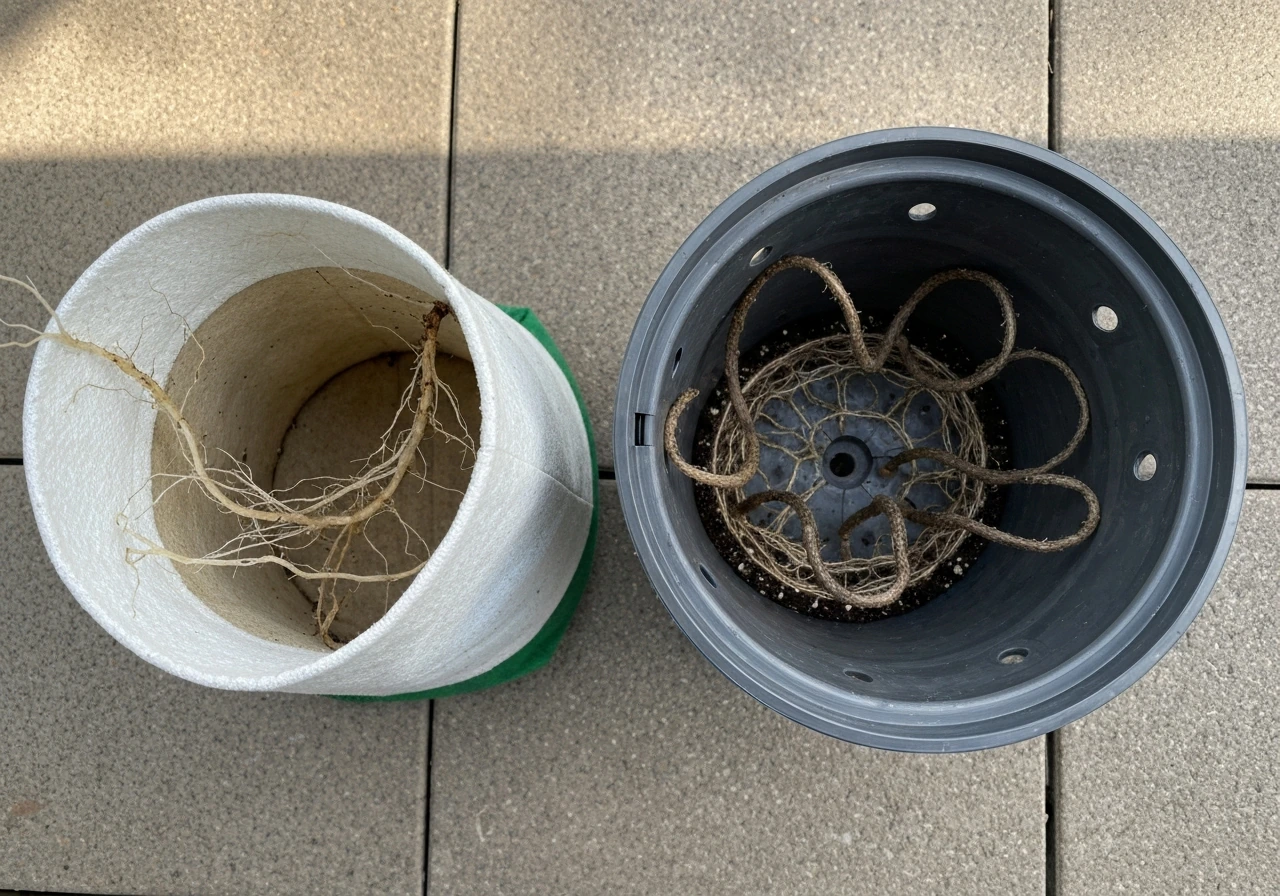
This is the key difference between Westland bags and dedicated fabric grow bags from brands like Rain Science or similar. Traditional fabric grow bags (made from nonwoven or woven polypropylene) actively air-prune roots at the walls, encouraging lateral branching and a fibrous root system. Westland bags are plastic-lined compost bags and do not air-prune. Roots grow freely within the compost volume but won't be pruned at the edges the way they would in a purpose-built fabric container.
In practice, this means root circling is a lower concern because you're unlikely to reuse the bag long enough for roots to become pot-bound. For a single growing season, root health in Westland bags is generally fine. Where depth matters most is for tomatoes and tall crops: shallow flat bags limit how deep roots can go, which reduces stability and moisture access. The Big Tom's extra depth (55L) and the Multi-Planter's upright orientation (37cm deep) both address this meaningfully.
Stability and handling
One important note from Westland's own guidance: once crops are planted, don't move the bag. This is partly because the compost settles around roots, and partly because a filled, planted grow bag has no handles or rigid structure. The Multi-Planter's upright orientation (standing at 37cm tall) is the most stable but also the hardest to reposition. If you're growing on a balcony or in a spot where the bag might need moving, think carefully about placement before you plant, and treat the bag's position as fixed for the season.
Pros, cons, and who Westland grow bags are best for
- Pro: No setup needed, no additional compost to buy, no pots or containers required. Open, cut, plant.
- Pro: Built-in nutrient feeds (6 weeks on the Big Tom and Multi-Planter) mean you don't need to fertilise immediately.
- Pro: The Multi-Planter's three orientations genuinely solve the shallow-root problem that makes traditional flat grow bags limiting.
- Pro: Peat-free options (Big Tom, Multi-Planter) are available if that matters to you.
- Pro: Widely available at UK garden centres and online retailers.
- Con: Not reusable. One season, then they go to compost. This makes them more expensive per year than a reusable fabric grow bag over time.
- Con: No air pruning. If root architecture and long-term container growing are priorities, dedicated fabric grow bags perform better.
- Con: Drainage requires manual cutting of slits. Easy to forget, and if you do, waterlogging follows quickly.
- Con: The standard 30L flat bag is shallow for tomatoes and cucumbers. Many growers will want the Big Tom or Multi-Planter instead.
- Con: No handles and not designed to be moved once planted.
Westland grow bags are best for beginners who want to skip the complexity of sourcing compost, choosing containers, and managing nutrition from scratch. They're also excellent for patio or greenhouse growers who want a clean, contained setup with minimal fuss. If you're experienced and prioritise root health, air pruning, and season-to-season reuse, you'd be better served by a dedicated fabric grow bag rather than a pre-filled compost bag. Westland bags are also a good fit for flowers, salads, and herbs where root depth is less critical.
Planting and care instructions for common crops
Tomatoes
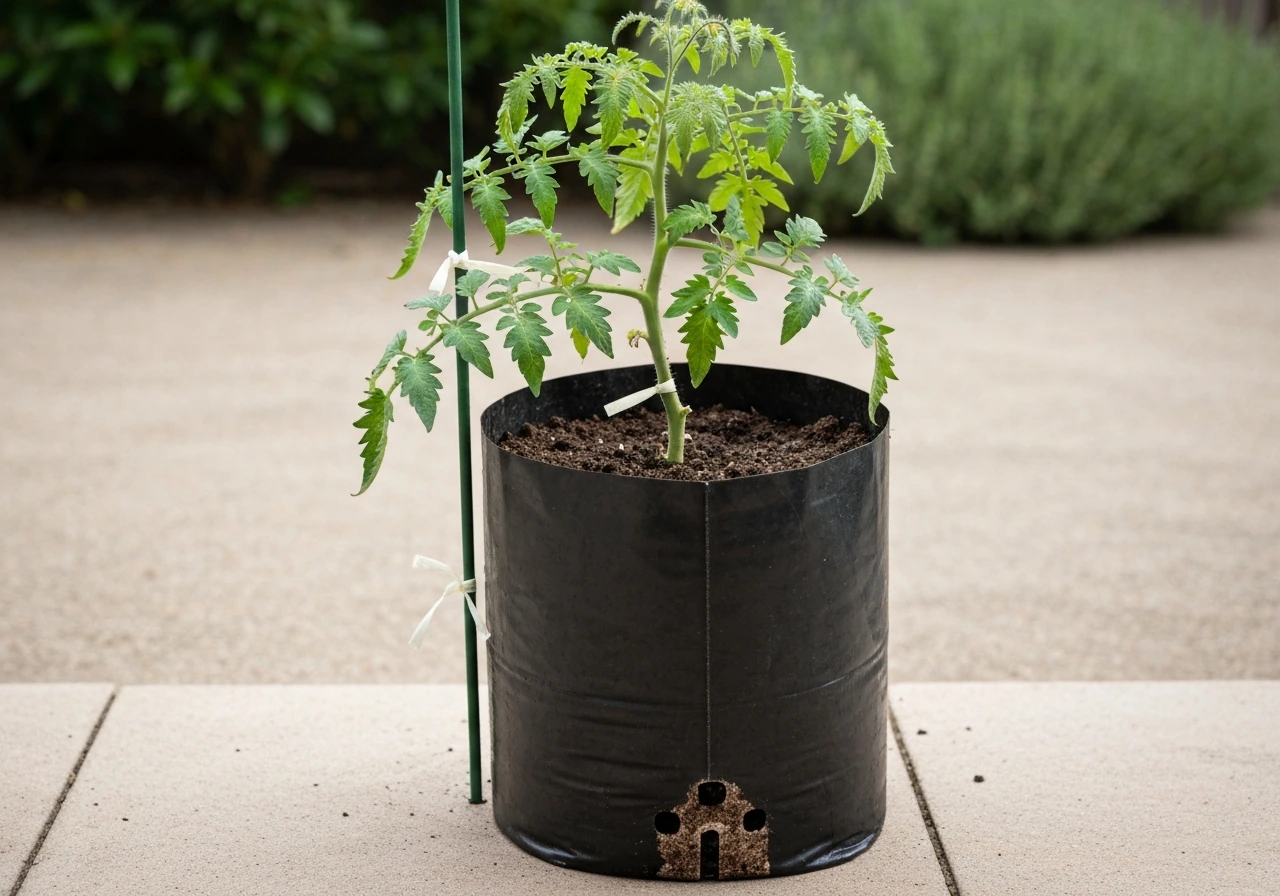
For tomatoes, use either the Big Tom Planter (55L, best option) or the Multi-Planter in upright orientation (37cm depth). If you're comparing options before you buy, a quick co2 grow bags review can help you spot which products are worth prioritising for better performance. In an unheated greenhouse, plant from mid-April onwards. Outside (once frost risk has passed), wait until mid-May. When planting, shake or squeeze the bag first to loosen the compost. Cut drainage slits in the underside, then cut along the marked planting holes. Firm compost well around the rootball, water in with around 7 litres (1.5 gallons) to establish good compost contact, and insert a cane for support without pushing it through the bag walls or disturbing roots. Keep compost consistently moist. Once the first truss has set fruit, start supplementing with a liquid tomato food (Westland recommends their own Gro-Sure Tomato Food). The built-in feed in the Big Tom lasts about 6 weeks, after which additional feeding becomes important for yield.
Cucumbers and peppers
Cucumbers and peppers do well in the Erin Super Size Gro'Bag or the Multi-Planter in its side orientation (30cm depth). Planting timing is similar to tomatoes: late May to early June outdoors, earlier under glass. Both crops are thirsty, especially cucumbers, so daily watering checks in summer are non-negotiable. Make sure drainage slits are cut before any wet weather arrives.
Peas, beans, and flowers
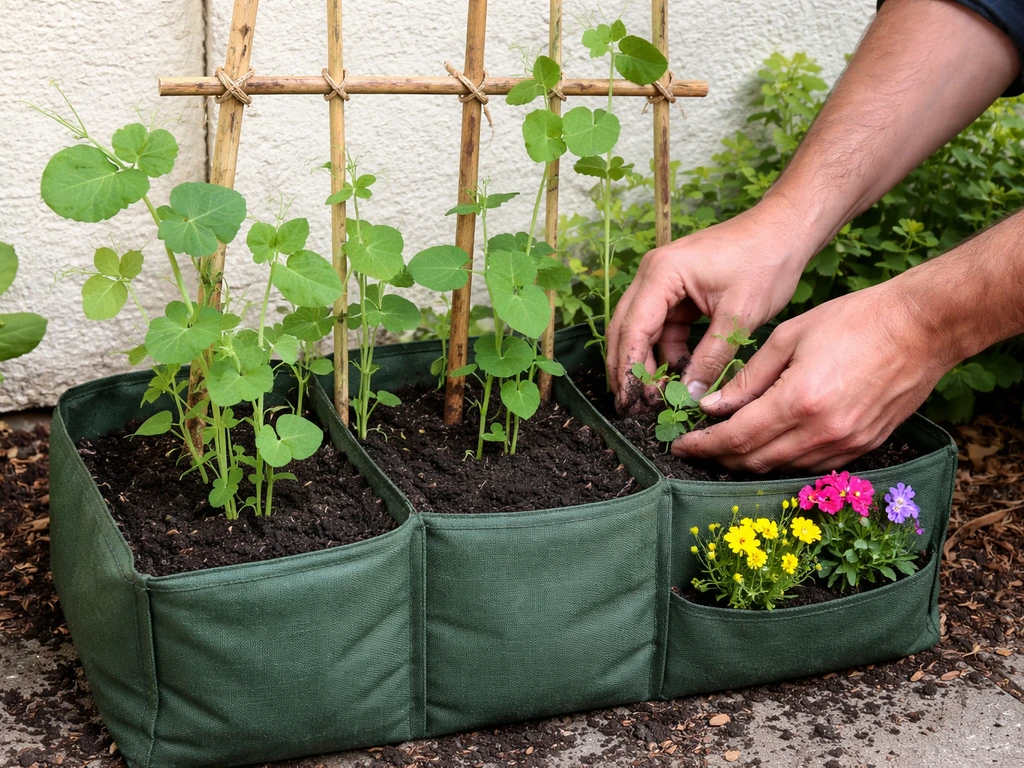
The Multi-Planter works well for peas (planted March to April, harvested June to August) and runner beans (late May to June, harvested July to October). For peas, the flat orientation (18cm depth) is sufficient. Runner beans benefit from the side orientation for more root room. Flowers and salad crops are well suited to the standard 30L Westland Growbag. Cut 3 planting holes along the dotted lines, water in thoroughly at planting, and maintain consistent moisture. These shorter-season crops are less demanding on nutrition, though a potash-rich liquid feed every couple of weeks won't hurt flowering crops.
Troubleshooting common problems
Compost drying out too fast
This is the most common complaint. In warm weather, a flat 30L bag can dry out in under 24 hours, and when compost pulls away from the bag walls, water runs straight through without wetting the root zone evenly. The fix is to water slowly and in two passes rather than one heavy pour. The Multi-Planter's built-in wetting agent helps with rewetting, but if you're using the standard bag, mulching the surface with a thin layer of bark or compost can slow surface evaporation. Alternatively, water in the evening rather than during the hottest part of the day.
Waterlogging
If you didn't cut drainage slits before a rain event, waterlogged compost is likely. Symptoms include yellowing lower leaves, wilting despite wet compost, and a sour smell from the growing medium. Cut drainage slits immediately (2-3cm long, 2-3cm up from the bottom on the sides of the bag) and let it drain. Reduce watering until the compost has a chance to recover. In future seasons, cut slits before planting, not after.
Nutrient deficiency mid-season
The built-in 6-week feed in the Big Tom and Multi-Planter is a solid start, but it runs out. Pale leaves, poor fruit development, and slow growth after week 6-8 are signs you need to start feeding. For tomatoes, use a high-potash liquid tomato food weekly. For other crops, a balanced liquid feed every 10-14 days is usually enough. The standard Westland Growbag doesn't advertise a specific feed duration, so start supplementing earlier (around week 4) to be safe.
Root stability problems
Taller crops like tomatoes and runner beans can become top-heavy and pull at their stems if the grow bag isn't stable. Make sure the bag is sitting on a firm, level surface. Use canes tied to a wall or a frame rather than just pushed into the compost. This matters more for the flat-orientation bags, which have a lower compost volume and can tip or shift under a heavy plant. The upright Multi-Planter has a narrower footprint and better height-to-stability ratio for taller crops.
Fungal issues and pests
Wet compost surfaces combined with poor airflow are an invitation for fungal problems, especially in a greenhouse. Space bags far enough apart to allow air movement between plants. Avoid splashing water on foliage when watering. If you spot grey mould (botrytis) or white powdery patches, remove affected leaves immediately and improve ventilation. Slugs and vine weevils can be a problem outdoors. The plastic bag itself offers no protection, so standard traps and treatments apply.
Verdict: buy, skip, or choose something else?
For most home growers, Westland grow bags are worth buying as a seasonal convenience product. The Multi-Planter Growbag is the standout option for 2026: the three orientations give you genuine flexibility, the 40L peat-free compost with a wetting agent and 6-week feed is well-specified, and the deeper root options make it genuinely suitable for tomatoes and taller crops. If you're specifically growing tomatoes and want the best Westland option, the Big Tom Peat Free Tomato Planter at 55L is the more generous choice in terms of volume and is the most purpose-built product in the range. The standard 30L Westland Growbag is fine for flowers, salads, and herbs, but it's not the bag I'd reach for with fruiting crops.
Where Westland bags make less sense: if you're planning to grow for multiple seasons, want active air pruning, or are growing more demanding crops like trees or large shrubs in containers, reusable fabric grow bags are the better long-term investment. Brands offering purpose-built nonwoven or woven polypropylene bags provide better air pruning and drainage control (nonwoven fabric bags drain standing water in under 90 seconds compared to 4-6 minutes for some woven alternatives). If that kind of root architecture matters to you, other dedicated grow bag options reviewed on this site will serve you better.
Here's a quick decision guide to keep it simple:
- Growing tomatoes or cucumbers on a patio or in a greenhouse this season: get the Big Tom (55L) or Multi-Planter in upright orientation.
- Growing a mix of crops and want one bag to do multiple things: the Multi-Planter Growbag is the right choice.
- Growing flowers, salads, or herbs: the standard 30L Westland Growbag is perfectly adequate and the cheapest option.
- Planning to reuse bags across multiple seasons or want air-pruning root benefits: look at dedicated reusable fabric grow bags instead.
- Growing peppers or cucumbers specifically: the Erin Super Size Gro'Bag gives you extra capacity for these large-footprint crops.
Whatever you pick from the Westland range, the single most important habit is daily watering checks in summer and cutting drainage slits before you plant. If you want a broader feel for how Westland bags compare with other options, see our shrüm grow bag reviews for more real-world buying guidance daily watering checks in summer. Get those two things right and Westland bags will give you reliable results through the season.
FAQ
Can I reuse a Westland grow bag for next season?
Usually no. Westland grow bags are pre-filled compost bags that are designed for one season. Even if the bag seems intact, reused compost often loses structure and nutrients, and you cannot rely on the same drainage and moisture behavior after settlement. If you must reuse, empty into a compost heap and treat the bag as disposable.
What’s the best way to tell if my Westland bag is drying out too fast?
Do a quick weight check by lifting one side of the bag (careful if planted). If it feels very light after 18 to 24 hours in warm weather, it is likely near-dry inside even if the surface looks fine. Also, check 5 to 7 cm down through a planting hole or by gently probing the compost.
If my plants look droopy, how can I tell if it’s underwatering or waterlogging?
Underwatered compost usually feels light and dry to the touch, and leaves may recover after thorough watering. Waterlogged compost tends to smell sour, feels heavy and wet, and droop can persist even after watering. If you suspect waterlogging, cut or extend the drainage slits immediately (before the compost fully stalls) and reduce watering until it rebounds.
How many drainage slits should I cut for different Westland sizes?
For typical Westland bag guidance, aim for 2 to 3 slits, each 2 to 3 cm long, placed at least 2 to 3 cm above the bottom. For larger or denser plantings, do not skip the number of slits to “avoid drying out,” because too few slits increases the chance of stagnant wet zones.
Should I place my Westland grow bag in direct sun or partial shade?
Direct sun is workable, but expect faster compost drying, especially on balconies where airflow is strong. If you are struggling to keep up with daily watering, move the bag so it gets morning sun and some afternoon shade, and mulch the surface lightly to reduce evaporation without blocking drainage openings.
Do Westland grow bags work for overwintering plants in the UK climate?
They are not ideal for overwintering in place. The compost structure and drainage behavior change after repeated wetting and drying, and winter saturation can lead to root problems. If you want a winter season, keep it as a container system with appropriate overwintering measures, and be prepared to refresh compost for the next year.
Can I plant more than one crop in the same Westland bag?
It is possible but plan spacing and root room carefully. Many fruiting crops (like tomatoes) need more depth and consistent moisture than mixed plantings allow. If you mix, keep the plants with similar watering needs, and avoid stuffing the bag, since crowded compost cools unevenly and dries slower in some areas.
What’s the safest way to install canes and supports without disturbing roots?
Install support before the plant is fully established, ideally immediately after planting and watering in. Push canes in only once, from the side, and tie loosely so you are not repeatedly jostling the compost. Avoid driving the cane down through the planting hole repeatedly, since that can cut roots and create air gaps around the rootball.
How quickly should I start feeding with the built-in feed in Westland bags?
For bags with built-in feed, do not wait for obvious deficiency. A practical approach is to monitor from around week 4, because some crops (especially tomatoes) start using nutrients faster under warm greenhouse conditions. Signs to increase feeding include pale leaves, slow growth, and poor fruit set after week 6 to 8.
Why does water sometimes run down the bag without wetting evenly?
This usually happens when the compost has pulled slightly from the bag walls or when you pour too much too fast. Fix it by watering slowly in two passes (wait until the first pass sinks in before adding more). For standard Westland bags, a thin mulch layer on top can help reduce uneven drying, but it does not replace slow, staged watering.
Are Westland grow bags safe for edible crops regarding compost additives?
In general, Westland’s pre-filled compost is intended for growing edibles and is formulated for seasonal use. However, follow the feeding guidance and avoid extra fertilizer “just to be safe,” because overfeeding in a contained compost volume can burn roots. If you plan to harvest frequently, stick to recommended rates and watch leaf color for early stress.
Next Articles
Best Landscape Fabric for Grow Bags: Buy and Install Guide
Choose the best landscape fabric for grow bags with weed-blocking, drainage and aeration tips plus DIY install steps.
Best Soil for Grow Bags: Mix Recipes and How Much to Add
Best soil for grow bags: mix recipes, how much to add by bag size, and vegetable tweaks for strong drainage and yield.
Where to Put Grow Bags: Best Location, Sun, Drainage
Find the best spot for fabric grow bags: sun, wind, drainage, spacing, surfaces, and fixes for heat and root-rot issues.