There is no universal Rain Science grow bags coupon code floating around the internet that reliably works. Rain Science communicates discounts primarily through email sign-ups, seasonal sales, and authorized reseller bulk pricing rather than posting promo codes publicly. Your best moves are: subscribe to their email list at rainsciencegrowbags.com, check authorized resellers for multi-pack pricing, run a price-history check on any Amazon listing with Keepa, and use a cashback extension at checkout. That covers most of the real savings available on Rain Science bags right now.
Rain Science Grow Bags Coupon Code: Save on Grow Bags 2026

Marcus Holloway
12 Aug 2026
Are Rain Science grow bags actually worth it?
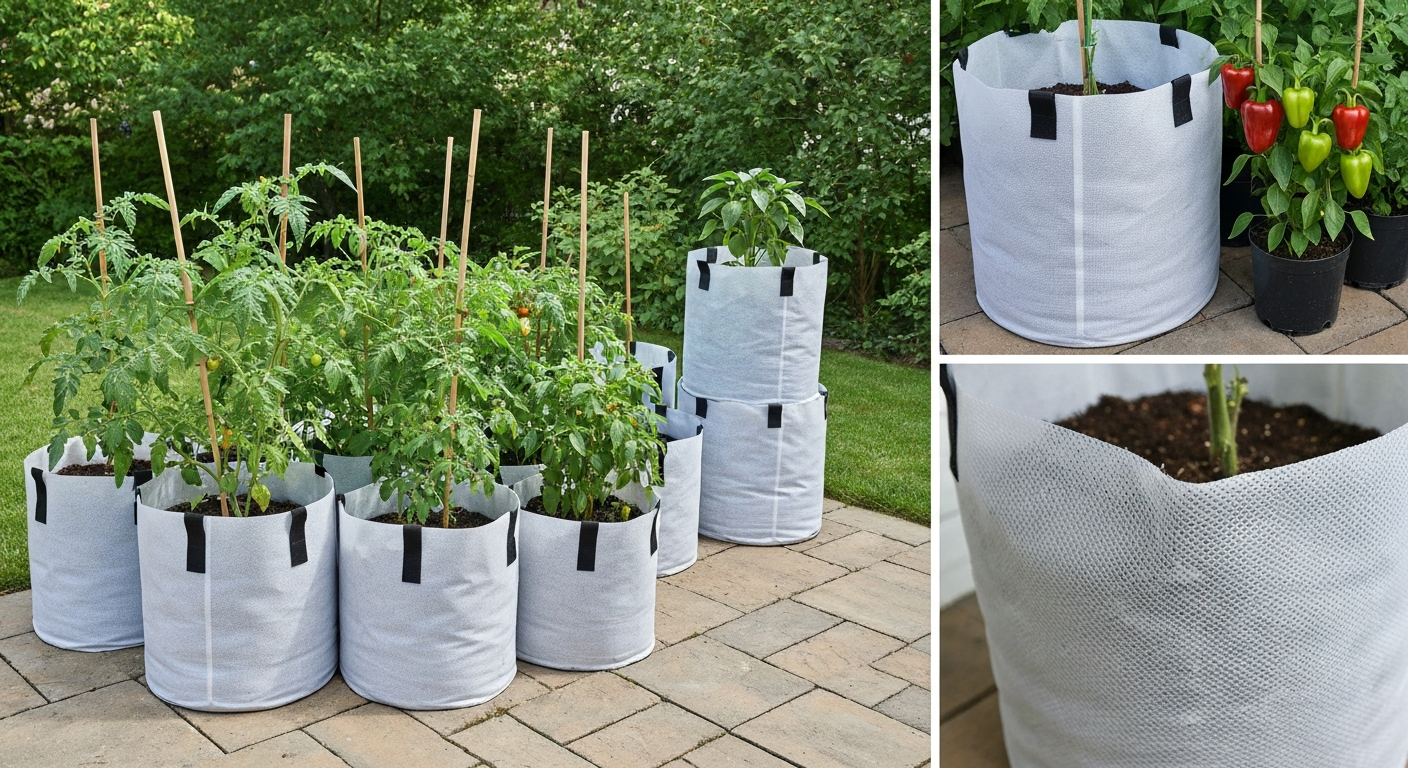
Rain Science bags sit at the premium end of the fabric grow bag market, and the price reflects their build. Unlike standard nonwoven polypropylene felt bags, Rain Science uses a plastic-coated mesh construction that resists staying wet between waterings. That matters more than it sounds. Typical nonwoven PP bags can stay damp at the wall after watering, which reduces the air-pruning effect and, in cool or humid climates, encourages root rot. The mesh construction keeps the wall surface drier, so root tips desiccate properly and trigger the lateral branching that makes air-pruning containers valuable in the first place.
The science behind air pruning is solid. When a root tip reaches the breathable wall of a fabric container, the exposed tip dries out and dies back, which stimulates the plant to produce multiple lateral feeder roots instead of a single circling tap root. Horticulture research published in peer-reviewed journals and Cornell extension factsheets both confirm that air-pruned root architecture generally improves post-transplant establishment and can lead to better overall plant performance compared with roots grown in hard-sided containers. For growers who are investing in trees, large perennials, or repeated vegetable seasons in the same bags, that root quality difference has real long-term value.
User feedback across Reddit threads and independent review guides echoes this, though not without caveats. Growers consistently report good air-pruning results and durable construction over multiple seasons. The criticism that appears occasionally involves seam and bottom stitching quality on some units and color fading under intense sun, which suggests UV degradation is still worth watching even with mesh construction. Rain Science does back the product with a lifetime warranty against manufacturing defects for retail purchasers in the U.S. and Canada, which is genuinely unusual for a grow bag brand and adds real long-term value to the price premium.
So are they worth it? For vegetables like tomatoes and peppers, trees, and anything you intend to grow in the same bags for more than one season, yes, the build quality and warranty justify the cost if you can find them at or below full retail. For a single season of herbs or fast-growing annuals, a well-made nonwoven bag at half the price will do the job adequately. If you want to compare how Rain Science stacks up against alternatives before committing, reviews of Jeria grow bags and Shrüm grow bags cover two other well-regarded options in this segment, and the Westland grow bag review is worth reading if you are growing in a UK or European context. For a focused comparison that includes material and performance testing, see the co2 grow bags review for another data point on how alternatives perform.
Current discount options: where real Rain Science coupons and deals actually come from
Let me be direct about the coupon landscape here: Rain Science does not maintain a publicly visible promo-code page, and the codes circulating on aggregator sites like RetailMeNot are almost always expired or fabricated. The actual discount channels are more specific.
Email list: the most reliable source of legitimate discounts
The Rain Science website homepage and individual product pages both carry an email subscription prompt for specials, sales, and events. This is the primary channel through which Rain Science communicates time-limited promotions. Signing up does not guarantee a welcome discount code, but it is the closest thing to a direct pipeline for legitimate promotional pricing. If a site-wide sale is happening, email subscribers typically hear about it first.
Free shipping threshold
Rain Science offers free shipping on orders of $100 or more through their official site. This is a standing benefit rather than a rotating coupon, but it functions like one in practice. If your order is close to that threshold, adding a smaller item you need anyway often saves more than a percentage-off code would on a smaller purchase.
Authorized reseller and bulk pricing
Rain Science products appear at authorized distributors including Gardentia, Rocky Mountain BioAg, and New England Hydroponics. These resellers list multi-pack and commercial SKUs (such as a Commercial Grow Bag Pack of 10) with bundle pricing that can come out meaningfully cheaper per bag than buying individually from the manufacturer site. This is where bulk savings are most consistently available, and they do not require a coupon code.
Amazon clip coupons and seller promotions
Amazon product pages for Rain Science bags occasionally show a 'Clip Coupon' badge that applies a set discount at checkout when you activate it before adding to your cart. These are distinct from merchant promo codes: clip coupons are tied to the specific product listing, expire on their own schedule, and may or may not stack with other discounts depending on how the seller has set up their promotion. See Amazon Ads, Brand: Allowed/Not allowed CTAs (includes Clip Coupon reference) for guidance on how clip coupons and seller promotions are treated under Amazon's brand and advertising policies Amazon Ads — Brand: Allowed/Not allowed CTAs (includes Clip Coupon reference). Seller-issued promo codes are a separate mechanism and appear less frequently for Rain Science specifically.
How to verify a Rain Science coupon before you use it
Code validity is the core problem with third-party coupon sites. Most codes listed on aggregator pages are community-submitted and are not verified in real time, which means a code that worked six months ago might be dead today. Here is how I check before wasting time at checkout.
- Cross-reference with the official source: If a code is legitimate, Rain Science will have communicated it through their email list or social media. Check their social channels and search your inbox before trusting an aggregator listing.
- Check the listed date: Aggregator sites often show a 'last tested' or 'submitted' date. Any code older than 30 days for a brand with no active sale page should be treated as likely expired.
- Use a code-testing extension carefully: Tools like PayPal Honey will attempt to apply known codes at checkout automatically. If Honey has no validated code for Rain Science, that is a strong signal that no public promo code is currently active. The absence of a result is informative.
- Verify the seller's identity before entering any code: Only apply coupon codes on rainsciencegrowbags.com (the official site) or verified Amazon listings where Rain Science appears as the brand. Never enter a code on a third-party site you cannot independently confirm is an authorized retailer.
- Look for a confirmation message: Legitimate checkout systems display the applied discount amount before you finalize payment. If the code field shows no discount applied, the code is invalid. Do not proceed hoping it will apply later.
How to apply a Rain Science coupon code: step by step
On the official Rain Science website
- Add your items to the cart and navigate to the cart or checkout page.
- Look for a field labeled 'Discount code,' 'Promo code,' or 'Coupon code.' On most Shopify-based stores (which Rain Science uses), this appears on the right-hand checkout summary panel.
- Enter the code exactly as provided, including any capitalization. Many codes are case-sensitive.
- Click 'Apply' and confirm the discount amount is reflected in your order total before entering payment details.
- If applying alongside a free-shipping threshold, verify both benefits appear: the order discount and the $0 shipping line.
On Amazon listings
- On the product page, look for a checkbox below the price labeled something like 'Clip coupon: save X%' or 'Save $X with coupon.' Click or check the box to activate it before adding to your cart.
- Add the item to your cart. The clipped coupon discount should appear in the cart as a line-item deduction.
- At checkout, if a separate promo code was provided by the seller, scroll to the 'Gift cards & promotional codes' field in the order summary and enter it there.
- Confirm the final price before placing the order. Amazon shows an itemized breakdown so you can verify the discount is applied correctly.
- Note: Clip coupons and promotional codes may not stack. If you clip a coupon and also try a promo code, Amazon's system will apply whichever discount is valid per the seller's promotion settings.
Through authorized third-party sellers (Gardentia, Rocky Mountain BioAg, etc.)
- Navigate directly to the reseller's product page and confirm the product is Rain Science branded and the SKU matches what you intend to buy.
- Look for a coupon or promo code field during checkout. These vary by platform (WooCommerce, BigCommerce, etc.) but are typically labeled clearly.
- Enter your code and apply it before submitting payment. Check that the discount reflects correctly.
- If buying a multi-pack or commercial SKU, the bundle discount is usually baked into the listed price rather than applied via a code. Confirm the per-unit cost relative to single-unit pricing to verify you are getting the bulk benefit.
When your coupon does not work: troubleshooting and next steps
A failed coupon almost always has one of a handful of causes. Here is how to work through them systematically before giving up or contacting support.
- Check for typos and spacing: Copy-paste the code directly from its source rather than typing it manually. An extra space before or after the code will cause a rejection every time.
- Check the minimum order requirement: Many codes only activate above a minimum cart total. The code may be valid but your order may not meet the threshold.
- Check product exclusions: Some promotions apply to specific SKUs or sizes and exclude others. Read the fine print attached to the code if available.
- Check the expiry: Codes typically expire on a stated date. If the aggregator listed a date, compare it with today.
- Check account requirements: Some Rain Science or reseller promotions are tied to a registered account or require the subscriber email that received the code. Try logging in or creating an account if you are checking out as a guest.
- Try a different browser or clear your cache: Browser autofill and cached sessions can occasionally cause checkout fields to behave unexpectedly.
- Check if the code is single-use: If a code was shared broadly on a public forum, it may have already been exhausted.
If none of that works: escalation
If you received the code directly from Rain Science (via email or social media) and it is still failing, contact their customer support with a screenshot of the code and the error. For Amazon, use the seller messaging system or Amazon's buyer support chat. For third-party resellers, check their help pages for a direct contact. Keep in mind that if the code came from an aggregator site rather than Rain Science directly, support teams cannot do much for you since those codes were not issued to you personally.
Safe ways to save money on Rain Science bags beyond coupon codes
Email sign-up
This genuinely is the best free move. Subscribe at rainsciencegrowbags.com and you will get first notification of legitimate sales and events. There is no cost and no obligation to buy. Do this before anything else.
Seasonal sales timing
Grow bag brands in the U.S. typically run promotional pricing around early spring planting season (March to April), major retail events like Memorial Day and Black Friday, and end-of-season clearance in October and November. If you can plan your purchase around these windows, you are more likely to catch a genuine discount than by searching for a promo code year-round.
Cashback and browser extensions
Tools like PayPal Honey, Rakuten, and Capital One Shopping run automatically in the background during checkout and return a percentage of your purchase as cashback or apply any valid codes they hold. They are worth having active regardless of whether a specific code exists. Honey in particular will test every code in its database at checkout on partner stores, so if Rain Science's site is in its network, any valid code will be applied automatically. If Honey returns no savings, that is a reliable signal no active public code exists.
Bundle and bulk discounts
Authorized resellers like Gardentia list Rain Science Commercial Grow Bag Pack of 10 as a distinct SKU with bulk pricing. If you need multiple bags, buying a commercial multi-pack through a reseller is often more economical than buying individually from the official site, with or without a coupon. Do the per-unit math before choosing where to buy.
Price tracking with Keepa
For any Rain Science listing on Amazon, install the free Keepa browser extension and check the price history graph before buying. Keepa shows the full price history across sellers and alerts you when the price drops below a threshold you set. This is especially useful for validating whether a listed 'sale' price is genuinely lower than the historical average or just a markdown from an artificially inflated retail figure. Many 'sale' prices on Amazon are not historical lows, and Keepa makes that immediately visible.
Where to buy Rain Science grow bags: channels compared
Each buying channel has different implications for price, coupons, returns, and warranty. Here is a direct comparison. For a comparison with a different brand and construction approach, see our Westland grow bag review for useful context on material and price trade-offs.
| Channel | Coupon/Discount Options | Return Policy | Warranty Coverage | Notes |
|---|---|---|---|---|
| Official site (rainsciencegrowbags.com) | Email-subscriber sales, free shipping over $100 | 30 days from delivery via return portal | Full lifetime warranty (retail) | Best for warranty claims; most direct relationship with brand |
| Amazon (FBA listings) | Clip coupons, occasional seller promo codes | Generally 30-day Amazon return window (FBA) | Warranty honored by Rain Science; retain proof of purchase | Use Keepa for price history; confirm sold/shipped by Rain Science or verified seller |
| Amazon (seller-fulfilled) | Seller-issued codes, clip coupons | Follows individual seller's return policy, not Amazon standard | Warranty depends on seller authorization | Read return terms carefully before purchase |
| Authorized resellers (Gardentia, Rocky Mountain BioAg, etc.) | Multi-pack/bundle pricing, reseller promotions | Reseller's own policy; varies | Warranty may require proof of purchase from authorized source | Best for bulk purchases; pricing per unit can beat single-unit MSRP |
| Unauthorized third-party sellers | Potentially steep discounts | Unreliable; seller-dependent | Warranty likely void; Rain Science warranty is limited to U.S. and Canada | Significant risk; avoid for warranty-sensitive purchases |
My general recommendation: buy direct from the official site when you want warranty protection and the lifetime guarantee matters to you (which it should for larger, more expensive bags used for trees or perennials). Use authorized resellers for bulk commercial packs. Use Amazon only when the Keepa-verified price is clearly competitive and the listing is fulfilled by Amazon or a known authorized seller.
Coupon scams, fake codes, and fraudulent sellers: what to watch for
The grow bag niche is small enough that it does not attract major organized scam operations, but there are still patterns worth knowing about.
Warning signs on coupon aggregator sites
- Codes with no submission date or a date more than 60 days old on a brand with no active public sale
- Sites that require you to complete a survey or download an app before 'unlocking' a code
- Codes formatted like generic strings (SAVE20, DISCOUNT15) that appear across dozens of unrelated retailers on the same page
- Pages that claim a code is 'verified today' with no evidence of how that verification was done
Warning signs in Amazon and marketplace listings
- Listings with prices dramatically below all other sellers (more than 30-40% below market) for in-stock, shipped items
- Seller profiles with very few reviews, recent creation dates, or reviews that are not specific to the product category
- Listings that show 'Rain Science' in the title but have product images that do not match Rain Science's actual mesh construction or branding
- Sellers based outside the U.S. selling Rain Science products, given that the warranty is limited to the U.S. and Canada
- Listings where the seller name changes between the cart and checkout pages, which can indicate a bait-and-switch
Protecting yourself: the short version
Only buy Rain Science bags from rainsciencegrowbags.com directly, from Amazon listings where the fulfillment and brand are clearly Rain Science or a named authorized distributor, or from a reseller you can independently confirm is legitimate (Rocky Mountain BioAg and New England Hydroponics, for example, are established hydroponics distributors with verifiable histories). If you are buying primarily for the lifetime warranty, anything outside those channels is a risk that could invalidate the warranty entirely.
Choosing the right Rain Science bag size and fabric for your plants
Coupon or no coupon, buying the wrong size wastes money. Rain Science's mesh construction works the same across their sizes, but the volume you need varies substantially by plant type. Here is a practical reference based on container growing standards and real grower experience.
| Plant Type | Recommended Minimum Size | Notes |
|---|---|---|
| Herbs (basil, parsley, cilantro) | 1-2 gallon | Small sizes, fast cycles; inexpensive per unit |
| Lettuce, spinach, greens | 2-3 gallon | Shallow roots; width matters more than depth |
| Peppers, eggplant | 5 gallon | Need consistent moisture; mesh wall drying is a plus in humid climates |
| Tomatoes (indeterminate) | 10-15 gallon | Large root mass; undersizing limits yield significantly |
| Potatoes | 10-15 gallon | Need depth for hilling; the 10 gallon Rain Science product is a documented choice |
| Dwarf fruit trees, blueberries | 15-25 gallon | Long-term container residents; lifetime warranty matters most here |
| Mushrooms | Substrate bag (separate product category) | Standard fabric grow bags are not used for mushroom fruiting; CO2 grow bags and similar products are a different category entirely |
On fabric properties: Rain Science's mesh-and-coating construction differs from the standard nonwoven PP felt used by most competitors. Nonwoven PP bags can degrade relatively quickly outdoors without UV stabilizers. The Rain Science mesh design sidesteps some of that concern by design, though any polymer-based container exposed to intense full-sun UV for multiple seasons will show some material aging. The lifetime warranty provides meaningful coverage against manufacturing defects but is not a promise of zero degradation from environmental exposure.
If you are comparing Rain Science's construction claims against other fabric bag options before buying, it is worth reading independent reviews of products like Jeria grow bags, which take a different approach to fabric weight and durability, and Shrüm grow bags if mushroom cultivation is part of your growing setup. Those are distinct product categories with different material requirements.
Returns and warranties: what to expect if something goes wrong
Rain Science offers a lifetime warranty to original retail purchasers against manufacturing defects, limited to the U.S. and Canada. Commercial purchasers get a 5-year warranty instead. Warranty claims are processed through Rain Science's Warranty Department and require the item to be sent in for inspection. Keep your order confirmation and any packaging that identifies the product.
Returns for online purchases made directly through the Rain Science site must be initiated within 30 days of delivery and processed through their return portal rather than by emailing customer service directly. For Amazon purchases, your return window and process depend on whether the item was fulfilled by Amazon (in which case Amazon's standard 30-day return rules generally apply) or shipped directly by a third-party seller (in which case you follow that seller's stated return terms, which can vary). Always confirm before purchasing on a seller-fulfilled listing that their return window is acceptable to you.
One practical note: if you receive a Rain Science bag with a visible seam or stitching defect (a failure mode that does appear occasionally in user feedback), document it with photos immediately on arrival. That documentation makes the warranty or return process significantly smoother than trying to describe the issue later.
FAQ
What current discount options exist for Rain Science grow bags and where do they typically appear?
Common discount types: site promotions (free shipping threshold, site-wide sales), email‑subscriber offers (welcome discounts and time‑limited specials), reseller/retailer bundle pricing (multi‑pack/commercial SKUs), Amazon mechanisms (Clip Coupon badges and seller promo codes), and occasional third‑party coupon listings. Rain Science’s website prominently advertises free shipping over a dollar threshold and uses an email capture for specials; bulk and pack discounts are often found on reseller pages rather than as a single manufacturer promo code.
How can I verify whether a Rain Science coupon code is valid before buying?
Verify by testing at checkout on the store where you plan to buy (manufacturer site, Amazon product page or a reseller). For the official site, use the site’s coupon field during checkout; email offers from Rain Science generally include single‑use or time‑limited codes. On Amazon check for a “Clip Coupon” badge or seller‑issued promo code on the product page. For third‑party codes use reputable aggregators cautiously and confirm the discount actually applies at checkout. Use price‑history tools (e.g., Keepa) for Amazon purchases to confirm the sale price is a true discount and not a temporary markup+coupon.
What are safe tactics to save money on Rain Science grow bags?
Safe saving tactics: 1) Sign up for the manufacturer’s email list for welcome discounts and sale alerts; 2) watch seasonal sales (spring planting, Black Friday, end‑of‑season inventory moves); 3) buy bulk/multi‑pack listings from authorized resellers for per‑unit savings; 4) use Amazon clip coupons or seller coupons when available; 5) use cashback services or card rewards on purchases; 6) combine manufacturer promotions with eligible retailer bundles if store rules allow stacking; 7) use price‑tracking tools to set alerts for historically low prices.
How do I apply coupon codes on the Rain Science official site, Amazon, and third‑party retailers?
Official site: add items to cart, enter the promo/coupon code at the store’s checkout coupon field, then confirm the discount and shipping threshold. Amazon: clip the coupon on the product page (if present) or enter a seller promo at checkout if a code is provided; note Amazon’s coupon mechanics and stacking rules vary. Resellers: follow the seller’s checkout flow—some use automatic bundle pricing while others require a code. Always confirm the final order total, shipping, taxes and which seller/fulfillment method applies before paying.
What should I do when a coupon fails to apply?
Troubleshoot in this order: 1) Check code terms (expiration, product/category restrictions, minimum order value, single‑use limits); 2) verify you’re buying from the qualifying seller/URL; 3) try a different browser or clear cache/cookies (some stores block extensions); 4) disable coupon extensions that may interfere; 5) contact the seller or Rain Science customer service with order/cart screenshots and the code text; 6) if purchased on Amazon, check the seller’s promo rules or open a request with Amazon if it was a seller‑fulfilled issue.
How can I avoid coupon scams, expired or invalid codes?
Avoid scams by using official sources (Rain Science emails/site), reputable retailers, and well‑known coupon tools that validate codes. Treat random forum codes with caution—check expiry and terms before using. Don’t give payment details on suspicious pages; watch for phishing email misspellings and non‑official domain names. When in doubt, contact Rain Science support or the retailer to confirm an advertised promotion.
Next Articles
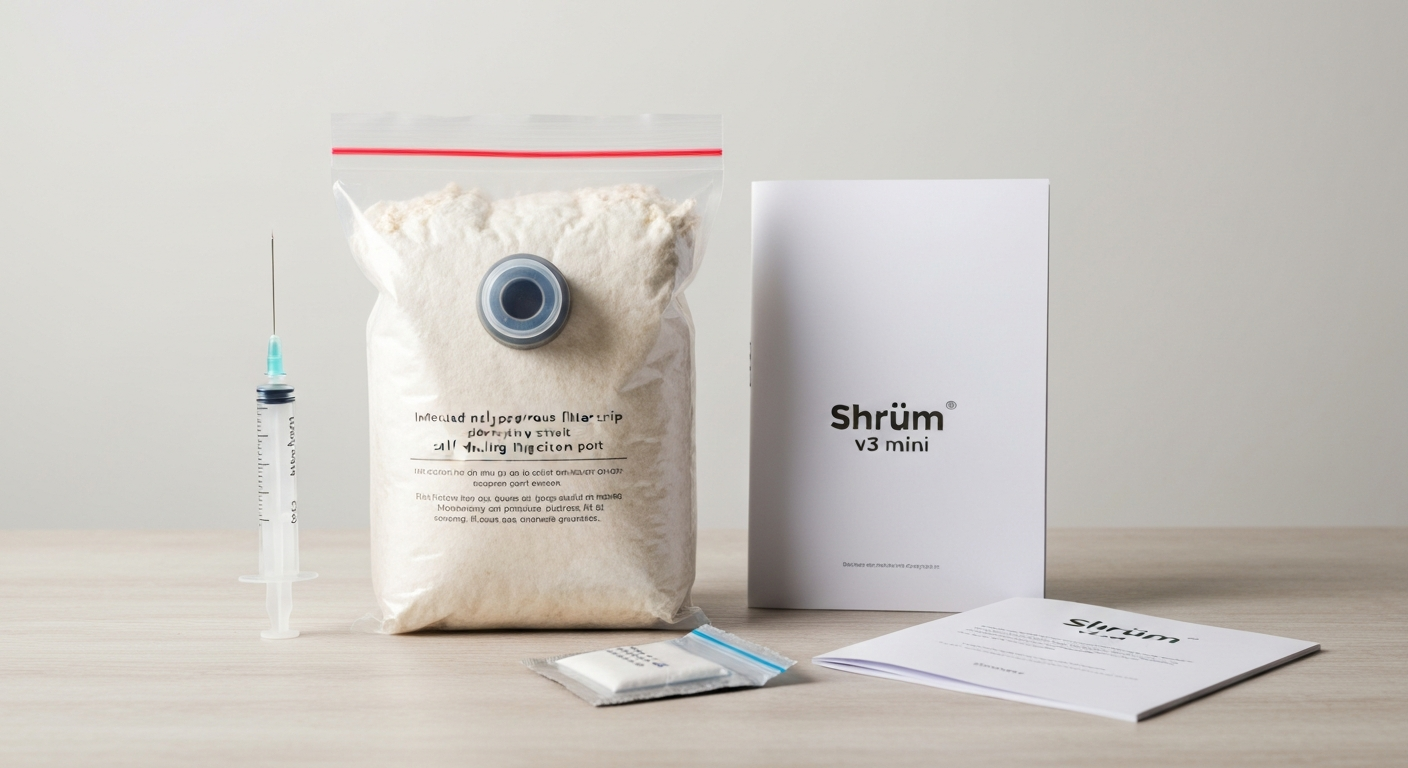
Shrüm Grow Bag Reviews: Fabric Bag Tests for Home Growers
Shrüm grow bag reviews: evidence-based pros, cons, setup tips and crop-specific results to decide if they're worth it.
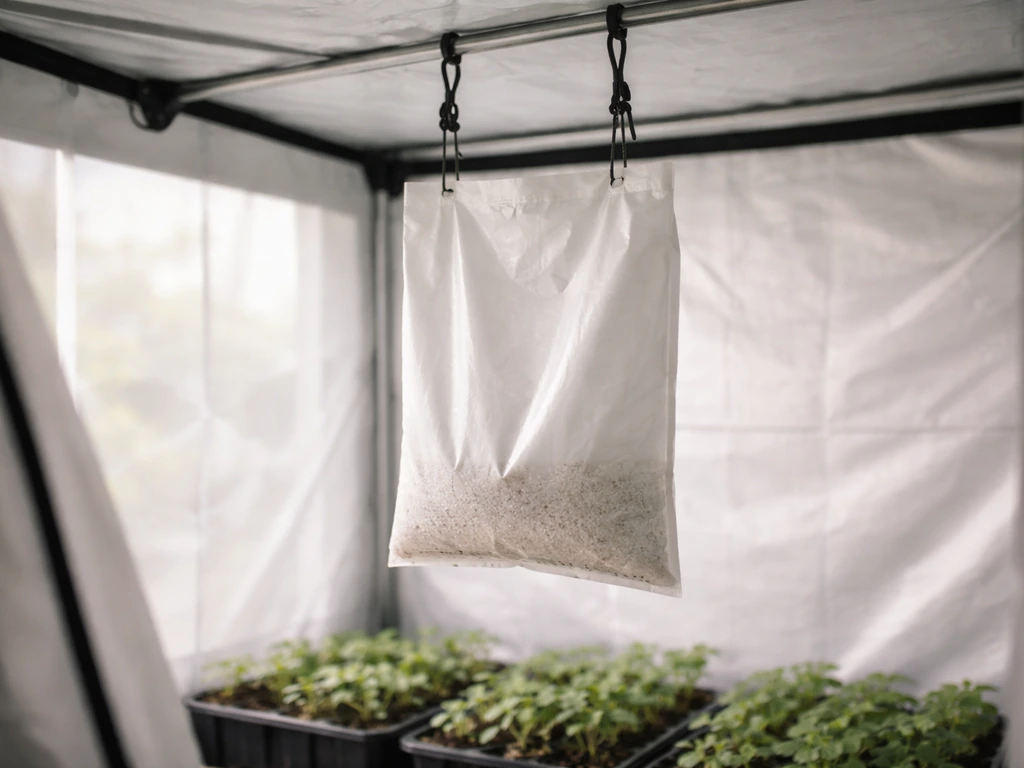
CO2 Grow Bags Review: Types, Results, Setup, and Tips
Real CO2 grow bags review: types, setup, coverage, expected results, dosing tips, troubleshooting, and best-use crops.
Westland Grow Bag Review: Worth Buying and Best Size Guide
Direct Westland grow bag review with best size guide, performance tips, pros and cons for veg and flowers.