Fabric grow bags are genuinely worth it for most home growers, but they're not a perfect fit for every situation. The biggest advantages are better root health through air-pruning, excellent drainage, and the flexibility to grow almost anywhere without digging. The main downsides are real too: they dry out faster than plastic pots, nutrients leach more quickly with frequent watering, and they can tip over in wind if not placed carefully. Whether they're right for you depends on what you're growing, where you're growing it, and how consistent you can be with watering. Understanding the benefits of grow bags can help you decide whether fabric containers fit your setup and what tradeoffs to expect. If you’re wondering what grow bags are in the first place, they’re fabric containers designed for planting without needing in-ground soil.
Pros and Cons of Grow Bags for Vegetables and Flowers
Why people use grow bags (and when they're a great fit)
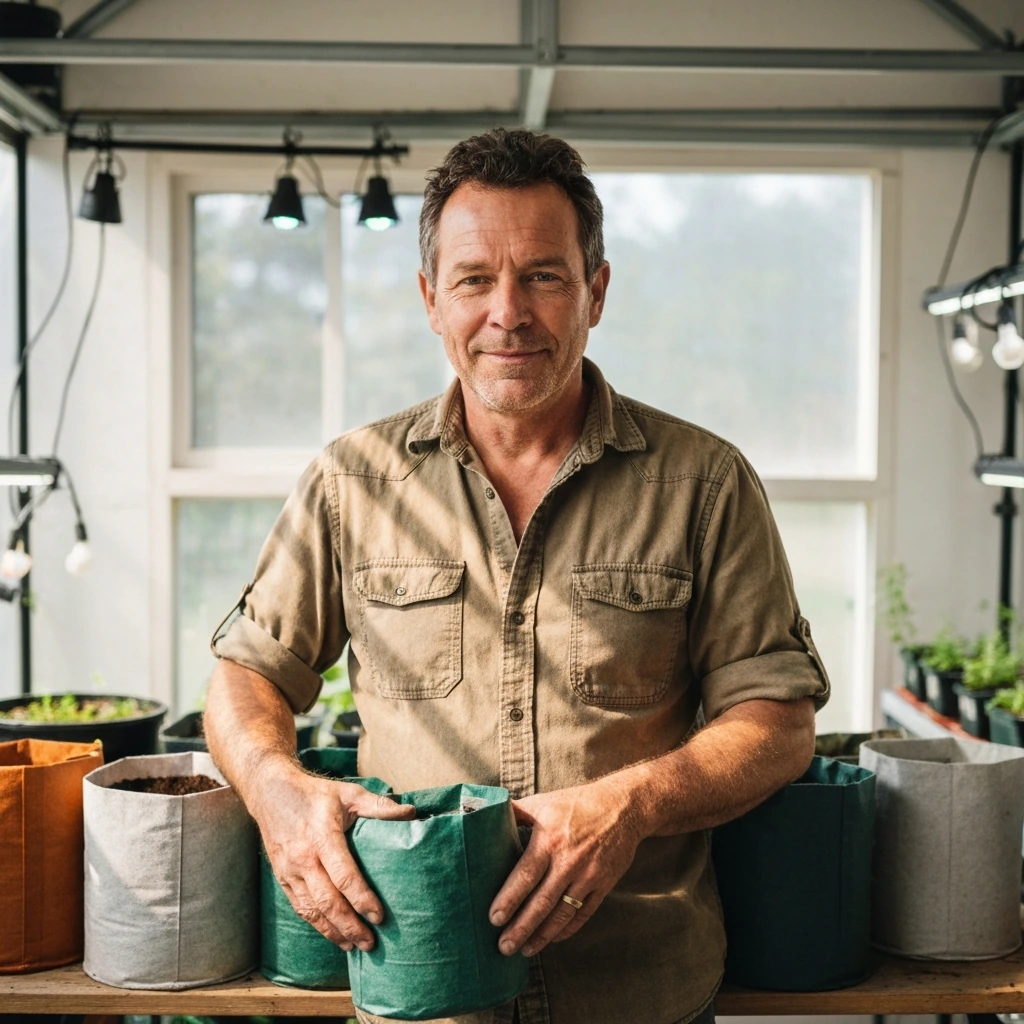
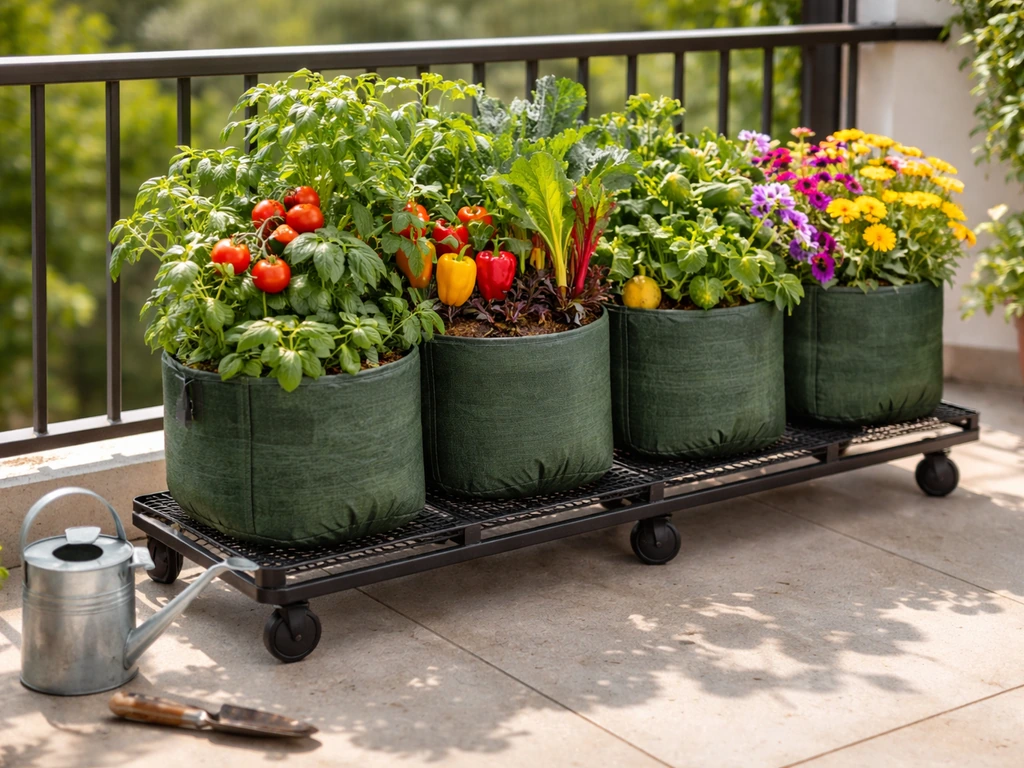
The core appeal of fabric grow bags is simple: they let you grow almost anywhere without needing in-ground soil or permanent raised beds. If you're working with a patio, balcony, driveway, or a rented property where digging isn't an option, grow bags give you a fully functional container garden with almost no setup. They're lightweight when empty, easy to move around, and available in sizes ranging from 1 gallon up to 100+ gallons, so you can match the bag to the plant rather than the other way around.
Beyond the space flexibility, experienced growers often switch to fabric bags specifically because of root quality. In a rigid pot, roots hit the wall and keep spiraling, which eventually restricts the plant and reduces productivity. In a breathable fabric container, roots encounter air at the wall and are naturally pruned, which encourages the plant to branch out more fine feeder roots instead. The result is a denser, more efficient root system. This isn't just marketing talk; it's the basic mechanism that makes fabric containers genuinely different from plastic or ceramic pots.
Grow bags are also a great fit when you need seasonal flexibility. You can move them into shelter before a frost, reposition them to follow the sun, or store them flat in the off-season. If you're a beginner who wants to experiment before committing to a raised bed, or an experienced grower who wants more control over individual plant environments, fabric grow bags solve a lot of practical problems at once.
Top pros: better roots, drainage, and space flexibility
Air-pruning keeps roots healthy
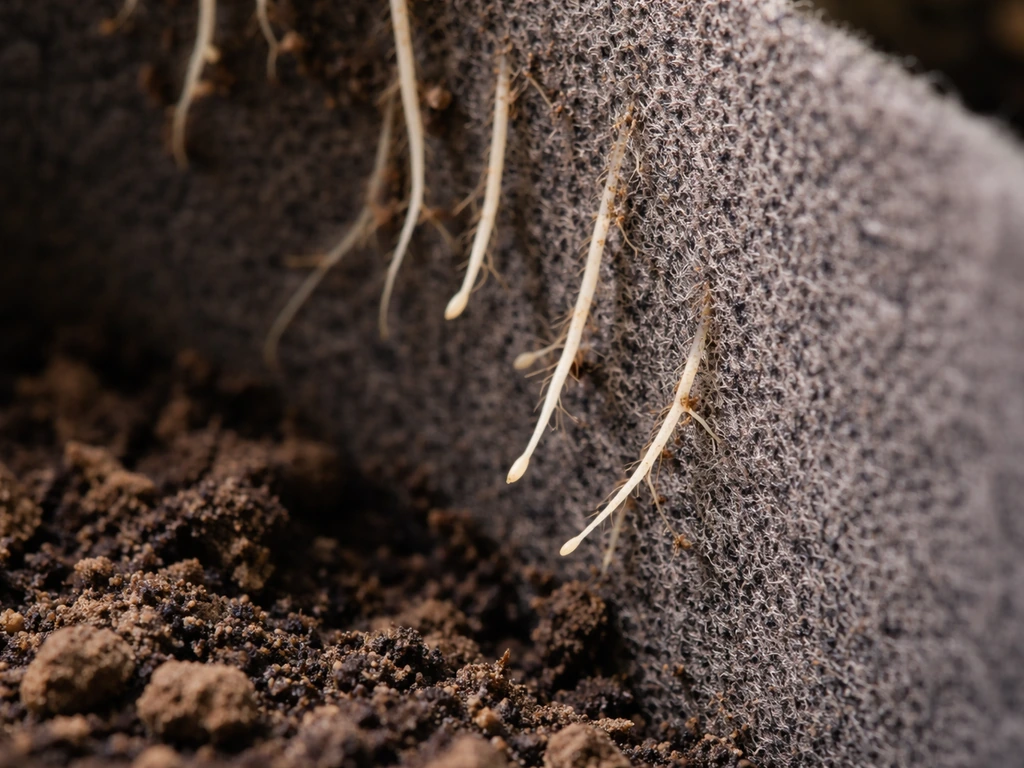
This is the headline benefit and it's the one that separates fabric bags from every other container type. When a root tip reaches the breathable wall of a fabric bag, it dehydrates slightly from contact with air and stops growing outward. The plant then redirects energy into producing new lateral roots behind that tip, building a fibrous, branching root system rather than a tightly wound spiral. More fine feeder roots means better nutrient and water uptake, which translates to healthier, more productive plants. If you've ever pulled a plant out of an old plastic pot and found a solid mass of circling roots, you know what the alternative looks like.
Drainage and aeration that actually works
Fabric bags don't just drain from the bottom; moisture evaporates laterally through the entire wall surface. This means the root zone gets more oxygen, which roots need just as much as water. Waterlogging is almost impossible in a well-sized fabric bag with a good potting mix, which makes them more forgiving than solid containers for plants that are sensitive to root rot. Just make sure your potting mix is designed for containers, with components like perlite or vermiculite to support that drainage rather than fighting it.
Flexible sizing and easy storage
You can buy fabric grow bags in practically any size you need, from 1-gallon bags for herbs and small flowers up to 25- or 45-gallon bags for tomatoes, fruit trees, and shrubs. If you’re wondering where to buy grow bags in Bangalore, look for local garden centers and reputable online sellers that stock the right sizes for your plants. They stack flat when empty, which is a real advantage if you grow seasonally and need to store containers over winter. They're also much lighter than ceramic pots or rigid plastic containers of the same volume, which matters a lot if you're gardening on a balcony with weight limits or if you need to move plants regularly. If you want to compare options, look for where to buy grow bags online or at local garden centers and hardware stores.
Top cons: watering, nutrients, durability, and stability
They dry out faster than almost anything else
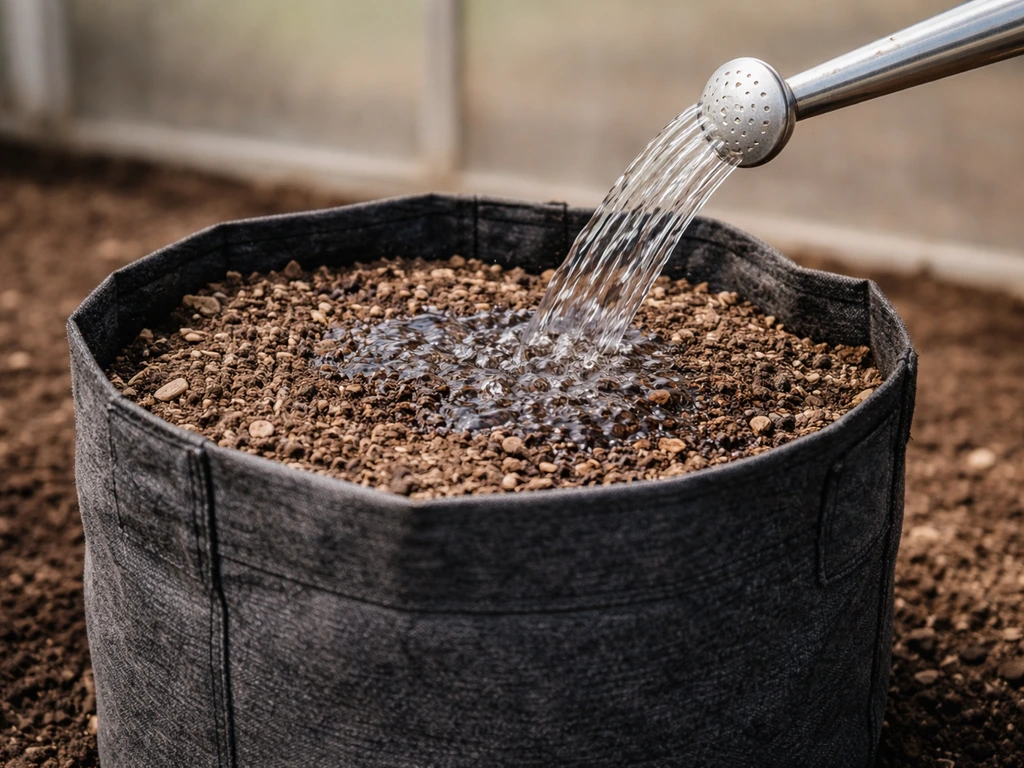
This is the biggest practical downside and the one that catches most beginners off guard. Because moisture evaporates through the fabric walls as well as draining from the bottom, fabric grow bags dry out significantly faster than plastic pots of the same size. In hot weather, a small fabric bag might need watering twice a day. Extension research consistently shows that porous container materials lose moisture faster than nonporous ones, and fabric is about as porous as it gets. Sizing up helps: a 10-gallon bag holds its moisture far longer than a 3-gallon one, and larger bags are more forgiving of a missed watering. If you travel or have an irregular watering routine, this is worth taking seriously.
Nutrients leach out with frequent watering
Every time you water a container heavily (which is how you should water, to saturate the entire root zone), some nutrients flush out with the drainage. With fabric bags requiring more frequent watering than plastic pots, nutrient depletion happens faster. Most potting mixes include enough fertilizer for roughly the first two to six weeks, and after that you need to supplement regularly. UMN Extension recommends starting a regular fertilizer schedule between two and six weeks after planting, depending on your mix and watering frequency. For fabric bags, err toward the earlier end of that window and plan on feeding weekly or biweekly with a balanced soluble fertilizer throughout the season.
Fabric wears out and bags can be unstable
Quality fabric grow bags typically last several seasons, but they do degrade with UV exposure, repeated wet/dry cycles, and physical handling. Cheaper bags may develop tears or thinning fabric within a single season. On the stability side, fabric bags don't have the rigid base of a plastic pot, so they can tip in wind or if a tall plant gets top-heavy. This is especially true for taller plants like tomatoes or young trees. Placing bags against a wall, inside a tray, or using purpose-made saucers helps with both stability and heat management at the base.
Heat and overwatering edge cases
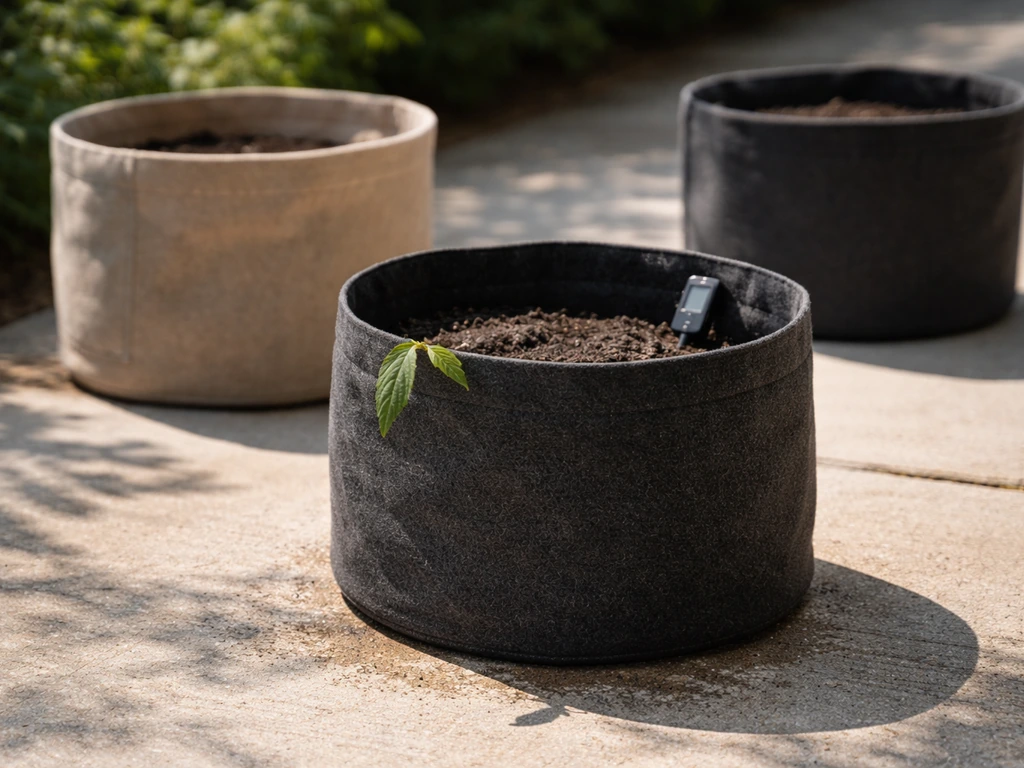
Dark-colored fabric bags sitting in full sun can absorb heat and warm the root zone, which can stress plants in very hot climates. Lighter-colored bags reduce this somewhat. On the flip side, if you're too aggressive with watering in cool weather or have bags sitting in standing water, even fabric's excellent drainage won't fully protect roots. One tricky issue: if a fabric bag dries out completely, the dry mix can become hydrophobic and water will channel along the bag walls and run straight out the bottom without actually rewetting the root zone. If this happens, slow deep watering or brief submersion (for small bags) is the fix.
Grow bags vs. the alternatives
| Option | Root health | Drainage | Watering demand | Portability | Cost | Best for |
|---|---|---|---|---|---|---|
| Fabric grow bags | Excellent (air-pruning) | Excellent | High (dries fast) | High | Low to moderate | Patios, balconies, seasonal growing |
| Rigid plastic pots | Moderate (circling risk) | Good (with drainage holes) | Moderate | Moderate | Low | Houseplants, beginners on a budget |
| Ceramic/terracotta pots | Moderate | Good to excellent (terracotta breathes) | High (terracotta dries fast) | Low (heavy) | Moderate to high | Decorative use, herbs |
| Raised beds | Good to excellent | Good | Low to moderate | None | High upfront | Long-term in-ground-style planting |
| In-ground planting | Excellent | Varies by soil | Low | None | Lowest | Permanent gardens with good native soil |
The honest comparison: if you have good in-ground soil and a permanent garden space, in-ground planting usually wins for long-season crops like tomatoes and squash because roots can mine surrounding soil for water and nutrients in ways that container plants simply cannot. Raised beds are a strong middle ground if you want the soil control of containers with less frequent watering. But for anyone without ground access, or who wants portability and seasonal flexibility, fabric grow bags outperform rigid plastic pots on almost every metric that matters for plant health, with the main tradeoff being that higher watering demand.
Plant-specific considerations
Vegetables
Vegetables are where fabric grow bags shine most obviously. Tomatoes, peppers, cucumbers, and squash all benefit from the air-pruning root environment and the drainage that prevents the root rot that plastic pots sometimes cause in wet summers. The key is sizing up generously: extension guidance consistently warns that undersized containers restrict root growth and reduce fruit yield. For tomatoes, use at least a 10-gallon bag; for larger indeterminate varieties, 15 to 20 gallons is better. Herbs and greens are fine in 3- to 5-gallon bags. Potatoes work exceptionally well in grow bags because you can roll the sides down as you plant and fold them up as the plant grows, essentially hilling the plant without digging.
Flowers
Annual flowers are well suited to fabric bags, particularly for patio or deck displays where you want to move things around. Most annuals are fine in 3- to 7-gallon bags. The higher watering demand is less of a concern here because most flowering annuals actually prefer consistently moist but well-drained conditions, which is exactly what a good fabric bag provides. Perennials in fabric bags need more attention since they'll stay in the bag longer and will exhaust nutrients and root space over multiple seasons. Repotting or refreshing the soil mix each year helps.
Trees and woody plants
Fabric bags have a specific and well-documented role in tree production: nurseries use them to create root balls with better fine-root density and fewer circling roots than field-grown trees. For home growers, fabric bags work well for dwarf fruit trees, citrus, and ornamental trees that you want to keep in containers long-term or move seasonally. UF/IFAS research on fabric bag tree production notes that irrigation and fertilizer placement significantly affect root distribution within the bag, so consistent, thorough watering and feeding throughout the container is important. If you're eventually transplanting a bag-grown tree into the ground, UF/IFAS and Utah State extension both advise removing or cutting away the fabric entirely to avoid any restriction on outward root growth after planting.
Mushrooms
Mushroom grow bags are a completely different category from fabric containers for plant growing, and it's worth separating them clearly. Mushroom grow bags are typically made from heat-tolerant polypropylene plastic, not breathable geotextile, and their purpose is to hold a sterilized or pasteurized substrate (usually straw, sawdust, or grain) while protecting it from contamination. The "breathable" element in mushroom bags is usually a filtered port or patch, not the bag material itself, and fresh air exchange is managed carefully to encourage fruiting without letting contaminants in. If you're looking into mushroom cultivation specifically, the setup, materials, and techniques are distinct from what applies to vegetable or flower grow bags.
How to choose the right grow bag
Size: bigger is almost always better
The most common mistake with grow bags (and containers in general) is going too small. Smaller bags dry out faster, restrict roots sooner, and require more frequent feeding. As a practical guide: herbs and lettuces do fine in 3 to 5 gallons, peppers and eggplants want 7 to 10 gallons, tomatoes and cucumbers need 10 to 20 gallons, and dwarf fruit trees should have at least 25 gallons. When in doubt, go up a size. The extra soil volume acts as a buffer for moisture and nutrients and gives roots more room to develop before they reach the bag wall.
Fabric type and quality
Most fabric grow bags are made from nonwoven geotextile fabric, typically polypropylene. The main quality differences are thickness (measured in grams per square meter, or GSM) and UV stabilization. Thicker fabric (300 GSM and above) lasts longer, holds its shape better, and handles repeated seasons more reliably. Cheaper bags made from thinner material will work for one or two seasons but tend to tear at the handles and thin at the base over time. If you're investing in larger bags for trees or perennial plants, spend a bit more on quality fabric. For annuals that you'll replant each season, mid-range bags are fine.
Placement and setup
Most vegetables need at least six to eight hours of direct sun, so placement is the first decision. If you’re wondering where to put grow bags in particular, focus on sun, wind protection, and easy access to water so they can be watered consistently placement is the first decision. Beyond sunlight, think about wind exposure (taller bags with large plants need some shelter or support), access to water, and whether you need saucers under the bags. Saucers help on wooden decks or surfaces you don't want stained, and they can slow drying slightly by catching drainage. Don't leave bags sitting in pooled water for long periods though. Fill bags with a quality potting mix designed for containers, not garden soil, which compacts in containers and blocks drainage. Leave a couple of inches of headspace at the top so water doesn't overflow and wash out the surface of the mix.
Troubleshooting and best practices to avoid the main problems
Managing the watering demand
Check moisture by sticking your finger two inches into the mix, not by looking at the surface. The surface of a fabric bag can look and feel dry while the interior is still adequately moist, and vice versa. Water thoroughly when you do water: enough that it comes out the drainage holes at the bottom, which ensures the full root zone gets saturated rather than just the top few inches. If you're finding daily watering difficult, drip irrigation on a timer is the most effective solution for fabric bags, especially in summer. Grouping bags together also slows moisture loss slightly by reducing the exposed surface area per bag.
Staying ahead of nutrient depletion
Start feeding between two and four weeks after planting for grow bags, not six weeks as you might with a standard container. The faster drying and more frequent watering flushes nutrients out sooner. A balanced water-soluble fertilizer applied weekly at half to full label rate works well for most vegetables. Apply it so some drainage runs out the bottom, which ensures even distribution through the root zone and prevents fertilizer salt buildup at any one level. If plants show yellowing leaves, stunted growth, or poor fruiting mid-season, nutrient depletion from leaching is often the culprit before anything else.
Fixing a dried-out bag
If a grow bag dries out completely, the potting mix can pull away from the fabric walls and become hydrophobic. When you water, it runs straight down the gap between the mix and the bag wall and out the bottom without actually re-wetting the mix. The fix is to water very slowly in multiple passes, giving the mix time to absorb moisture between each application. For small bags, you can submerge the whole bag in a bucket of water for 20 to 30 minutes to force re-hydration. Adding a wetting agent to your water can also help reset a severely dried mix.
Stability and pest management
For tall plants, stake or cage them before they get top-heavy, not after they've already tipped once. If your growing space is exposed to wind, place bags against a wall or fence, or cluster them together for mutual support. On the pest side, the improved air circulation around fabric bags actually helps reduce some fungal problems compared to plastic containers. Keep bags off the ground with a simple tray or stand to discourage soil pests and make it harder for crawling insects to enter from below. Between seasons, empty the bags, rinse them, and let them dry fully before storage to reduce disease carryover.
Quick reference: matching bag size to plant type
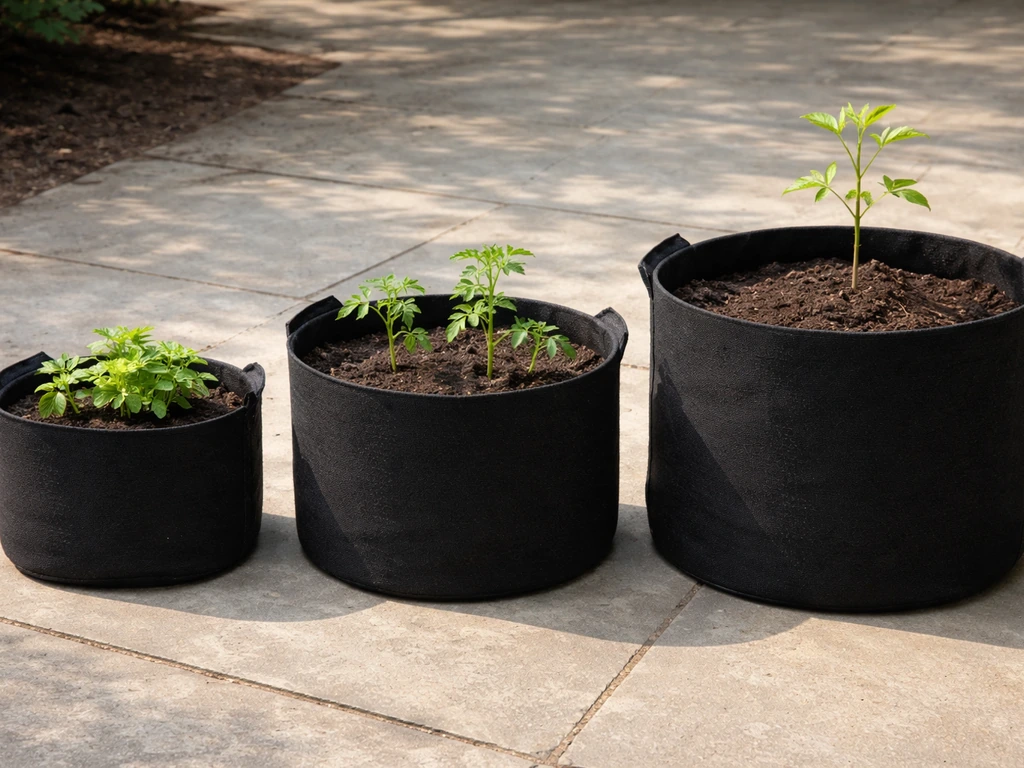
| Plant type | Minimum bag size | Recommended bag size | Key notes |
|---|---|---|---|
| Herbs (basil, parsley, mint) | 1–2 gallon | 3–5 gallon | Larger size reduces watering frequency significantly |
| Lettuces and greens | 2–3 gallon | 5 gallon | Can grow multiple plants per bag at larger size |
| Peppers and eggplant | 5 gallon | 7–10 gallon | Consistent moisture critical for fruit set |
| Tomatoes (determinate) | 7 gallon | 10–15 gallon | Needs support stake; heavy feeder |
| Tomatoes (indeterminate) | 10 gallon | 15–20 gallon | Larger roots = more fruit over longer season |
| Potatoes | 10 gallon | 15–20 gallon | Roll-down planting technique works well in bags |
| Cucumbers and squash | 5 gallon | 10–15 gallon | Vertical training reduces footprint |
| Annual flowers | 2–3 gallon | 5–7 gallon | Group bags for visual impact and reduced drying |
| Dwarf fruit trees | 15 gallon | 25–45 gallon | Feed regularly; remove bag if transplanting to ground |
FAQ
Can I put grow bags on a deck or patio without staining the surface?
Yes, but you need a tray or saucer plus a “water management” plan. Use a tray to catch drainage, empty it regularly, and avoid leaving the bag sitting in runoff. In warm weather, saucers can also raise humidity and slow drying, so check moisture inside the bag before watering again.
What’s the best way to handle daily watering if I’m away or busy?
In many cases you can, but the goal is to correct the faster drying and leaching. A simple approach is a drip line with a timer, plus a moisture check (finger test 2 inches down) to prevent overwatering. If you use drip, make sure the emitters are placed so the whole bag gets wet, not just the center.
Can I use slow-release fertilizer in grow bags to reduce feeding?
You should not expect fabric bags to “hold fertilizer” the way slower-release mixes sometimes do. If you want less frequent feeding, consider a potting mix with controlled-release fertilizer at planting, then still watch plants and supplement if growth lags. With fabric bags, nutrients tend to flush faster, so slow-release alone may not be enough for heavy fruiting crops.
How do I know whether my grow bag actually needs watering, since the top can look dry?
The practical way to tell is to check soil moisture 2 inches down. If the interior is still moist, pause watering even if the top looks dry, and if the interior is dry, water thoroughly until you see drainage. Surface dryness in fabric bags is common because evaporation happens through the walls.
What should I do if my grow bag dries out completely and nothing seems to soak back in?
If they dry out completely, water may not rewet the root zone because the mix can pull away from the fabric and become hydrophobic. Fix it by watering in multiple slow passes (or brief submersion for small bags), then resume a consistent schedule. After recovery, consider upsizing the bag or adding drip irrigation to prevent repeats.
Can I reuse the potting mix from a grow bag next season?
Generally, yes. Fabric bags are designed for container use, and reusing the potting mix repeatedly can reduce performance because structure breaks down and nutrient levels drop. For annuals, refresh or replace the mix each season; for perennials and long-term trees, top-dress and periodically refresh to avoid compaction and nutrient imbalance.
Do I need to prune roots in fabric grow bags to prevent root binding?
You usually should prune roots only when you see chronic issues like persistent stunting from root binding. With most quality fabric bags, air-pruning reduces circling, so “root pruning” is rarely needed. If a tree is staying in the bag for years, plan on refreshing or cutting away the outer root mass during mix refresh, but do it carefully and with consistent afterward watering.
Can I fill grow bags with garden soil instead of potting mix?
Often, not fully. In-ground soil can compact in containers and it holds water differently than container potting mix, which can lead to drainage problems even in fabric. For best results, use a container potting mix designed for pots and amend it only if needed (for example, adding perlite for extra drainage).
How should I protect grow bags during winter, especially in freezing weather?
Winter depends on your climate and whether the bag is above ground. In freeze-prone areas, insulate the bag and protect roots from wind drying, because the fabric can still lose moisture and temperature extremes can stress plants. Also drain fully before deep freeze so you avoid long periods of soggy mix.
Do dark-colored grow bags get too hot in summer, and how can I manage that?
Yes, but it is a stability and heat tradeoff. Light-colored bags reduce heat buildup, and placing bags in partial shade during the hottest afternoon can reduce stress, especially for leafy crops and seedlings. Keep watering consistent, because shade can slow drying and increase the chance of staying too wet.
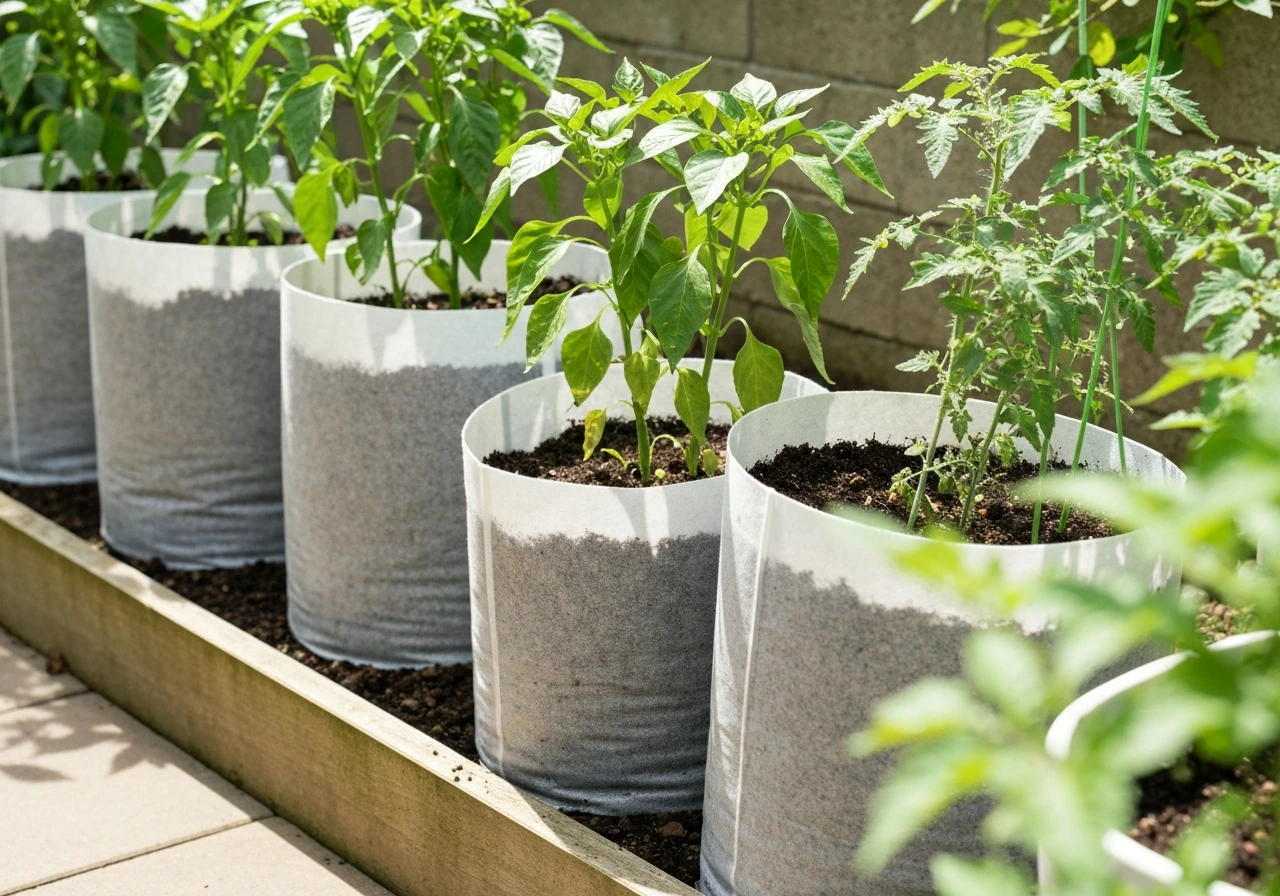
Discover the benefits of grow bags: better drainage and aeration, healthier roots, easier plant care, and how to choose
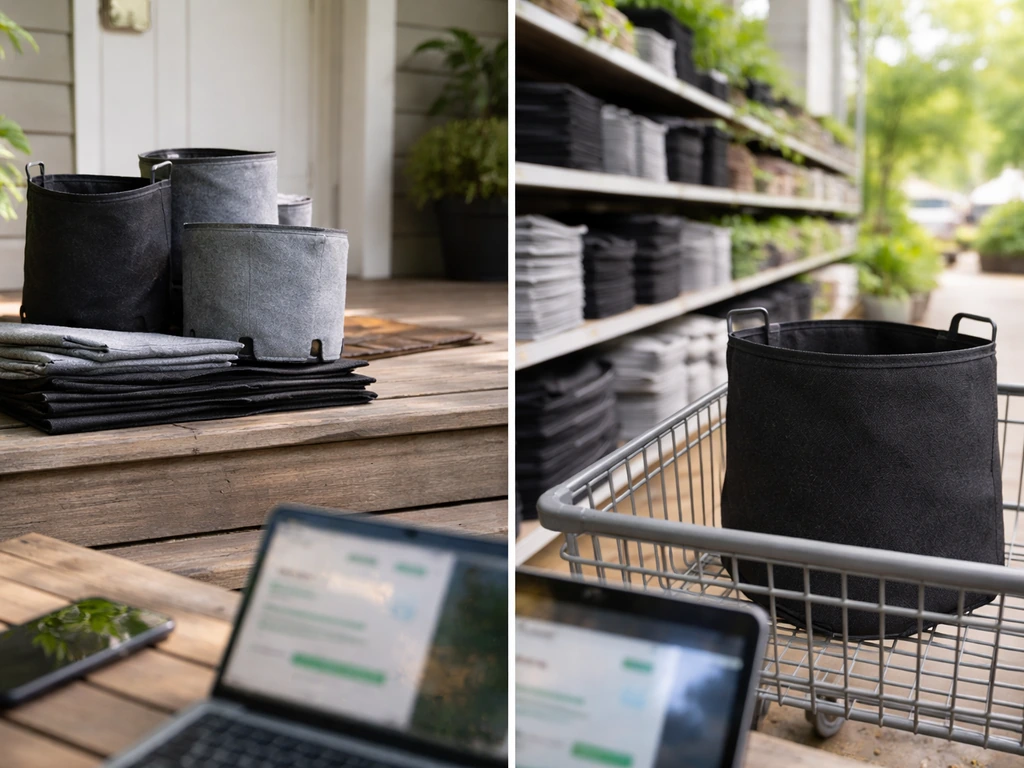
Find where to buy fabric grow bags near you or online, compare sizes, drainage, and best prices for veggies, trees, and
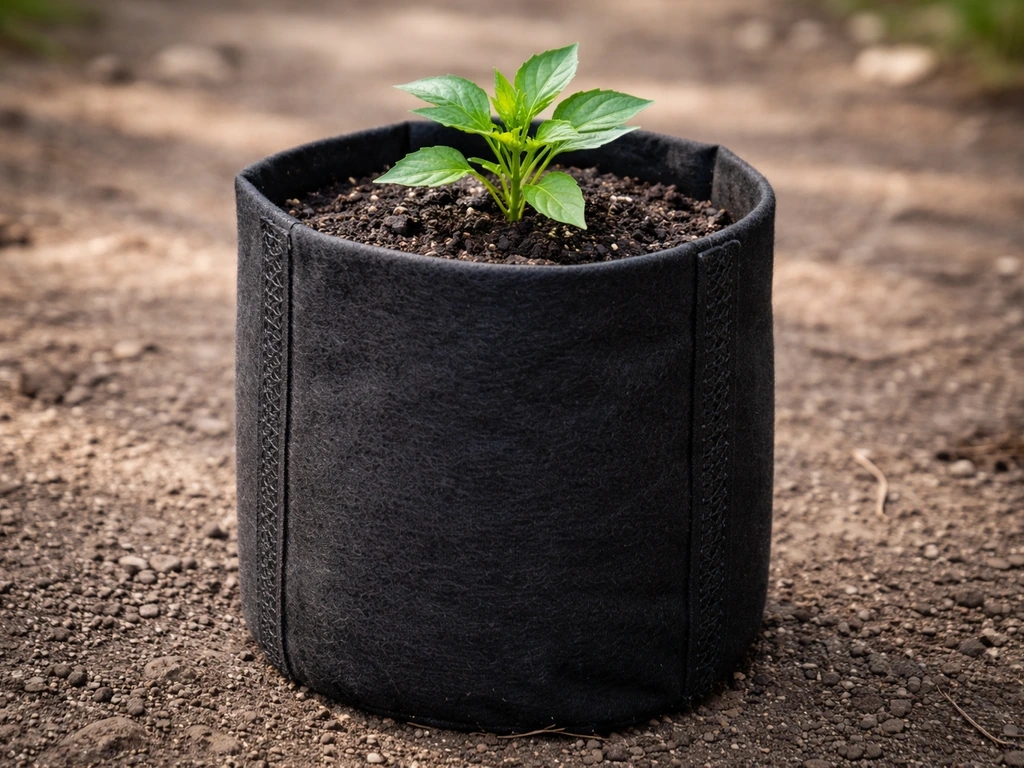
Learn what grow bags are, what they contain, how fabric type affects drainage, and how to choose and use them.