
Yes, you can absolutely use fabric grow bags indoors, and they work really well when you set them up correctly. The breathable fabric that makes them great outdoors (air pruning roots, draining fast, preventing waterlogging) does the same job inside. The main things you need to manage indoors are drainage mess, light, and airflow, but none of those are deal-breakers. Plenty of people grow herbs, vegetables, flowers, and even small fruiting plants indoors in fabric bags year-round with excellent results.
Can You Use Grow Bags Indoors? Setup Guide and Tips
Marcus Holloway
14 May 2026
When indoor grow bags actually work (and when they don't)
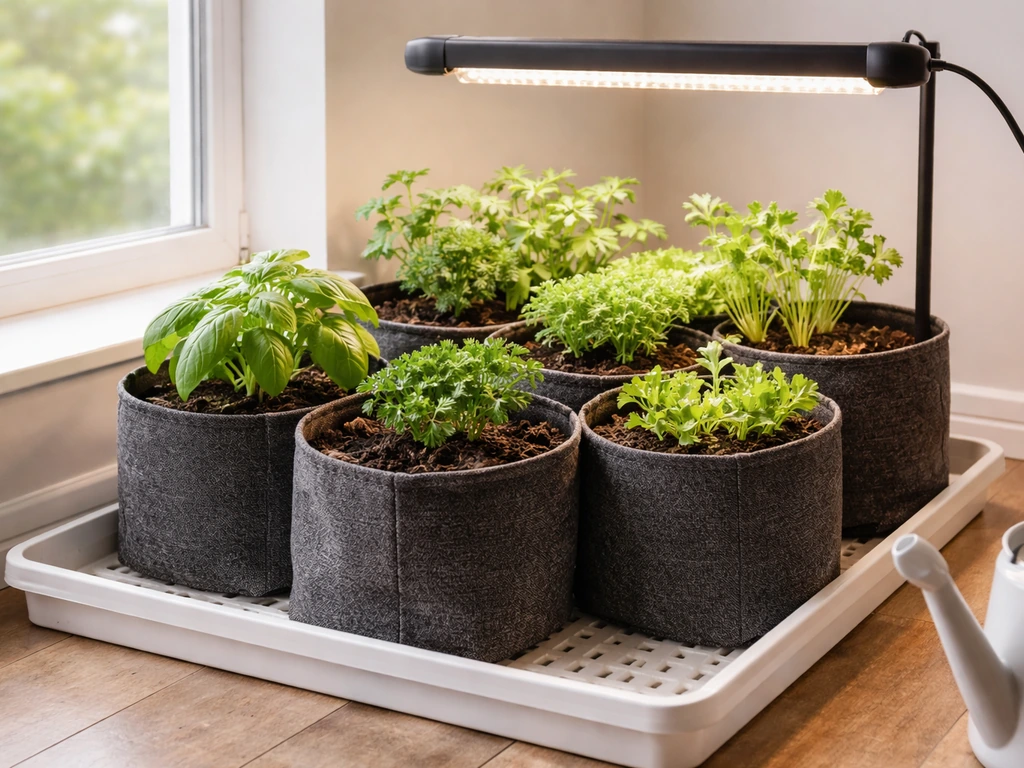
Fabric grow bags work indoors whenever you can meet the basic needs of the plant you're growing: adequate light, proper drainage management, and enough space for airflow. They genuinely outperform plastic containers indoors because the porous walls let oxygen reach the root zone constantly, which means roots are healthier and less prone to the rot that kills so many indoor container plants. The fabric also prevents the water retention that plagues plastic pots in low-evaporation indoor environments.
Where they struggle indoors is when drainage is ignored entirely. If you set a fabric bag directly on a wood floor or carpet with no tray underneath, the fast-draining water will cause real damage. You can also put grow bags on concrete, as long as you protect the floor and keep the water draining into a tray so the bags are not left in standing water. And if you leave a grow bag sitting in a tray full of standing water, you've defeated the whole point of the breathable fabric. Those two failure modes are easy to avoid, but worth understanding upfront. Otherwise, for most common indoor crops, fabric bags are a legitimate and effective choice.
Setting up grow bags indoors: the essentials
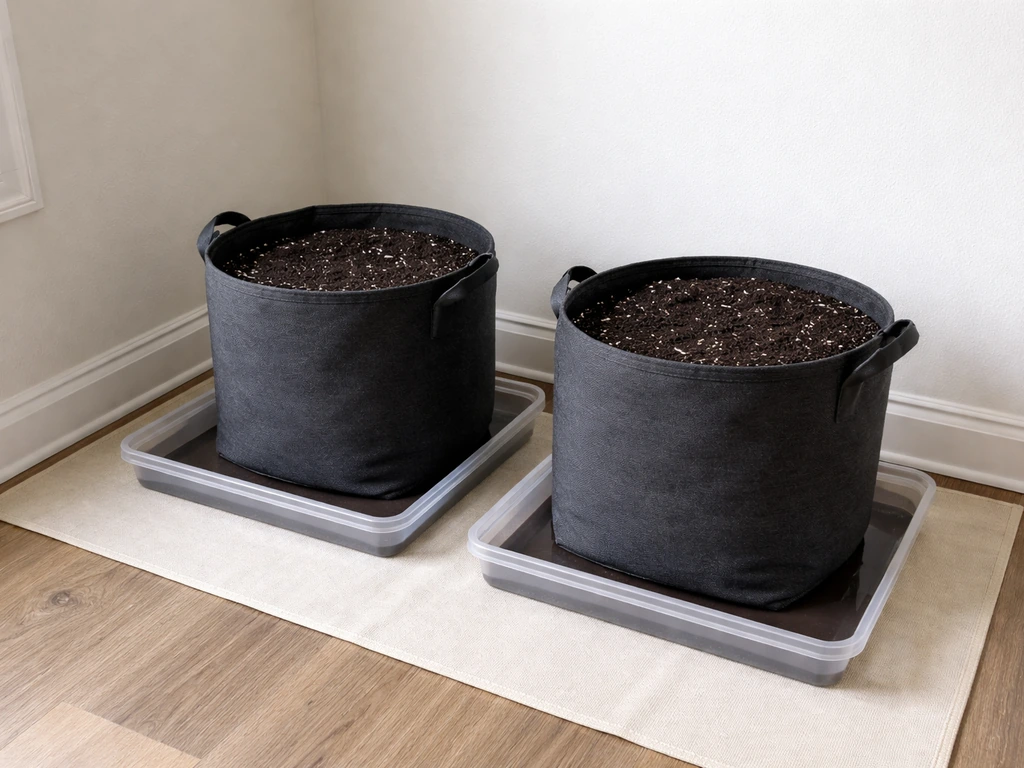
Start with placement and floor protection before you fill a bag with soil. Put a saucer, tray, or shallow plastic bin under each bag to catch drainage water. For larger bags (10 gallons and up), a waterproof boot tray works better than a small saucer because the drainage area is wider. If you want a cleaner look, you can slip the fabric bag inside a decorative outer pot or basket, which also helps stabilize it since fabric bags don't hold their own shape the way rigid plastic does. If you want to put grow bags in pots, a decorative outer pot or basket can hide the bag while keeping it stable.
Stability matters more indoors than outside. A filled 5-gallon bag is heavy enough to stay put on its own, but smaller bags on smooth surfaces can tip easily. Placing bags inside a slightly larger rigid container, or grouping several together, keeps them upright and reduces spills. On tile, hardwood, or laminate floors, always use a waterproof mat in addition to a tray as a second line of defense.
- Use a tray or saucer under every bag to catch drainage water
- Empty the tray after each watering so roots never sit in standing water
- Place a waterproof mat under the tray on wood or laminate floors
- Slip the bag inside a decorative outer pot to improve stability and appearance
- Group multiple small bags together to prevent tipping
Getting light right for indoor grow bags
Light is almost always the limiting factor indoors, not the container type. Most vegetables and fruiting plants need at least 6 to 8 hours of direct or high-intensity light per day. A south-facing window can work for herbs and low-light greens, but if you're growing tomatoes, peppers, or anything that fruits, you'll almost certainly need a grow light. LED grow lights have come down dramatically in price and a decent full-spectrum panel in the 200 to 300 watt range covers a solid 2x4 foot area, which is enough for several medium-sized bags.
For placement, keep heat-sensitive plants like herbs away from cold drafts near windows in winter. Tomatoes and peppers in grow bags do well under lights at 18 to 24 inches of distance with a light schedule of 14 to 16 hours on, 8 to 10 off. Leafy greens and herbs can manage with 12 to 14 hours. Mushrooms are the exception: they need no direct light and actually prefer indirect, low ambient light, making them uniquely suited for indoor grow bags in low-light spaces.
Watering and drainage without making a mess
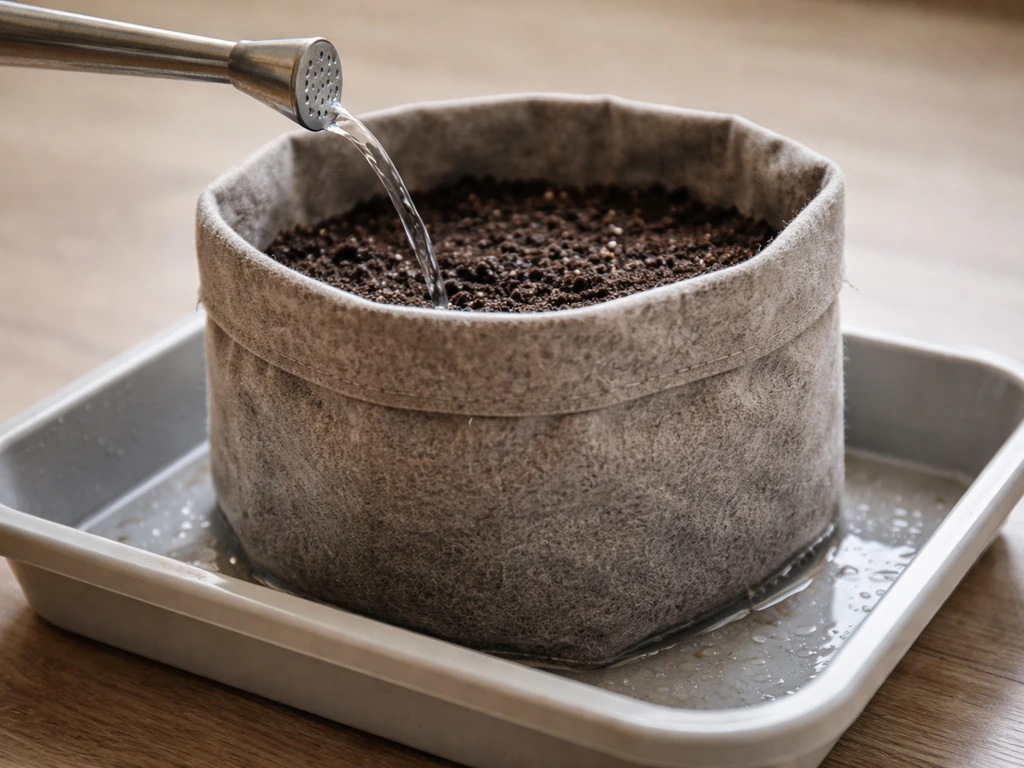
Fabric bags drain fast, which is one of their best features. Indoors, this means you need to water more slowly and deliberately so you don't overflow the tray. Pour water slowly around the edge of the bag rather than dumping it all at once in the center. Let it drain fully before placing the tray back underneath or, better yet, water over a sink or bathtub for smaller bags and then return them to their spot.
The critical rule indoors is never let the bag sit in standing water in the tray. A quick drain and empty after each watering session takes about 30 seconds and completely eliminates the root rot risk that comes from waterlogged media. Because indoor air is generally less humid than outdoor air and evaporation through the fabric is somewhat reduced (especially in heated homes in winter), you may find that your bags dry out a bit slower than you'd expect. Stick your finger two inches into the media to check moisture before watering rather than watering on a fixed schedule.
Soil, nutrients, and airflow indoors
Choosing your growing media
For indoor grow bags, a well-draining potting mix is far better than garden soil or dense raised bed mixes. Garden soil compacts in containers and blocks the drainage that makes fabric bags effective. A quality peat- or coco-based potting mix, optionally amended with 20 to 30 percent perlite, keeps the media light and well-aerated. If you're growing mushrooms, you'll use substrate specific to your species (straw, hardwood sawdust, etc.) rather than potting mix, which is a completely different setup.
One thing to know: because fabric bags drain more aggressively than plastic pots, nutrients leach out with the water faster. For vegetable crops especially, you'll need to feed more consistently. A balanced liquid fertilizer applied every one to two weeks works well, or you can top-dress with slow-release granular fertilizer at planting. Watch for yellowing lower leaves, which usually signals nitrogen deficiency and is common in fabric bag grows that aren't being fed regularly.
Airflow and temperature
Good air circulation indoors does two things: it strengthens stems through gentle physical stimulation and it prevents the humid stagnant air that encourages mold and fungus gnats. A small fan running on low nearby is enough. You don't need to blast the plants, just keep air moving gently around the leaves and across the top of the media. Most indoor plants in fabric bags do best at temperatures between 65 and 80 degrees Fahrenheit. Keep bags away from heating vents or cold window drafts, both of which stress roots more than people expect.
Picking the right size and fabric for what you're growing
Size is one of the most common mistakes in indoor grow bag setups. Too small a bag stresses the plant and dries out too fast, while an oversized bag indoors takes up valuable space and can lead to overwatering issues before the roots fill out. Here's what works well for common indoor crops:
| Plant Type | Recommended Bag Size | Fabric Notes |
|---|---|---|
| Herbs (basil, mint, parsley) | 1 to 3 gallons | Thinner nonwoven fabric is fine; smaller bags dry out faster so check moisture often |
| Leafy greens (lettuce, spinach, kale) | 3 to 5 gallons | Standard nonwoven fabric works well; wide shallow bags maximize surface area |
| Tomatoes (determinate/patio varieties) | 5 to 10 gallons | Heavier fabric (300g+) holds shape better when full; 7-gallon is a good indoor sweet spot |
| Peppers and eggplant | 5 to 7 gallons | Similar to tomatoes; standard fabric thickness is fine |
| Potatoes | 10 to 15 gallons | Needs depth for hilling; sturdy fabric with reinforced handles for indoor lifting |
| Flowers (annual, compact) | 2 to 5 gallons | Any standard grow bag works; drainage management especially important with blooms |
| Dwarf citrus or fig (trees) | 15 to 25 gallons | Heavy-duty fabric; these are long-term bags that will be difficult to move when full |
| Mushrooms | 1 to 5 gallons (substrate bags) | Specialized mushroom grow bags with filter patches; not standard potting fabric |
For fabric weight, standard nonwoven polypropylene (around 200 to 300 grams per square meter) is suitable for almost all indoor vegetable and flower applications. Heavier fabric holds its shape better at larger sizes, which matters when you're handling bags indoors and don't want them collapsing or spilling. If you're considering planting grow bags in the ground at any point or using them outdoors seasonally, opt for fabric without metal grommets that might rust.
Troubleshooting common indoor grow bag problems
Soggy media and root rot
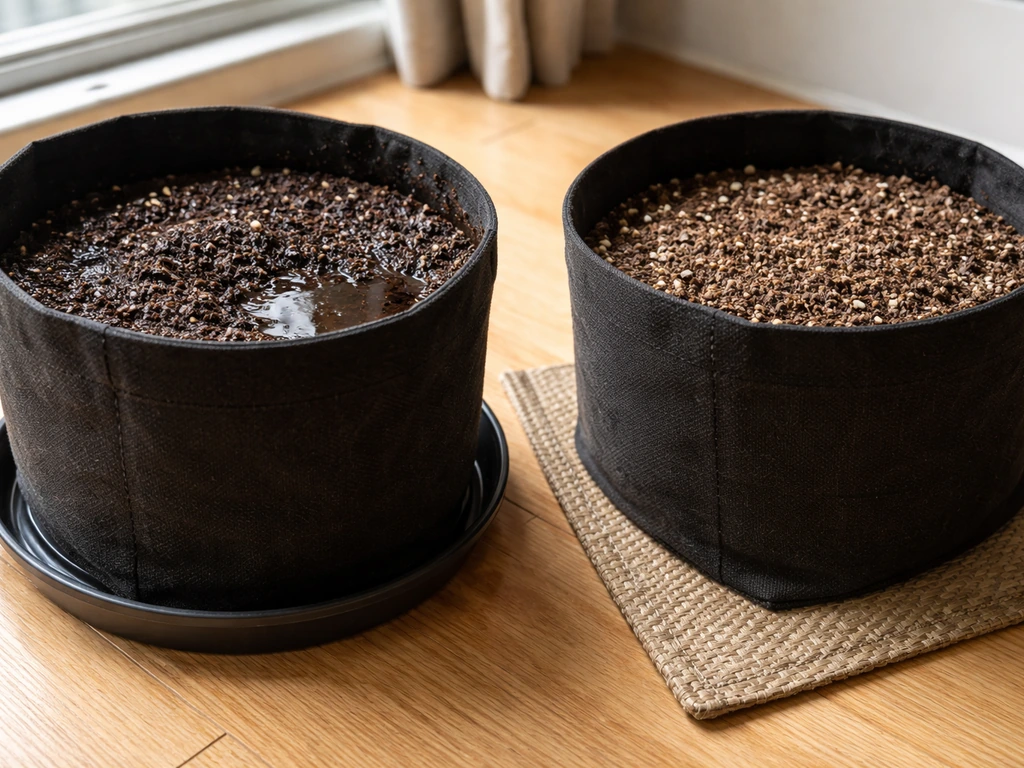
If your media feels wet for more than two to three days after watering, you either have too little perlite in your mix, the bag is sitting in standing water, or you're overwatering. Fix it by mixing in more perlite (up to 30 percent by volume), emptying trays after each watering, and letting the top inch or two of media dry out before the next water. Root rot smells musty and usually shows as yellowing, wilting leaves despite moist soil.
Fungus gnats and mold on the media surface
Fungus gnats are the most common indoor grow bag pest and they're almost always a sign of consistently moist surface media. Let the top inch dry out between waterings, improve airflow with a fan, and if gnats are already present, a layer of coarse sand or perlite on the surface of the media stops them from laying eggs. Sticky yellow traps nearby catch adults. Mold on the surface of the media is similar to treat: improve airflow, reduce surface moisture, and remove any visible mold with a spoon.
Slow or stunted growth
Slow growth indoors is almost always a light problem first, then a nutrient problem second. If your grow light is too far away or your window isn't delivering enough intensity, the plant simply can't grow quickly regardless of how good your soil and drainage are. Move the light closer (check the manufacturer's recommended distance) or add a second light source. If light is adequate but growth is still slow, start a regular feeding schedule with a balanced liquid fertilizer and watch for improvement within two weeks.
Bags drying out too fast
In heated indoor environments, especially in winter when humidity is low, fabric bags can dry out faster than expected because evaporation happens through the walls as well as the surface. If you're watering every day and still seeing wilting, try grouping bags closer together to create a slightly more humid microclimate, or add a layer of mulch (coco coir or fine bark) on top of the media to slow surface evaporation. Moving up one bag size also helps retain more moisture for larger plants.
Leggy or weak stems
Leggy, stretched stems with wide spacing between nodes is a light deficiency problem, not a container problem. Increase light intensity or duration before adjusting anything else. If your light schedule and intensity are correct but stems are still weak, make sure your fan is running to provide gentle stem stimulation, which builds stronger cell walls over time. Fabric bags don't cause legginess, but because they make it easy to move plants around, it's tempting to put them in lower-light spots and then wonder why the growth quality suffers.
Overall, using grow bags indoors is genuinely practical and effective. Once you've got drainage managed and your light situation sorted, they're often easier to work with than plastic pots: lighter before filling, easier to adjust placement, and far more forgiving of root health. Whether you're growing a few herb bags on a kitchen shelf or setting up a proper indoor vegetable garden under lights, fabric grow bags are worth the small setup effort.
FAQ
Can you use grow bags indoors on hardwood or laminate floors without damaging them?
Yes, but you need a waterproof isolation layer first. Put the grow bag inside a rigid, watertight outer cachepot or use a waterproof tray plus a mat so any runoff never touches the wood. Don’t rely on “fast draining” alone, because a slow leak from a tray left in place can still stain floors over time.
Is it okay to use garden soil in indoor fabric grow bags?
For most indoor edible plants, avoid garden soil. It compacts in a container, reduces airflow, and undermines the main advantage of fabric bags (root aeration). Use a peat- or coco-based potting mix, and if it stays wet too long, increase perlite rather than adding more water.
Can I put indoor grow bags inside decorative pots or baskets?
You can, as long as you keep the bag stable and prevent standing water around it. A decorative outer pot should be used for looks and stability only, never as the water reservoir, because the outer container can trap runoff. If you use one, empty the drain tray every time you water.
How do I know whether to water my indoor grow bags more or less often?
It depends on your climate and your room conditions. If your home is heated in winter, the bags may dry faster, so check moisture with a finger test (about 2 inches down) instead of watering on a calendar. If the surface dries but the lower media stays wet, slow down and water less frequently rather than “more often.”
Will I need to fertilize more when using grow bags indoors?
Not usually. Fabric bags leach nutrients faster than many rigid plastic pots, especially with frequent watering. Switch to consistent feeding, like a balanced liquid fertilizer on a regular interval, and watch for nutrient signals such as lower-leaf yellowing (often nitrogen deficiency) rather than waiting for the plant to look severely stressed.
Can I grow tomatoes or peppers indoors in grow bags without grow lights?
For smaller herbs and leafy greens, a big enough light can be partly window-assisted, but fruiting plants typically need supplemental lighting. If you don’t have 6 to 8 hours of strong light, plan on a grow light and place it at the recommended distance for your fixture. If you see leggy growth, don’t assume the pot needs a size change, fix the light first.
Can you use grow bags indoors for mushrooms, and do you water them the same way?
Yes, but moisture control still matters. Watering mushrooms is usually minimal and must match the species substrate moisture targets, since their substrate is not the same as potting mix. Keep them in low, indirect ambient light, and avoid practices that cause wet, soggy surfaces which can invite contamination.
What changes if I eventually plant my indoor grow bags outdoors (or temporarily in the ground)?
You can, especially for a short-term crop, but expect different moisture behavior. In the ground, the bag’s drainage can be less predictable depending on soil moisture and whether water pools around it. If you move them outdoors seasonally, use sturdier fabric without rust-prone metal parts, and still check that runoff does not create standing pockets.
What should I do if my indoor grow bags stay wet for days?
Sometimes. If the media stays wet more than 2 to 3 days, the common causes are insufficient perlite, overwatering, or a tray issue where runoff is being held. Fix by adding perlite (up to around 30 percent by volume), emptying trays after watering, and letting the top inch or two dry before the next watering.
How do I deal with fungus gnats in indoor grow bags effectively?
Use both prevention and small “surface” interventions. Let the top inch dry between waterings, improve gentle airflow, and if gnats are already present, treat the surface with a coarse dry layer such as sand or perlite. Sticky yellow traps help reduce adults, and correcting the moisture pattern prevents repeat outbreaks.
Do I need a fan for indoor grow bags, and how close should it be?
In most indoor setups, a fan shouldn’t be directly blasting the plants. Gentle, consistent airflow is enough to strengthen growth and reduce stagnant, mold-prone conditions. Place it so air moves across the top of the media and around leaves, but avoid drying the plants excessively in one spot.
Can indoor grow bags be reused, and how do I prevent mold buildup between crops?
Yes, especially if you reuse the same bags and keep indoor humidity higher. Empty trays, remove visibly moldy surface material, and consider refreshing or partially replacing the top layer of media between cycles. Also sanitize outer containers and avoid leaving old, wet debris in the growing area, since it can become a mold and pest reservoir.
Citations
Fabric grow bags/pots are made from porous breathable fabric that allows air to penetrate the container wall and excess water to drain from the root zone more readily than in non-breathable plastic containers.
https://hydrobuilder.com/products/rain-science-black-grow-bag-10-gallon
Fabric pots are marketed to improve drainage and aeration via non-woven breathable fabric, supporting indoor or outdoor setups and root health.
https://growershouse.com/products/root-pouch-fabric-pots-packs-of-25
For indoor container setups, using a tray/saucer or lining a decorative pot to catch drainage is a common guidance for managing runoff when using grow bags/fabric pots.
https://www.greenhousemegastore.com/collections/bags-pouches
If the indoor grow bag is used without controlling standing water, the biggest failure mode is waterlogged media (root rot risk), which is mitigated by allowing rapid drainage and preventing water from standing in catch trays.
https://extension.illinois.edu/container-gardens/container-drainage-options
Next Articles
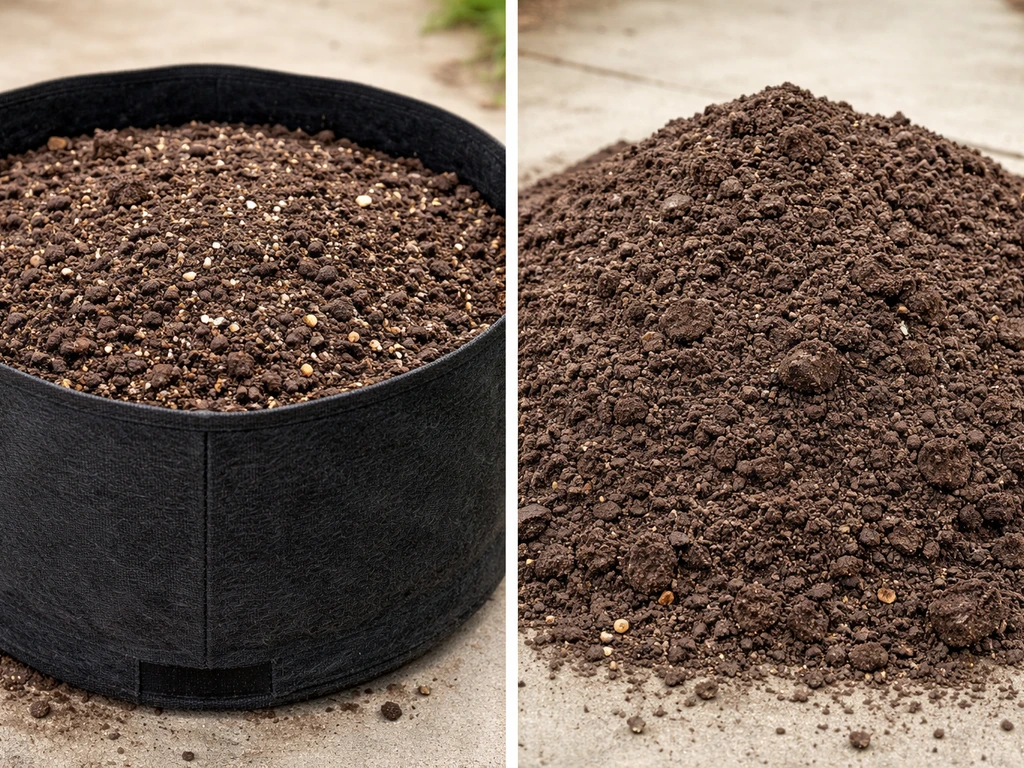
Can I Use Raised Bed Soil in Grow Bags? How-To Guide
Yes, with changes: how to mix raised bed or garden soil for grow bags, improve drainage, and manage faster drying.
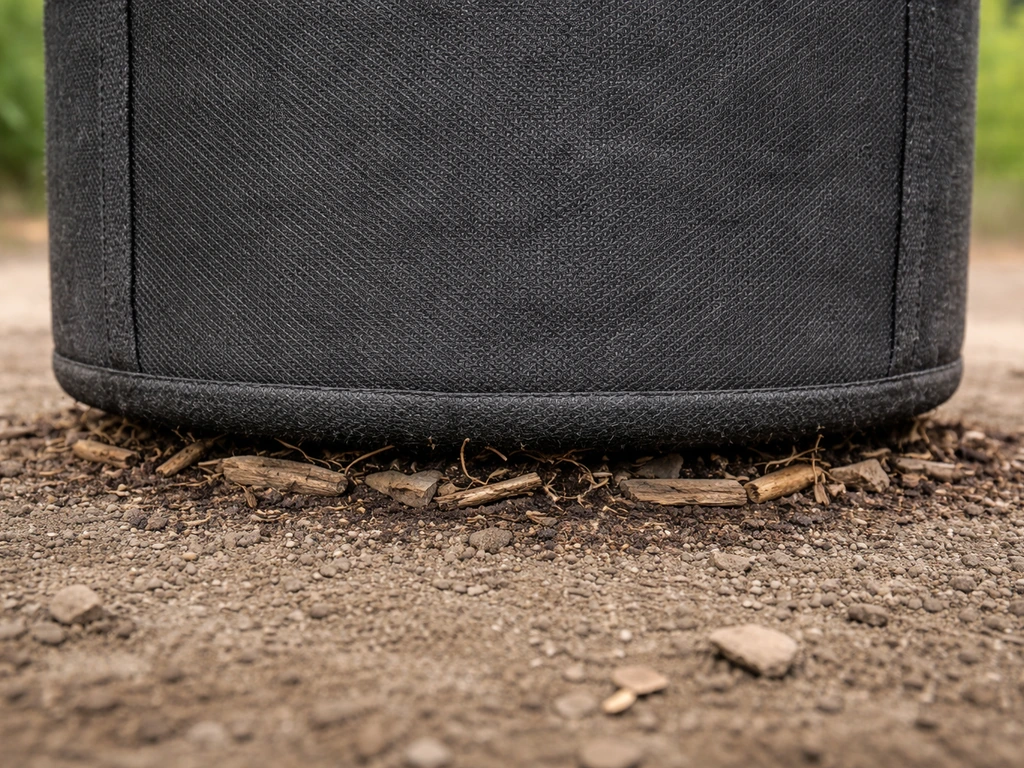
Can You Plant Grow Bags in the Ground? Best Setup Tips
Learn if fabric grow bags can touch soil, how to prevent waterlogging, weeds, pests, and fabric damage.
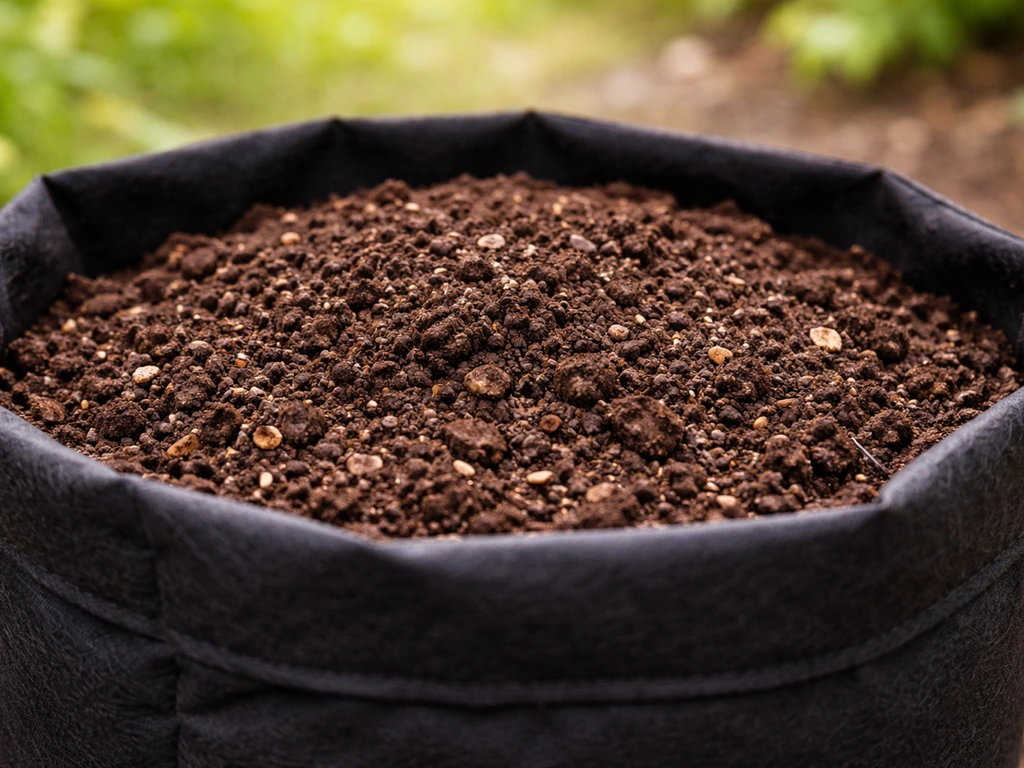
Best Soil for Grow Bags: Mix Recipes and How Much to Add
Best soil for grow bags: mix recipes, how much to add by bag size, and vegetable tweaks for strong drainage and yield.